Color Diary · No. 139
Healing Aloe in the Morning, Flat Gray by Four O'Clock
Benjamin Moore's chameleon spa green, reviewed honestly: the light that makes it glow green, the light that turns it flat blue-gray, and what to pick instead.

Susan HartleyNovember 26, 2026 · 17 min read
Healing Aloe · Benjamin Moore 1562
Hex#D5DBD2LRV68Undertonessoft green → muted gray → cool blue
In our last house—a center-hall colonial built in the early 1990s—the downstairs powder room sat directly under the stairs. It had no window, a low ceiling, and an exhaust fan that sounded like an outboard motor. When we moved in, someone had painted those four tiny walls in a heavy forest shade that made brushing your teeth feel like sitting inside an abandoned pine chest. I spent an entire Saturday with two coats of primer and two cans of Benjamin Moore Healing Aloe, convinced I was about to turn an unventilated shoebox into an upscale hotel powder room.
By Sunday morning, the result was in. With the warm incandescent overhead fixture turned on, it wasn't terrible. But the moment you turned that light off and stepped out into the dim hallway, the paint looked like damp river silt. It had zero green in it. It was gray, plain and flat, with a cold blue shadow tucked in the corners. I lived with it for about three weeks before admitting what every paint swatch tries to hide: Healing Aloe is not a leafy wall color that brings its own sunshine to the party. It is a quiet, light-dependent chameleon with an LRV of 68 that relies entirely on what the sky is doing outside your window.
Over thirty years and three houses—our first 1970s split-level, that colonial, and now our 1960s ranch—I have repainted nearly every room at least twice. I have learned to judge a can of paint not by how crisp the sample card looks on the kitchen counter, but by how it behaves five years in. A color has to survive winter dusks, humid showers, sticky fingerprints near the door jambs, and the shifting sun. Healing Aloe (Benjamin Moore 1562) is one of those colors that people either fall completely in love with or regret within forty-eight hours, and almost every single disappointment comes from expecting it to do something its chemistry simply cannot deliver.
Benjamin Moore calls Healing Aloe "a refreshing wash of green with notes of gray." That is unusually candid for paint marketing, and it happens to be completely accurate. It sits in their Classics collection, carrying a Light Reflectance Value of 68. On a numerical scale where 0 is pitch black and 100 is absolute pure white, an LRV of 68 means this paint bounces a healthy amount of daylight around. It is airy, soft, and sits squarely in the pale neutral family. It is never going to feel heavy or cave-like.
The catch is that gray component. Healing Aloe is not a pure pastel mint, nor is it a cheerful meadow green. It is a muted, grayed-out sage that leans heavily on blue undertones the moment the lighting shifts toward the cooler end of the spectrum. When you give it warm, direct southern or western sunlight, that quiet green wakes up. The room feels calm, airy, and unmistakably spa-like. But put it in a room where the light is starved, cold, or facing due north, and the green drains out like water through an open drain. You are left with a cool, slate-tinted gray that can look almost institutional if you aren't prepared for it.
Watching the Clock: Light Shifts from Dawn to Dusk
Before you commit five gallons to a bedroom or living area, you need to understand how drastically this shade shifts over twelve hours. It does not stay in one lane. In the morning, as the sun begins to clear the trees, the green undertone shows up first. It feels fresh and gentle, clean without being sterile. As midday passes and the sun swings toward the horizon, the color softens. In a western exposure, the warm late-afternoon rays make it look its absolute best—warm, muted, and tranquil.
Once the sun dips below the roofline, however, the personality changes. Without warm ambient light, the gray pigment takes over the room. If your ceiling fixtures are fitted with cool white 4000K or 5000K LED bulbs, Healing Aloe will look chilly and clinical, almost like an exam room. If you keep your fixtures warm—sticking strictly to 2700K bulbs—you coax that green back to the surface after dark. It is not an unstable color that flashes purple or olive, but it does ask you to pay attention to your lamps.
When people tell me their painter ruined their vision, nine times out of ten it comes down to a cloudy afternoon or a north-facing window. A flat, overcast sky drains the warmth right out of the pigment. The wall simply will not give you back light that isn't entering the window in the first place.
Take a look at what happens in smaller secondary rooms when the natural light is filtered or facing north. You get a stony, reserved wall color that barely hints at aloe. It isn't an ugly color—in fact, many people prefer a serene, gray-blue background—but if you bought the can expecting garden sage, you will be sorely disappointed.
Where Healing Aloe Does Its Best Work
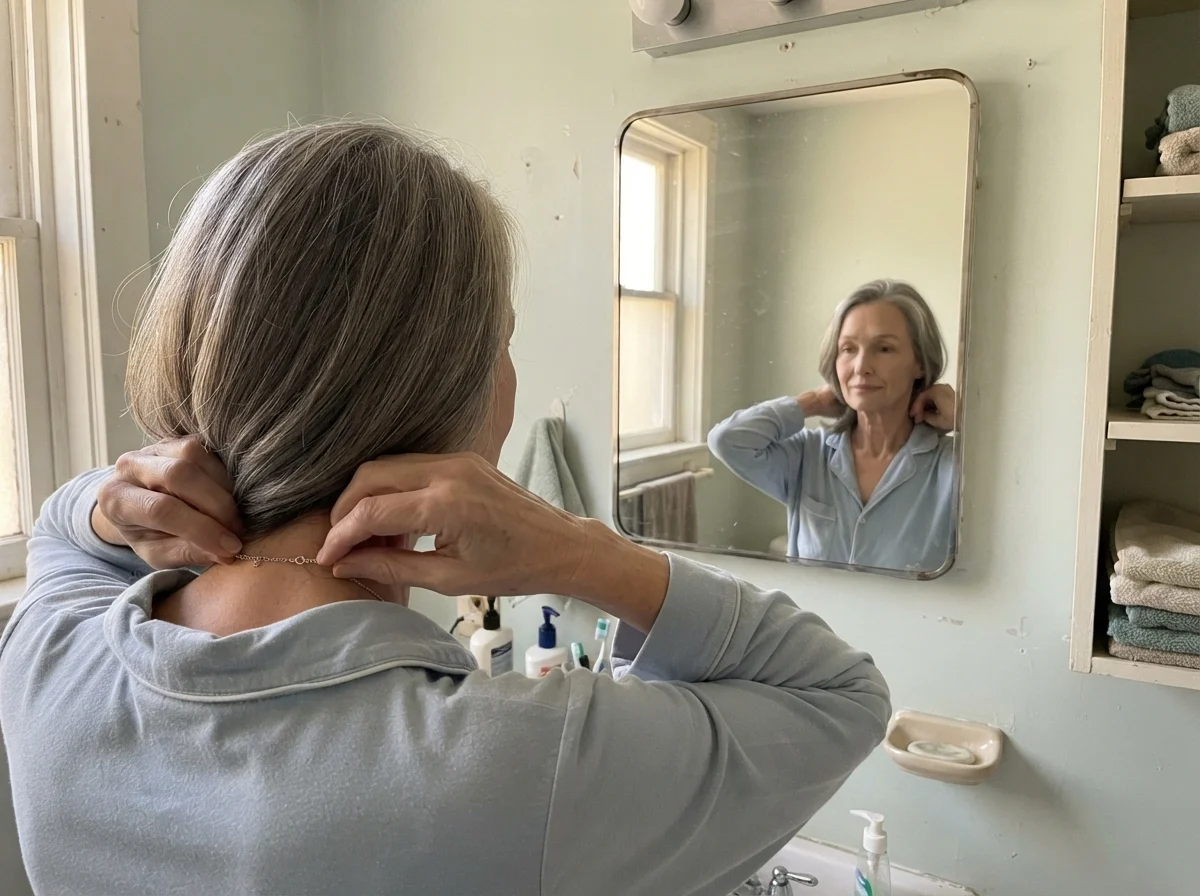
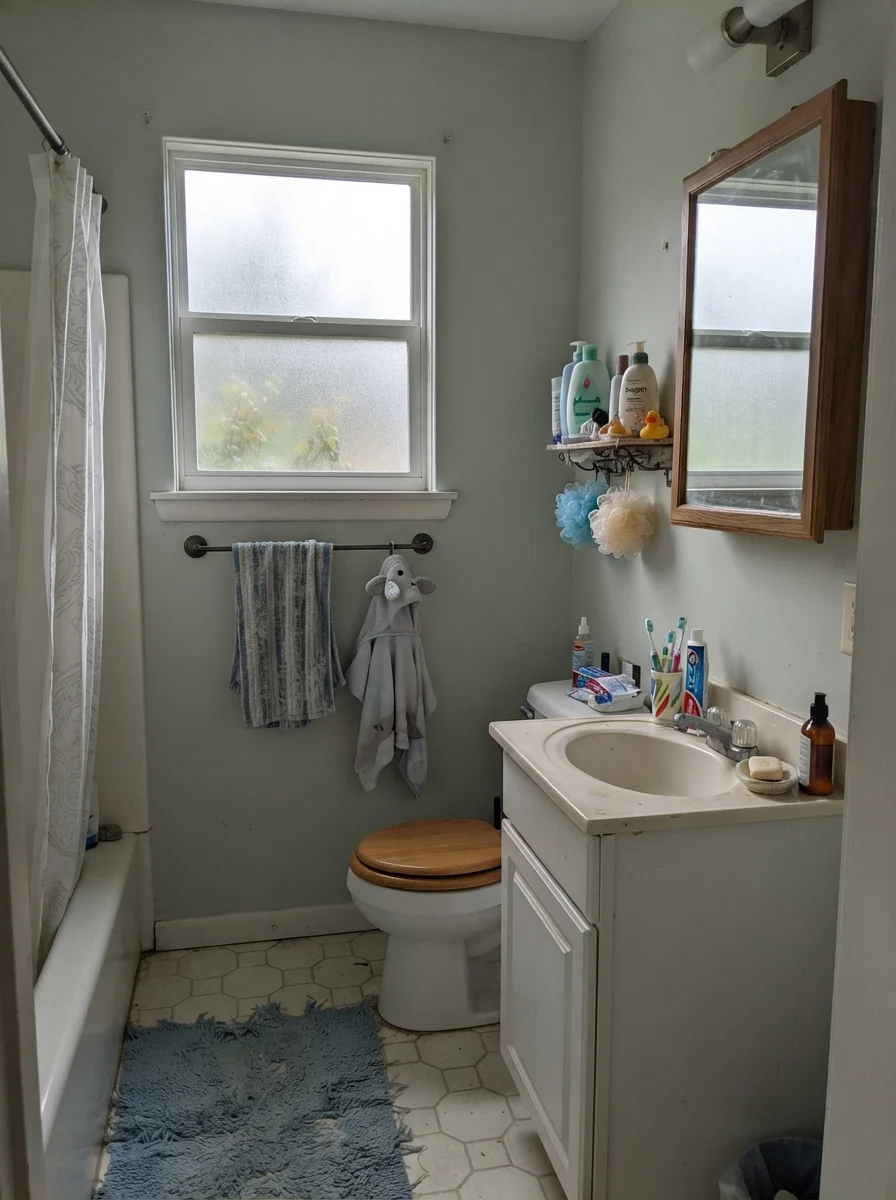
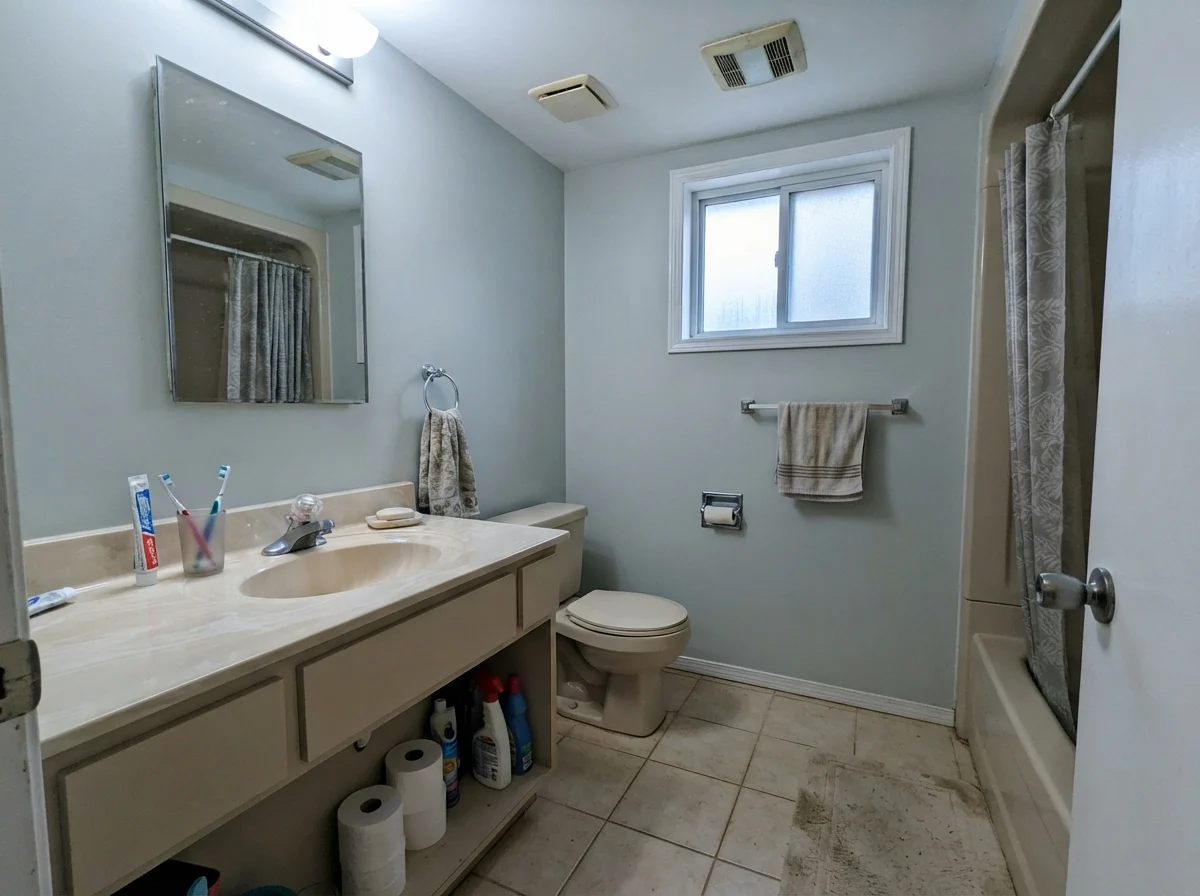
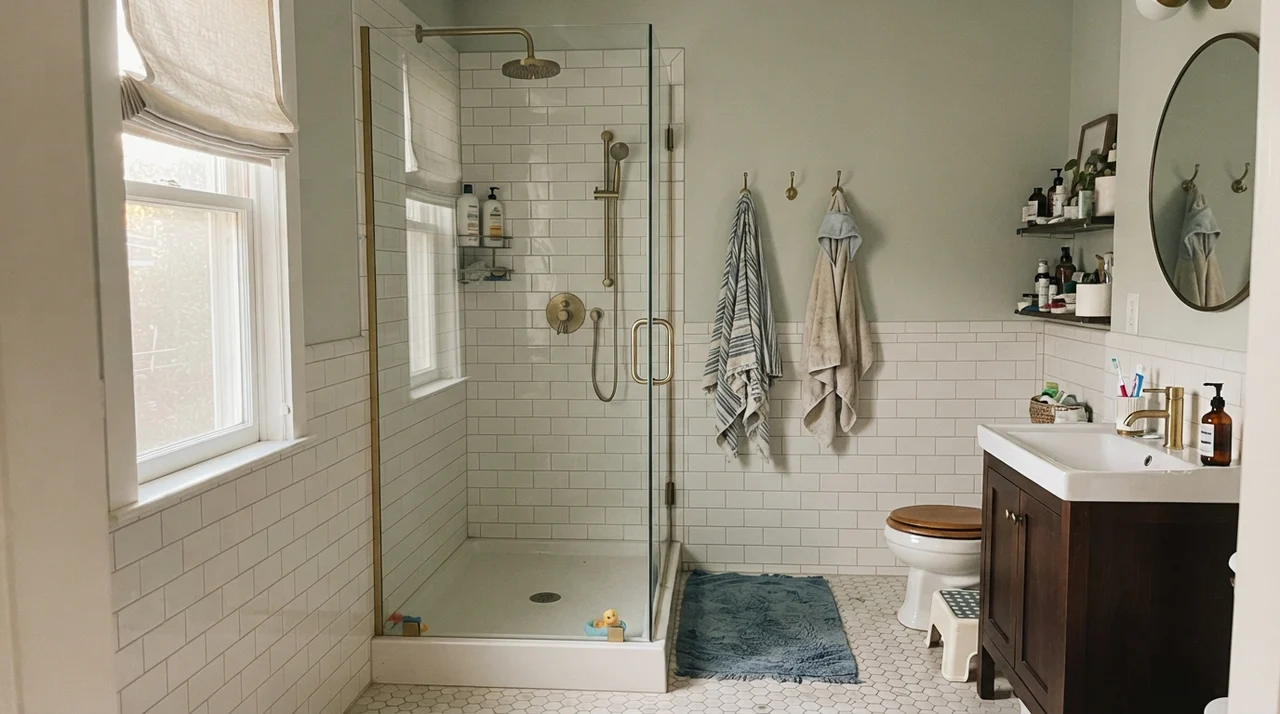
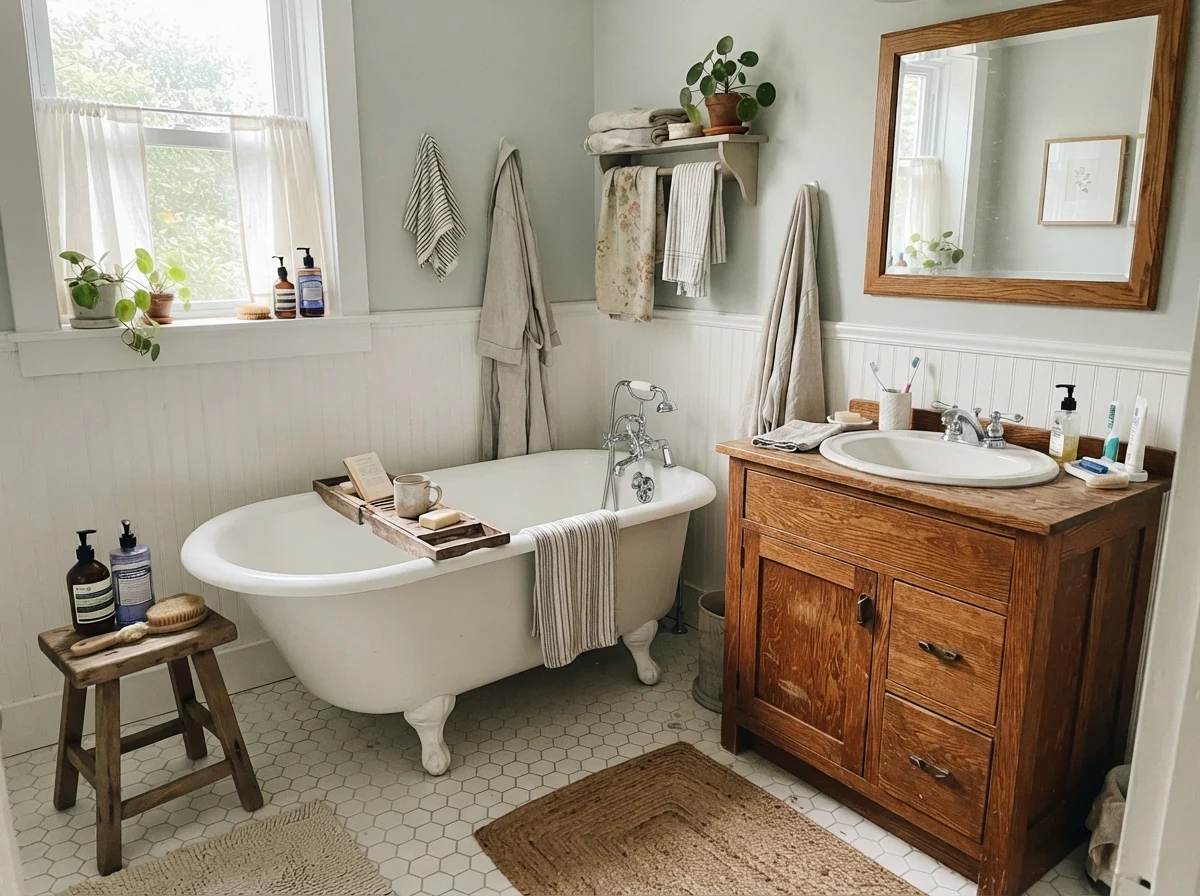
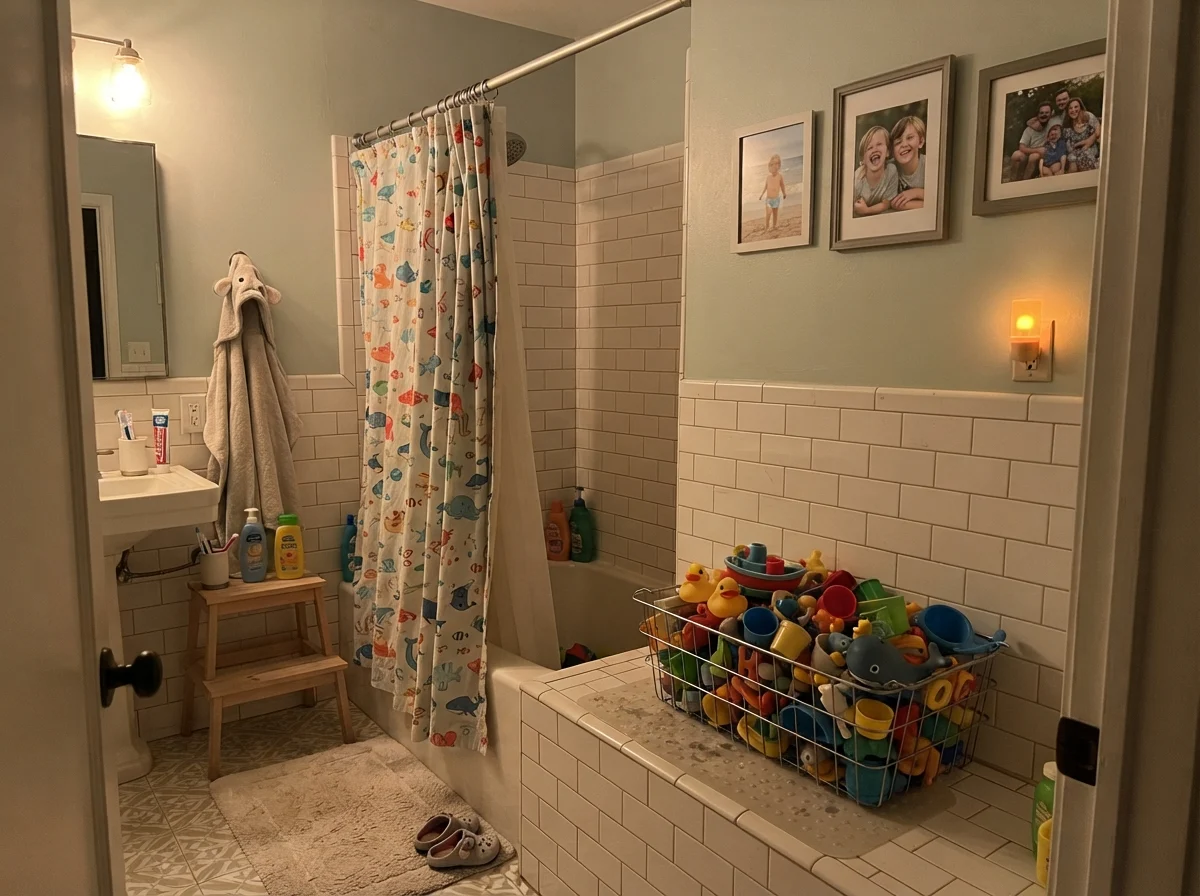
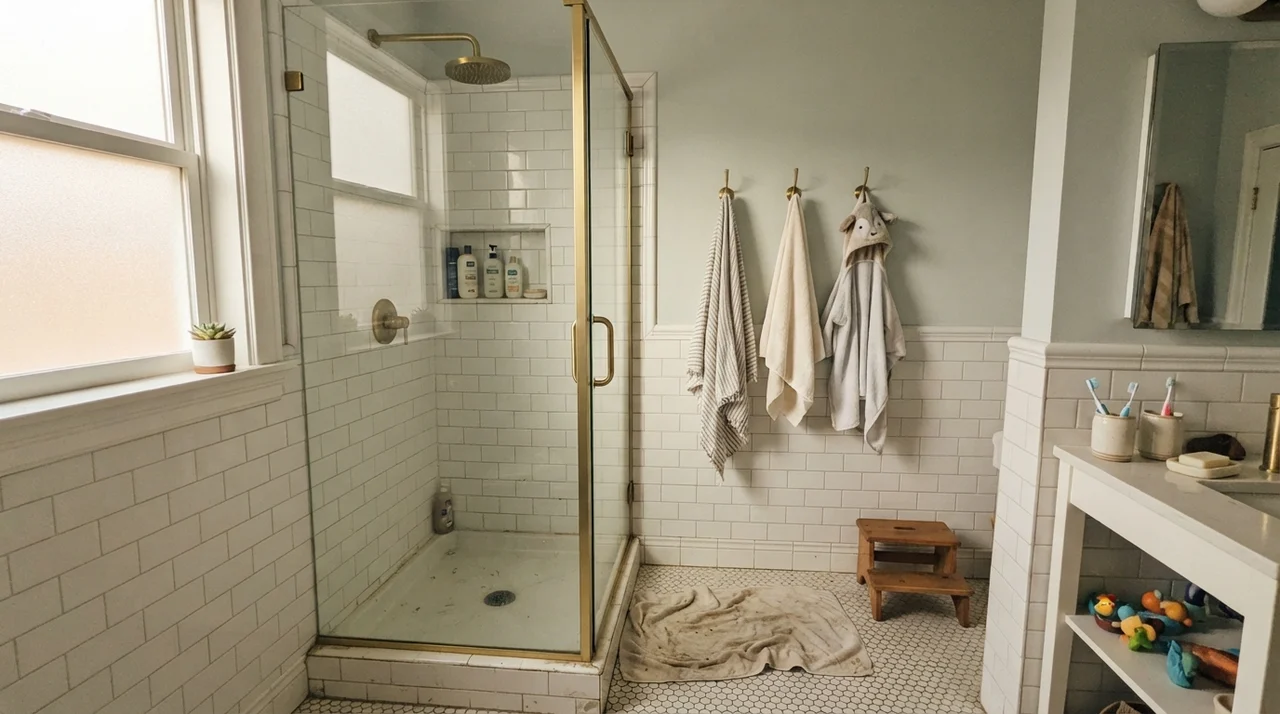
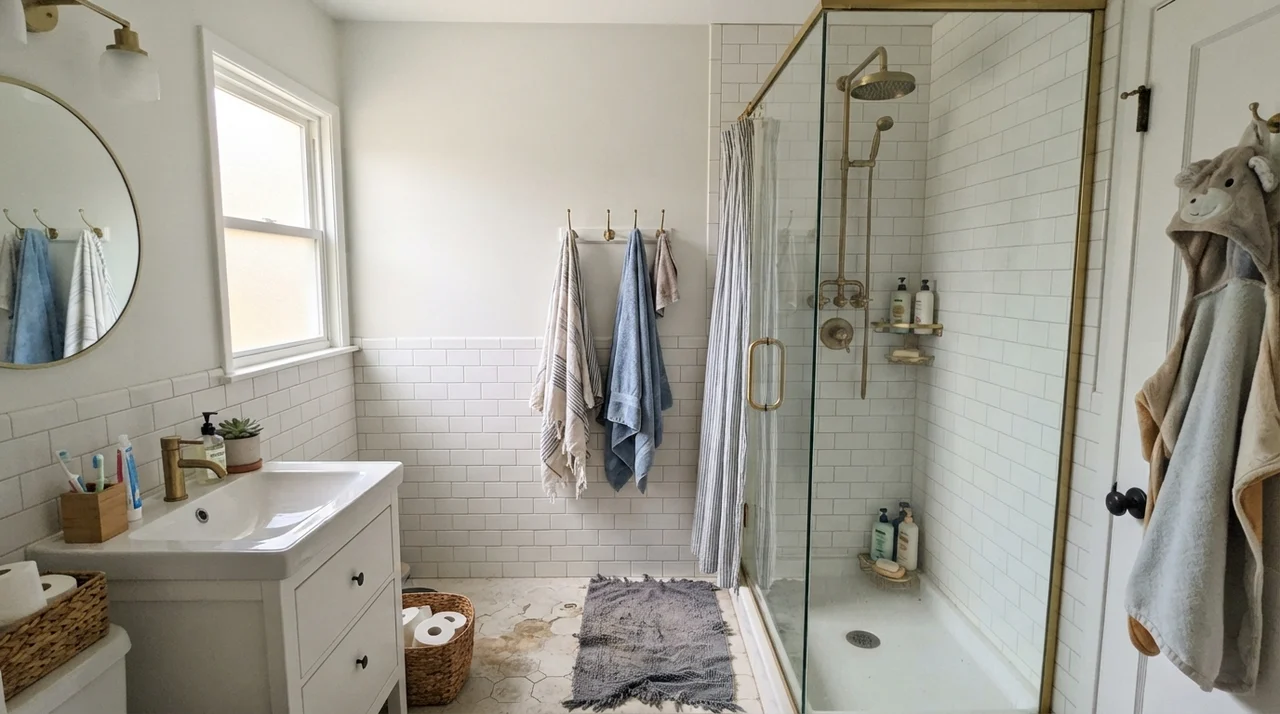
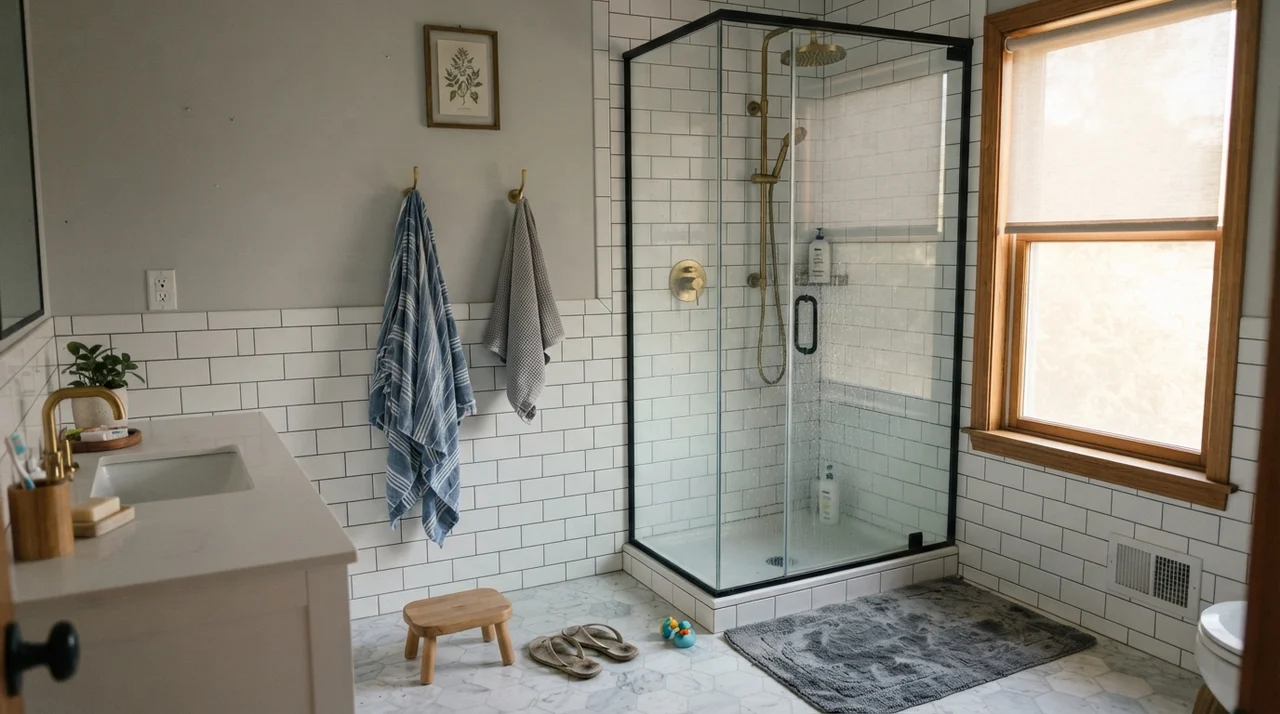
Where does this paint actually earn its keep? Bathrooms are its natural habitat, provided you have at least one window that lets the outside world in. The pairing of crisp white wainscoting or subway tile against Healing Aloe is timeless. It cleans up beautifully, gives you that quiet spa atmosphere everyone wants when they are running a bath on a Sunday evening, and keeps the room feeling airy even when moisture fogs the mirror.
In our current 1960s ranch, I used a soft sage-gray palette in our family bath. It has lived through teenagers, steamy showers, and endless morning rushes. It never looked dated within two or three years the way bright avocado greens or turquoise blues did back in the late nineties. It just sits quietly behind brass fixtures and white porcelain, minding its own business.
In the Kitchen: The Two-Tone Cabinet Move
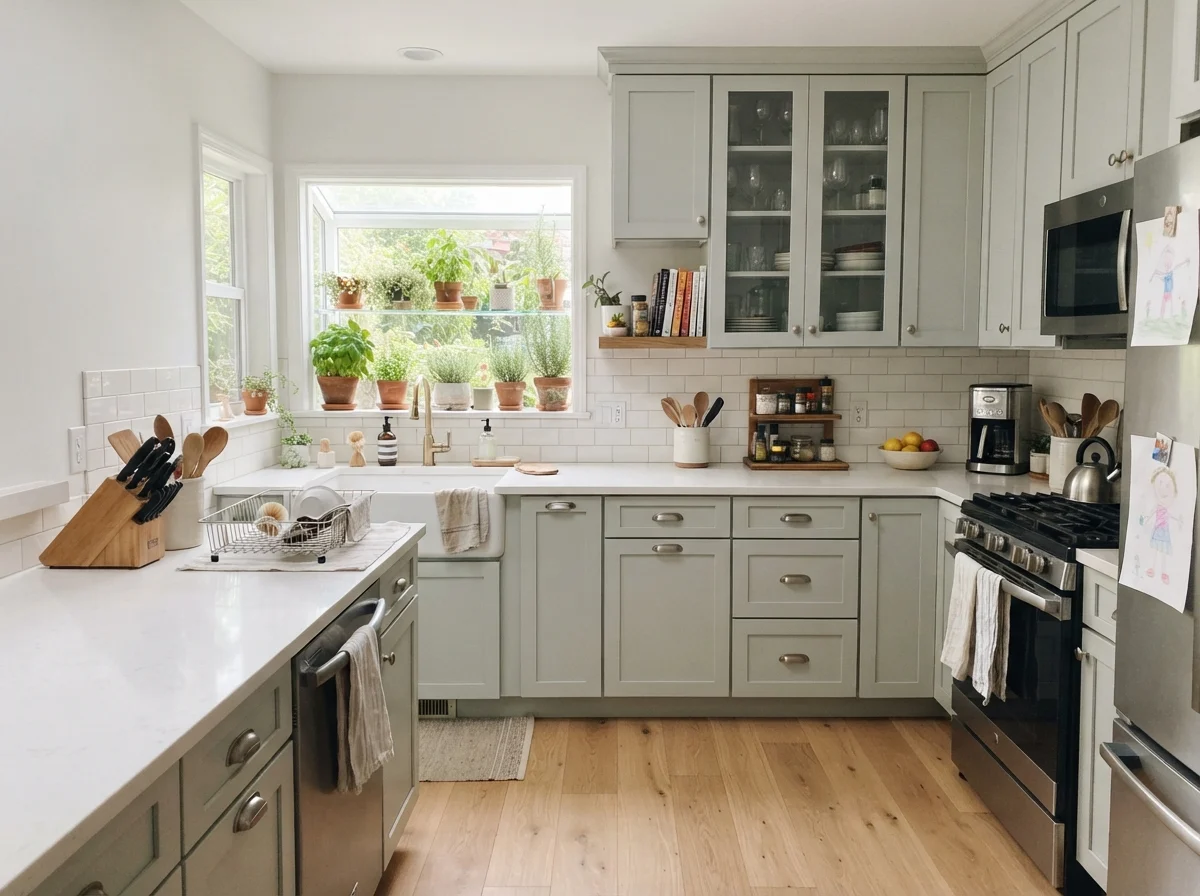
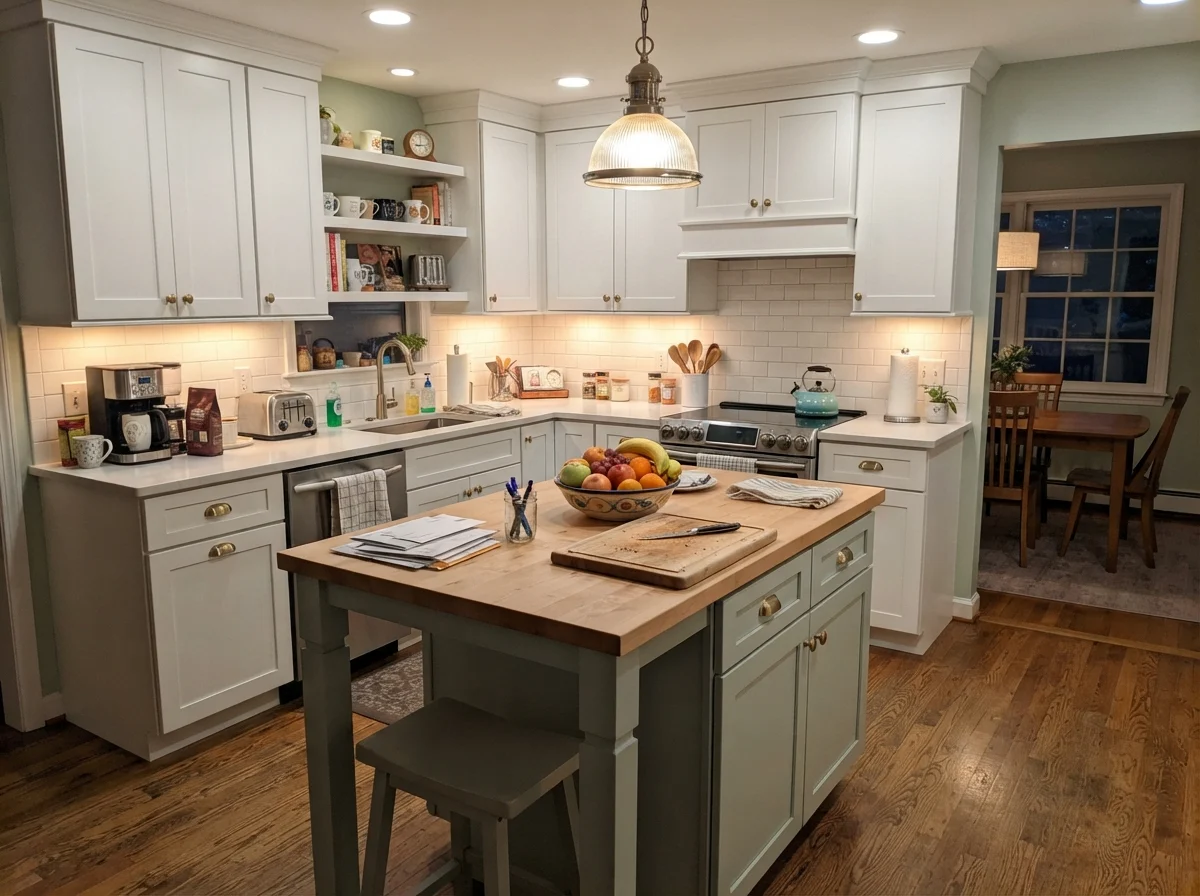
If you want to use Healing Aloe in a kitchen, my advice after thirty years of watching trends come and go is simple: paint the lower cabinets, not the uppers, or stick to the kitchen island. A whole kitchen wrapped top-to-bottom in pale green-gray can look washed out under bright task lighting. But when you anchor the room with Healing Aloe on shaker lowers and keep the upper cabinets a crisp, clean white, something wonderful happens.
The green gives the lower half of the room just enough substance without demanding all the attention. It pairs effortlessly with white quartz counters, light oak floorboards, and matte black or brass hardware. In our last house, when we prepped the kitchen for resale, we refreshed the tired oak island with a muted gray-green and kept the perimeter cabinets clean. When we sold, the buyer's inspector and three different open-house visitors asked for the paint chip name before they even looked at the furnace. It works because it reads custom without feeling like a trendy risk.
Bedrooms, Nurseries, and Growing Kids
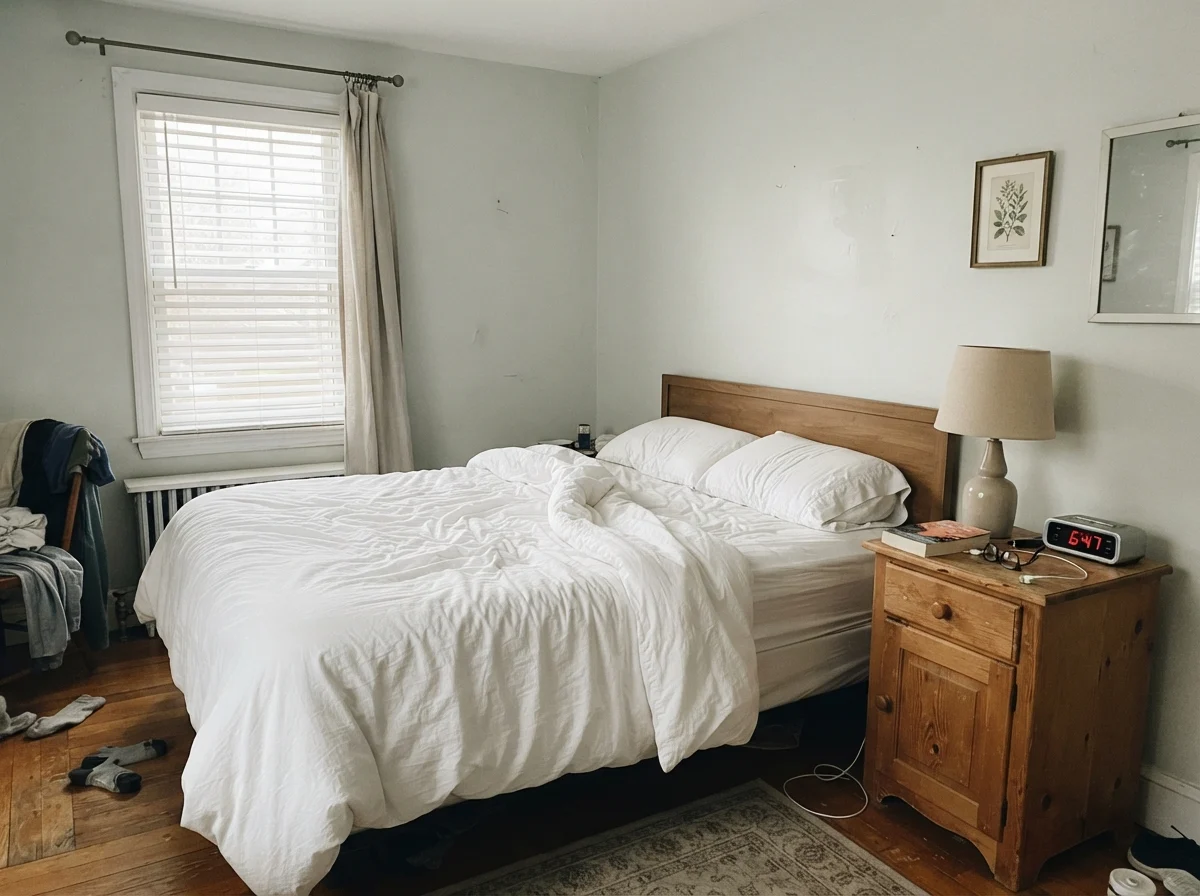
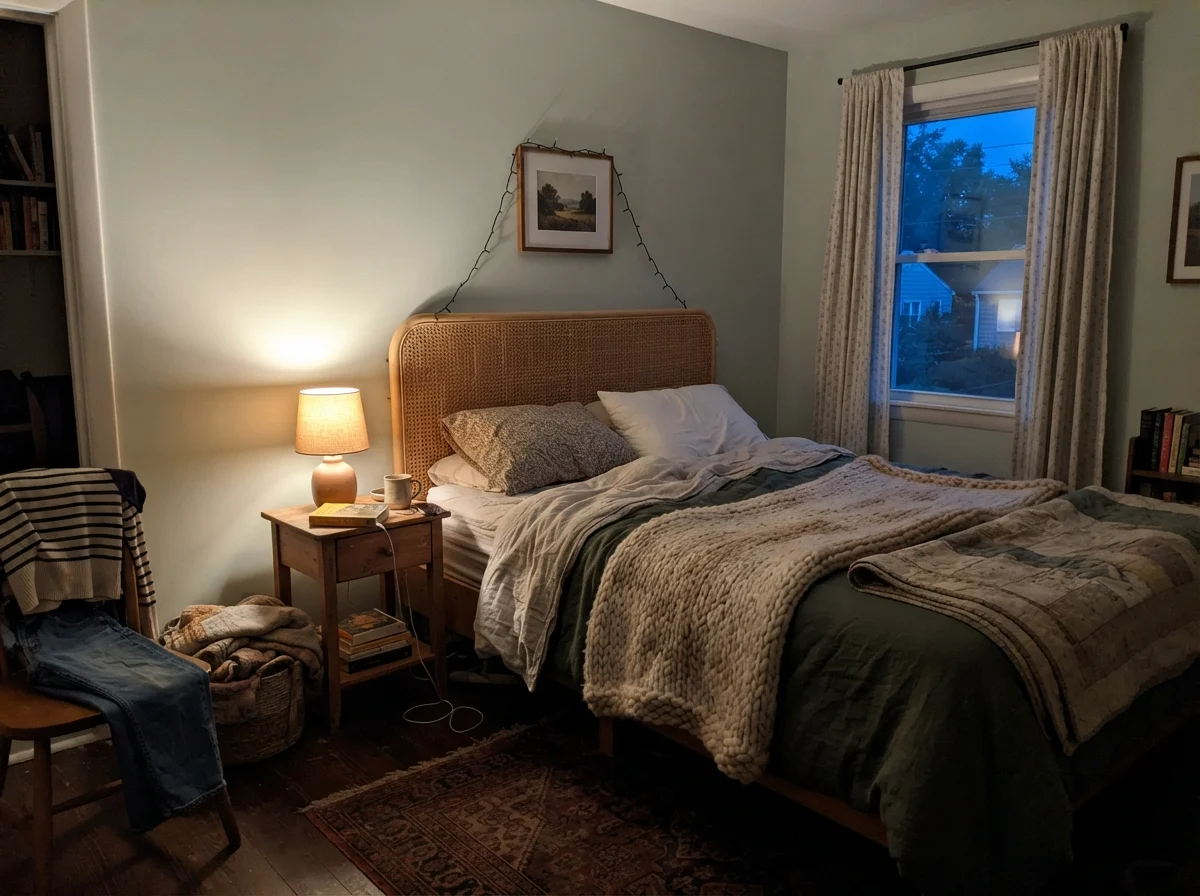
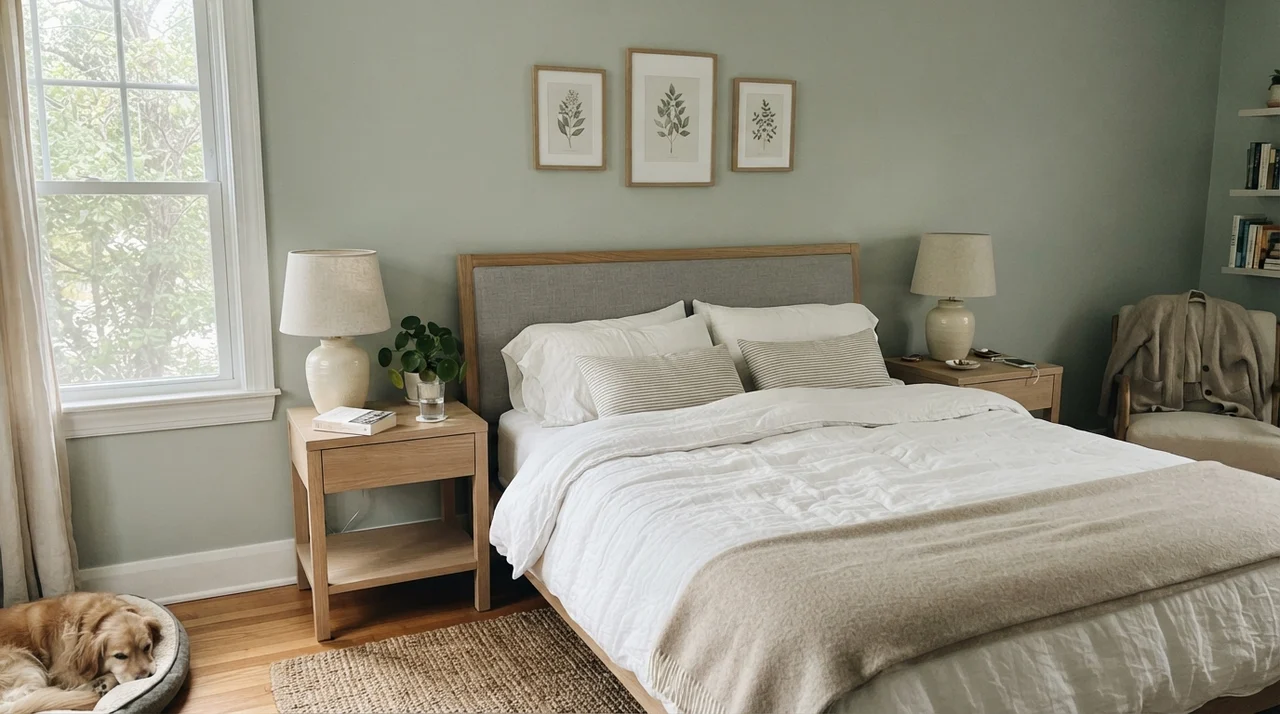
Bedrooms are where Healing Aloe shows its gentle side. Because the LRV is 68, it does not close in the walls or demand that you build an entire interior design theme around it. You don't need floral curtains or vintage quilts to make it work. It sits happily behind white linen sheets, natural cane headboards, and pale oak nightstands.
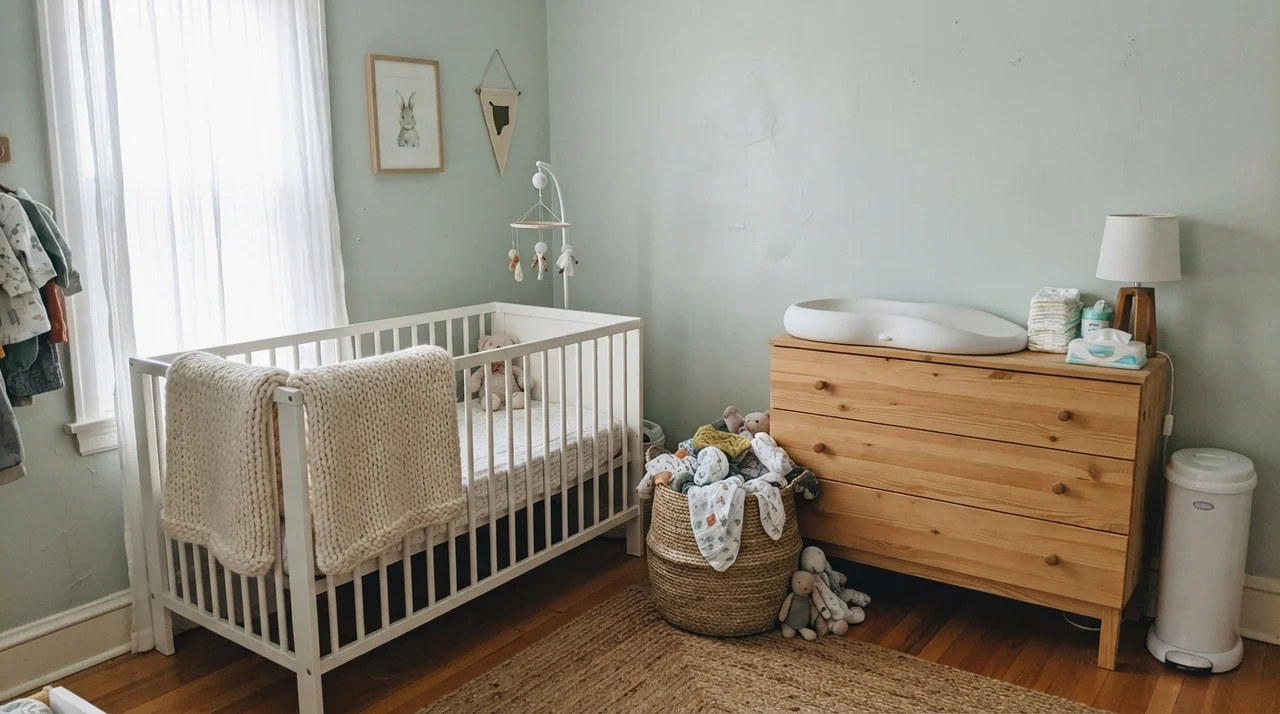
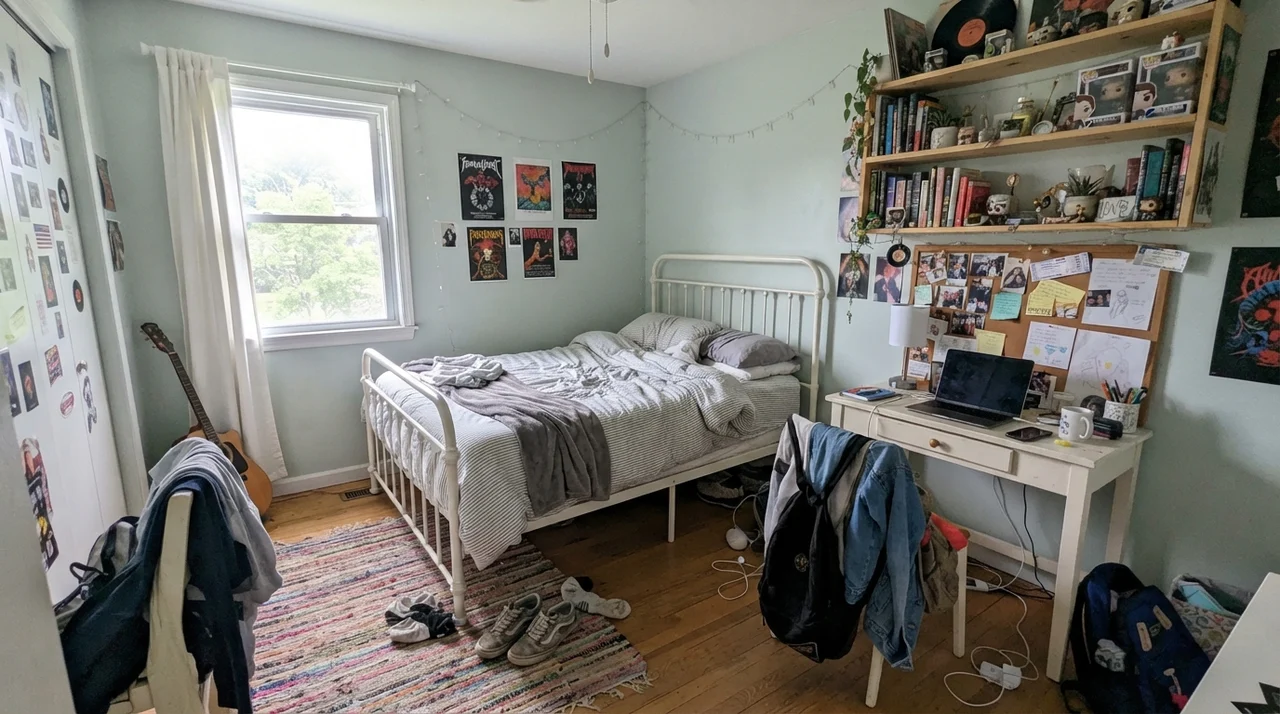
For nurseries and children's rooms, it is one of the few colors that will actually survive five years of growth. When our youngest was small, we painted one nursery in a sugary pastel that looked dated within eighteen months. Healing Aloe avoids that trap because the gray undertone cuts the sweetness. It feels serene for a baby, perfectly calm for an elementary schooler, and mature enough for a teenager who wants white metal furniture, open book shelves, and posters on the wall.
The test of a good paint isn't how it looks the weekend you roll it on. It's year four, when the light has shifted and you've scrubbed the wall a hundred times.
Living Rooms, Sunrooms, and Interior Doors
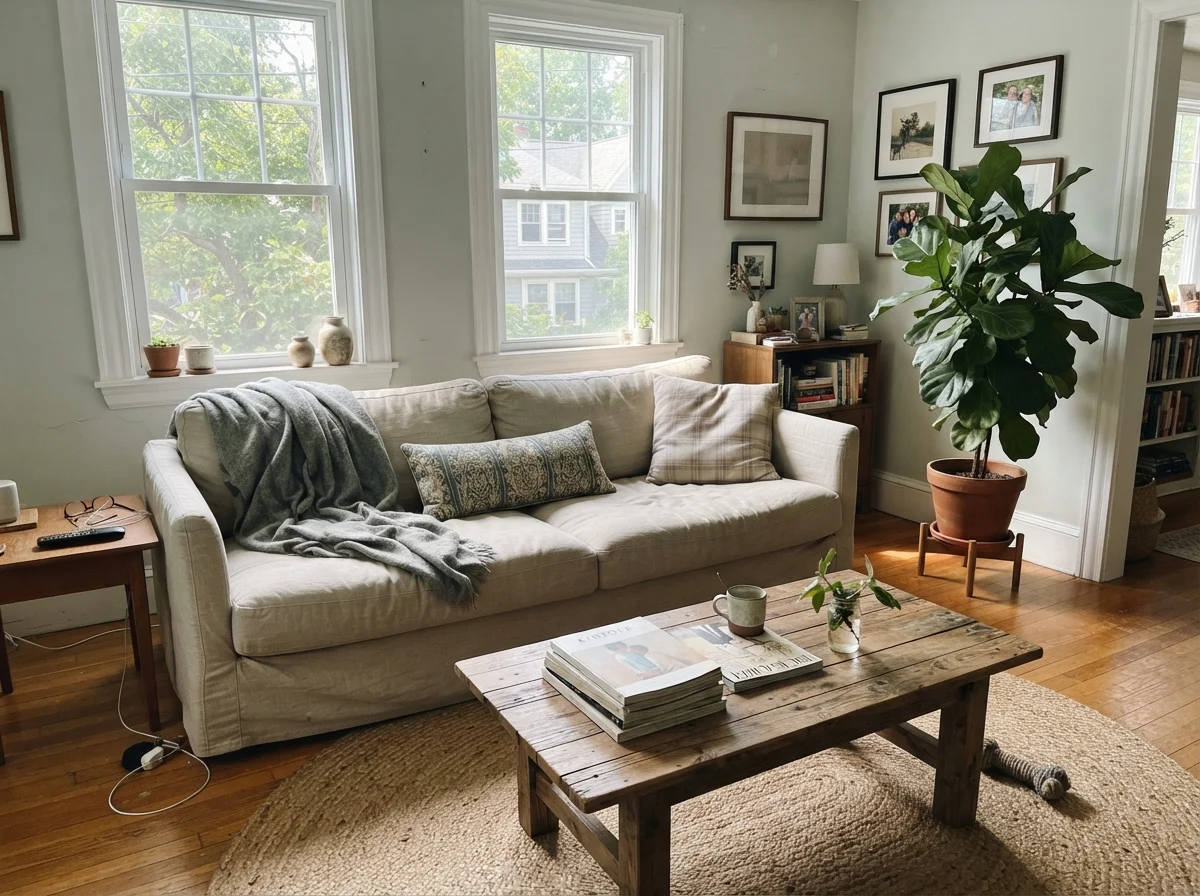
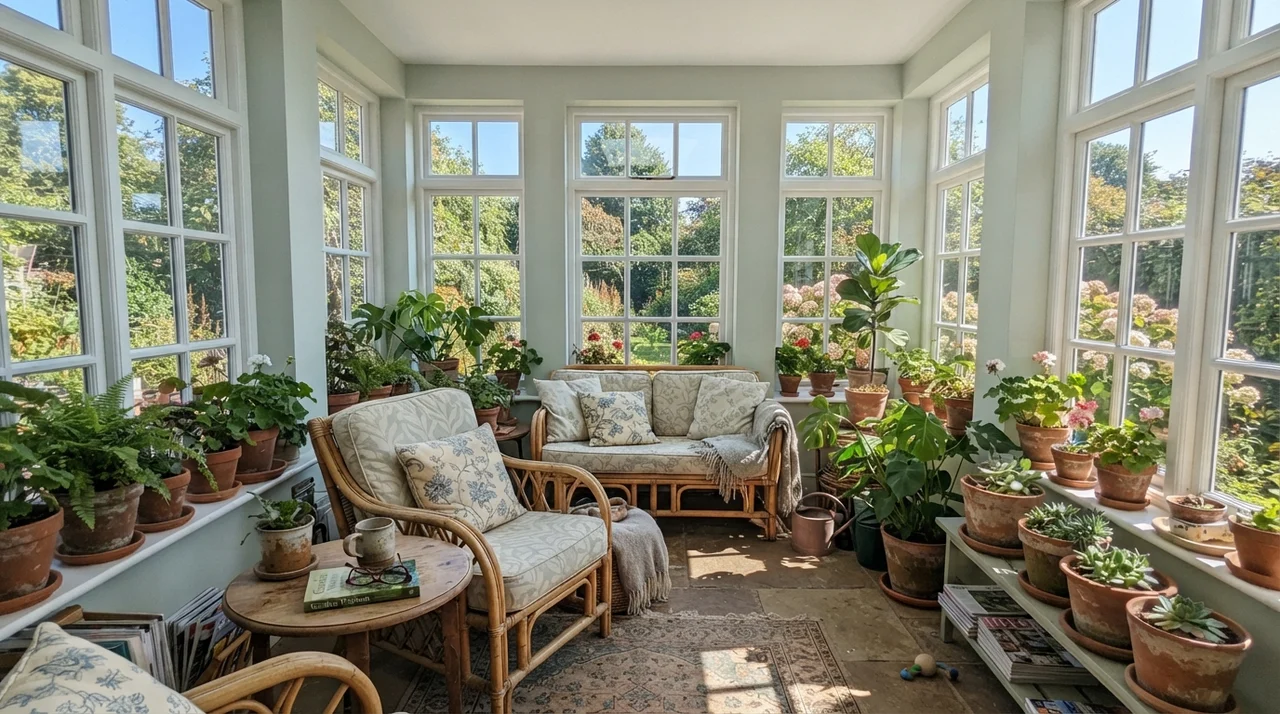
In larger shared spaces like living rooms and sunrooms, Healing Aloe functions almost like an off-white with a personality. If your living room has generous south or west windows, the light keeps the room feeling expansive while the pale green connects your indoors with the garden outside. A jute rug, a linen couch, and a couple of healthy potted plants are all you need to balance it.
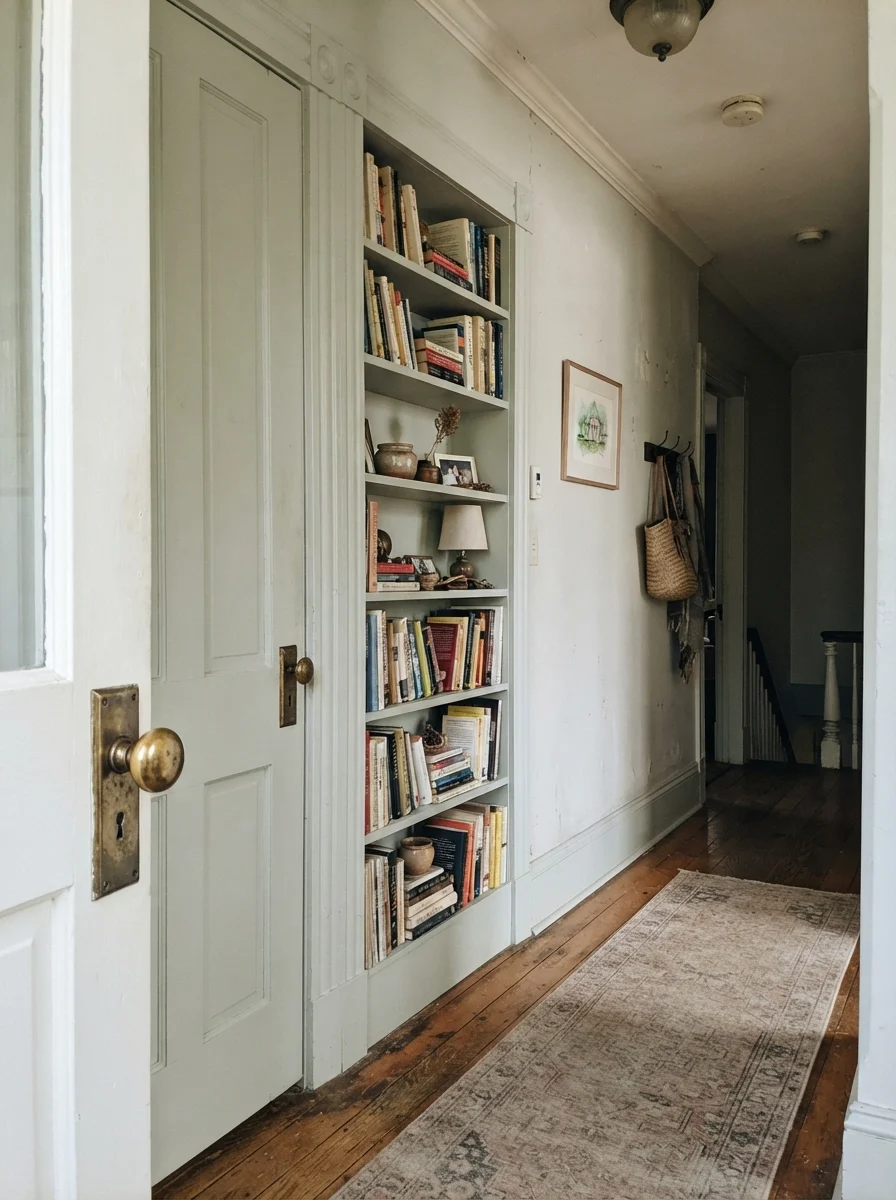
If you don't want to commit an entire four-wall living room to green, consider using it as an architectural accent. In older houses with character trim—like our 1970s split-level hallway—painting an interior two-panel door and an adjacent built-in bookshelf in Healing Aloe against soft cream walls gives you that tailored, layered look without overwhelming the hall. It turns builder-grade woodwork into something intentional.
Laundry Rooms and the Exterior Elevation
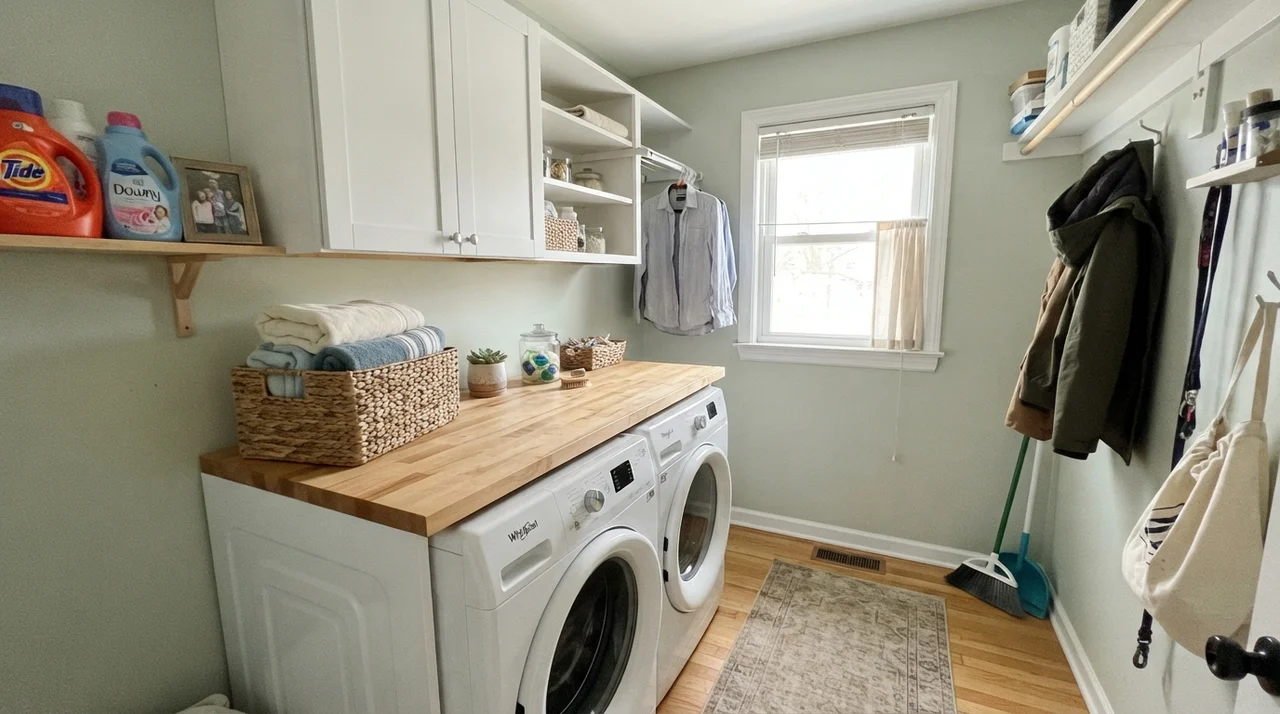
Utility spaces deserve decent paint too. A laundry room is often the hardest working, least glamorous square footage in a house. When you have a window bringing in clean daylight over a butcher block folding counter and a white washer-dryer set, Healing Aloe keeps the room feeling fresh and scrubbed clean. It doesn't fight the appliances, and it makes sorting socks on a Tuesday slightly less grim.
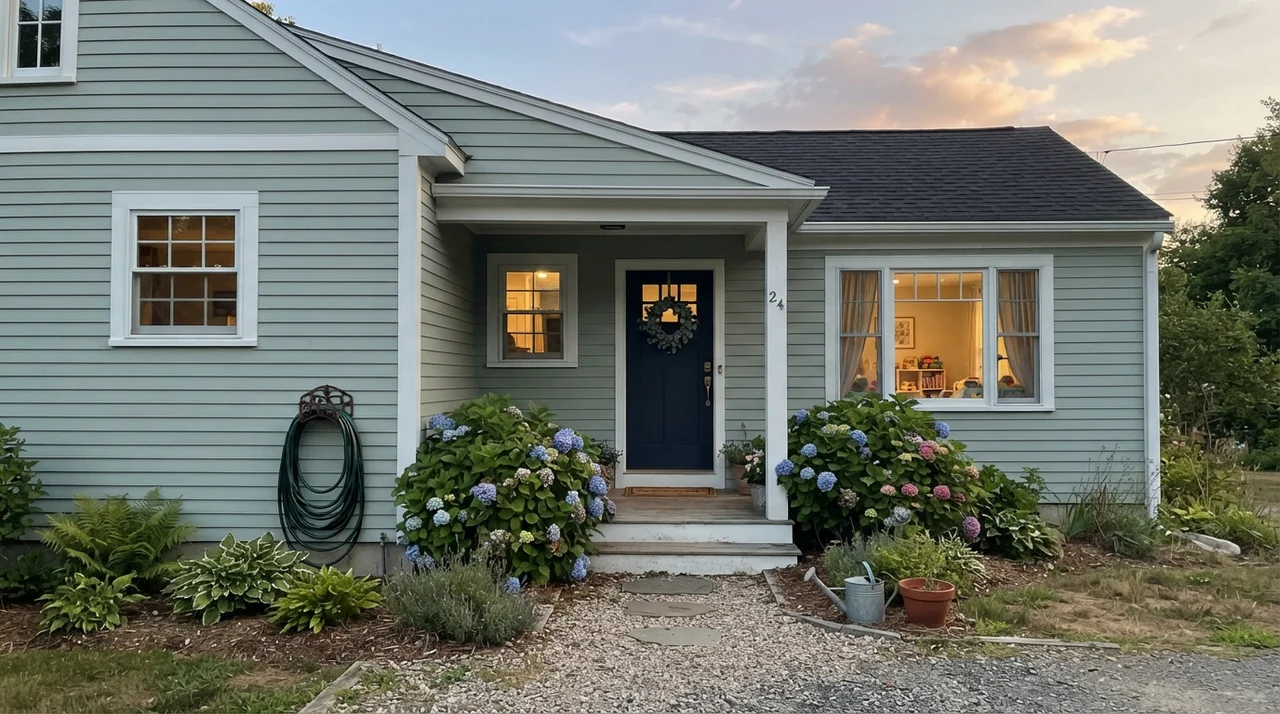
On an exterior, however, you have to be careful. Full, unvarnished southern sun will wash an LRV 68 color right out until it looks like faded primer. But on a shaded side, or an east-facing porch framed by white trim and lush hydrangeas, Healing Aloe holds onto its subtle coastal charm. Paired with a dark navy front door, it gives an older horizontal-siding cottage an understated, clean curb appeal that never screams for attention.
The Honest Fail: Where This Color Falls Flat
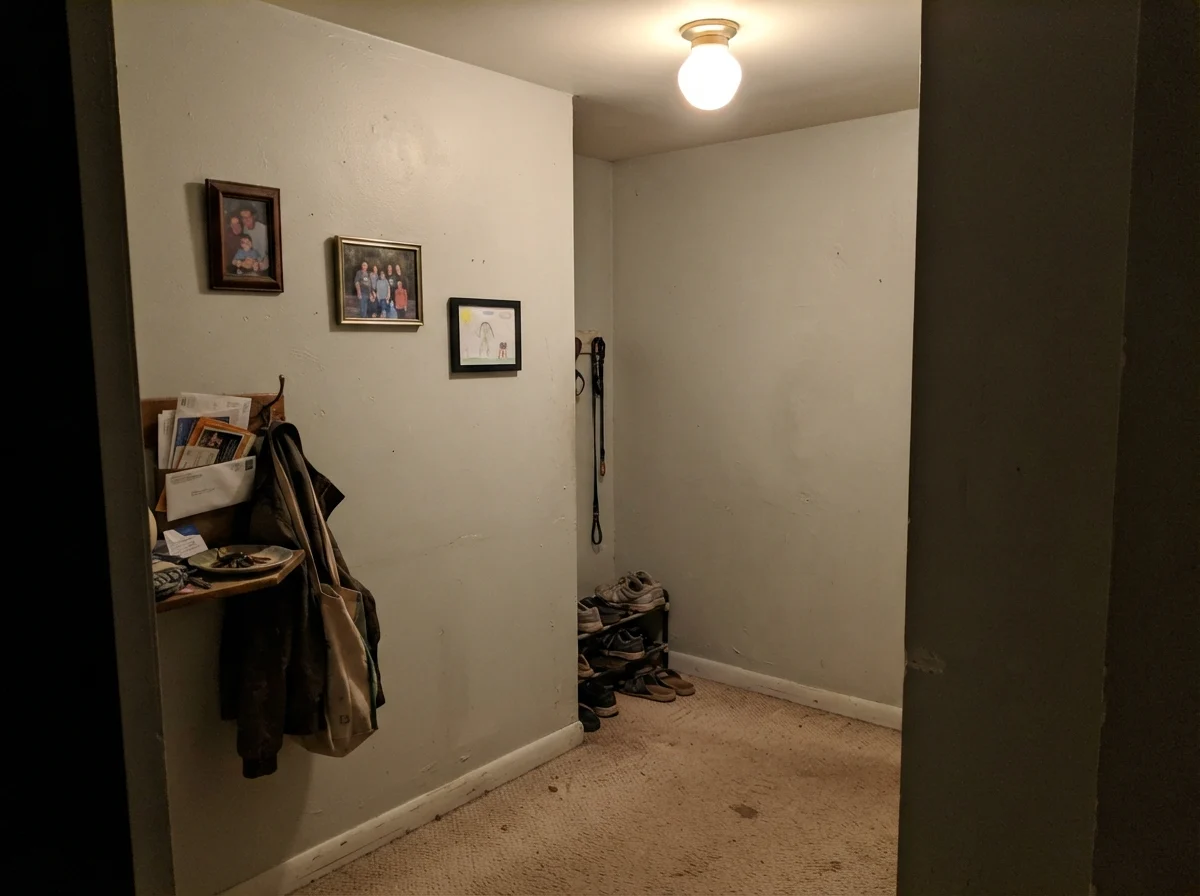
Almost every disappointed story about Healing Aloe comes from one of three situations, and all three are predictable before you even pry the lid off the can. The first is a windowless, poorly lit hallway. In a closed interior passage with beige carpet and an old ceiling bulb, Healing Aloe will not perform miracles. It loses every trace of green, collapses into a muddy putty gray, and looks like wet cardboard.
The second fail is expecting an obviously leafy, deep green. If your mental picture is a cozy British library or a deep hunter green from 1998, this is not your can. Guests will walk in and say, "What a nice soft gray." And the third mistake is slapping it on a sun-blasted southern exterior facade where the intense UV simply bleaches the color into an indistinguishable off-white.
Trim Colors and Surface Sheens
Because Healing Aloe has a quiet blue-gray backbone, choosing your trim color requires attention. You want a crisp white that lets the wall read as a deliberate color, or a soft cream that warms up the perimeter without clashing. Avoid trim paints that carry heavy yellow or pink undertones, as they will make Healing Aloe look dirty by comparison.
For sheen: put eggshell on the walls. Eggshell has just enough resin to be scrubbed clean when muddy boots or wet dogs bump past, but it keeps the surface soft and low-glare. Use semi-gloss on your baseboards, door frames, and window sills so they bounce light and resist dings. And if you tackle lower kitchen cabinets or bathroom vanities, spend the extra money on satin—it handles humidity and soapy splashes without turning chalky.
Styling Around Healing Aloe
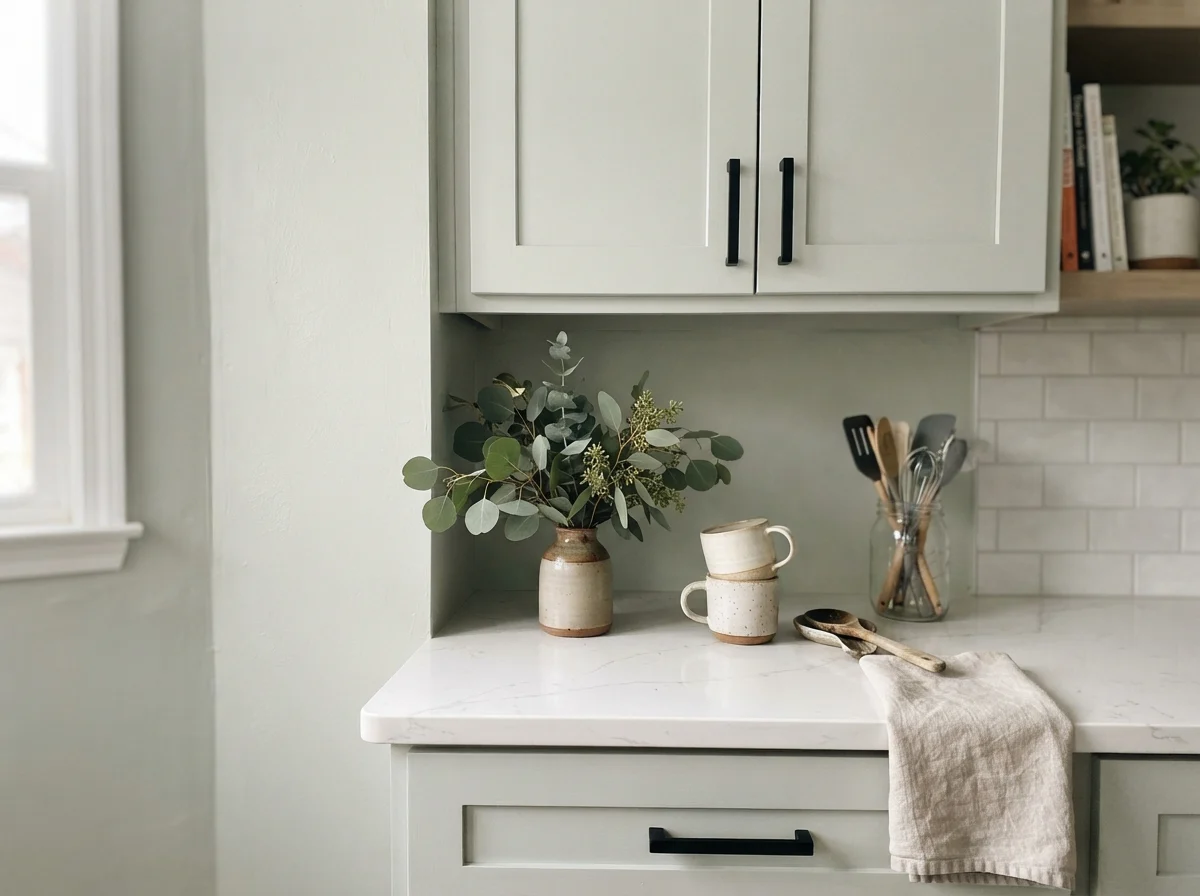
You do not need to buy all new furniture to make this color work, but you do need to be conscious of your wood tones and metal hardware. Honey oak, natural butcher block, and warm white quartz create an organic warmth that prevents Healing Aloe from drifting into cool blue territory. Matte black hardware gives modern definition to painted shaker doors, while aged brass brings out the color's classic colonial roots.
Steer clear of heavy, cold blue-gray furnishings or icy chrome fixtures in low-light rooms, as they will pull the paint's undertone straight toward an institutional slate. Let warm natural fibers like jute rugs, rattan baskets, and textured linen do the heavy lifting.
Durability: Five Years In
Here is what thirty years of home maintenance teaches you: paint isn't an art project; it's a protective barrier for your drywall. In our houses, any paint in a hallway, kitchen, or family bath has to withstand real life. Five years in, cheap paint shows burnish marks where coats rubbed against the wall and dull chalky spots where someone scrubbed clean a splash of pasta sauce.
Benjamin Moore's formulas held up remarkably well in our colonial. When you apply Healing Aloe in an eggshell finish on the walls and satin on the woodwork, it wipes down without leaving shiny streaks behind. If you have active grandchildren or dogs who shake water all over the baseboards after a rainy walk, taking the time to prime properly and spending the money on quality topcoats is genuinely worth the money. Trying to stretch a budget by skipping the second coat or using flat paint in a bathroom is not worth the money—you'll end up repainting before the year is out.
Frequently Asked Questions from the Neighborhood
Whenever a neighbor peeks into our garage while I have the drop cloths out, they ask the same practical questions. Here are the straight answers before you make a trip to the paint desk.
Does Healing Aloe read minty or pastel?
No. The generous dose of gray pigment keeps it thoroughly grounded. It reads as a quiet, mature sage rather than a nursery pastel, provided your room gets decent natural daylight.
Why does my sample board look like plain gray?
You are likely looking at it in a north-facing room, under cloudy skies, or under cool LED lightbulbs. Healing Aloe needs warm sunlight (south or west) or 2700K bulbs to reveal its green undertone.
What sheen should I choose for a bathroom?
Eggshell on the drywall and satin on the vanity cabinet. That combination resists moisture and wipes down easily without looking overly glossy or cheap.
Is Healing Aloe a good whole-house neutral?
Only if your layout has consistent natural light throughout. If you have dim central hallways or windowless powder rooms, it will drop its green and look like flat putty in those spots.
Susan's Verdict · Good Light or Look Elsewhere
Healing Aloe is not a miracle worker, but in a south- or west-facing bathroom, bedroom, or kitchen, it is one of the most serene pale greens you can buy. Just remember the rule: if your room lacks windows, you are buying a gray paint, not a green one.