Color Diary · No. 72
Living with Sherwin-Williams Clary Sage When You Are Afraid of Green
America's easiest sage green, reviewed honestly: where it glows, the lighting that drains the green right out of it, and what to pick instead.

Susan HartleyOctober 9, 2026 · 16 min read
Clary Sage · Sherwin-Williams SW 6178
Hex#ACAD97LRV41Undertonessage green → muted gray → dull olive
In our last house—the 1990s colonial with the drafty family room and an unreasonable amount of honey oak—I spent two full weeks staring at paint strips because I desperately wanted color on the walls, but I was terrified of making a mistake. I had already lived through the late-nineties hunter green craze. I loved that hunter green kitchen for two years, tolerated it for five, and painted over it the month before we listed the property. When we sold, the buyer's agent practically hugged me in the driveway for putting neutral paint back on the drywall. So by the time we bought the colonial, I was skittish. I wanted color, but I did not want color that demanded an apology every time someone walked through the front door.
That is how I ended up with Sherwin-Williams Clary Sage (SW 6178). Clary Sage is, without question, the green people pick when they do not want to be brave. It is a mid-tone sage held back by so much gray that it behaves almost entirely like a warm neutral. That quietness is why thousands of homeowners put it on bedroom walls, kitchen cabinets, and whole-house renovations without ever feeling like the room has run away from them. But after living with it across several seasons and repainting plenty of rooms since, I can tell you that a shade this gentle comes with a very specific catch: because it has so little raw pigment in reserve, bad lighting drains the green right out of it and leaves you staring at plain, drab gray stone.
The Undertone Shift: What Really Happens on the Wall
Clary Sage sits at an LRV of 41, putting it directly in the mid-tone camp. It will not make a small room feel cavernous, nor will it bounce light into a shadowy hallway. What surprises people is just how fast that herbal character packs up and leaves when the sun shifts.
warm sun
overcast, north light
dusk, rain, cool bulbs
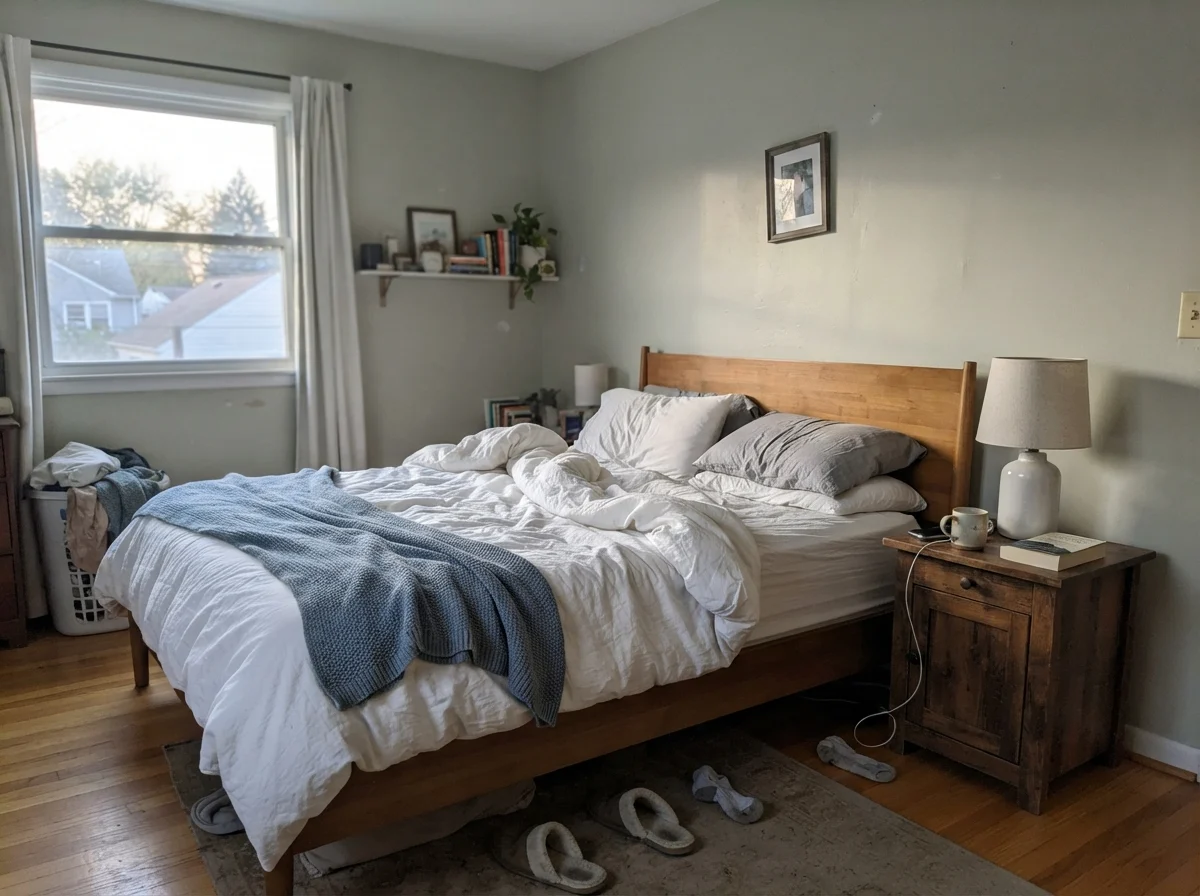
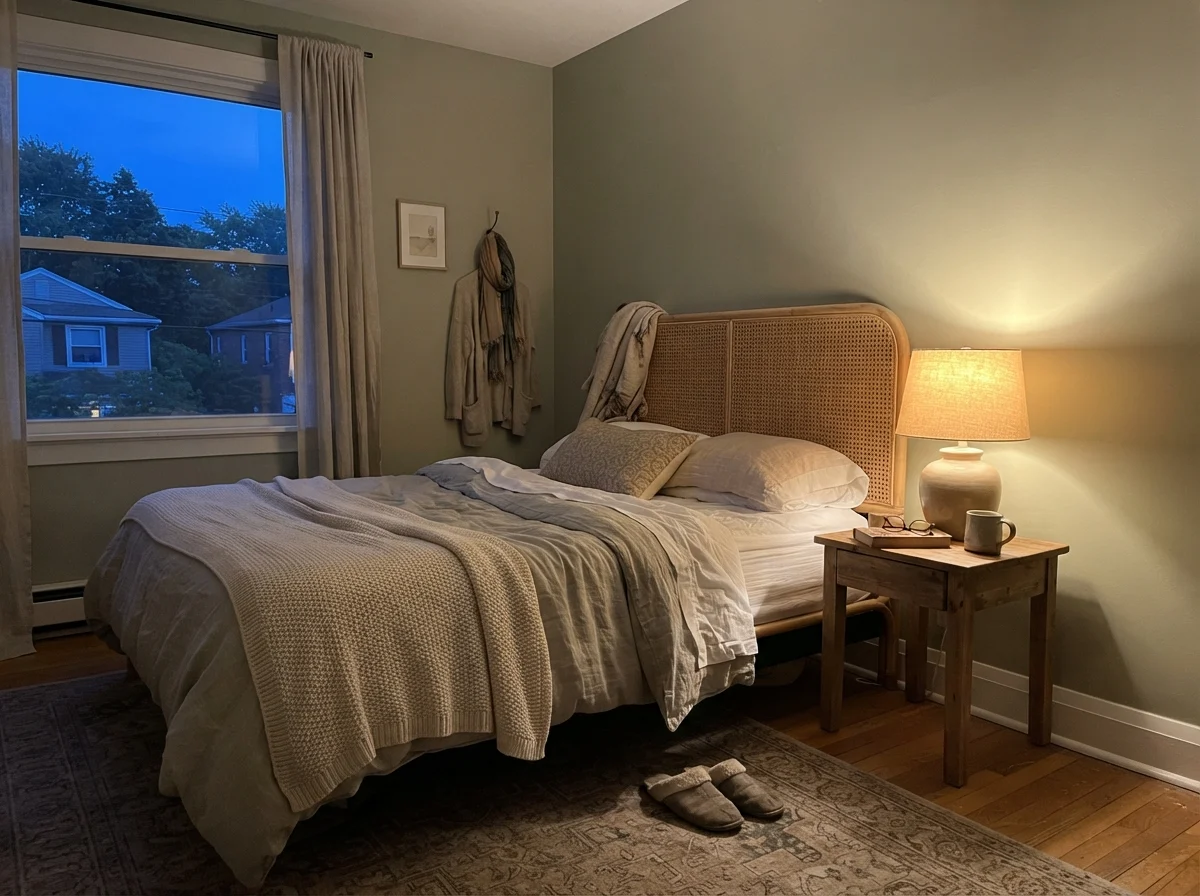
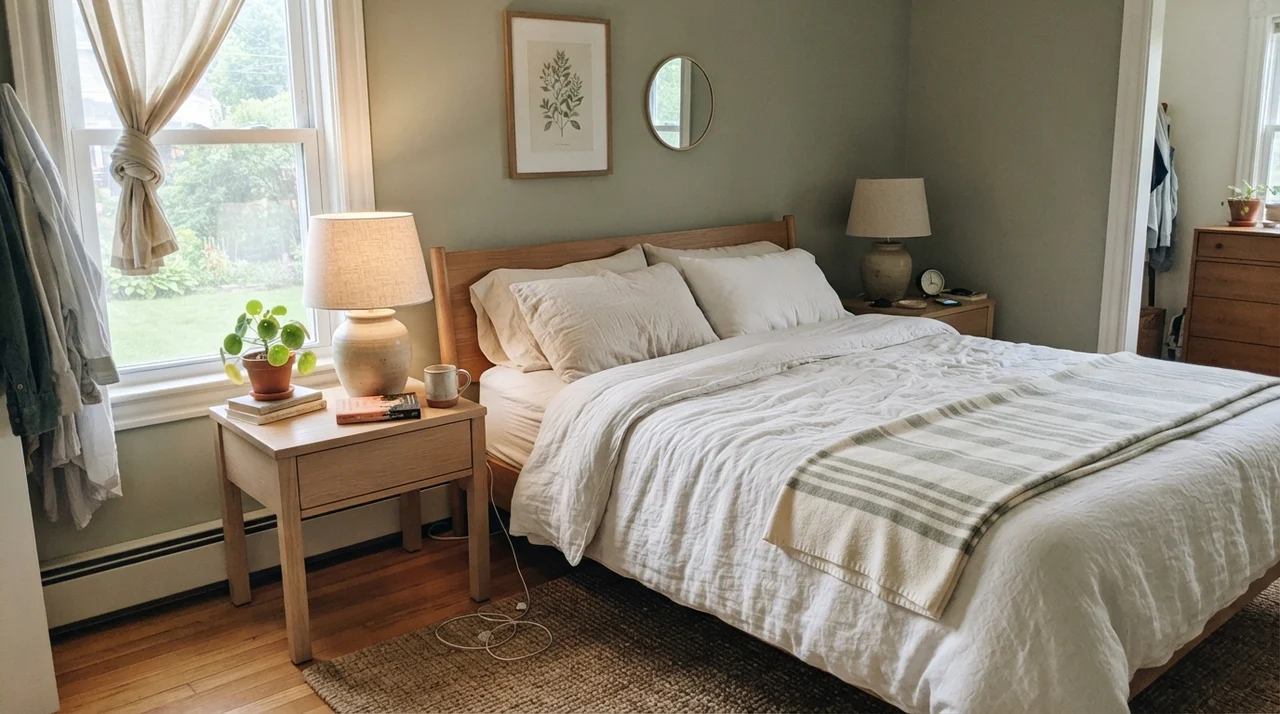
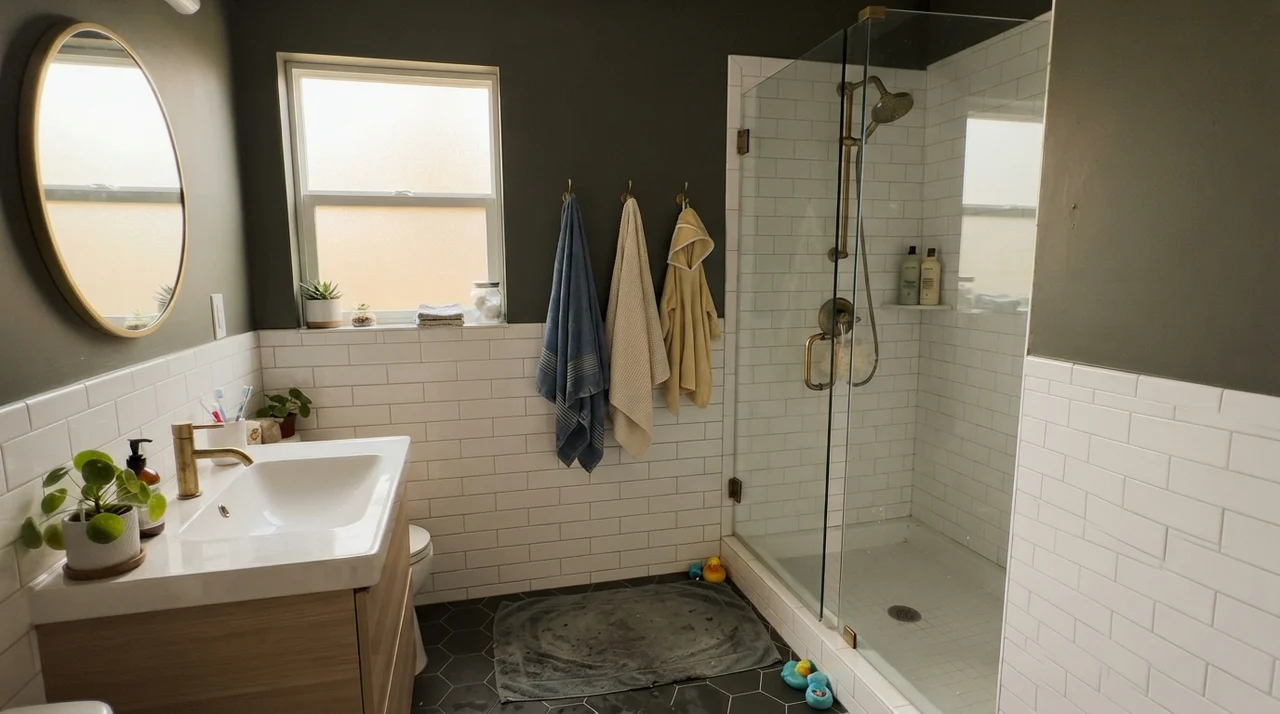
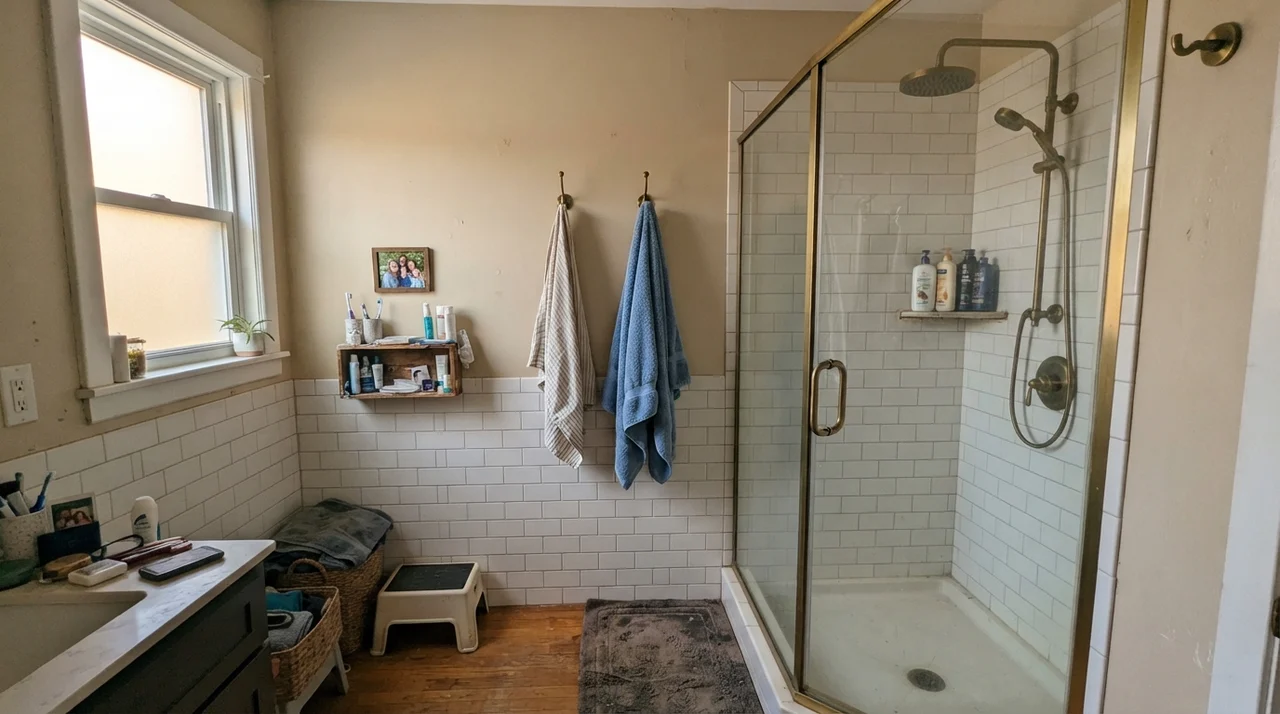
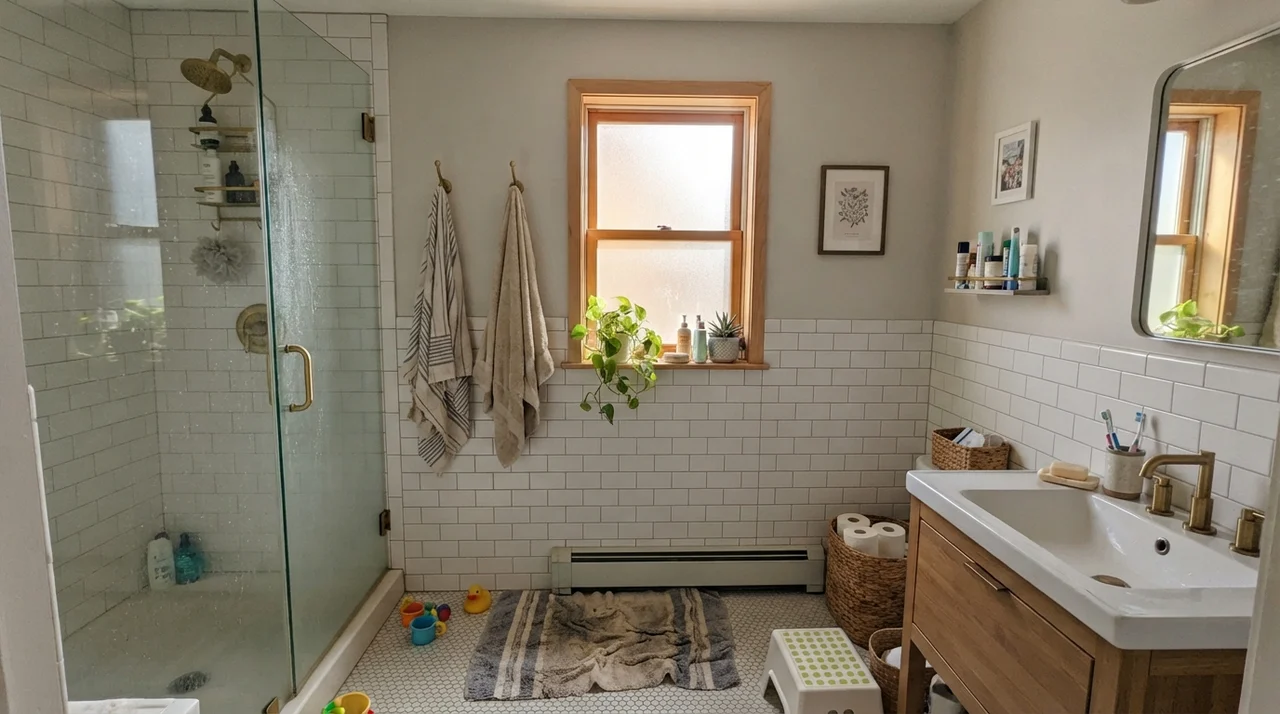
Under bright south sun, the yellow undertones lift and give you an earthy, soft garden sage. In north-facing exposures or on heavy overcast days, the yellow falls out completely, stranding the color in cool, stony greige. Under harsh artificial light, it can turn distinctly drab.
French GrayFarrow & Ball · see diary
Bay WaterBehr · see diary
Clary SageSW 6178
Le FreakBackdrop · see diary
Jungle CamouflageBehr · see diary
When people ask me why their sample board looks so lively at eleven in the morning and so dead by four in the afternoon, I point them straight to the bulb in their ceiling lamp and the direction of their glass. A color sitting at LRV 41 absorbs fifty-nine percent of the light hitting it. If the daylight coming through the glass is already chilly, Clary Sage has no extra yellow saturation to fight back with. It simply surrenders to whatever ambient temperature is in the room.
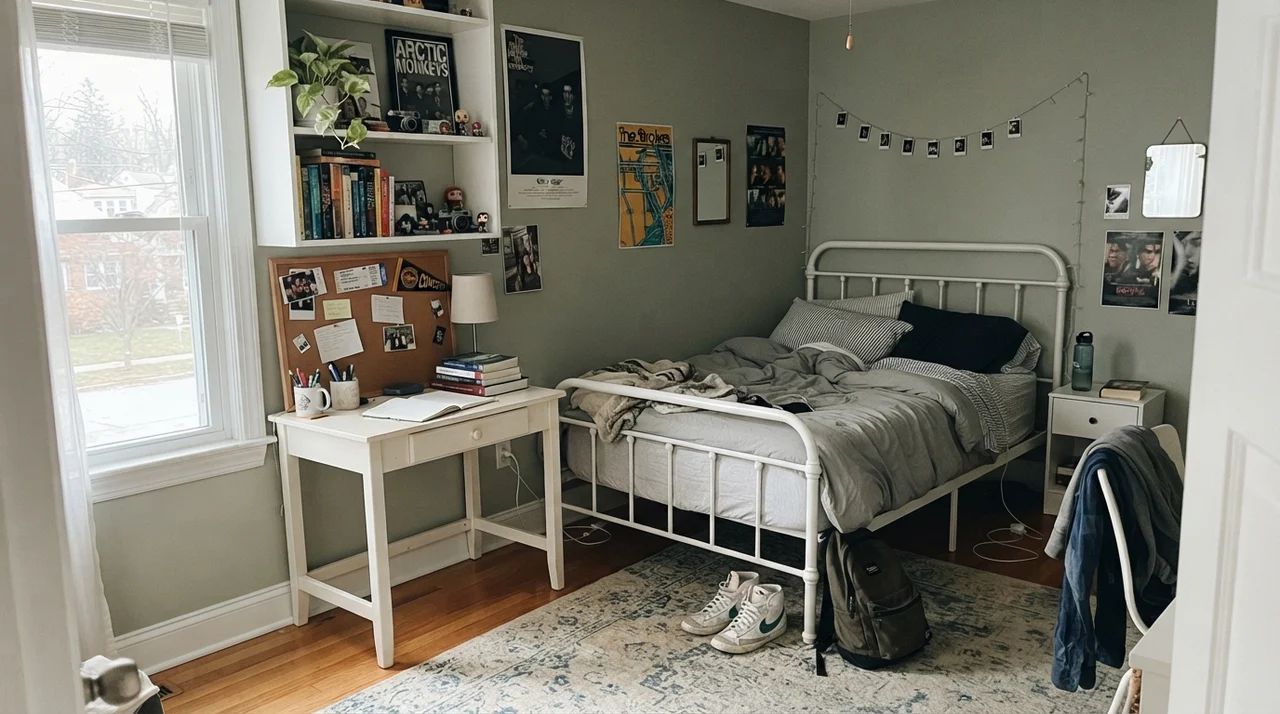
You can see that transformation clearly when you watch the same four walls move from an early morning wake-up to a cozy evening wind-down. It behaves like two completely distinct paint cans depending on whether you are running natural morning skies or a 2700K bedside bulb.
Where Clary Sage Shines: Bedrooms, Bathrooms, and Everyday Spaces
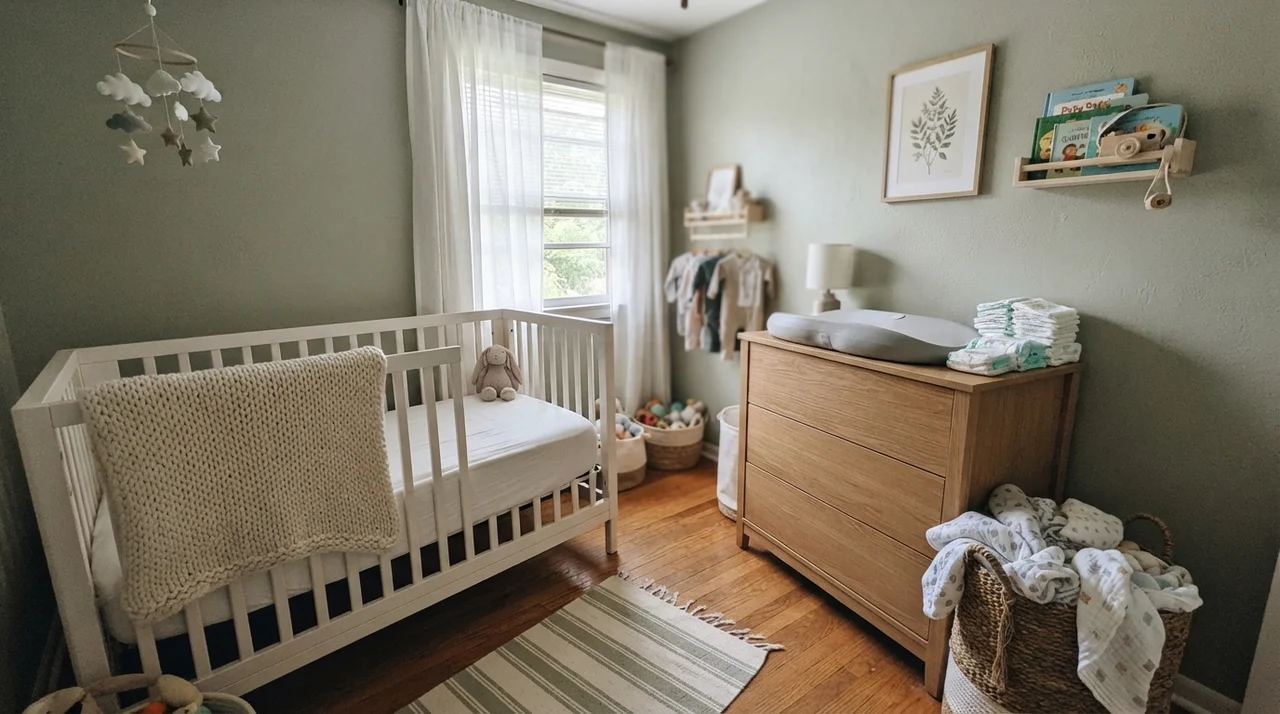
If you give this color genuine daylight, warm bulbs, and natural wood, it delivers exactly what most homeowners are crossing their fingers for: an interior that feels settled, slightly outdoorsy, and quiet enough that nobody walks in and immediately blurts out the name of your paint color. Bedrooms are where readers report the absolute fewest regrets, and that matches my own thirty years of watching paint dry. It is restful without feeling cold, and on all four walls, it wraps the space like a worn wool sweater rather than closing it in.
We used a similar soft herbal tone in the primary bedroom of our 1960s ranch, and five years in, I still haven't grown tired of waking up inside it. It doesn't fight off-white trim, and it makes pale wood dressers look intentional rather than unfinished.
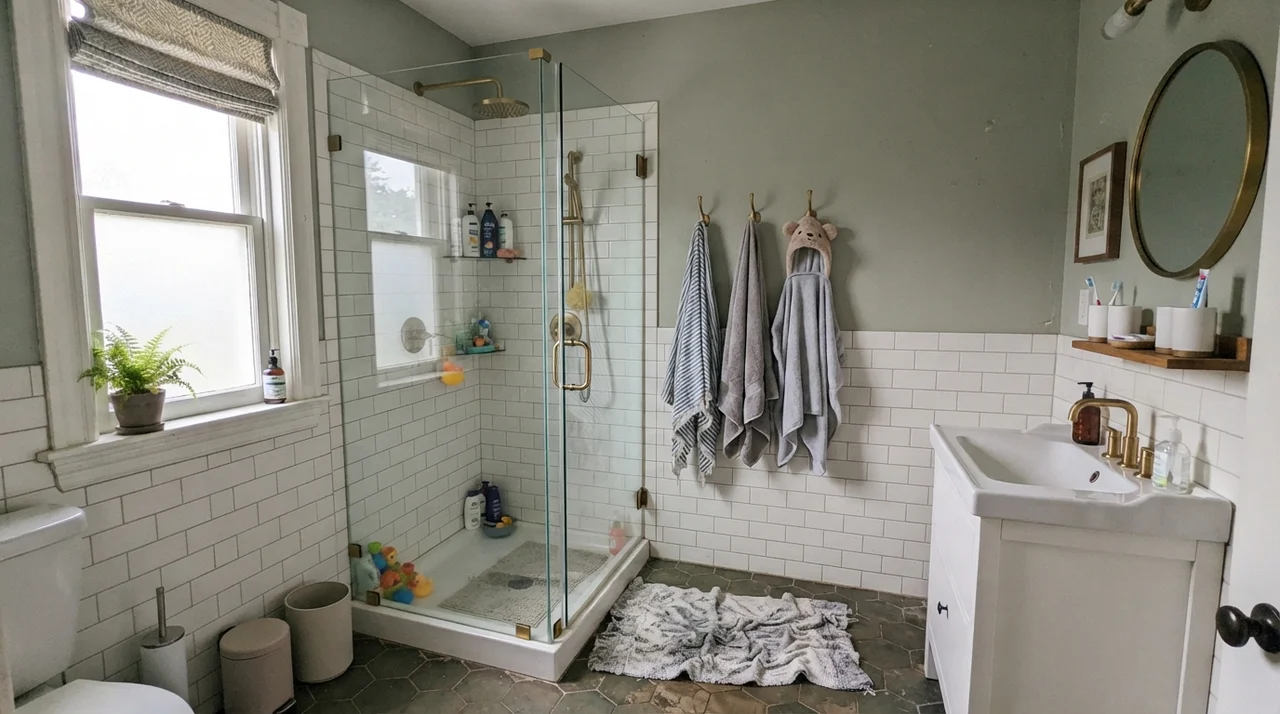
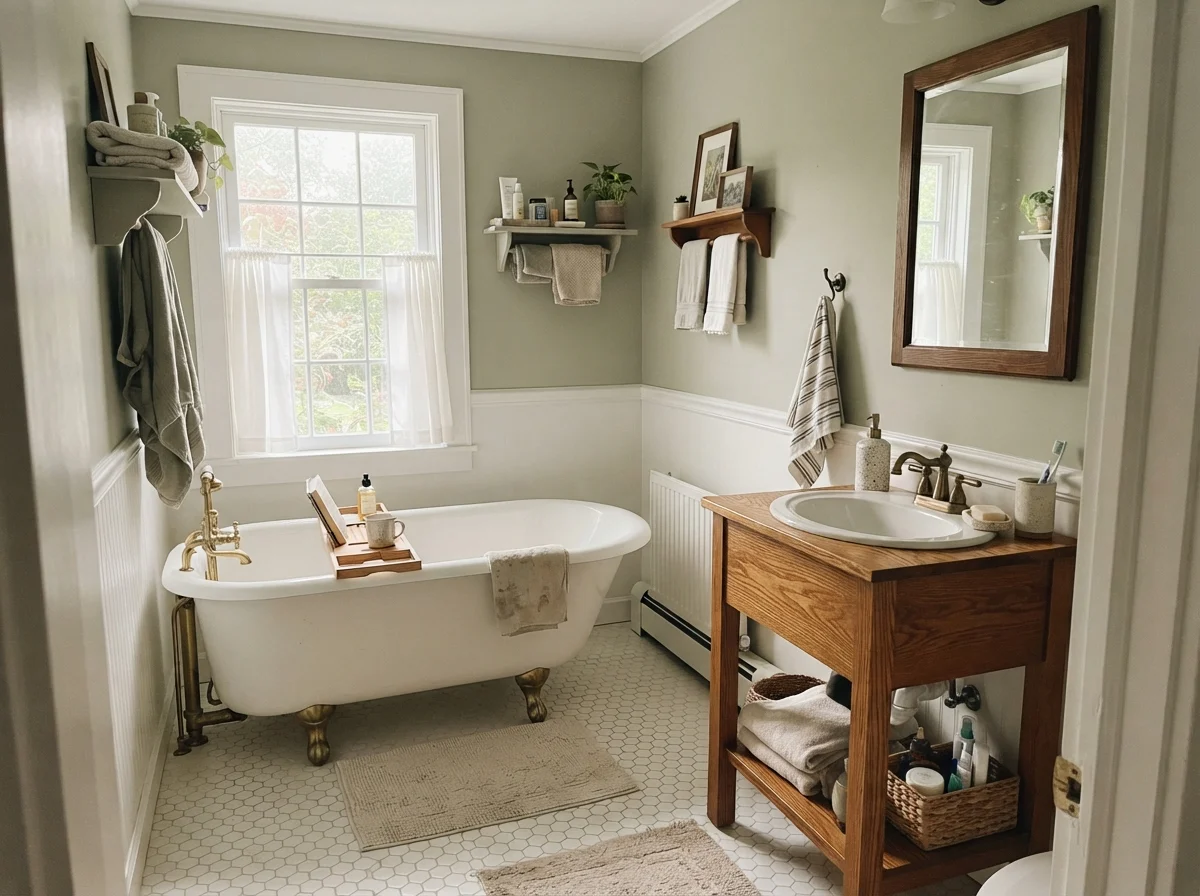
Bathrooms are another natural habitat for Clary Sage, provided you pair it with the right materials. White plumbing fixtures, warm wood vanities, and aged brass faucets bring out the best in this formula. The bright porcelain bounces clean light back onto the drywall, keeping the green from looking muddy around your mirrors.
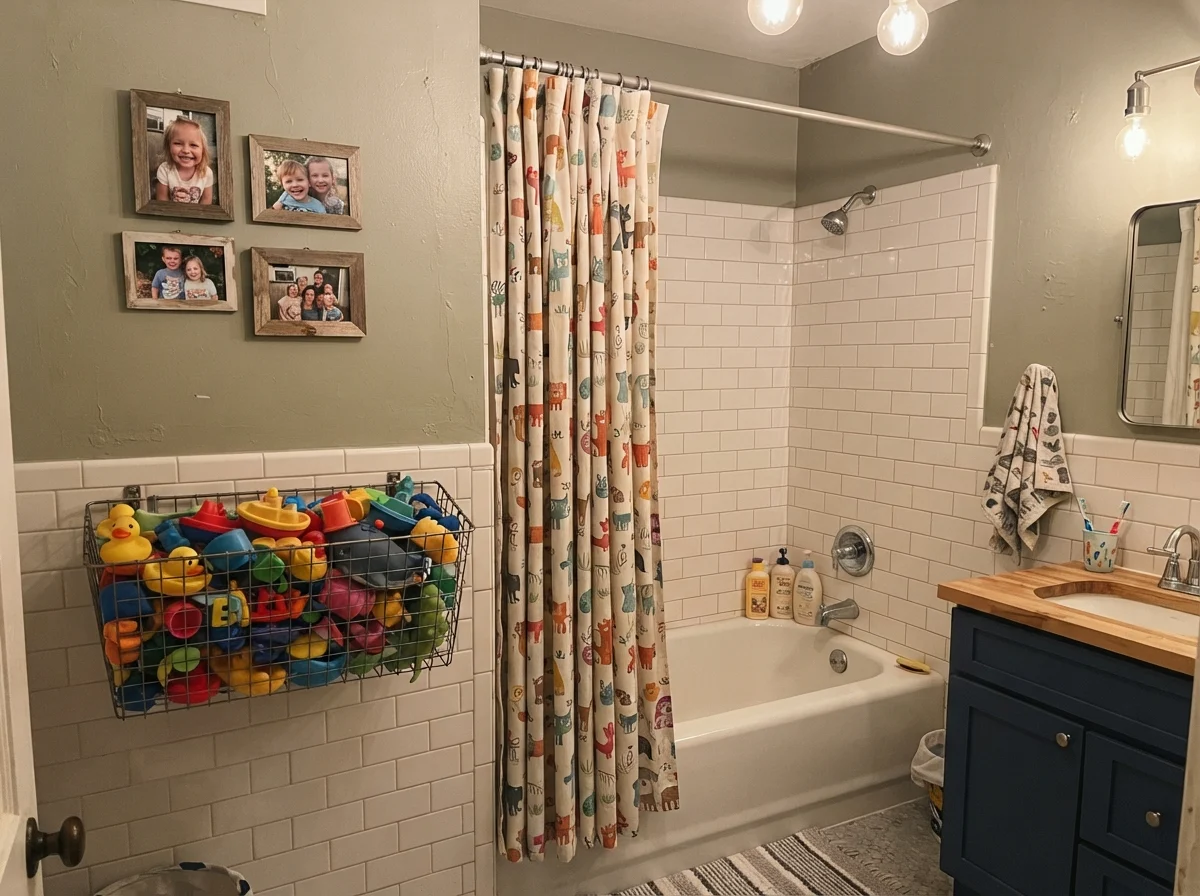
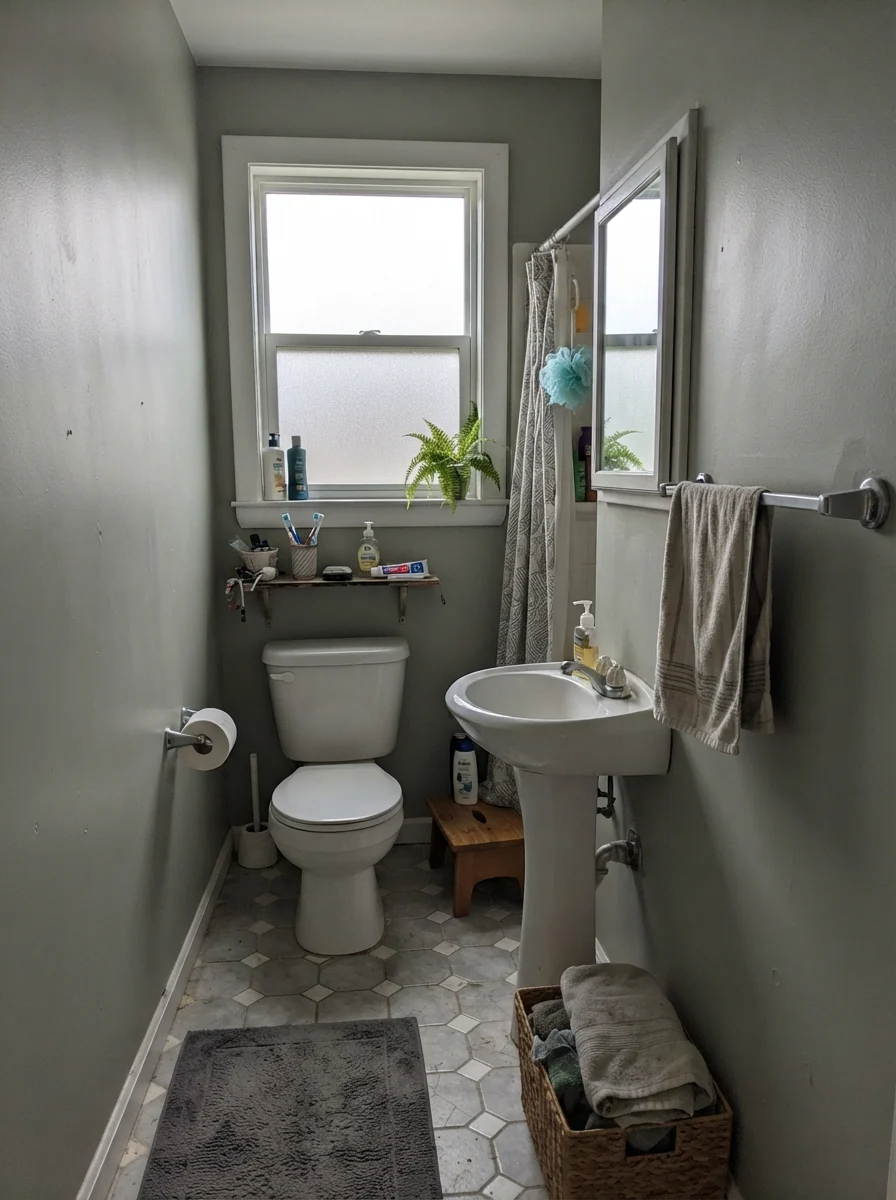
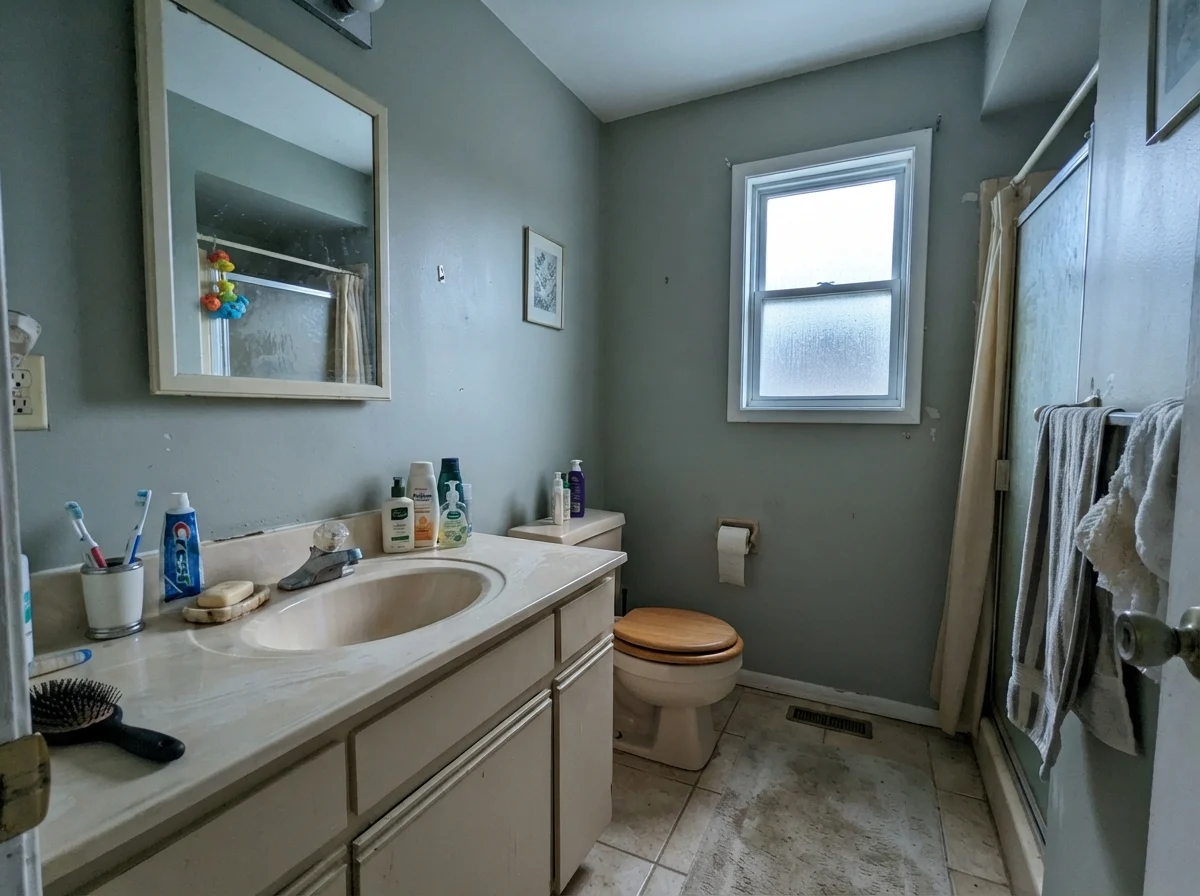
Where people run into trouble in a bathroom is pairing it with cold, blue-veined gray marble or frosted glass under cheap builder-grade LED bars. When the lighting is cold and flat, the green drains away, leaving an institutional gray that looks like an old basement utility closet.
Notice what happened in that last photo: the moment the sky went gray and the window frosted over, the herbal warmth checked out. That is not a flaw in the can of paint; it is simply chemistry. When you buy a color that is roughly half gray by recipe, it will show its gray bones whenever the sun refuses to cooperate.
In an older split-level or ranch where you might have an unrenovated half-bath with dated beige laminate and a north-facing window, the result can feel downright gloomy. If that sounds like your powder room, don't blame the swatch—blame the cloudy northern sky.
Clary Sage has no extra saturation to fight back with. It simply surrenders to whatever light is already in the room.
Kitchen Cabinets and the Bulb Hazard
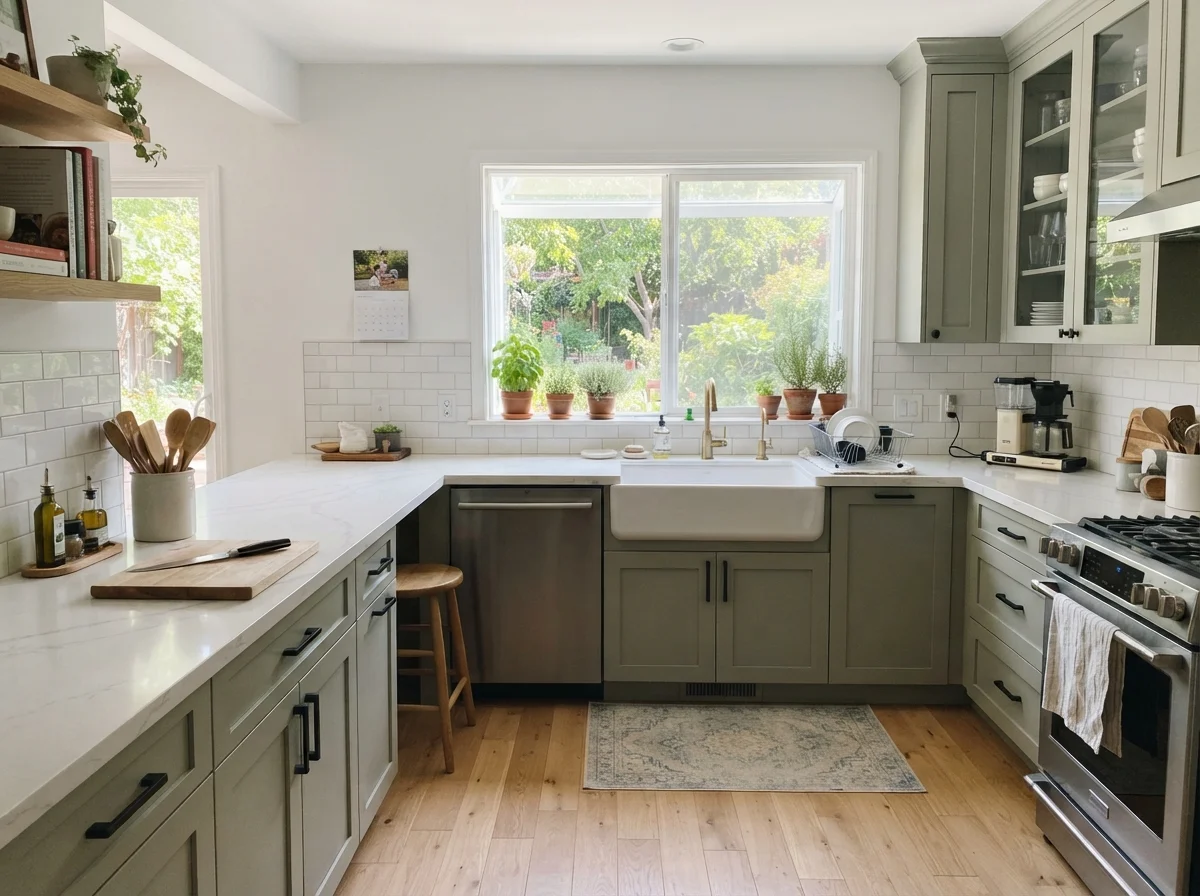
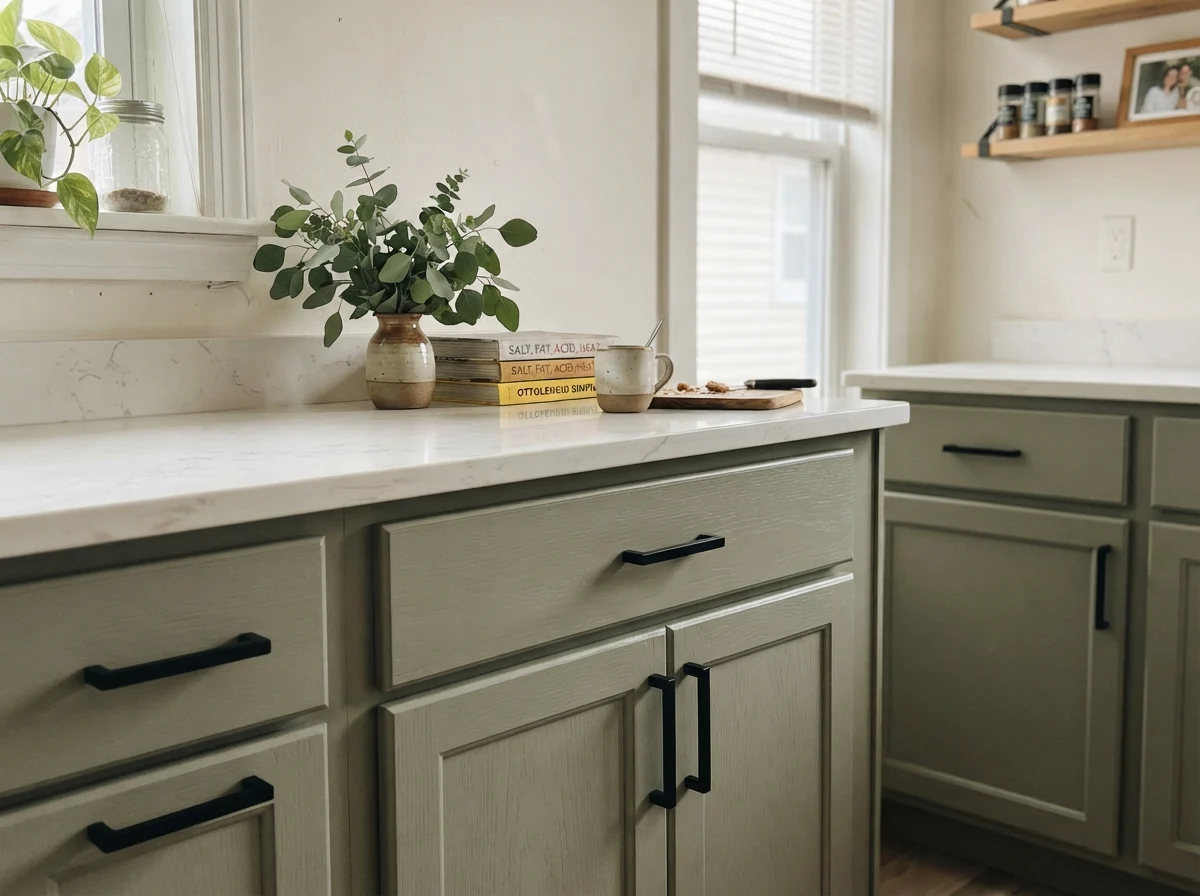
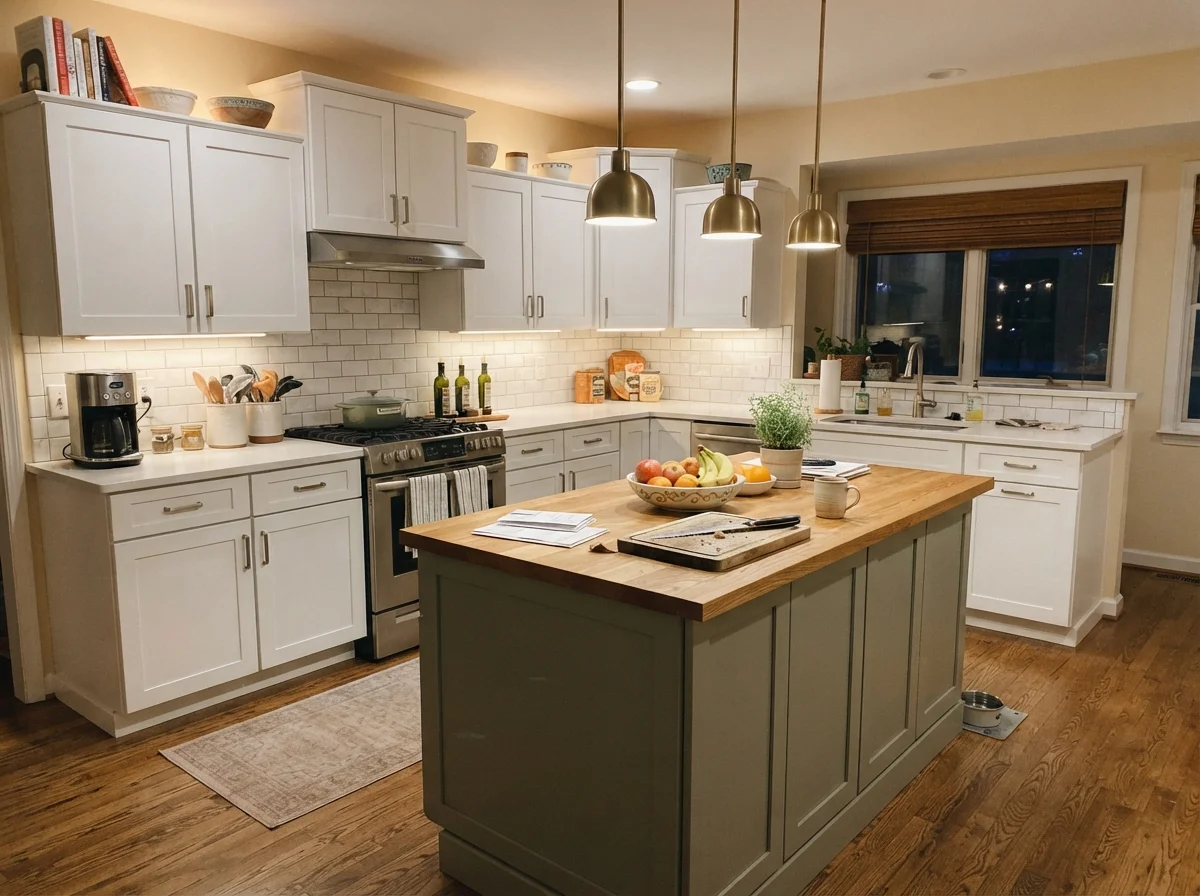
Clary Sage has earned an enormous following for kitchen cabinetry, and I understand why. A full kitchen repaint is a massive project. If you are doing it yourself over three grueling weekends, or paying a painter thousands of dollars to spray every face frame and drawer, you do not want an aggressive color that makes you feel anxious while drinking your morning coffee. Clary Sage looks classic on shaker doors when paired with warm butcher block, light white oak floors, and aged brass hardware.
Yet kitchen cabinets are also where I see the loudest reader complaints. Nearly every reader email complaining that their brand-new cabinets look 'dingy,' 'slimy,' or 'like army surplus canvas' comes down to one culprit: 4000K daylight LED bulbs or commercial fluorescent ceiling fixtures. Cool bulbs strip the warm yellow out of Clary Sage and leave behind an unflattering, muddy olive tone that looks like it belongs on military equipment. Before you spend thousands repainting the doors, unscrew the bulbs and swap them for 2700K or 3000K warm whites. In eight cases out of ten, that twenty-dollar fix brings the soft sage right back to life.
If you don't want to commit an entire perimeter of cabinetry to color, painting just the island is a sensible middle path. In our second house, we had twenty-four linear feet of white cabinets that felt a little sterile against beige vinyl flooring. Painting the island grounded the middle of the kitchen without requiring us to commit to repainting everything if we decided to sell down the road.
Living Spaces, Sunrooms, and Trimmed Hallways
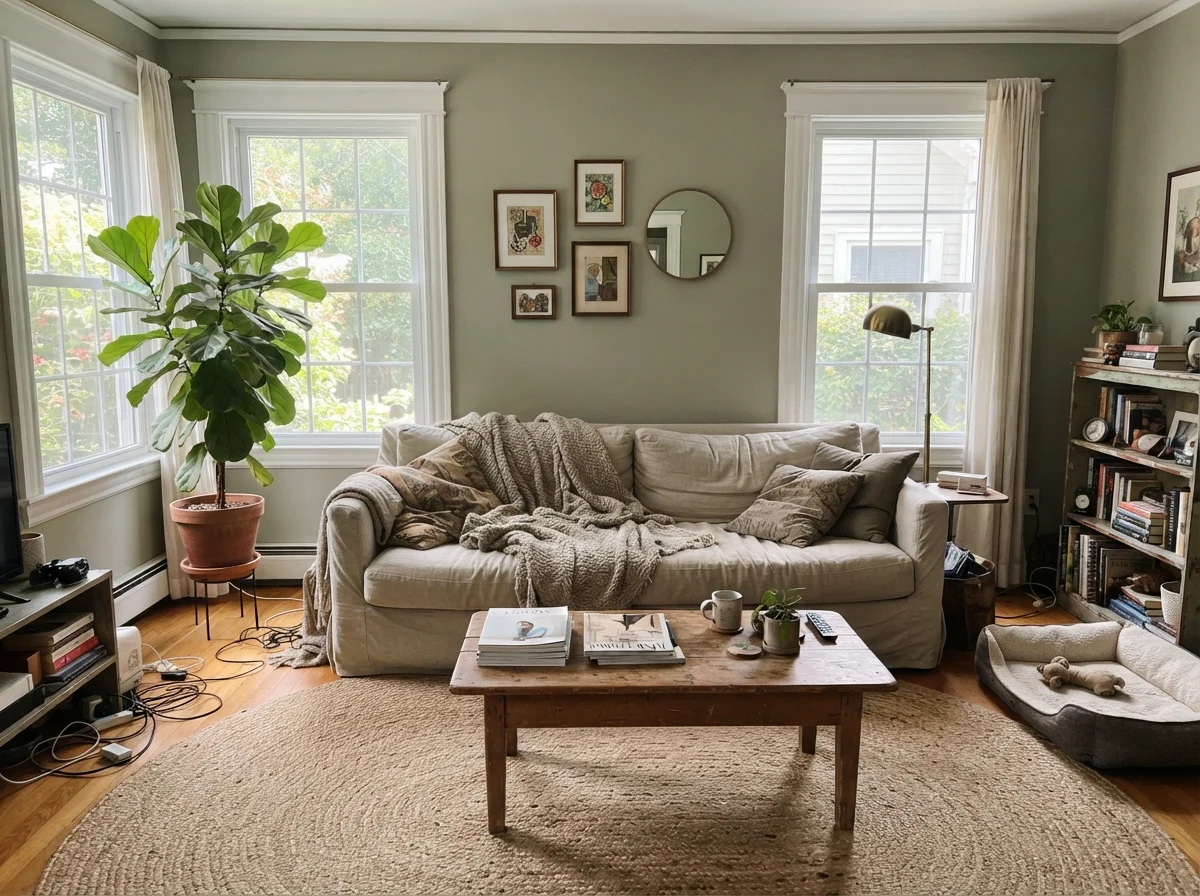
Because Clary Sage does not scream for attention, it bridges the gap between traditional trim and modern furniture remarkably well. In living rooms that receive generous natural sun, it plays host to warm linen sofas, jute rugs, and leafy indoor plants without competing with them. It feels like an extension of the garden rather than an artificial wall treatment.
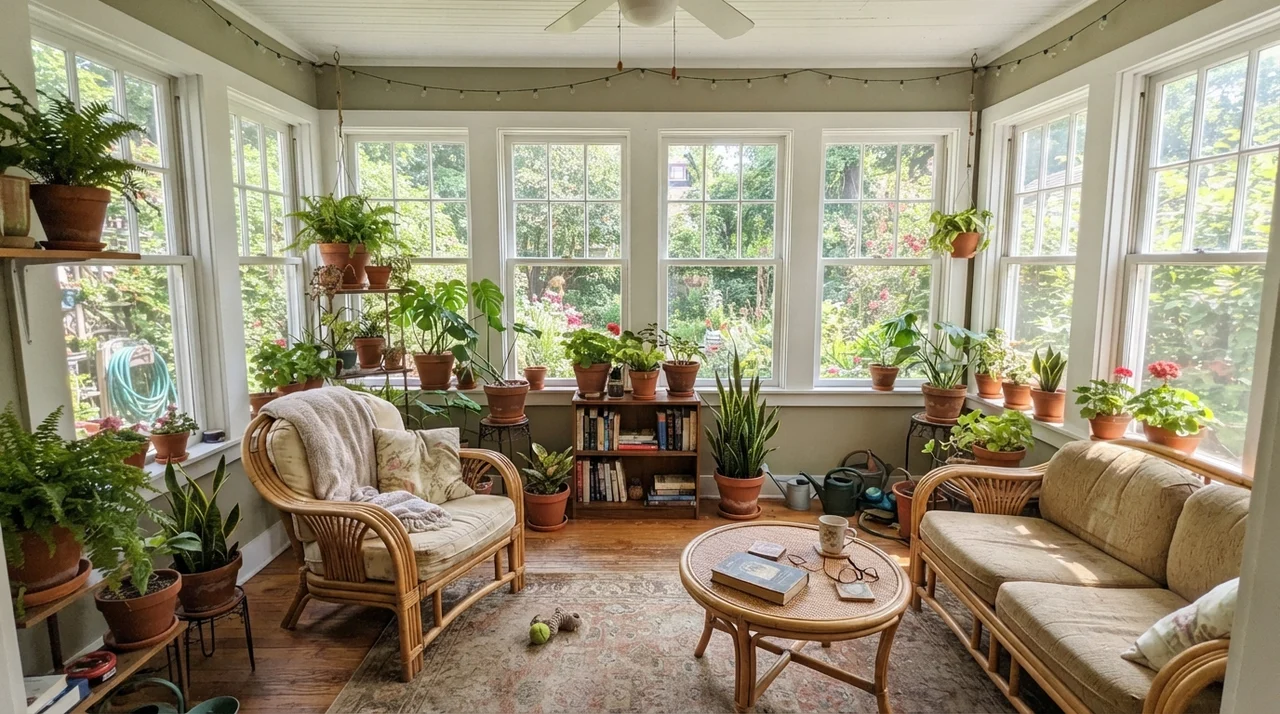
In a sunroom or enclosed porch wrapped in glass, it behaves at its absolute peak. The sheer abundance of 360-degree daylight prevents it from ever settling into that stony gray funk.
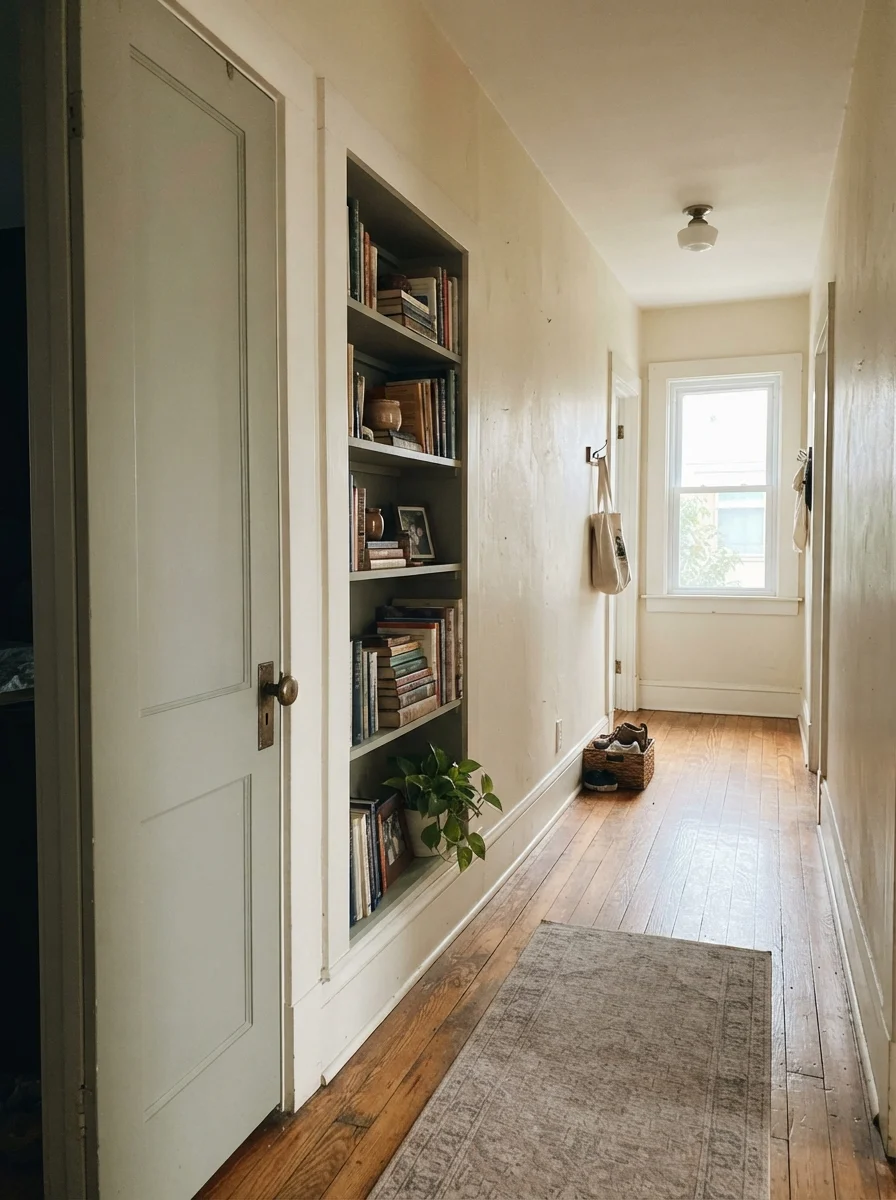
You can also use this color in small, controlled doses to bring character into an otherwise standard hallway. In older colonials or ranches where long passageways can look like endless tunnels of beige, painting a two-panel interior door or a built-in bookcase in Clary Sage provides a subtle architectural anchor without chopping up the sightlines between rooms.
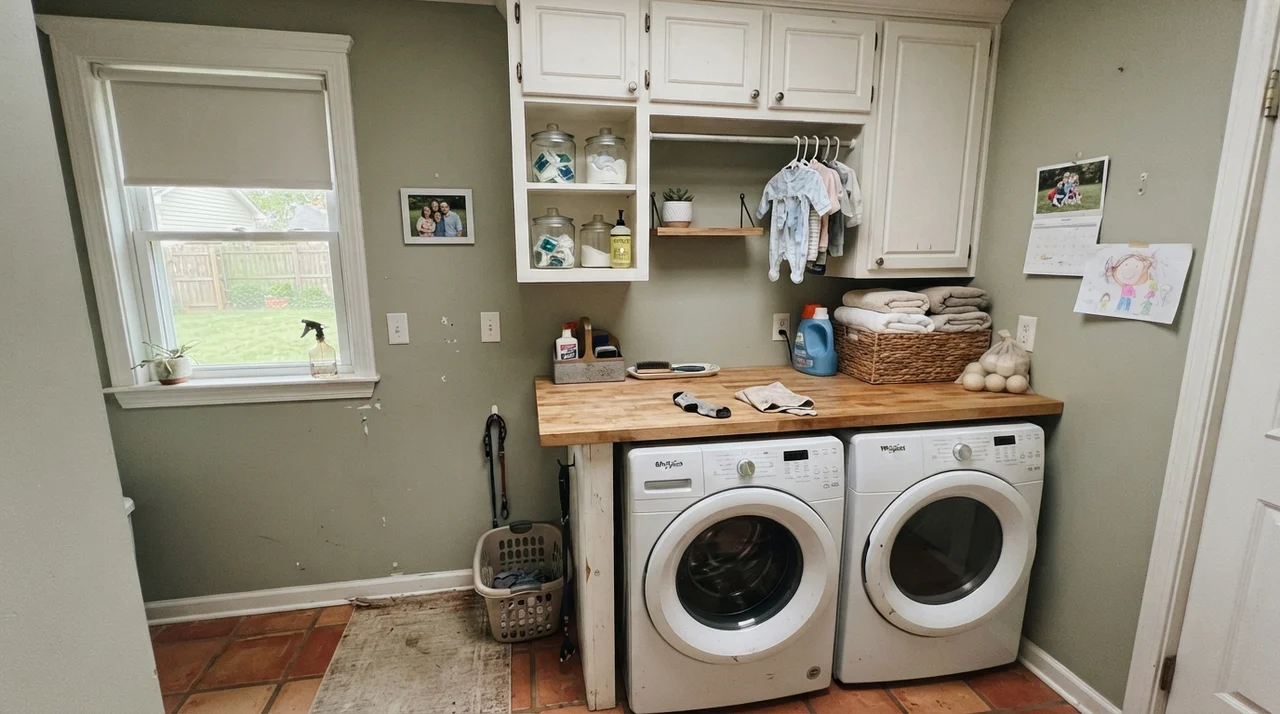
Laundry rooms are another wonderful spot for it. A utility space where you spend hours folding towels deserves a color that feels clean and calm, provided there is at least one good window to let the daylight in.
The Honest Fail: Where Clary Sage Falls Apart
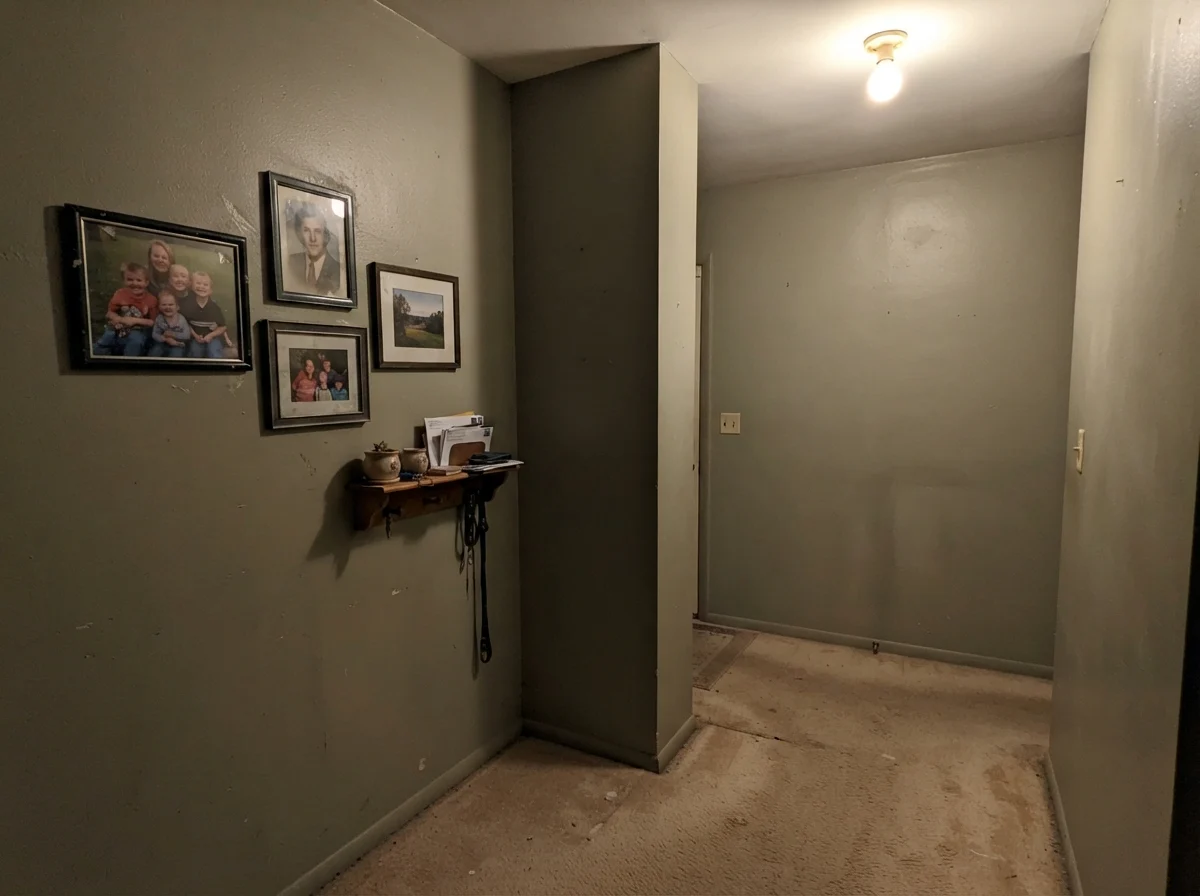
Almost every bad Clary Sage story traces back to light, not to the paint itself. Because the color has so little saturation, it simply has nothing to fall back on when the light disappears. In a windowless hallway corner lit by a single builder-grade overhead bulb, the green drops out entirely. What is left on the wall is a drab, muddy putty that looks tired, unwashed, and depressing.
The other major mistake is painting Clary Sage right next to a true, vibrant green. If you have forest green tile, vibrant emerald upholstery, or you are painting right over an old saturated green wall without a proper white primer coat, the true green will suck every drop of herbal tone right out of Clary Sage by comparison. Beside real green, this paint looks like damp concrete every single day of the week.
Taking It Outside: Siding and Exteriors
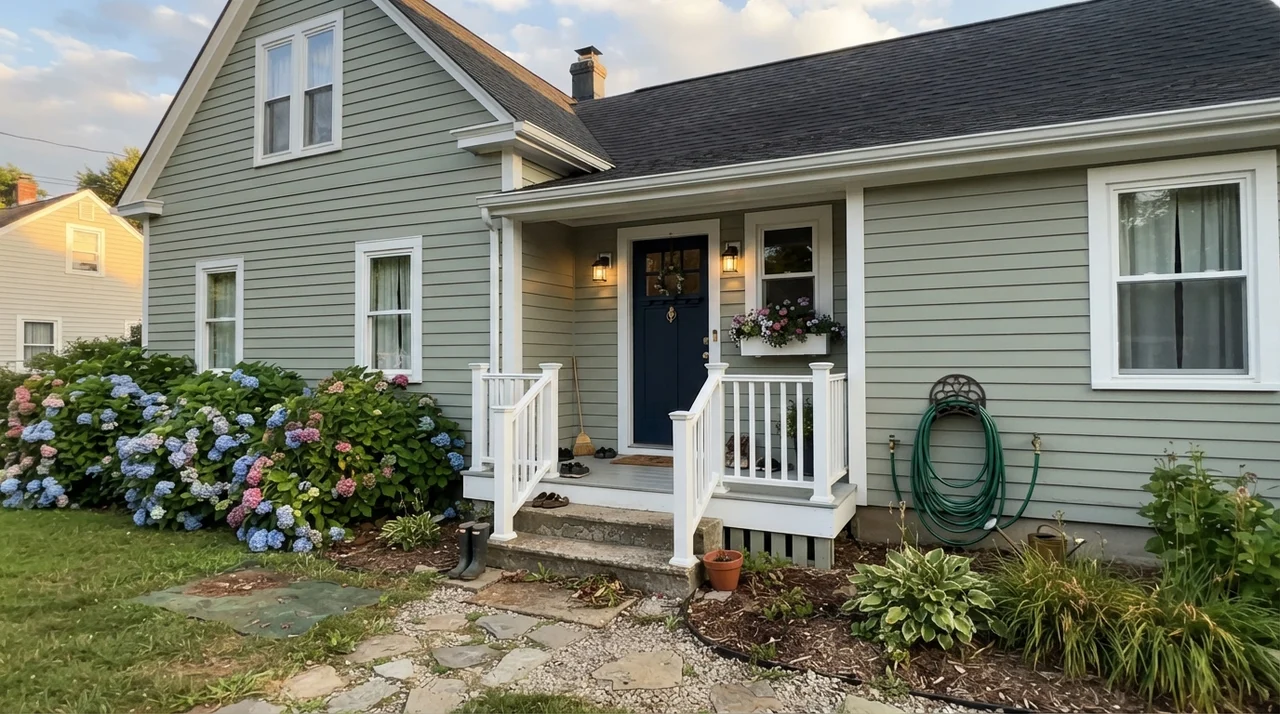
On an exterior, Clary Sage behaves very differently than it does in a bedroom. Sunlight outdoors is exponentially stronger than indoor ambient light, which means paint always reads two or three shades lighter outside. At an LRV of 41, Clary Sage on horizontal siding will read as a soft, weathered olive-gray rather than a bold green. It is the kind of color that allows a house to tuck neatly into the surrounding trees and shrubs rather than jumping out at the street.
If you pair it with warm white trim and a deep, confident front door, it looks established, like the house has been sitting comfortably under those trees for fifty years.
Trim and Casing Pairings: Don't Ruin It with Blue Whites
Because Clary Sage carries a quiet yellow-green undertone under its gray cloak, you cannot pair it with stark, cool blue-whites. A cold, bright ceiling white will make Clary Sage look dingy and yellowed, while the sage will make the trim look like fluorescent hospital plastic. You need trim whites that have just enough warmth to meet the sage on friendly terms.
Materials, Wood Tones, and Hardware That Hold Up
Over thirty years of repainting, I have learned that wall paint never lives in a vacuum. It has to shake hands with your floors, your counters, and the doorknobs you touch fifty times a day. Clary Sage is extraordinarily forgiving of older home materials, which is why it is one of my favorite tools for dated-home refreshes.
Durability, Sheens, and Five Years of Family Life
Choosing the right can of paint isn't just about picking the swatch; it's about picking the finish that survives real life. In our homes, walls take a beating from laundry baskets bumping baseboards, wet dogs shaking off rain in the entryway, and dirty fingerprints around light switches. If a paint finish can't survive being scrubbed clean, it isn't worth the money in my book.
For walls in bedrooms and living spaces, eggshell is the sweet spot. It gives you enough washability without adding shiny glare that highlights wall imperfections. On trim and doors, semi-gloss is essential so vacuum cleaner scuffs wipe off easily. For kitchen cabinets and home exteriors, satin provides that smooth, durable shell that sheds water and grease without looking like plastic.
The Comparison Test: Clary Sage vs. The Contenders
If you're standing in the paint aisle clutching four green sample chips, here is how Clary Sage stacks up against the other popular muted sages on the market.
Is Sherwin-Williams Clary Sage too dark for a small bedroom?
No, at an LRV of 41 it sits right in the mid-tone range. It will not darken a small bedroom as long as you have a window for daylight and pair it with an off-white trim like Alabaster.
Why does my Clary Sage look gray on the wall?
Because it has a heavy gray base and very low yellow saturation. In north-facing rooms, on overcast days, or under cool LED bulbs (3500K–4000K), the green gets drained away, leaving a neutral stony gray.
What light bulbs work best with Clary Sage?
Stick strictly to 2700K to 3000K warm white bulbs. Cooler 4000K daylight or fluorescent bulbs make the paint read like muddy olive or dingy utility gray.
Can I use Clary Sage with honey oak cabinets?
Yes, it is one of the best colors for living with 1990s honey oak. The earthy gray tones calm down the orange in the wood without fighting it.
Susan's Verdict · The Safe Green That Demands Warm Light
If you want a room that feels calm, grounded, and quietly herbal without screaming for attention, Clary Sage is worth the money. It flatters warm wood, forgives older trim, and behaves like a reliable neutral across an entire house. Just remember the one non-negotiable rule: do not put it in a dark north-facing box under 4000K bulbs and expect a miracle. Give it real daylight, swap in warm 2700K lamps, and it will give you five years of peace.