Color Diary · No. 123
Behr Polar Bear: Buying the Big Bucket for Our 1990s Colonial
Behr's best-selling soft white, reviewed honestly: where it actually shines, how it ages after five years, and why dim light turns it cold.

Susan HartleyNovember 15, 2026 · 16 min read
Polar Bear · Behr 75
Hex#F5F4ECLRV90Undertonesclean white → whisper of cream → faint cool cast
In our last house—a center-hall colonial built in 1991 that had enough honey oak trim to frame a football field—I walked into the local Home Depot on a Saturday morning in April with two empty five-gallon buckets in the back of our station wagon. We had just closed on the place three days earlier. Every wall was either builder's flat beige or that strange dingy almond that seemed mandatory during the Clinton administration. I stood in front of the paint counter, looked at the paint chips under buzzing fluorescent tubes, and told the clerk I needed ten gallons of Behr Polar Bear (sku 75) in eggshell for the walls and two gallons of semi-gloss for the baseboards.
I chose it because I had twenty-two hundred square feet of drywall staring at me, a tight budget, and zero desire to spend seventy dollars a gallon at a boutique paint store when we still needed to replace a water heater and fix a leaky upstairs sink. Polar Bear was everywhere. The internet forums promised it was the ultimate bright, clean, foolproof white. It was stocked at every Home Depot from Maine to California, mixed while you waited, and priced low enough that buying an entire pallet didn't make your chest tighten.
We lived with it across twelve rooms for nearly nine years. That is how you really learn a color. Not from a square card taped to the kitchen wall on a sunny Tuesday afternoon, but from what that paint does in December at 4:30 in the afternoon when the sky turns to lead and you've scrubbed the dog slobber off the mudroom baseboard for the fifth time that week. Polar Bear has real virtues, but it also has moments where it turns into a very different animal than the cheerful name suggests.
The Undertone Under Pressure
Polar Bear is rated at an LRV of 90. That puts it right on the doorstep of true white, but it is not completely stripped of personality. Depending on the direction of your glass and the colors on your floorboards, it balances on a narrow wire between a hint of morning cream and a sudden, quiet blue-gray.
warm sun
overcast, north light
dusk, rain, cool bulbs
South light brings out an easy, luminous warmth that softens hard corners. When the clouds roll in or cool north light takes over, that warmth evaporates, leaving a pale, faint blue-gray undertone that surprises people who thought they bought a warm white.
Simply WhiteBenjamin Moore · see diary
White SnowSherwin-Williams · see diary
Polar Bear75
Whipped CreamBehr · see diary
Whisper WhiteBehr · see diary
The Two Faces: Southern Sun vs. Morning Chill
The primary reason Polar Bear is so popular is that in good, warm daylight, it behaves itself beautifully. At an LRV of 90, it bounces plenty of light back into the room without looking like a sterile hospital corridor. When southern sunlight pours through double-hung windows, the slight yellow pigment in the formula wakes up, reading like fresh linen or a whisper of clotted cream. It feels clean, bright, and cheerful.
The trouble starts when you take that same can into a bedroom with a single north-facing window, or when you sit in the room at dawn before the house lights come on. Without warmth in the light source, Polar Bear drops its creamy facade instantly. It turns cool, pale, and slightly detached. If your flooring has any gray or cool taupe in it, that cool cast gets amplified. You look at the wall and wonder where your soft off-white went.
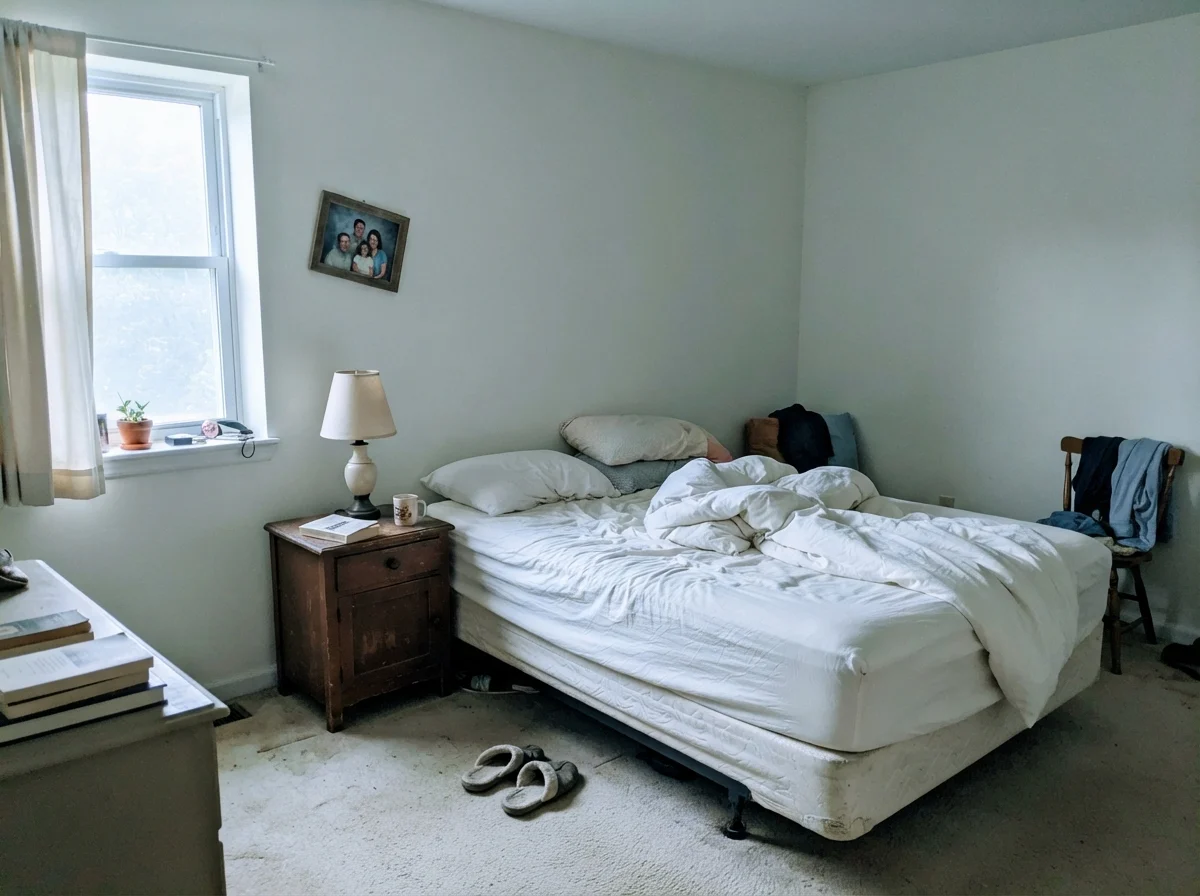
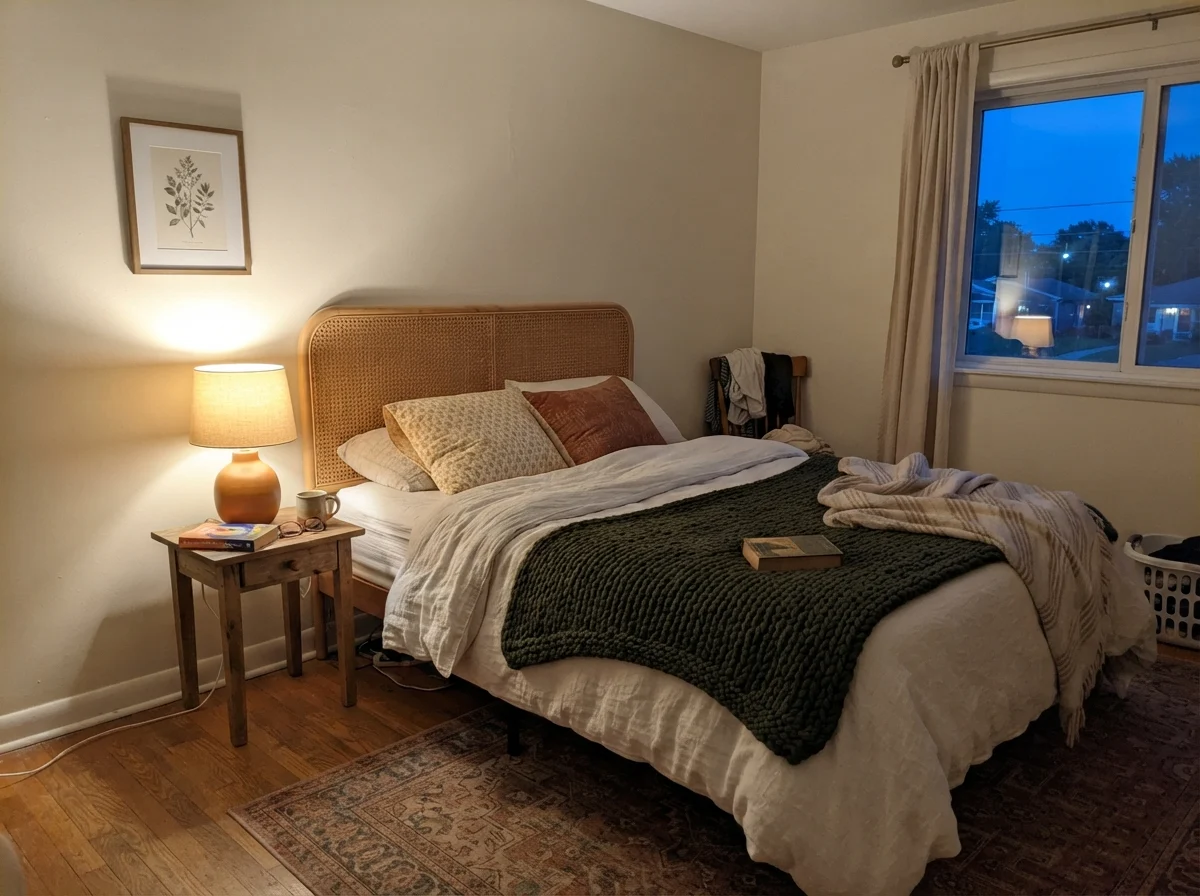
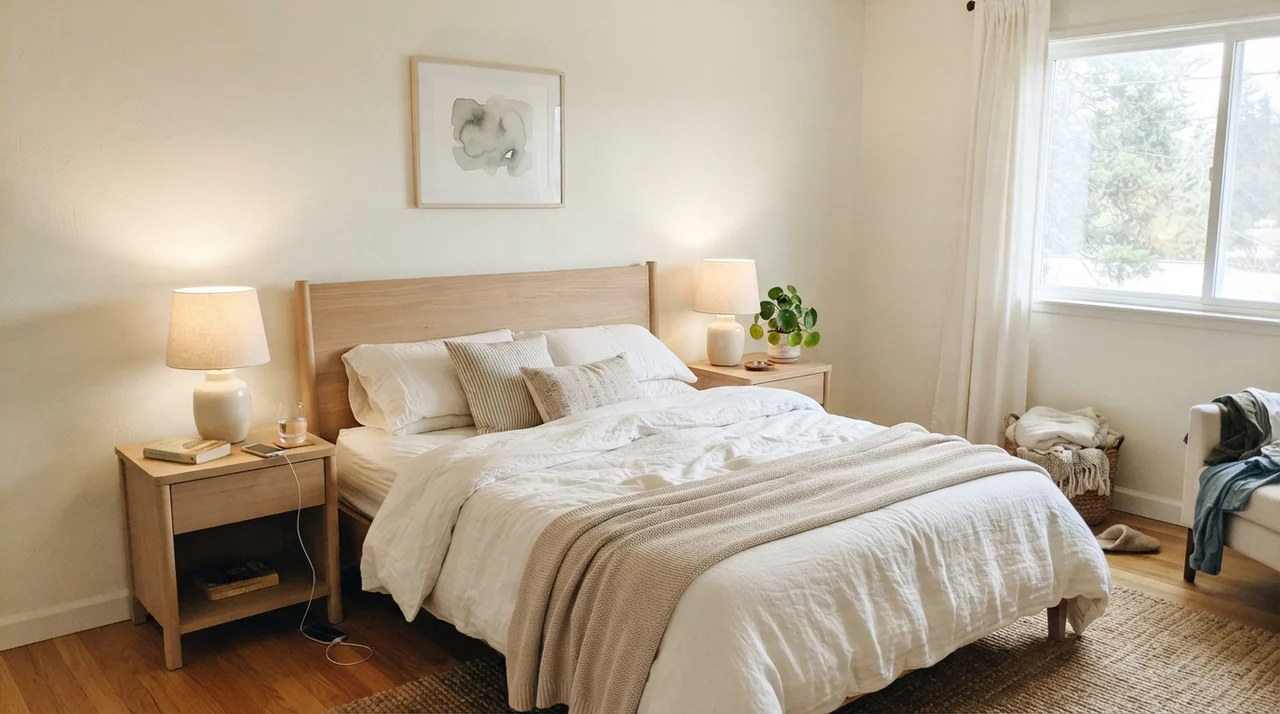
You can see that transformation right there between morning and evening. At 7:00 AM on a Tuesday, with the nightstand lamp switched off and the blinds cracked open to a gray sky, the paint looks washed out, almost chilly. But flip on a 2700K incandescent bulb by the headboard after dinner, and suddenly the walls take on a gentle, cozy glow that makes you forgive the morning. That evening shift is what keeps homeowners from repainting it.
Bathrooms: Clean Subway Tile and Moisture
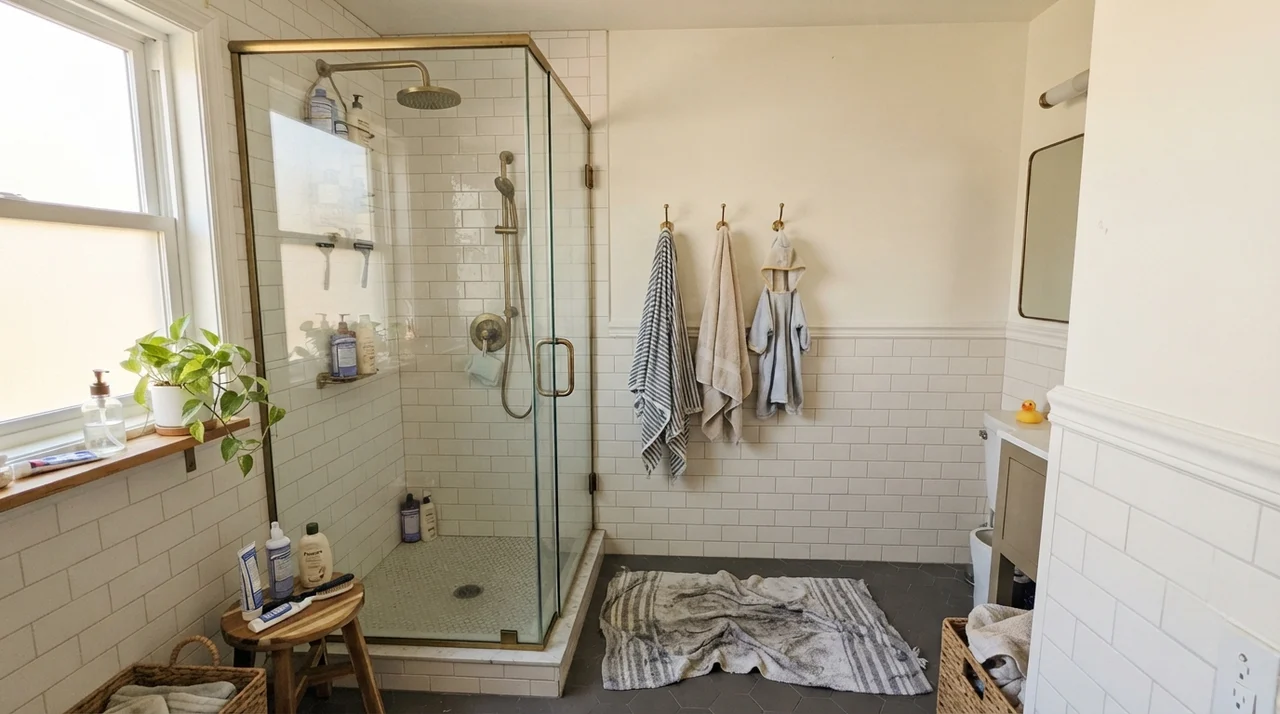
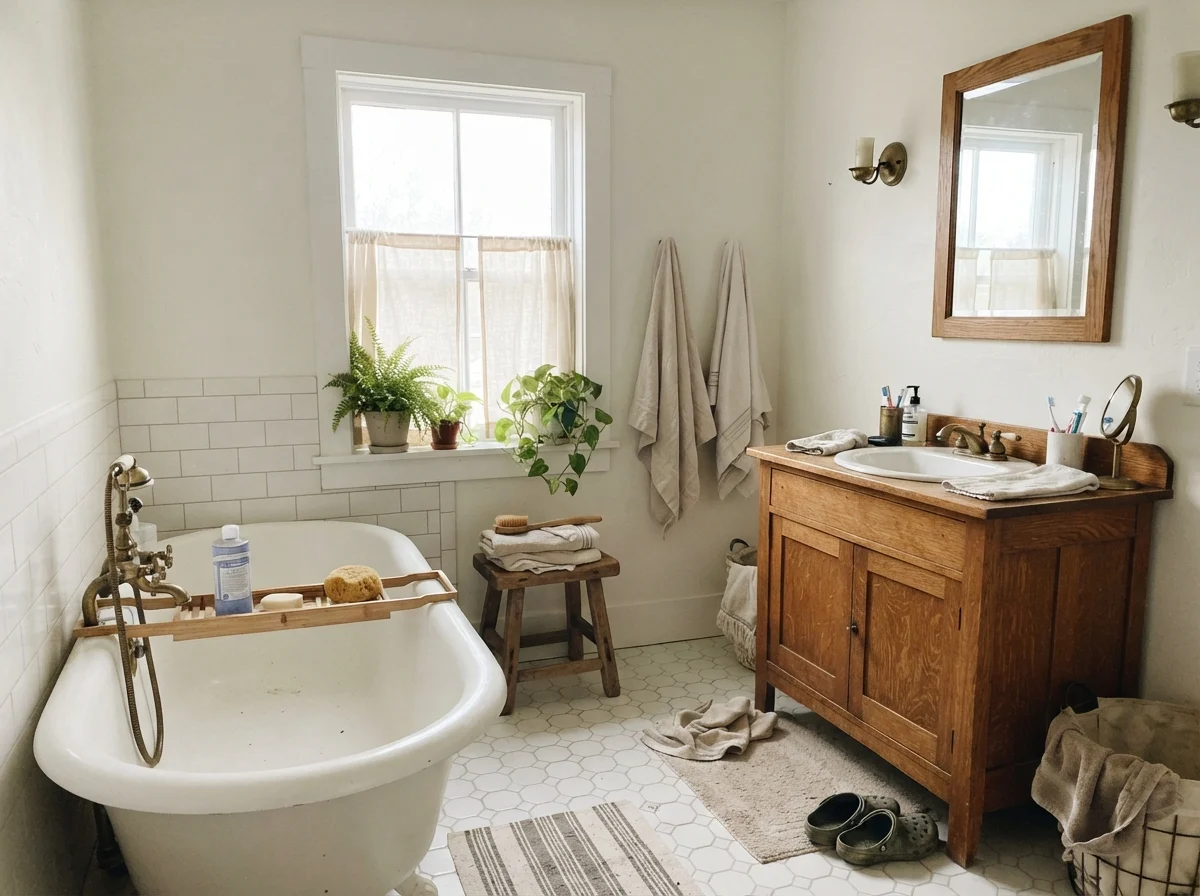
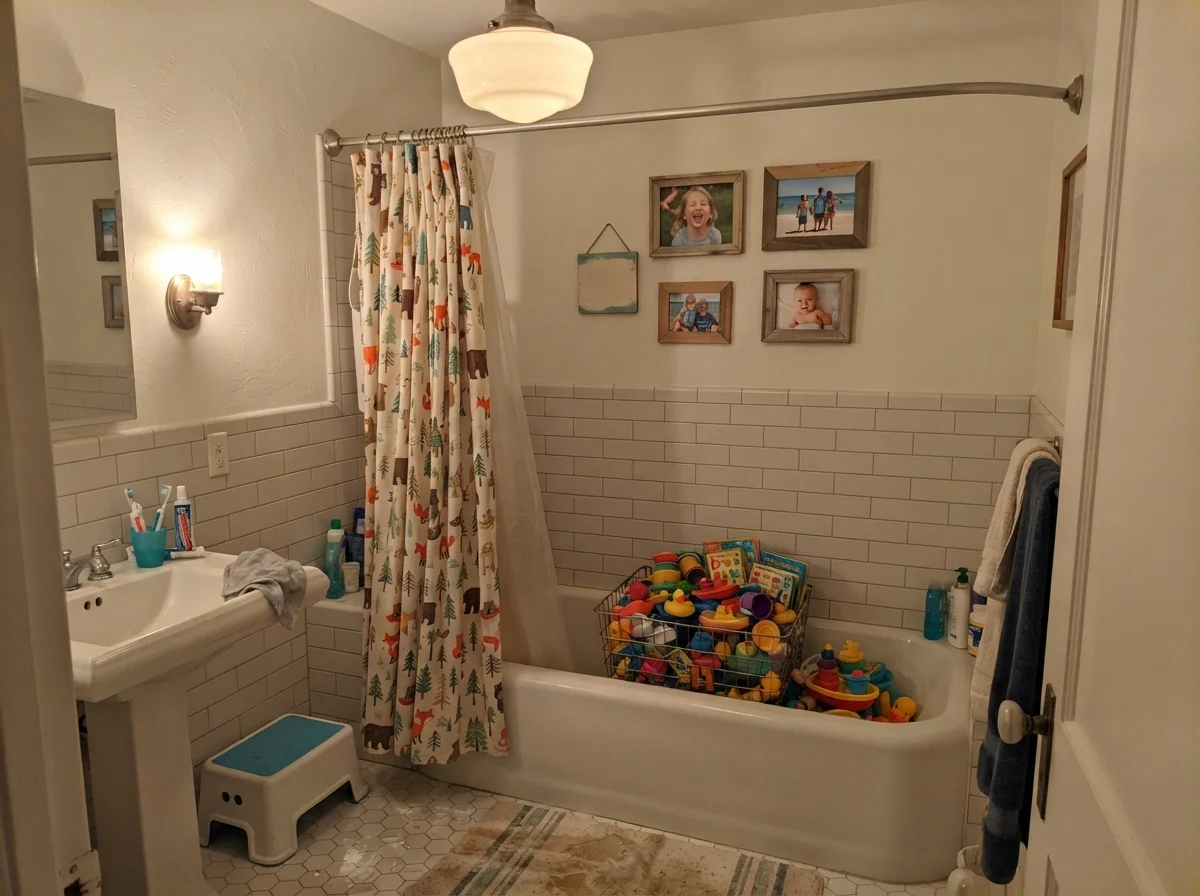
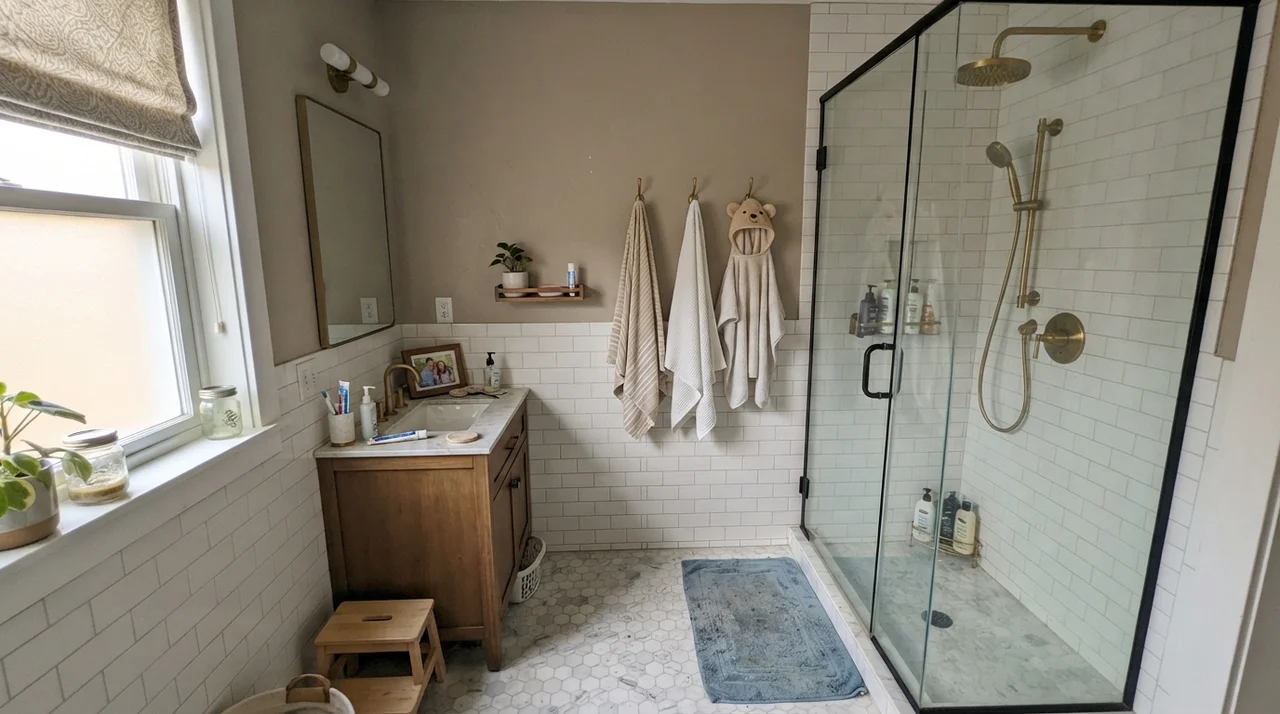
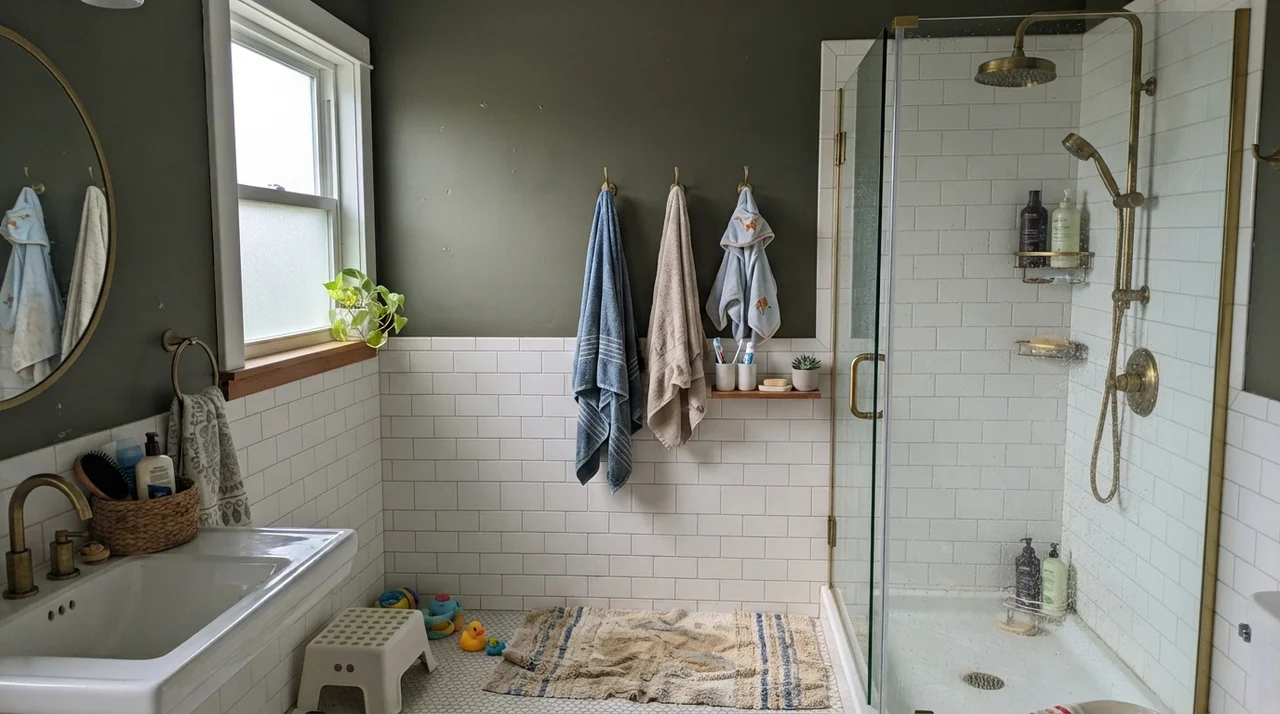
In bathrooms, Polar Bear is an absolute workhorse, provided you understand your plumbing and finishes. If you are pairing it with crisp white subway tile and warm wood vanities, Polar Bear works as a bridge. Because it has just enough body to not look stark, it sits comfortably above standard ceramic white without making the tile look dirty.
Our family bathroom in the colonial had upper walls painted in Polar Bear eggshell above a five-foot white subway tile wainscot. It survived eight years of hot showers, humid steam, and children splashing soapy water out of the tub. It scrubbed clean with a sponge and mild dish soap every Sunday morning without burnishing or peeling, which is where the budget paint proved it was worth the money.
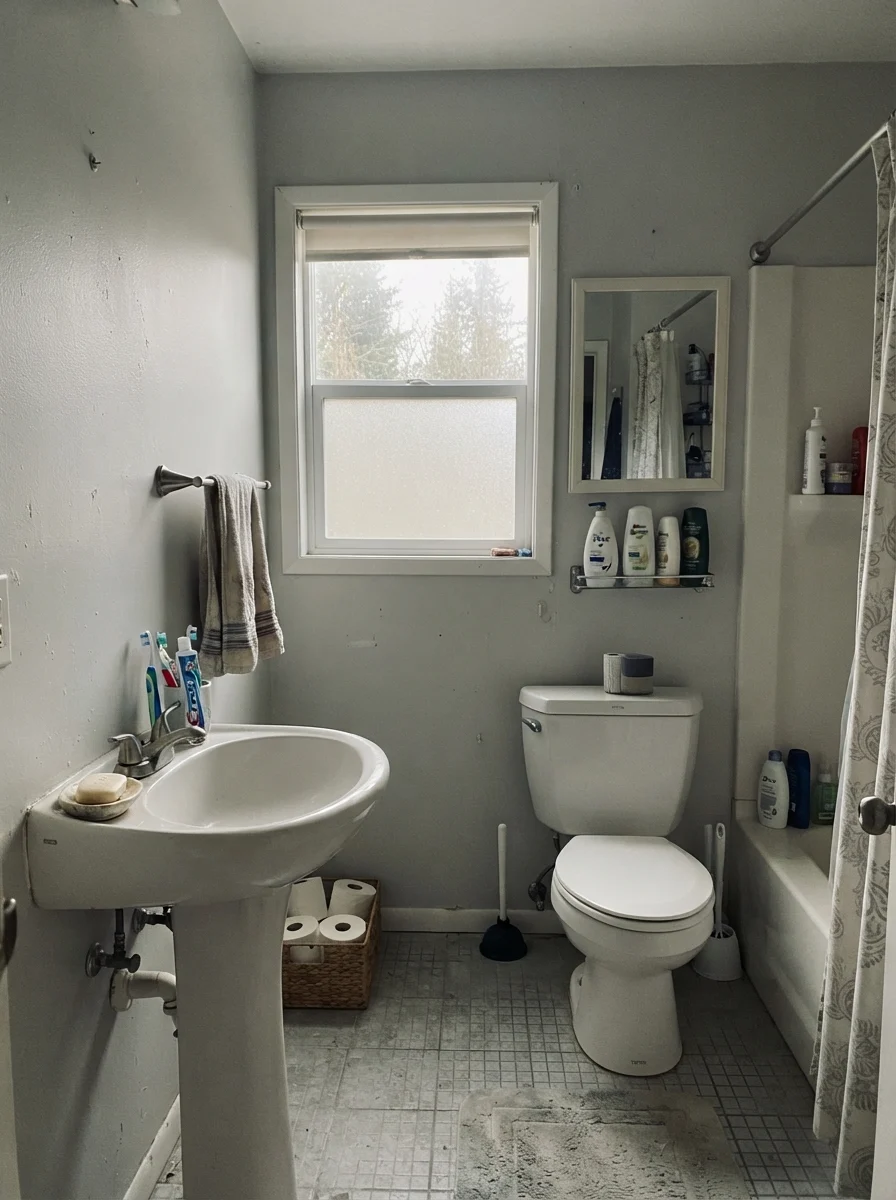
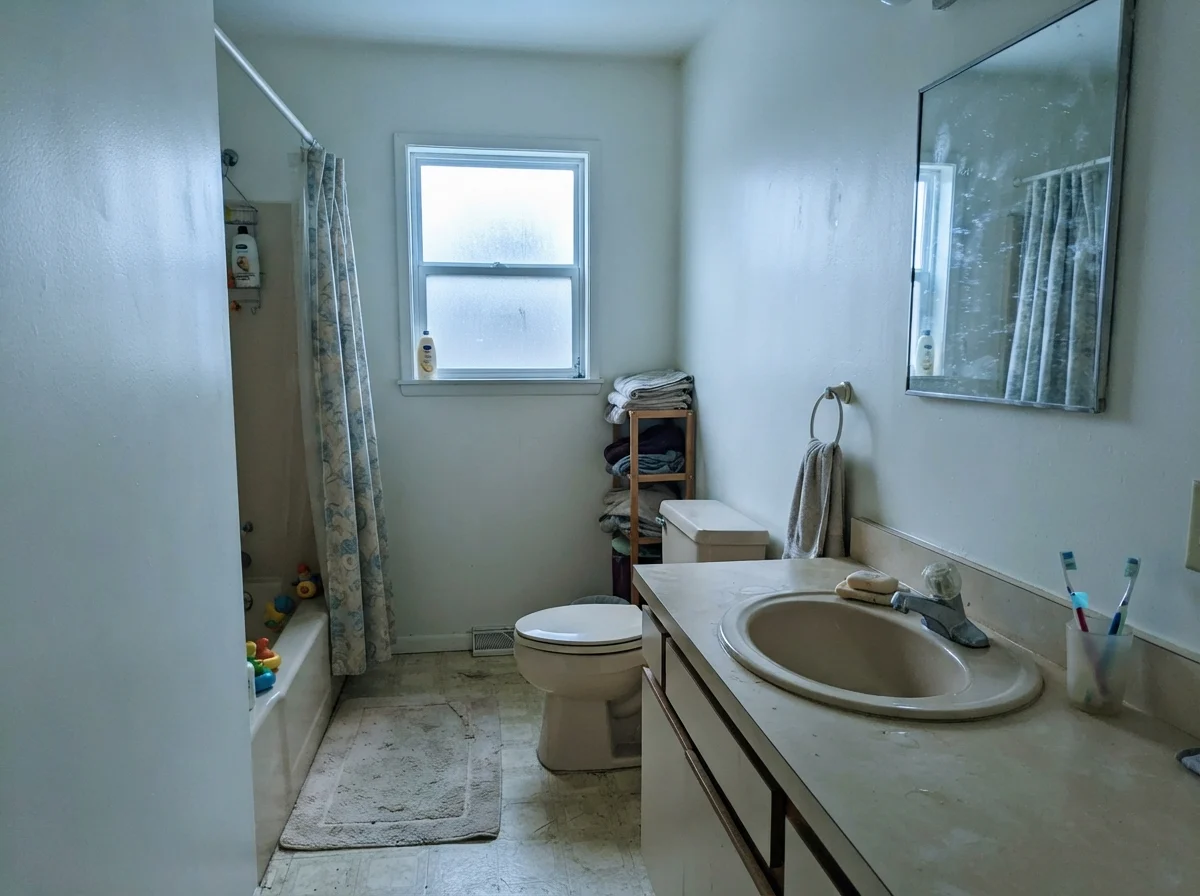
However, you need to watch what happens when the natural light goes flat or disappears entirely. A small guest bathroom on the north side of the house, or one lit only by a frosted privacy window on an overcast afternoon, is where Polar Bear can misbehave. Instead of looking like a sunny cottage retreat, the walls pick up a dingy, muted gray tone. If you have an older beige vanity or dated counters left behind from a previous owner, the cool cast in Polar Bear can fight with those muddy tan undertones rather than harmonizing with them.
Bedrooms and Quiet Corners
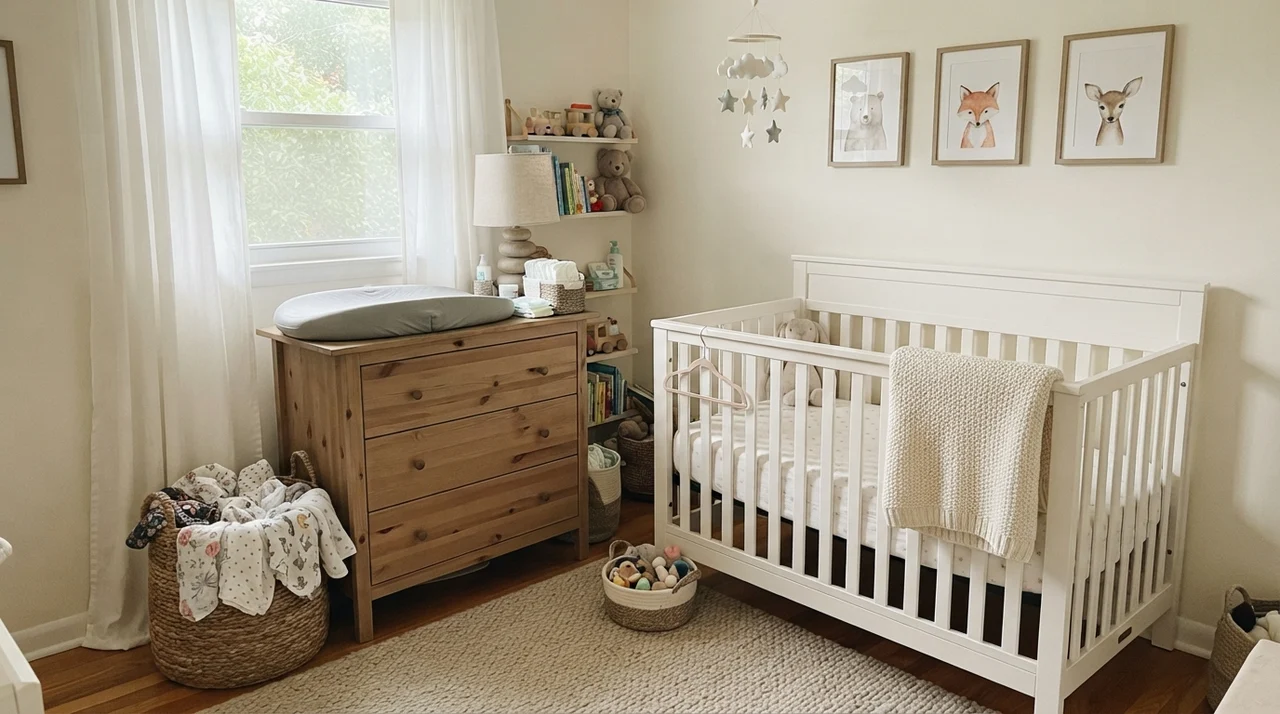
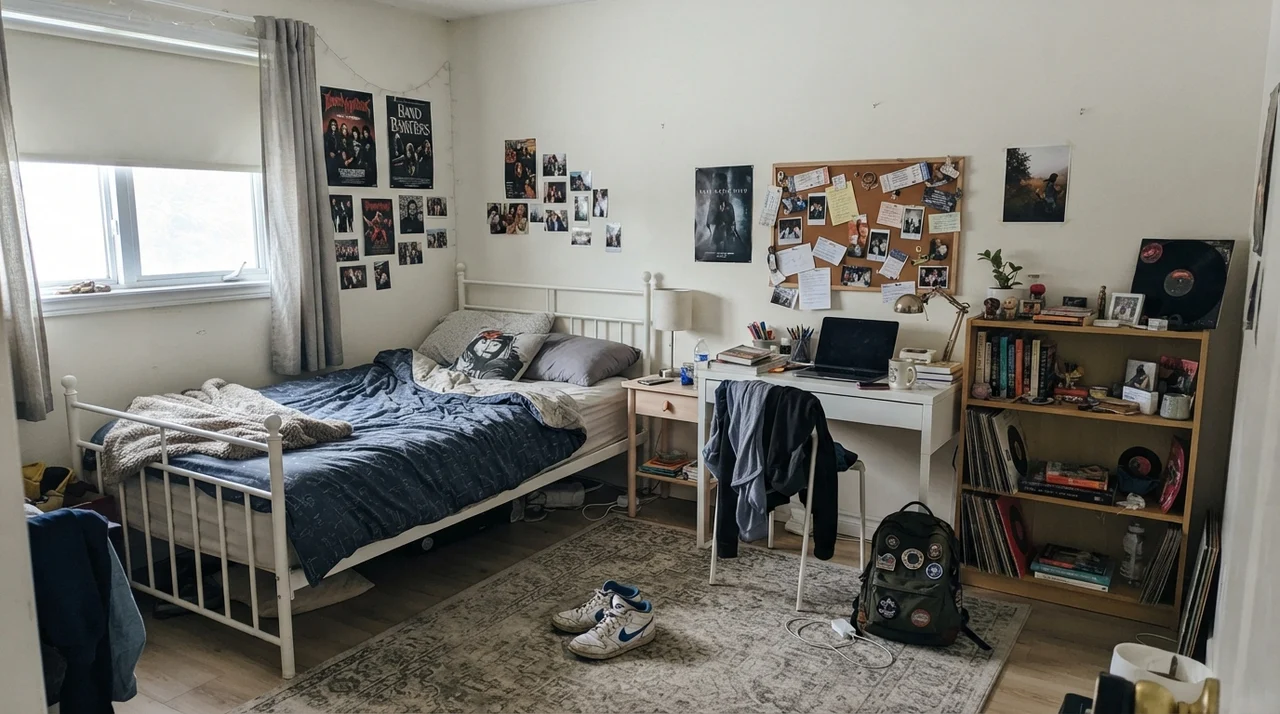
When our daughter was fourteen, she announced that her lavender bedroom looked dated within six months of us rolling it, and she wanted everything plain white so she could pin drawings and magazine clippings everywhere. We had half a gallon of Polar Bear sitting in the basement workshop from the living room project, so we hauled it upstairs on a Saturday afternoon and rolled two coats over the purple.
In a bedroom with decent windows, it is remarkably unobtrusive. It doesn't scream for attention. It lets white linen sheets, pine nightstands, corkboards, and colorful books do the talking. In our own master bedroom, we kept it on the walls for seven years. It was an easy room to wake up in because the morning light hit the pale oak dressers and bounced into the corners without the harshness of a stark industrial white.
The Cabinet Question: Where DIYers Get Burned
Kitchens and cabinets are where Polar Bear sees its heaviest duty, and also where the Home Depot reviews get spicy. People buy the cabinet and trim enamel, brush it over thirty-year-old oak or slick thermofoil doors on a Sunday afternoon, and then complain on Monday that it streaked, bubbled, or chipped off with a fingernail.
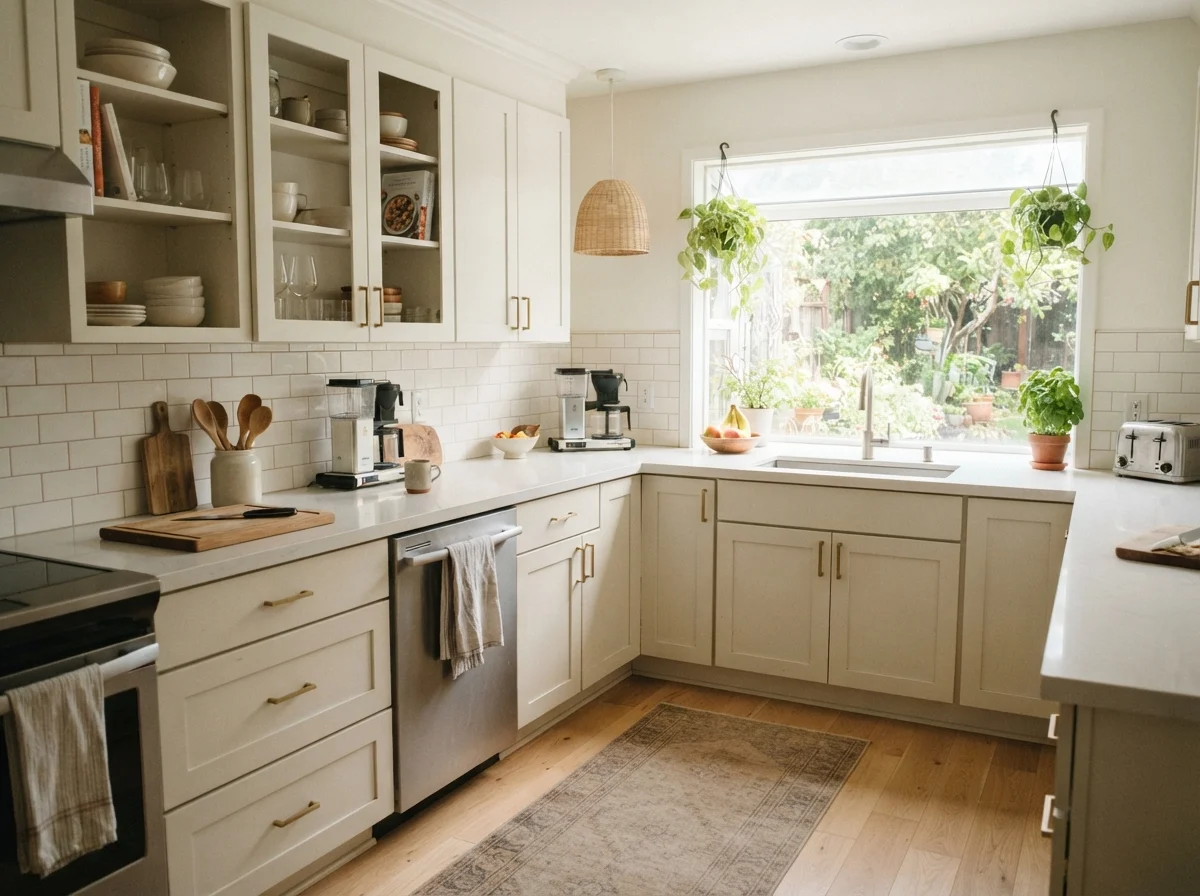
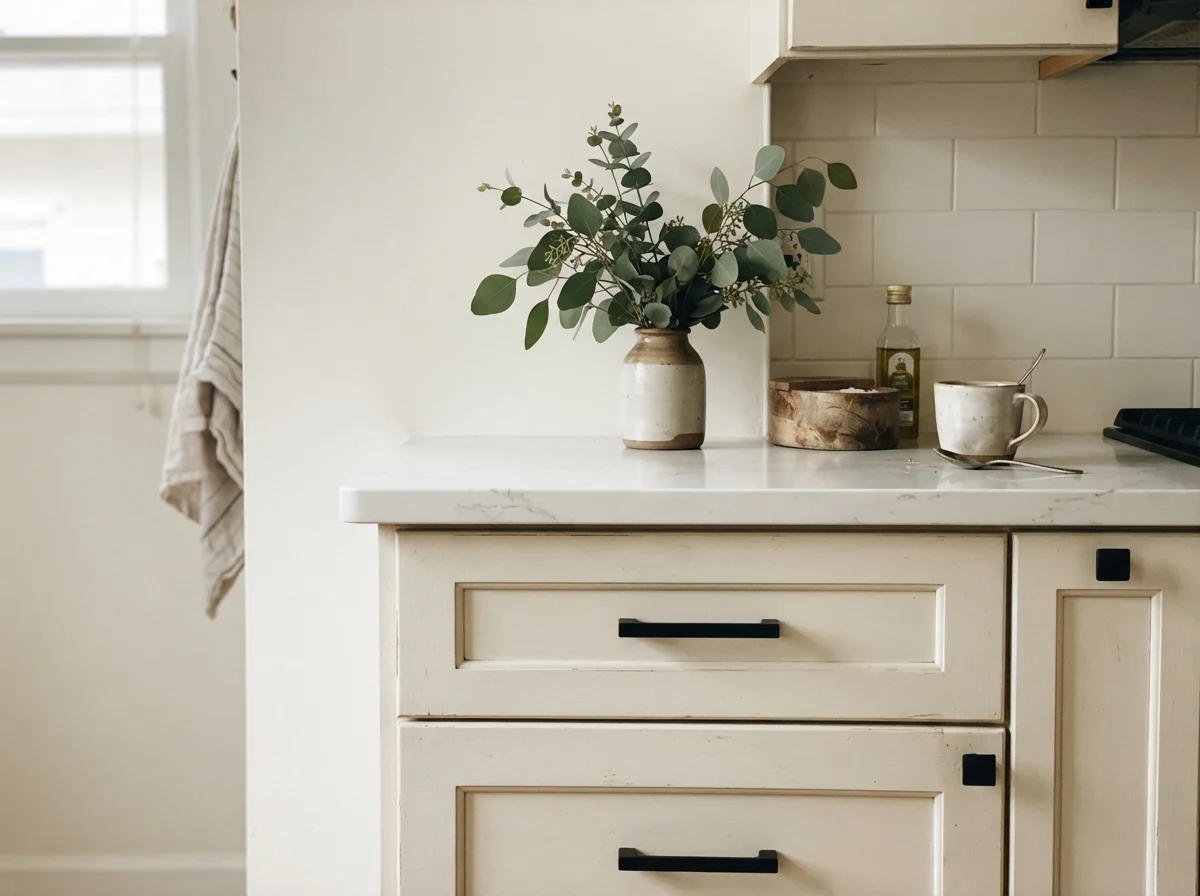
Here is the truth: Polar Bear as a color looks great on shaker cabinets. It gives you that crisp, clean country-kitchen look without having to pay a custom cabinet maker tens of thousands of dollars. But paint cannot fix bad prep. If you don't scrub the kitchen grease off around the stove with degreaser, scuff the old polyurethane down with 150-grit sandpaper, and lay down a dedicated bonding primer first, you are wasting your time. One thick coat straight over old clearcoat will bubble and drag. Two thin coats of satin enamel over proper primer will last five years without flaking.
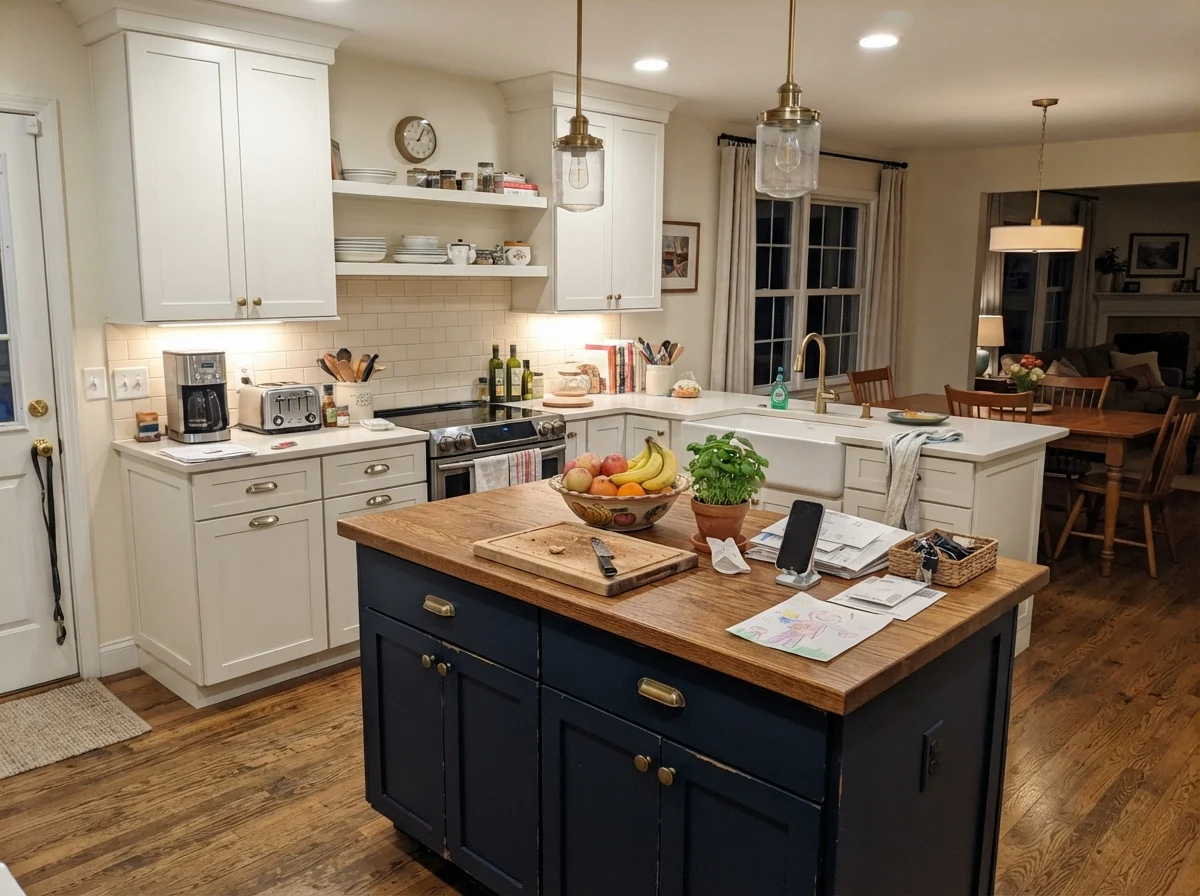
In our current 1960s ranch, I painted just the kitchen island in Polar Bear to see how it would handle kicking feet, grocery bags dropped on the counter ledge, and spilled pasta sauce. Five years in, it has held up admirably. We have two small chips on the edge near the dishwasher where a cast-iron skillet clipped the stile, but five minutes with a tiny artist's brush and the leftover quart had it blended right back in. That is the beauty of a standard off-the-shelf color: you don't have to keep the custom formula card from 2014 in a desk drawer hoping the local paint shop didn't change tinting machines.
Living Rooms, Sunrooms, and the High-Traffic Zones
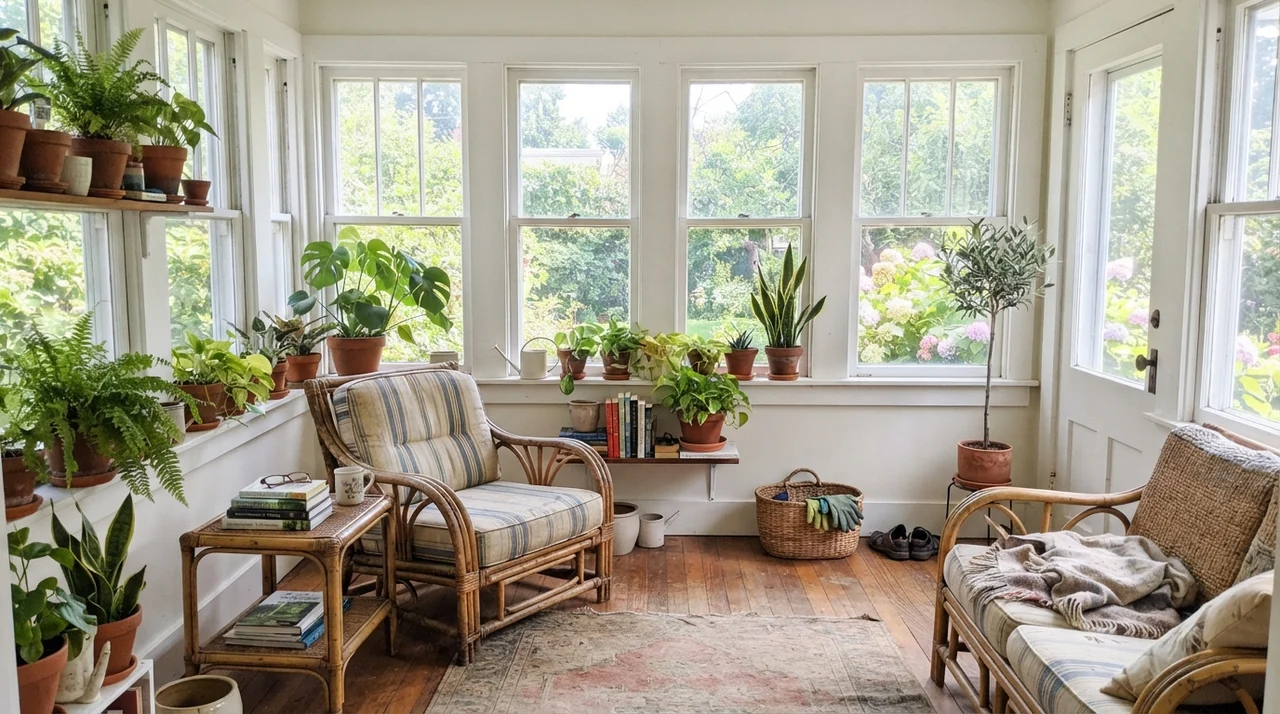
In a large family room or open living space, Polar Bear gives you freedom with your furniture. When we sold our colonial, the buyer's inspector walked through and noted how bright the main floor felt, even though the house was surrounded by mature sugar maples that blocked direct sun for four months of the year. Polar Bear reflected every scrap of natural light coming through the picture windows.
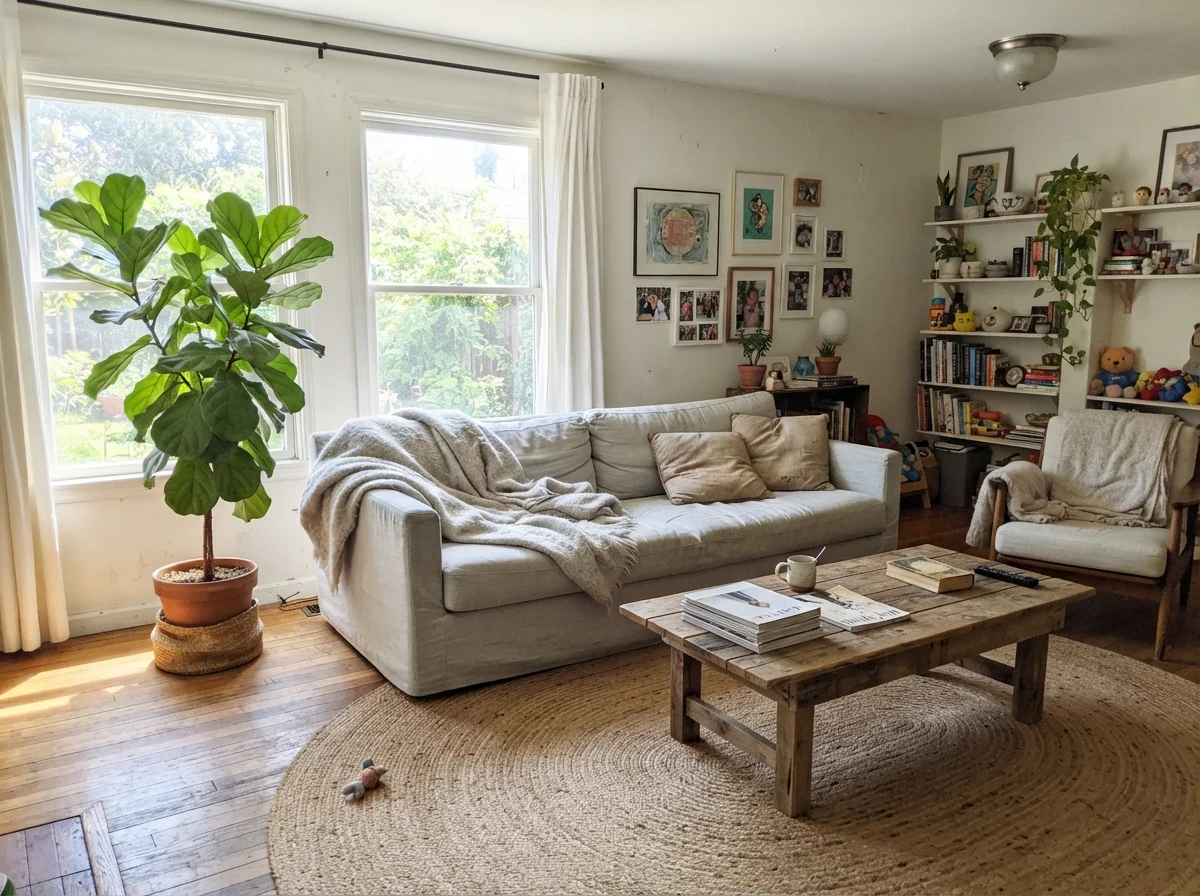
It pairs easily with jute rugs, linen couches, rumpled wool throws, and warm terracotta plant pots. Because the yellow undertone is so faint—not like those butter-cream whites from the 1980s that turned everything yellow—you don't feel like the wall is dictating your rug or upholstery choices. It stays firmly in the background where a wall color belongs.
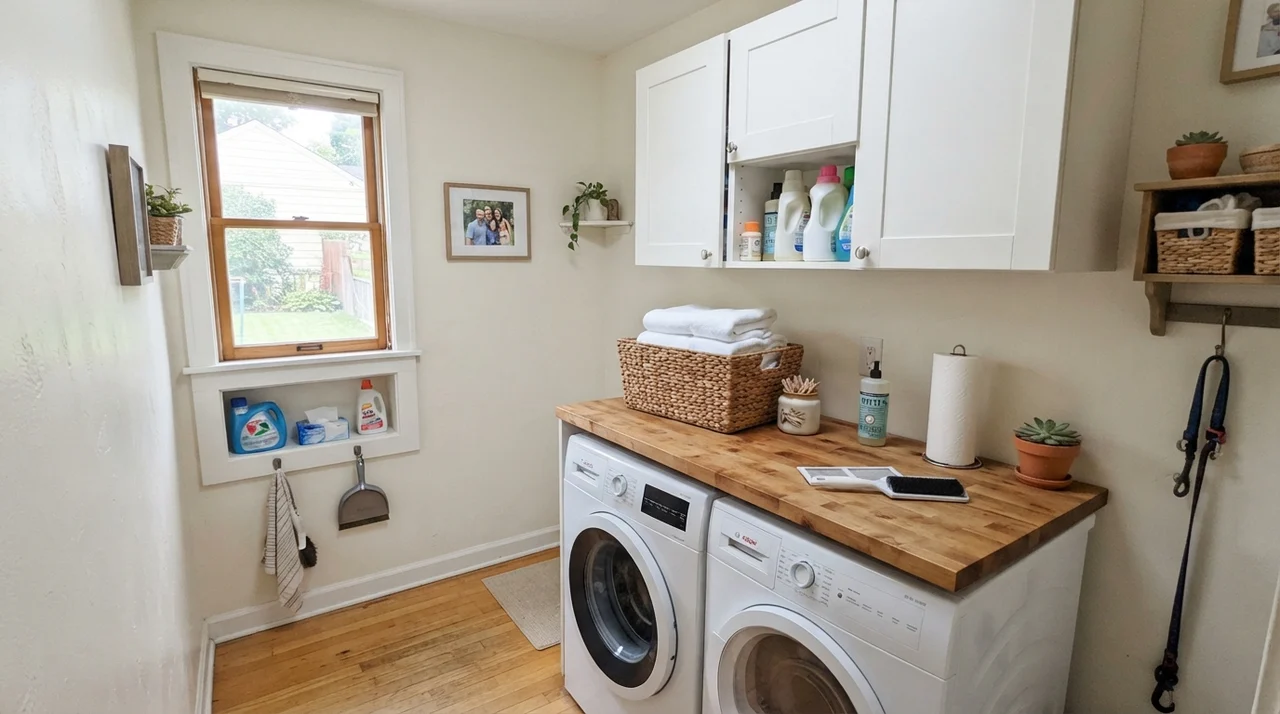
And in utility rooms—laundry rooms, pantries, side entries—it earns its keep every single week. In our laundry room, where lint, laundry baskets bumping the drywall, and damp coats are a daily reality, eggshell walls wiped down with warm water and a rag looked practically new after five years of hard family use. That's what you pay paint to do: stay on the wall and let you live your life.
Where Polar Bear Stumbles: The Honest Fail
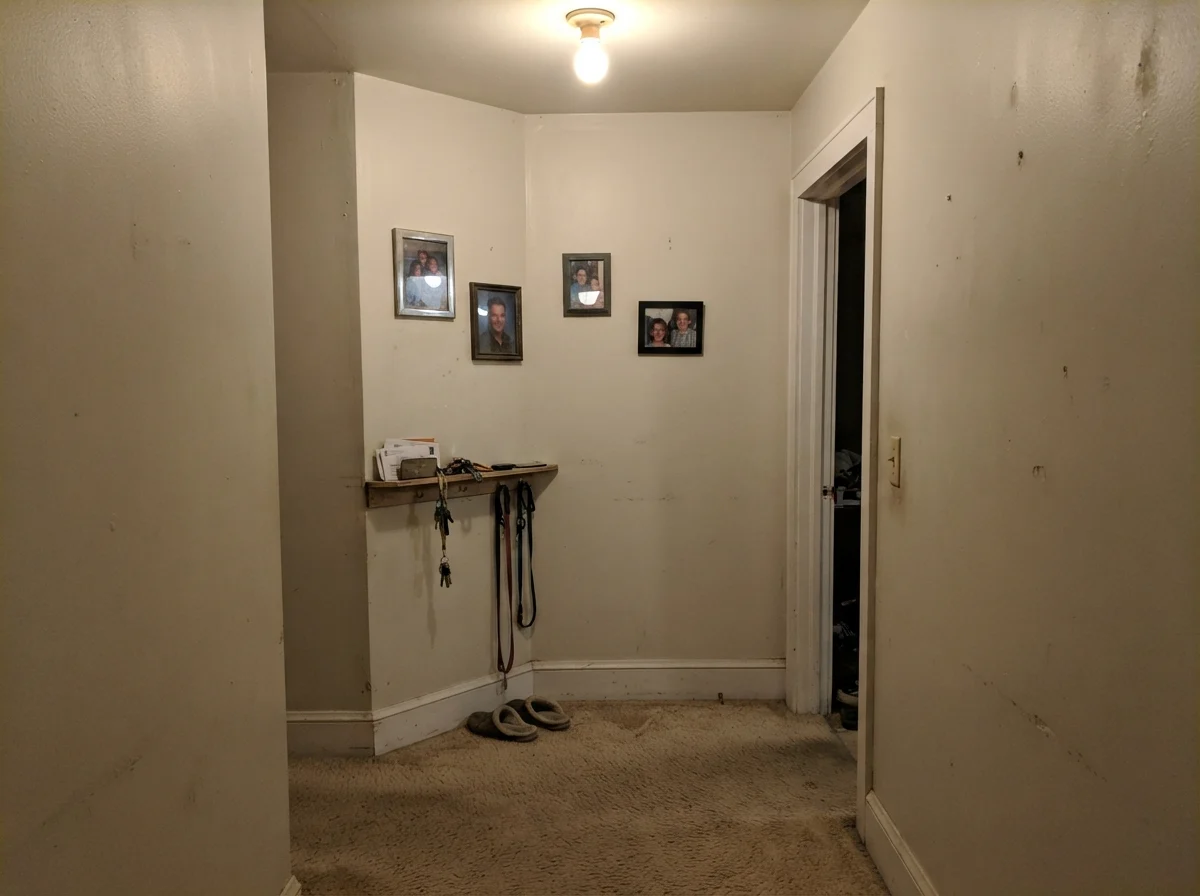
Now, let's talk about the corner where it didn't work. Every paint has a failure mode, and for Polar Bear, it is the windowless interior hall lit by a single builder-grade flush-mount ceiling fixture with an old, cool LED bulb. In our 1970s split-level, we tried putting Polar Bear down a dark middle hallway with beige builder carpet and no windows within twenty feet. It was a disaster.
Without natural daylight or warm lamps to bounce off the wall, Polar Bear didn't look bright or clean at all. It looked like wet putty. Against the tan carpet, the subtle cool undertone curdled into a muddy, flat gray-lavender. My husband came home, dropped his keys on the entry table, looked down the hall, and asked why the hallway looked like a basement locker room. We lived with it for two weeks before I admitted defeat, hauled the stepladder back out, and put a truly warm off-white over it. The lesson: if your space is light-starved and trapped with cool flooring, Polar Bear will not create warmth out of thin air.
Trim, Doors, and Built-ins
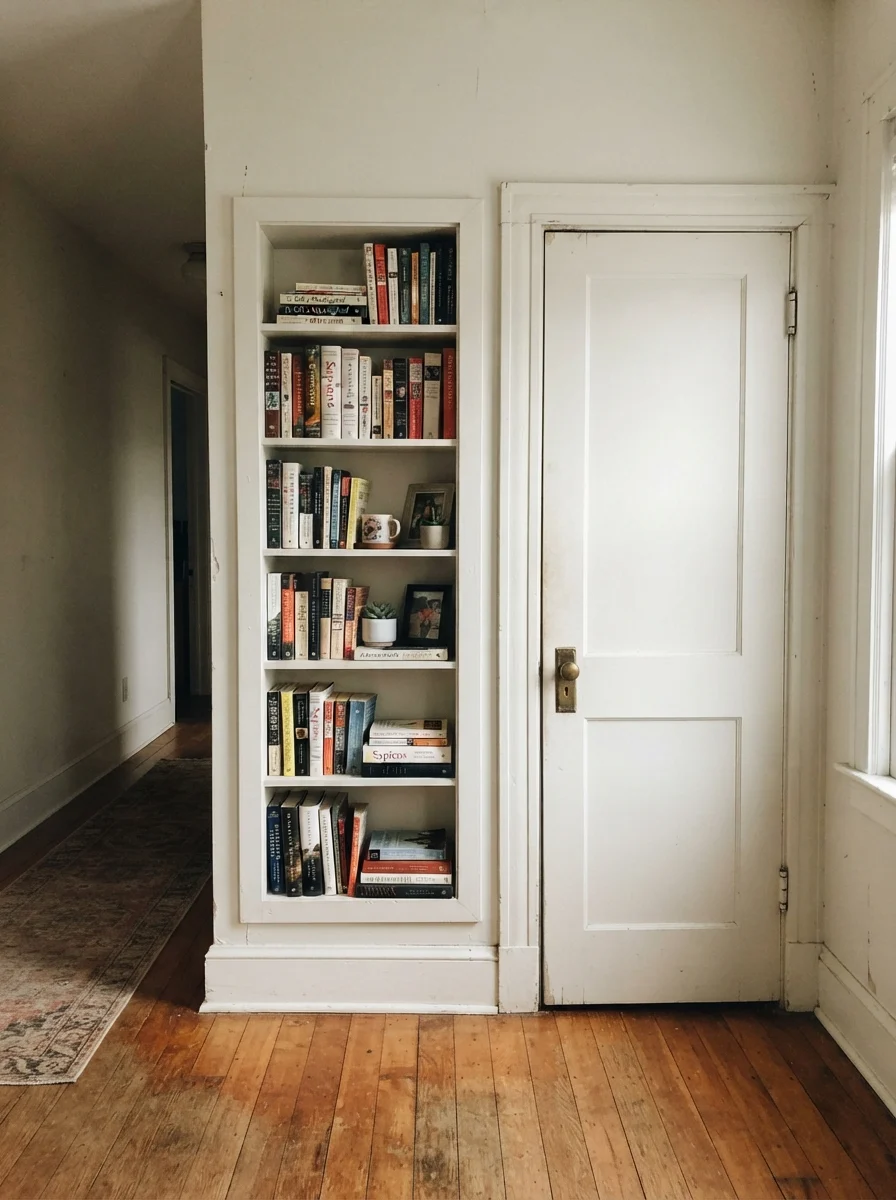
Where Polar Bear really earns its gold star—and where I still recommend it to neighbors all the time—is on interior trim, doors, and millwork. Because its undertone is so restrained, semi-gloss Polar Bear works under almost any wall color you can throw at it. If you paint your walls a deep navy, a soft sage green, or even a moody charcoal, Polar Bear trim provides a crisp, tailored border that doesn't scream yellow or fight with the wall.
Living with Polar Bear Over the Long Haul
Paint looks great the day you pull the blue tape off the baseboards. The real test is year three, year four, year five. When our kids were younger, the back door casing was the target for muddy soccer cleats, wet umbrellas, and greasy handprints right above the deadbolt. A cheap paint rubs thin or shows shiny burnish spots when you scrub it with a rag. With Behr's premium formulations in Polar Bear, I scrubbed clean that same door casing twice a month for five years, and the paint never lifted or wore through to the pine underneath.
I've learned to be practical. Over thirty years and three houses, you realize that half the paint decisions people obsess over in showrooms don't matter as much as good prep, reasonable sheen choices, and understanding your light bulbs. Polar Bear isn't magic, but it is reliable when used in the right spots.
Taking It Outdoors: Exterior Siding and Trim
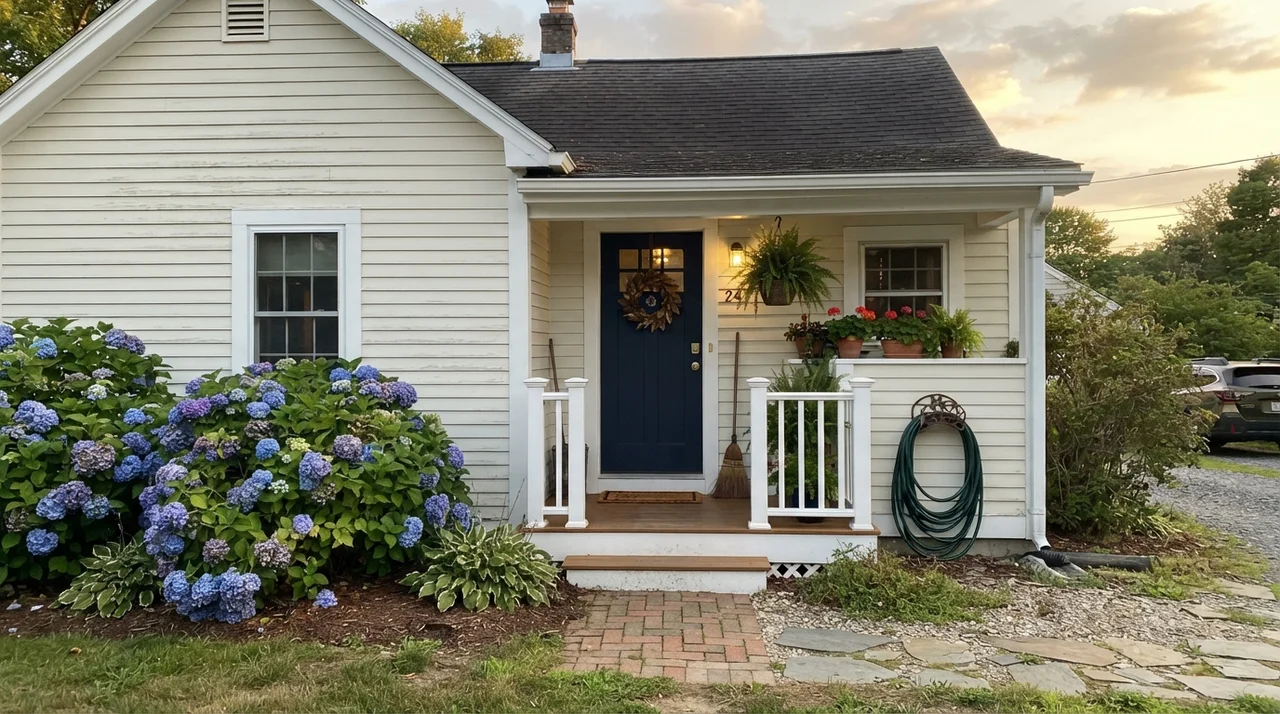
One place where Polar Bear genuinely outshines many expensive boutique whites is on exterior siding. Outdoors, direct sunlight blows out subtle undertones. A white that looks rich and creamy inside can turn blindingly bright on a porch, while an ultra-pure white looks like bare plastic siding under the midday sun.
Polar Bear on exterior horizontal lap siding strikes an excellent middle ground. In full sun, it reads as a clean, bright, architectural white. Paired with dark navy or deep charcoal shutters and trim, it delivers that classic American exterior look without looking sterile. And because it's available in exterior formulas at Home Depot, touching up the north side of the garage after winter snowstorms won't cost an arm and a leg.
How It Measures Up Against Close Competitors
Whenever someone asks me about Polar Bear at the hardware store, they usually have three or four color cards clutched in their fingers. They want to know if it's identical to the designer brands, or if they should step up or down in warmth. Here is how it behaves against its closest neighbors on the shelf.
What sheen should I use for Polar Bear throughout my house?
For living rooms, bedrooms, and hallways, eggshell is the sweet spot—it cleans up easily without showing every drywall imperfection. For baseboards, doors, and trim, use semi-gloss for durability and subtle contrast. For kitchen cabinets, go with a dedicated satin enamel over bonding primer.
Does Behr Polar Bear turn yellow over time?
No. Modern latex and water-based acrylic formulas do not yellow with age like old oil-based paints did. In fact, if Polar Bear misbehaves, it does the opposite—it pulls a faint cool blue-gray in dim or north-facing light.
Why do my cabinets look streaky after painting them in Polar Bear?
Skipping bonding primer or rushing coats is the culprit ninety percent of the time. Thin coats applied with a high-density foam roller or fine brush over clean, sanded, primed wood will level out smoothly. Never apply one heavy coat straight over old cabinet varnish.
Will Polar Bear make my small bathroom feel bigger?
Yes, provided the bathroom has decent light. At LRV 90, it reflects ample light and opens up tight spaces beautifully, especially when paired with white subway tile and warm wood accents. Just keep light bulbs around 2700K to prevent a sterile look.
Susan's Verdict · Practical Whole-House Performer
Behr Polar Bear (sku 75) is worth the money if you treat it for what it actually is: a clean, budget-friendly, high-LRV white that brightens open spaces and works wonders on trim, cabinets, and exteriors. It is not a rich, moody cream, and it will not rescue a windowless hallway or a dim north-facing bedroom with gray flooring. Give it good southern light, pair it with warm wood, prime your surfaces properly, and it will serve your family faithfully for a decade without ever asking for fuss.