Color Diary · No. 5
Behr Sage Green: The Grounded Gray-Olive That Outlasts the Trends
Behr's cool, deep-toned answer to the biggest color search in paint, reviewed honestly: the cabinets it was built for, the light that flattens it, and what to pick instead.

Susan HartleyAugust 29, 2026 · 14 min read
Sage Green · Behr ICC-77
Hex#7B8472LRV22Undertonescool gray-olive → charcoal-green in shadow
In our last house—the 1990s colonial with the drafty breakfast nook—I fell hard for the early wave of muted botanical paints. It was right around the time everyone decided every beige wall needed to become something reminiscent of dried herbs. I bought four gallons of what I thought was a gentle, whispering herb tone for our back hallway and mudroom. By year two, I realized my mistake: in the morning light, it looked like watered-down pea soup, and by evening, under standard bulbs, it washed out into a tired, milky gray. It had no backbone. When we sold that house, repainting that entire hall was at the top of my list because it had looked dated within three seasons.
That experience taught me the single most important rule about sage paints: there is a world of difference between a pale tint that photographs well on a screen and a hardworking, grounded color you can actually live with. Behr Sage Green (ICC-77) belongs squarely in the second camp. It is not the airy, powdery pastel that dominates social media mood boards. With a light reflectance value of 22, it is a deliberate, mid-depth, gray-olive green with a distinctly cool lean. It has weight, it has composure, and it behaves far more like a classic historic woodwork color than a fleeting seasonal trend.
Over thirty years of owning three houses—from our first 1970s split-level to the 1960s ranch we live in now—I have learned that paints with an LRV in the low twenties are the true workhorses of a home. They do not flinch under full sunshine, and they provide the visual anchor that modern open-concept floor plans desperately need. But because Behr gave it the most generic name in the catalog, thousands of homeowners buy a sample pot expecting an airy whisper and find themselves staring at a serious, moody olive. Let's look at how it actually performs once you put it on the wall and live with it five years in.
How Daylight and Bulbs Dictate the Mood
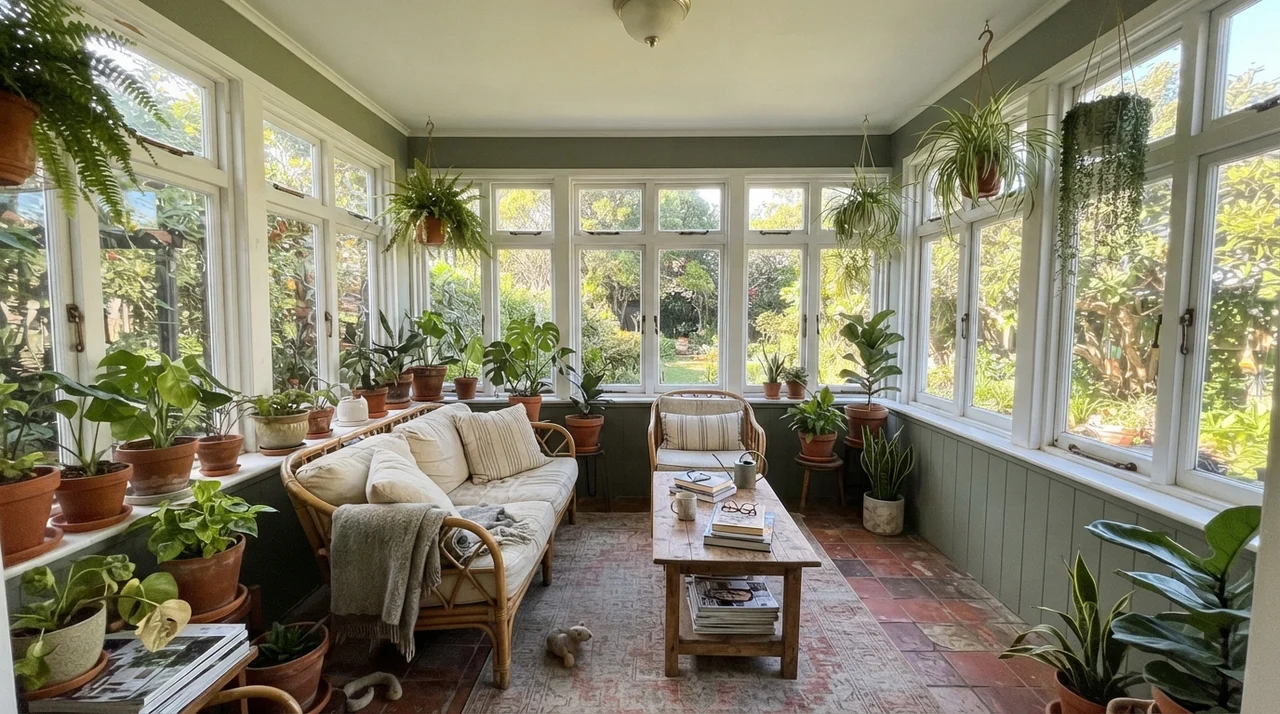
Understanding LRV 22 is crucial before opening a single can. Light Reflectance Value measures how much light a color reflects back into a room on a scale from zero (pure black) to one hundred (pure white). At 22, Sage Green absorbs significantly more light than it bounces. Put it in a south- or west-facing room flooded with natural light, and the sun pulls out the rich botanical olive tones, making the space feel tailored and calm. The green is unmistakable, grounded by just enough gray so it never looks garish or juvenile.
However, when you take that same paint and roll it across a north-facing room or a windowless hall, the cool slate base takes over. Under flat, overcast skies or cool daylight, the green recedes and the wall reads closer to a stormy charcoal-gray. I have seen homeowners panic after the first coat in a dim room because they thought the store mixed the wrong formula. The formula is fine; the lighting simply isn't feeding the green pigment.
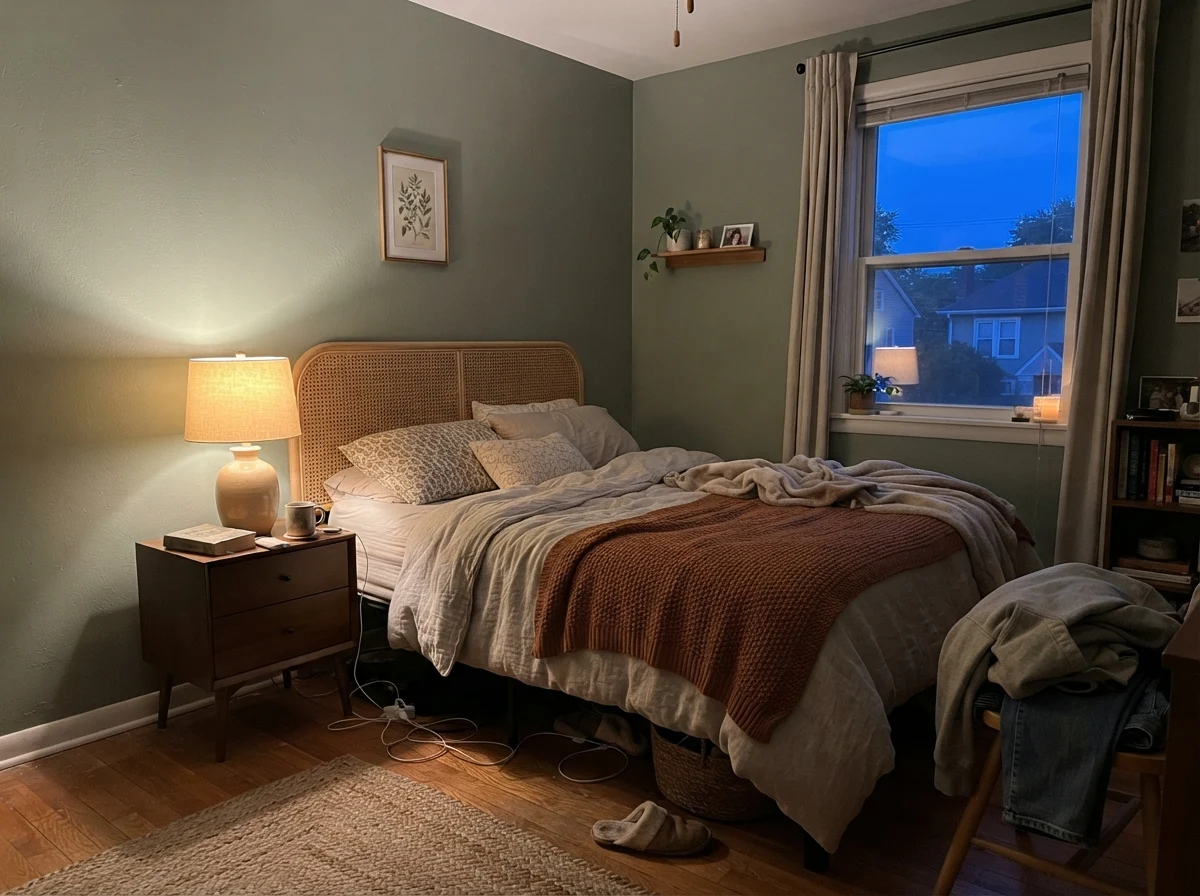
Artificial lighting matters just as much. Under standard 2700K warm incandescent or LED bulbs, Sage Green warms up into a comforting, velvety olive at dusk. But if your home is fitted with 4000K or 5000K daylight LED bulbs—the kind that make everything look like a commercial pharmacy—this color turns icy, rigid, and completely loses its organic appeal. Before you write off the color, check the numbers stamped on the side of your light bulbs; swapping to warm white is an easy fix that costs five dollars instead of a full weekend of repainting.
Kitchen Cabinetry: Where Sage Green Shines Best
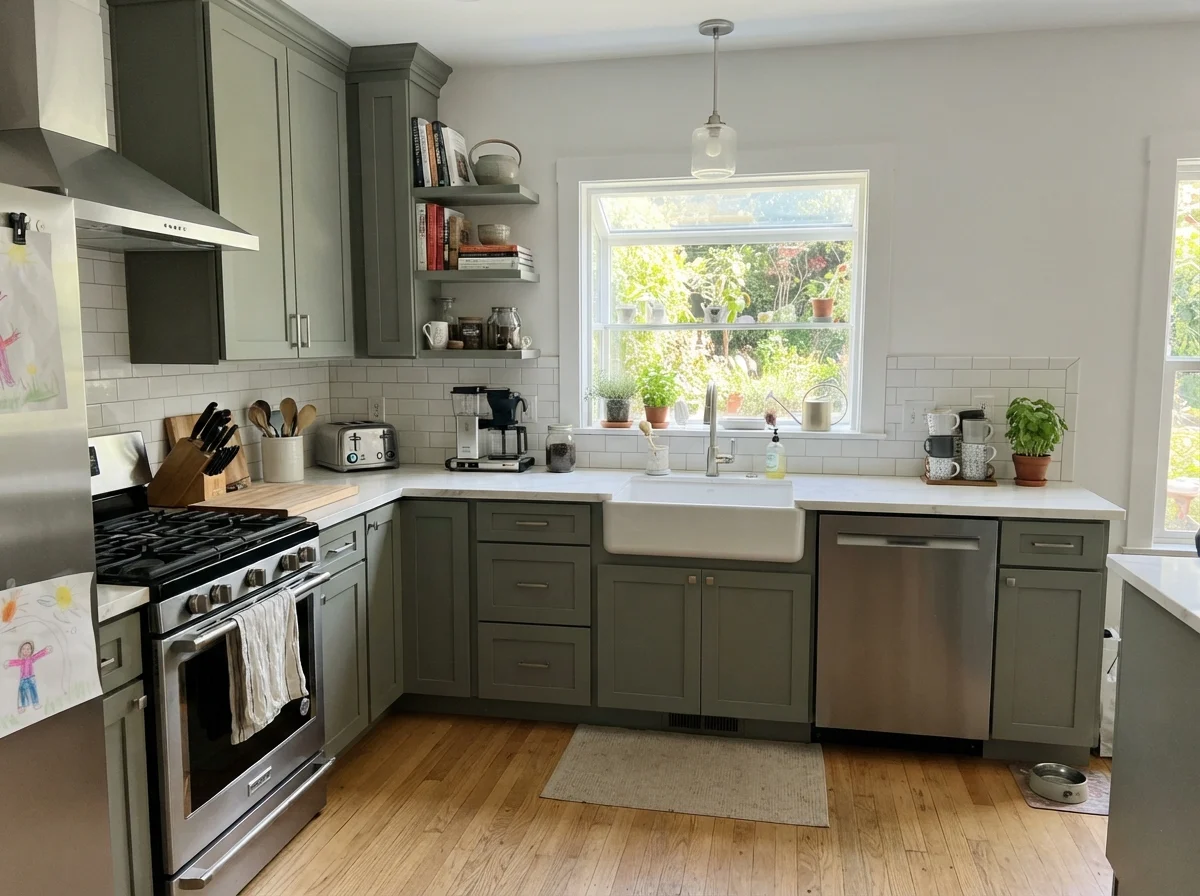
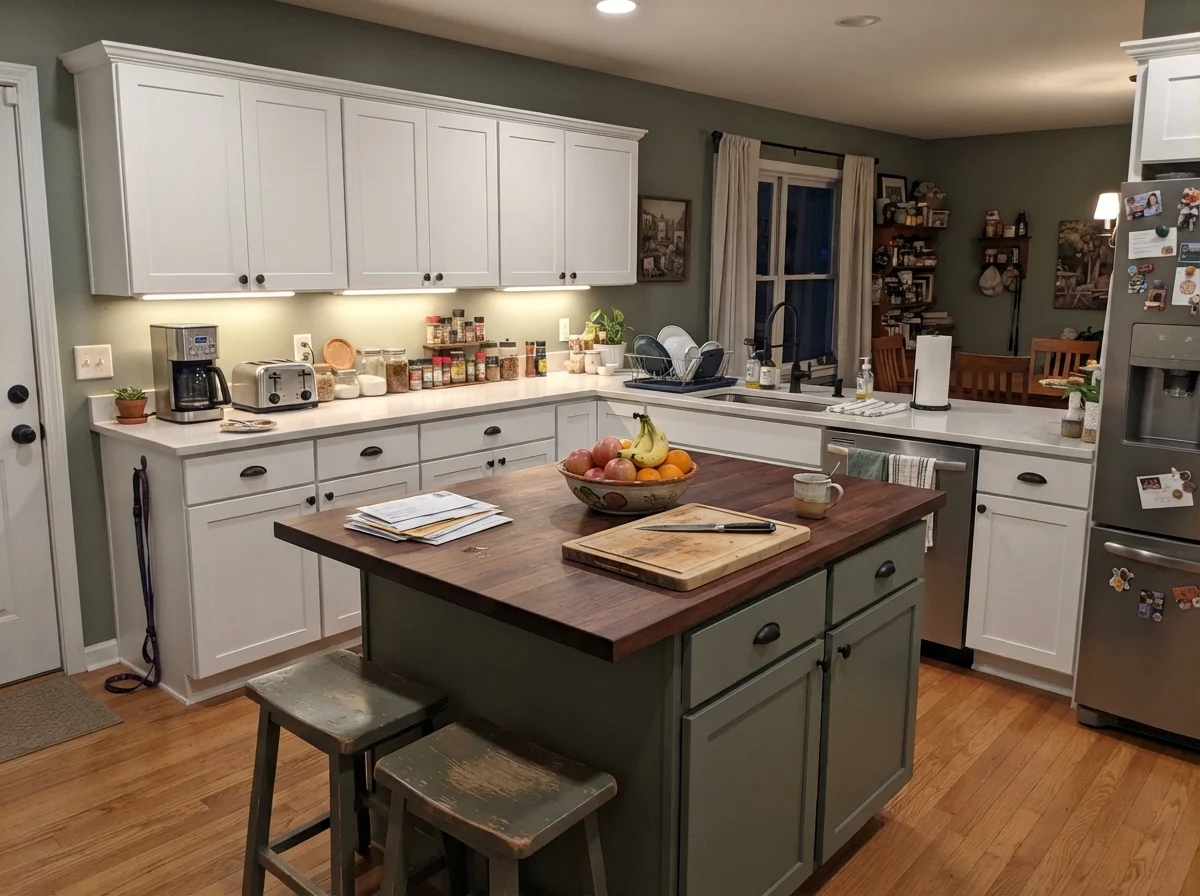
If you ask me where this color delivers the highest return on your labor, the answer is cabinetry. In fact, Sage Green is the exact shade Behr engineered for cabinet enamel. For years, white shaker cabinets ruled every renovation in America. But after living with pristine white cabinets in our 1960s ranch for half a decade, I got tired of wiping peanut butter smudges and water drips off the lower drawers three times a day. A mid-tone green like this is a lifesaver for busy households: it hides everyday life while looking entirely custom.
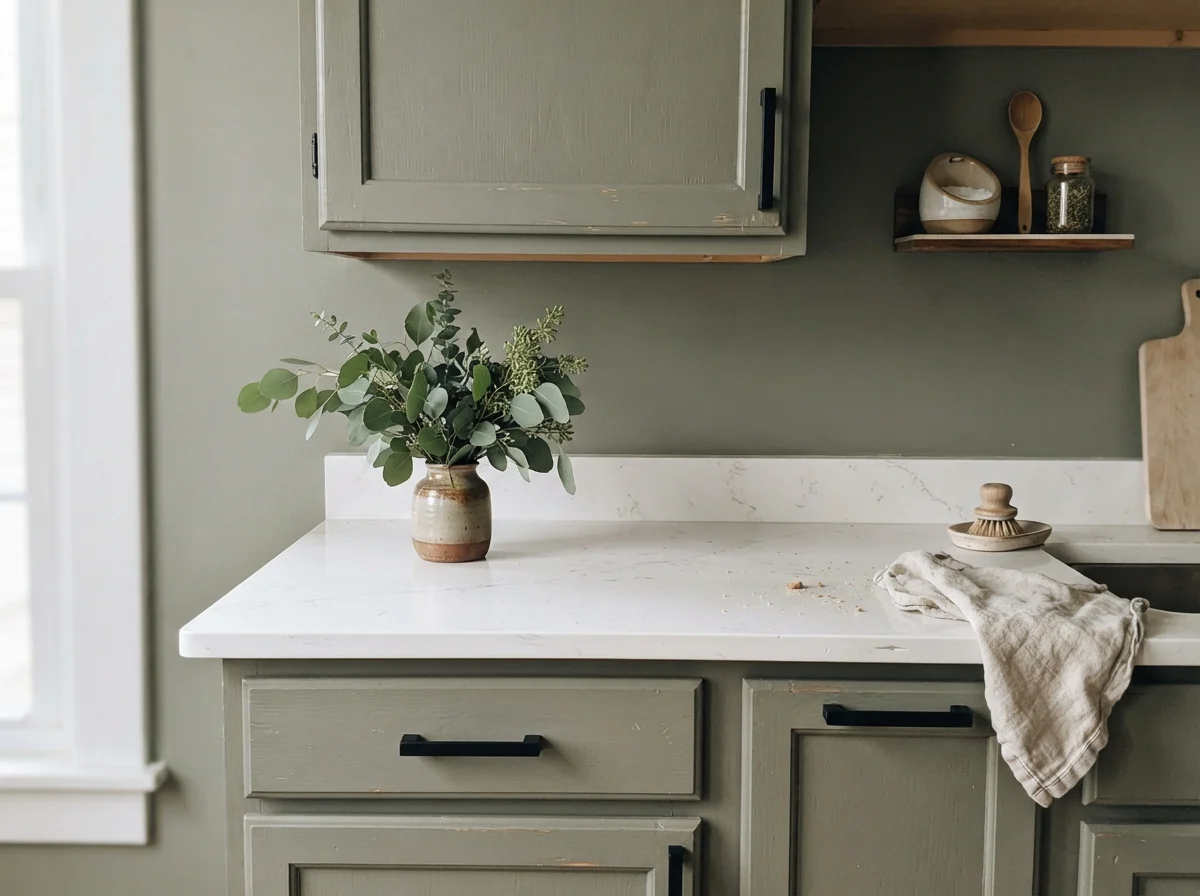
Because it carries a balanced gray-olive undertone, it pairs effortlessly with unlacquered brass, brushed bronze, and matte black hardware. If you have warm white walls—think creamy off-whites rather than stark hospital whites—painting an island or a full run of lower cabinets in Sage Green anchors the entire kitchen. It feels timeless, evocative of English sculleries, yet entirely modern.
Bathrooms and Powder Rooms: The Contrast Formula
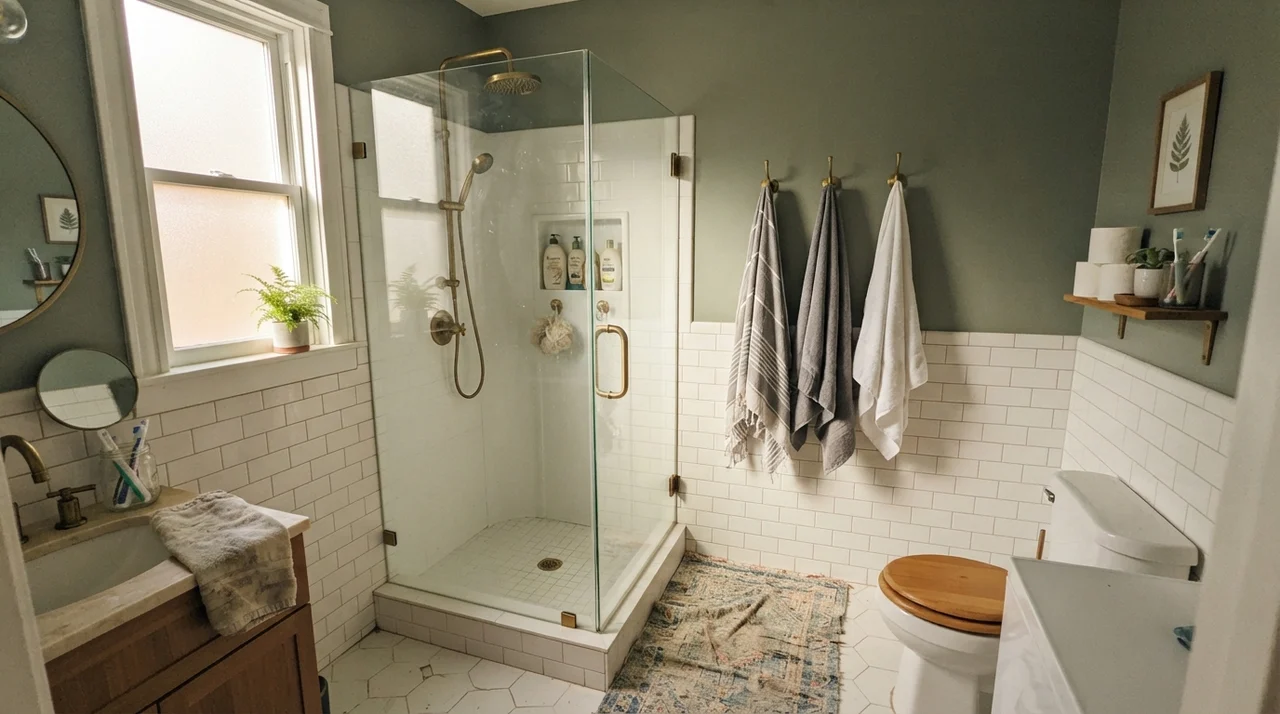
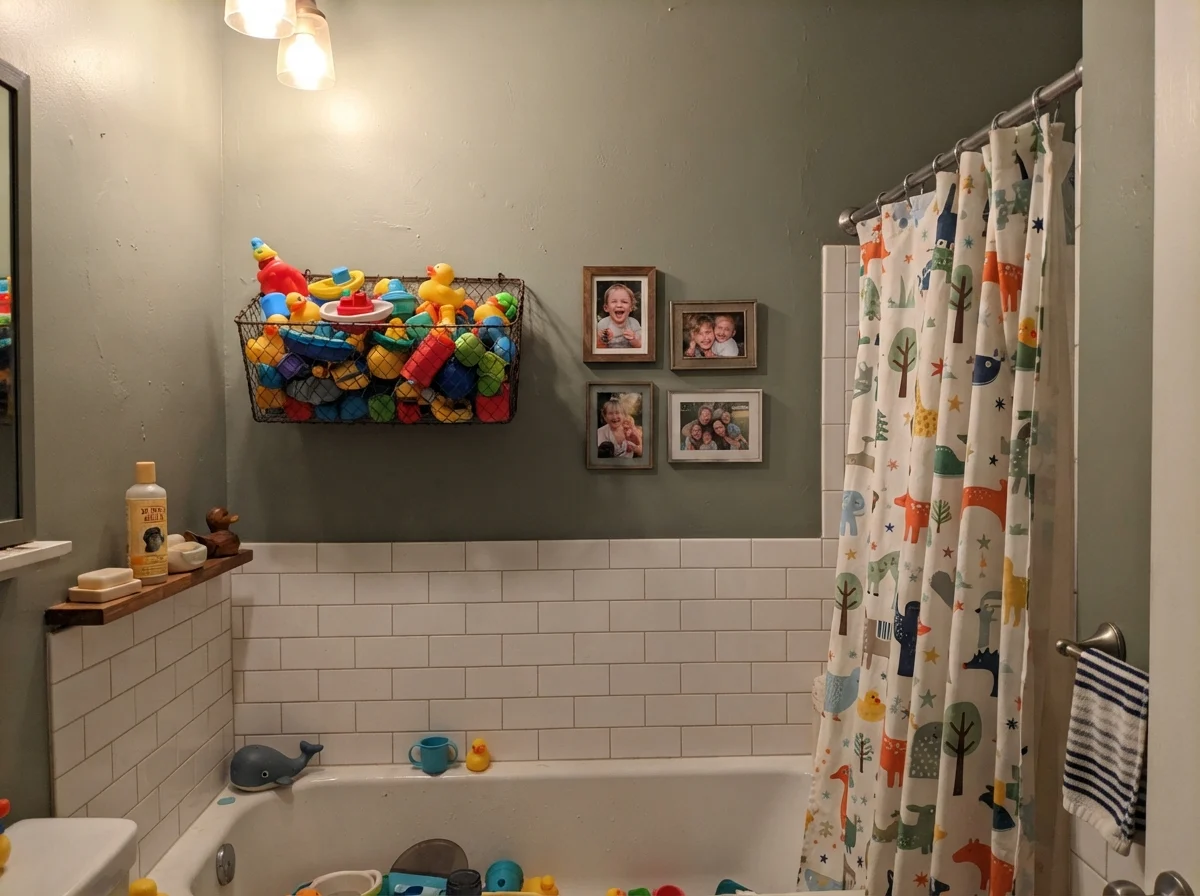
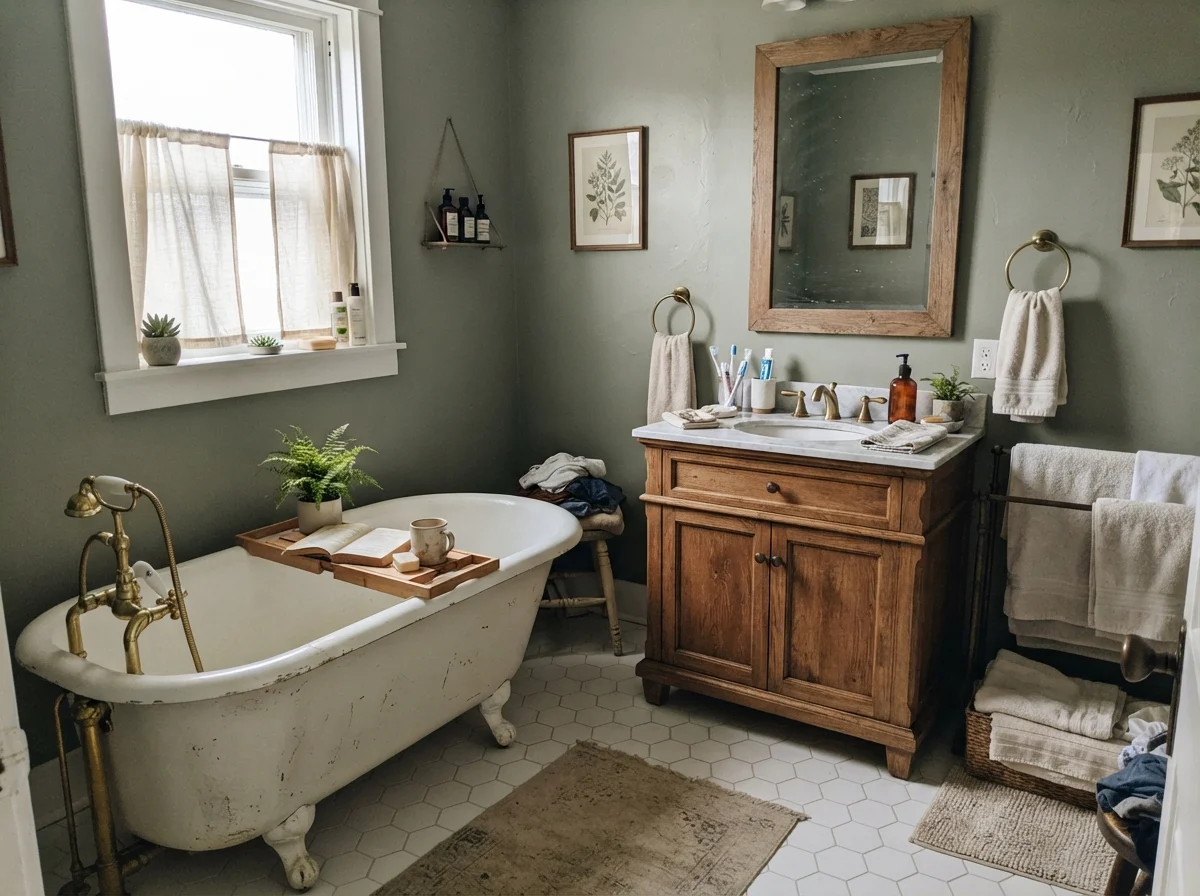
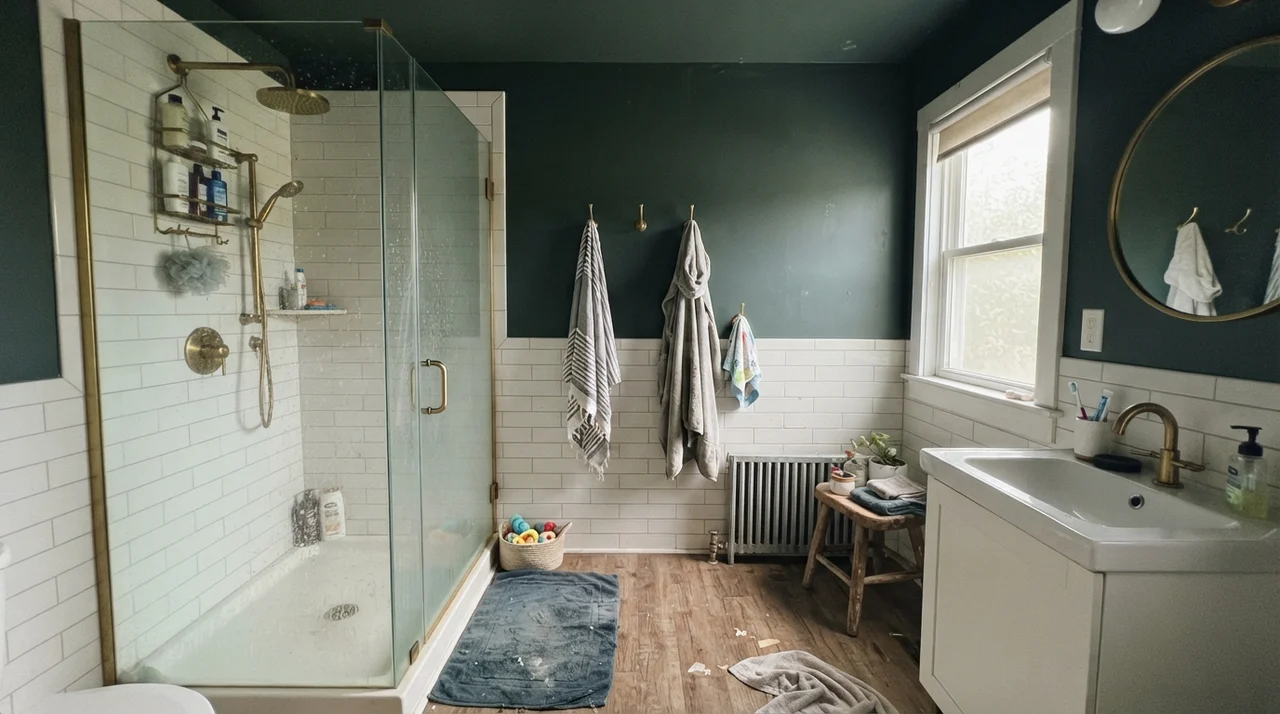
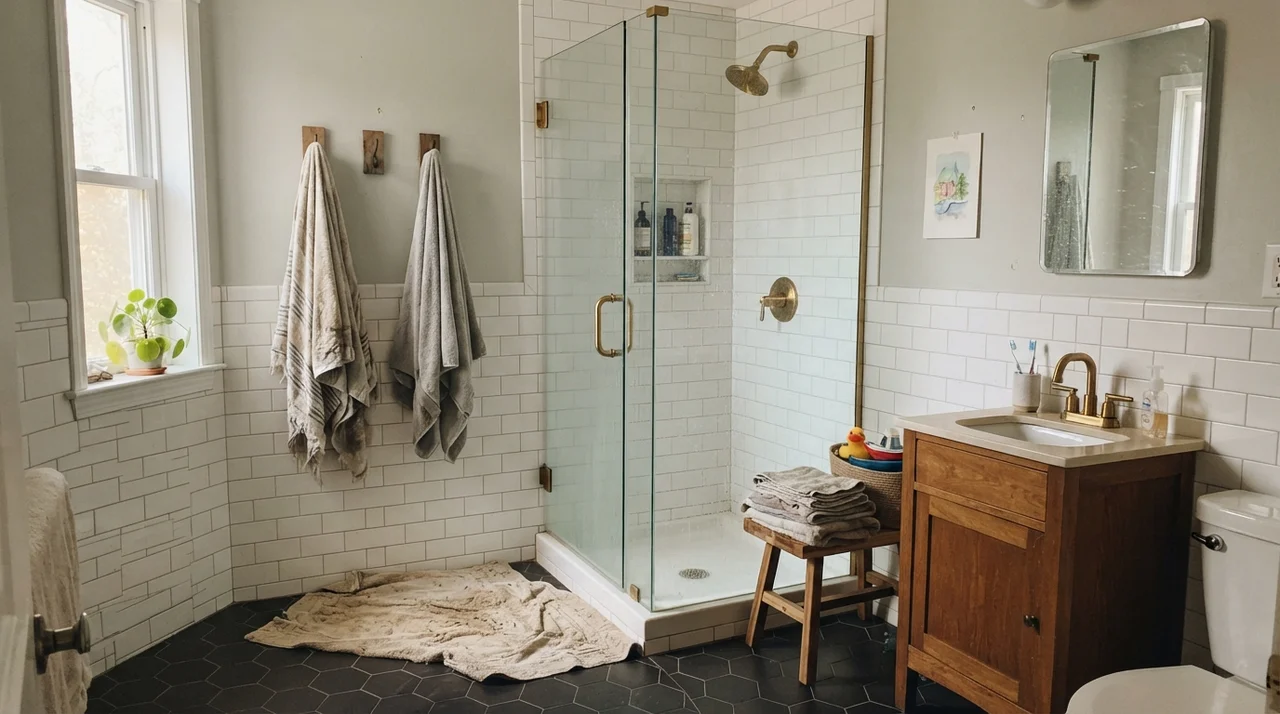
In bathrooms, Sage Green performs best when you pair it with high-contrast surfaces. If you wrap a tiny, windowless half-bath in this color from baseboard to ceiling, it can feel like stepping into an overgrown garden shed. But when you use it above white beadboard, white subway wainscoting, or against clean porcelain fixtures, it creates instant architectural depth.
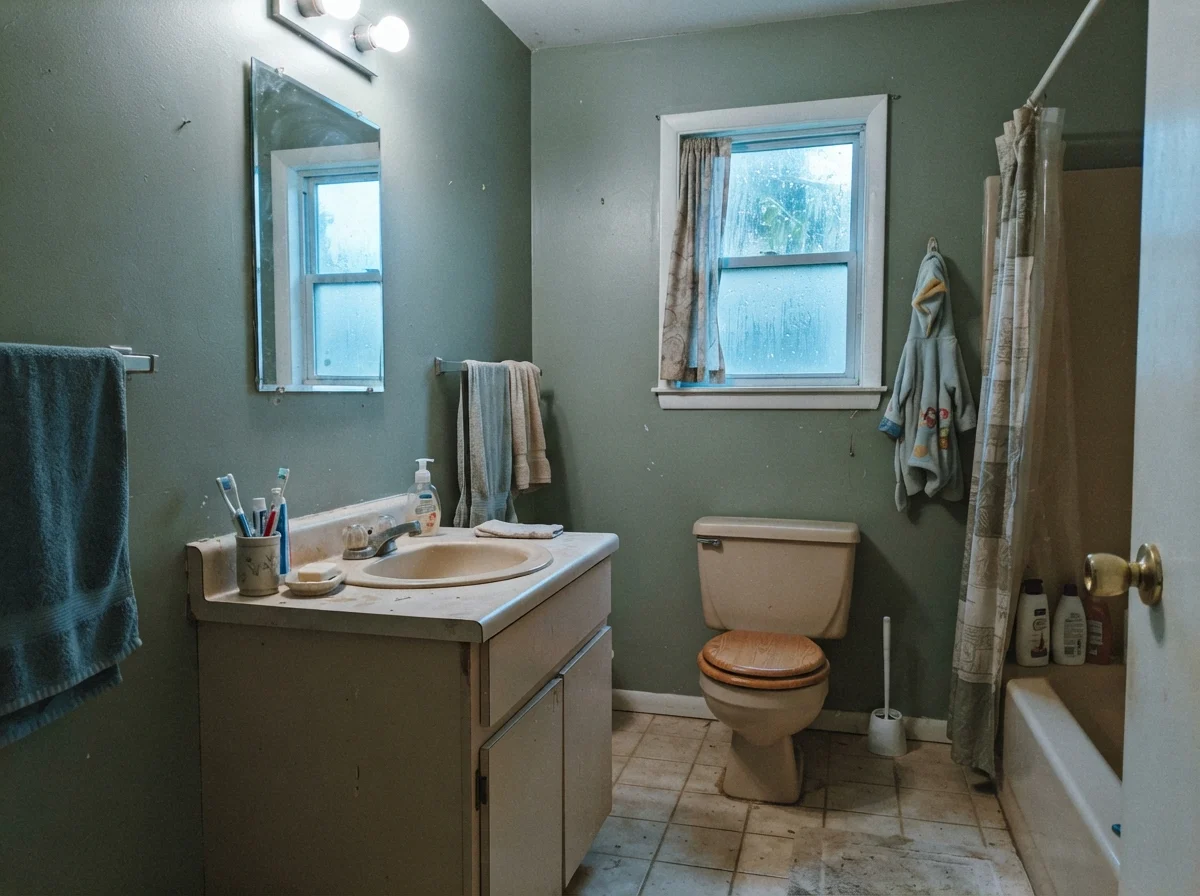
In our second home, we had an upstairs family bath with dated beige tile that we couldn't afford to rip out immediately. I tried using a pale green on the drywall to brighten things up, but it only accentuated the yellow dinginess of the old fixtures. If I had used a deeper, grounded shade like Behr Sage Green back then, the contrast would have made the tile look intentional rather than tired. It brings substance to functional spaces that otherwise risk feeling sterile.
Bedrooms, Nurseries, and Living Spaces
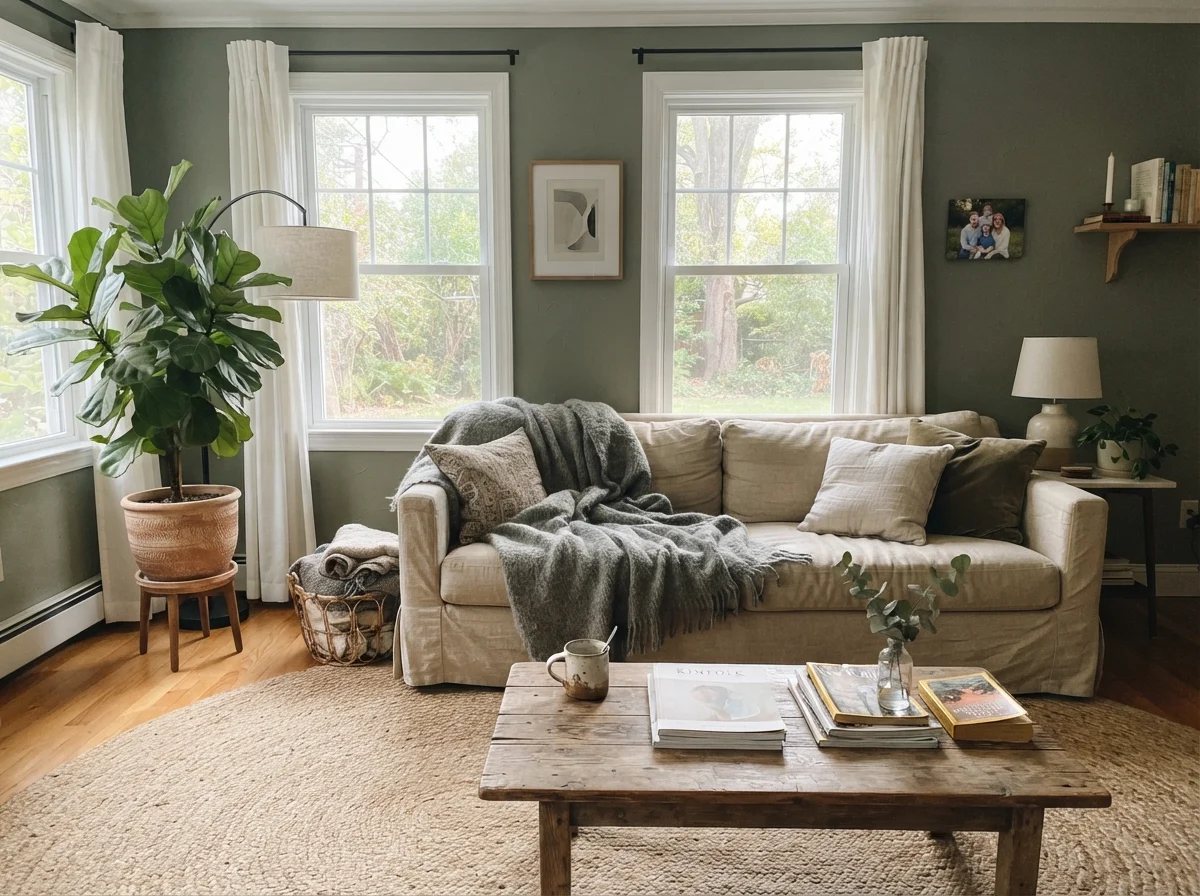
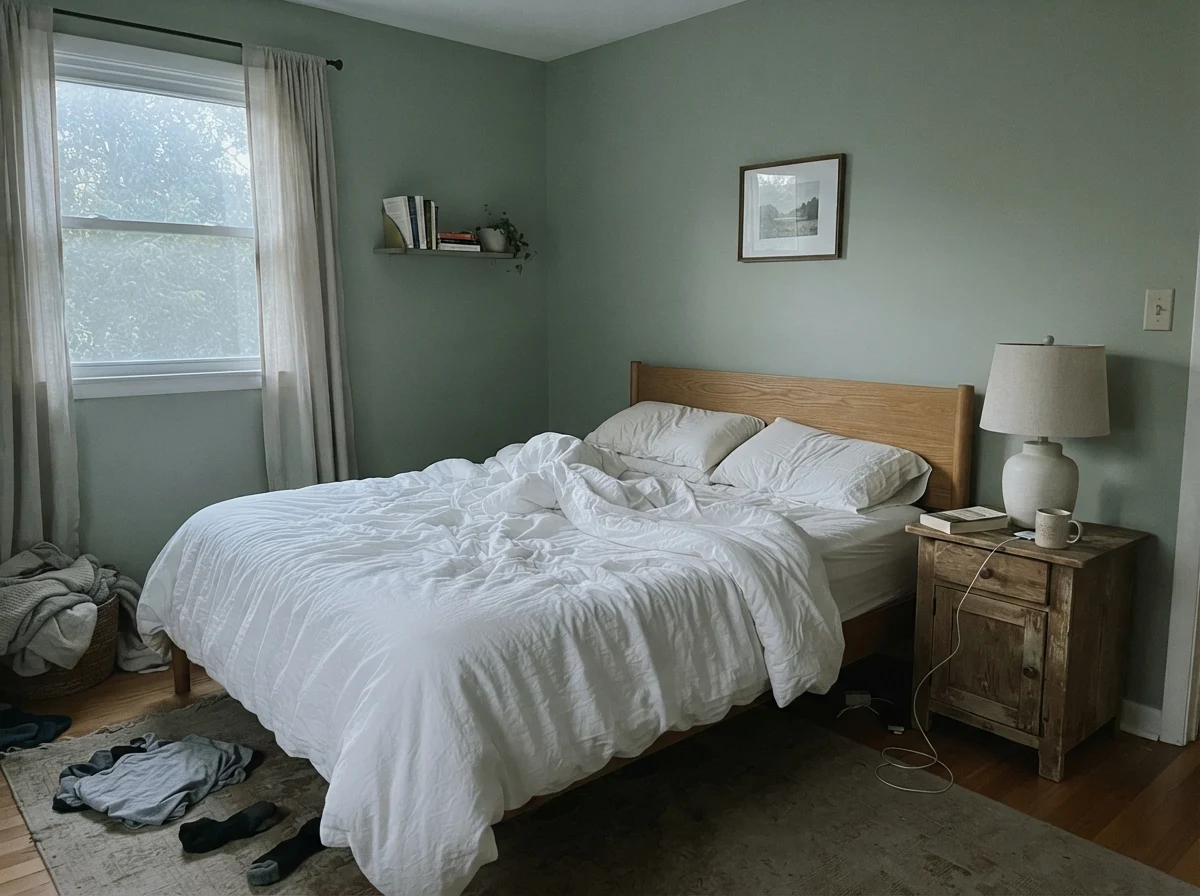
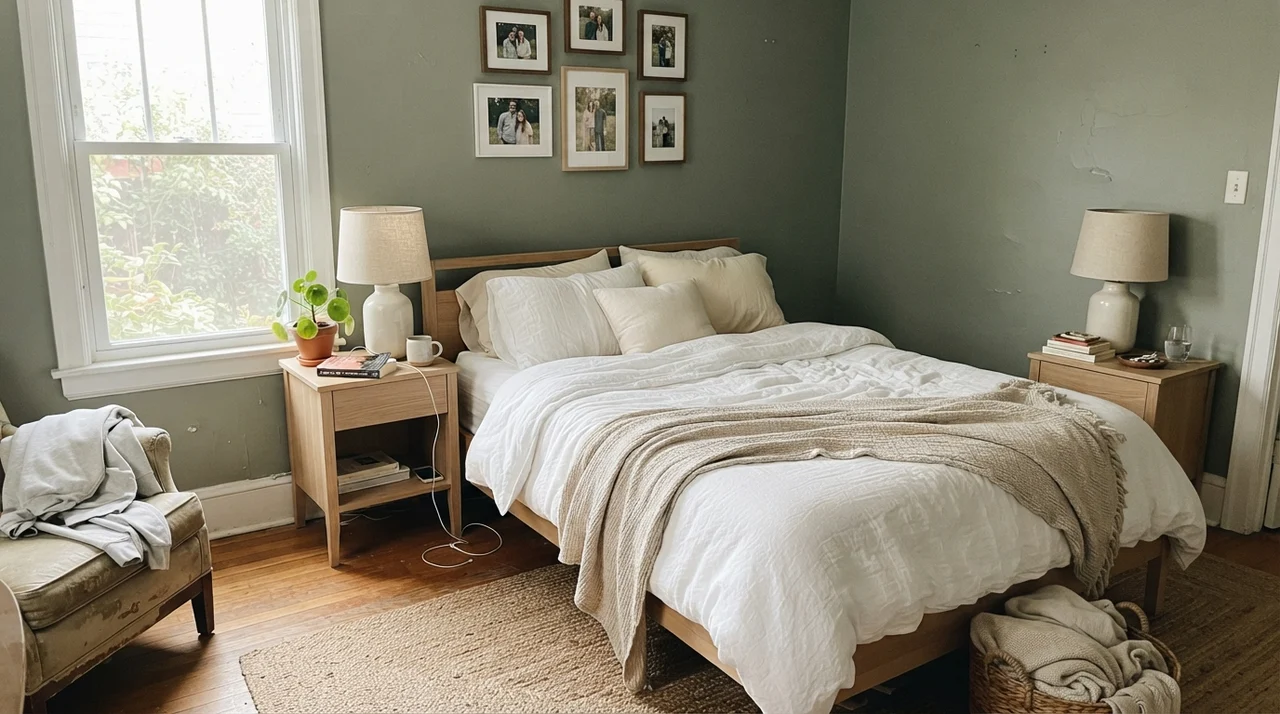
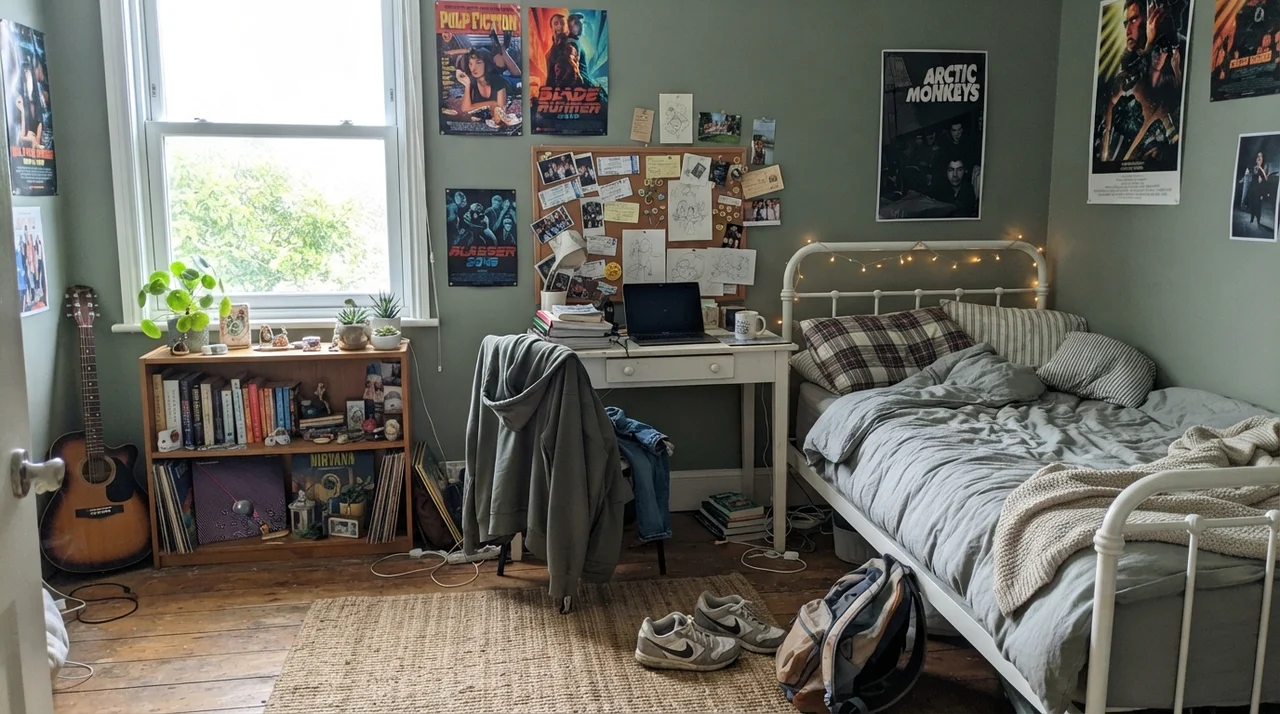
When considering Sage Green for sleeping areas and living rooms, moderation is key. On all four walls of a modest bedroom, LRV 22 can feel slightly heavy if your windows are small. However, as an accent wall behind a bed dressed in crisp white linen, or in a primary suite with abundant morning light, it introduces a restful, grounded calm that light pastels simply cannot replicate.
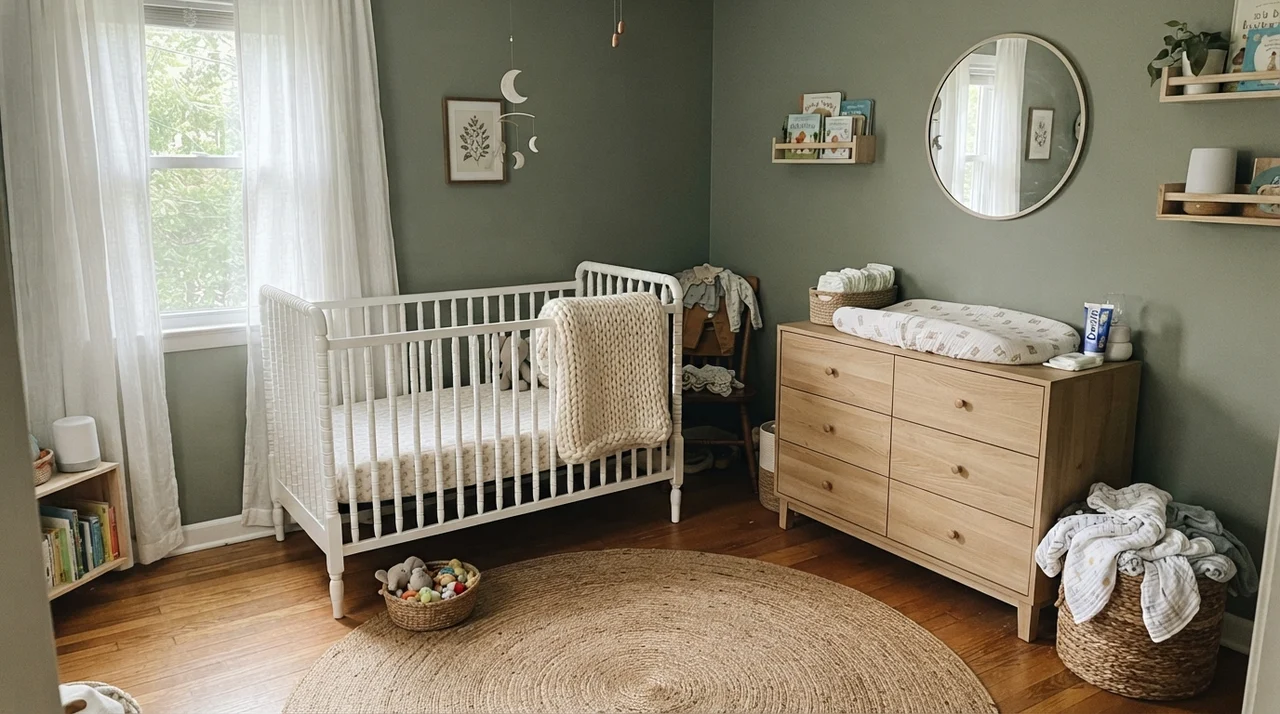
It also works surprisingly well in nurseries and kids' rooms when balanced with natural wood tones like pale white oak, rattan, and light birch. Because it isn't sugary or sweet, it transitions effortlessly as a child grows. You won't find yourself repainting the room four years later when they outgrow pastel baby themes; this green stands the test of time.
Trim, Doors, and Exterior Versatility
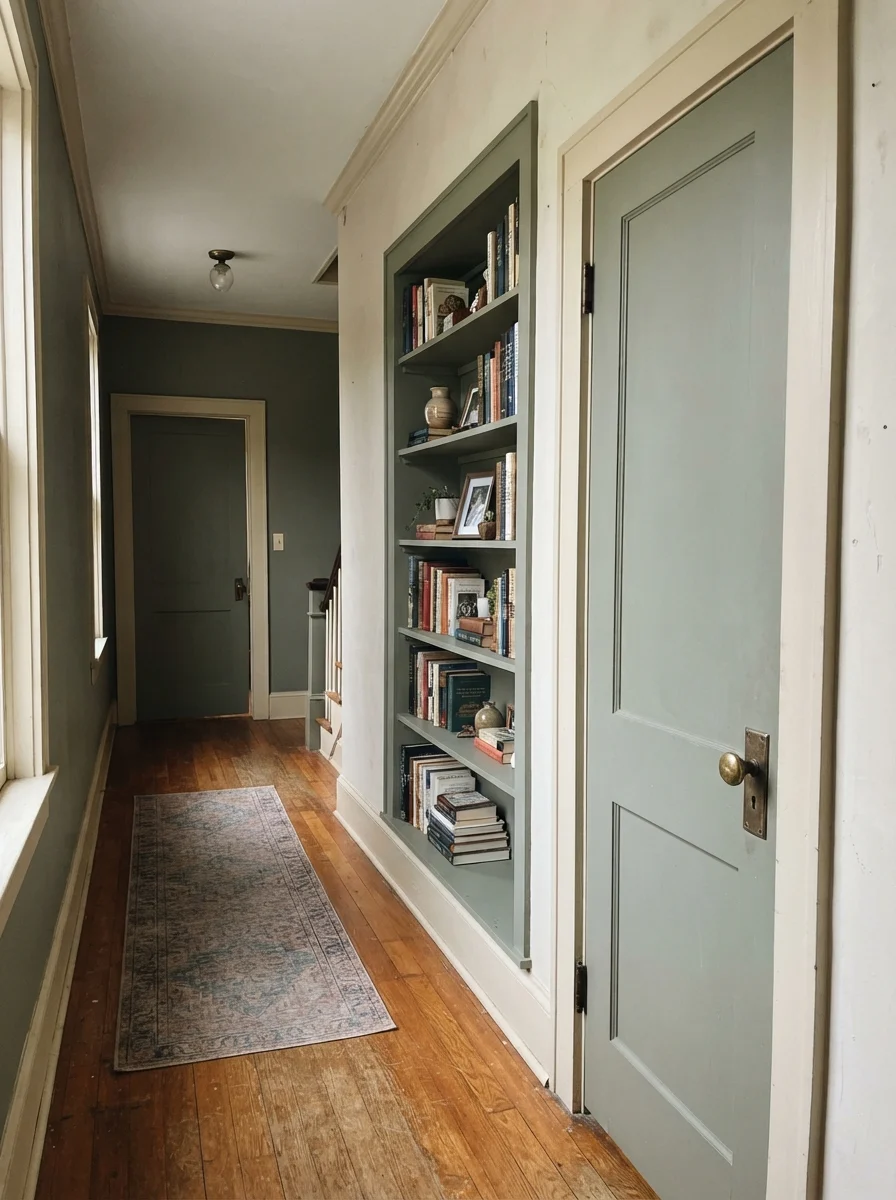
One of the quiet superpowers of the Behr catalog is consistency across product lines. Sage Green is formulated not just in standard interior emulsions, but across their cabinet enamels, porch and floor paints, and exterior Marquee lines. That means you can match an interior built-in bookcase directly to an adjacent interior door, or carry the exact color from your mudroom cabinets out to the exterior shutters and front entryway.
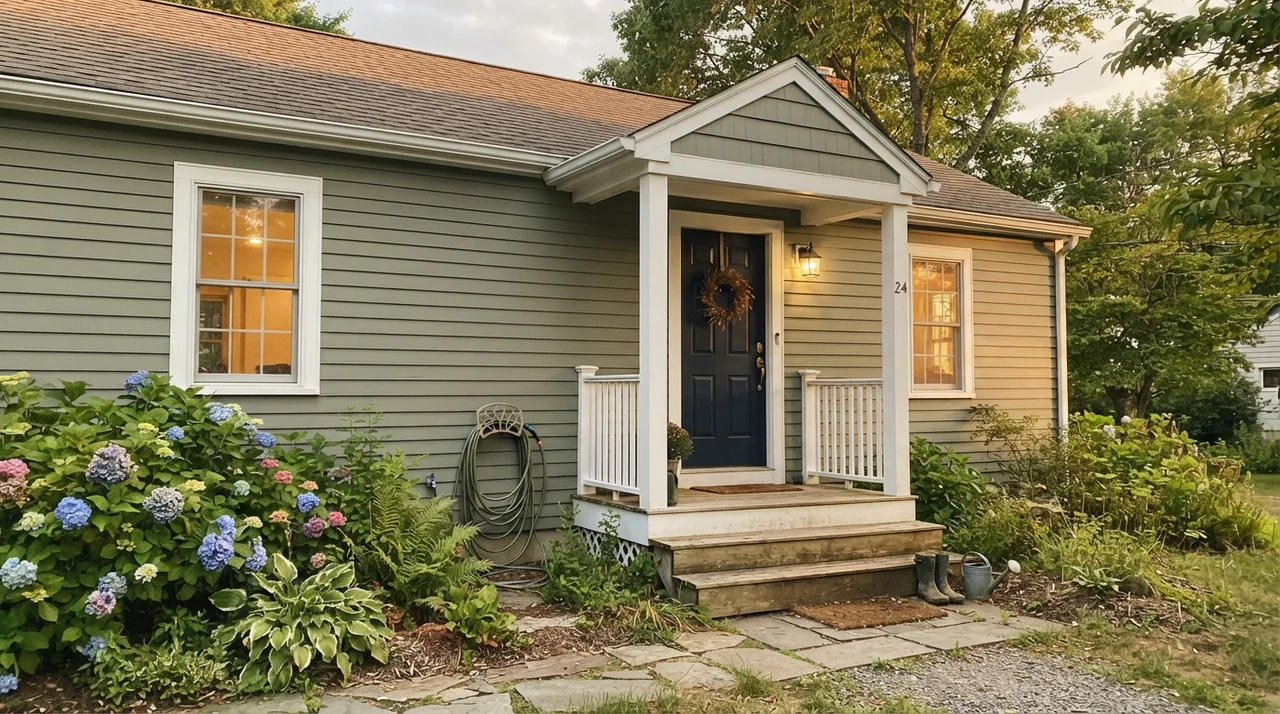
On an exterior, direct sunlight washes out paint colors dramatically—often making them look two steps lighter than they appear on a swatch card. A pale sage exterior often turns into a ghostly, nondescript off-white under midsummer noon sun. At LRV 22, Sage Green retains its green identity beautifully outdoors, framing windows and doors with historic dignity against white or pale gray horizontal siding.
Where This Color Stumbles: The Honest Mistakes
Almost every disappointed homeowner review of Behr Sage Green traces back to one of three common missteps. The paint itself isn't defective; rather, it was forced into a setting it was never designed to handle.
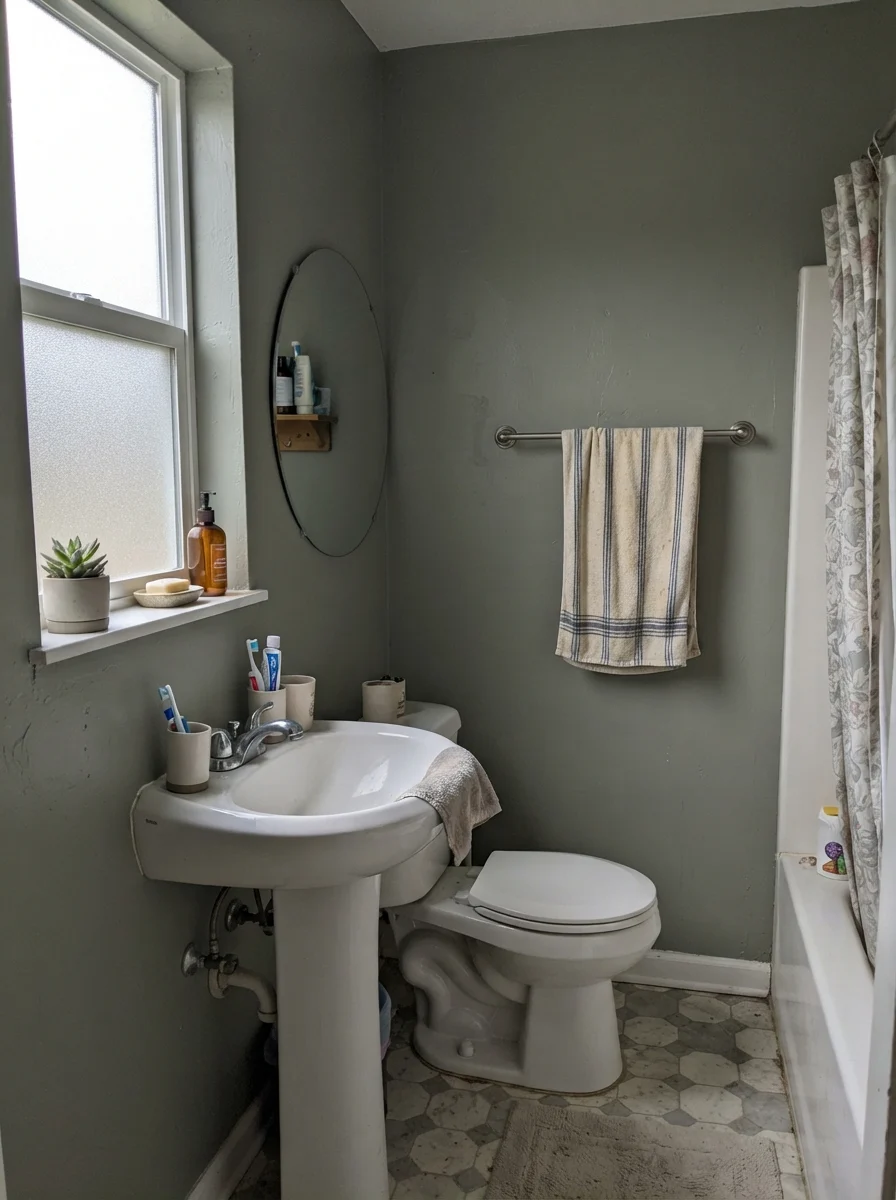
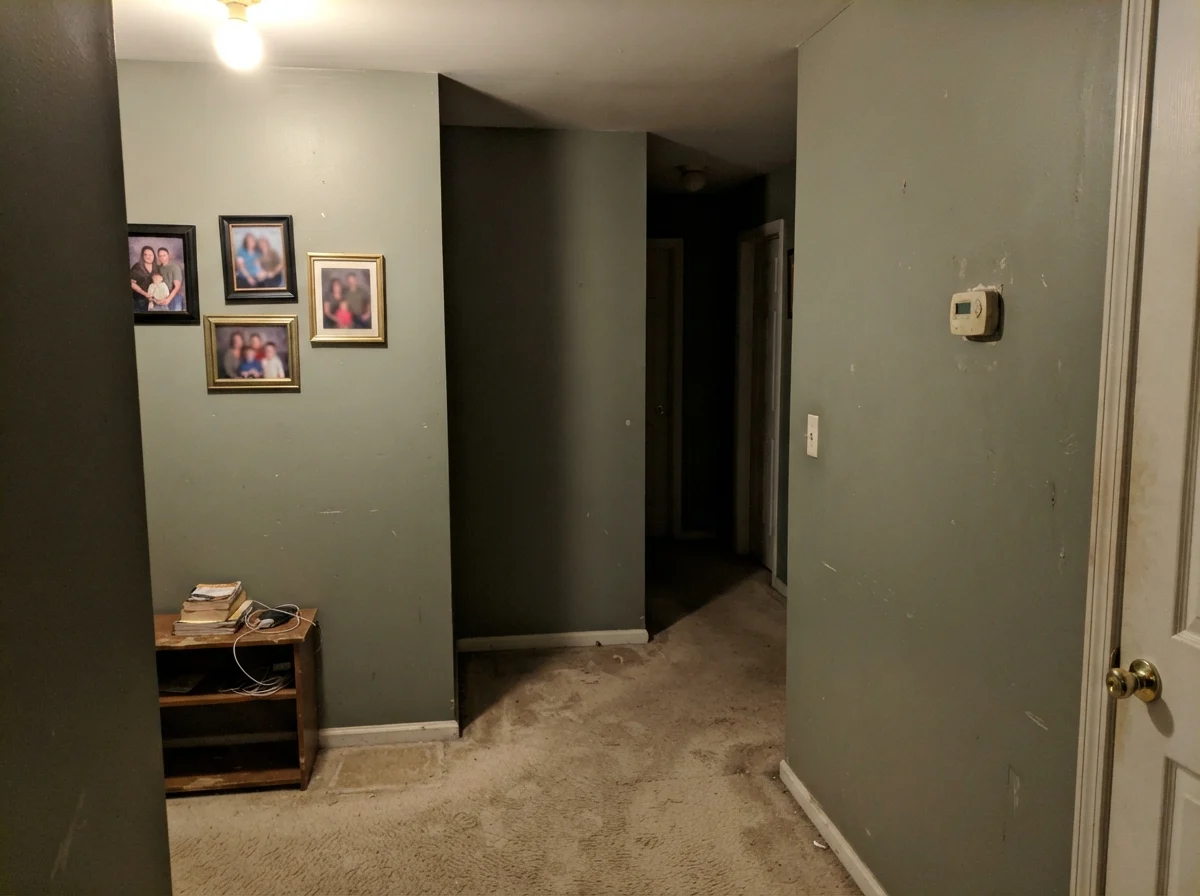
First, putting this color in a windowless, poorly lit interior hallway or basement corner with a single builder-grade flush mount bulb is a recipe for regret. Without daylight or warm ambient lighting to ignite the green undertone, it flattens into a muddy, putty-like sludge that feels claustrophobic. Second, beware of pairing it with heavy, yellow-orange golden oak trim from the 1980s. Because Sage Green leans cool and gray, it clashes sharply with high-gloss orange polyurethane, making both the wood and the paint look dirty. Finally, if your heart is set on the whisper-soft sage that you saw in a high-end luxury kitchen catalog, buying this color will shock you with its sheer depth. Know what you are buying before the roller hits the wall.
Durability, Washability, and Living With It Five Years In
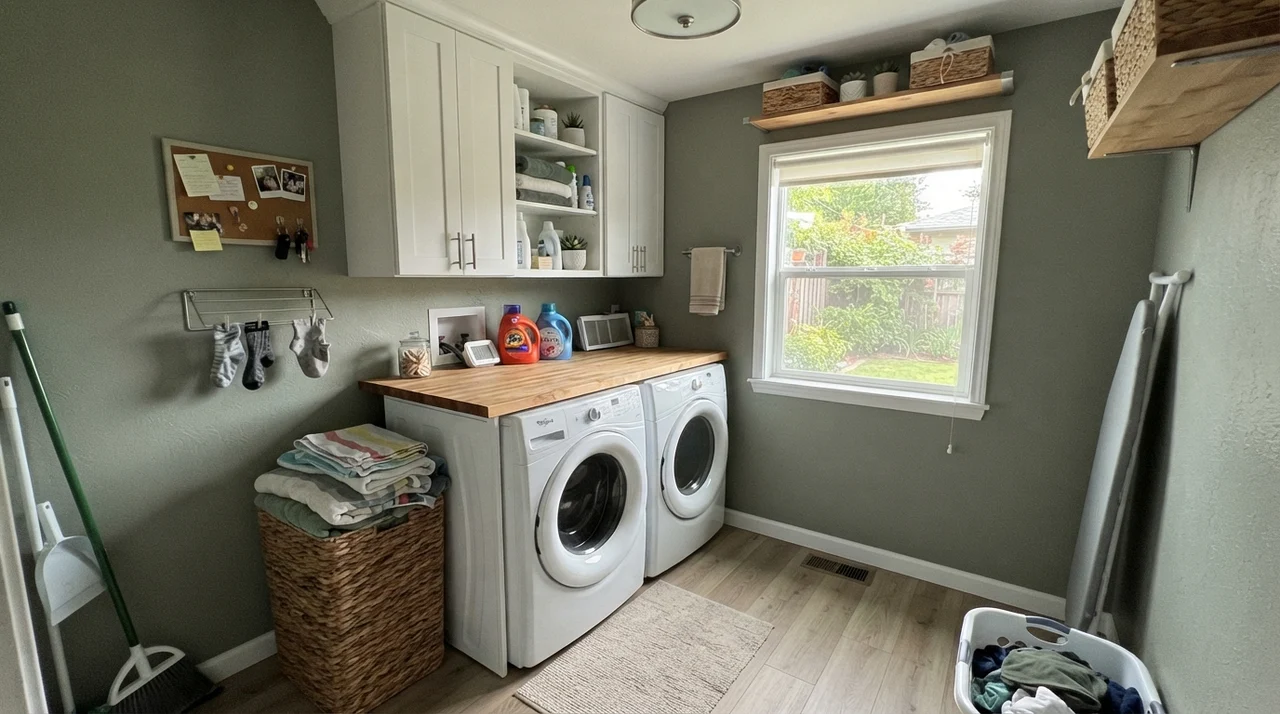
A paint color is only as good as its ability to survive real family life. In our homes, walls take a beating—from muddy golden retriever tails to wet boots kicked off in the laundry room. Over the years, I've learned that deep, pigment-heavy paints require thoughtful sheen selection. If you put flat or matte paint in an LRV 22 shade on kitchen lowers or bathroom doors, you will see burnishing—shiny spots where elbows rub or where you scrubbed away grease splatter.
For cabinets, vanities, and millwork, always insist on satin cabinet-and-trim enamel. In satin, Behr Sage Green forms a hard, tight film that wipes down effortlessly with a damp microfiber cloth and mild soap. In our house, our painted trim has been scrubbed clean dozens of times, and the color has held up without chalking or fading. For interior doors and window casings, semi-gloss gives that extra touch of durability. Spending a few extra dollars per gallon on premium cabinet enamel was worth the money every single time; skimping on paint quality for high-touch surfaces is a mistake you will pay for with tedious touch-ups later.
Is Behr Sage Green too dark for kitchen cabinets?
Not if you pair it with light countertops, bright white or cream backsplashes, and adequate under-cabinet lighting. At LRV 22, it provides rich, grounded contrast without turning into dark forest green or black.
What is the best trim color to pair with Sage Green?
Warm off-whites like Behr Whipped Cream or Swiss Coffee work beautifully. Avoid ultra-stark, cool whites, which make the green feel chilly, and stay away from yellow-orange wood stains that clash with its cool gray undertones.
Can I use Sage Green on all four walls in a living room?
Only if the room receives generous natural light from south- or west-facing windows. In dim, north-facing living rooms, four full walls of LRV 22 can feel heavy and read closer to a flat, shadowy gray.
Why does my sample look gray instead of green?
Sage Green contains a strong slate-gray base. In north light, under cool 4000K+ LED bulbs, or on overcast days, the green pigment retreats. View your sample under warm 2700K lighting and in direct sun before making a final judgment.
What sheen should I choose for a bathroom vanity?
Use a specialized satin cabinet enamel. It provides enough sheen to resist moisture, toothpaste splatters, and frequent scrubbing while avoiding the plastic-like glare of high gloss.
Susan's Verdict · A Grounded Workhorse for Cabinets and Trim
Don't let the simple name fool you: Behr Sage Green is not a timid, airy pastel. It is a serious, sophisticated gray-olive with real backbone. If you are painting kitchen cabinets, mudroom built-ins, or a front door, it is worth every penny and will hold up gracefully for years. Just keep it out of dim, windowless hallways and avoid pairing it with orange oak, and you'll have a color you love living with long after the pale sage craze has run its course.