Color Diary · No. 45
Behr Ultra Pure White: The Untinted Can That Solves Three Rooms and Ruined One
The most-painted white in America, reviewed honestly: the jobs it wins outright, the rooms where it turns clinical, and what to buy instead.

Susan HartleySeptember 23, 2026 · 17 min read
Ultra Pure White · Behr 50
Hex#FAFDF7LRV97Undertonesunpigmented base → faint cool blue in shadow → glare in hard sun
In our 1990s colonial, about two weeks before we put the house on the market, I walked into the paint aisle on an exhausted Tuesday evening. I had six interior doors with scuffed baseboards, two bedroom closets that looked like dingy caverns, and a ceiling in the upstairs hallway that had yellowed around the attic hatch. I didn’t want to wait at the mixing counter. I didn’t want to debate undertones with a sixteen-year-old clerk who had started three days earlier. I picked up three pre-filled gallons of Behr Ultra Pure White straight off the metal shelf, walked out the door, and went straight to work.
By midnight, the doors looked razor-sharp, the hallway ceiling had completely vanished into clean air, and the closets looked four square feet bigger. It cost less than fifty dollars and took three hours. When we sold the house two weeks later, the buyer’s home inspector actually remarked on how fresh and well-maintained the woodwork looked.
That is the magic of Behr Ultra Pure White (sku 50). But there is another side to this paint that thousands of homeowners learn the hard way every single weekend: when you put this exact same untinted paint on all four walls of a dim, north-facing living room, you don’t get an airy designer sanctuary. You get a sterile, cheerless doctor’s exam room that makes you want to keep your coat on. I have lived with this paint across three different houses over thirty years, and the difference between loving it and cursing it comes down to understanding what is—and isn't—inside the can.
What Is Actually Inside the Can (LRV 97 and No Pigment)
To understand Ultra Pure White, you have to understand why it sits on the shelf already sealed. Most paint colors start as a neutral base can; the store computer dispenses drops of raw umber, yellow oxide, lamp black, or magenta, and the machine shakes it until the color suspends evenly. Ultra Pure White doesn't go through that machine. It is Behr’s untinted base—the pure titanium dioxide slurry right from the manufacturing plant.
Because there is virtually no colorant added to soften it or give it body, it registers a Light Reflectance Value (LRV) of 97 on a 100-point scale. That makes it one of the brightest, cleanest architectural coatings sold anywhere in the world. It reflects almost all available light striking its surface directly back into the room.
That raw purity gives you two enormous advantages right out of the gate. First, it is the cheapest white in the store because you are never paying a colorant charge, and you never have to wait for someone to mix it. Second, because there are zero color pigments added, there is no formula to drift. If you buy a gallon in 2018 for your trim and need a quart in 2024 to touch up a door casing, the white will match precisely, assuming the old paint hasn't aged under heavy grime. But that lack of pigment is also its biggest vulnerability.
The Undertone Behavior of Pure Titanium White
Because Ultra Pure White contains virtually no tinting pigments to anchor its character, it acts like a mirror to whatever light hits it. In balanced sun it appears brilliantly neutral, but in dim or overcast conditions it reflects the cold gray sky as a distinct, icy blue-gray.
warm sun
overcast, north light
dusk, rain, cool bulbs
unpigmented base → faint cool blue in shadow → glare in hard sun
Ultra WhiteValspar · see diary
High Reflective WhiteSherwin-Williams · see diary
Ultra Pure White50
Cool DecemberDunn-Edwards · see diary
Chantilly LaceBenjamin Moore · see diary
How Ultra Pure White Reacts to Natural and Artificial Light
When a paint has pigment—like a drop of raw umber or yellow oxide—that pigment absorbs certain wavelengths of light and holds onto a consistent personality. When a paint has no pigment, it behaves like a chameleon. It has no internal warmth to defend itself against cold daylight, and no undertone to soften harsh glare.
Here is what happens as the sun moves around your house:
- North-Facing Light: North daylight is inherently cool, gray, and blue-tinted. When cool daylight hits an untinted LRV 97 wall, there is nothing in the paint to warm it up. The wall reads blank, flat, and faintly blue. This is where the infamous "hospital white" complaint comes from. Five years in our first split-level taught me never to put pure white on a north wall unless I wanted the room to feel ten degrees colder in January.
- South-Facing Light: In south-facing rooms flooded with midday sun, Ultra Pure White bounces light violently. If you choose a satin or semi-gloss finish on a wide drywall expanse, the glare can be genuinely uncomfortable to look at during peak afternoon hours. You have to keep the sheen down to flat or eggshell to keep the glare manageable.
- Evening Light and Bulbs: What you screw into your light sockets makes or breaks this paint. Under warm 2700K incandescent or warm-LED bulbs, Ultra Pure White warms pleasantly toward a soft ivory. But if you install 4000K or 5000K "daylight" LED bulbs, it turns into an industrial cleanroom. If you hate your room in this white, change your light bulbs before you repaint the drywall.
Where It Shines: Bathrooms, Laundries, and Windowless Rooms
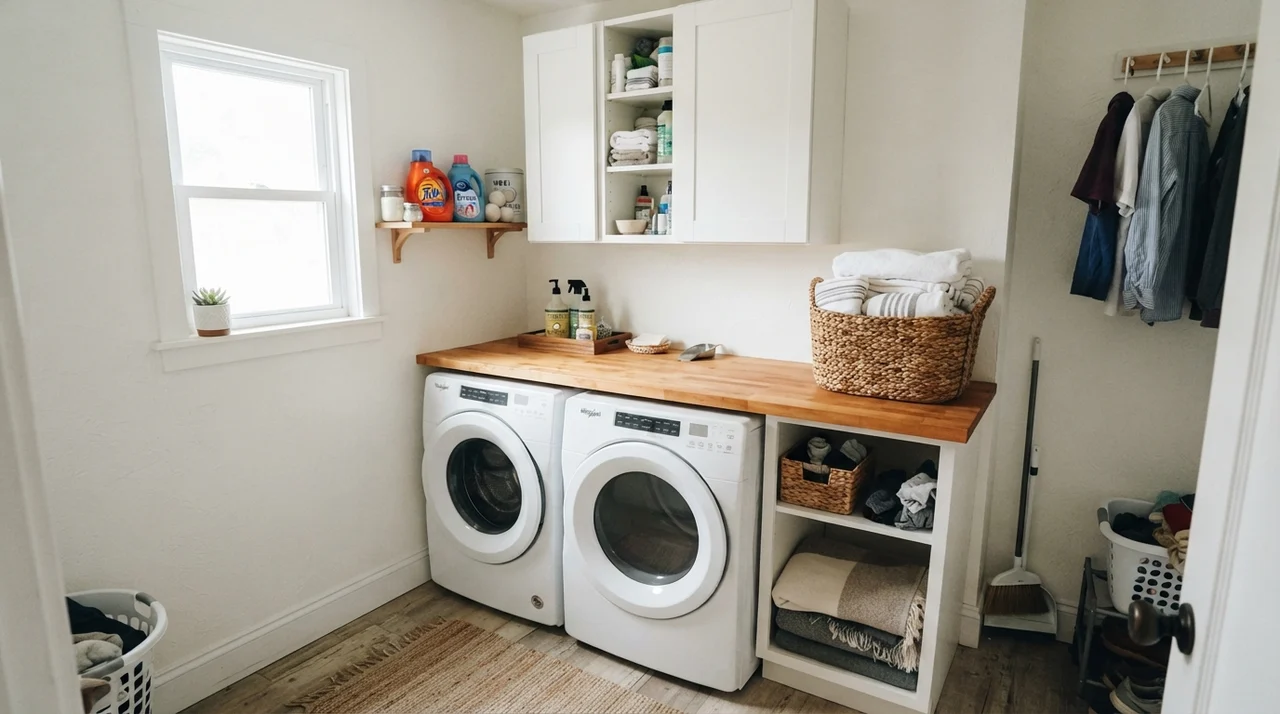
If you have an interior powder room, a windowless laundry room, or a basement hallway, Behr Ultra Pure White is worth the money every single day of the week. In spaces that rely entirely on artificial light or borrowed illumination, LRV 97 is an absolute powerhouse. It catches every stray lumen from a ceiling fixture and bounces it into every dim corner.
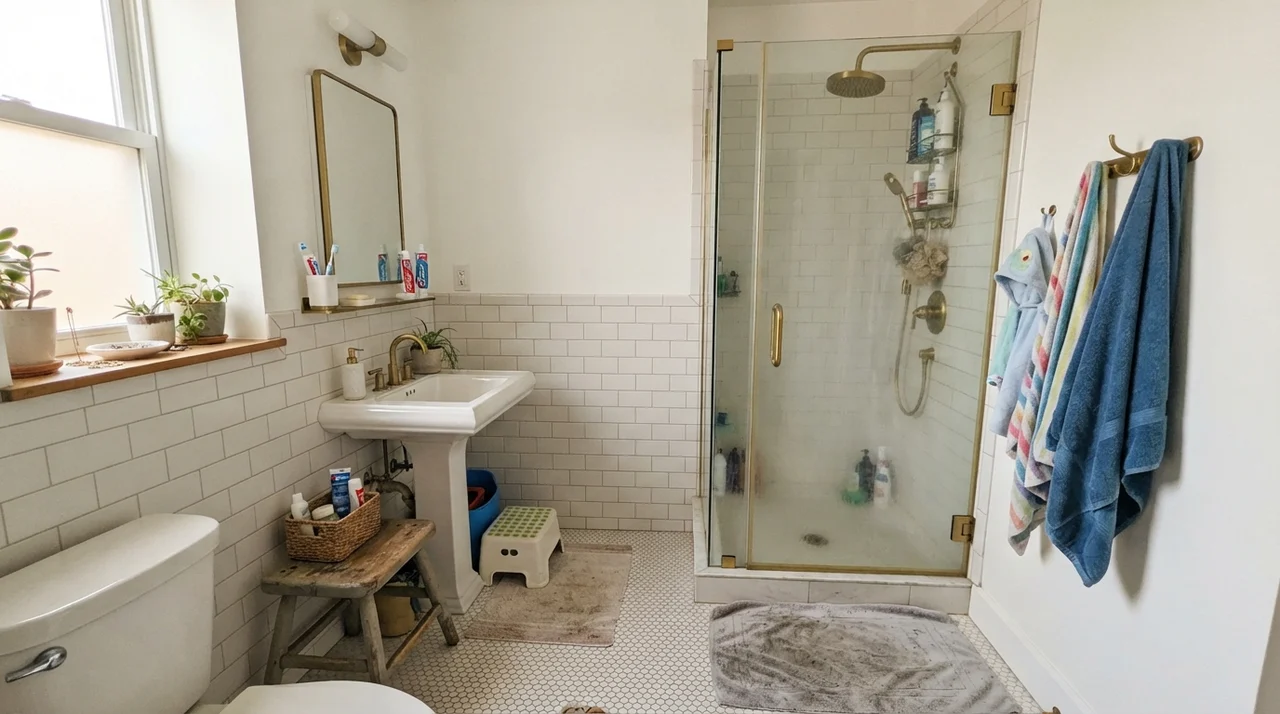
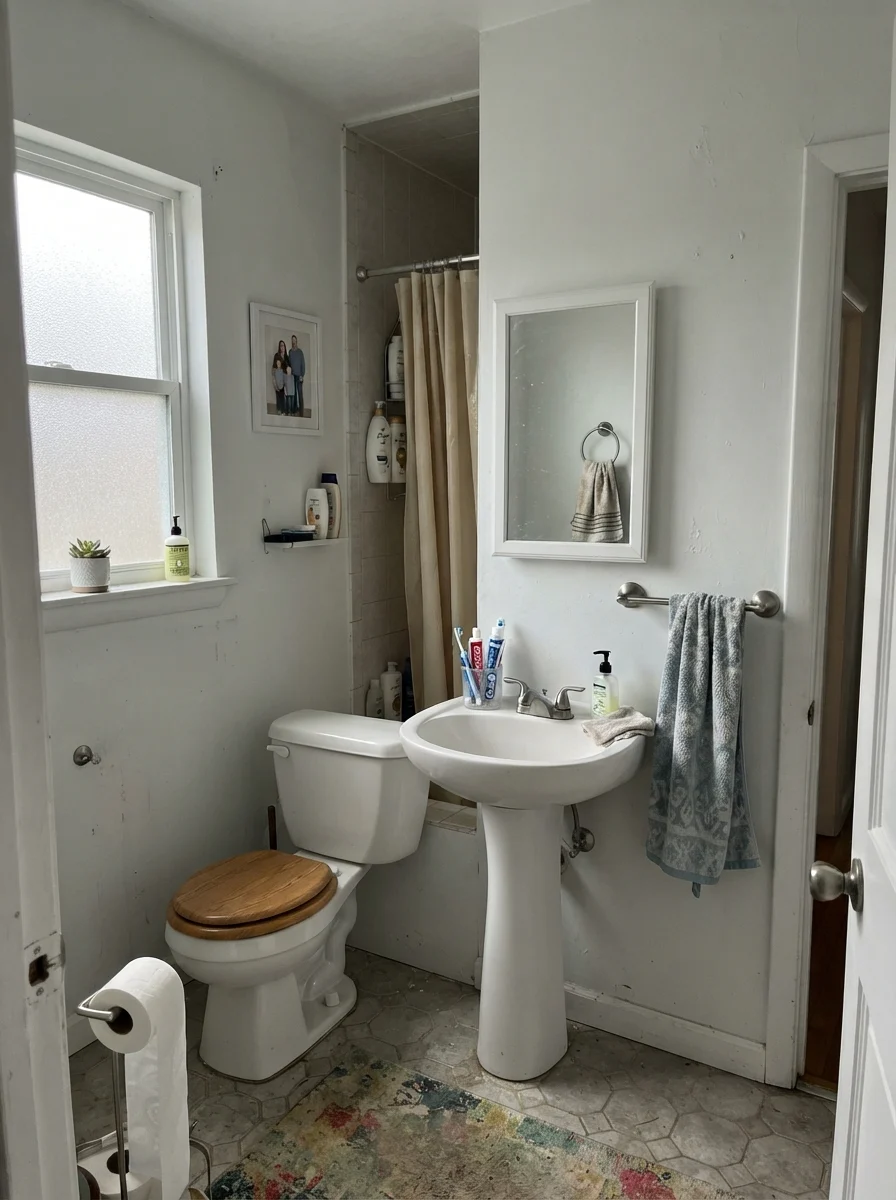
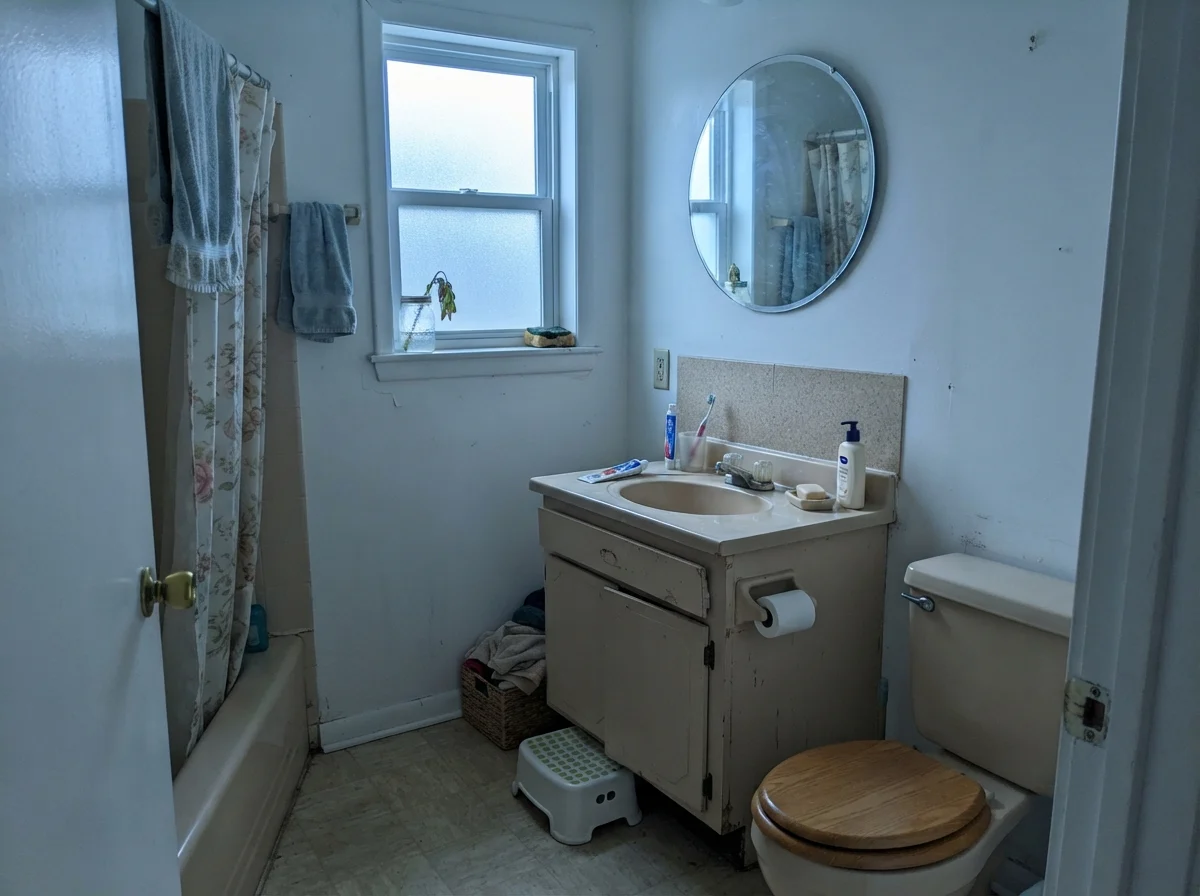
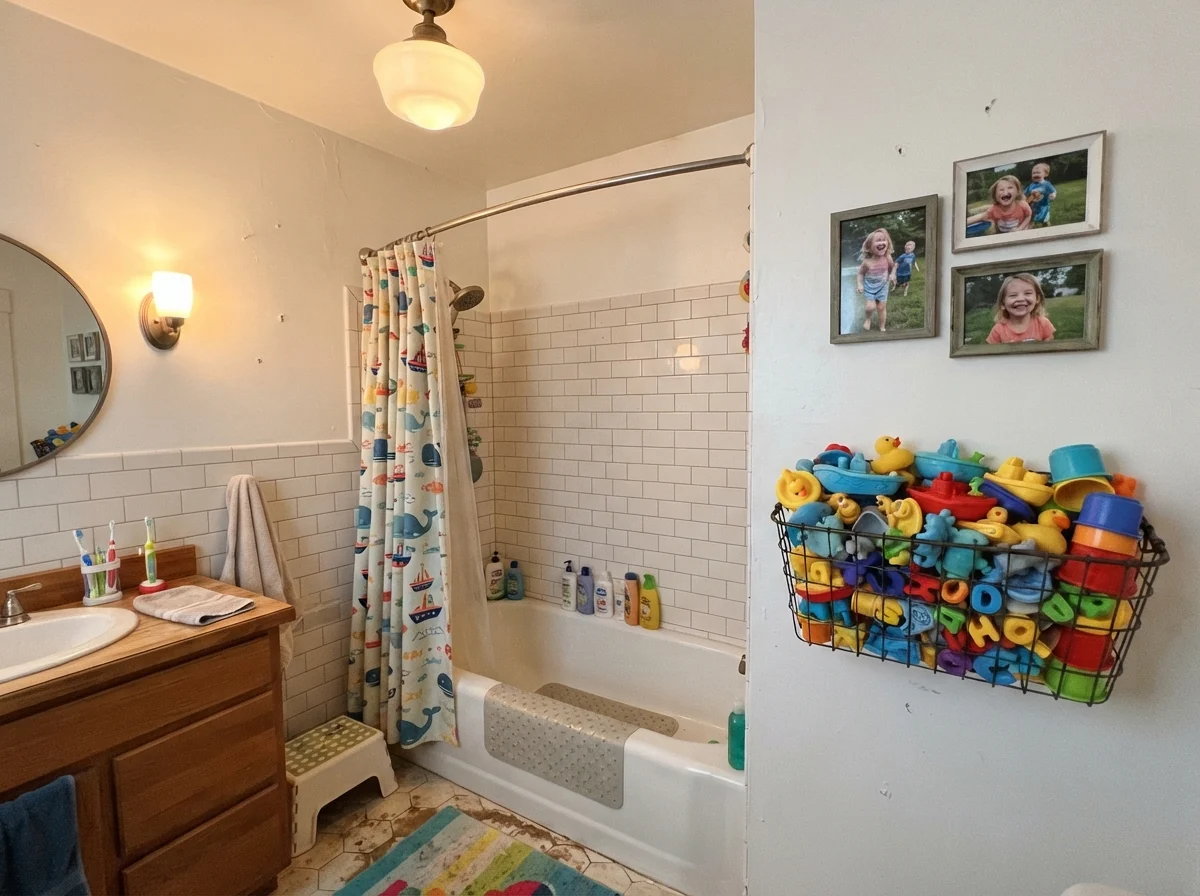
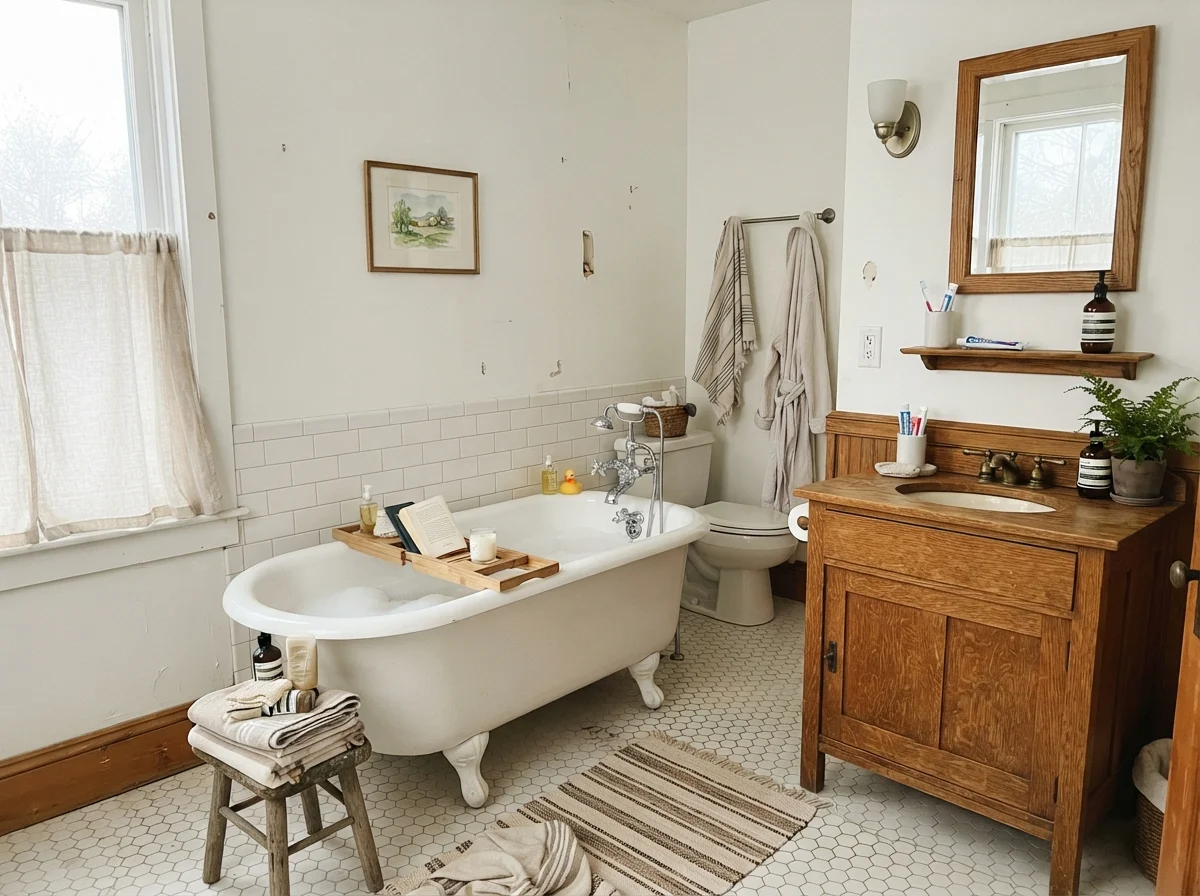
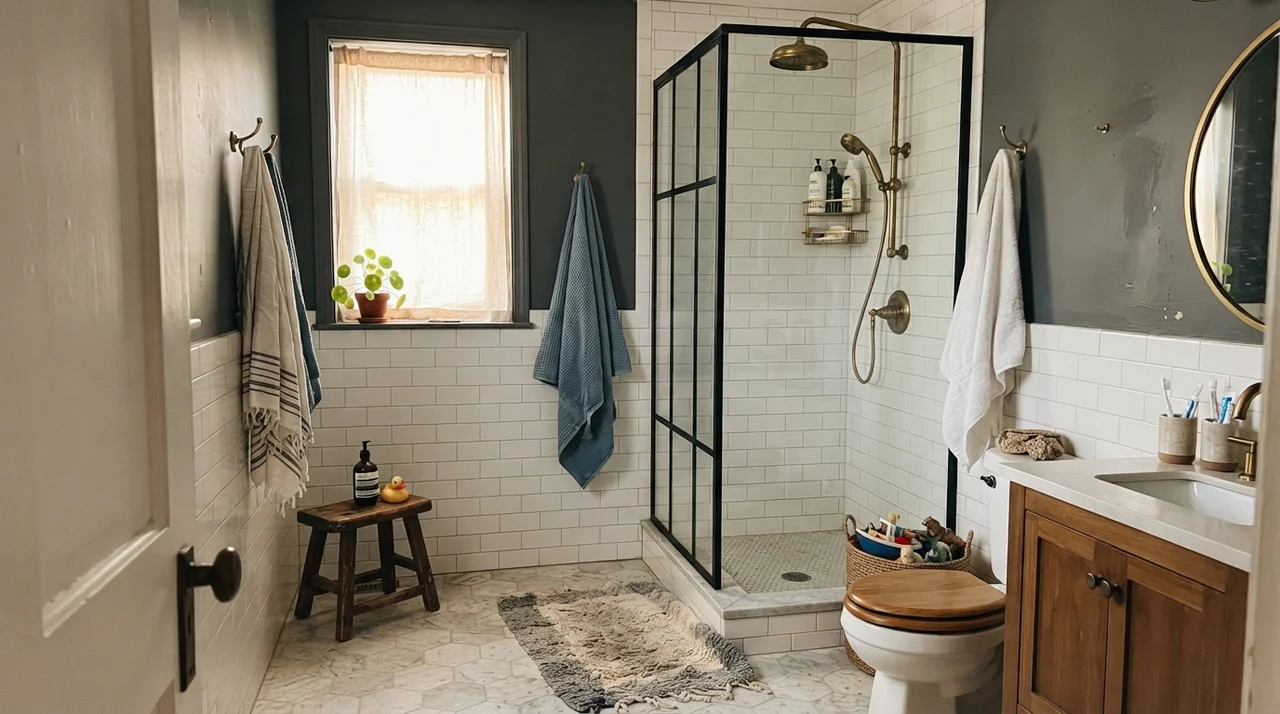
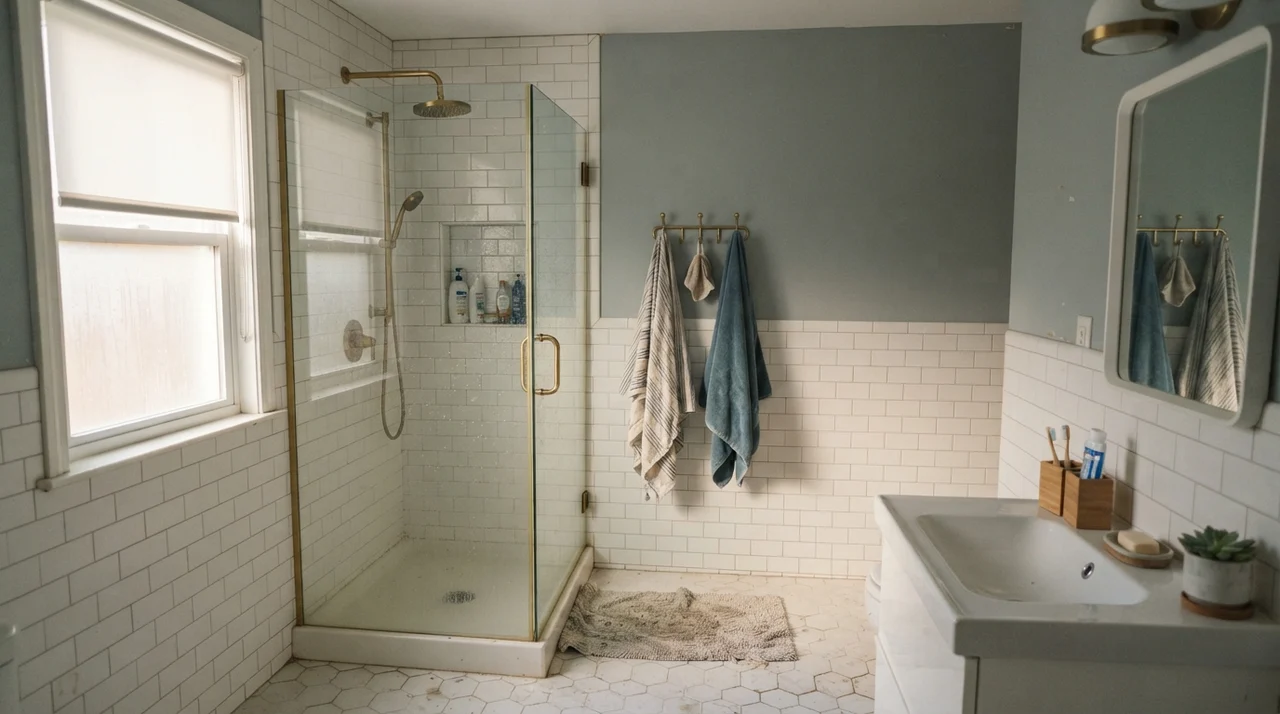
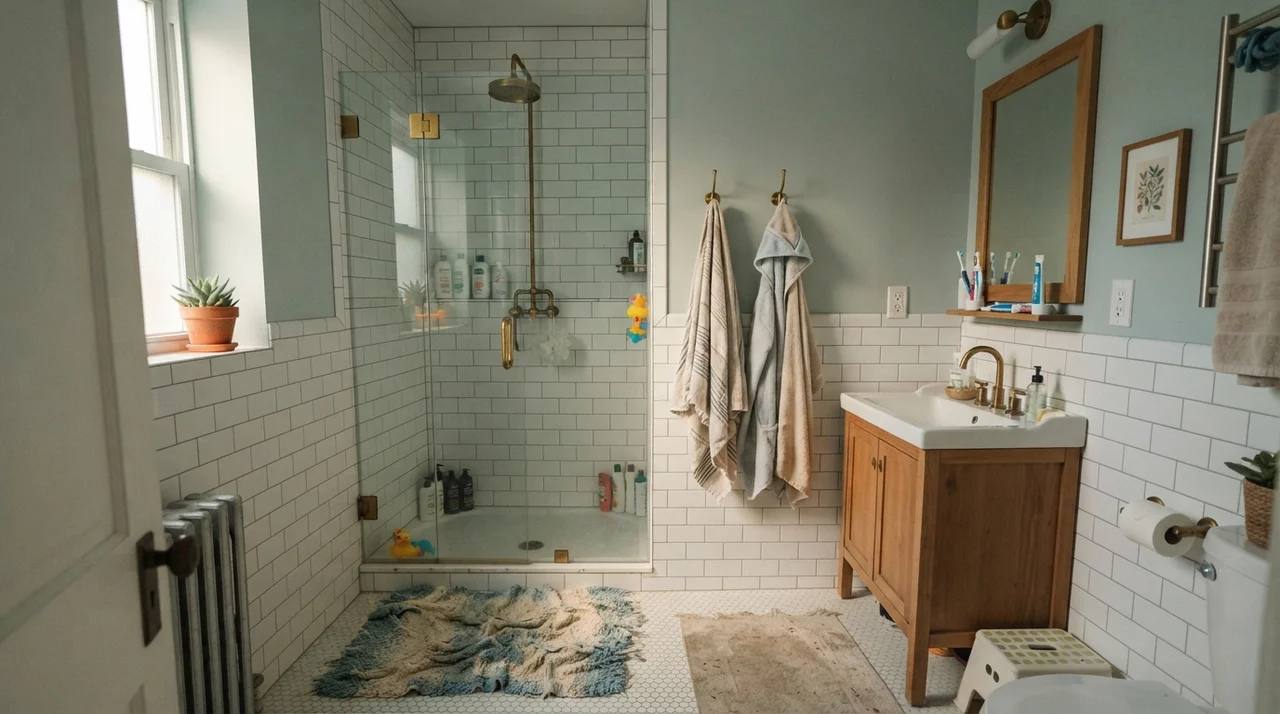
In a bathroom, it feels clean, hygienic, and bright. When paired with standard white subway tile, chrome faucets, and clear mirrors, it creates an effortless backdrop that never feels outdated. The only catch is checking your existing plumbing fixtures. If your bathtub or toilet is a modern pure white porcelain, Ultra Pure White will look right at home. But if your bathroom has vintage biscuit, almond, or bone fixtures from the 1980s, painting the walls in Ultra Pure White will make those fixtures look yellowed and dirty by comparison.
Bedrooms and Nurseries: Why You Must Add Warmth
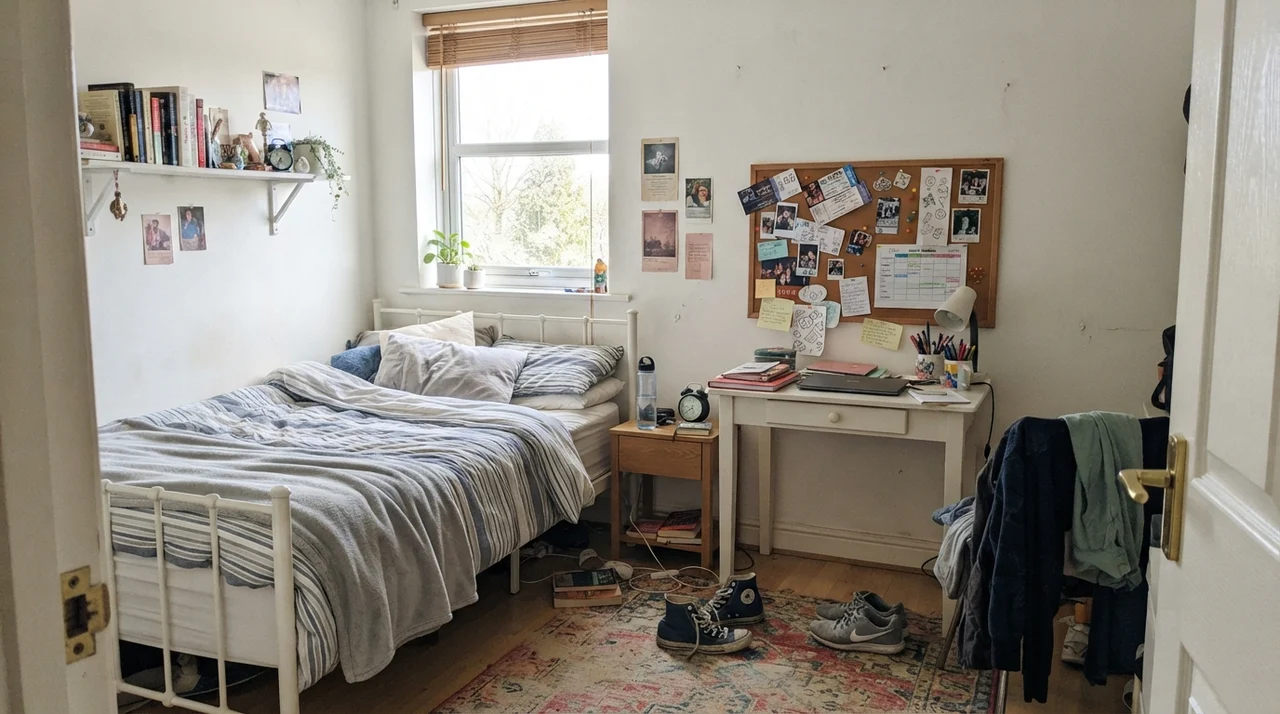
In our last house, our daughter wanted her teenage bedroom painted crisp, brilliant white so she could hang colorful art and concert posters without any wall color clashing. We used Ultra Pure White in an eggshell finish. With a white metal bed frame, open shelves filled with books, and warm wood flooring, the room worked wonderfully because the personal items and textiles gave the eyes something to rest on.
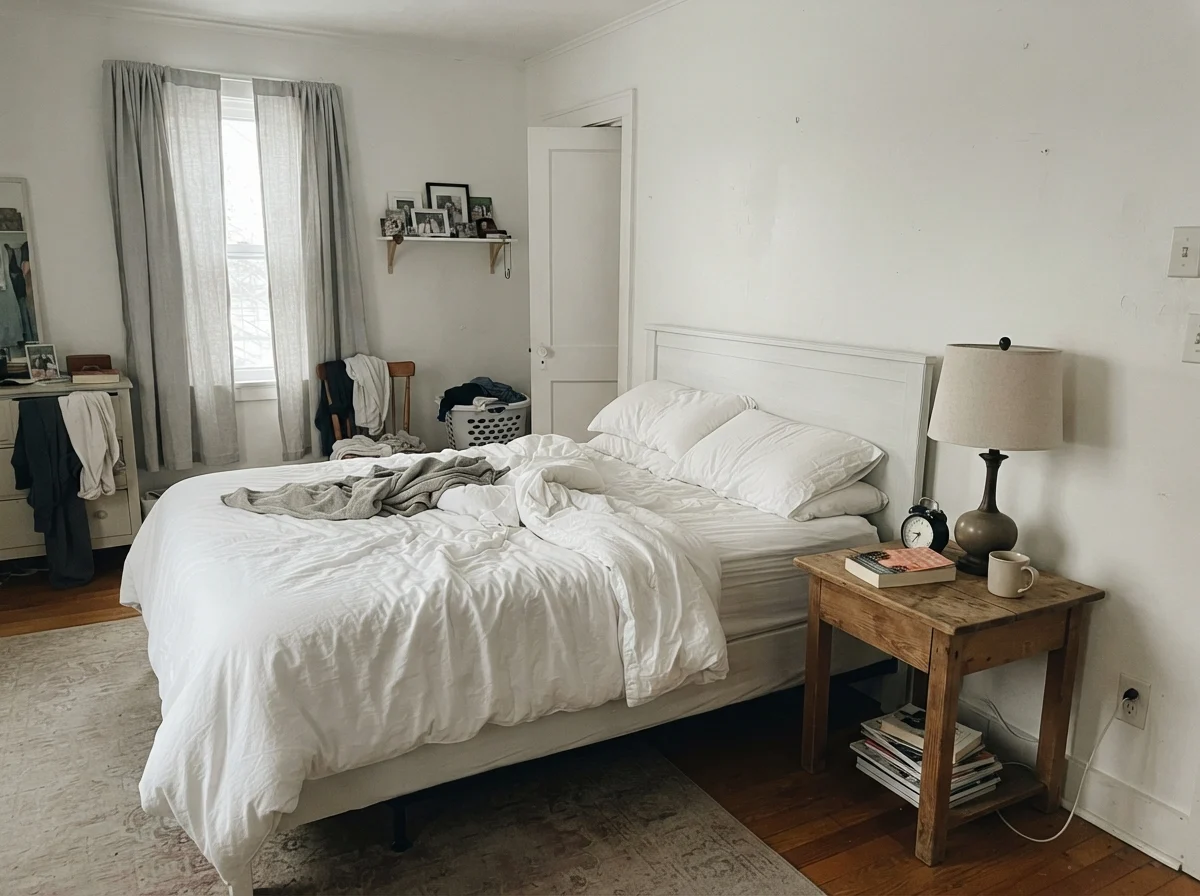
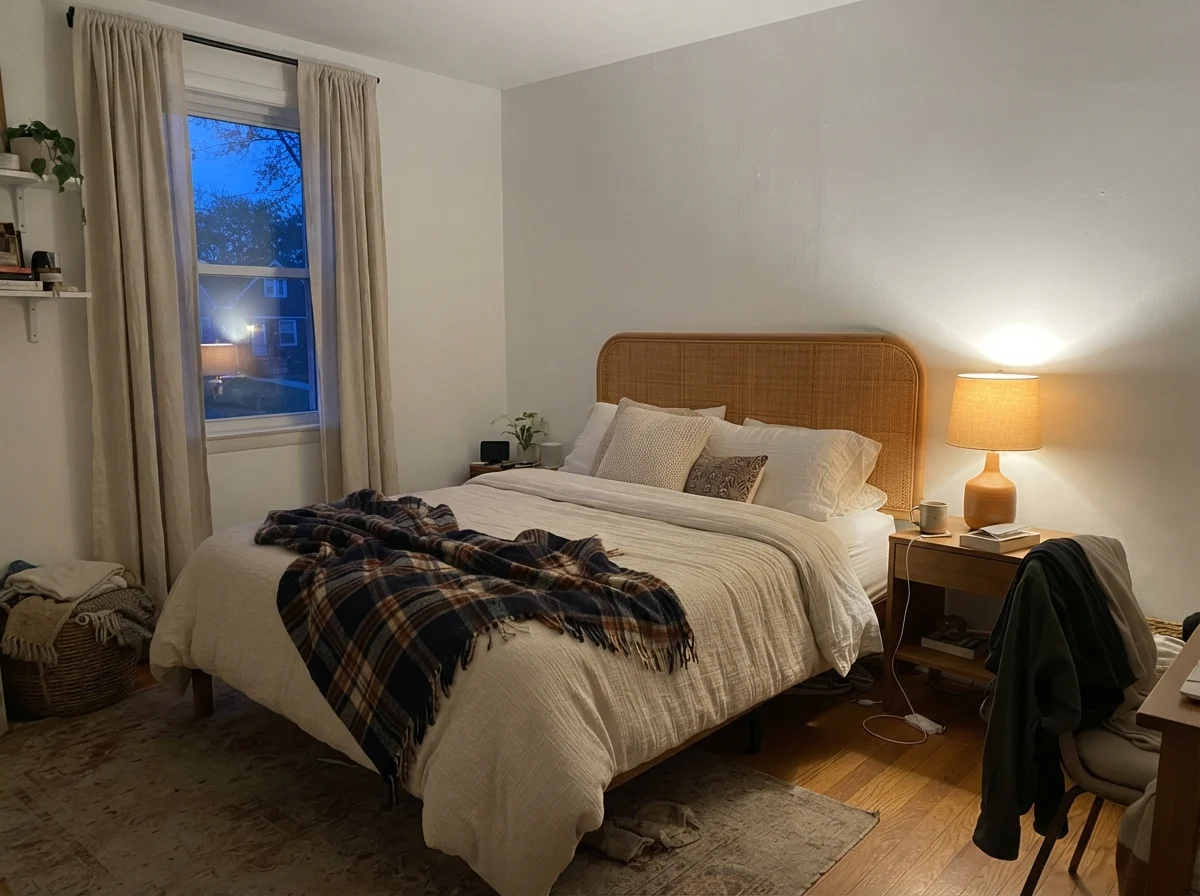
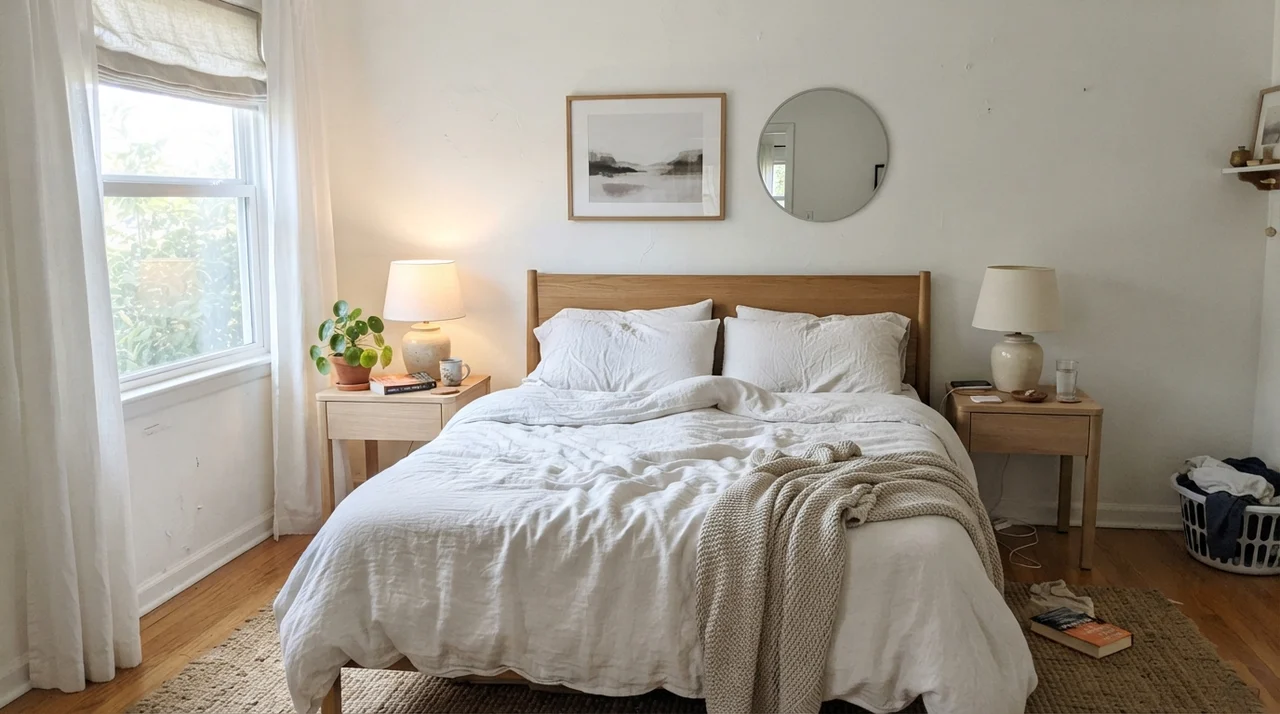
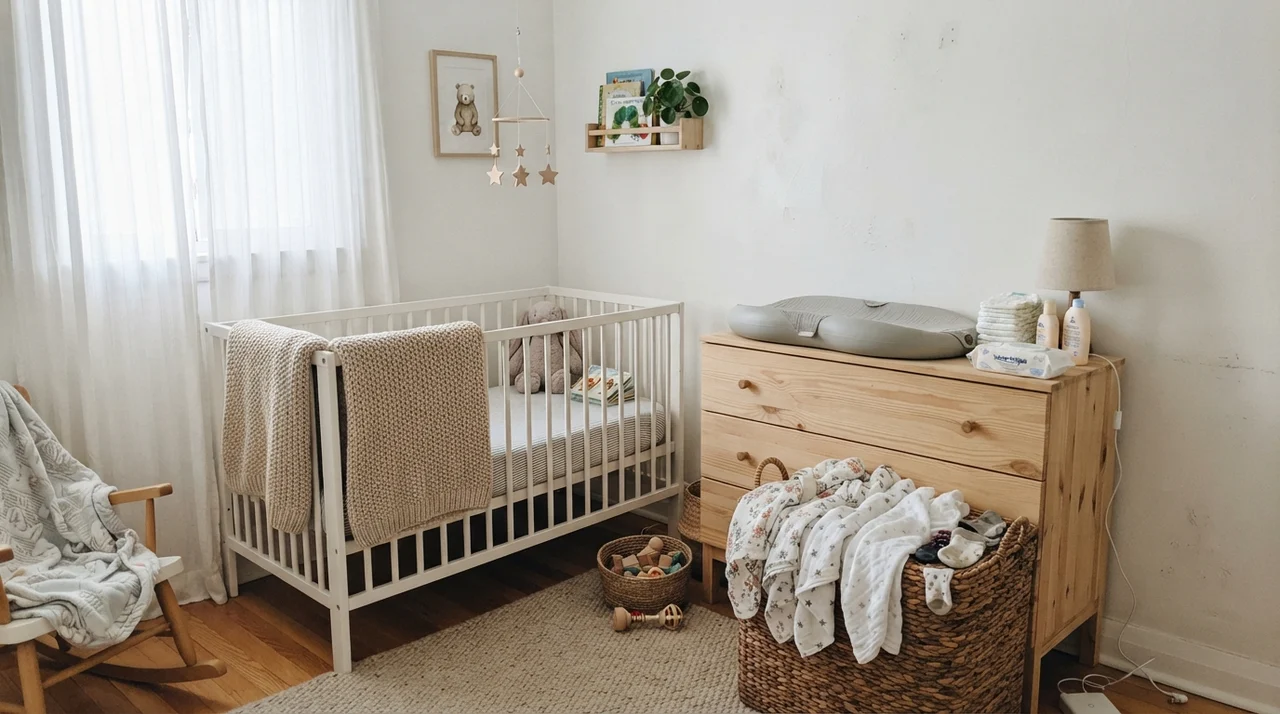
However, if you put this paint in a sparsely furnished primary bedroom with pale carpet and minimal artwork, you will find it hard to feel cozy. Without wood accents, natural woven blankets, or warm bedside lighting, an LRV 97 bedroom feels less like a retreat and more like an unfinished gallery space. In nurseries, it pairs beautifully with light-wood changing tables and knit blankets, reflecting daylight softly through sheer curtains so the room stays cheerful all afternoon.
Kitchens, Cabinets, and Built-ins: The Honest Truth
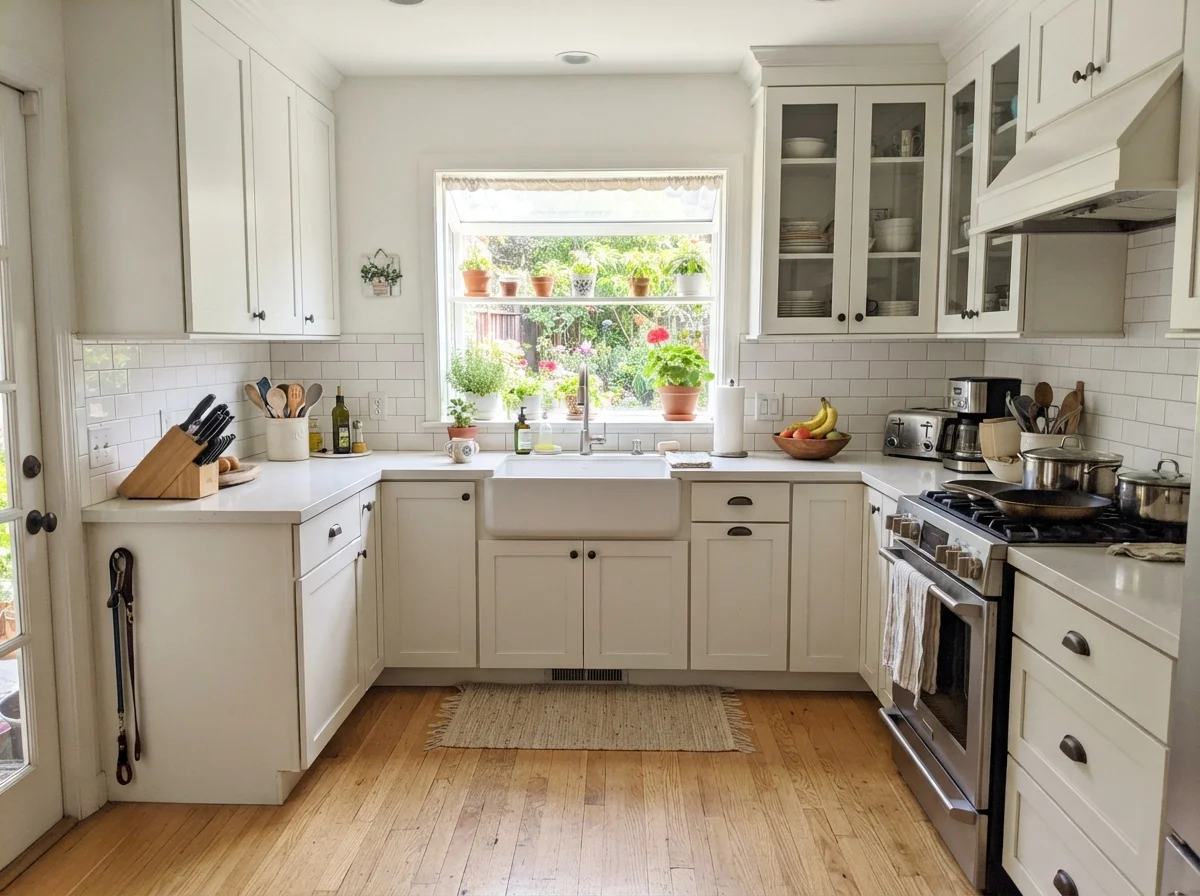
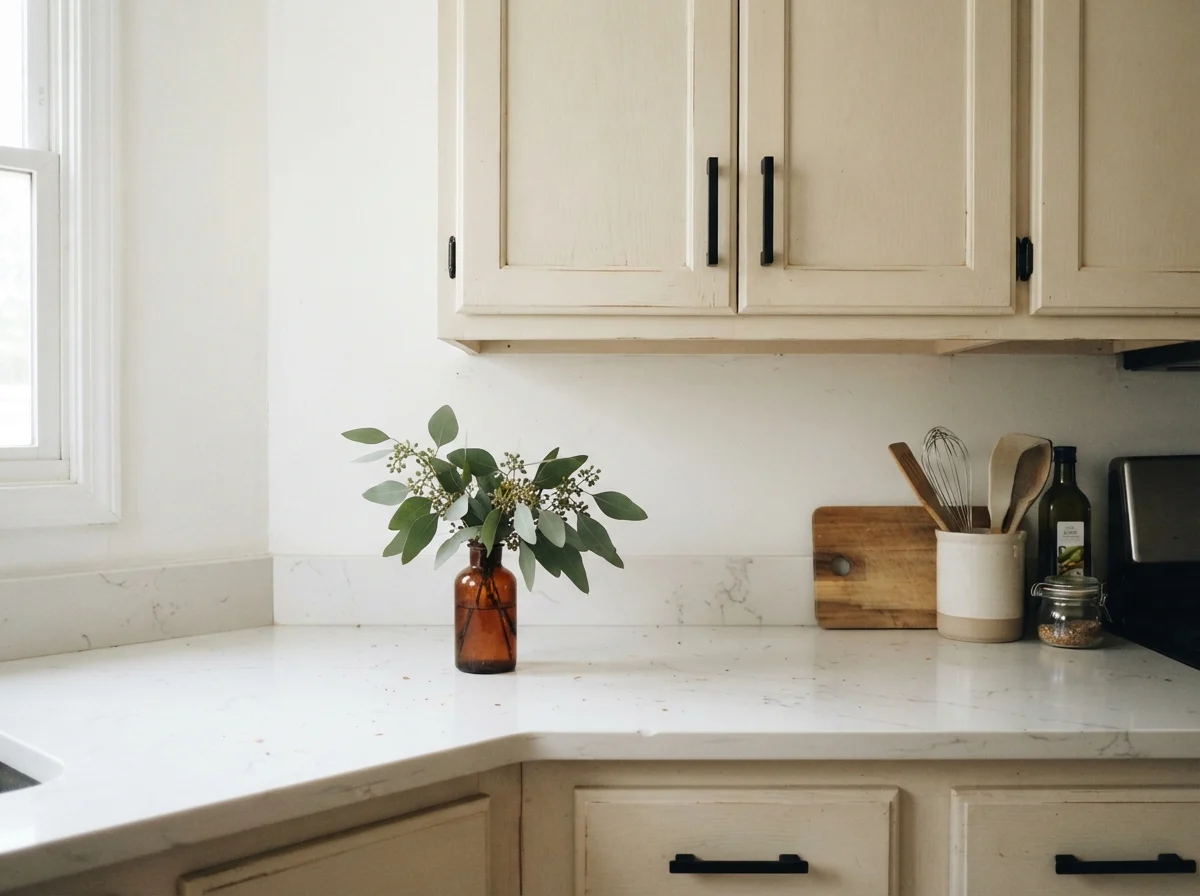
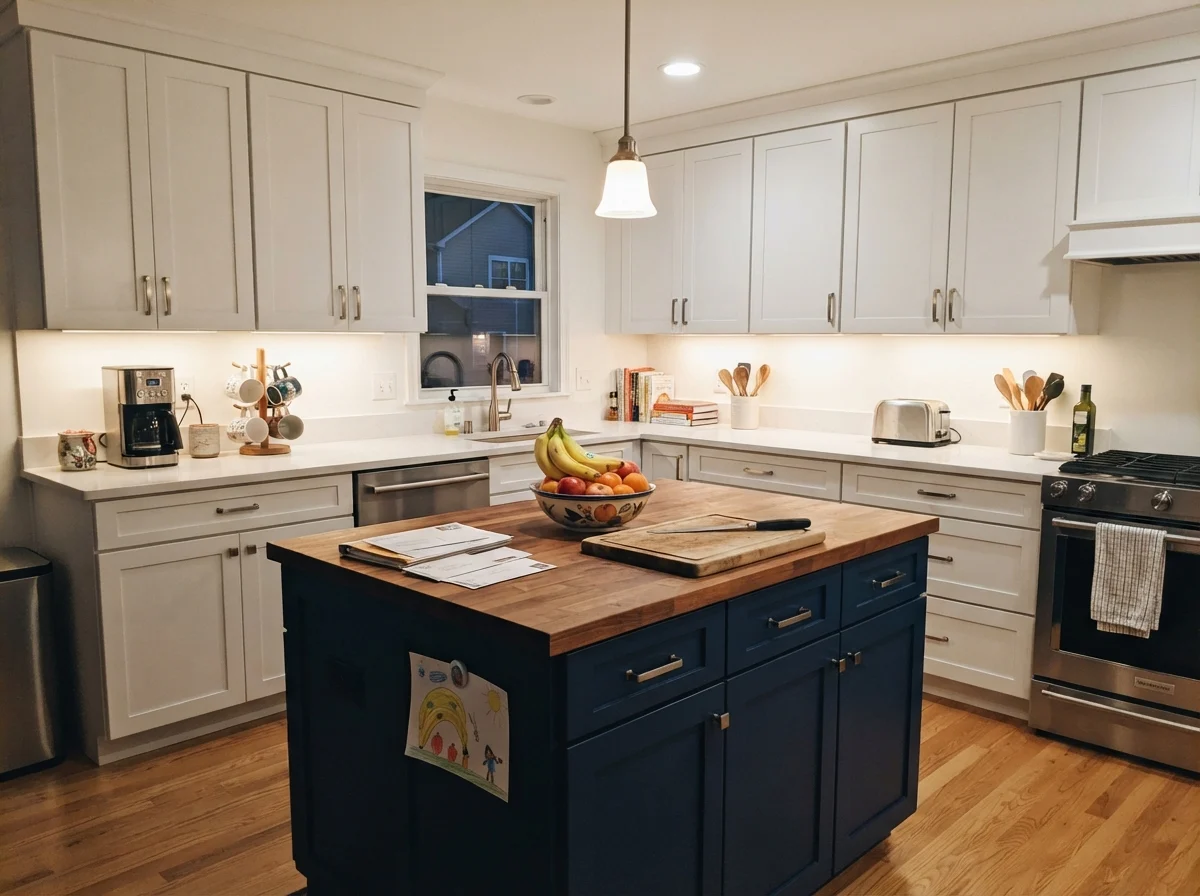
For kitchen cabinets, Behr Ultra Pure White offers an incredibly crisp, factory-clean look right out of the can. If you have white quartz countertops with subtle gray veining and matte black hardware, this color looks modern and sharp. Because there is no colorant in the can, you don’t have to worry about color tint drift between your upper cabinets and lower drawer fronts.
However, I need to share an honest warning that you won't find on the back of the can. In our 1960s ranch, I used Behr's cabinet enamel in Ultra Pure White on an entire run of shaker cabinets. Five years in, I noticed something very specific: on cabinet doors that sit in a dark, shaded corner away from natural sunlight, the untinted enamel slowly warmed toward a faint cream tone over several months, while the doors right beside the garden window stayed brilliant white. It wasn't a failure of cleaning; it’s a known tendency of unpigmented cabinet alkyd-acrylic enamels in low-UV spots. If your kitchen has deep, unlit corners, be mindful of that shift.
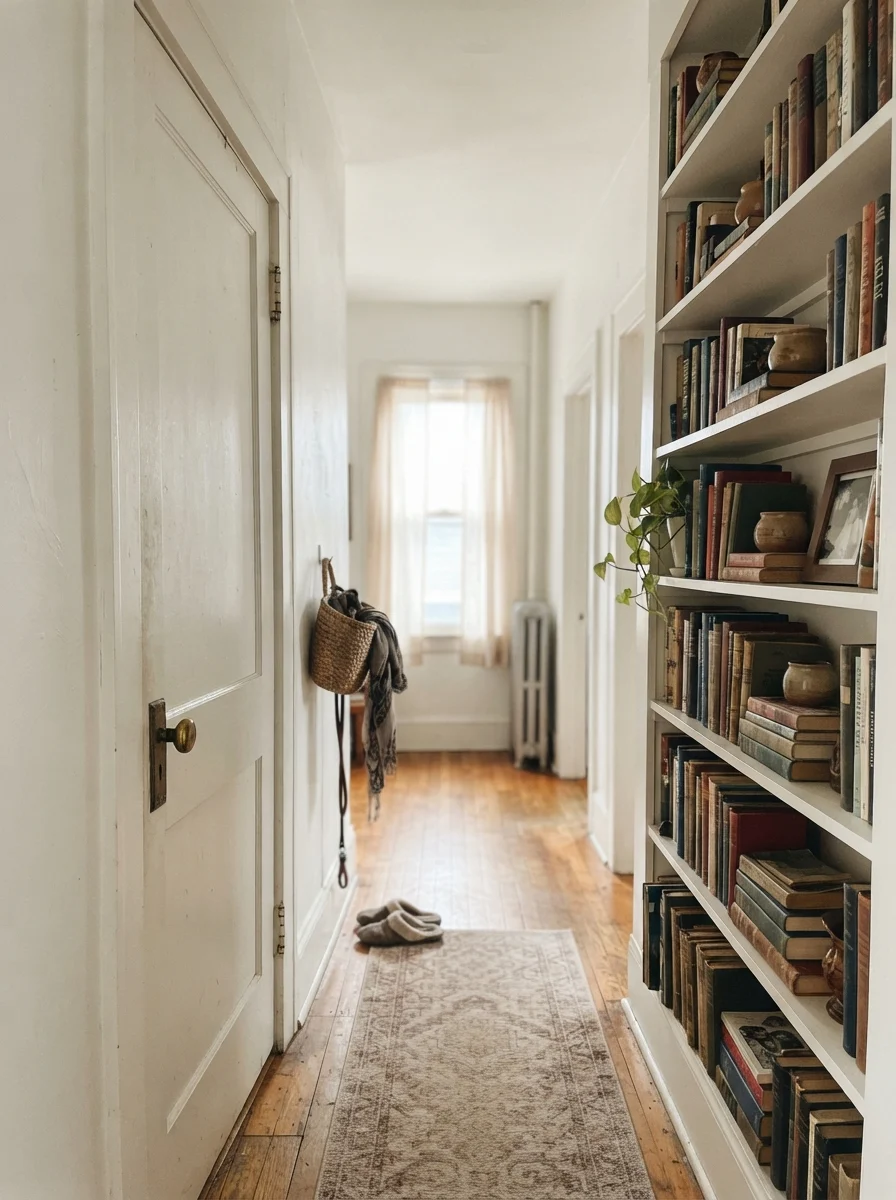
For interior doors and hallway built-ins, however, semi-gloss Ultra Pure White is nearly unbeatable. It creates a crisp, architectural separation against warm cream or greige walls, and when paired with an aged brass doorknob, it looks classic and expensive.
Sunrooms, Laundries, and Exterior Trim
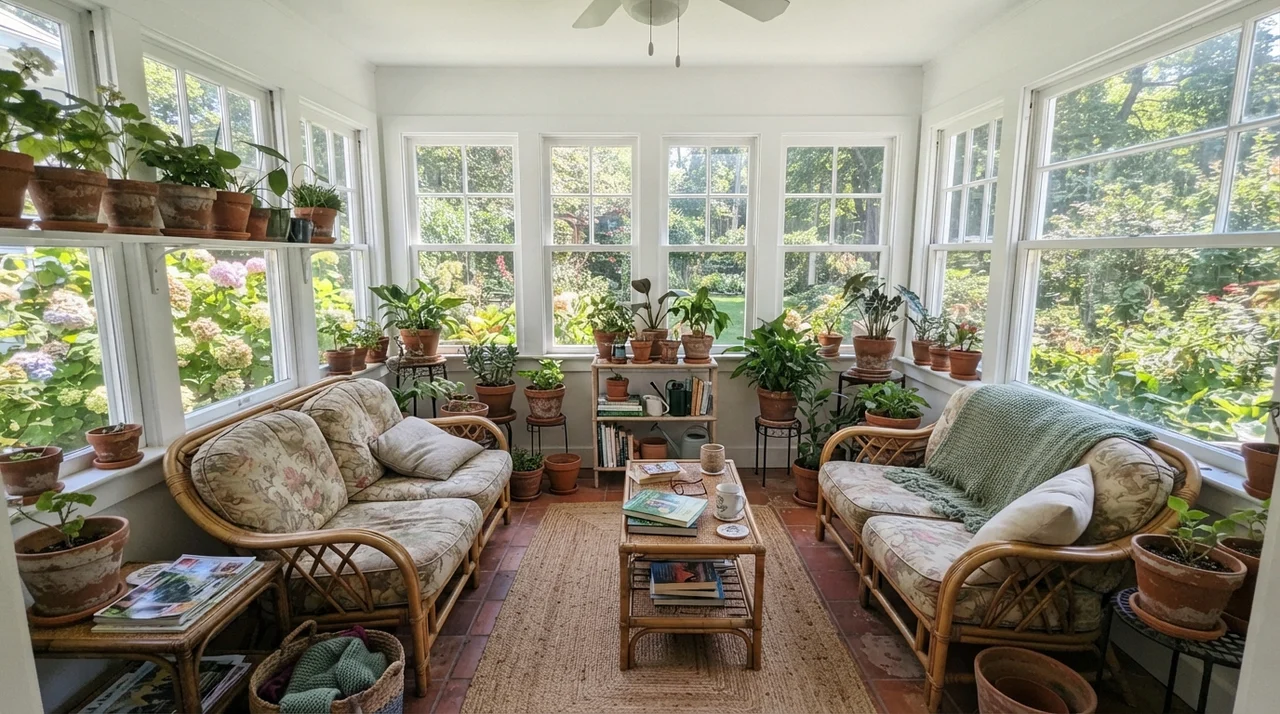
In spaces drenched in perimeter daylight—like a three-season sunroom—Ultra Pure White acts as a framing tool. When you have ten or twelve windows showing green trees and garden flowers, you don't want a wall color that competes with the outdoors. Painting the narrow drywall piers between window casings in Ultra Pure White lets the greenery take center stage while bouncing the natural light deep into the adjoining rooms.
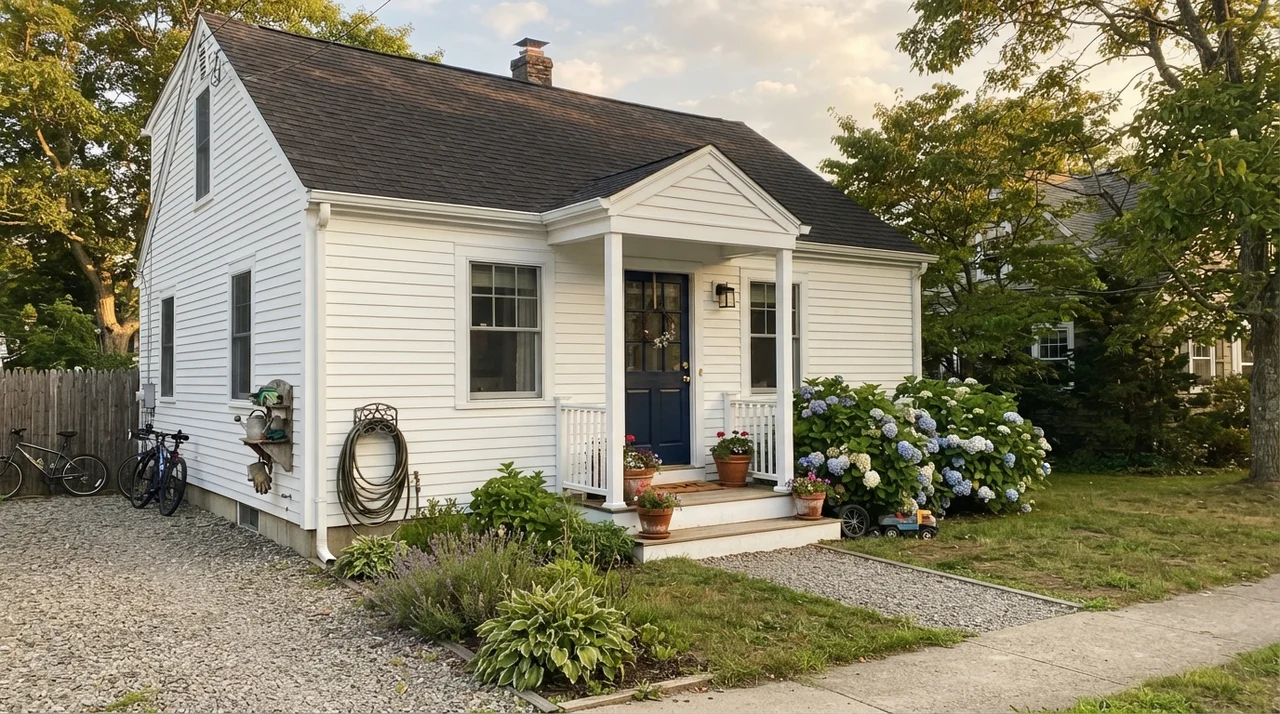
Outside the home, Ultra Pure White is fantastic for narrow accents: window casings, fascia boards, soffits, and porch ceilings. When set against a dark navy front door or a warm gray siding, it gives the facade a crisp, tailored look that held up beautifully across eight years of midwestern winters on our colonial. The only place I advise against it outdoors is on full, unbroken siding expanses in open sun; a large two-story wall at LRV 97 in July sun can create blinding glare for both you and your neighbors.
My Own Reality Check: What 30 Years Taught Me
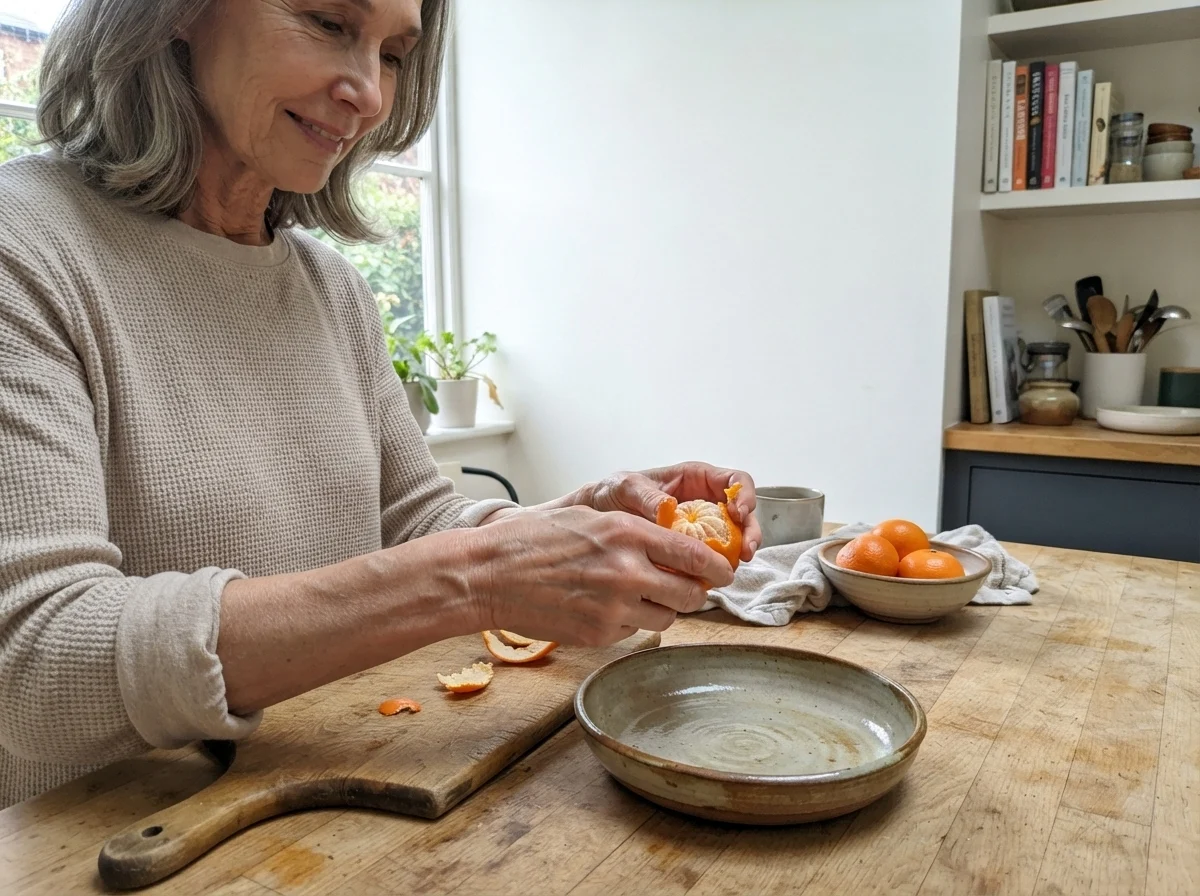
Whenever I test a white paint, I don't look at it under perfect studio photography. I look at it when I'm standing in the kitchen in my slippers on a Tuesday afternoon with laundry waiting on the stairs. I peel a clementine at the counter, watch the afternoon light rake across the wall, and check if the paint feels welcoming or like an empty office.
Ultra Pure White is not a mood color. It does not wrap you in cozy comfort like a buttery cream or a velvety greige. It is an architectural utility color—and when you treat it as an architectural utility, it is one of the most reliable products in the home improvement store.
Buy it for the surfaces that should disappear, not for the ones you want to feel something about.
The Three Mistakes People Make with Ultra Pure White
The bad reviews about Ultra Pure White are remarkably consistent, and none of them are mysteries. They happen when homeowners expect this unpigmented can to do jobs it was never designed to handle:
- Expecting It to Cover in One Coat: Ultra Pure White is specifically excluded from Behr’s one-coat hide guarantee. Because there are no pigment solids in the can to block underlying colors, it has the weakest hiding power in the entire brand line. If you are painting over builder beige, patched drywall, or anything dark, it is unconditionally a three-coat job. If you try to stop at two, you will see shadow lines and roller laps the moment the morning sun hits the wall.
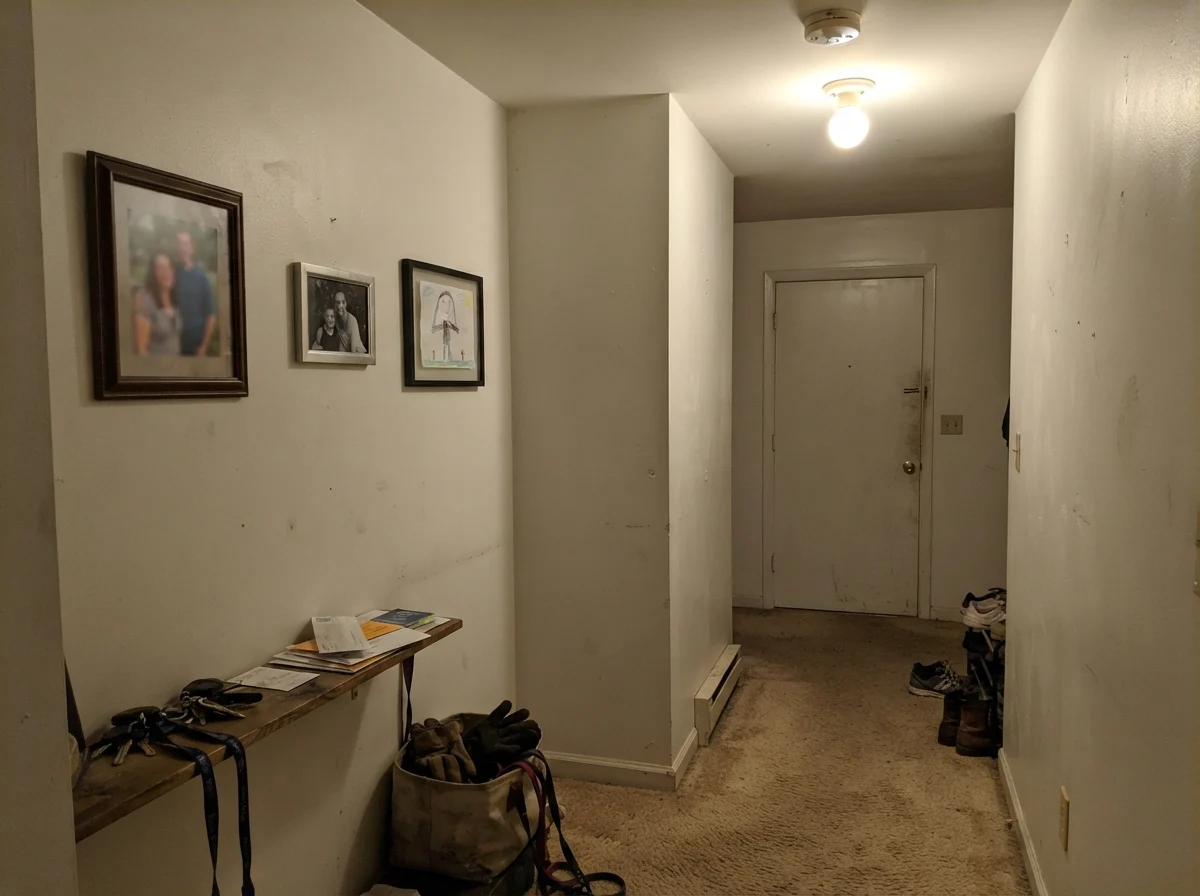
- Putting It on Four Walls in a Dim North Room: As shown in the hallway photo above, without strong sun or warm light, this paint loses all life. North-facing light turns it into a dull, institutional gray. If you need a white for a north room, buy a tinted white like Behr Swiss Coffee (12) that has enough cream pigment to glow in low light.
- Choosing Satin or Semi-Gloss on Imperfect Drywall: At LRV 97, every drywall seam, nail pop, and roller ridge casts a shadow under raking light. If you put a higher sheen on a wide living room wall, you will see every flaw your drywall taper left behind in 1985. Keep walls in flat or eggshell.
Durability, Scrubbing, and Long-Term Wear
How does Ultra Pure White hold up five years in? That depends entirely on the sheen you put where.
On ceilings in a flat finish, it is a set-it-and-forget-it paint. We painted our living room and hallway ceilings with it eleven years ago in our ranch, and they still look immaculate because ceilings don't suffer foot traffic or dirty fingerprints. Even when we repainted the walls below from a dusty sage to a warm greige, the ceiling never needed a coat because the pure white bridged both palettes effortlessly.
On trim and baseboards in semi-gloss, it takes a beating like a champ. When baseboards get scuffed by the vacuum or door frames get smudged near the handles, a damp microfiber cloth with a little dish soap gets them scrubbed clean in seconds without dulling the paint. And because there is no pigment to lift or burnish, aggressive scrubbing won't leave a cloudy, faded spot.
Where durability falls short is touch-ups on drywall. If you scuff an eggshell wall painted in Ultra Pure White and try to dab a small brush in the middle of a wide wall twelve months later, that touch-up spot will flash visibly in glancing daylight. Because the paint has no pigment to help blend the feathering edge, you almost always have to roll corner-to-corner on that wall plane to make a repair disappear.
Why does Ultra Pure White need so many coats to cover?
Because it contains almost zero pigment solids. Untinted white base relies solely on titanium dioxide in the resin, which makes it Behr's lowest-hiding paint. Covering existing colors, patches, or dark primer almost always requires three full coats.
What is the best sheen for ceilings, walls, and trim?
Ceilings should always be Flat to eliminate glare and hide drywall lap marks. Walls perform best in Eggshell. Trim, doors, and baseboards should be Semi-Gloss for scrubbability, and cabinets should be finished in Satin.
Can I use Ultra Pure White on whole living room walls?
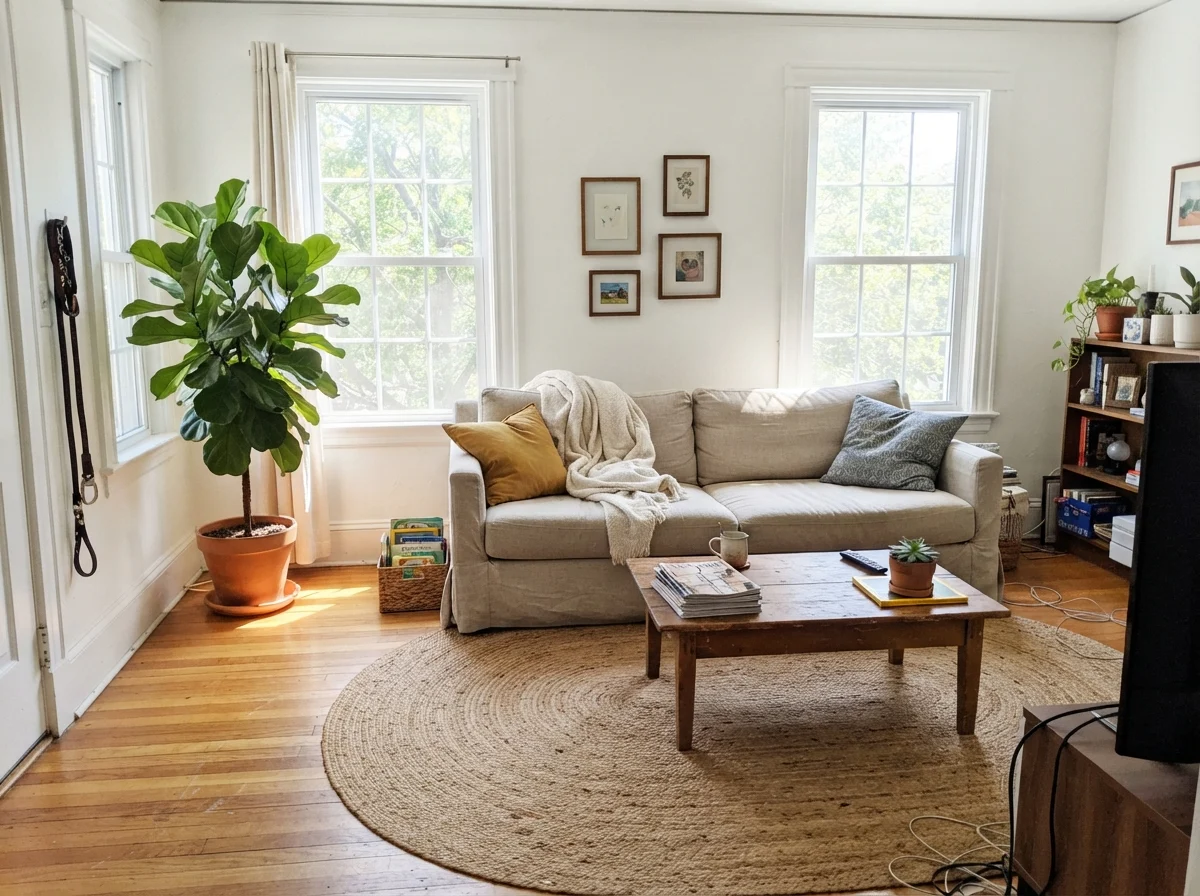
Yes, but only if the room receives generous natural south or west daylight, and you balance the stark white with warm wood furniture, textured textiles, and 2700K warm lamps. In dim or north-facing rooms, it will read cold and gray.
Does Ultra Pure White turn yellow over time?
On standard drywall with water-based latex paint, it does not yellow. However, in cabinet hybrid or alkyd-acrylic enamels, doors located in dark corners with little natural UV exposure can slowly warm toward a pale cream after several months.
Susan's Verdict · The Ceiling & Trim Hero
Ultra Pure White is not the cozy, atmospheric white wall paint that design magazines promise, and using it across a dark four-walled room is a mistake you will regret five days in. But as a whole-house ceiling white, a razor-sharp trim color, and a high-reflection solution for closets and windowless laundries, it is the best value in the paint aisle. Buy it off the shelf for the architectural surfaces that need to disappear, pair it with warmer tones where you live, and leave the living room walls to a white that actually has some pigment in it.