Color Diary · No. 85
Benjamin Moore Beach Glass in Three Rooms and Five Years of Hard Light
The blue-green-gray chameleon everyone wants for a spa bathroom, reviewed honestly: how hard it swings between blue, green and gray — and the light that turns it into neither.

Susan HartleyOctober 16, 2026 · 13 min read
Beach Glass · Benjamin Moore 1564
Hex#B3BEB9LRV50Undertonesblue → green → gray
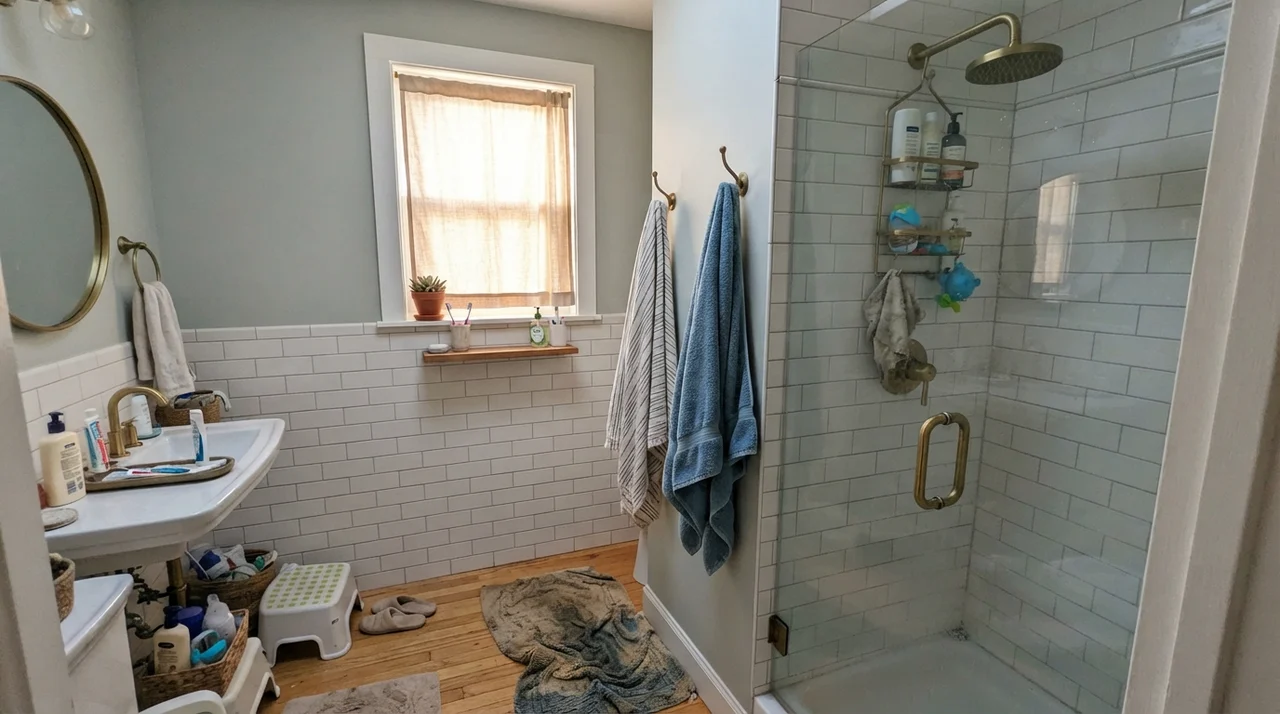
In our last house, a 1990s colonial that suffered from an excess of builder beige and honey oak, I rolled Benjamin Moore Beach Glass onto our primary bathroom walls on a clear Saturday morning in May. By noon, I was convinced I had purchased the most serene, spa-quality pale mist ever mixed in an eggshell can. It looked like soft sea water caught against clean white tile. By five o'clock that evening, when the low western sun crept across the side yard, the room had warmed into an unmistakable, mossy pale green. And by November, when the sun dropped behind the roofline and the afternoon sky went flat and cold, I walked in after work, flipped the overhead light switch, and stopped dead. The color was gone. In its place sat a dull, institutional puddle of damp cement.
I lived with it for seven years. I didn't repaint it, but I learned everything there is to know about it. That is the fundamental truth about Benjamin Moore Beach Glass (1564): it is not a steady paint that settles politely into the background. It is a genuine three-way chameleon that swings violently between soft slate-blue, warm coastal green, and stony gray, depending entirely on what the sky is doing outside your window.
Benjamin Moore catalogues Beach Glass under its blue family, but if you poll ten homeowners who have put it on their walls, seven will tell you it's a green, two will insist it's a muted gray, and one will ask if the hardware store mislabeled the can. All three camps are right. With a Light Reflectance Value of 50, it sits precisely on the fence between light and mid-tone. That LRV 50 gives it enough spine to hold its depth in fierce daylight—unlike paler, wash-and-wear seafoam shades that bleach out to white when the sun hits—but it also means it needs adequate natural light to keep its pigments awake.
The chameleon behavior means two rooms in the same house can look like two entirely different colors from two entirely different cans.
Light Shifts: The Morning Cool and the Evening Glow
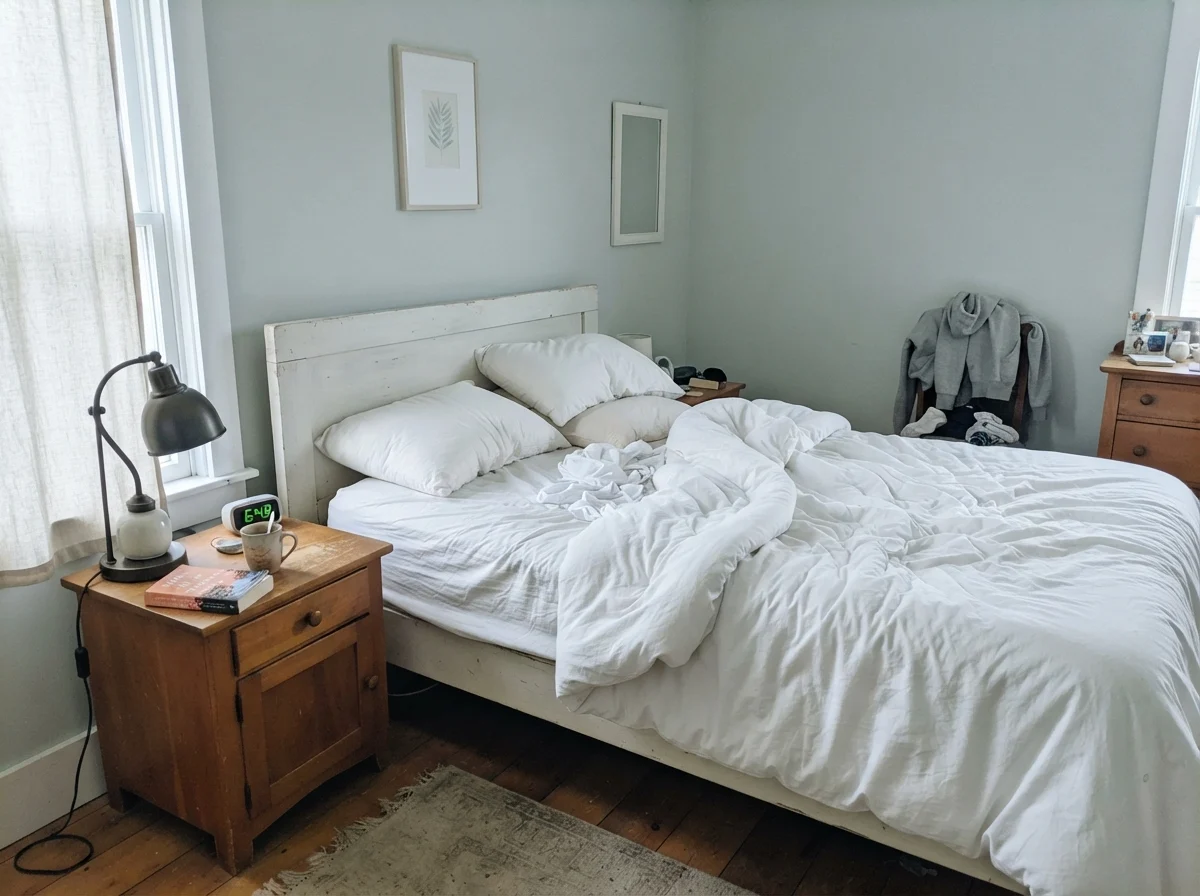
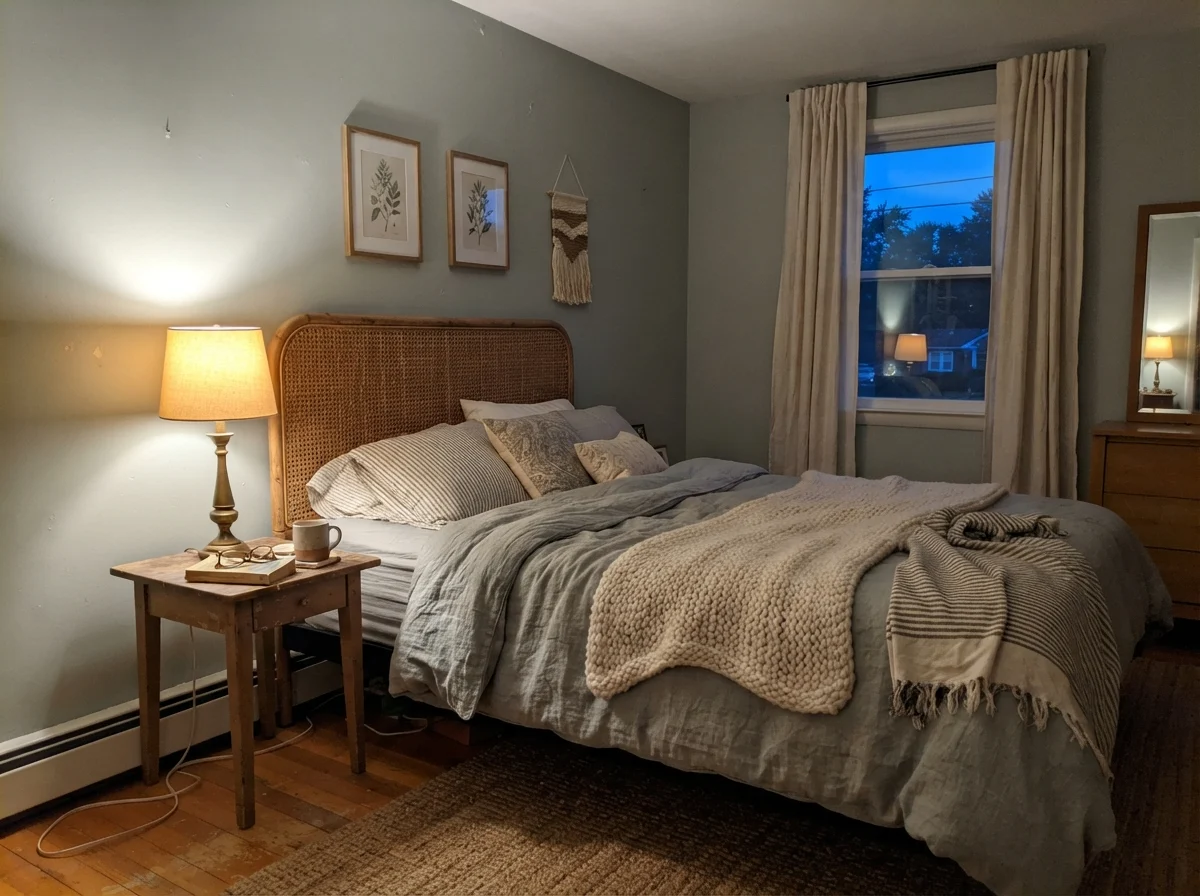
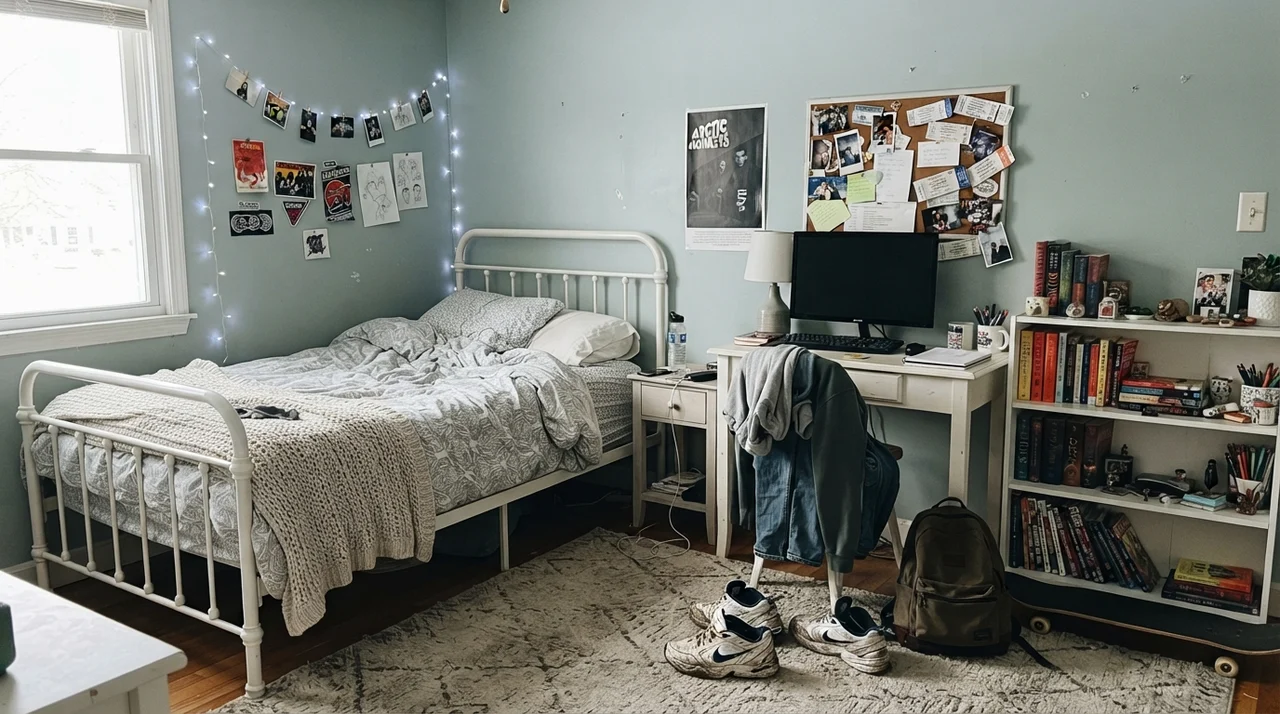
Here is what happens when you roll Beach Glass across an entire bedroom and watch it through a full day. In the cool morning hours, before lamps are lit or the sun climbs high enough to push warmth through the glass, the paint reads distinctly cool—closer to a quiet slate blue. It feels crisp, clean, and a bit distant. Five hours later, when the light shifts around the house and warm artificial light steps in, the green pigments rise to the surface. The room softens, relaxes, and warms up noticeably.
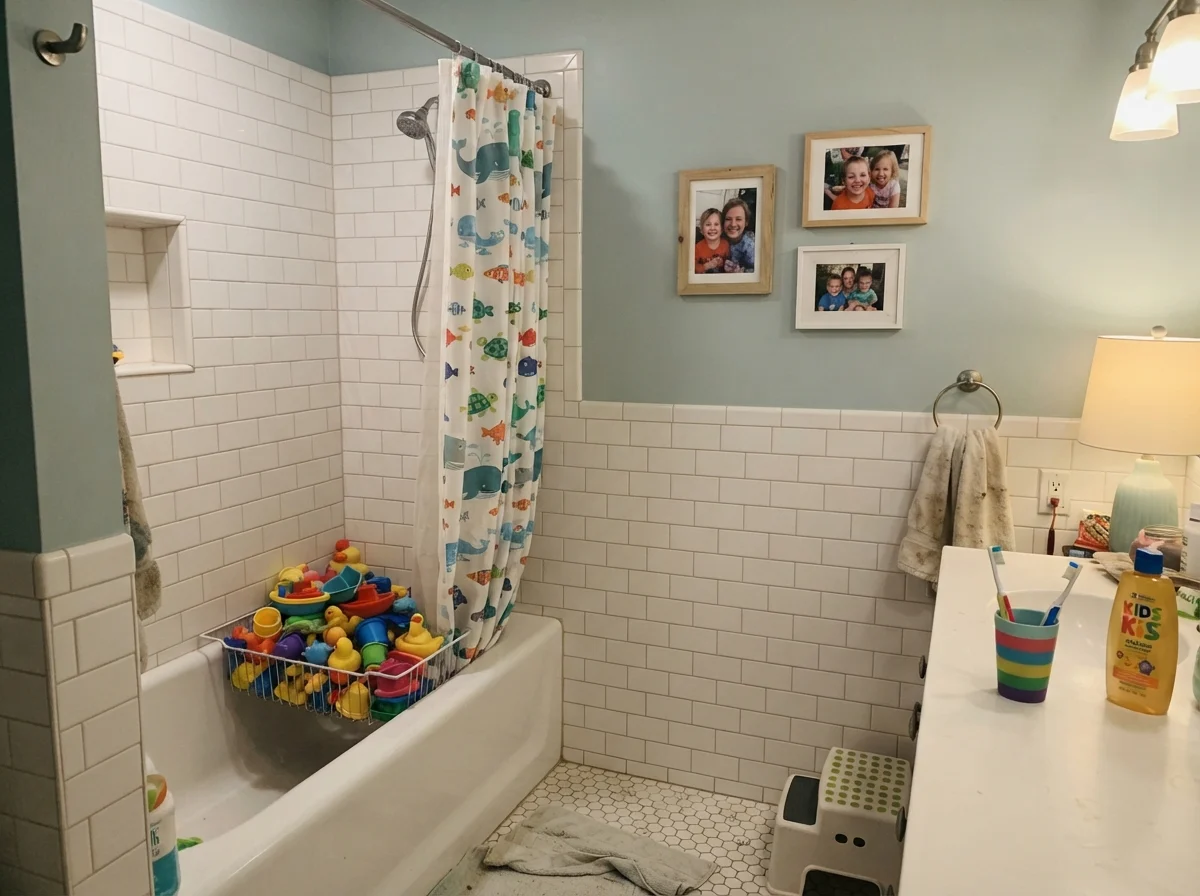
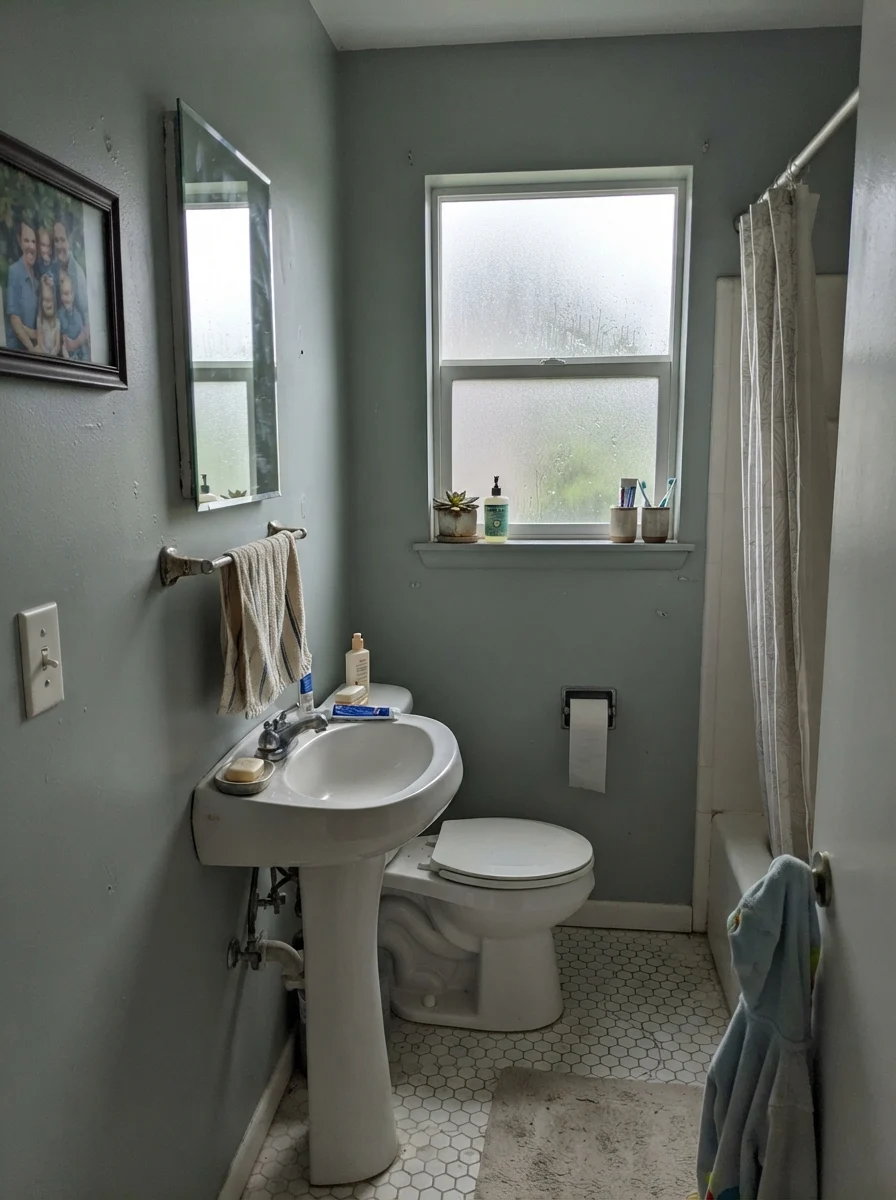
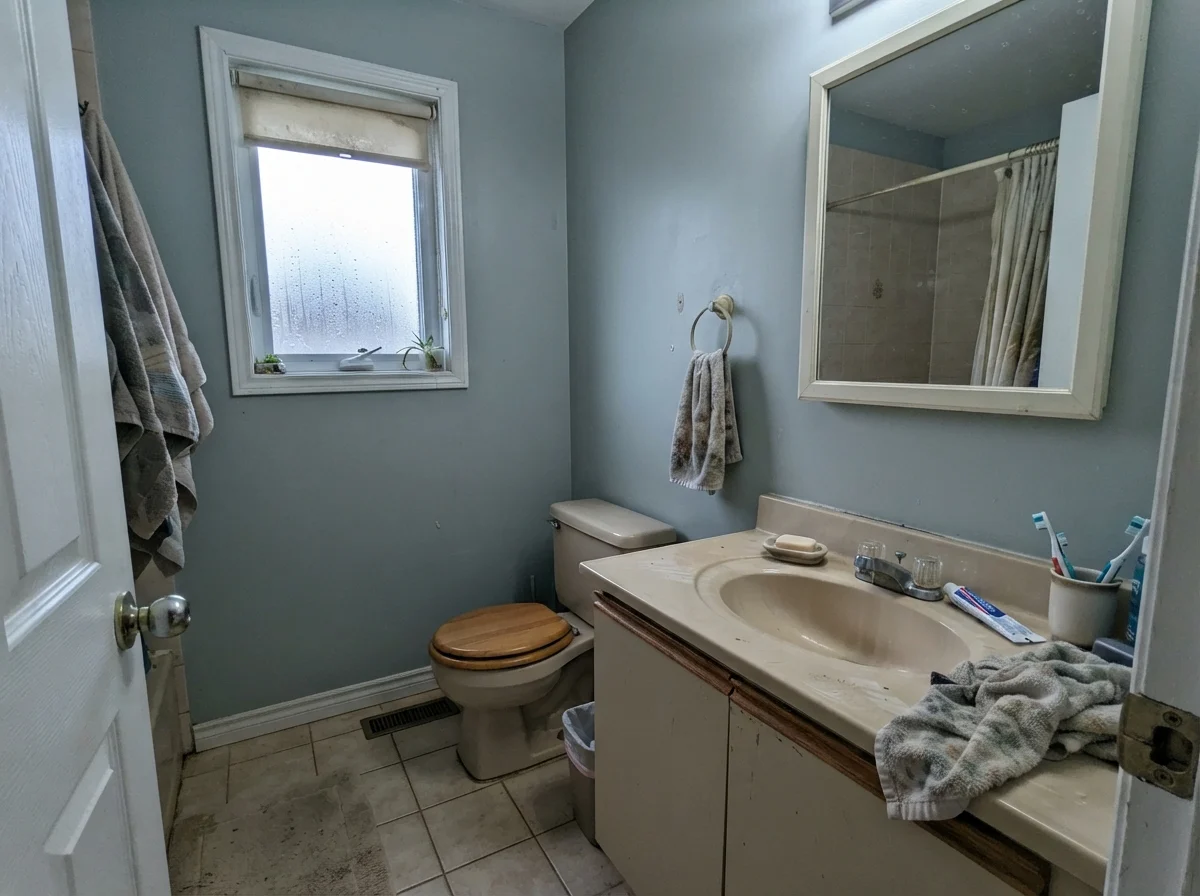
If you don't anticipate that swing, you will spend your first month second-guessing your choice. In our 1990s colonial, visitors would compliment the 'pretty green' in the guest bath and then ask what color the 'soft blue' was down the hall in the powder room. It was the exact same gallon of paint. The difference was a south-facing frosted window versus a north-facing slit above the garage.
Where It Belongs: Bathrooms and Bedrooms
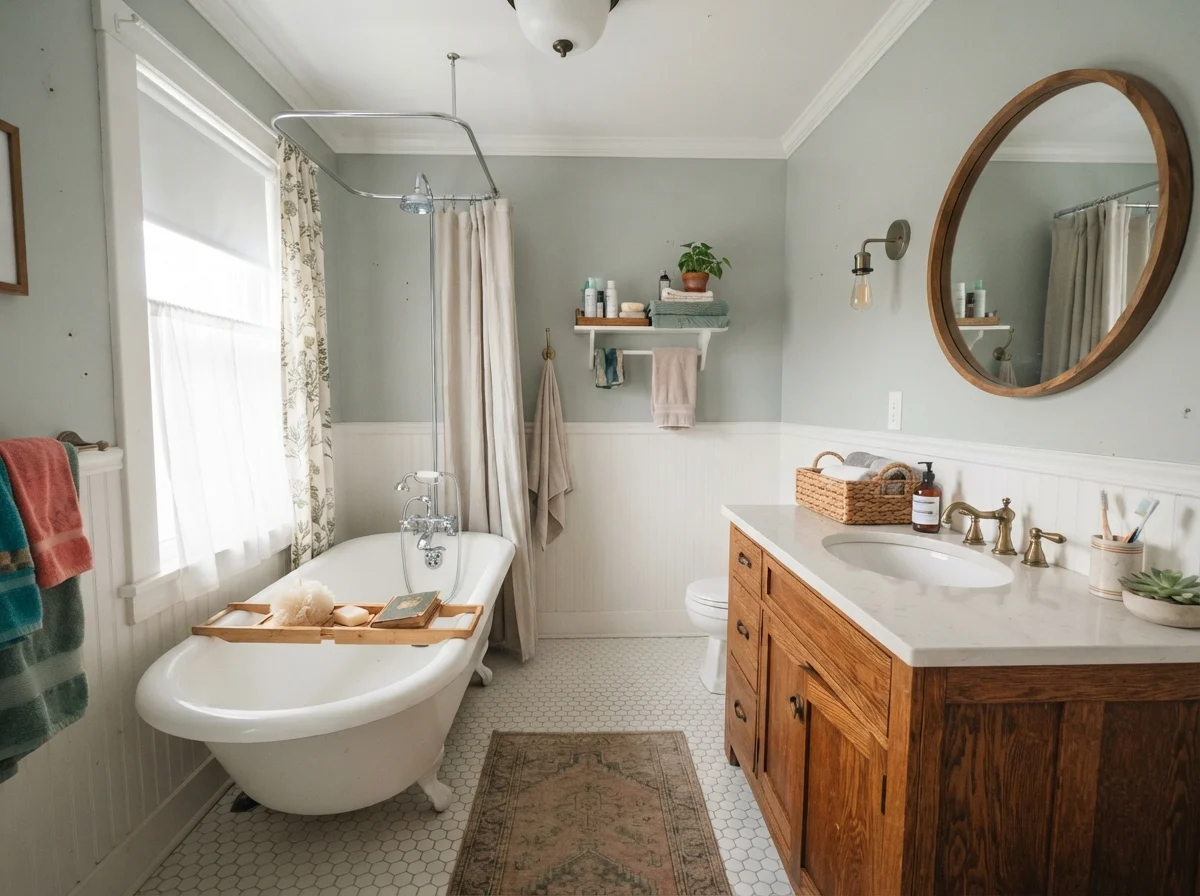
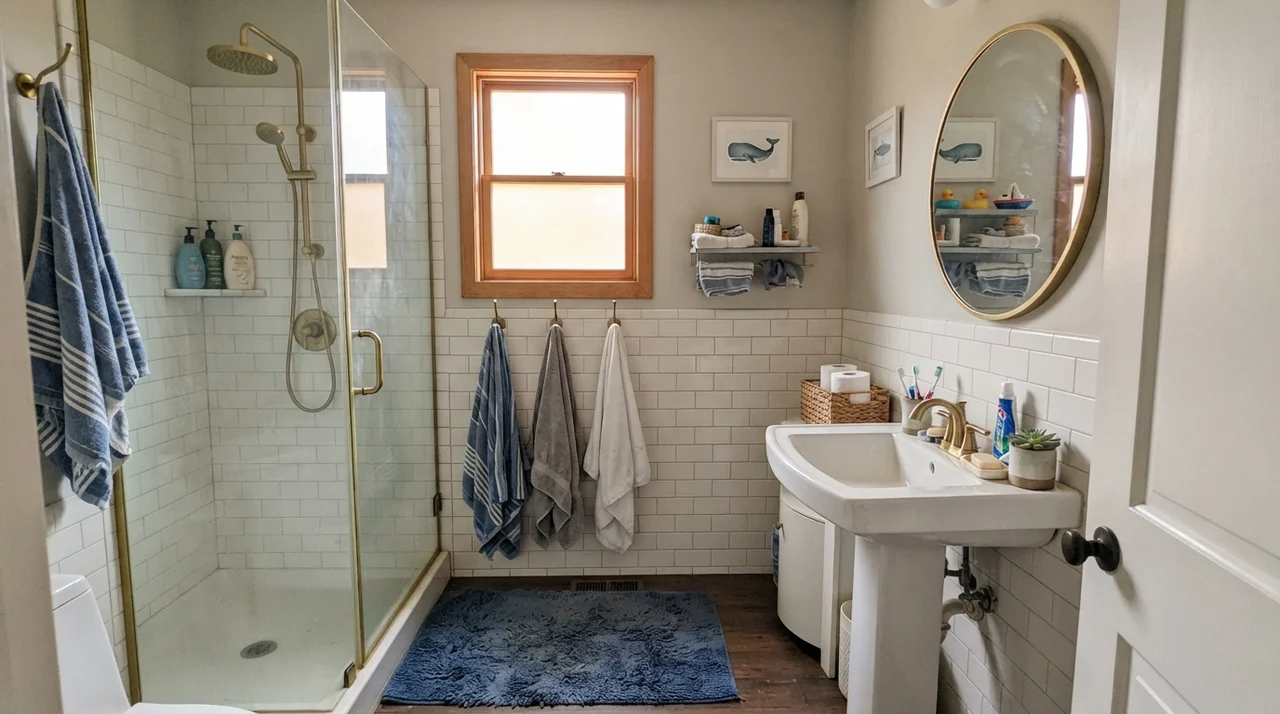
Beach Glass earned its reputation as the go-to spa color because bathrooms provide the exact ingredients it needs to sing: crisp white ceramic tile, polished chrome or brushed nickel, and large vanity mirrors that bounce natural light around the room. It cuts through bathroom humidity visually, making the space feel ventilated and clean even when the mirror is steamed over.
It also does something wonderful next to golden and honey-toned woods. So many modern cooler colors pick a vicious fight with older honey oak cabinets, making the wood look orange and dated while the paint turns cold and sterile. Beach Glass does the opposite: the warmth in honey oak pulls the gentle green out of the wall, and the two settle into an easy, comfortable peace. When we sold our colonial, the buyer specifically noted that the guest bath felt fresh, even though the original 1994 oak vanity was still sitting right there under the sink.
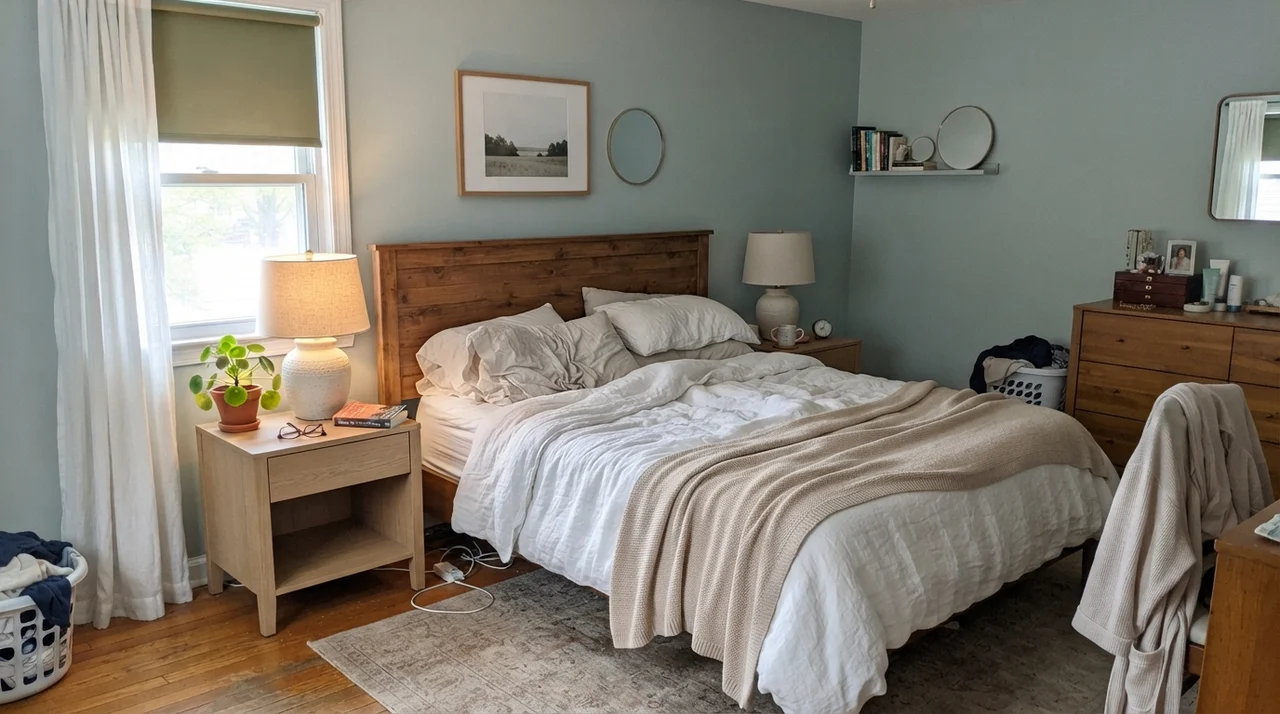
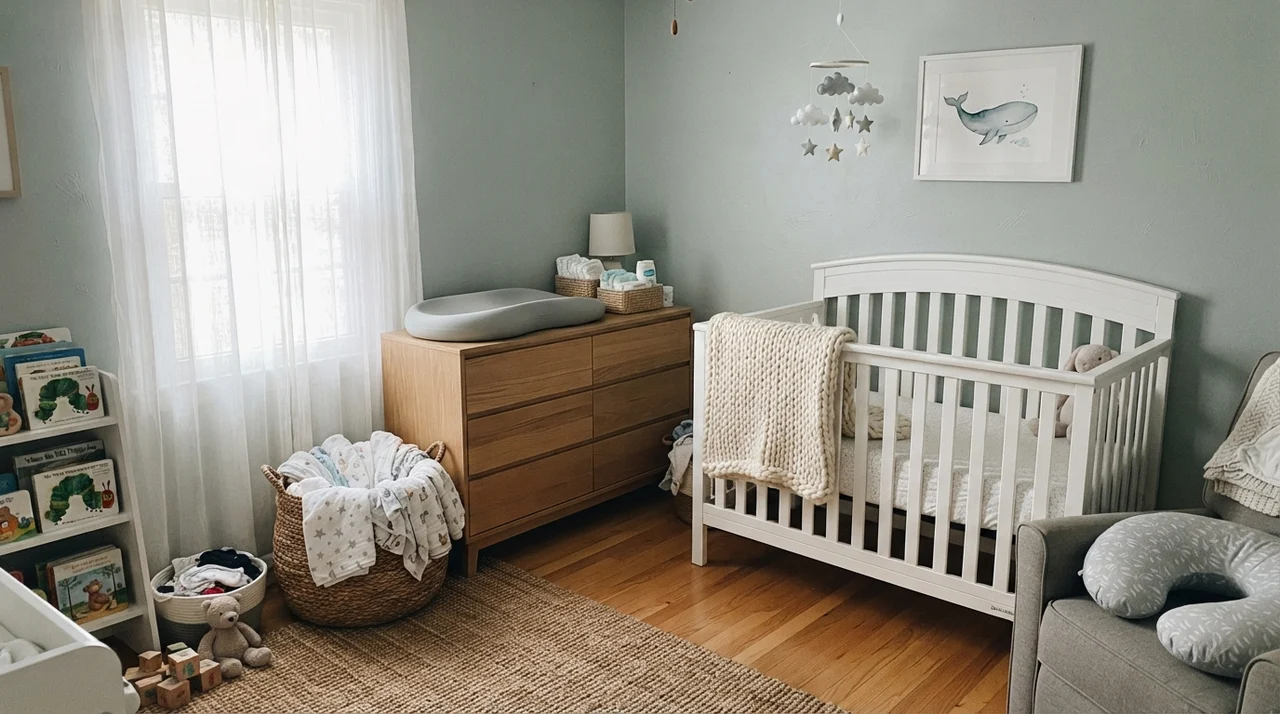
In bedrooms, Beach Glass delivers that quiet, restful feeling people look for without turning the space into a cave. At LRV 50, it provides enough depth to anchor white linen bedding, pale oak dressers, and woven natural fibers. You get an intentional wall with real color, but one that doesn't demand your attention the second you wake up.
Kitchens, Islands, and Sunrooms
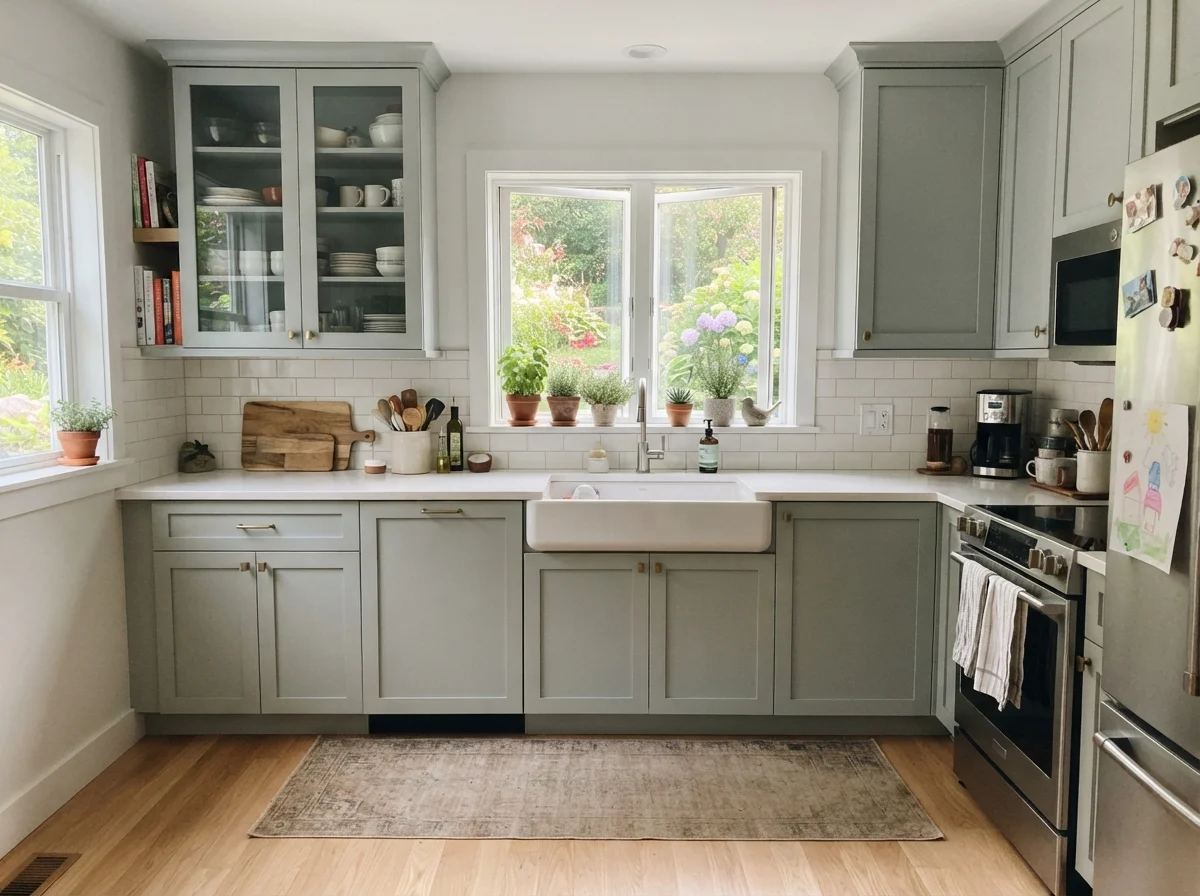
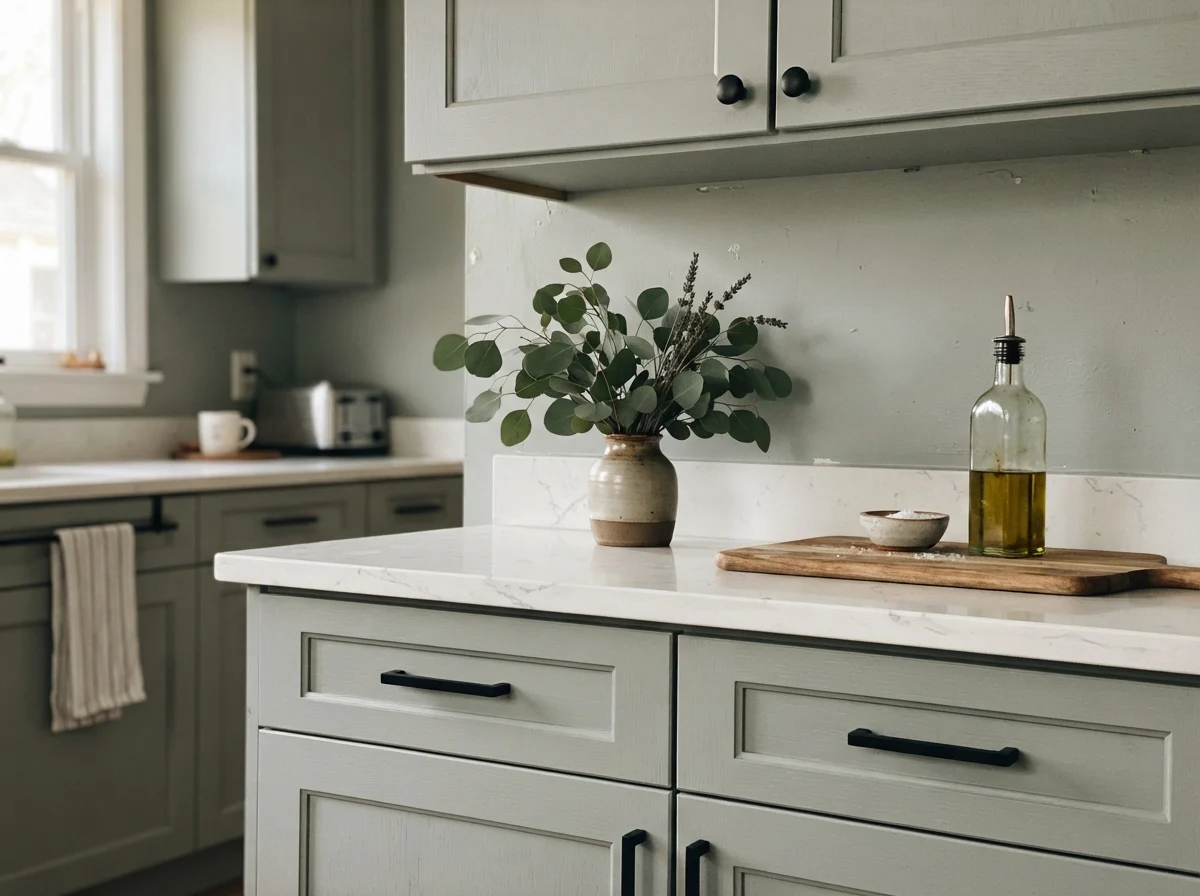
I am generally cautious about painting an entire kitchen in Beach Glass unless the room receives consistent natural light from multiple directions. Because the color reacts so sharply to angle and shadow, a full run of upper and lower cabinets across four walls can look like three different shades by mid-afternoon. Where it succeeds brilliantly, however, is on a kitchen island or a dedicated accent cabinet.
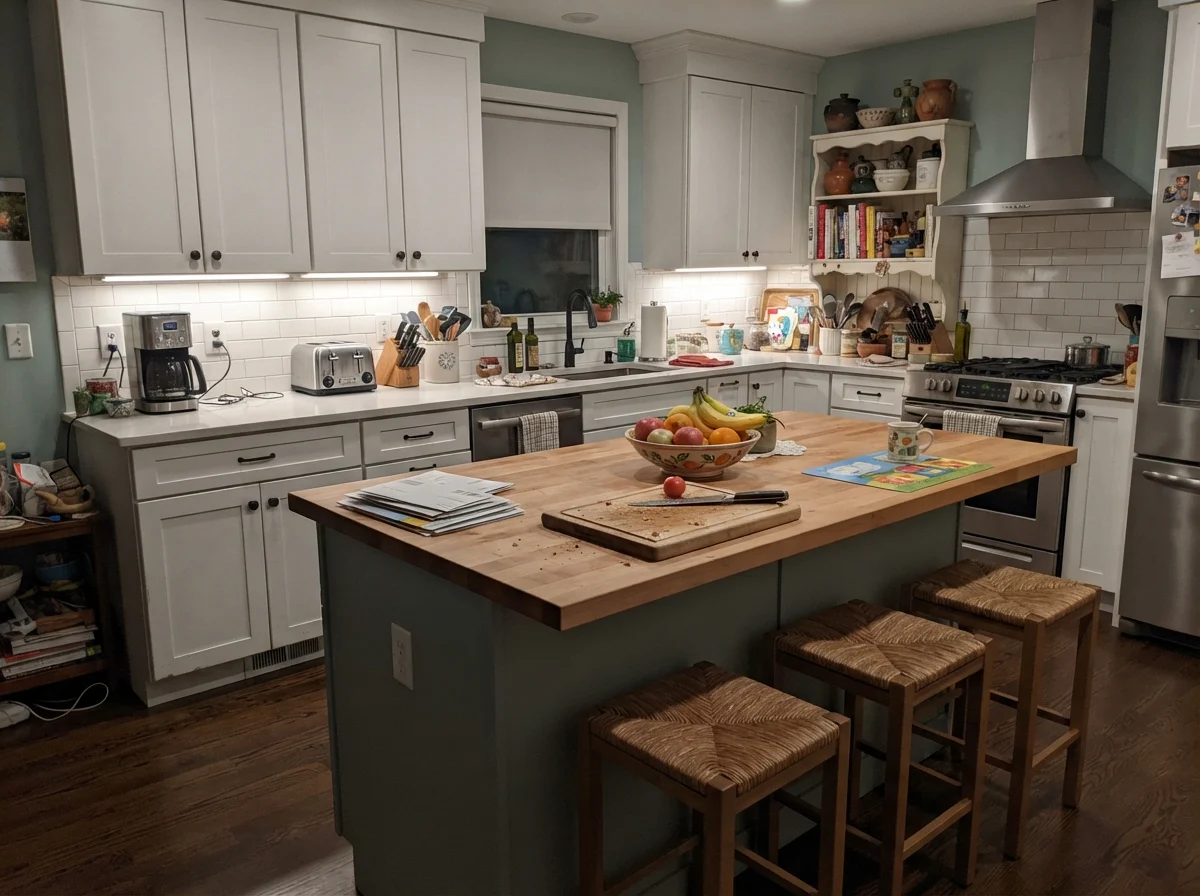
Surround a Beach Glass island with white perimeter cabinets, white counters, and honey oak floors, and you get an anchor that feels coastal and classic without looking like a staged beach rental. The warm wood flooring pulls the green forward, while white counters reflect light into the cabinet faces to prevent them from slipping into dark gray.
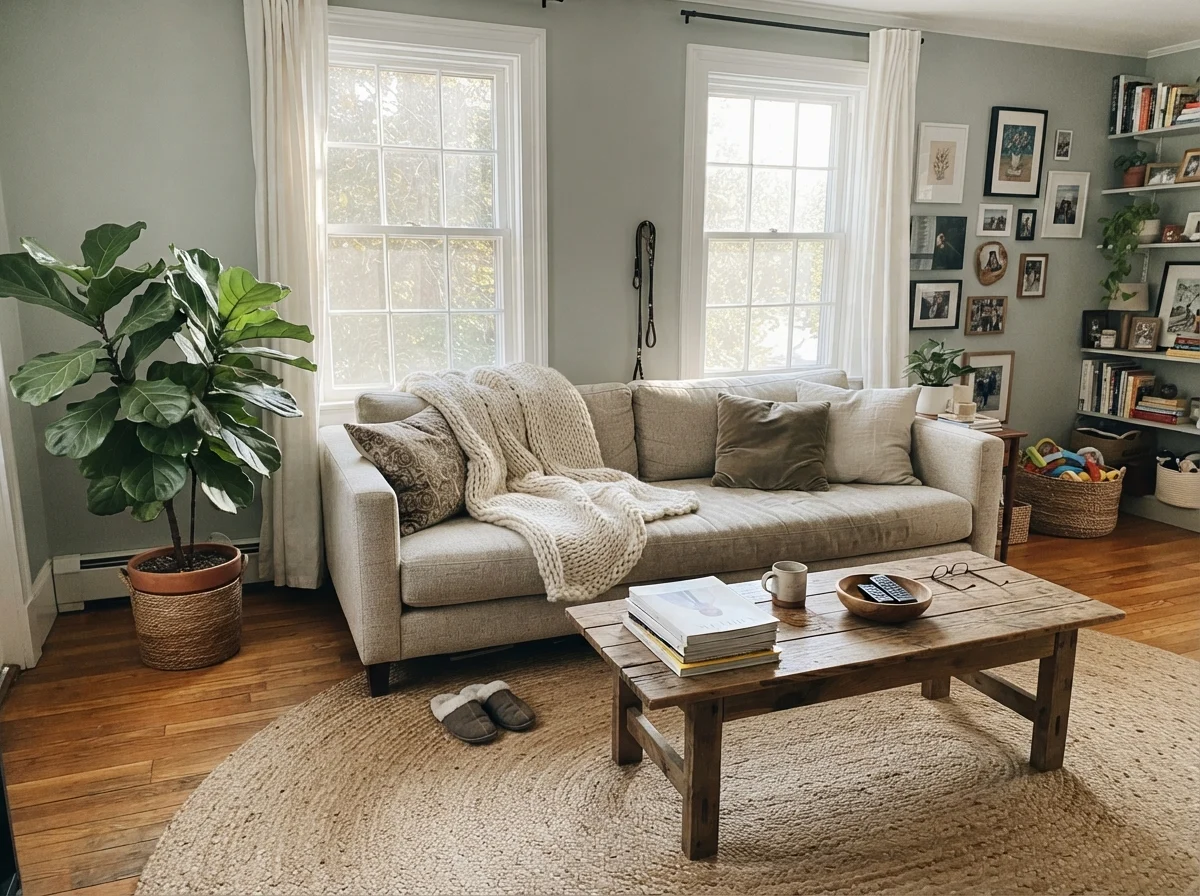
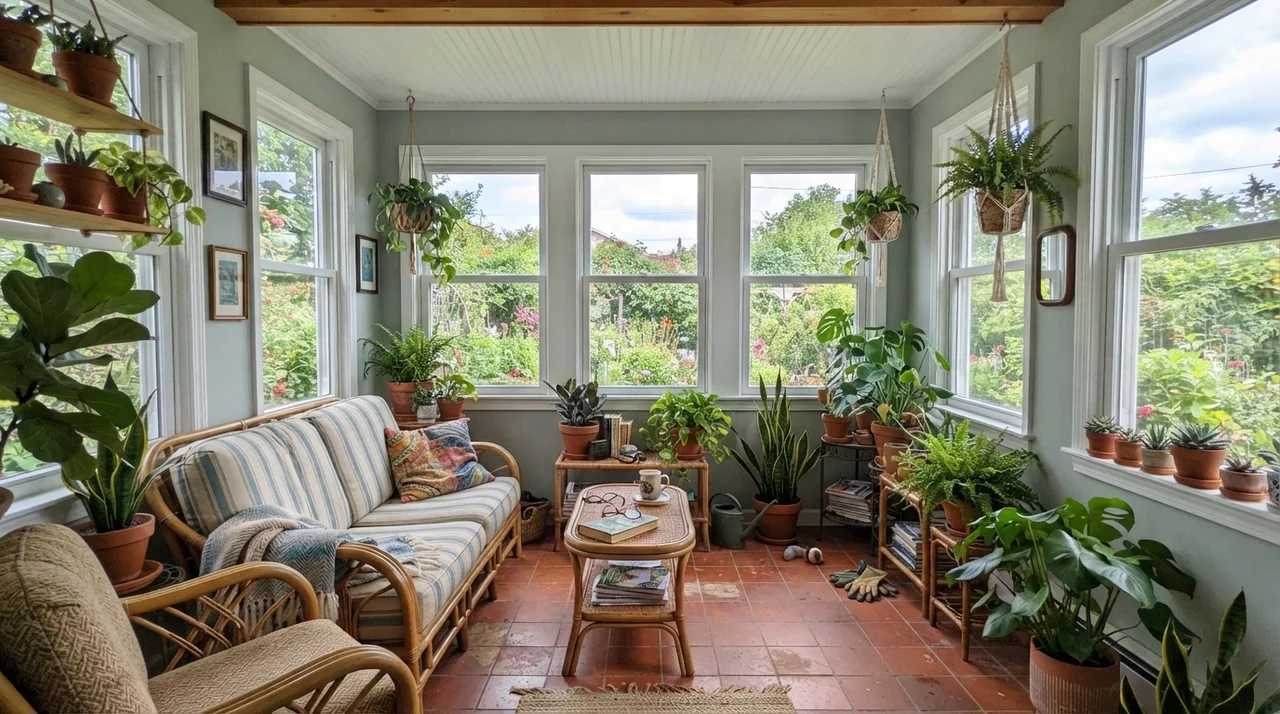
In living rooms and sunrooms flooded with generous perimeter daylight, Beach Glass takes on an airy elegance. It handles rattan, woven jute, and terracotta pots effortlessly. Because the sun pushes the green-blue forward, the gray acts simply as an anchor, keeping the room grounded rather than frivolous.
Smaller Spaces and Exteriors
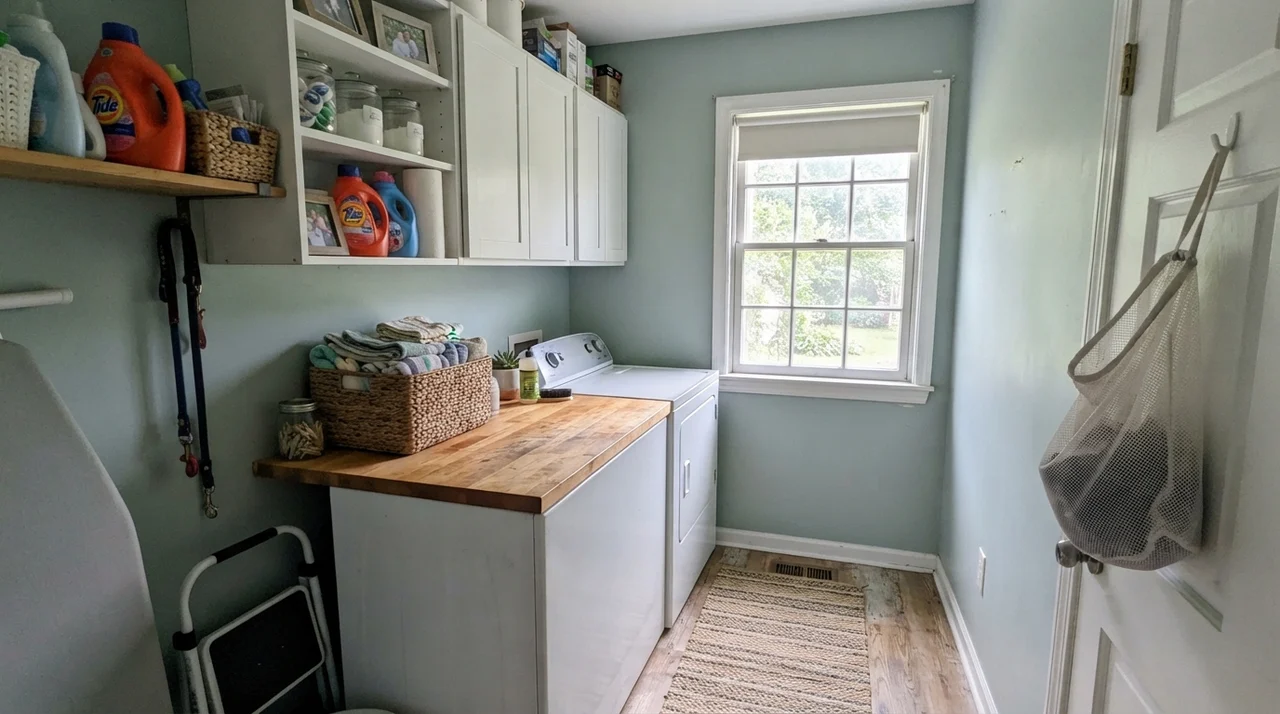
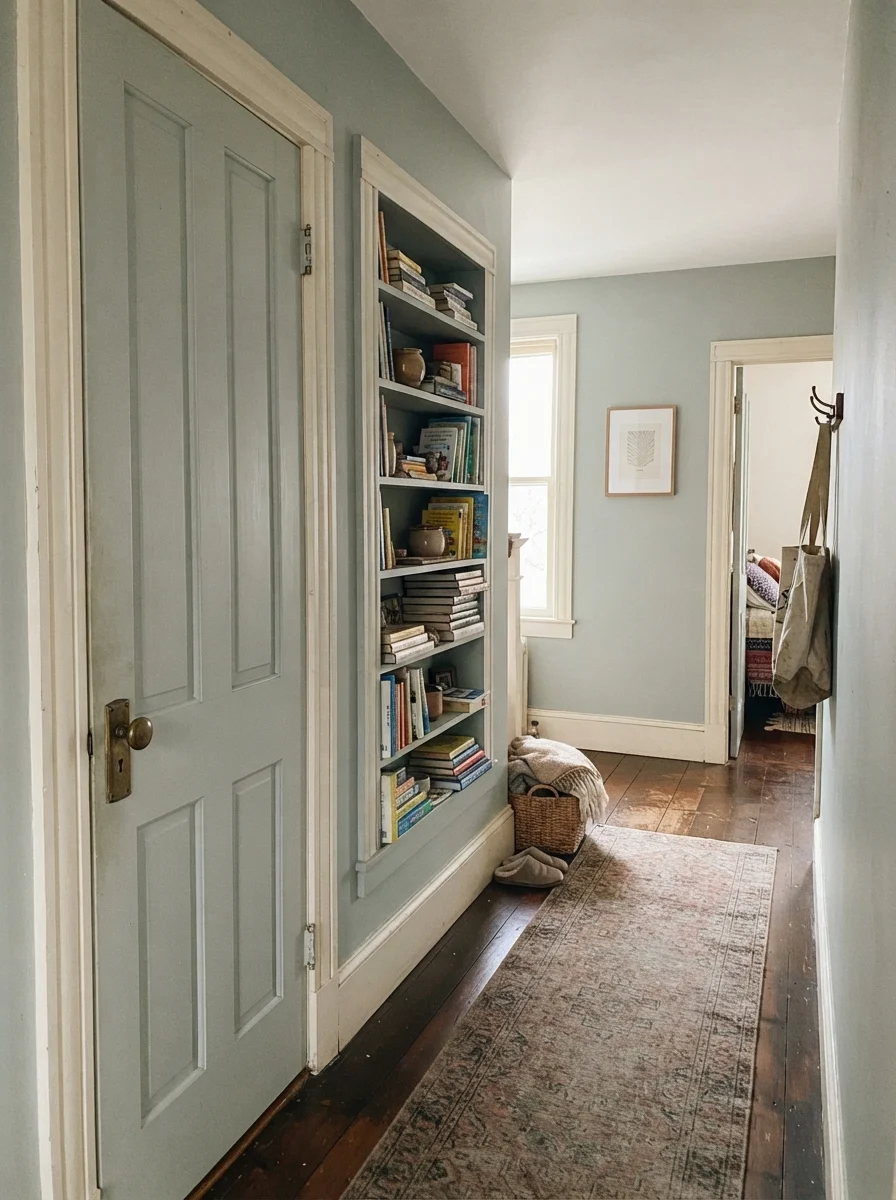
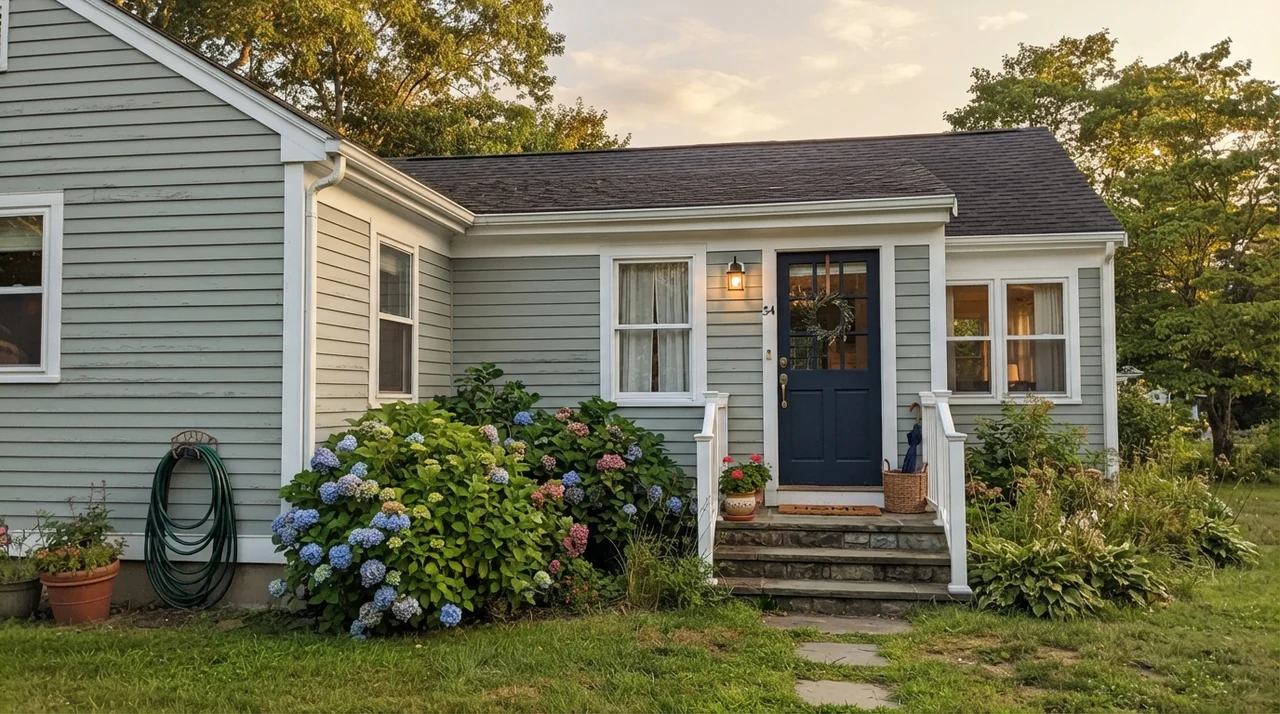
If you love the mood of Beach Glass but hesitate to commit a master bedroom or large living space to a shifting chameleon, smaller utility areas are the ideal testing ground. A laundry room with a decent window or a hallway door and bookcase can give you that fresh wash of color without dictating the decor of your entire main floor. On an exterior with crisp white trim and a deep navy door, full natural sun burns off the gray undertone almost entirely, leaving a breezy, refined coastal exterior that never looks gaudy.
The Honest Fail: Where Beach Glass Breaks Down
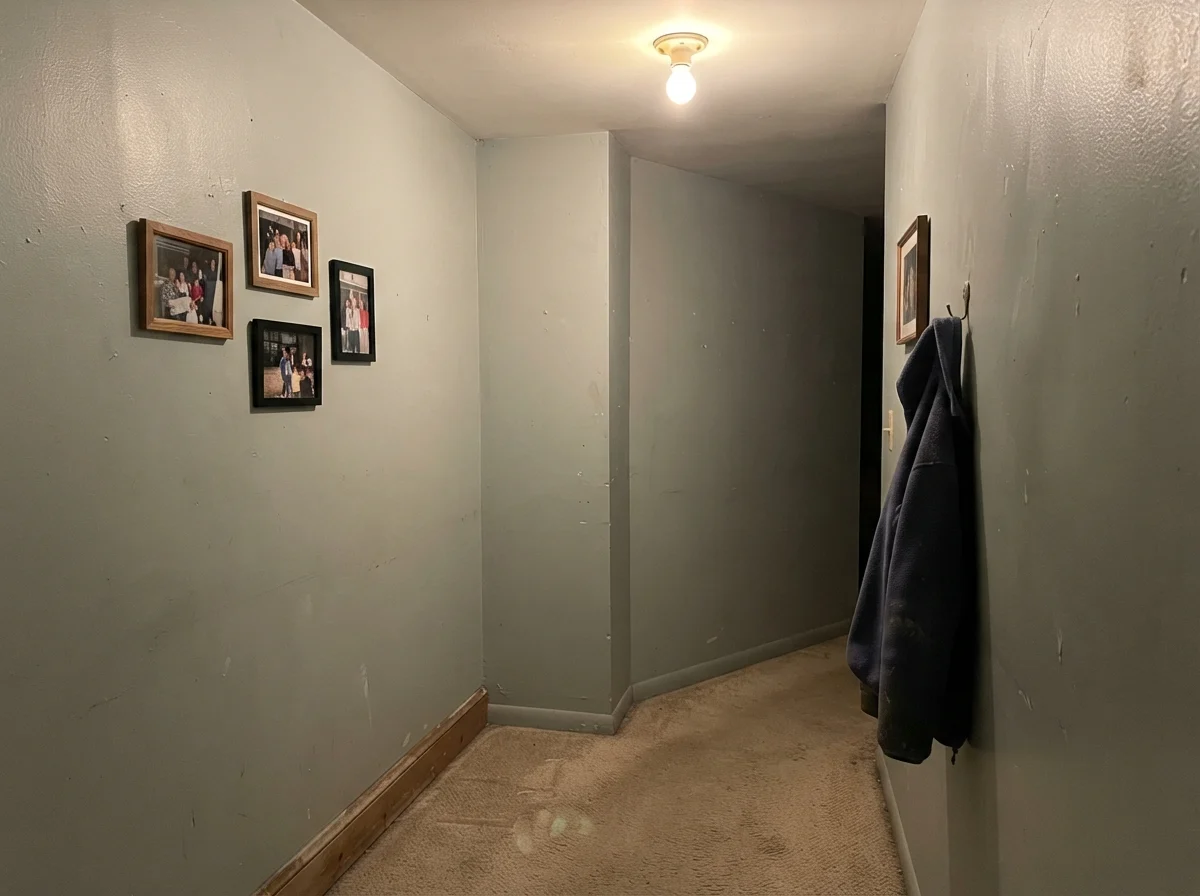
Almost every disappointed review of Beach Glass comes down to one predictable mistake: painting a dim, enclosed room with no natural light and expecting it to look like a sun-drenched day spa. Beach Glass is not a self-illuminating pastel. When you strip away natural light, the blue and green pigments shut down completely. What remains is the heavy gray base.
Put this color in an interior hallway with no windows, carpet underfoot, and a lone ceiling fixture, and you will get a dingy, putty-like surface that looks unfinished and sad. If you cannot give this paint daylight or a deliberate plan of warm lamps, look elsewhere.
The other major failure point is red wood. If your home has cherry cabinetry, red oak hardwood floors, or mahogany trim, step away from Beach Glass. The cool blue-green undertone hits red tones like oil and water. It produces a muddy, faded-teal cast that drags down the wood and makes the walls look dirty. Honey oak, golden pine, and natural white oak get along with Beach Glass beautifully; red-toned wood fights it to the death.
Durability, Sheens, and Five Years of Wear
Here is where thirty years of repainting rooms forces a hard truth: the sheen you choose will make or break this color. A flat finish on Beach Glass is a disaster. Flat paint deadens the pigments, absorbs incoming light, and turns what should be an ethereal mist into flat board chalk. Worse, in a bathroom, flat paint absorbs moisture, water spots, and hairspray residue that will never wipe away cleanly.
In bathrooms and on kitchen cabinetry, commit to satin. Satin gives the surface just enough sheen to bounce light back into the room, which is the secret engine that keeps Beach Glass shifting between blue and green. Five years in, when you have scrubbed clean the moisture drips behind the towel bar and wiped away rogue toothpaste fifty times, satin holds up without burnishing. For bedrooms and living areas, eggshell is the correct call. It gives you adequate washability while keeping the walls soft and composed.
When we sold that colonial, our bathroom walls had weathered seven years of hot showers and rowdy kids. A quick once-over with a warm, damp microfiber cloth cleaned the baseboards and corners completely. Because we used the right finish, the color hadn't oxidized, yellowed, or washed out near the window. It proved completely worth the money.
Why does my Beach Glass look gray instead of blue-green?
Because the room lacks sufficient natural daylight. Beach Glass needs real sunlight to awaken its blue and green pigments. In a north-facing or windowless space with dim artificial bulbs, it settles into its gray base.
Does Beach Glass work with honey oak cabinets?
Yes, exceptionally well. The warm yellow-orange in honey oak balances the blue-green in Beach Glass, pulling the gentle green to the surface and making dated wood look intentional and grounded.
What sheen should I choose for Beach Glass in a bathroom?
Use satin. Never use flat sheen in a bathroom—it deadens the color and stains easily from humidity. Satin reflects enough light to keep the chameleon undertones active and can be scrubbed clean easily.
Will Beach Glass match if I paint both my bedroom and bathroom with it?
Rarely. Because Beach Glass shifts based on lighting exposure, a south-facing bedroom will look soft and green, while an adjacent north-facing bath will lean slate-blue. Expect them to read as two complementary sisters, not identical twins.
Susan's Verdict · Buy with Light, Skip in the Dark
If you have a bathroom or bedroom blessed with clear, natural daylight, Benjamin Moore Beach Glass is worth the money every single day. It delivers that calming, restorative spa mood better than nearly any other mid-tone on the market, flattering golden oak and crisp white tile with equal grace. But if you are trying to cheer up a dark, windowless hallway or a dim basement bath surrounded by cherry wood, do not buy it. It will disappoint you, drop its blue-green promise, and leave you staring at cold gray board.