Color Diary · No. 33
Benjamin Moore Chantilly Lace: The True Cost of Painting with Pure White
The magazine world's default bright white, reviewed honestly: the rooms where it sings, the three ways it goes wrong, and what it does to every other white in the house.

Susan HartleySeptember 17, 2026 · 14 min read
Chantilly Lace · Benjamin Moore 2121-70
Hex#F4F6F1LRV91Undertonesclean white → gray-blue in shade → soft ivory under lamps
In our last house—the 1990s colonial with the endless oak trim—I made the classic mistake of thinking white was the easiest decision on the fan deck. We had spent four weekends stripping wallpaper in the upstairs hallway, and by the time I walked into the paint store, my brain was tired. I told the clerk behind the counter to give me three gallons of a clean, bright white with no weird yellow or gray undertones. He handed me Benjamin Moore Chantilly Lace (2121-70). I thought I had solved the house.
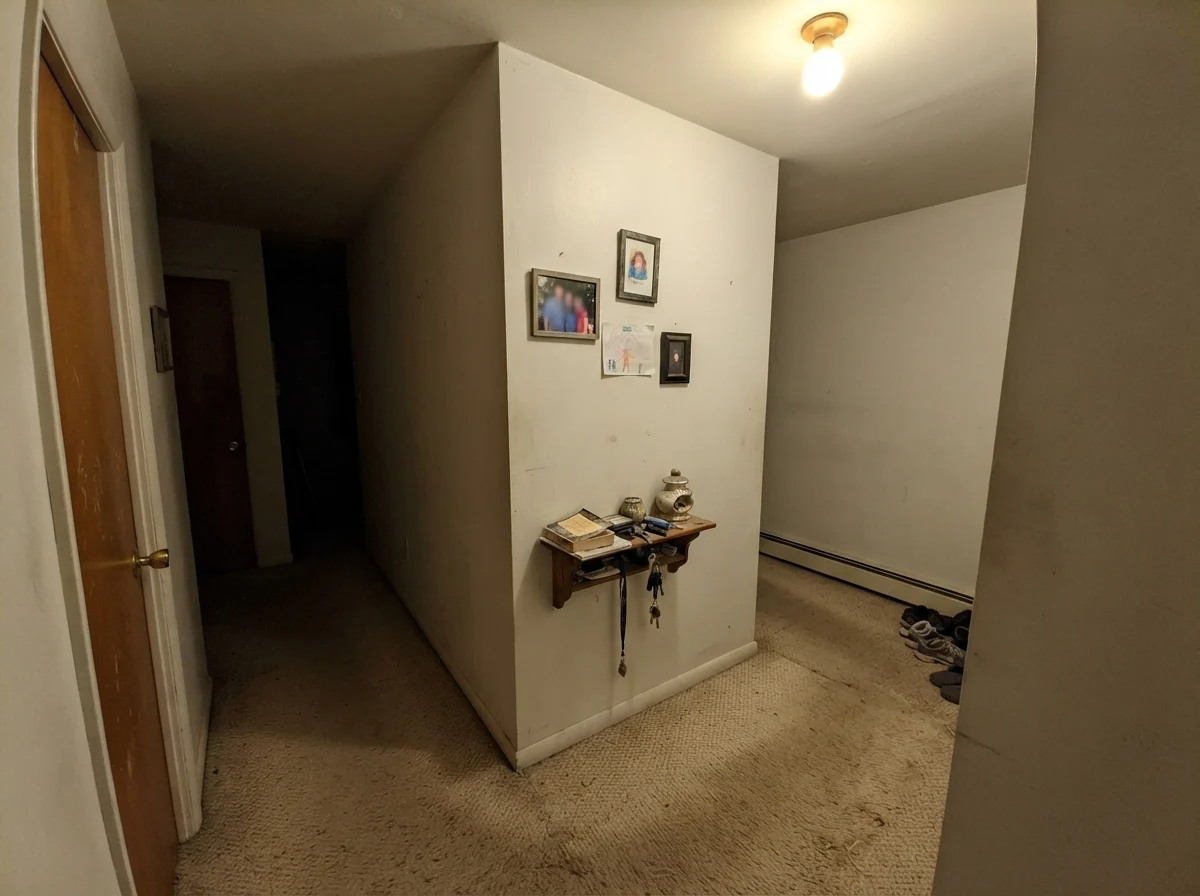
By coat two over the old builder beige, I was ready to cry. The wall still looked like cloudy dishwater. By coat three, my shoulders burned and the old tan was still shadowing through around the door frames. By coat four, the hallway was finally pure, blinding, gallery-crisp white—and suddenly our standard ceiling looked like someone had smoked cigars in the attic for twenty years.
That is the reality of living with Chantilly Lace. It is not cream, it is not greige, and it is certainly not a forgiving off-white. At a Light Reflectance Value (LRV) of 91, it sits at the absolute top of the spectrum. It is pure, unfiltered, untinted brightness in a can. When it works, it makes a home feel fresh, architectural, and completely intentional. But after repainting every room in three houses over thirty years, I can tell you that pure white demands respect—and a very realistic paint budget.
How Daylight Dictates the Mood
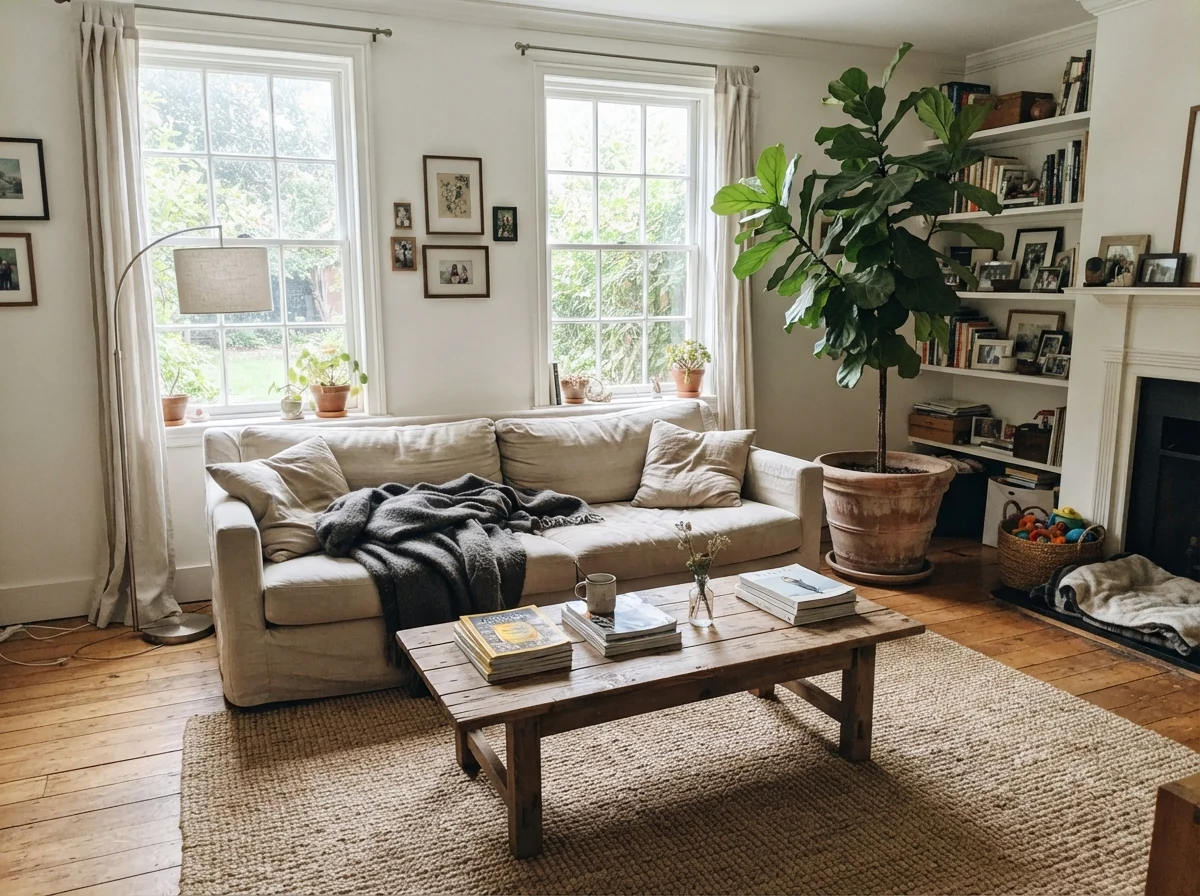
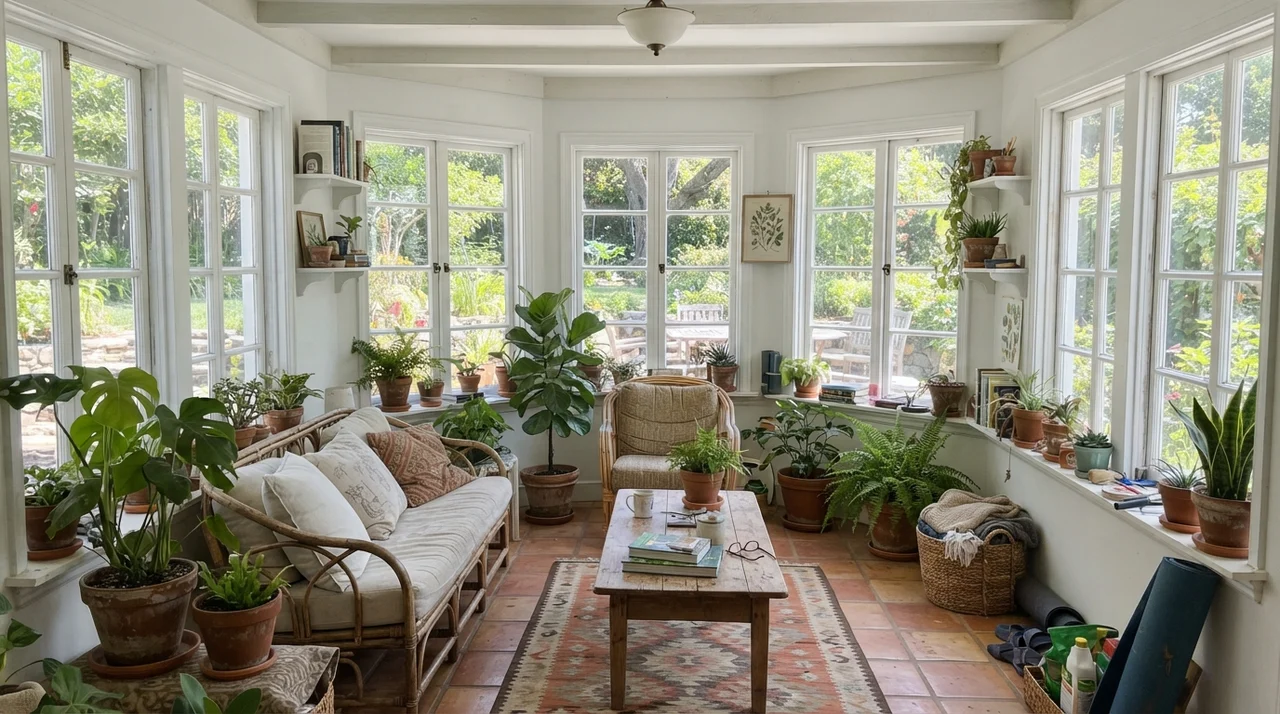
Because there is virtually no colorant in the base to push back against outside light, Chantilly Lace reports the truth about your exposures. If your room faces south or west, the bright sun warms up the surface just enough to keep it from feeling clinical. You get that airy, modern freshness that looks so effortless in design magazines.
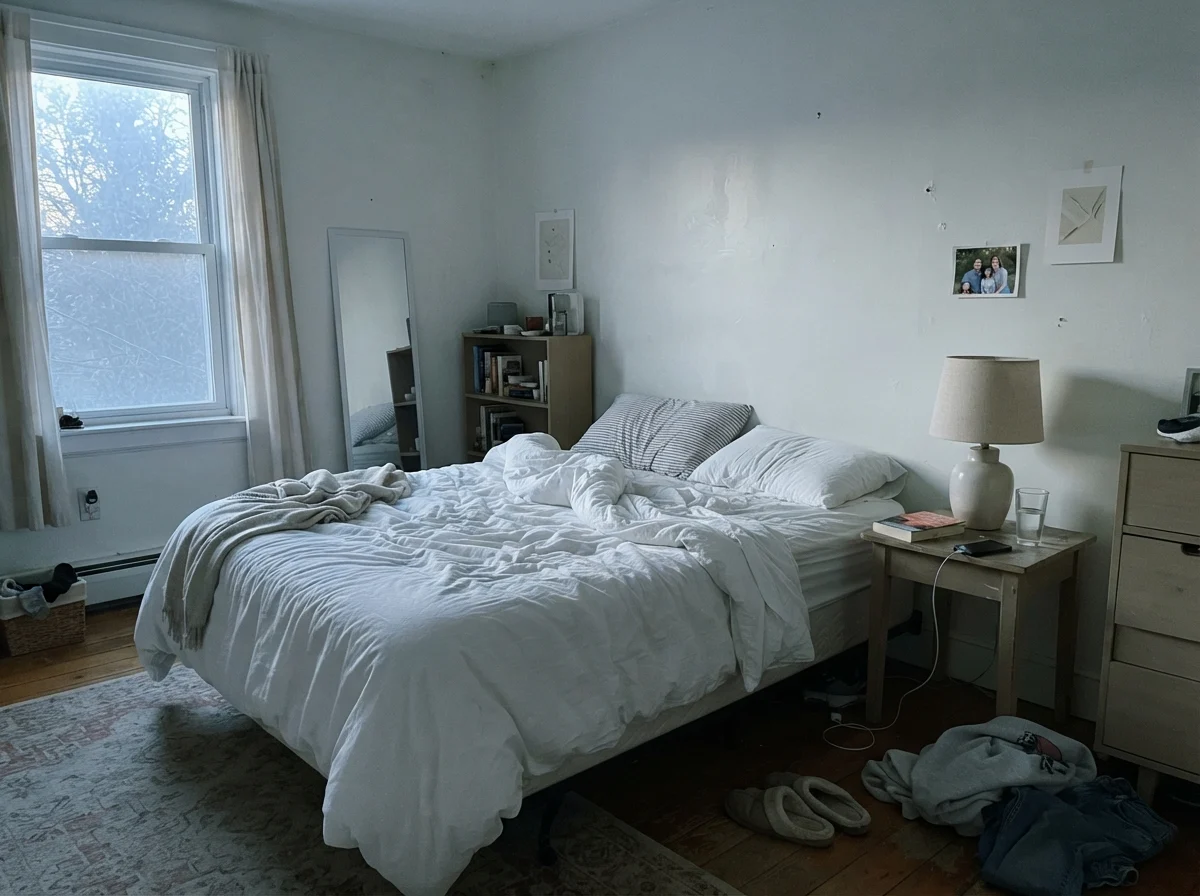
In cool northern exposure or under heavy winter cloud cover, however, the color has no warm pigment to fight the gray chill. It will read cool, flat, and faintly blue-gray. Five years in, I have learned never to force Chantilly Lace into a dim north-facing bedroom unless you are prepared to layer heavily with warm wood, wool blankets, and 2700K lighting.
The Kitchen Test: Where It Truly Shines
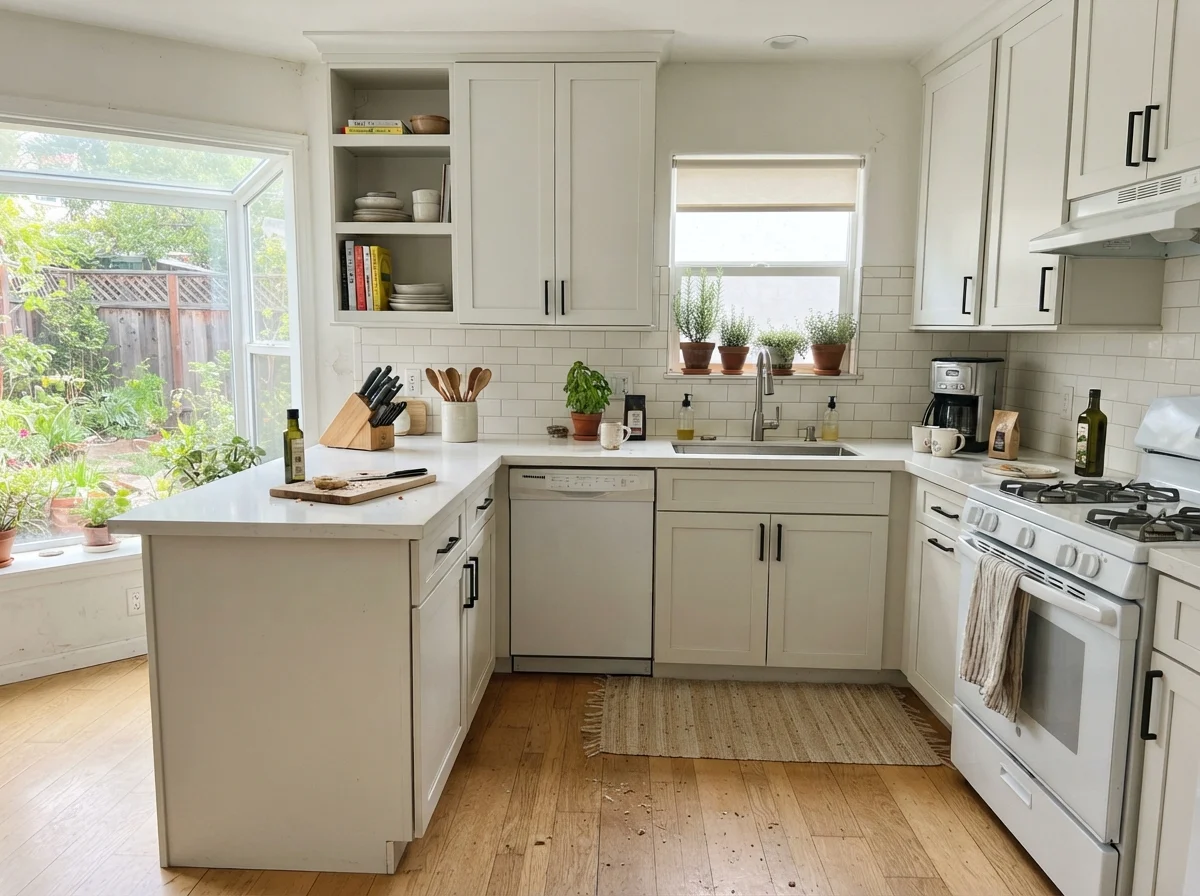
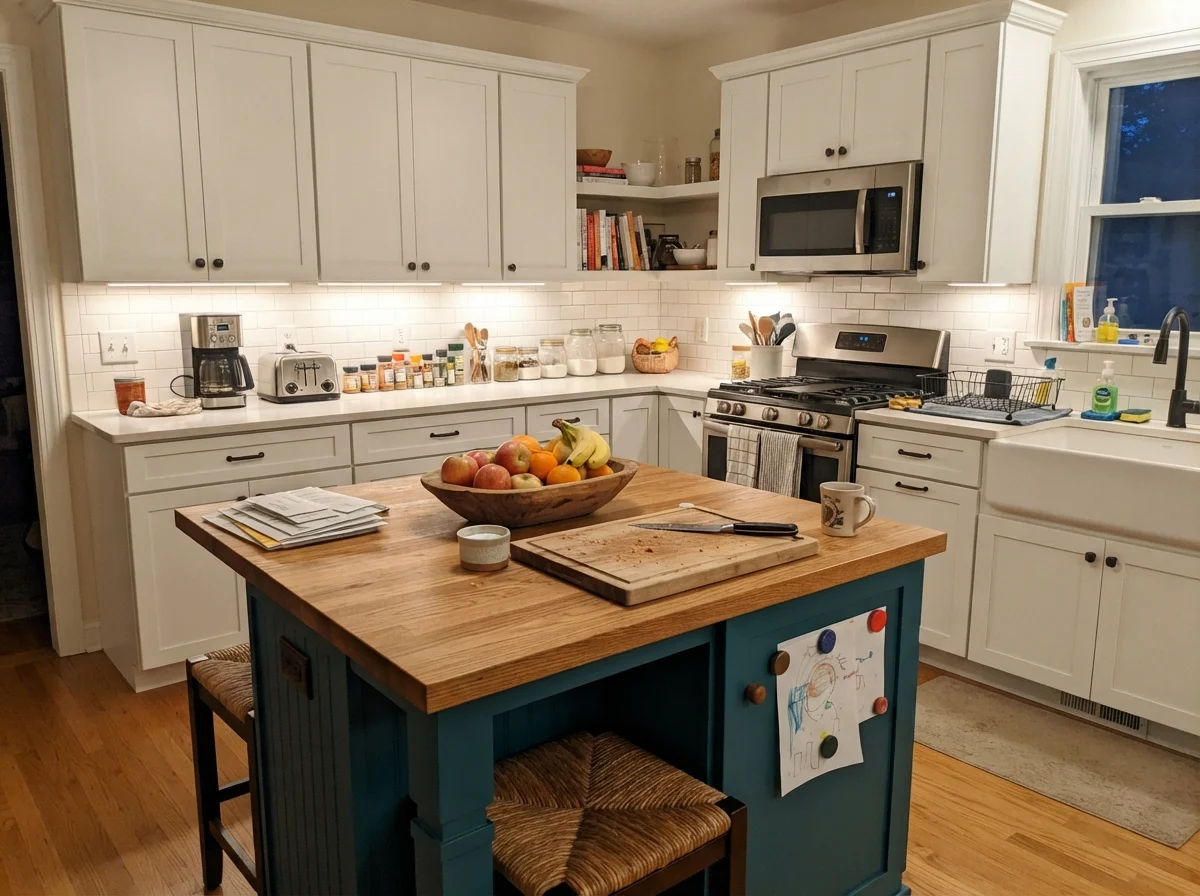
If you ask me where Chantilly Lace is worth every single penny and every ounce of prep work, it is in the kitchen. When we renovated our current 1960s ranch kitchen, I wrestled with cabinet colors for weeks. If you choose an off-white or cream for your cabinet doors, the minute you install modern white quartz countertops or white subway tile backsplashes, those cabinets can suddenly look yellowed and dingy.
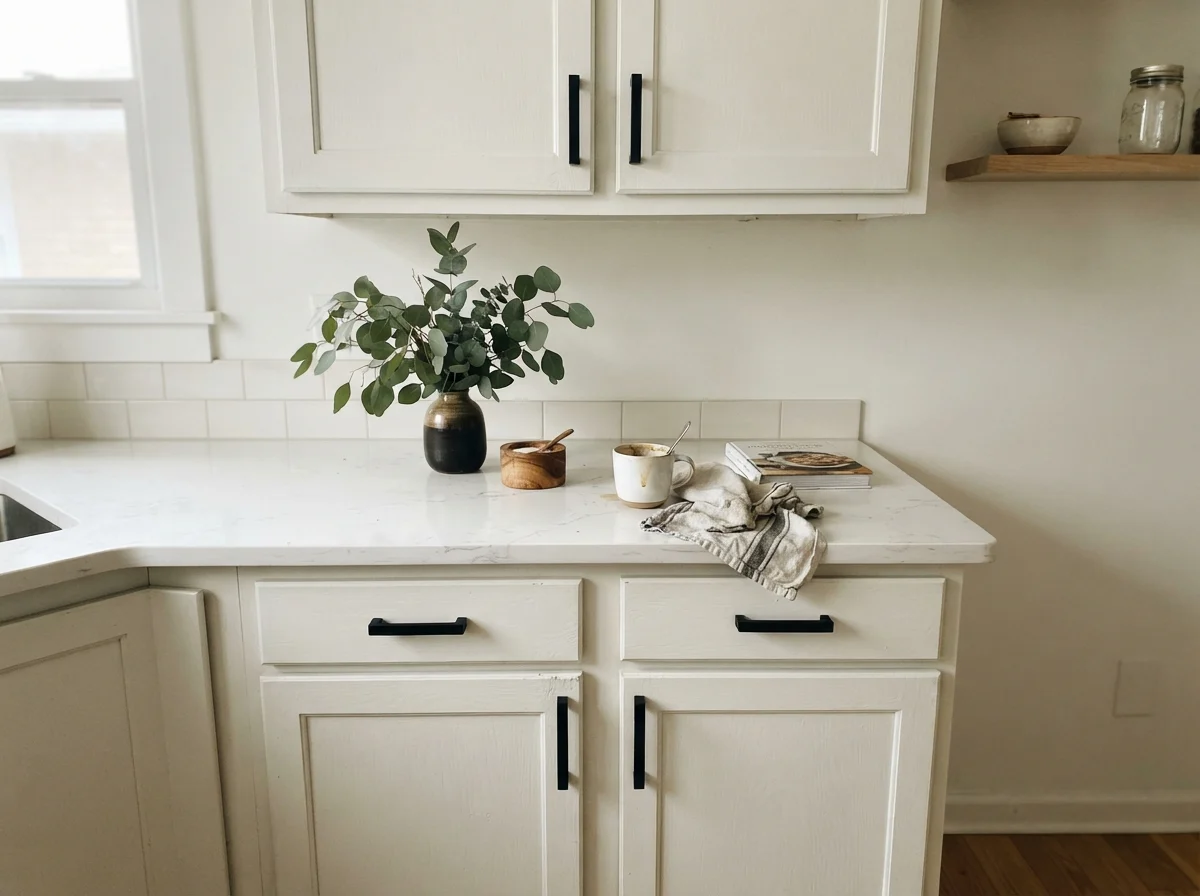
Chantilly Lace solves that dilemma completely. Because it has no muddy undertones, it holds its pure white ground against crisp quartz counters and white ceramic tile. We painted our shaker cabinet uppers and lowers in Chantilly Lace using a satin finish, paired them with matte black hardware, and five years in, they still look crisp, sharp, and immaculate.
Bathrooms and Powder Rooms: Bouncing Every Lumen
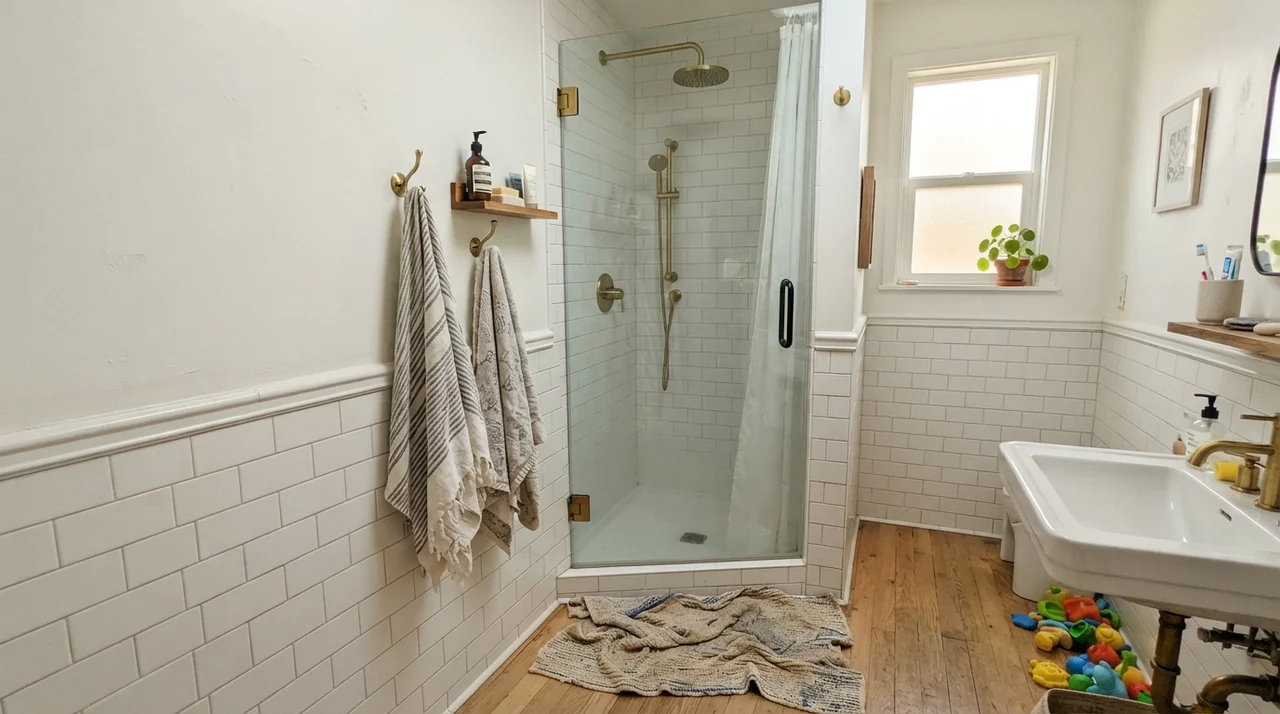
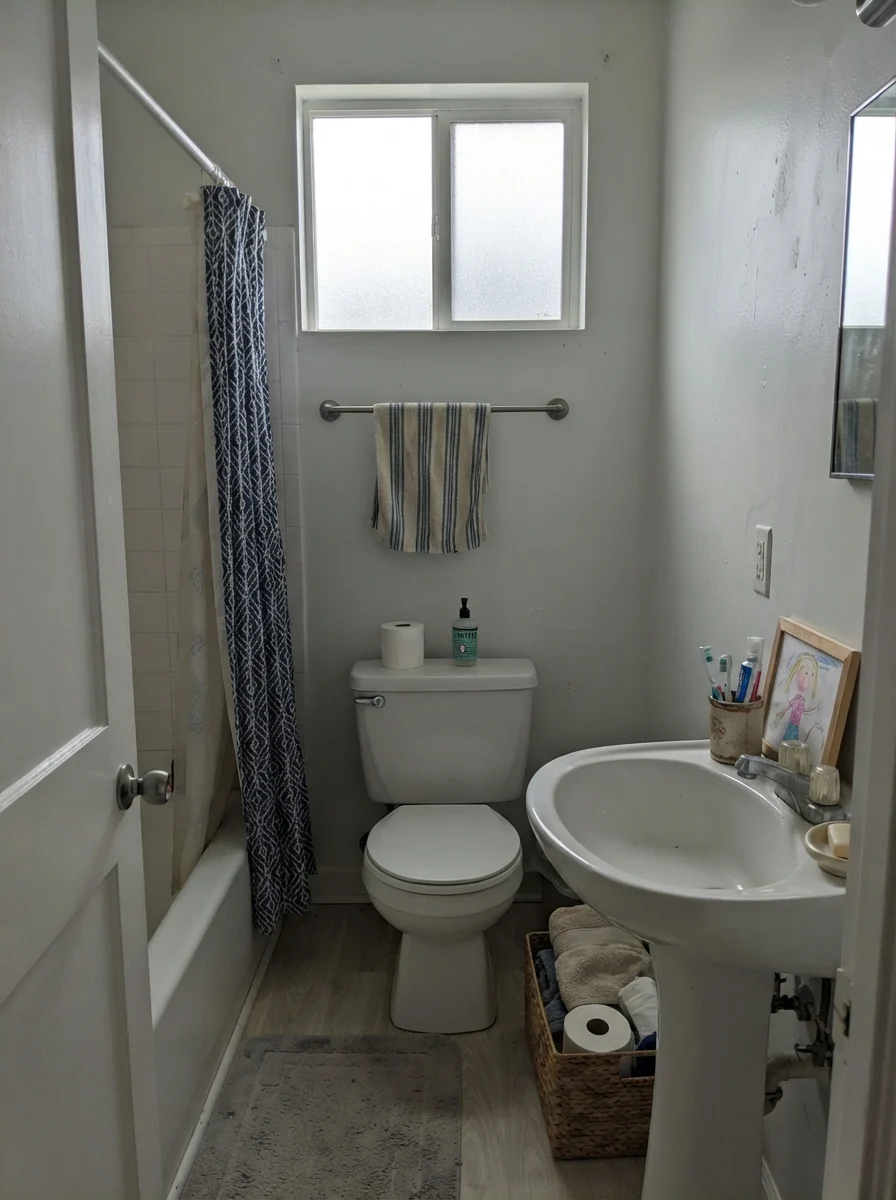
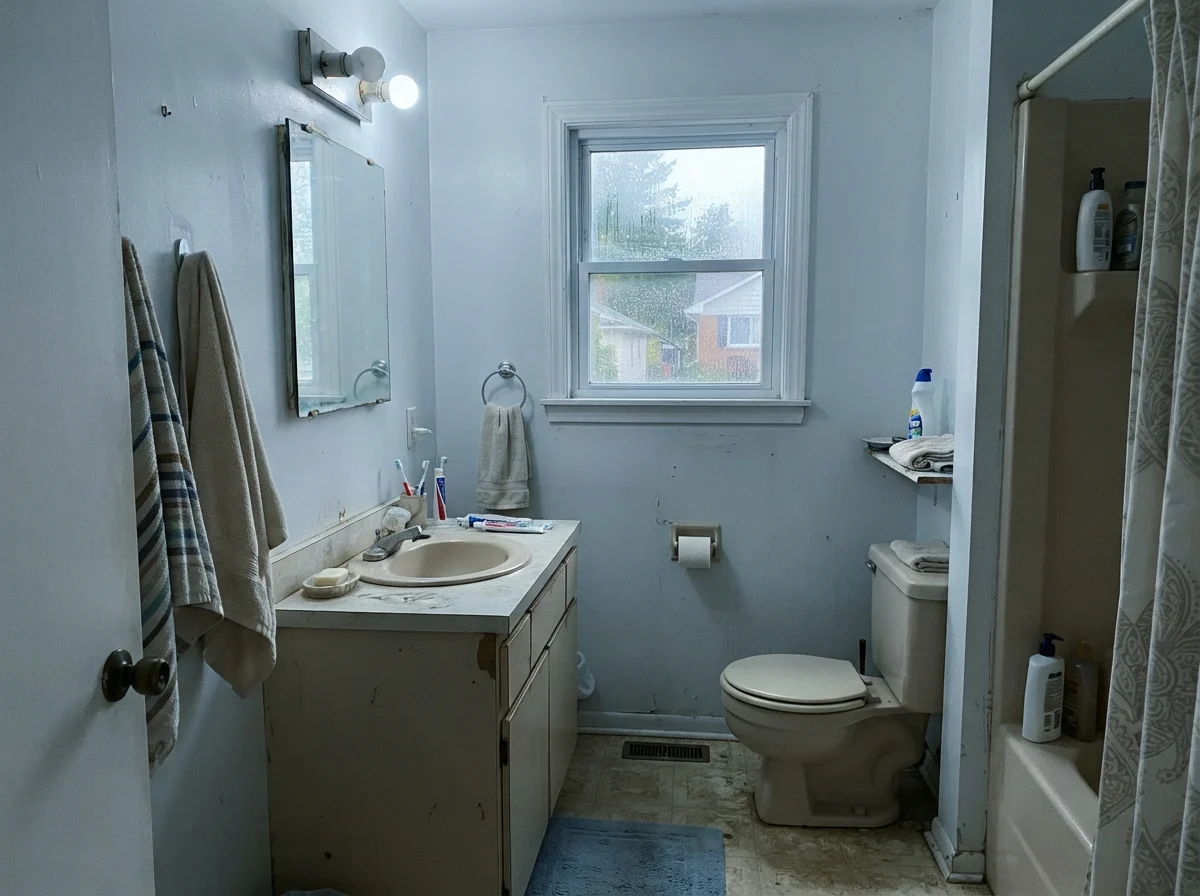
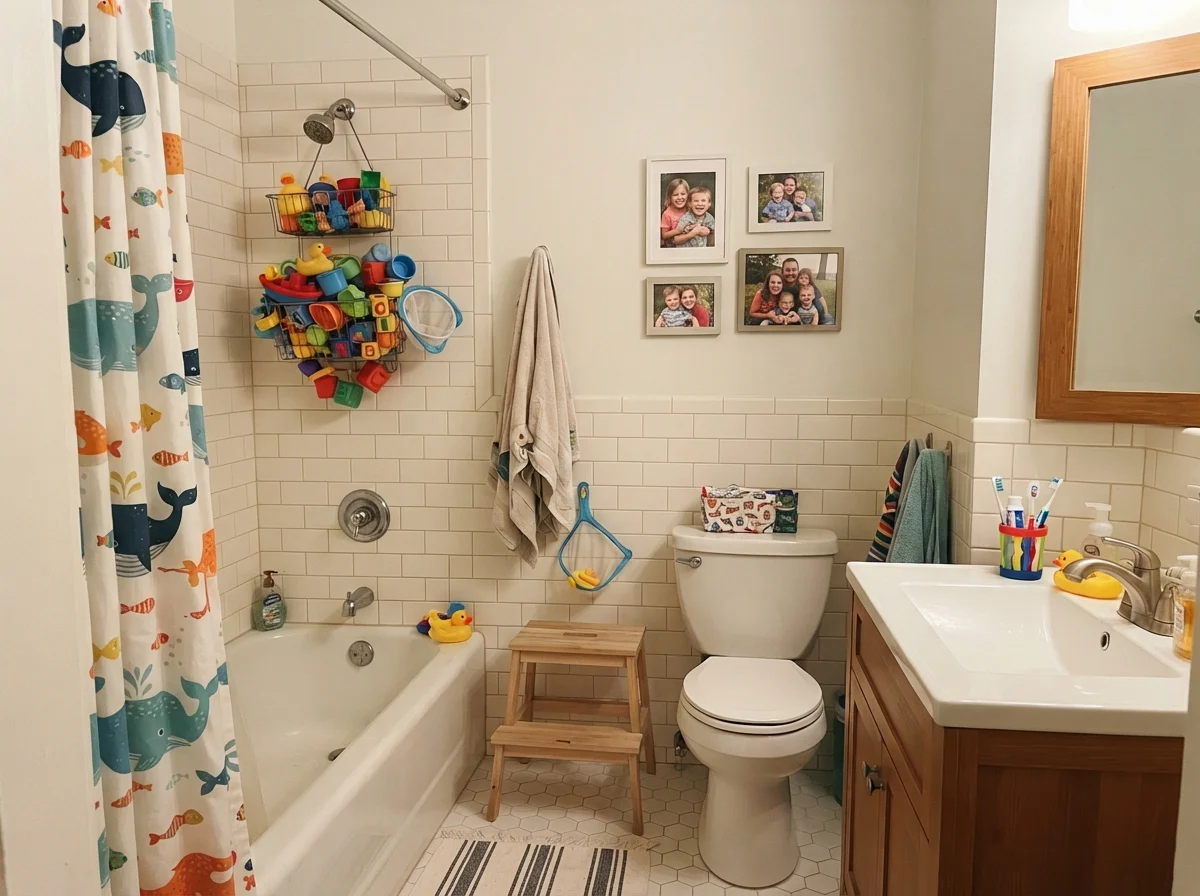
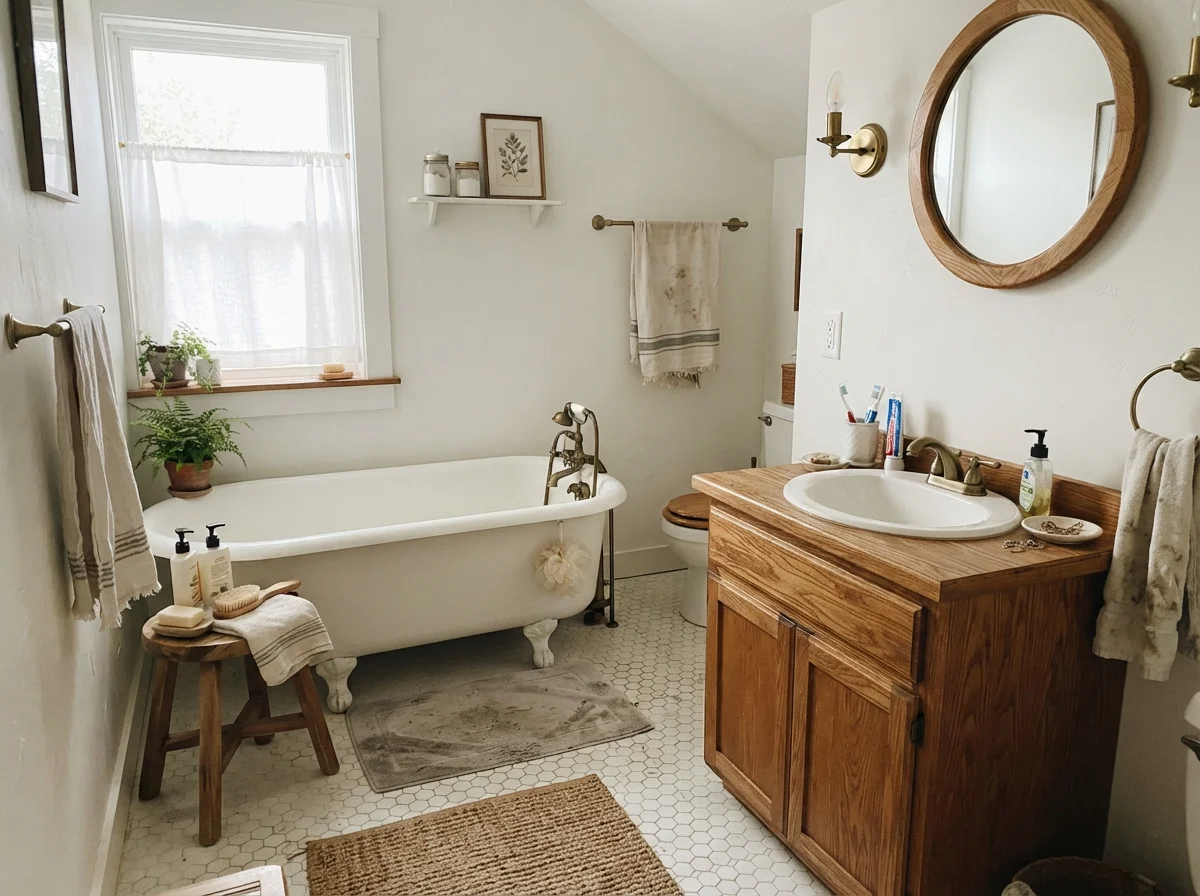
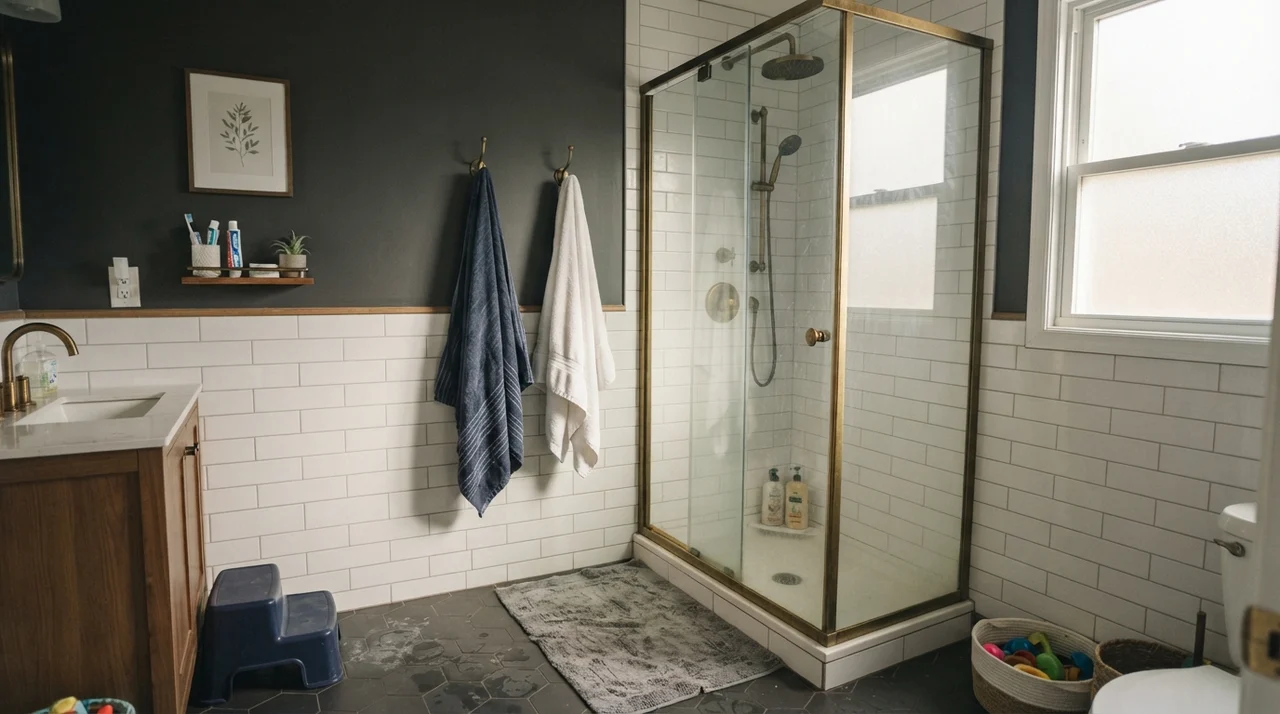
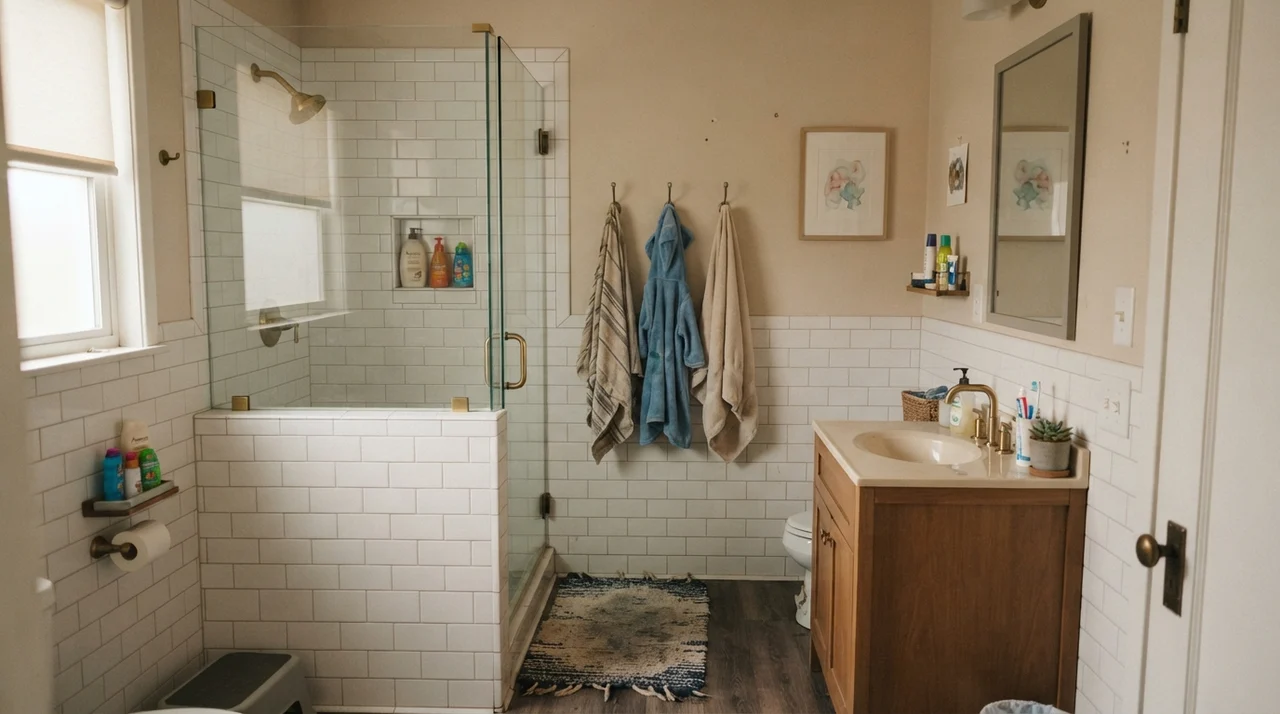
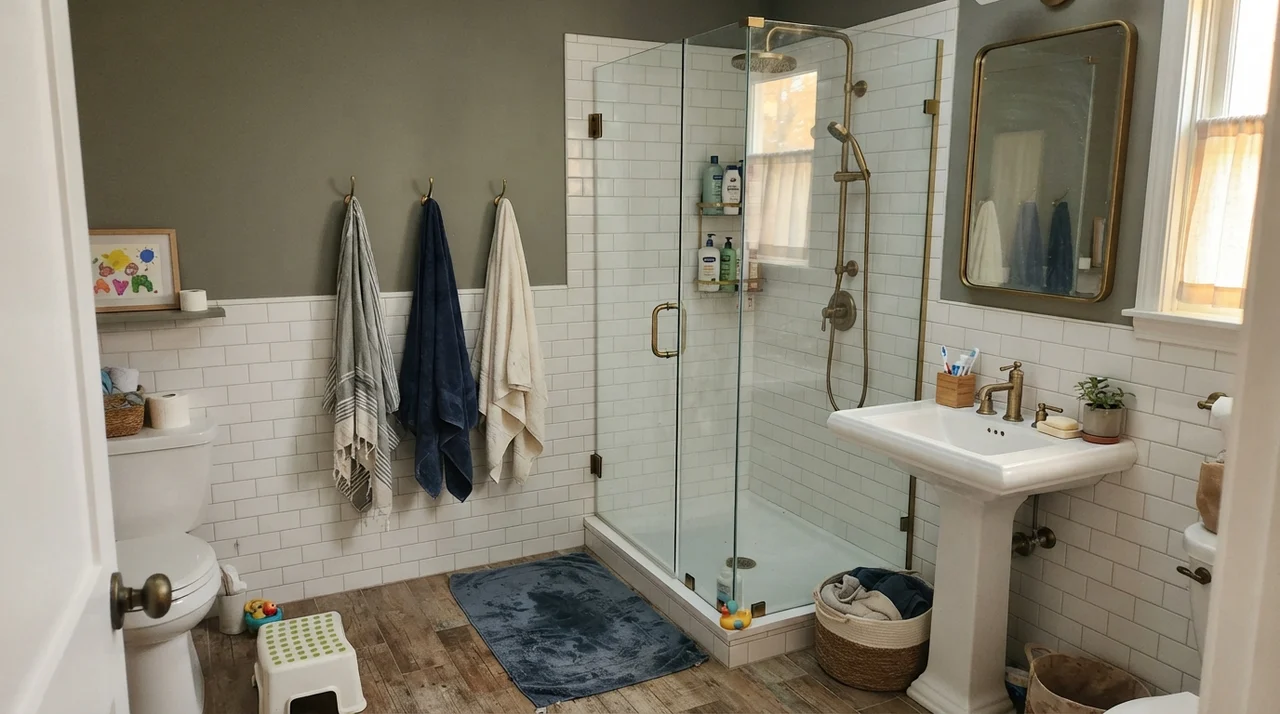
In smaller bathrooms or completely windowless powder rooms, Chantilly Lace is an absolute workhorse. When you have a narrow room with only vanity bulbs to rely on, darker whites and greiges can turn dingy in the corners. With an LRV of 91, this shade grabs every particle of available light and bounces it back into the room.
It also refuses to turn sour next to standard white porcelain plumbing fixtures. Older off-whites often make bathtubs, toilets, and sinks look stark or mismatched. Here, the walls match the clean energy of the fixtures seamlessly. Just be sure to use an eggshell or satin finish on the walls so moisture wipes away cleanly without burnishing the paint.
Bedrooms and Living Spaces: Handling the Warmth
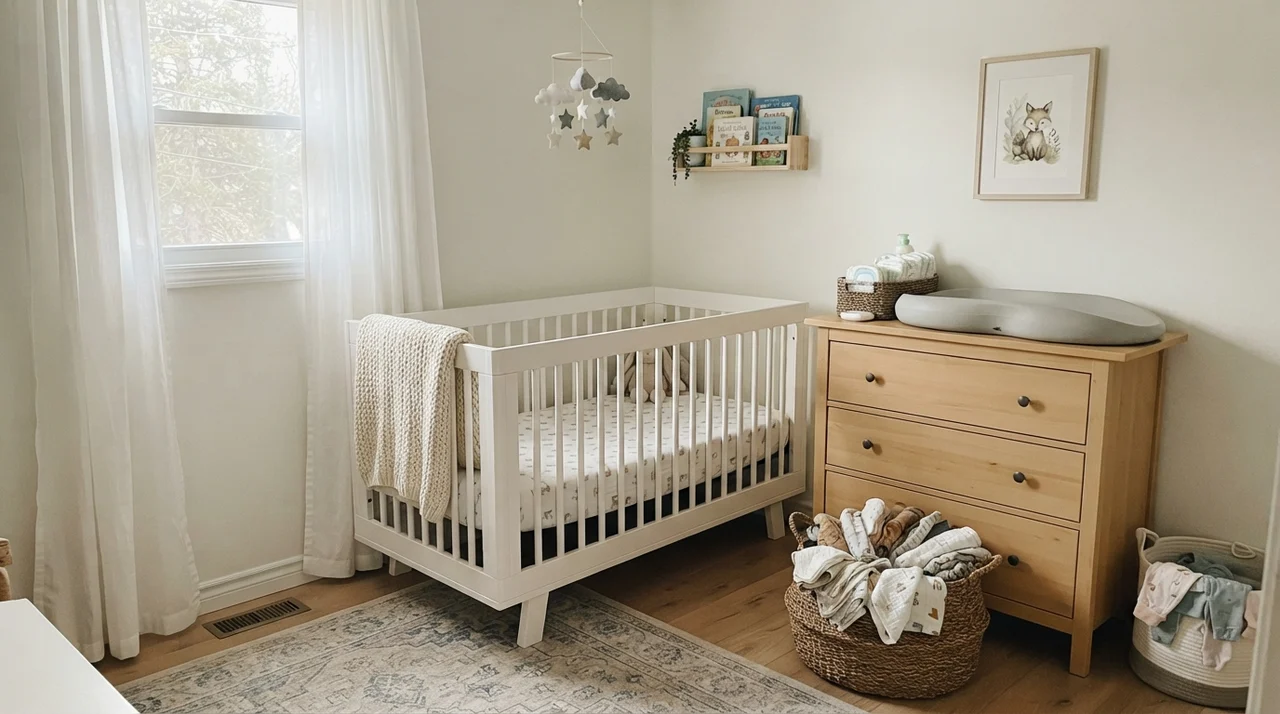
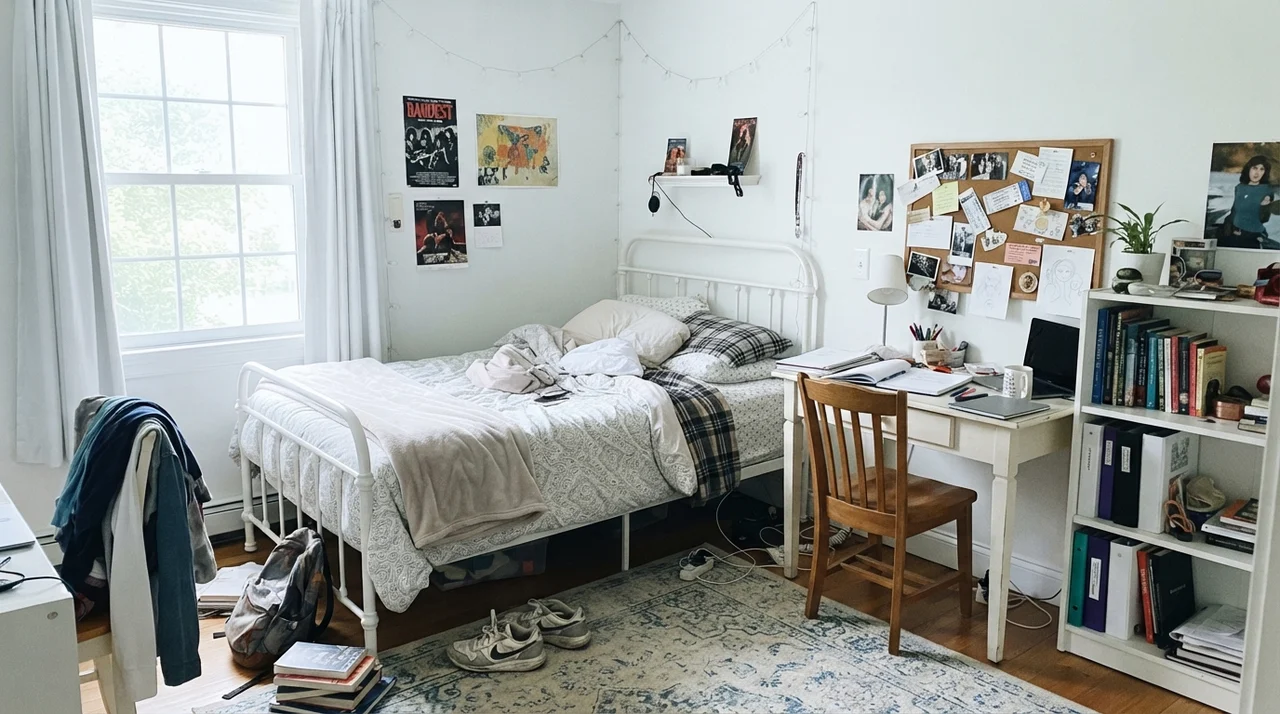
Can you use Chantilly Lace in bedrooms and living rooms? Absolutely, but you have to understand the assignment. If you paint a bedroom wall-to-wall in this shade and throw down cool gray bedding with sleek chrome lamps, you are going to feel like you are sleeping in an optometrist's exam room. It needs textural balance.
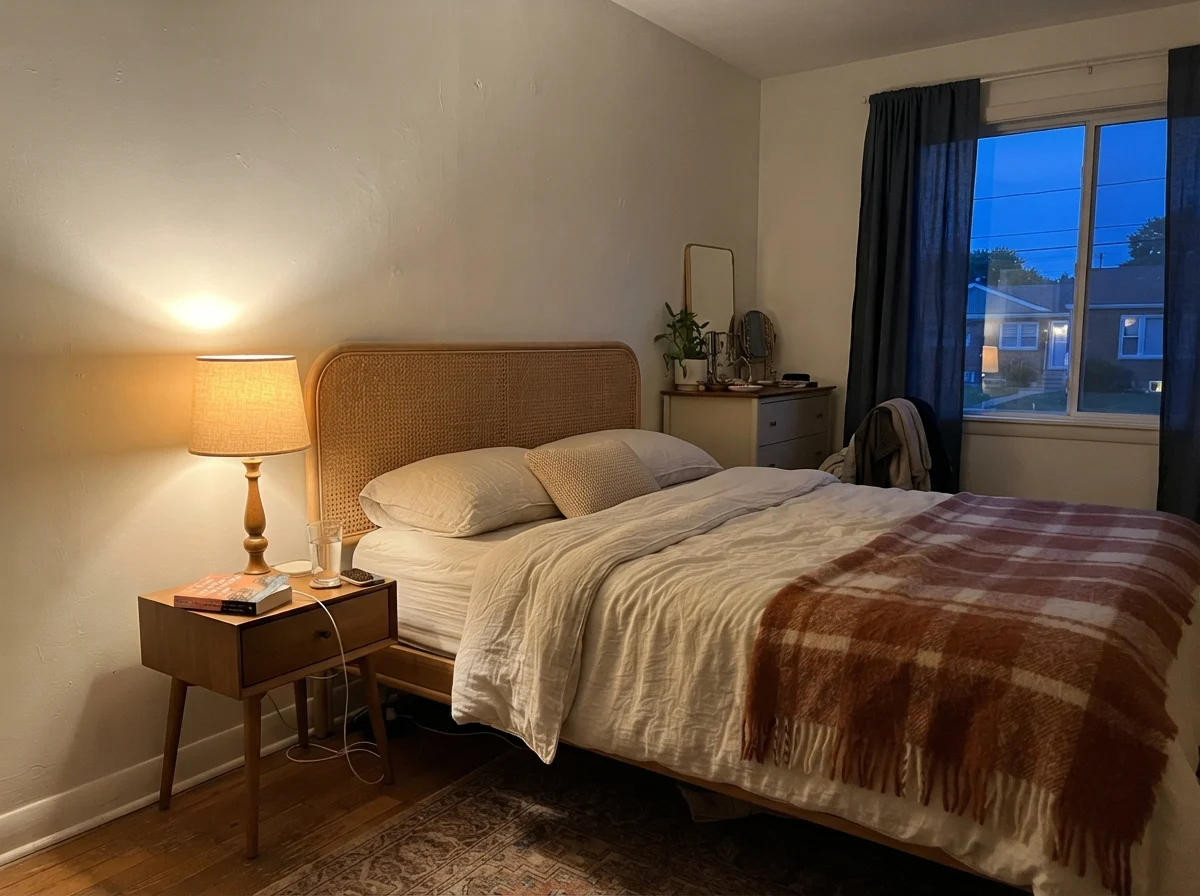
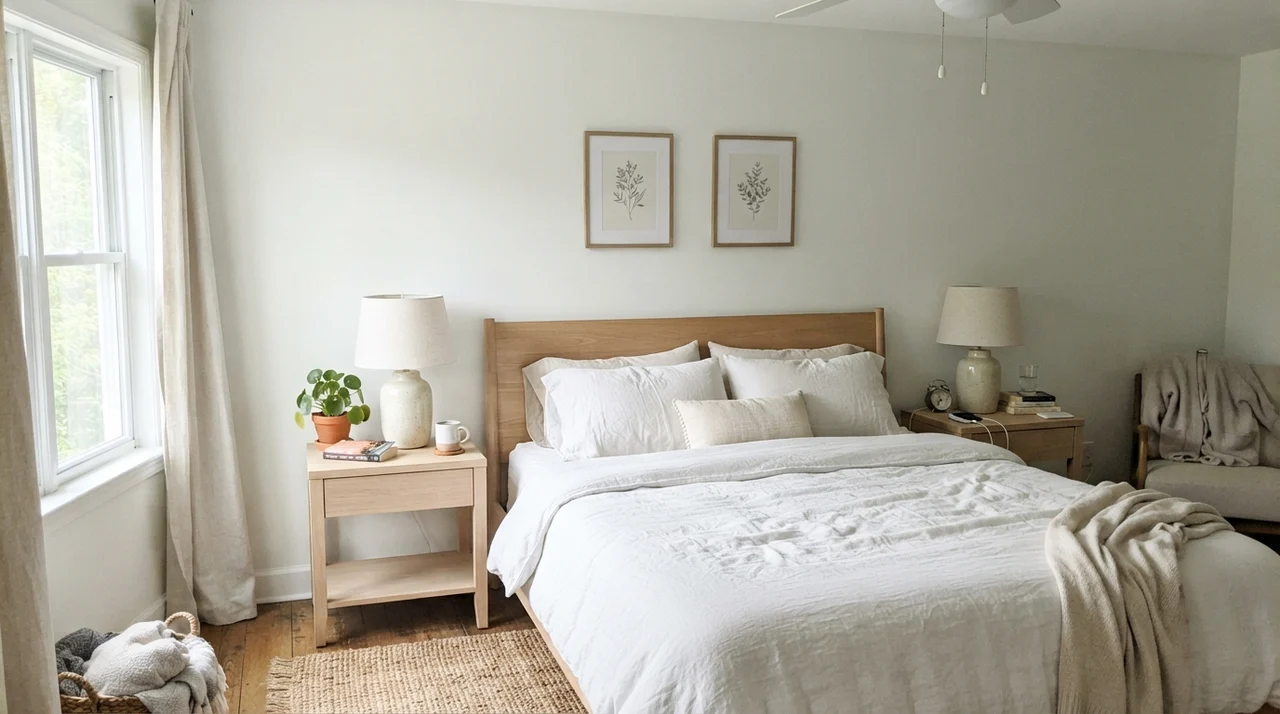
In our ranch's primary bedroom, we balanced the bright walls with white linen bedding, natural pale oak nightstands, and ceramic lamps fitted with 2700K warm bulbs. At night, that warm lamp glow hits the walls and softens the white into a delicate, comfortable ivory. During the day, it feels serene, open, and clean.
Trim, Doors, and Ceilings: The True Safe Haven
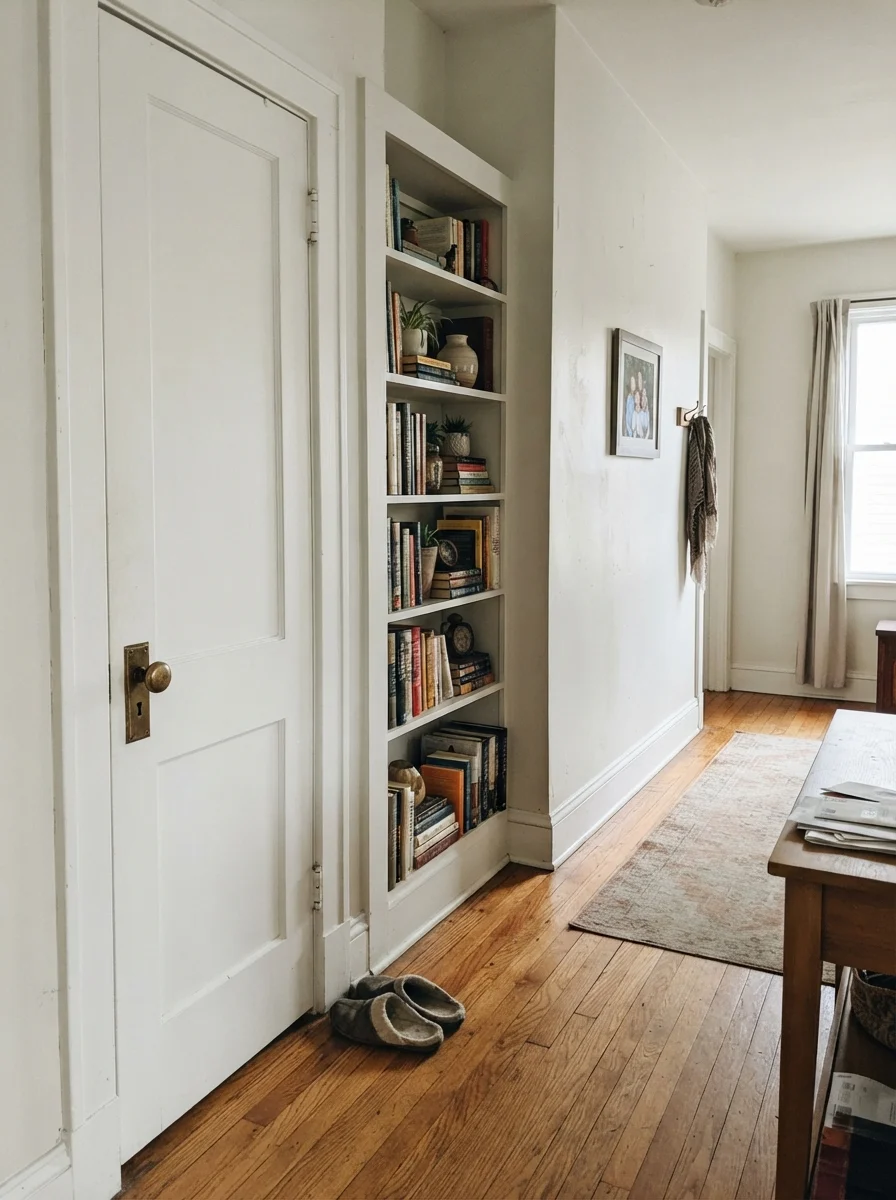
If you are paralyzed by trim choices, here is the honest truth: Chantilly Lace in semi-gloss is the safest trim, door, and millwork color in the entire Benjamin Moore collection. Because it contains virtually no yellow, green, or heavy gray undertones, it does not argue with your wall color.
When we painted our living room in our second house a rich historic greige, we used Chantilly Lace on the baseboards, crown molding, and two-panel interior doors. It created a clean, tailored contrast that framed the wall color without muddying it. On ceilings, using it in a flat finish ensures you never get that strange yellow flash that older builder-grade ceiling paints display when the afternoon sun cuts across the room.
The Honest Fail: The Three Ways Chantilly Lace Bites You
Chantilly Lace has very few negative reviews about the color tone itself. Almost every complaint I hear from neighbors and readers boils down to three predictable mistakes that you can avoid if you know what to look for before opening the can.
1. Poor Coverage Over Existing Paint: There is almost no tint in the base can. That means hiding power is weak. Professional painters will tell you plainly: expect three coats on new drywall, and four full coats if you are trying to roll over an older tan, beige, or golden wall. It is not a bad batch of paint, and it is not your roller cover. If you don't budget for the extra coats or use a dedicated high-hiding white primer first, you will run out of paint halfway through your project.
2. The North Light Trap: In a dim, north-facing room with small windows, this shade simply has no warmth to give. It reflects the cool gray sky outside and can read chilly, flat, and uninviting, especially through long winter months. In those spaces, you are far better off with a white that has a gentle drop of warm pigment.
3. The Dingy Ceiling Comparison: Chantilly Lace is so pure that it wins every comparison in the room. If you roll your walls in Chantilly Lace and leave your old standard builder-white ceiling or yellowed cream baseboards alone, that old white will instantly look dirty, dingy, or faintly peach. If you choose this paint for the walls, you must commit to repainting the ceiling and trim, or choose a softer white wall color that lets your existing millwork survive.
That purity is the whole product and also the whole problem: with almost no pigment in the can, it covers badly, mirrors your light instead of correcting it, and makes every older white in the room look dirty.
Five Years In: Durability and Living with Pure White
Whenever people ask about white walls, their first question is always about fingerprints and scuffs. After raising children and living through multiple family dogs in three houses, here is what I have learned about living with Chantilly Lace long-term.
Because the color is so pure, dirty handprints near light switches and scuffs along the baseboards will show up faster than they would on a mid-tone greige. That is simply the tax you pay for bright white walls. However, in a quality eggshell finish, high-grade Benjamin Moore paint scrubbed clean easily with warm water and a soft microfiber cloth. As long as you don't use abrasive scrubbing pads that burnish the sheen, it holds up remarkably well over years of daily family life.
Where people get into trouble is touch-ups. Because Chantilly Lace takes three to four coats to build proper opacity, dabbed brush touch-ups two years later can flash if they are applied thinly over a dark mark. When touching up, feather your brush edges carefully or plan to roll the entire small wall section corner-to-corner. When we sold our colonial, doing a quick single-coat refresh over our previous Chantilly Lace baseboards took only an afternoon and made the entire house look move-in ready for prospective buyers.
Why is Chantilly Lace taking so many coats to cover?
Chantilly Lace has almost no tint or pigment in the base can, which means it has very low natural opacity. On fresh drywall or over existing beige and tan walls, expect three to four coats for full solid coverage. Priming first with a dedicated high-hiding white primer will save you time and paint.
What sheen should I choose for Chantilly Lace in each room?
For walls, eggshell offers the best balance of cleanability and soft light diffusion. For baseboards, doors, and crown molding, use semi-gloss. For kitchen and bathroom cabinets, satin is ideal. For ceilings, stick strictly to flat to avoid unwanted light glare.
Does Chantilly Lace look yellow under indoor lamps?
Under standard warm 2700K incandescent or LED bulbs, Chantilly Lace softens toward a gentle ivory at night. If you prefer to keep its daytime crisp gallery-white appearance after dark, use 3500K to 4000K bulbs in your fixtures.
Can I use Chantilly Lace on my exterior siding?
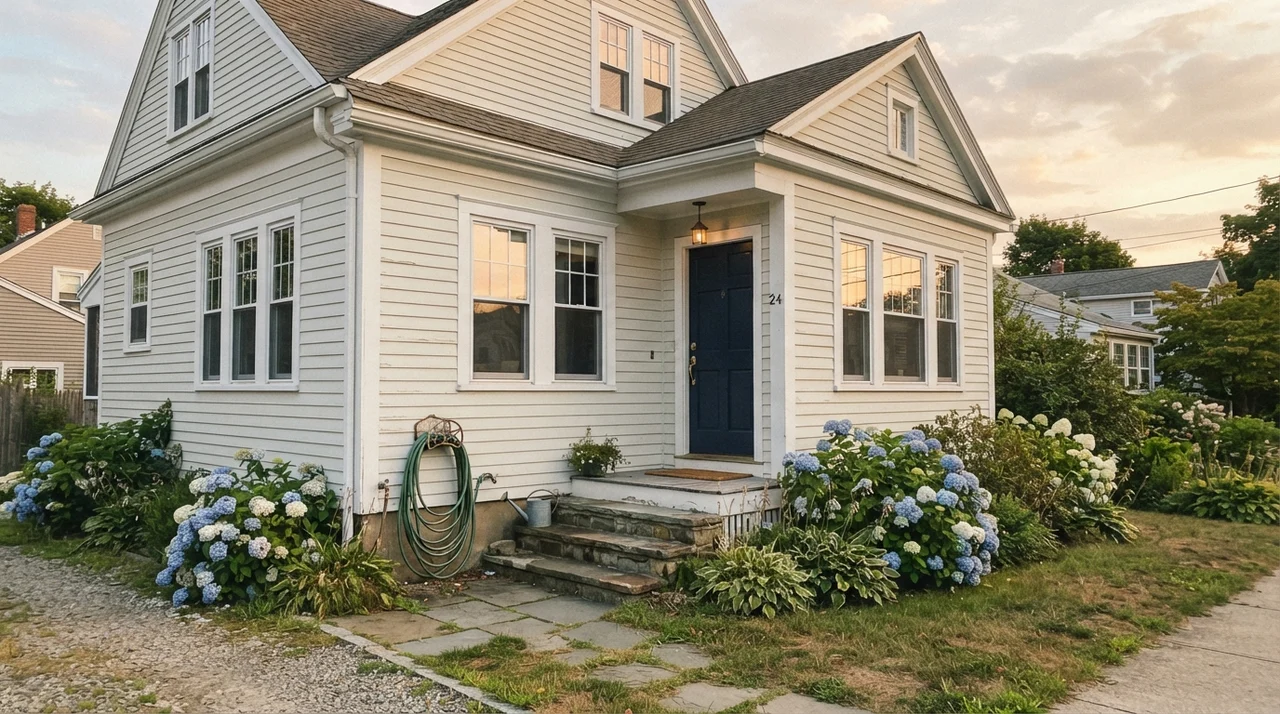
Yes, Chantilly Lace makes a stunning exterior siding color when paired with clean white trim and high-contrast accents like a dark navy or black door. In direct full sun, it reads as a brilliant, crisp white without looking harsh.
Susan's Verdict · The Clean Gallery Standard
Benjamin Moore Chantilly Lace is the truest, cleanest white on the market, but it is not a low-effort paint. If you have the patience to prime properly, budget for three coats, and repaint your ceilings so they don't look dingy by comparison, it rewards you with unmatched architectural clarity that stays timeless year after year.