Color Diary · No. 104
How Sherwin-Williams Natural Tan Behaves Five Years Past the Swatch
A grayed tan at LRV 65, reviewed honestly: the whole-house walls where it stays quiet, the north light that turns it pink or flat, and what to pick instead.

Susan HartleyOctober 31, 2026 · 16 min read
Natural Tan · Sherwin-Williams SW 7567
Hex#DCD2C3LRV65Undertonesgreen-gray → dusty pink → soft tan
When we moved into our 1990s colonial twelve years ago, every square inch of drywall was coated in a builder-grade beige that leaned so aggressively toward mustard you felt like you were living inside a manila envelope. My first instinct back then was to swing hard in the other direction. I rolled a crisp cool gray across the entire central hallway on a sunny Saturday afternoon, admired my handiwork for roughly forty-eight hours, and then spent the next three winters wondering why my foyer felt like an abandoned parking garage in February.
That is the trap of whole-house neutrals. You either end up with a yellow that feels sticky by year two, or a modern gray that robs every stick of wood furniture you own of its natural warmth. In our last house, finding the middle ground became something of an obsession. I needed a paint that could connect four distinct rooms, carry daylight down a flight of stairs without turning murky, and sit peaceably against thirty-year-old oak floors. That search eventually led me to Sherwin-Williams Natural Tan (SW 7567).
Natural Tan sits at a light reflectance value of 65. If you have spent any time staring at paint decks, you know LRV 65 is an exceptionally practical number. It means the paint bounces back sixty-five percent of the light hitting it—high enough that a dim hallway won’t feel like a tunnel, but substantial enough that crisp white or warm cream trim has something genuine to cut against. It does not pretend to be an off-white, and it refuses to behave like the heavy khakis of the late nineties. But like every paint that tries to walk a tightrope, it has quirks that no paper chip will ever tell you about.
The Green-Gray Core and the North-Light Blush
The biggest misconception about Natural Tan is in the name itself. You buy a can expecting a warm, sun-baked brown diluted with cream. What you actually pour into the tray is an orange-family neutral anchored by a quiet green-gray cast. That faint green-gray note is precisely what keeps the color from turning into honey-orange in strong afternoon sun. But strip away the sun, and the paint reveals a completely different character.
warm sun
overcast, north light
dusk, rain, cool bulbs
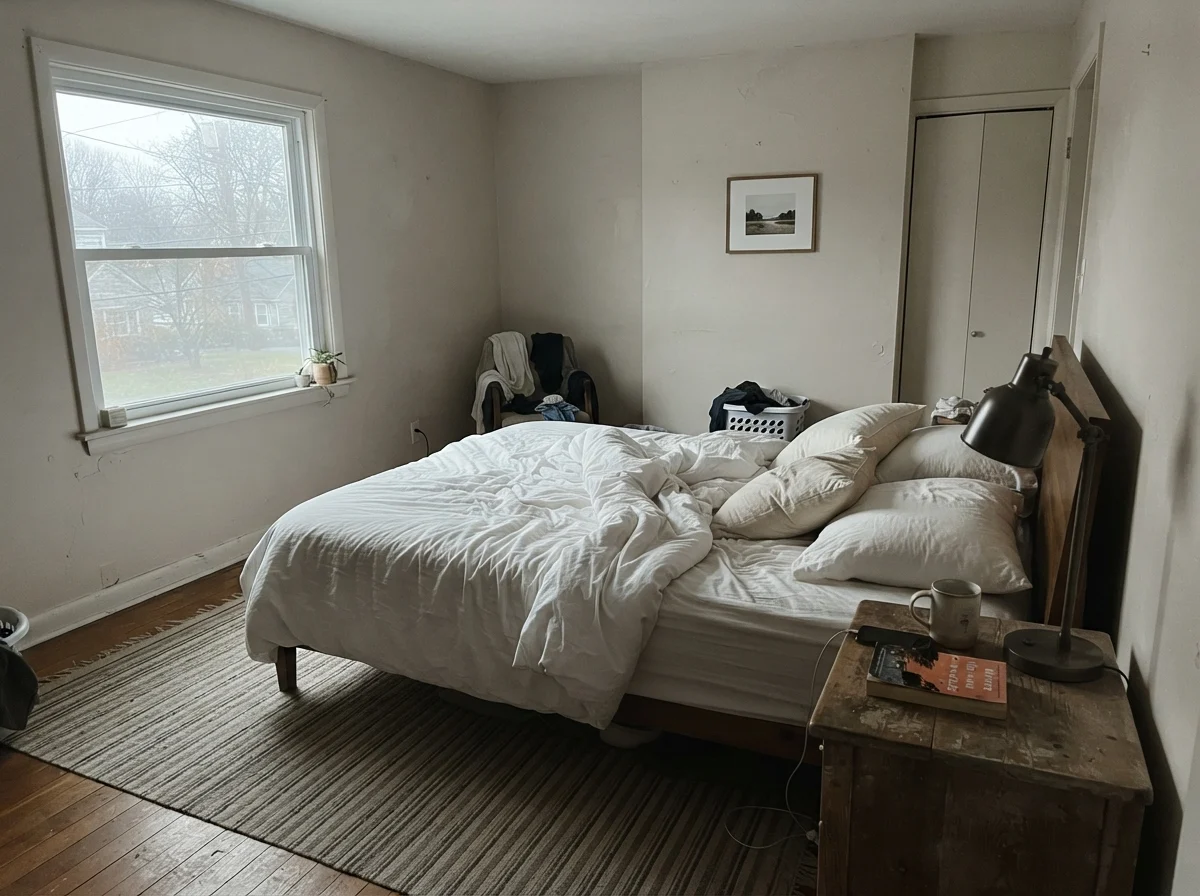
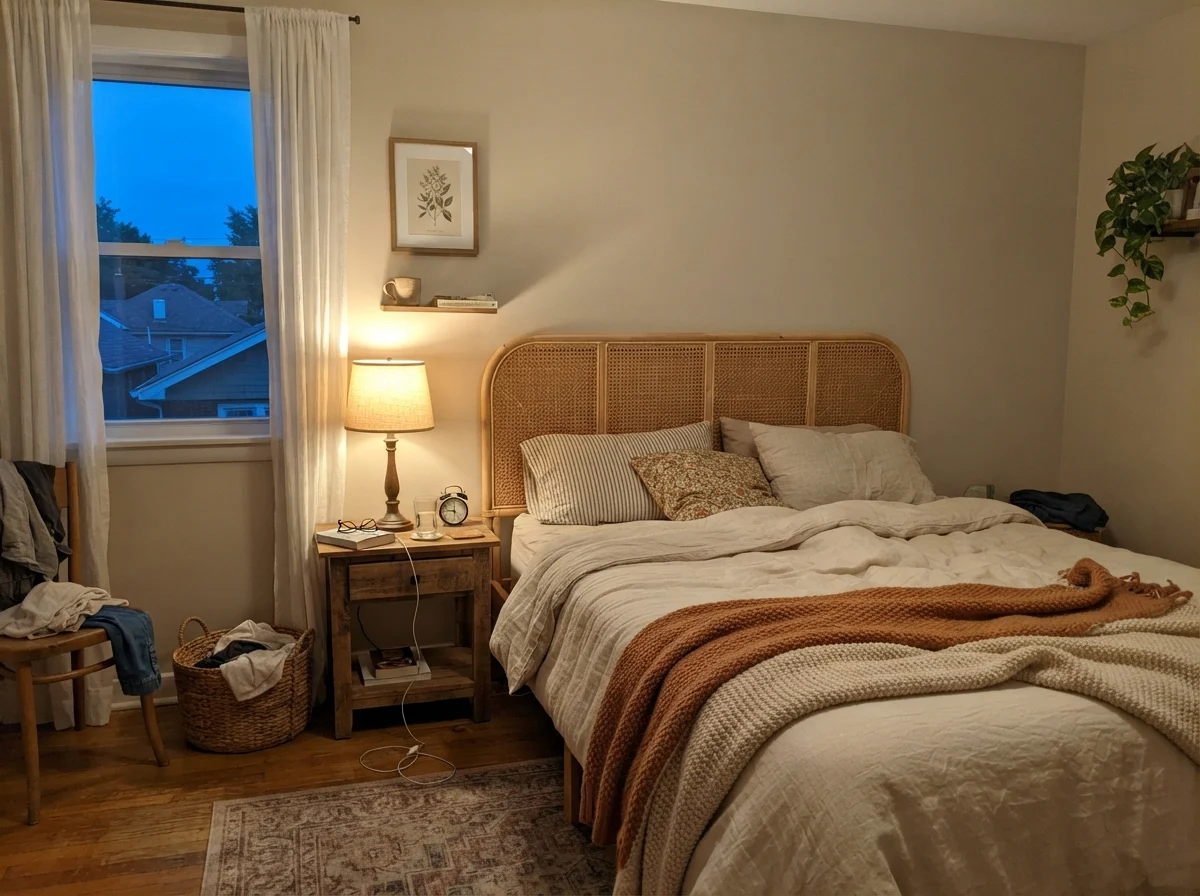
Natural Tan shifts from a balanced, grayed tan under direct southern sunlight to a flat putty on overcast days, and can flash a faint dusty pink under cold northern daylight.
Elmira WhiteBenjamin Moore · see diary
Natural LinenSherwin-Williams · see diary
Natural TanSW 7567
Fine GrainDunn-Edwards · see diary
Warm PuttyValspar · see diary
How Daylight Directs the Show
Here is what happens when you live with Natural Tan across real seasons: morning light and evening lamplight are two entirely different animals. In cool early daylight, particularly in rooms where windows look out onto trees, the yellow and tan pigments step back. What remains is a soft, grayed neutral that can feel a touch pale if the room lacks architectural detail.
Come evening, however, the transformation is immediate. Under a 2700K incandescent or warm LED lamp, the tan comes forward in the most flattering way imaginable. It becomes cozy without ever turning into the heavy almond cream that looked dated within six months back in 2004. But if your light bulbs are 4000K daylight LEDs, be prepared for disappointment: cool modern bulbs flatten this color into an uninspired cement gray. If you find yourself hating your walls after dinner, change your light bulbs before you blame the paint.
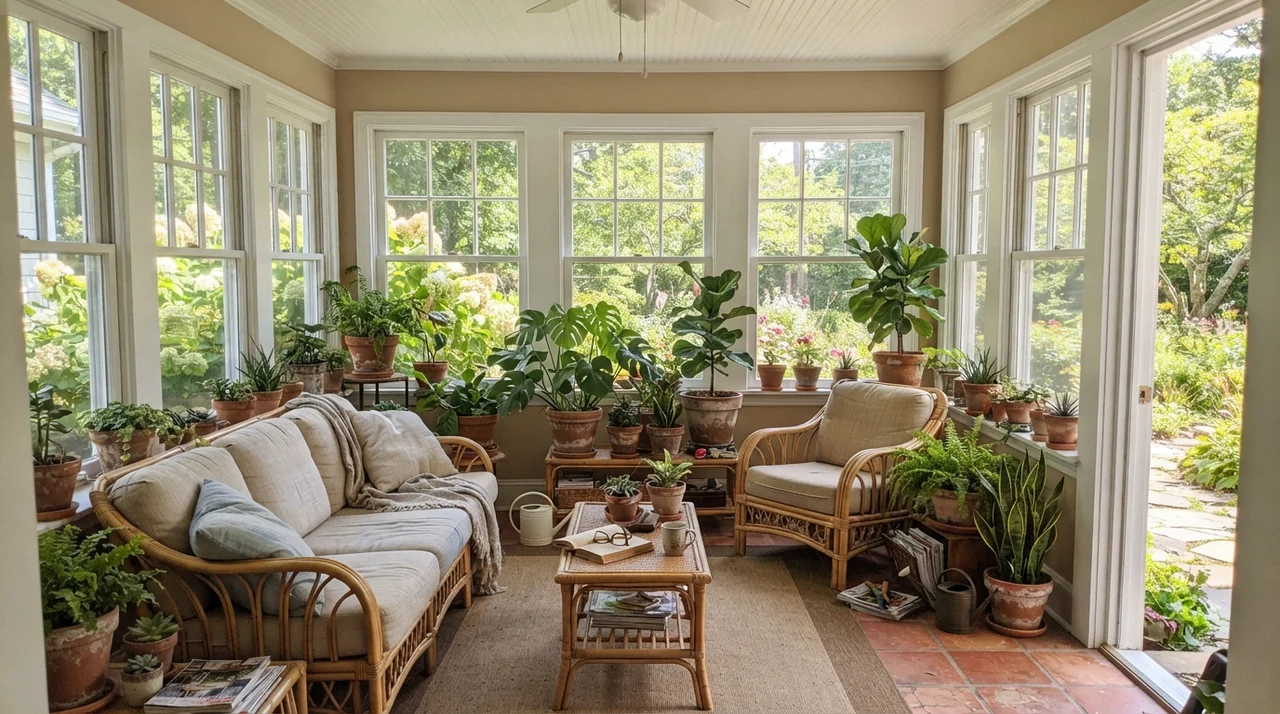
Living Rooms and Sunrooms: Where Natural Tan Earns Its Keep
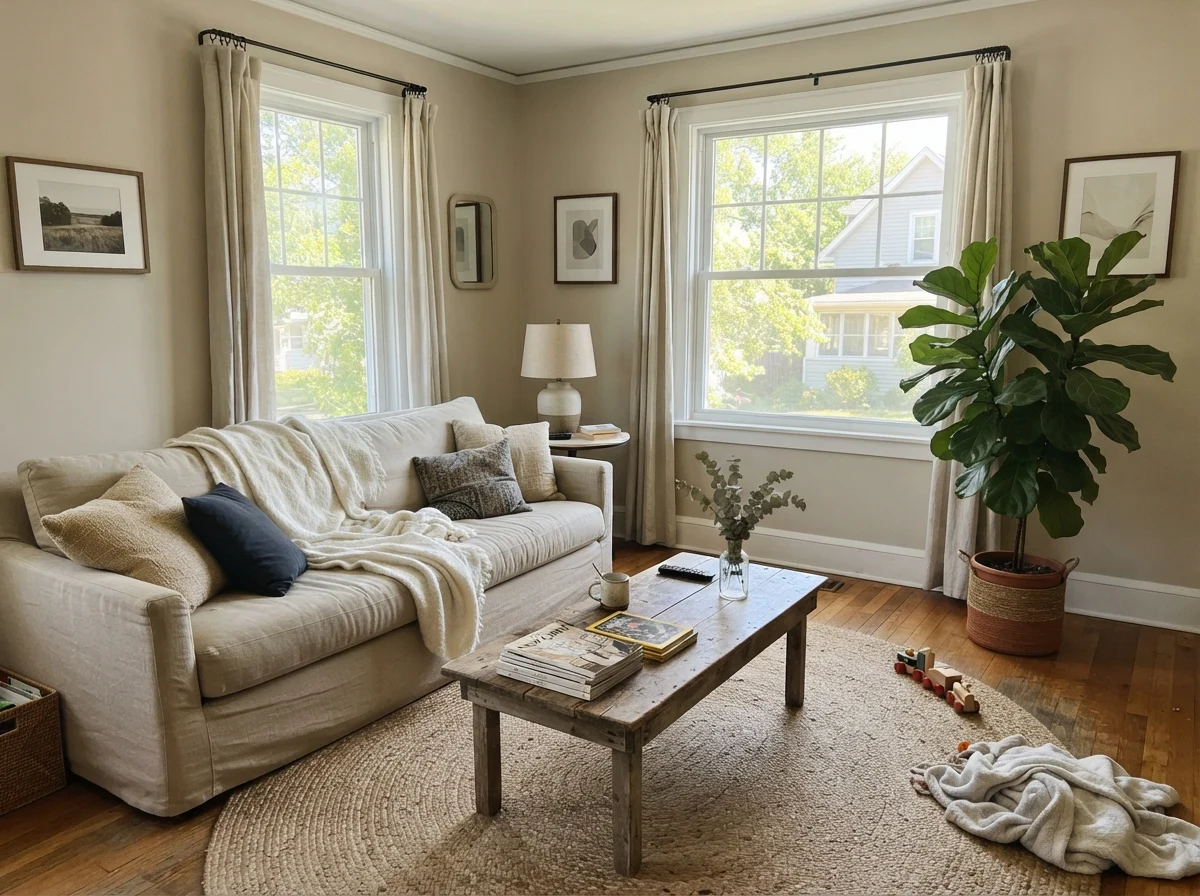
If you have south- or west-facing living spaces, this color is about as foolproof as paint gets. In direct southern light, paint colors with high yellow saturation tend to scream; they get brassy by three in the afternoon. Because Natural Tan has that underlying green-gray temper, it simply absorbs the sun and sits there, looking refined, warm, and entirely steady.
We lived with it in our main family room through three hot summers and three long winters. It never looked sour in July, and it never felt frosty in January. Furthermore, it flatters natural wood better than almost any pale neutral I know. Red oak, white oak, walnut coffee tables, and aged brass fixtures all settle right into it without fighting for attention. The wall simply does its job: it steps back and lets your furniture do the talking.
In the Kitchen: Cabinets, Walls, and Islands
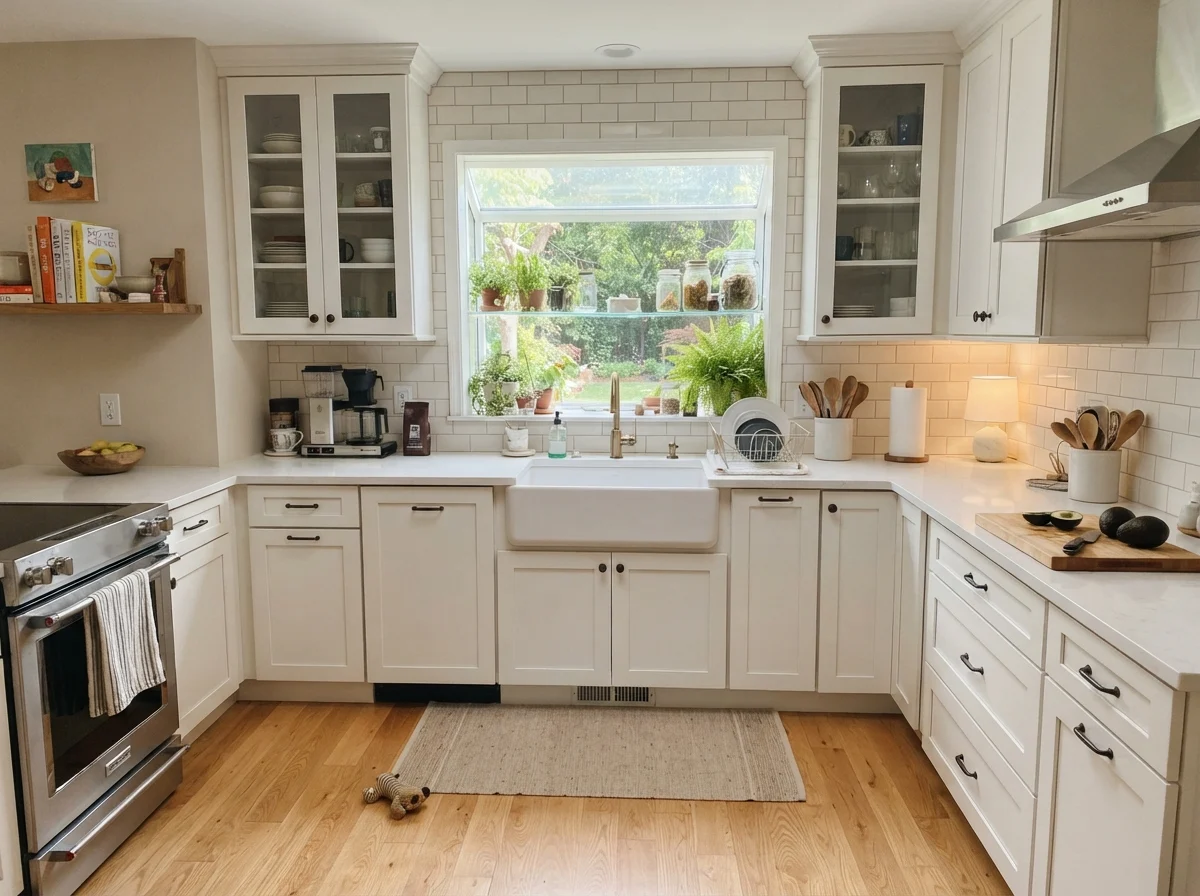
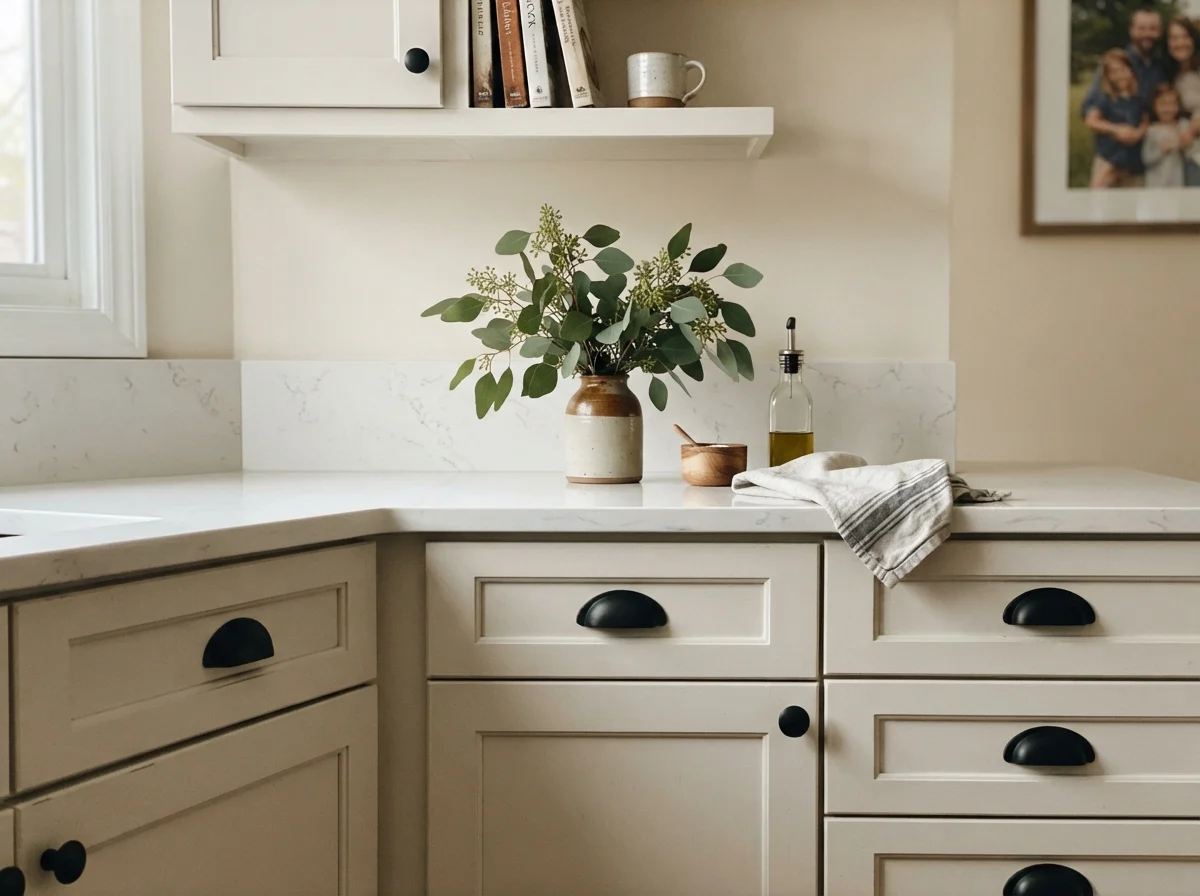
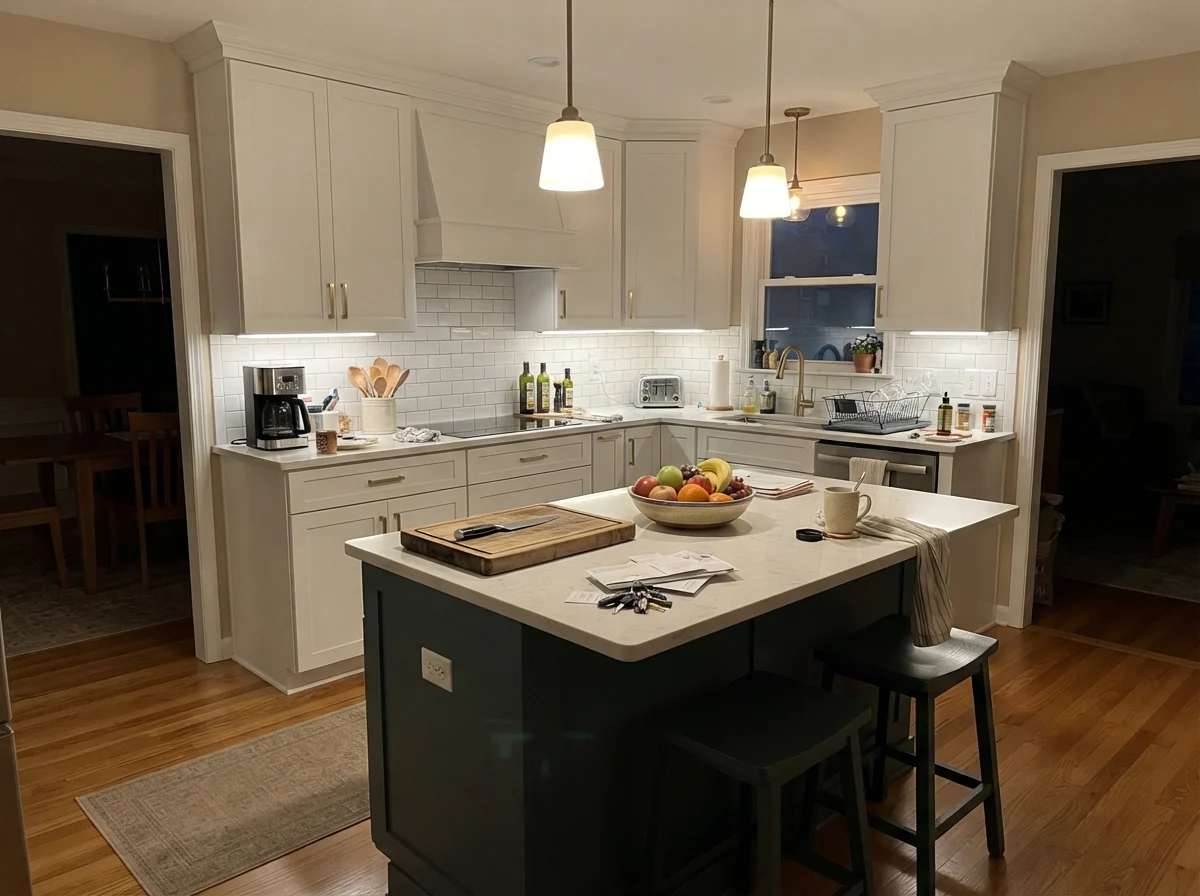
In a kitchen, Natural Tan can play two distinct roles. On the walls, an eggshell finish wraps effortlessly around white or cream cabinetry and handles everyday kitchen steam with ease. But it has also become a quiet favorite for painted cabinetry and kitchen islands, provided you use the right sheen. For cabinets, satin is the only finish worth the money; eggshell lacks the surface tension to survive constant kitchen grease, and semi-gloss can make a soft tan look like plastic laminate.
When brushed onto shaker cabinet doors, Natural Tan provides just enough contrast against white tile backsplashes and pale quartz counters to give a kitchen architectural presence without committing to a dark, moody color you might grow tired of in three years. On an island surrounded by white perimeter cabinets, it grounds the room like a sturdy piece of furniture.
Bedrooms and Quiet Corners
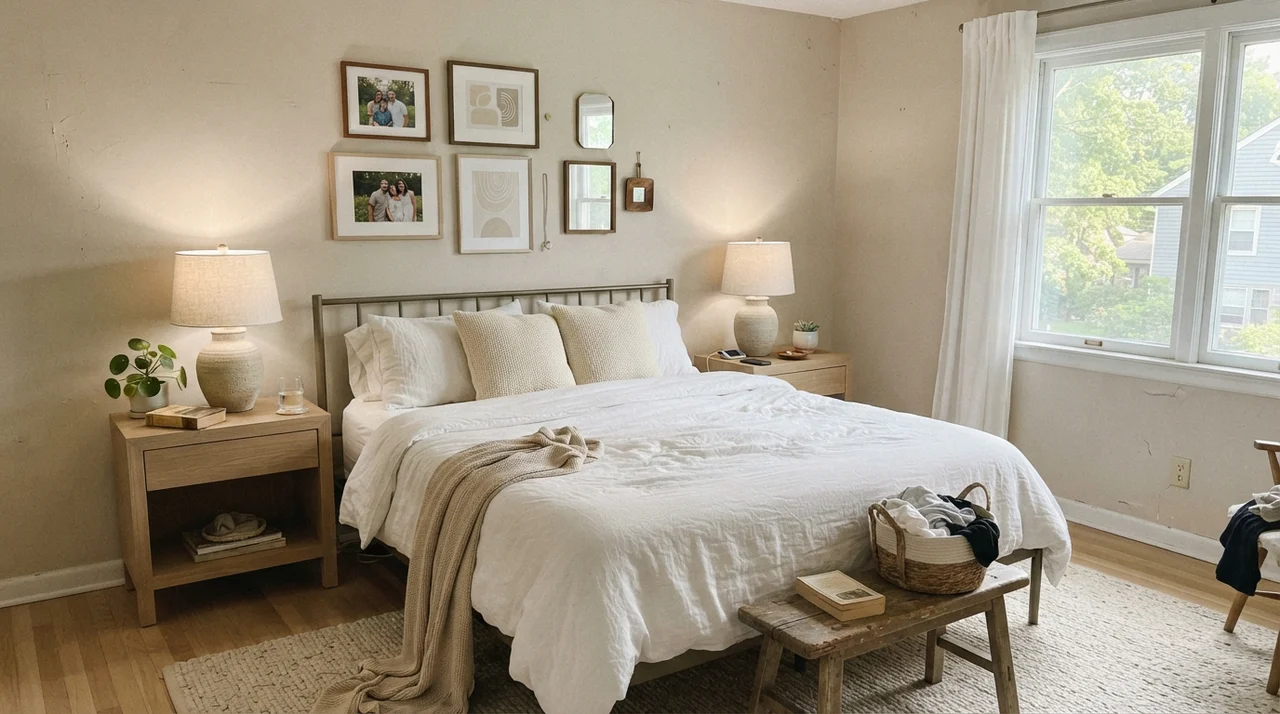
A bedroom should never feel like a design statement you have to live up to when you have the flu. It should be restful, forgiving, and quiet. Natural Tan delivers that kind of quiet dignity in bedrooms with balanced exposure. It wraps around white linens, pale wood dressers, and simple lamps without demanding that you buy matching throw pillows every autumn.
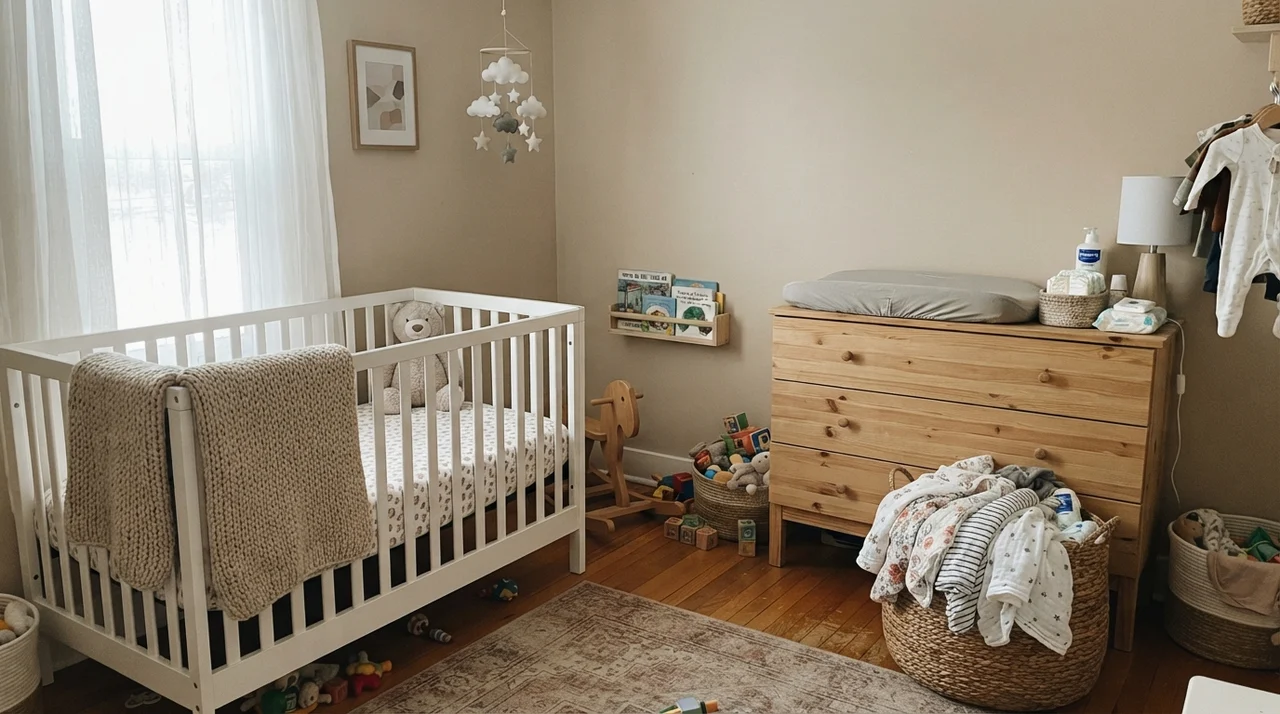
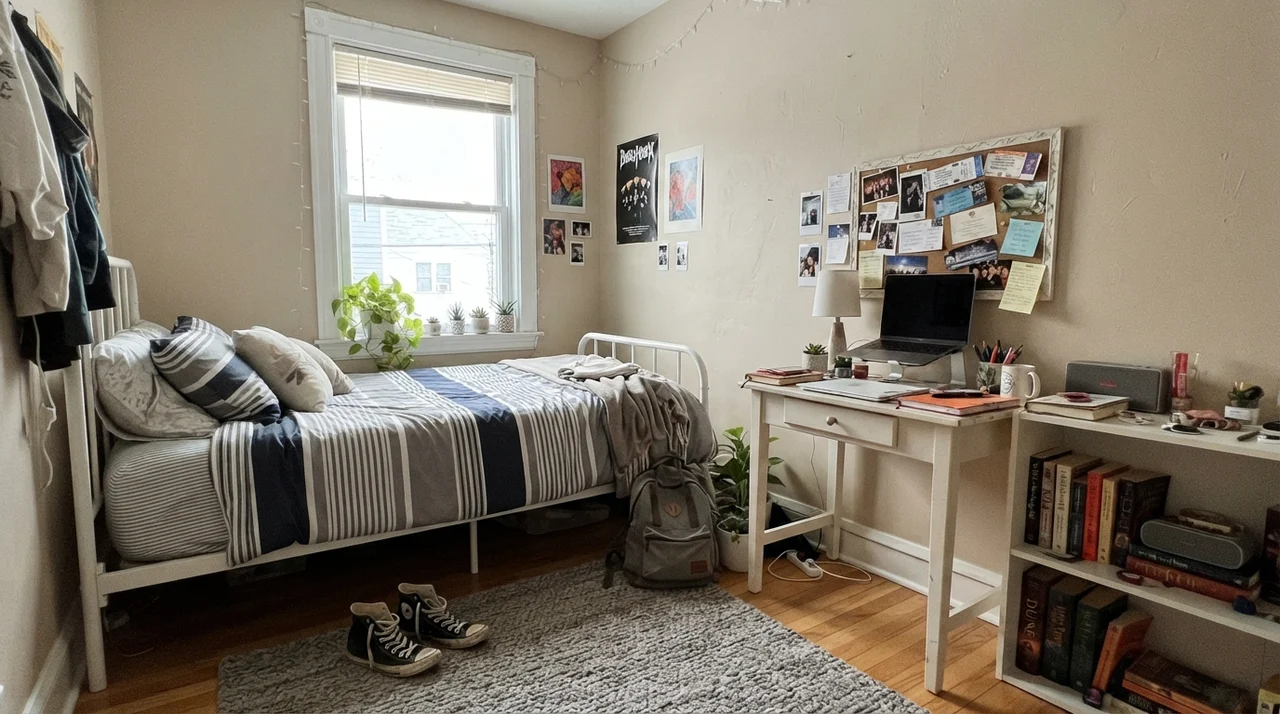
In a nursery or a teenager's room, its versatility pays off in practical ways. Children's rooms collect plastic toys, sports equipment, and mismatched blankets like lint traps. A wall color with too much personality clashes with the chaos; a wall color that is purely cold gray makes the room feel uninviting. Natural Tan handles the clutter of growing kids with remarkable grace, holding up through changing posters and shifting bed frames.
Bathrooms, Millwork, and Hallway Built-Ins
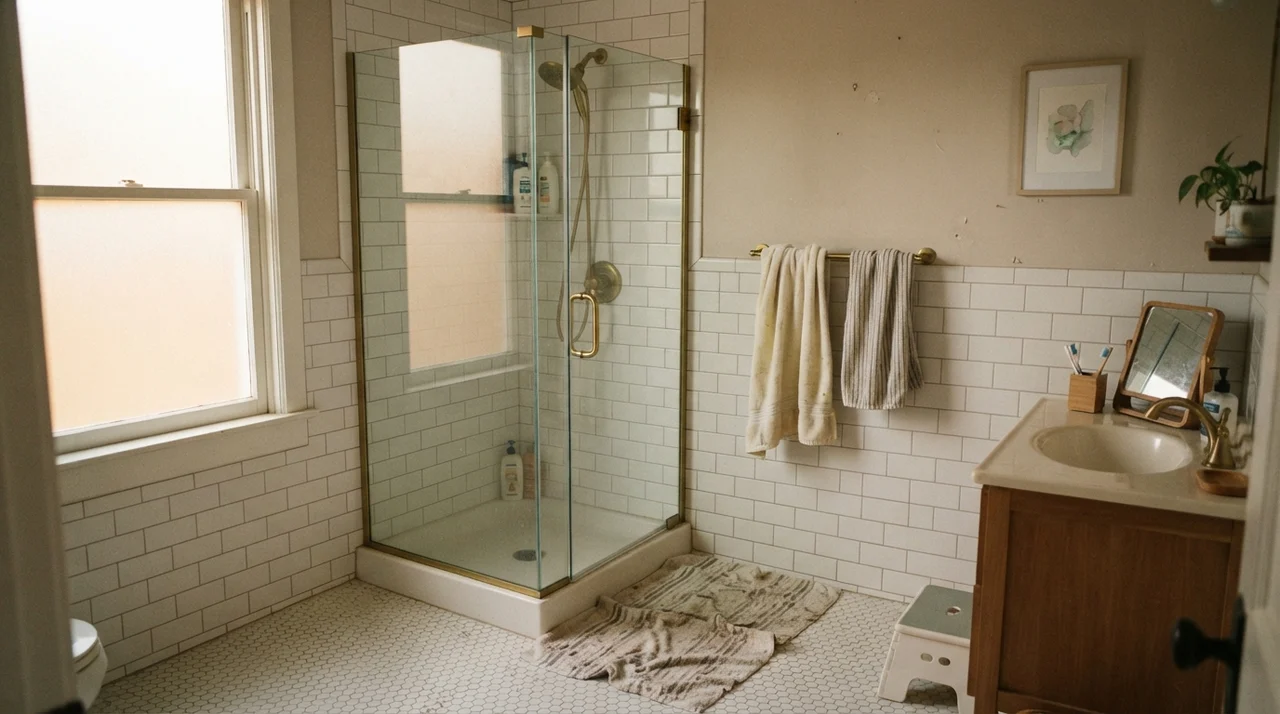
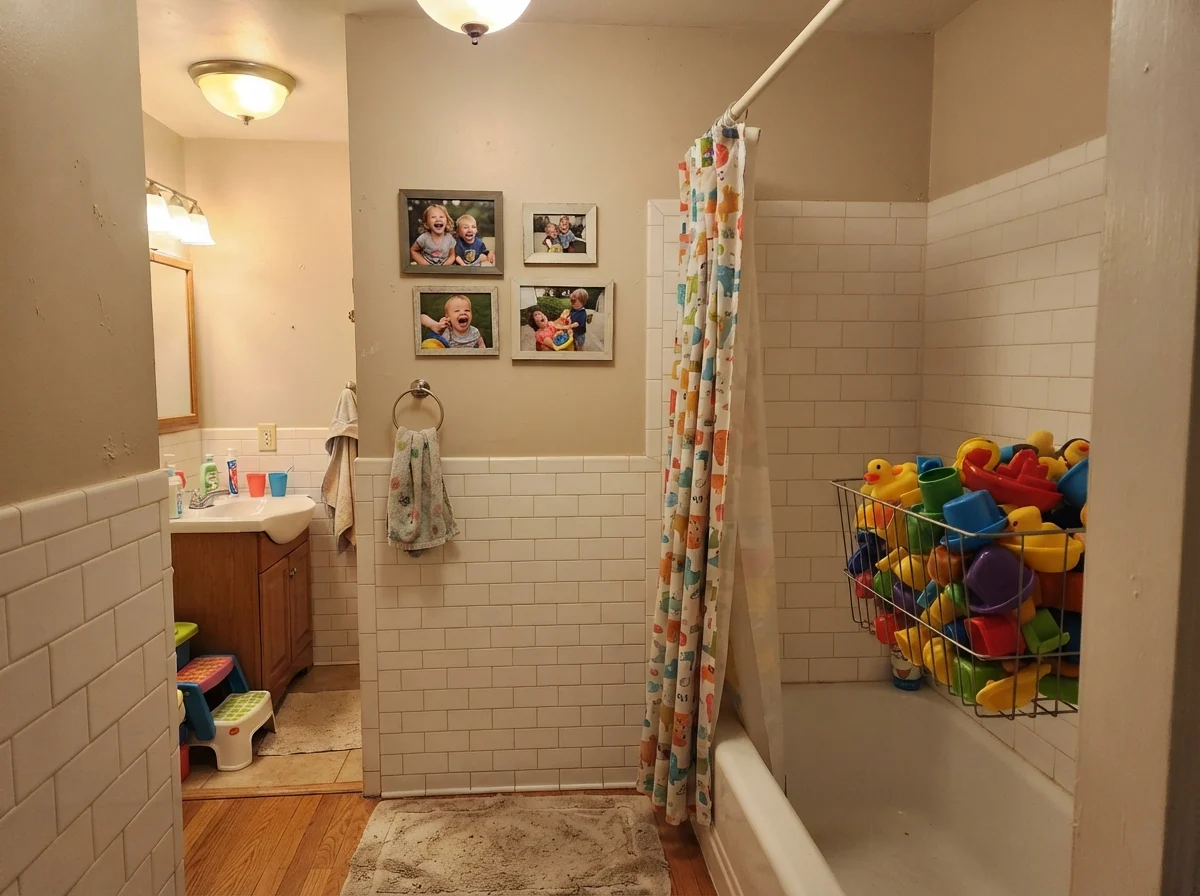
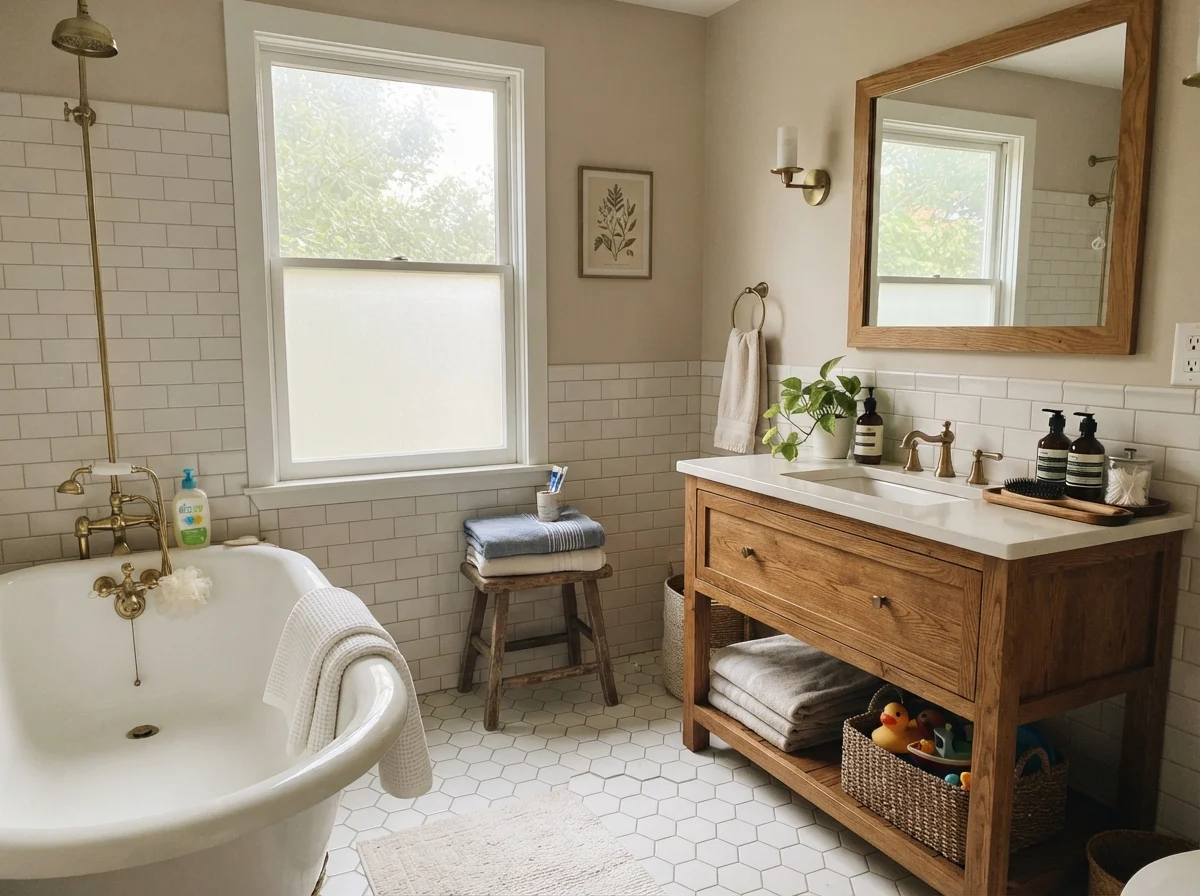
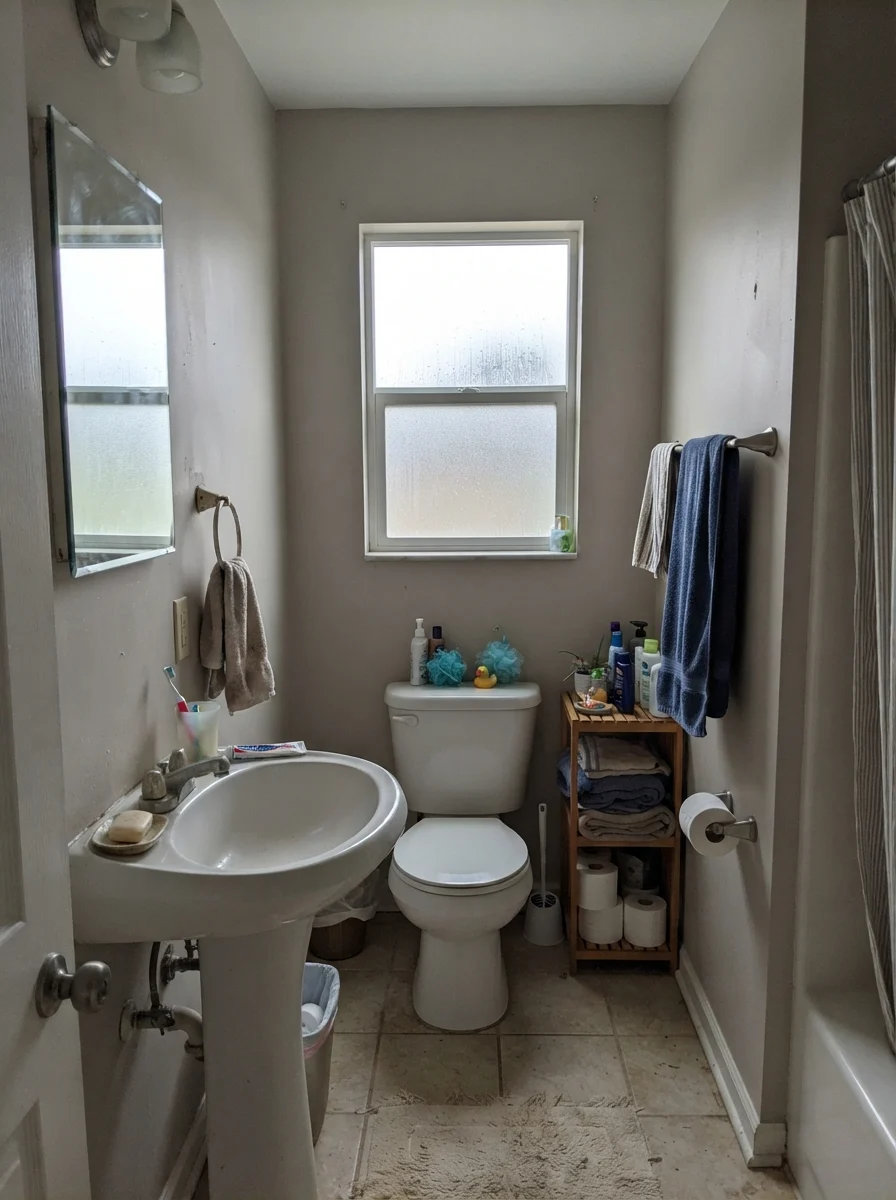
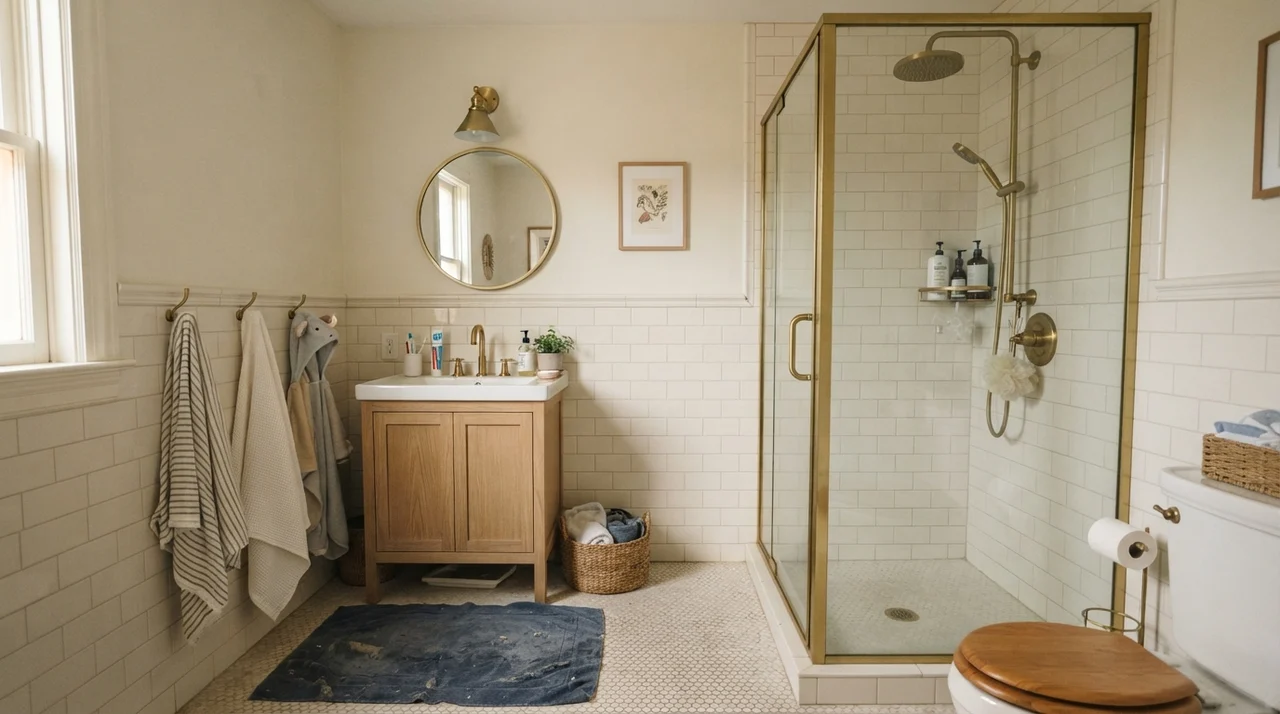
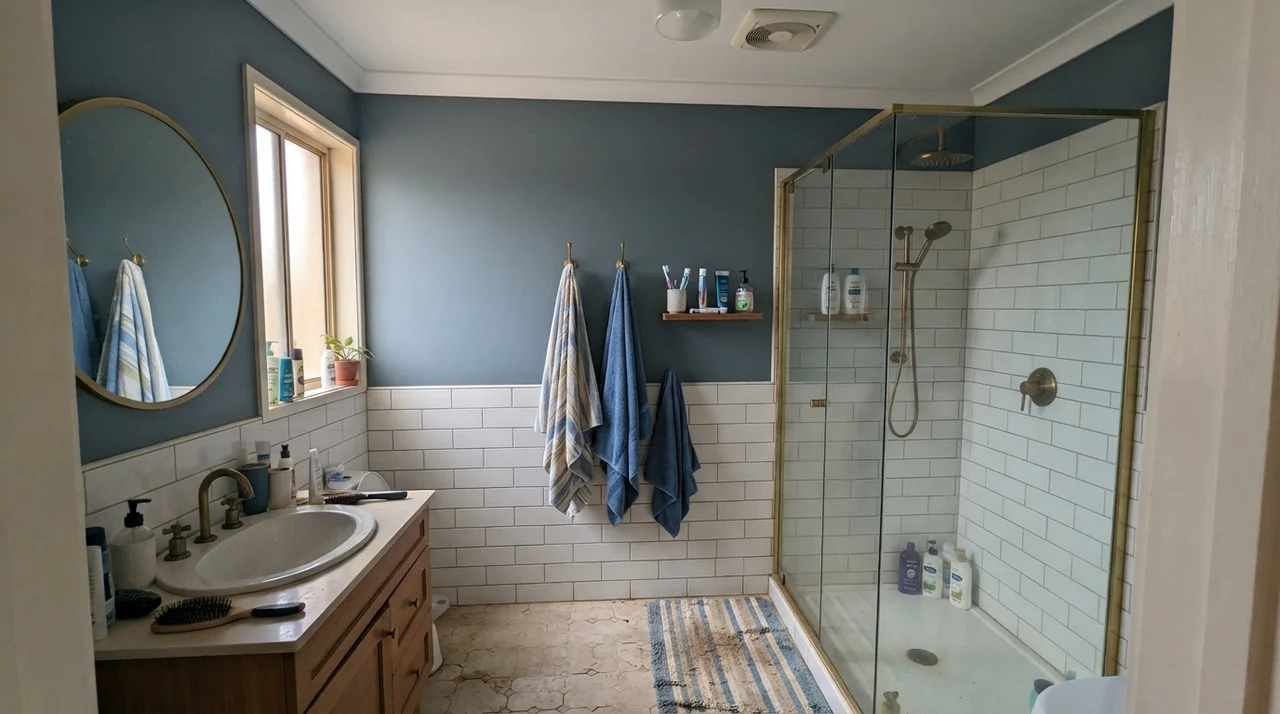
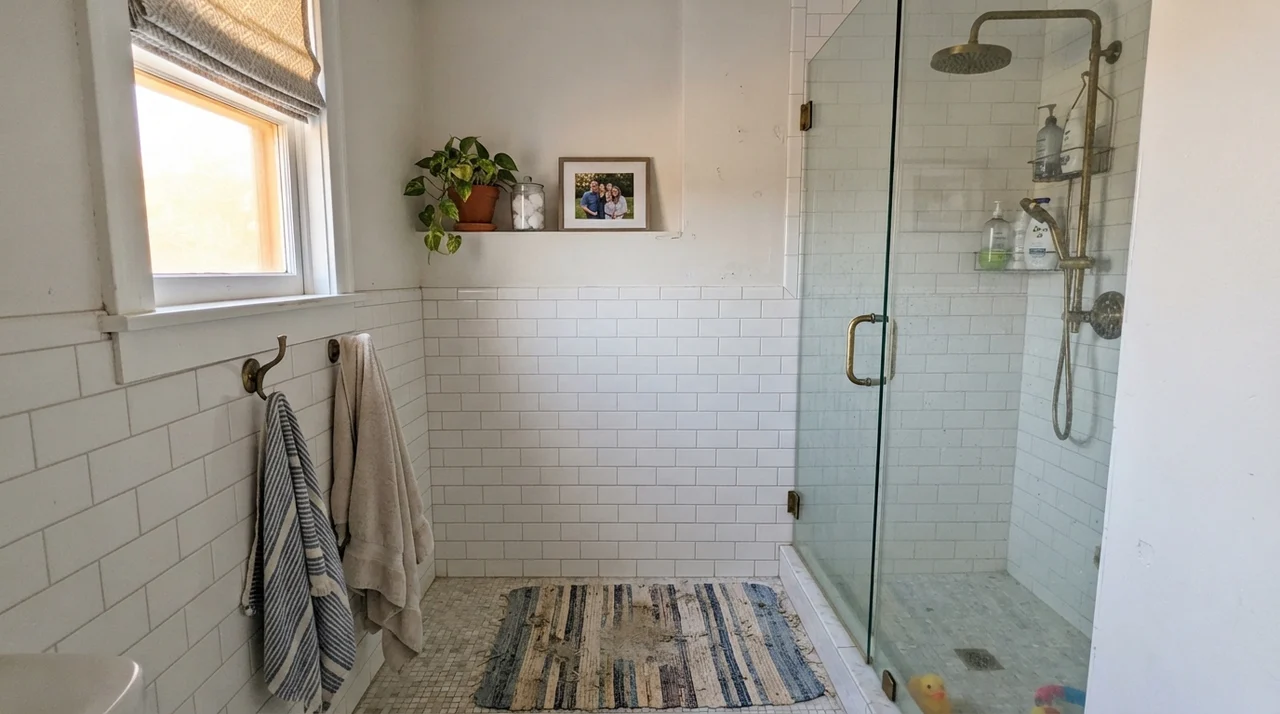
In bathrooms and hallways, Natural Tan does heavy lifting if your tile and stone are cooperating. When painted above a white wainscoting or paired with classic hex tile and oak vanities, it feels collected and timeless. In high-moisture bathrooms, always stick with an eggshell finish on the drywall; flat paint in a bathroom will show water streaks the second someone takes a twenty-minute shower.
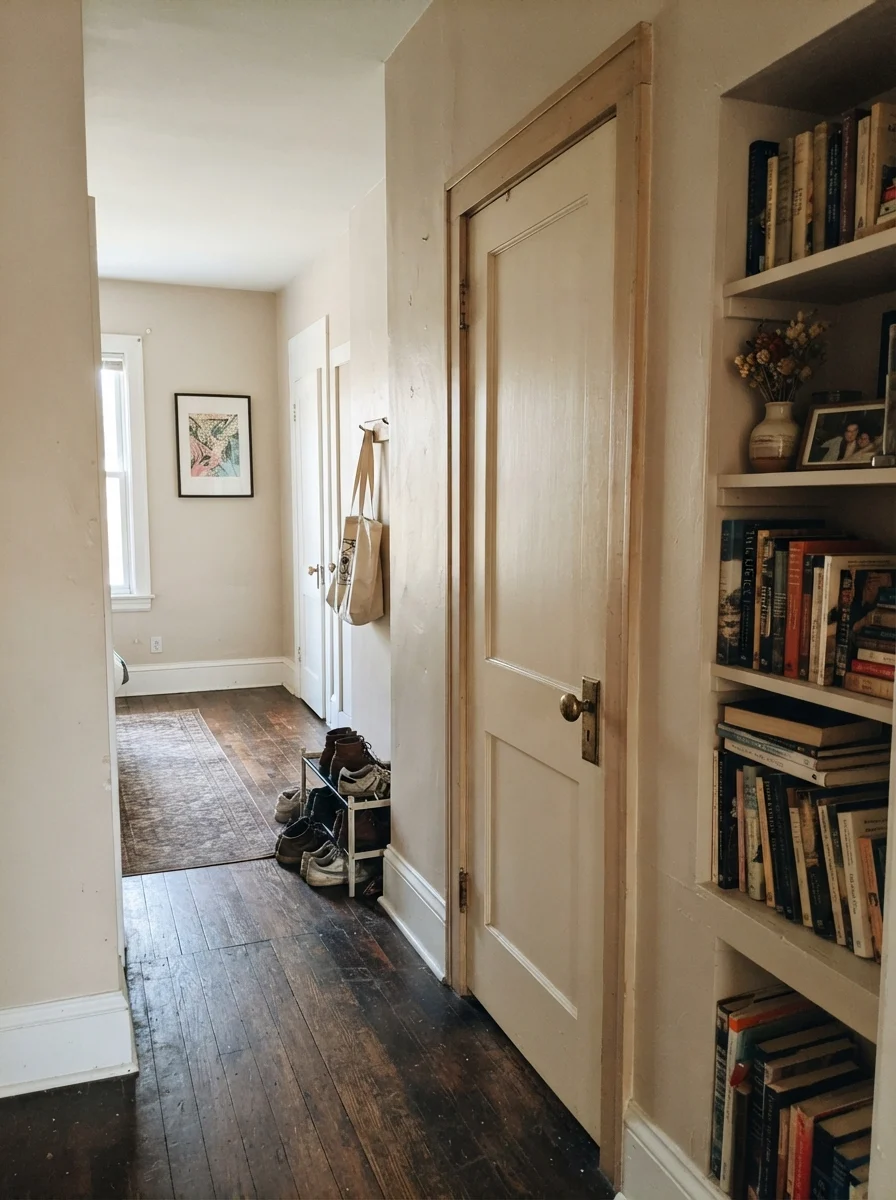
It also makes a wonderful accent color on interior millwork. If you have an older home where all the doors and baseboards are painted plain cream, rolling Natural Tan onto a two-panel passage door or a hallway built-in bookcase adds depth without requiring you to repaint the entire corridor. Against aged brass knobs and vintage woodwork, it looks as though it has been there for decades.
Laundry Rooms and the Exterior Reality
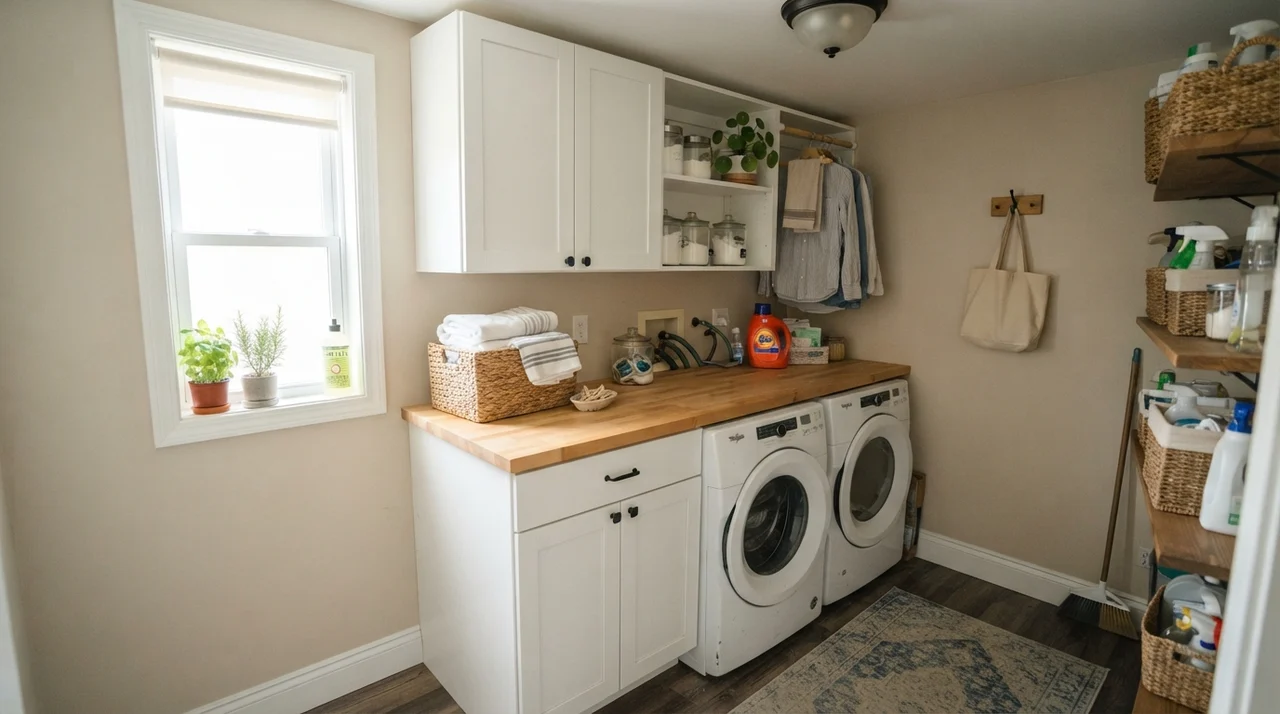
Utility rooms are often afterthoughts, but a bright laundry room with butcher-block counters and white appliances benefits enormously from a warm wall color. Laundry baskets, detergent bottles, and folding piles feel a lot less depressing when the room doesn’t feel like a sterile basement closet.
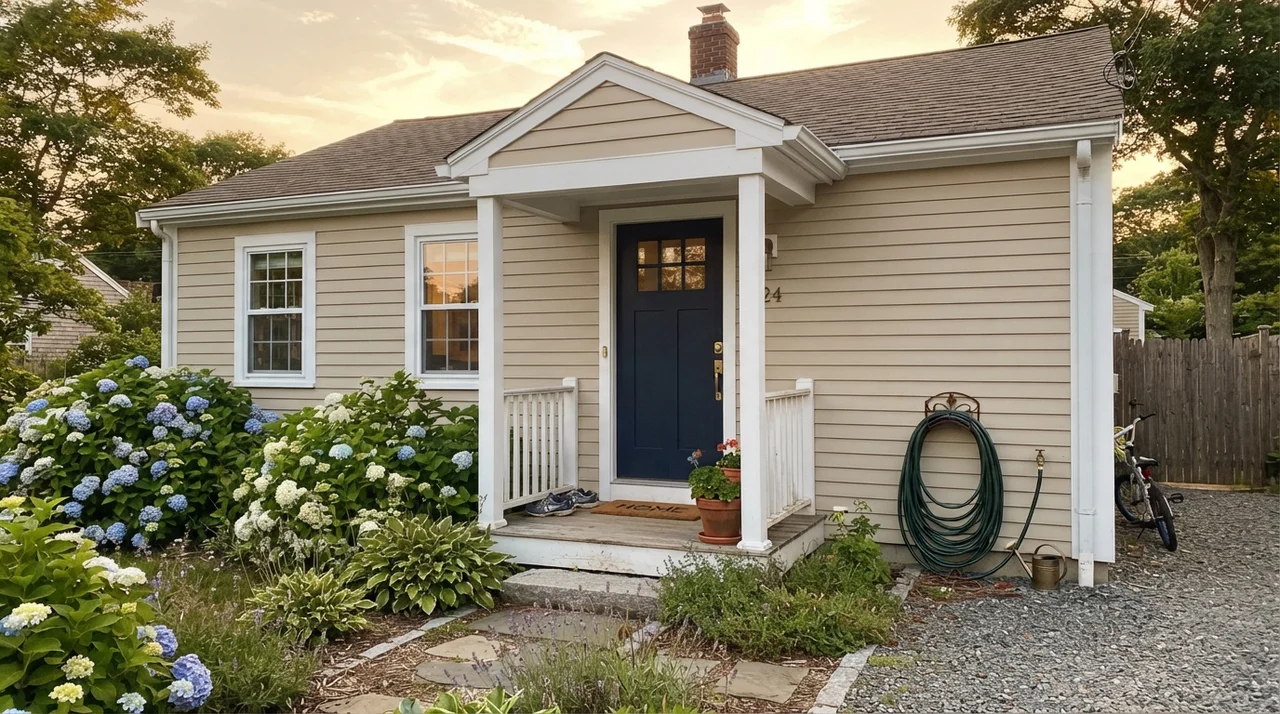
On an exterior, however, you need to exercise extreme caution. A lot of homeowners fall in love with Natural Tan in their living room and immediately want to spray their entire two-story house with it. Five years in, they wonder where their warm tan went. At an LRV of 65, direct outdoor sunlight will wash this color out completely, bleaching it into a pale, chalky beige that looks thin from the street. If you must use it outside, keep it under the shade of a deep porch ceiling, or pick a color with significantly more pigment and depth for exterior siding.
The Honest Fails: Where Natural Tan Falls Apart
Almost every email I receive from someone regretting their gallon of Natural Tan boils down to three specific architectural setups. None of them mean the paint formula is defective; they simply mean the room is asking for something Natural Tan cannot deliver.
First is the north-facing room with cold, dim light. In a north room—particularly one shaded by heavy trees or facing an overcast winter sky—the tan pigment simply vanishes. The green-gray foundation takes over, and the room feels like wet cardboard. Worse, in certain exposures, cold northern light through foliage can bounce back as an unexpected, dusty pinkish blush. If you painted Natural Tan hoping for crisp sand and ended up with 1992 cosmetic powder, northern light is your culprit.
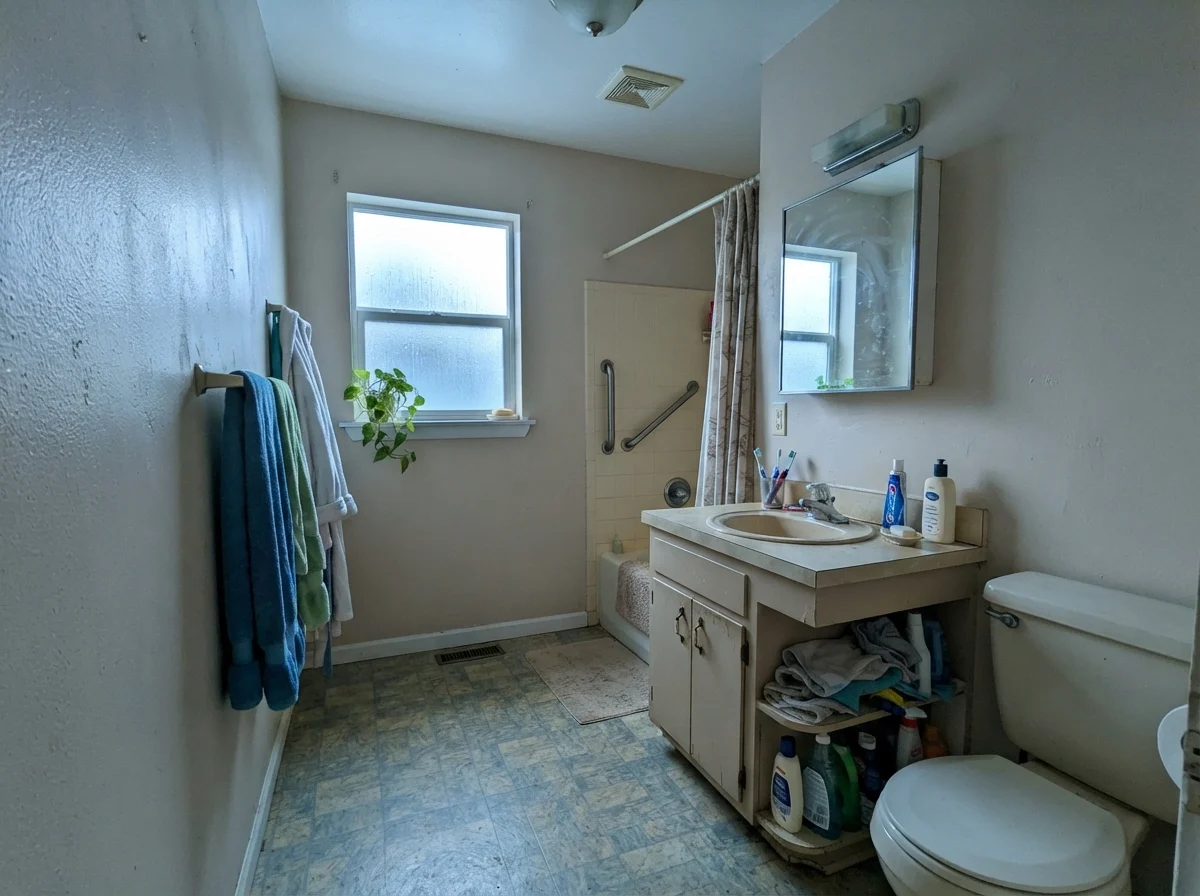
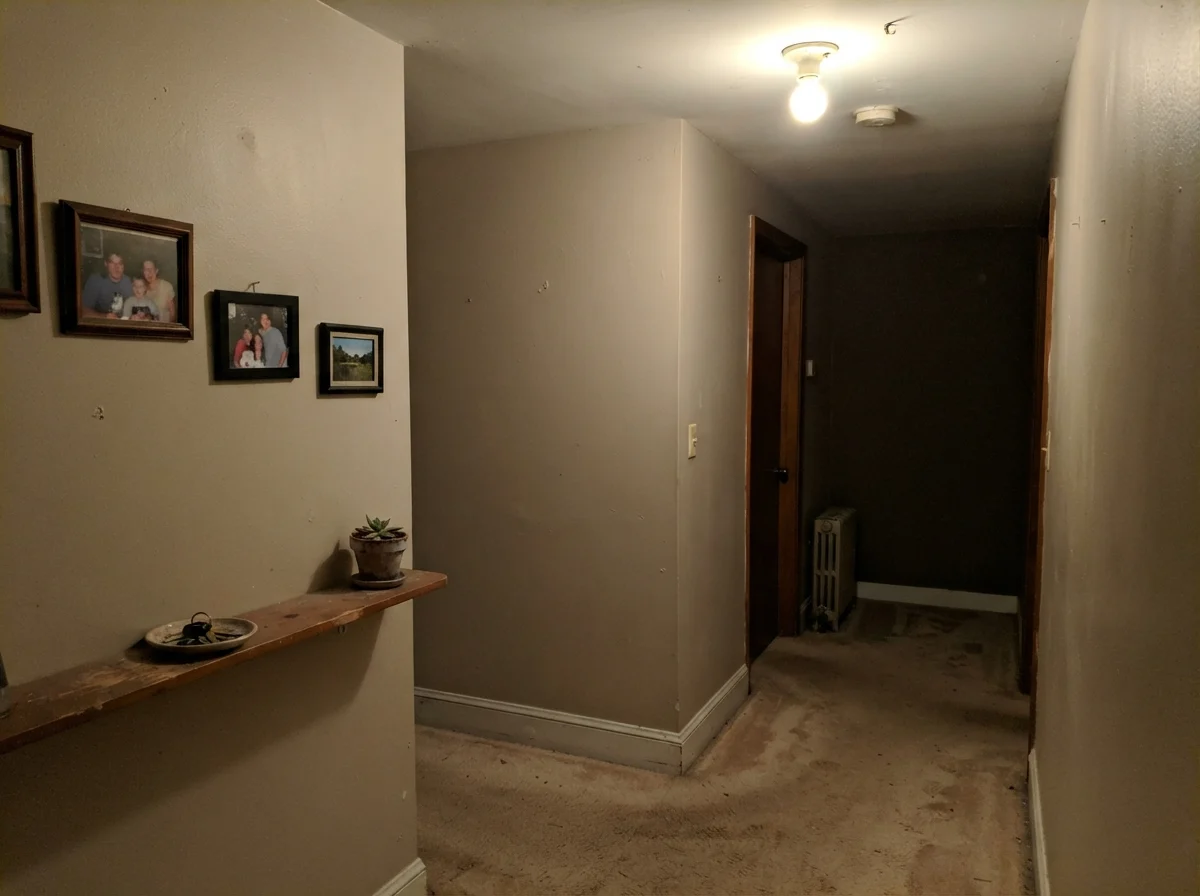
Second is the windowless interior corridor. When Natural Tan is starved of daylight and illuminated only by a lone hallway ceiling fixture, it turns muddy, flat, and dull. It loses its dimension entirely. And third: pairing it with peachy tile or pink-beige carpet. Because Natural Tan has a faint green-gray undertone, putting it next to peachy-orange bathroom tile or salmon laminate flooring will immediately pull that green forward. The walls will look faintly olive, and your floors will look violently orange.
You don't choose a whole-house neutral for the weekend you paint it. You choose it for year four, when the hallway light has faded it and you've scrubbed the doorframes twenty times.
Living with It Long-Term: Cleaning, Touch-Ups, and Durability
Let's talk about maintenance, because five years in, that is what actually matters to a homeowner. We painted our high-traffic stairwell in Natural Tan eggshell. Over five years, that stairwell saw backpacks dragged along the baseboards, muddy golden retriever flanks brushing the corners, and countless greasy handprints along the light switches.
Natural Tan is surprisingly forgiving of everyday dust. Unlike stark white walls that showcase every fingerprint, and unlike dark navy or charcoal that show white scuffs whenever a laundry basket knocks the wall, a mid-tone tan hides baseline family living. When scrubbed clean with a warm, damp microfiber cloth and mild dish soap, a quality eggshell held up without burnishing into shiny spots. For baseboards, semi-gloss was worth every penny; trying to wipe scuff marks off an eggshell baseboard will eventually pull the paint right down to the primer.
When we sold our 1990s colonial, the buyer’s home inspector took a flashlight to every room. I spent an hour touching up scuffs around the coat closet. Because Natural Tan sits in the grayed-tan range, fresh touch-ups blended into the five-year-old walls far better than any saturated color ever could. When we listed the house, our real estate agent specifically remarked that the main floor looked fresh, cohesive, and move-in ready.
How Natural Tan Compares to the Field
Before you commit to five gallons, it pays to understand what else sits on the shelf right next to Natural Tan. A few points of LRV or a shift in the undertone formula completely changes how a color behaves in your home.
What is the best sheen for Natural Tan?
For interior walls, eggshell is the sweet spot: it cleans up easily without reflecting harsh glare. Use semi-gloss on baseboards and window casings for durability, and satin if you are spraying or brushing it onto cabinetry.
Why does Natural Tan look pink in my room?
Cold northern daylight filtering through trees or reflecting off cold gray surfaces bounces back as a dusty blush against the gray-green base. If your room faces north, always paint a large sample board and check it at noon and dusk before buying gallons.
Can I use Natural Tan on my house exterior?
Direct exterior sunlight will wash Natural Tan out until it looks like a dusty, thin off-white. It works nicely on shaded porch ceilings, but for siding, choose a deeper color designed to handle full outdoor glare.
Does Natural Tan clash with oak cabinets and trim?
Quite the opposite: oak is where it shines. The grayed-tan mix neutralizes the heavy yellow and orange in golden oak, making older millwork look intentional rather than dated.
Susan's Verdict · The Whole-House Workhorse
Natural Tan is the color you buy when you are sick of cold grays but refuse to go back to 1990s yellow beige. At LRV 65, it has enough backbone to connect an entire house while letting your wood floors, rugs, and trim stand out. Just remember to steer clear of dim, windowless north rooms and peachy tile. Put it where the sun reaches, pair it with clean white trim, and you will still love living with it five years down the road.