Color Diary · No. 103
Dove Wing 960: The Soft Off-White That Demands the Right Trim
The warm white people pick when White Dove feels too plain, reviewed honestly: the rooms it saves, the trim that ruins it, and when it flashes peach.

Susan HartleyOctober 31, 2026 · 18 min read
Dove Wing · Benjamin Moore 960
Hex#E9E6DBLRV78Undertonescream → warm stone → pale peach
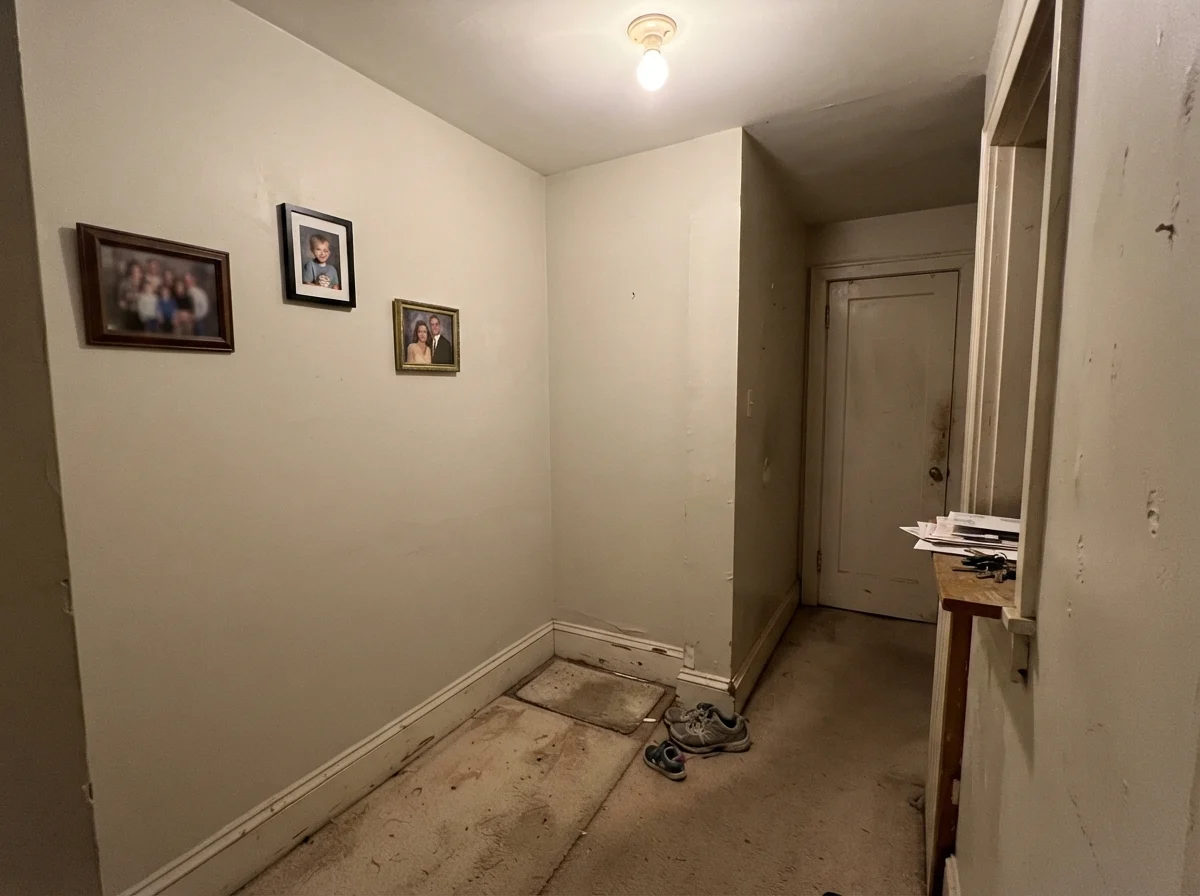
When we moved into our 1960s ranch eight years ago, the living room and long central hallway were coated in a stark, bluish contractor white that made our red oak floors look orange and our winter mornings feel like sitting inside a refrigerator. I knew within forty-eight hours that the white had to go. But having owned three houses across thirty years, I have repainted enough living rooms to know that picking a replacement white is the easiest way to give yourself an expensive headache. If you go too stark, the room feels like an operating theater. If you grab a yellow-based cream from the swatch rack, it can look dated within six months, reminding you of cigarette smoke and rental carpets from 1984.
I brought home Benjamin Moore Dove Wing (numbered 960 on the classic fan deck). On the paper chip, it sits in that quiet zone that confuses homeowners: it is unmistakably an off-white, clocking in with a Light Reflectance Value of 78. That means it bounces back plenty of light, but it is nowhere near the blinding brightness of a factory-mixed ceiling white up in the 90s. When you put the wet roller to the drywall, you realize right away that Dove Wing is not pretending to be pure linen or crisp chalk. It carries a heavy dose of pigment that leans soft, shaded, and distinctly creamy.
We lived with it in our hallway and family spaces, watching how the changing seasons altered its mood. In our last house—a 1990s colonial with oversized windows—we had leaned heavily on cooler grays, only to realize by year four that winter mornings felt gloomy without lamplight. Dove Wing was my deliberate swing back toward warmth. But warmth comes with rules. The very first weekend after our painter finished the walls, I stood at the end of the hall and saw a line of demarcation that looked like an accident: our doors and casings were still coated in a cool, stark builder white, and next to them, the brand-new Dove Wing walls looked as though someone had fried bacon nearby and forgotten to turn on the exhaust fan. That is the fundamental truth about this shade: it is a gorgeous, comforting paint, but if you treat it like an ordinary bright white, it will punish you.
The Undertone Shift: Between Cream, Stone, and Peach
Dove Wing refuses to sit still on the drywall. Because it carries an LRV of 78 and a complex earthy foundation, the color adapts immediately to the ambient light, drifting from warm pale cream in midday sun to an understated stone gray when the sky clouds over.
warm sun
overcast, north light
dusk, rain, cool bulbs
Dove Wing shifts its character dramatically under changing daylight. Full direct sun pulls forward its pale yellow-cream core, while flat northern skies and rain neutralize the warmth into a quiet, muted stone. In the evening, warm artificial bulbs pull out its deeper biscuit notes.
Whisper GrayDunn-Edwards · see diary
SeapearlBenjamin Moore · see diary
Dove Wing960
China WhiteBenjamin Moore · see diary
Milk PaintBehr · see diary
Watching the Daylight Shift
People often ask me why their neighbor's off-white looks heavenly while their own room looks dingy or sickly sweet. The secret lies entirely in the window glass. Cool daylight has a habit of chewing up warmth. When cold northern light pours through a pane, a crisp gallery white turns into wet cement. Dove Wing, however, uses that cool daylight to its distinct advantage. The chill of the northern sky cancels out the heaviest cream pigment in the can, leaving behind a balanced, soft off-white that makes a cold room feel inhabited rather than abandoned.
The flip side is what happens when late afternoon sun comes streaming in from the west. When the sun dips low toward the horizon, its raking amber rays hit the red and yellow pigments in Dove Wing and set them off. For about an hour before sunset, walls painted in this color can flash a noticeable peach or blush tone. If you are sitting in that room reading the newspaper every evening, you need to know that in advance. Some people find the glow romantic; others wonder why their quiet white suddenly looks like a 1988 bridesmaid dress. In south-facing exposures, the story changes again: generous, all-day sun pushes the shade firmly past white and right into pale cream.
Seeing that shift between morning and evening is the entire reason I keep large foam-core boards propped against my baseboards for a full week before ordering paint. In our 1970s split-level years ago, I jumped the gun on an entire upstairs hallway because I loved how the sample looked at ten on a Saturday morning. By eight that evening, under basic hallway fixtures, the entire corridor had turned into melted butter. With Dove Wing, artificial lighting is half the battle. If you screw in standard 2700K incandescent-style bulbs, that 78 LRV drops visually, and the cream thickens considerably. Swap those bulbs for 3000K or 3500K LEDs, and the color behaves far more like it does in noon daylight: quiet, civilized, and reliably neutral.
Bathrooms and Water: Where Cool Light Tests the Film
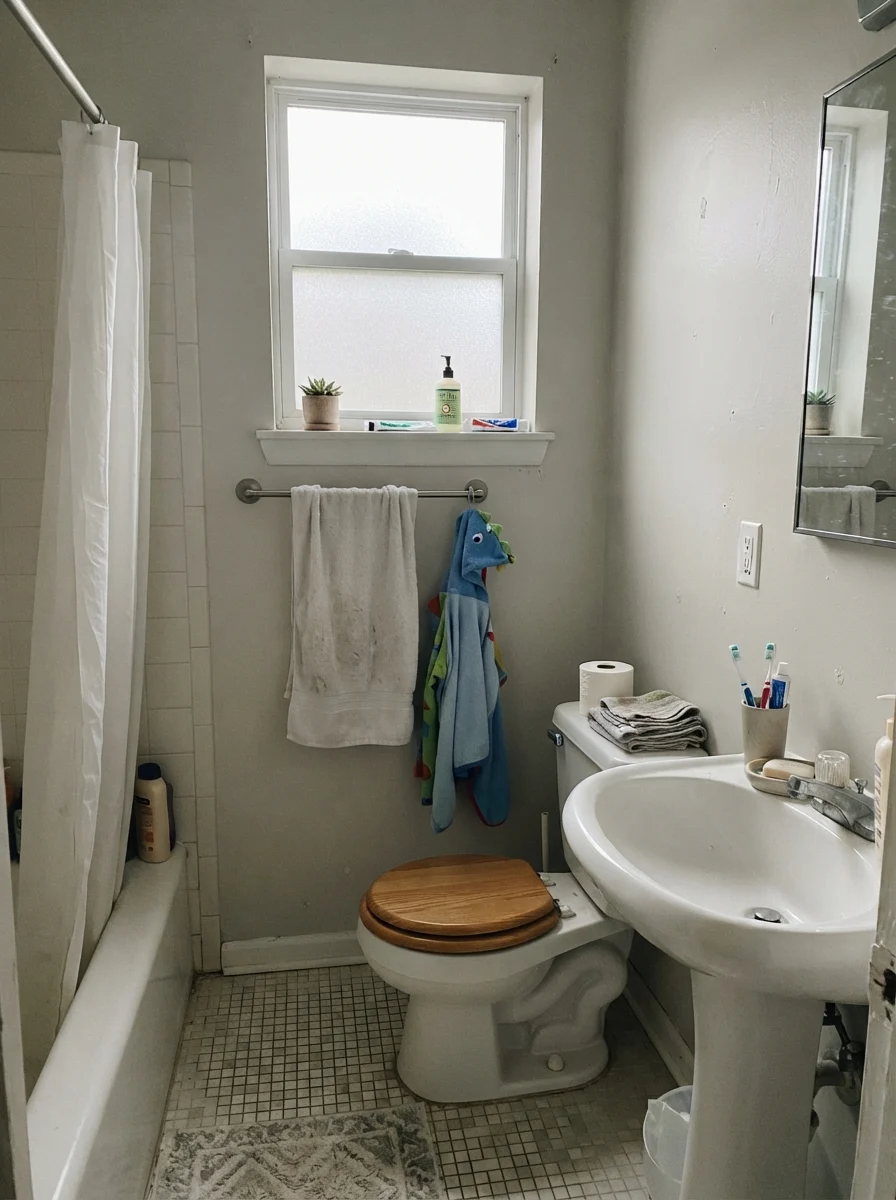
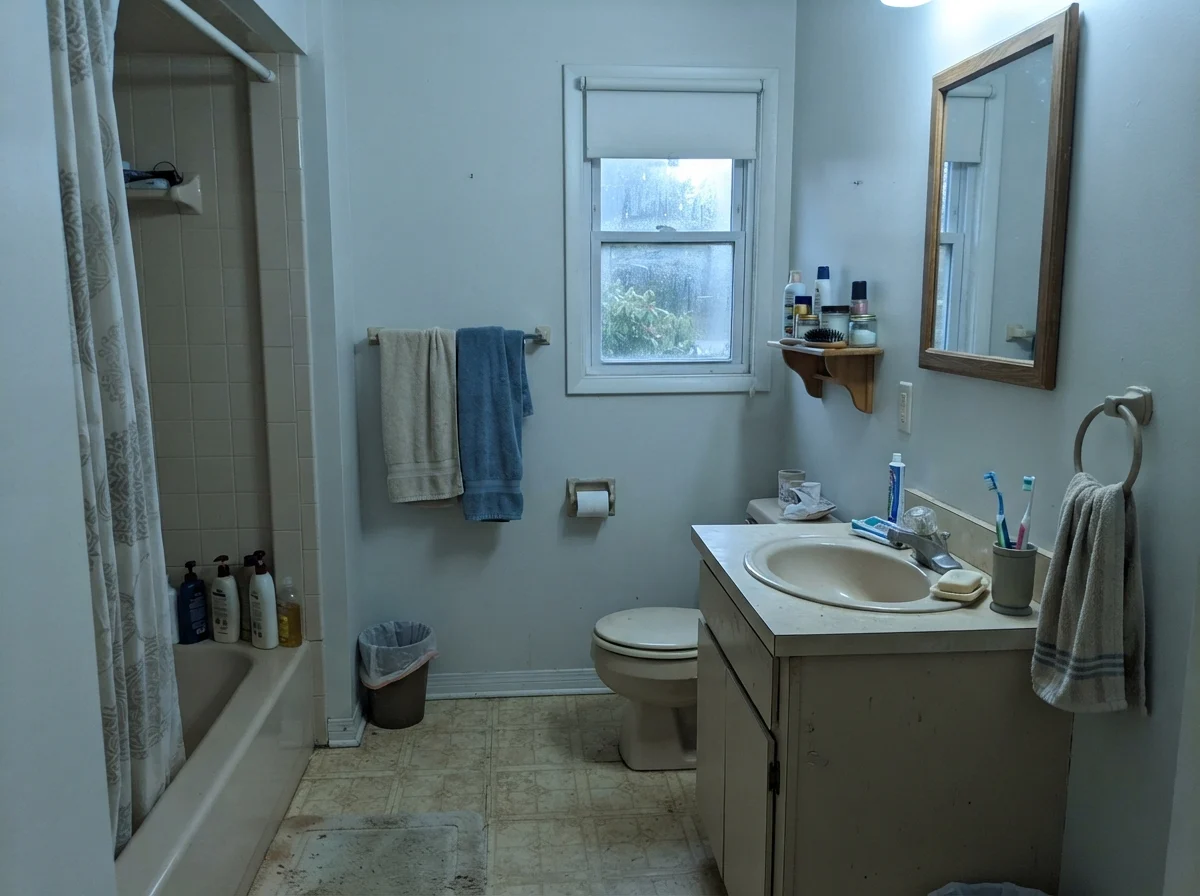
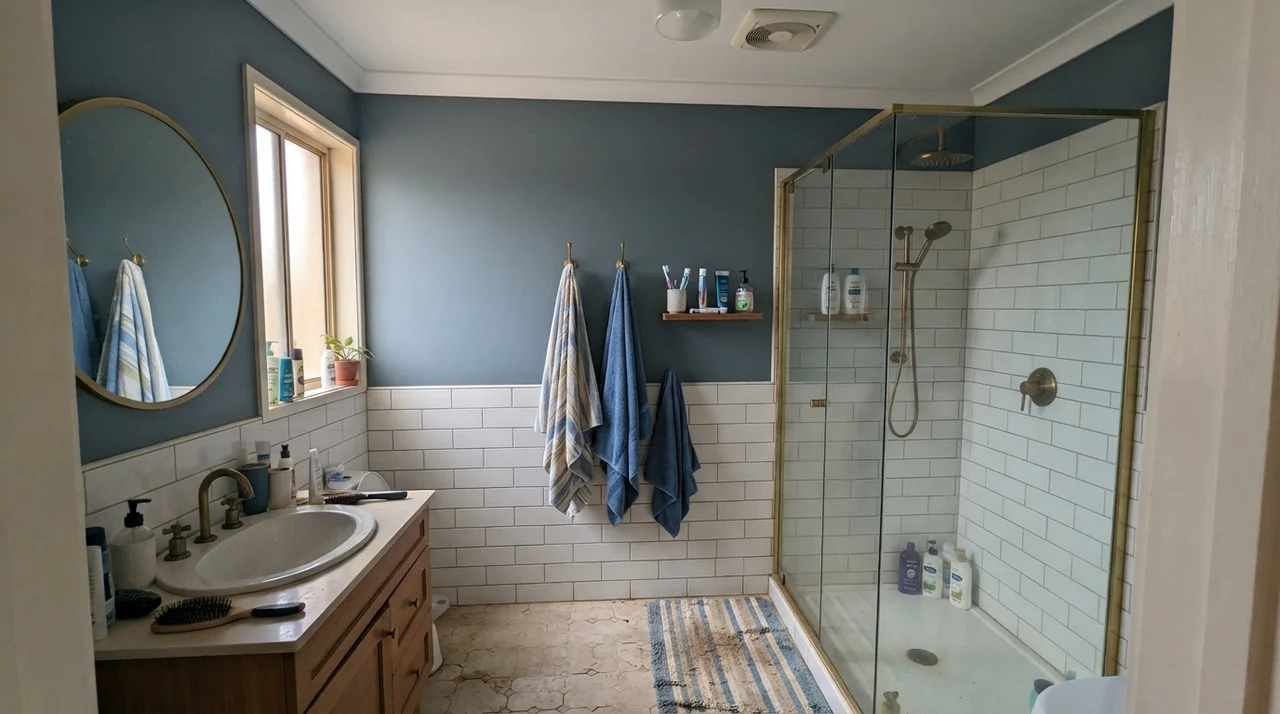
Bathrooms are brutal testing grounds for off-whites because they are full of high-contrast, reflective materials. If you have crisp white porcelain, polished chrome, and cold ceramic tile, a low-LRV shade can end up looking like an afterthought. In our last house, our main bath had no exterior window, and every off-white we tried ended up looking yellowed and fatigued next to the tub. In a space with genuine daylight, however, Dove Wing finds its footing.
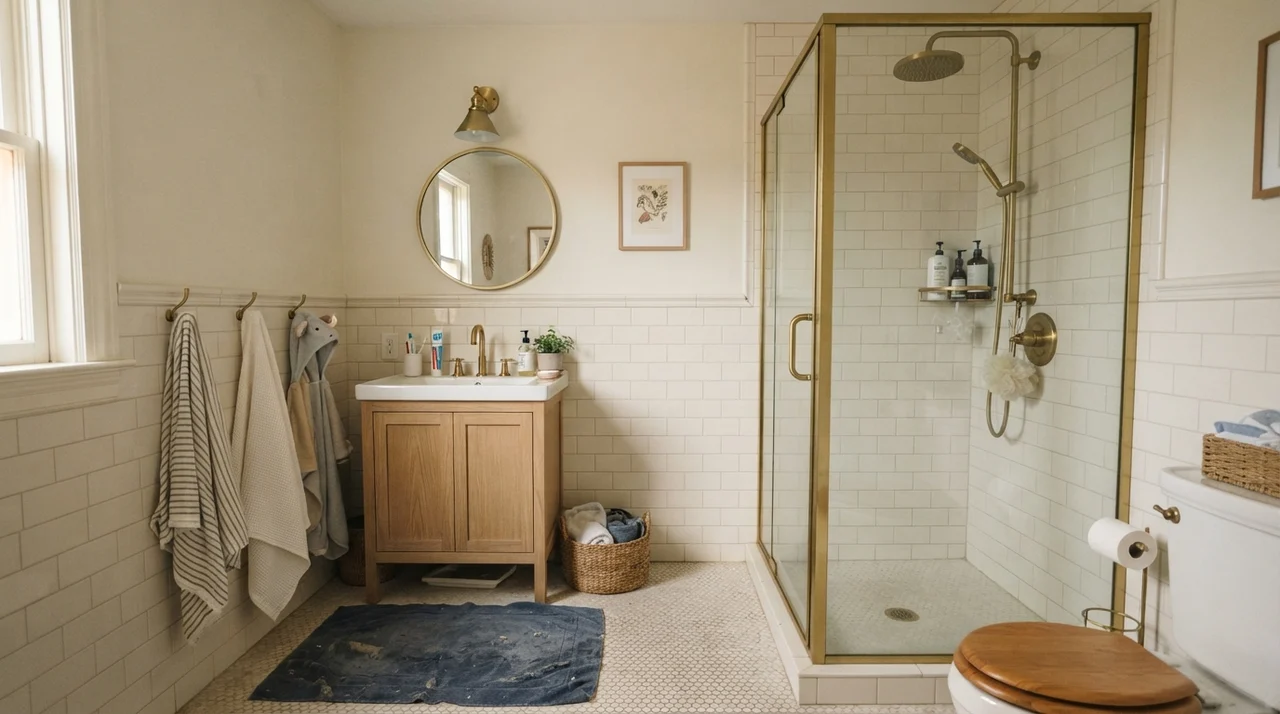
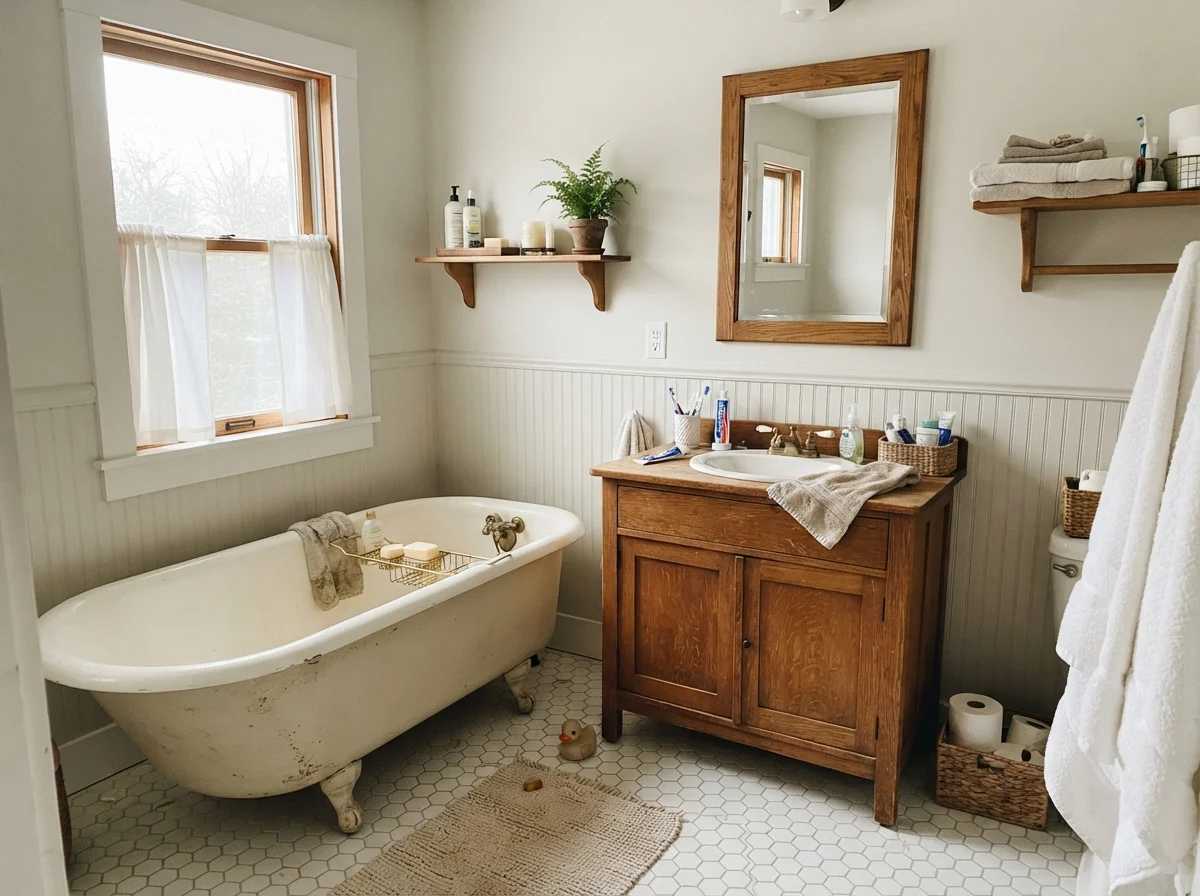
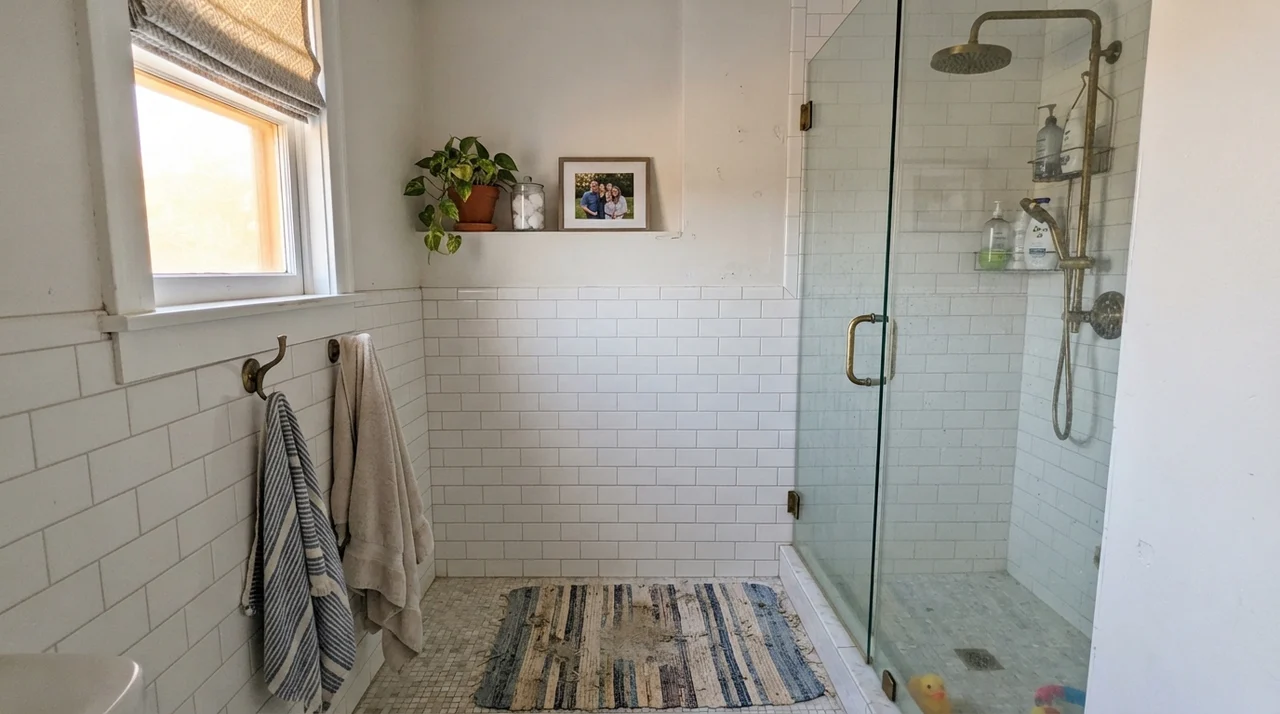
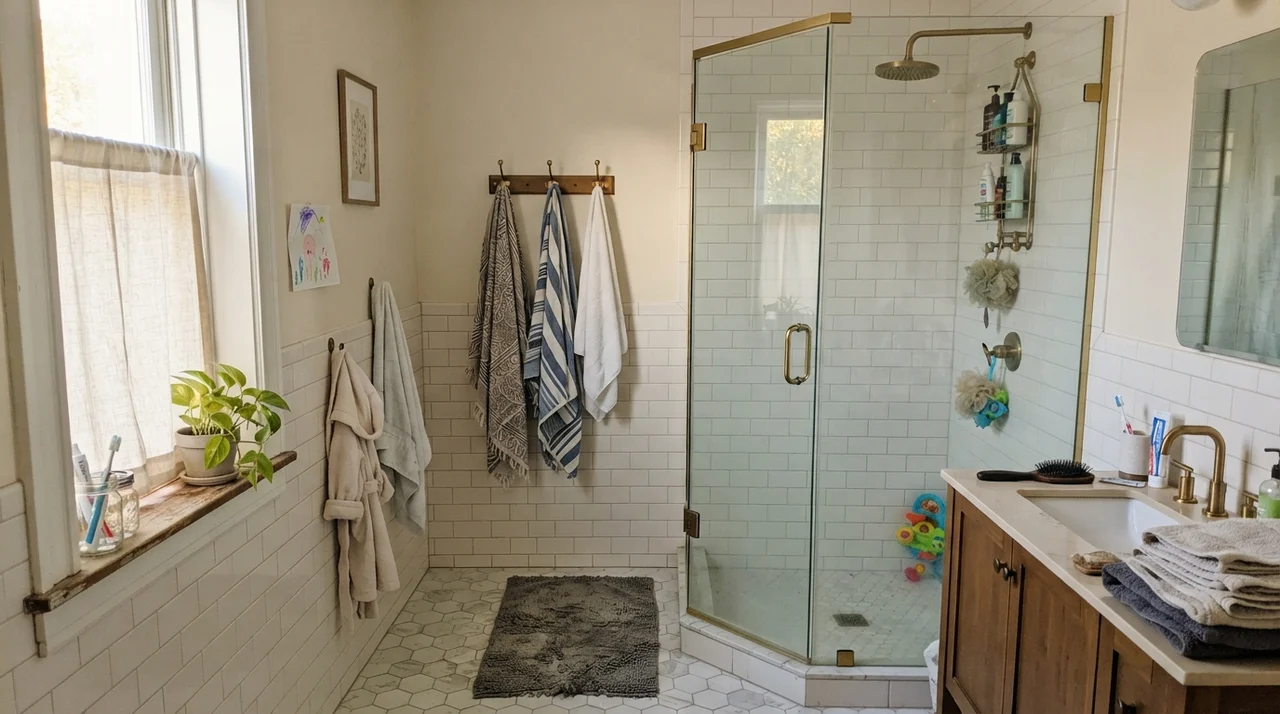
Consider how it behaves over white wainscoting or subway tile. If your subway tile is a warmer, handmade white, the pairing feels seamless, like an old European hotel. But if your tile is a hard, cool, machine-pressed white from the big-box aisle, Dove Wing will announce its creaminess immediately. That is not necessarily a failure, provided your vanity and fixtures lean into the warmth. A honey oak vanity, brass spigots, and woven linen baskets ground the paint, making the color look deliberate rather than dingy.
When rain sets in or a north-facing window delivers only gray daylight, Dove Wing drops its sweet facade. It does not go dirty, but it will read noticeably muted, almost like wet parchment. If you expect a bright, bouncy white when you step out of the shower on a January morning, this shade will let you down. But if you appreciate a wall that wraps around you without throwing harsh reflections onto your face while you brush your teeth, it earns its keep every day of the week.
Bedrooms: The Case for a Softer Horizon
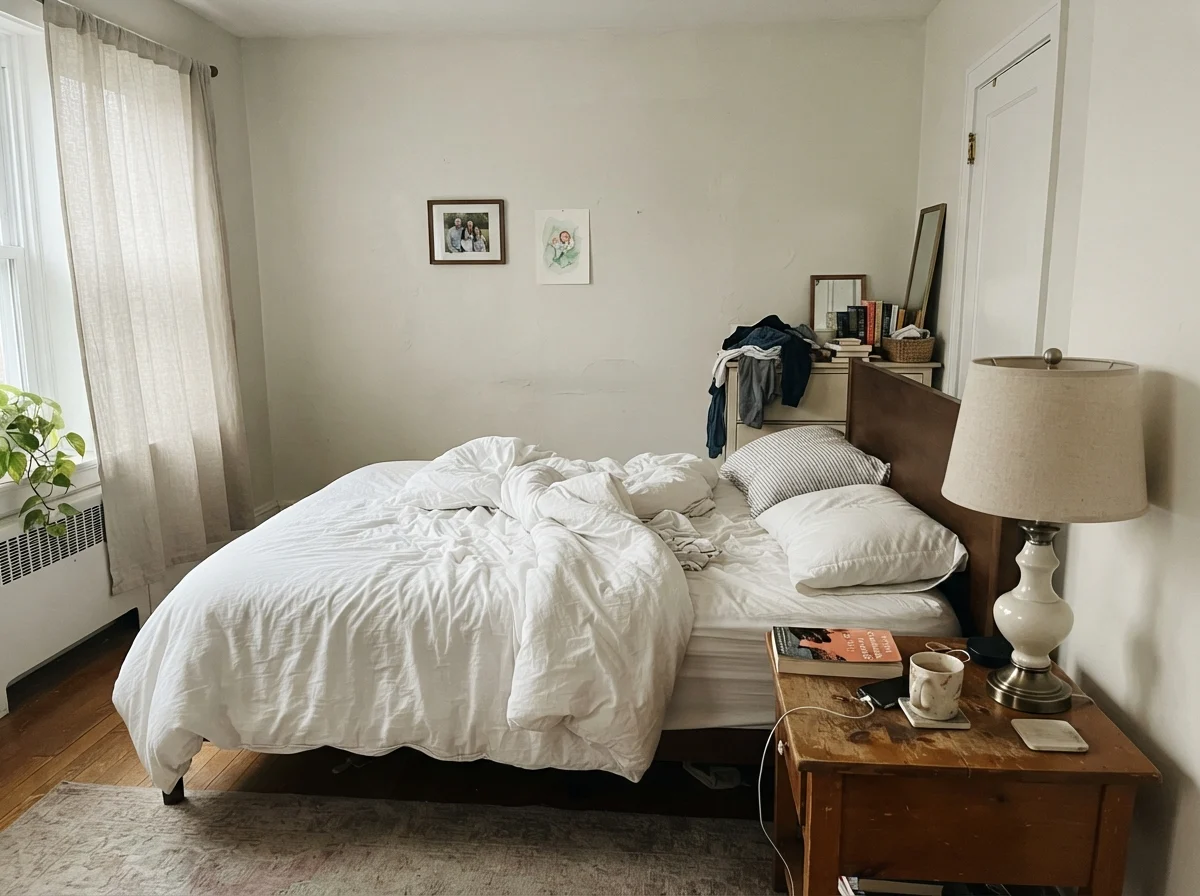
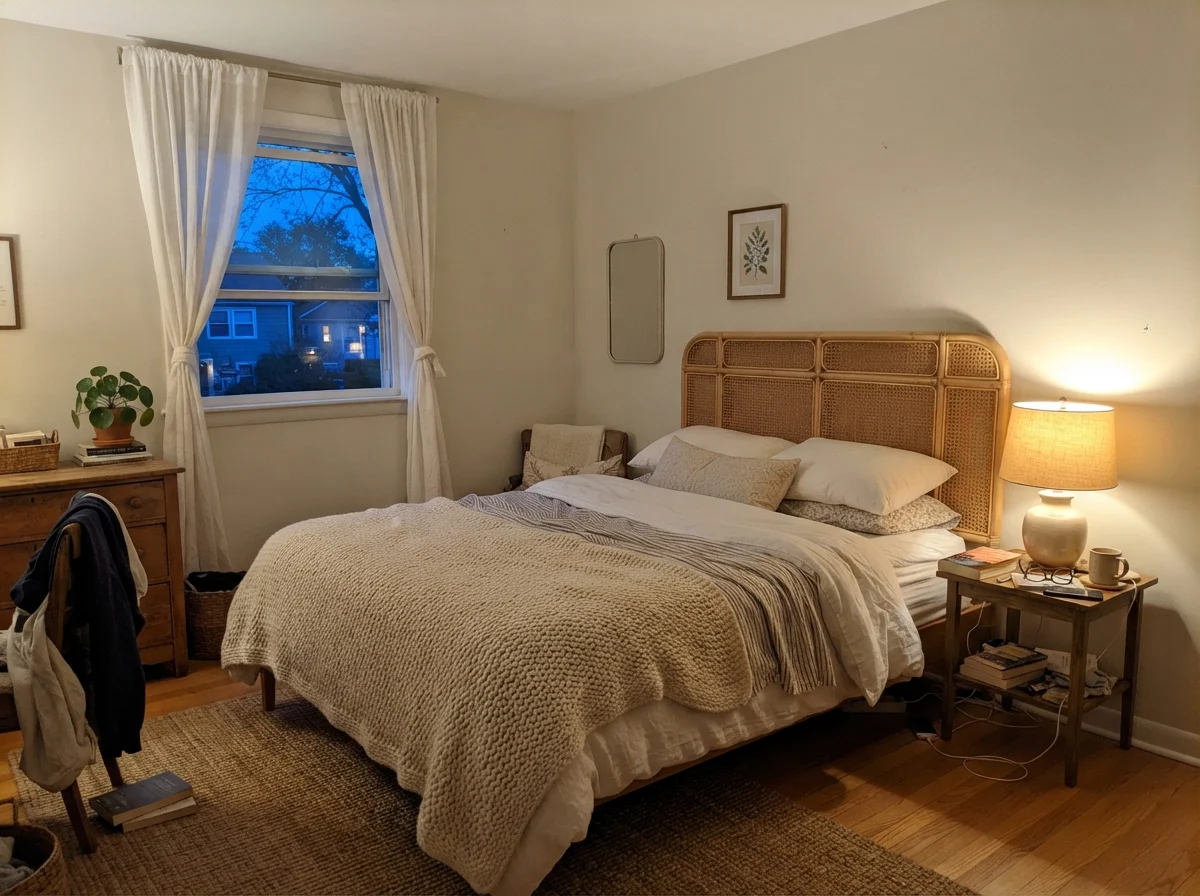
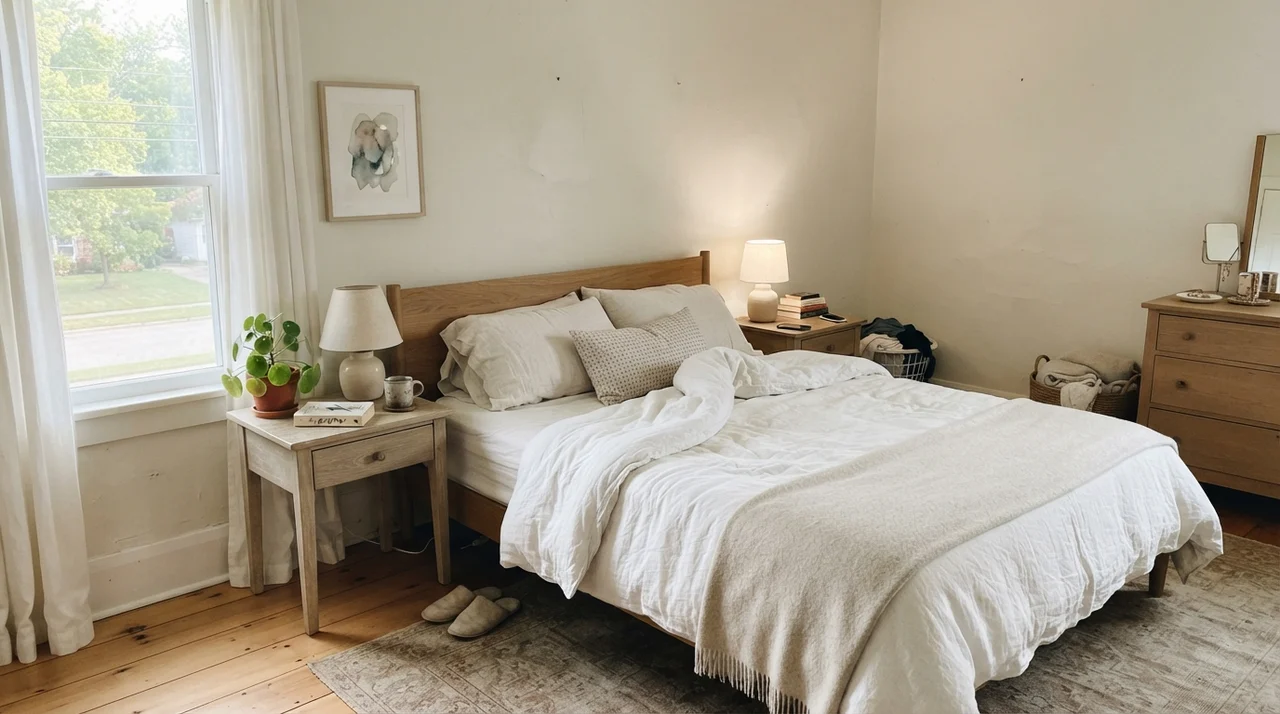
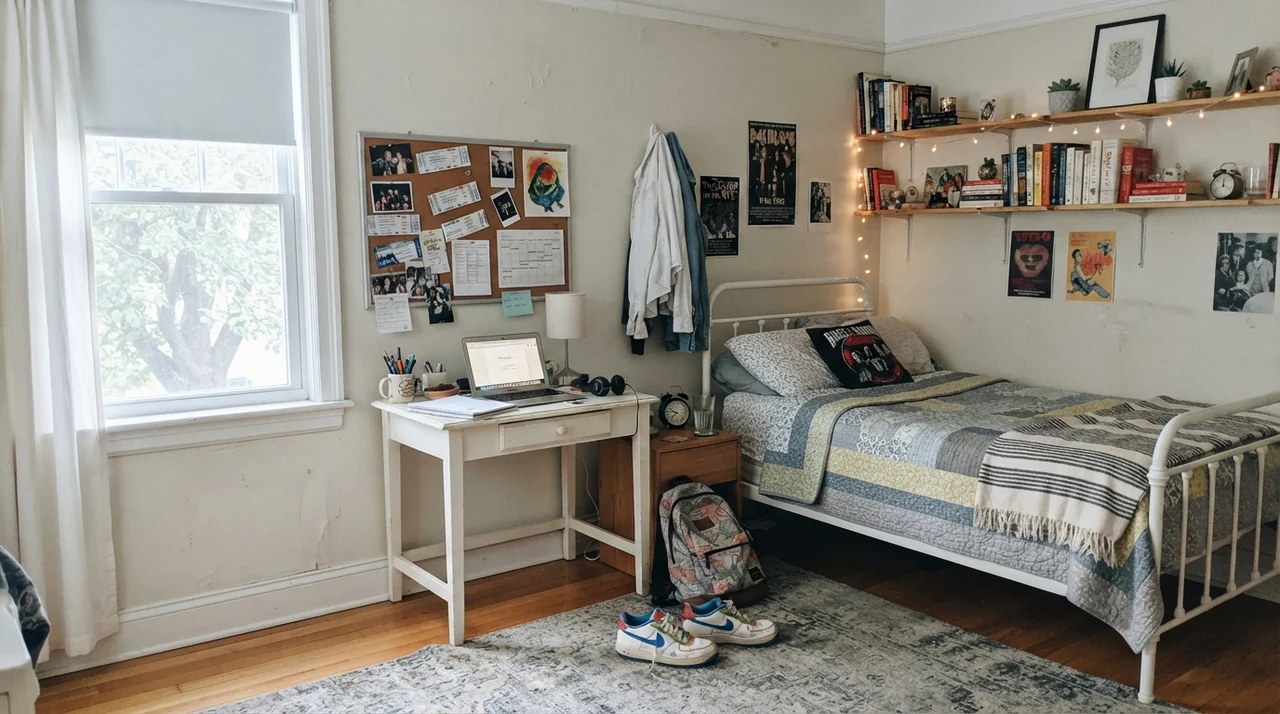
In our current 1960s ranch, our primary bedroom faces north-northeast. In winter, before the heating vents really get moving, that room feels chilly. For three years, we had a very pale, crisp white on the drywall, and I found myself pulling the duvet up to my chin just looking at the walls. When we repainted in Dove Wing eggshell, the ambient temperature of the room felt like it jumped four degrees. It is an optical trick, of course, but color is psychology as much as chemistry.
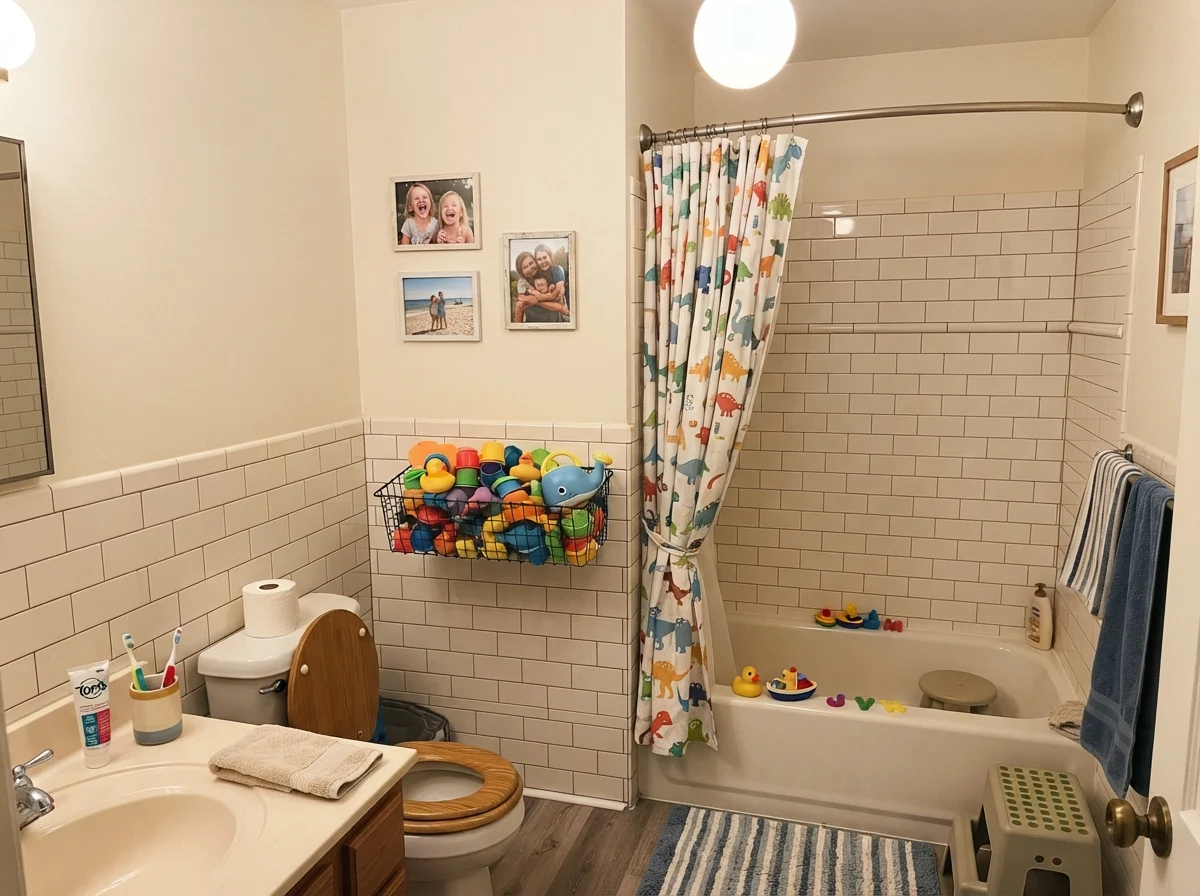
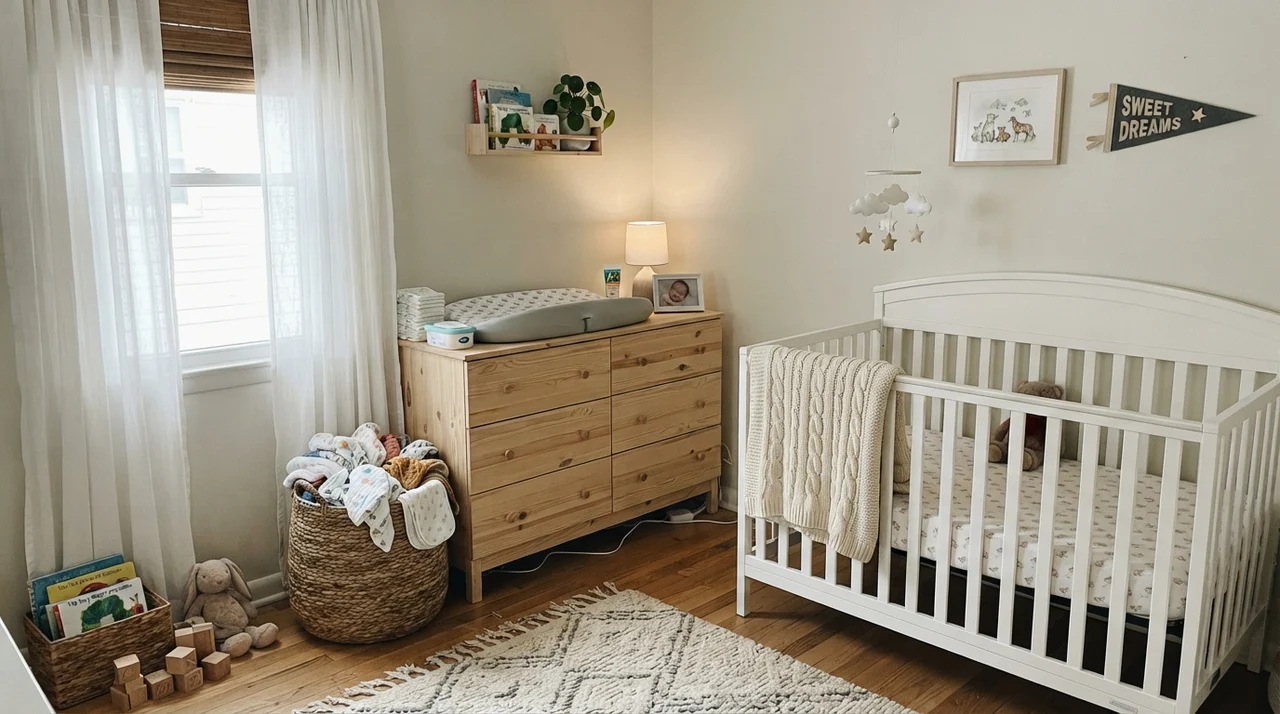
A bedroom wall painted in this off-white gives your eyes a place to rest. You can dress the bed in clean, bleached white linen, and the contrast feels rich and intentional—the linens pop forward as bright and crisp, while the walls recede into a soft, velvety background. It also provides a forgiving backdrop for children's bedrooms and nurseries, where walls take real abuse from sticky fingers, crib rails, and flying toys. A brilliant white highlights every fingerprint the moment the sun hits it. Dove Wing hides that daily family life until you finally get around to cleaning on Saturday.
Kitchens, Islands, and the Cabinet Equation
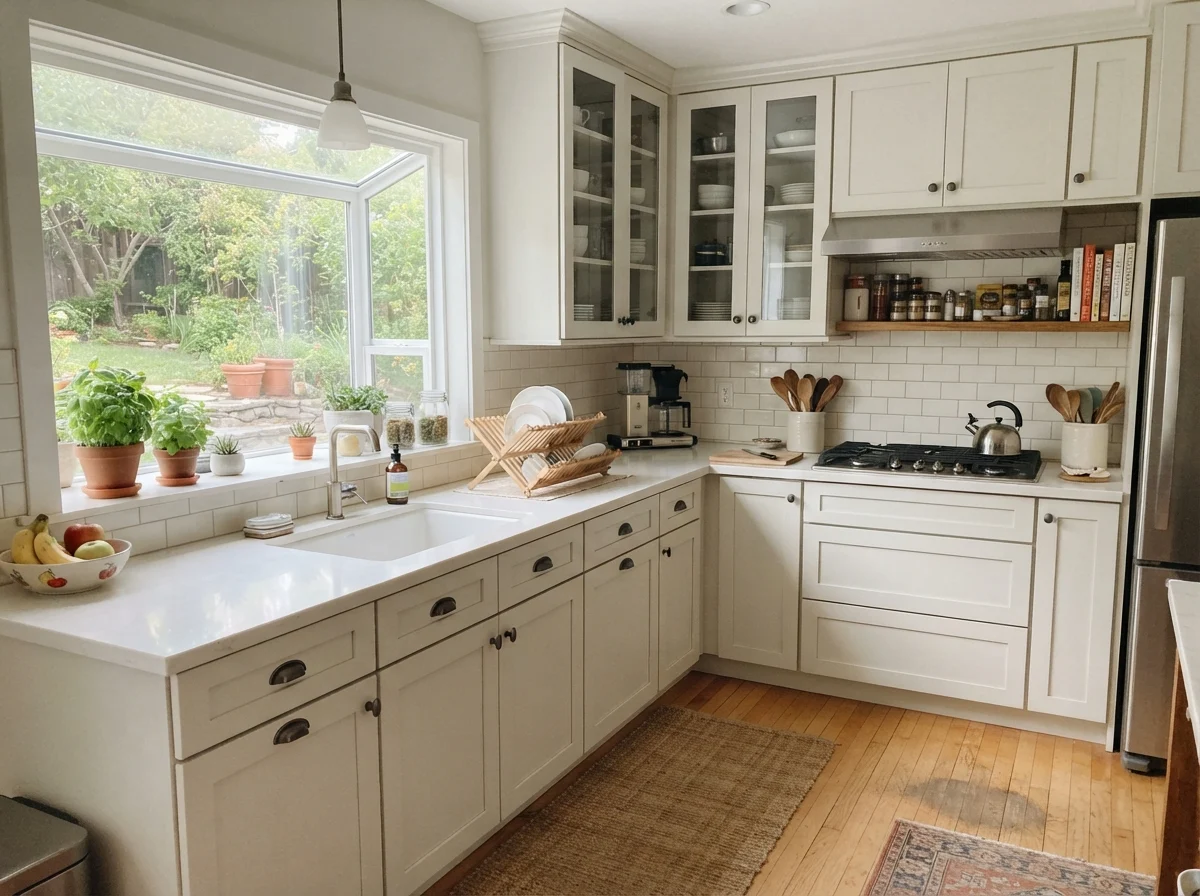
Painting kitchen cabinets is one of the most expensive and labor-intensive projects a homeowner can tackle. If you choose the wrong can of paint, you either live with it through gritted teeth or pay thousands to strip and respray. Many folks head to the paint desk asking for a clean white, spray their doors in a high-gloss factory white, and end up with a kitchen that looks like a medical supply closet. Dove Wing in a satin finish avoids that trap completely.
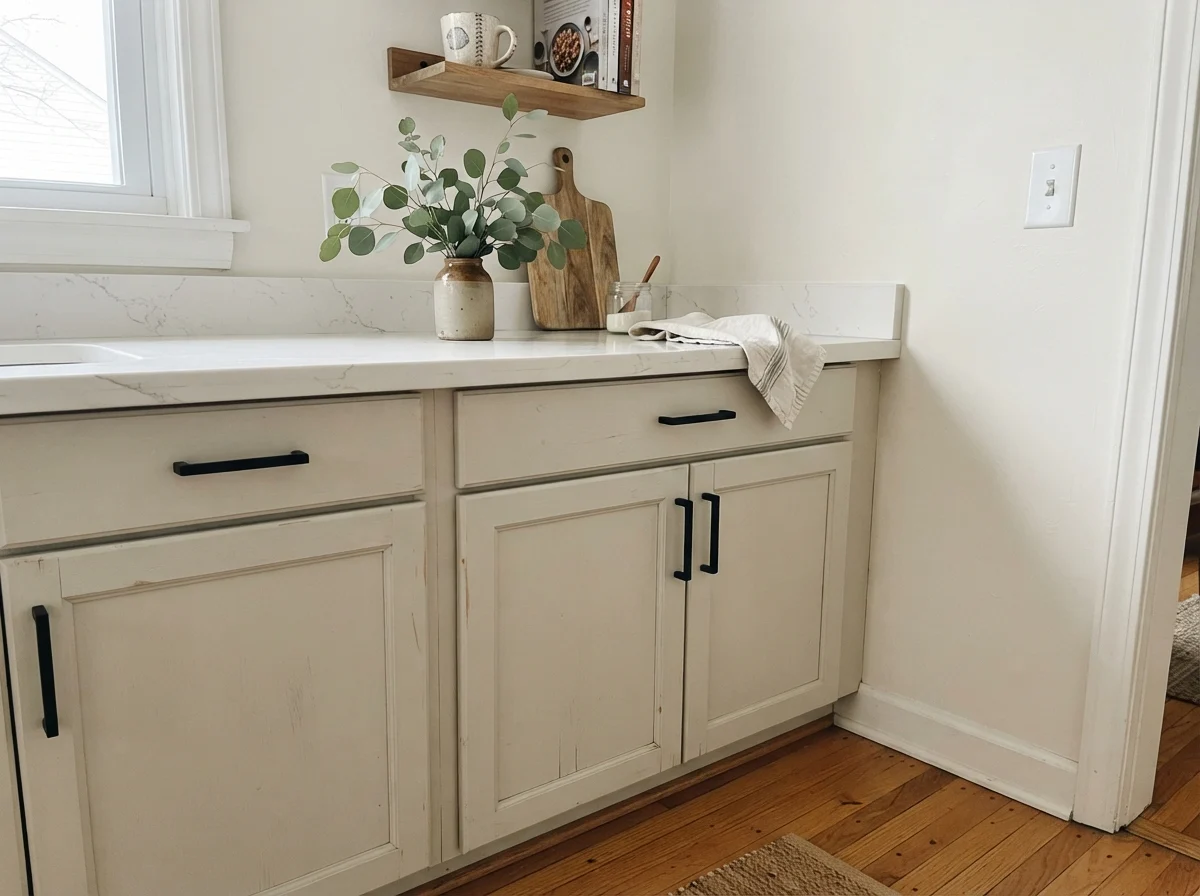
On kitchen cabinetry, it provides that timeless, hand-built English pantry look. It pairs naturally with warm butcher-block counters, unlacquered brass bin pulls, and creamy marble or quartz that has caramel or taupe veining. However, here comes my standard warning: check your backsplashes and counters before the painter starts spraying. If you have cool gray Carrara marble, blue-gray slate, or engineered quartz with icy blue speckles, Dove Wing will look muddy and yellow beside it. Warm cabinetry needs a warm environment to succeed.
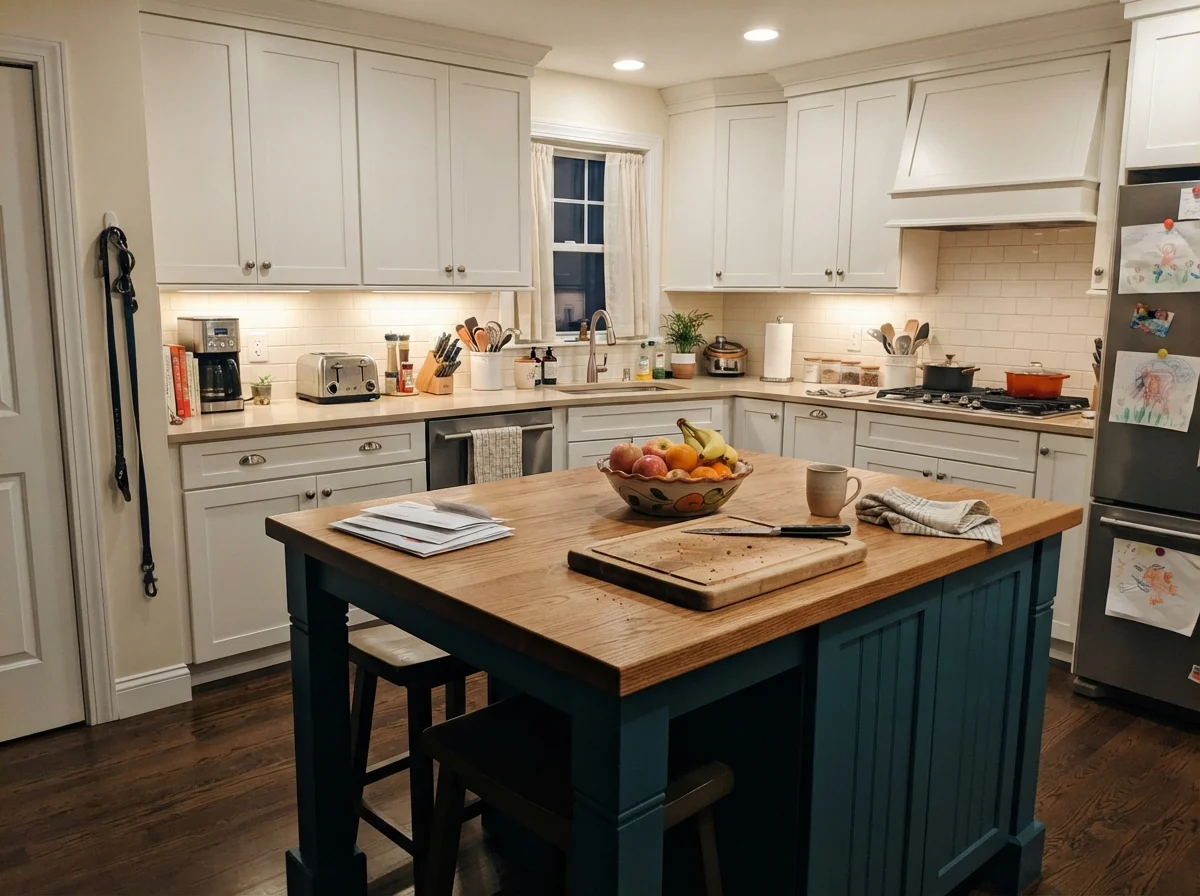
Using Dove Wing exclusively on an island or lower bank of cabinets while leaving the surrounding walls a paler white is another way to ground the room without committing to dark navy or forest green. In our 1990s colonial kitchen repaint, we sprayed the island in a warm off-white and kept the perimeter cabinets classic. That island held up through five years of children kicking the base panel with their school shoes, and it never showed the scuffs the way our previous bright white island had. Five years in, it still looked intentional, not beat up.
The bad stories about Dove Wing are never about the paint itself; they are about the cold white trim and icy gray countertops someone left sitting right beside it.
Living Rooms, Sunrooms, and Generous Daylight
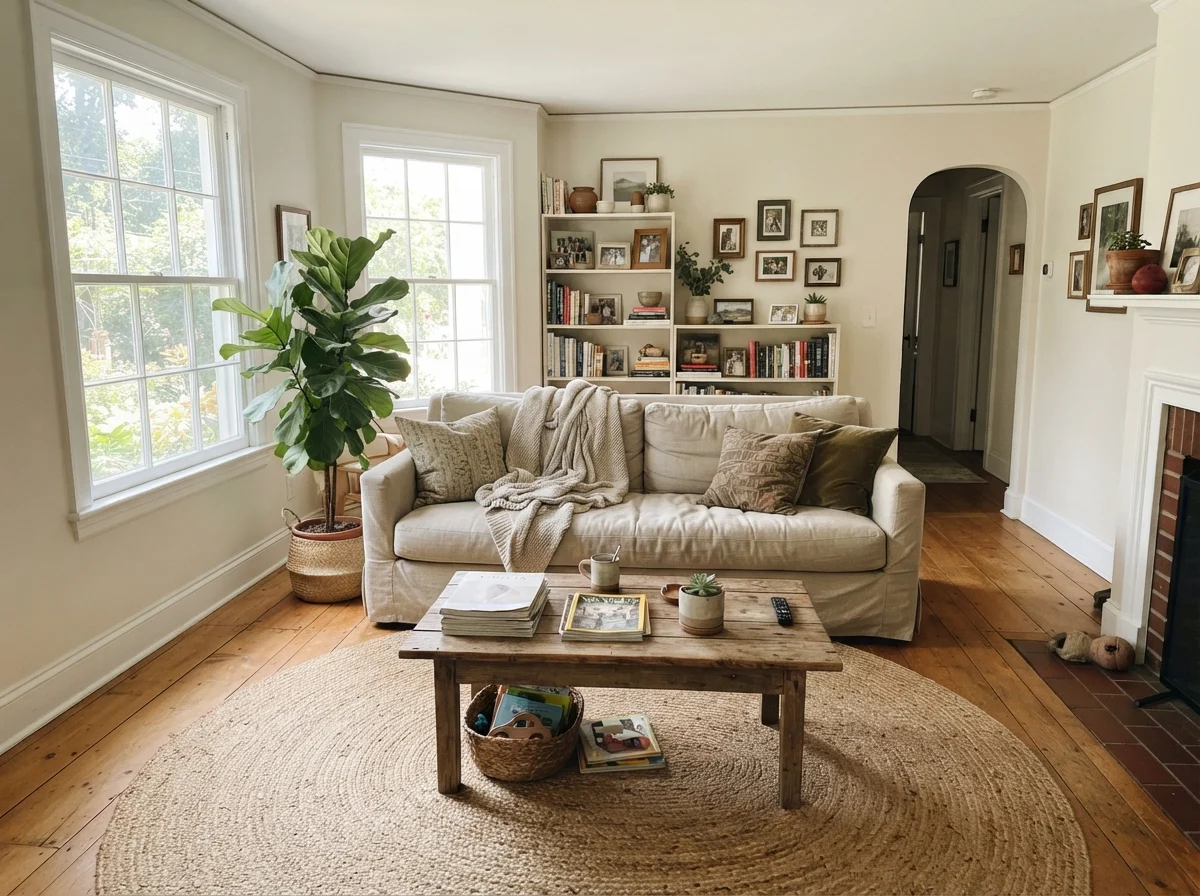
In a large family room or living area with multiple exposures, Dove Wing acts as a unifying canvas. It is light enough to keep the space open and airy, yet substantial enough that you know the walls have color on them. When you step into a living room with medium oak flooring, a nubby jute rug, linen upholstery, and a warm stone fireplace, this shade ties the organic elements together effortlessly.
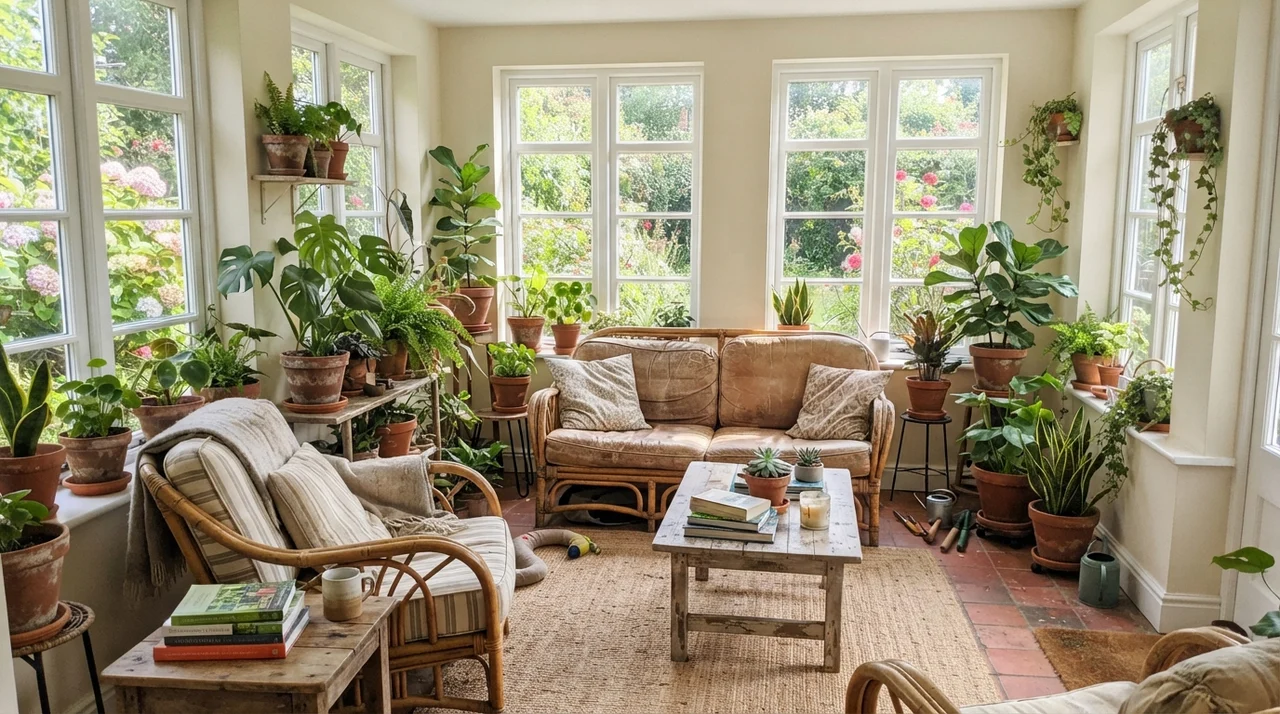
In a glassed-in sunroom or an enclosed porch, full southern or eastern light will wash over the room and blast out much of the undertone. In high-noon sun, you might swear the walls are a crisp white. But as clouds roll across the sky or shadows lengthen, the soft biscuit warmth slides back into view. That subtle movement keeps large rooms from feeling flat or sterile throughout the day.
The Honest Fail: When Dove Wing Goes Muddy
Every paint has its breaking point, and I believe in showing the ugly moments before you spend your hard-earned money. Dove Wing is not a miraculous cure for every dark corner of your house. It requires some quality of light to breathe. If you roll it inside a windowless interior hallway, a dark basement stairwell, or a tiny powder room illuminated only by an anemic 40-watt builder globe, it collapses into a drab, putty-like mud.
Because it sits at LRV 78 with a yellow-gray base, low light robs it of all its luminous creaminess. Instead of looking cozy, it looks tired—like a smoker's apartment that needs a fresh coat of primer. If your space has zero natural light and beige or taupe wall-to-wall carpeting, steer clear. In those windowless tunnels, you are far better off with a clean, high-reflectance white like Chantilly Lace or an unapologetic mid-tone color that embraces the darkness rather than trying to pretend it is sunny.
Trim, Doors, and Built-ins: The Frame Matters Most
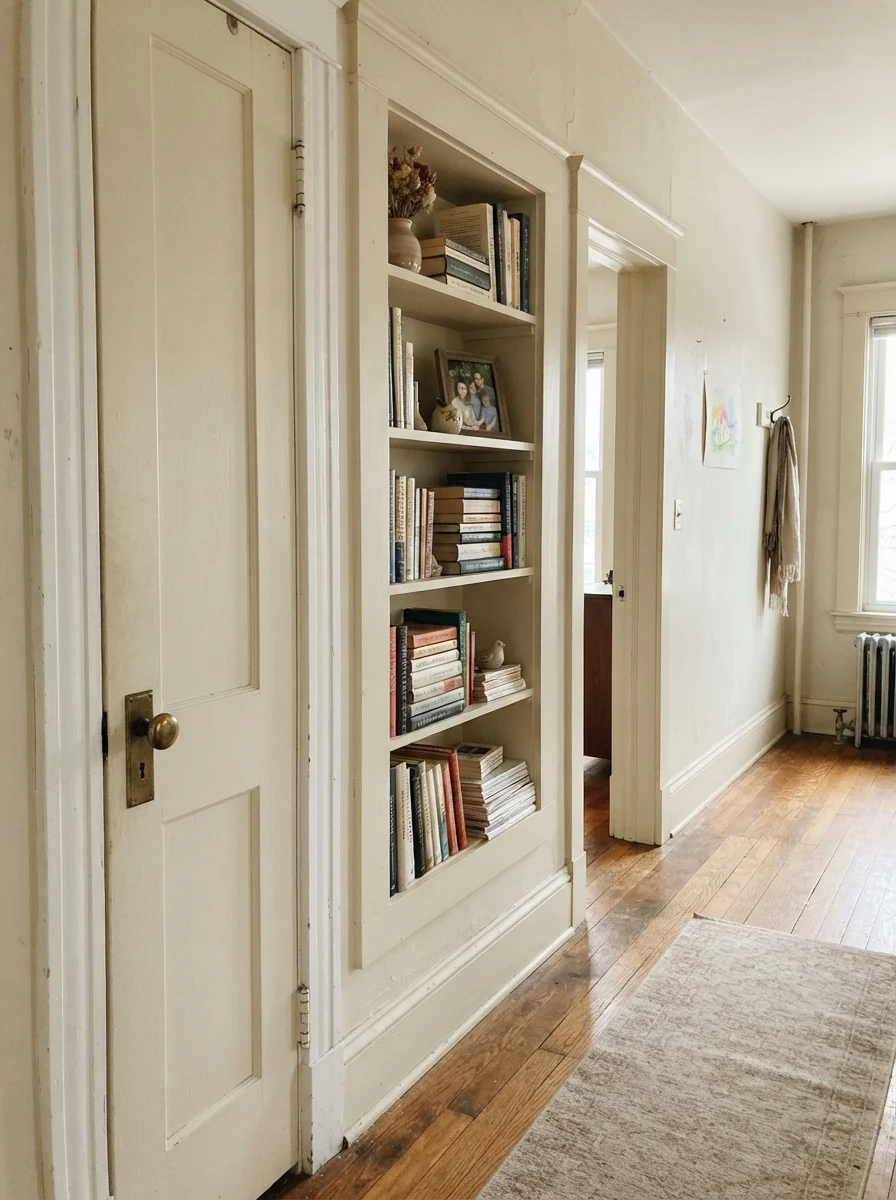
The single most common mistake homeowners make with Dove Wing is leaving their existing trim alone. If your woodwork is painted standard off-the-shelf high-gloss white, Dove Wing on the walls will look yellowed and dirty by comparison. You have two reliable ways to solve this. The first is to paint the trim in the very same color—Dove Wing—using a semi-gloss sheen on the moldings while keeping the walls in eggshell or matte. This subtle shift in sheen creates a seamless, tailored European look that makes lower ceilings feel taller.
The second option is to use Dove Wing as the trim color against deeper, moodier walls. If you have rooms painted in classics like Revere Pewter, Edgecomb Gray, or even a deep navy, Dove Wing on the baseboards, doors, and built-in bookcases provides a rich, mellow contrast that feels soft and historical rather than aggressive.
Exterior Siding: Sunlight Bakes Out the Heaviness
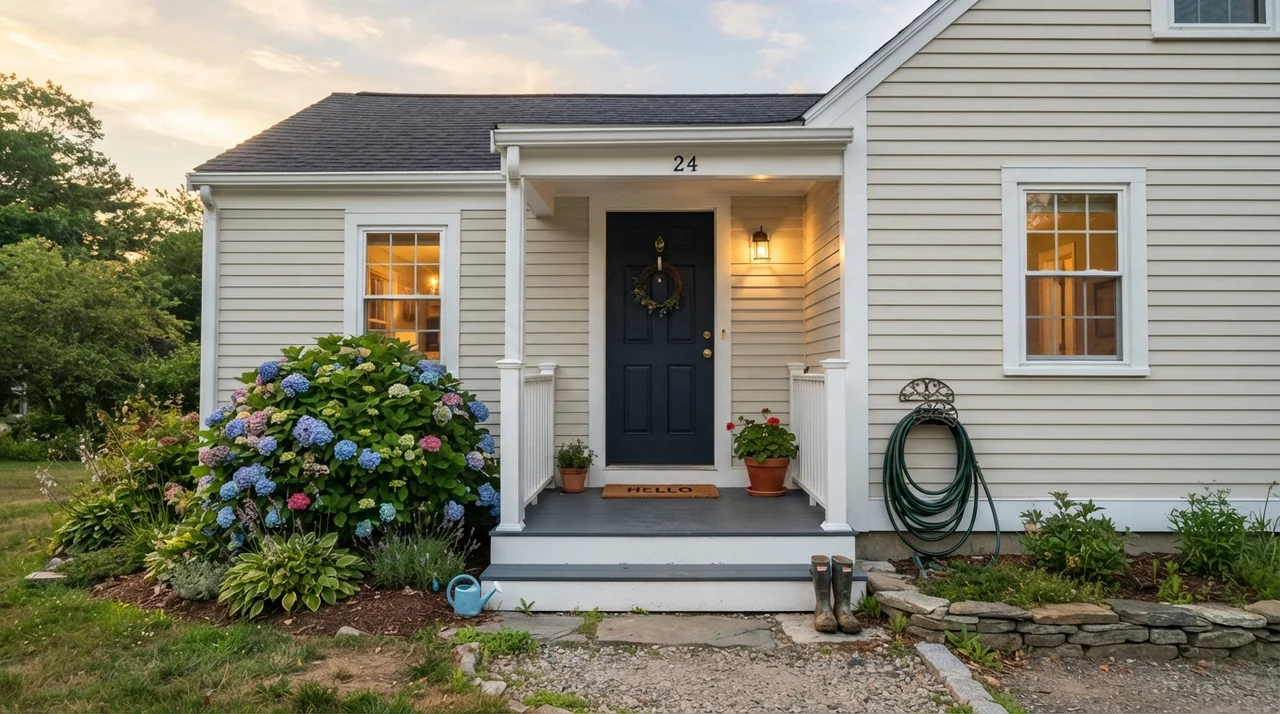
If you have ever tested an exterior white at midday, you know that full unfiltered sun bleaches color aggressively. A color that looks rich and creamy in your dining room will look like a dazzling, snow-blind white when applied to four hundred feet of exterior cedar lap siding. That is why Dove Wing is such an exceptional candidate for exterior siding.
Because it starts at an LRV of 78 with a healthy dose of pigment, bright outdoor sunlight washes out the creaminess just enough to make your home read as an inviting, classic white without glaring at the neighbors. When we repainted the exterior of our 1970s split-level before putting it on the market, choosing an exterior off-white with enough spine to withstand noon sun made all the difference. Paired with dark charcoal or wrought-iron shutters and a rich entry door, Dove Wing looks established and stately, never cheap or synthetic.
Durability, Scrubbing, and the Five-Year Test
Let's talk about what happens when you actually live in a house instead of just photographing it for the internet. We have lived with Benjamin Moore Regal Select in eggshell across dozens of rooms over thirty years. Dove Wing's LRV of 78 puts it in the sweet spot for durability. Pure, bright white walls show every accidental bump from a laundry basket, every greasy paw print from the family dog, and every child's pencil mark from ten paces away.
Dove Wing has enough depth to hide that day-to-day grit. When a wet sponge and a drop of dish soap are required, the eggshell finish scrubs clean without leaving those shiny burnished spots that ruin cheap builder flats. In our hallway—a high-traffic zone where backpacks hit the walls daily—it held up through five years of heavy family traffic without needing an all-out repaint. When we sold our second house, the listing agent walked through and specifically noted that the main living spaces looked freshly done, even though those walls had been rolled four years prior. That is where spending the extra money on top-grade paint in a forgiving off-white proves it was worth the money from day one.
What sheen should I use for Dove Wing on walls and trim?
For walls, eggshell is the golden standard—it provides enough washability without shiny reflections. For baseboards, window casings, and interior doors, use semi-gloss in the very same color to create a unified look. For kitchen or bathroom cabinets, go with satin for easy cleaning, and keep ceilings flat.
Why does Dove Wing look yellow or dingy in my room?
Nine times out of ten, the culprit is what sits adjacent to the paint. If you leave standard cool builder-white on the ceiling or trim, Dove Wing's lower LRV and warm pigment will immediately make the wall look shaded and dirty. It can also turn yellow if paired with cool gray flooring or cool blue-gray tile.
Does Dove Wing flash pink or peach?
In rooms with strong western exposure, the low, warm rays of late afternoon sunlight can pull the subtle red pigment forward, causing the walls to blush a faint peach tone for an hour before sunset. If you dislike warm pinkish casts, test Classic Gray instead.
Can I use Dove Wing as a trim color?
Yes, but only under walls that are darker than it. Semi-gloss Dove Wing looks stunning beneath walls painted in Revere Pewter, Edgecomb Gray, or deep historical hues. Never use it as trim against walls that are brighter or lighter than LRV 78.
Susan's Verdict · Buy the Gallon with Conditions
Dove Wing 960 is the color I reach for when a cold northern room needs to feel like home again. It flatters oak floors, forgives active family life, and scrubs clean without losing its temper. But remember the rule I learned the hard way: commit to repainting your trim, or this soft cream white will make your entire room look like it needs a wash.