Color Diary · No. 67
Benjamin Moore Cloud White: Where Cream Belongs and Where It Betrays You
Benjamin Moore's classic millwork white, reviewed honestly: where the cream flatters a room, the exact kitchens where it turns yellow, and what to buy instead.

Susan HartleyOctober 7, 2026 · 14 min read
Cloud White · Benjamin Moore 967
Hex#F2F1E6LRV85Undertoneswarm cream → ivory → soft white
In our last house, a 1990s colonial with golden oak trim that ran through every hallway and door frame like a stubborn stripe, I made the mistake of trying to turn the master bath crisp overnight. I bought three gallons of bright, untinted builder white, taped off the baseboards, and rolled two coats over the drywall. By Sunday night, the room looked like a hospital hallway dropped into a cabin. The woodwork looked orange, the walls felt cold enough to need a sweater, and every seam in the drywall announced itself. Two weeks later, I repainted the whole room in Benjamin Moore Cloud White 967. The oak settled down immediately, the trim looked intentional rather than dated, and I realized a lesson I have held onto for thirty years: you do not force a cold white into a house that wants warmth.
Cloud White is not a gallery white. It does not pretend to be modern, stark, or sharp. With a light reflectance value of 85, it is an unapologetically warm white with enough cream in its base to give painted woodwork the soft, finished look of actual furniture rather than plastic-wrapped particle board. We lived with it on the trim of our second house for nine years, and when we sold, every single door frame still held that quiet, substantial glow. But putting it on four vast walls under blazing sunlight or pairing it against icy marble is an entirely different story. That is where homeowners get into trouble, and that is what we need to sort out before you open a single can.
How Daylight Moves Cloud White Across the Day
The single biggest mistake people make with warm whites is testing them at noon and judging them at 8 p.m. In the morning, when cool daylight washes across an east- or north-facing room, Cloud White trims back its yellow undertones and behaves like a calm, quiet white. It feels clean without stinging your eyes. Five years in, that morning light is still my favorite way to see it.
By late afternoon, however, south and west sun changes the conversation entirely. That low golden rake pushes the cream pigment straight to the surface. In our current 1960s ranch, our west-facing living room walls turned noticeably ivory by 4 p.m. If you bought Cloud White expecting a crisp gallery background for modern art, that afternoon warmth will feel like an unwelcome guest. But if you have warm oak floors, linen upholstery, or bronze cabinet pulls, that late-day glow is precisely why you paid for Benjamin Moore instead of cheap builder paint.
Living with Cloud White in Bathrooms and Bedrooms
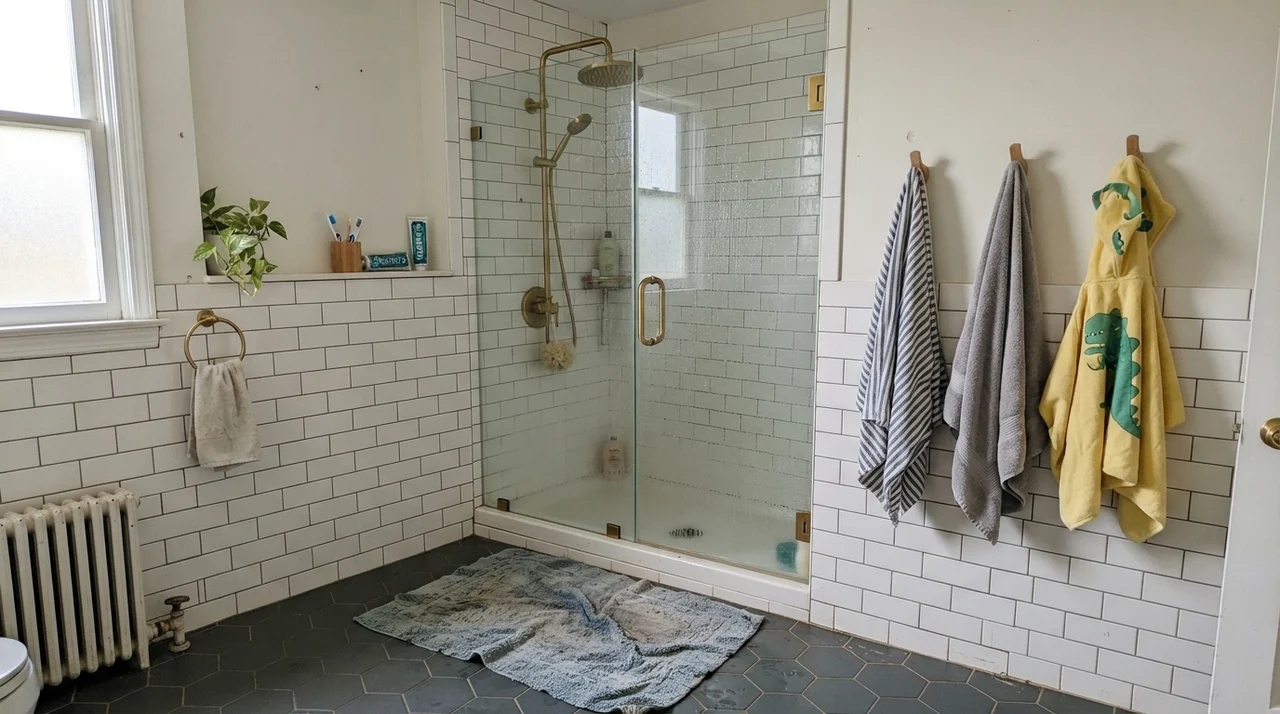
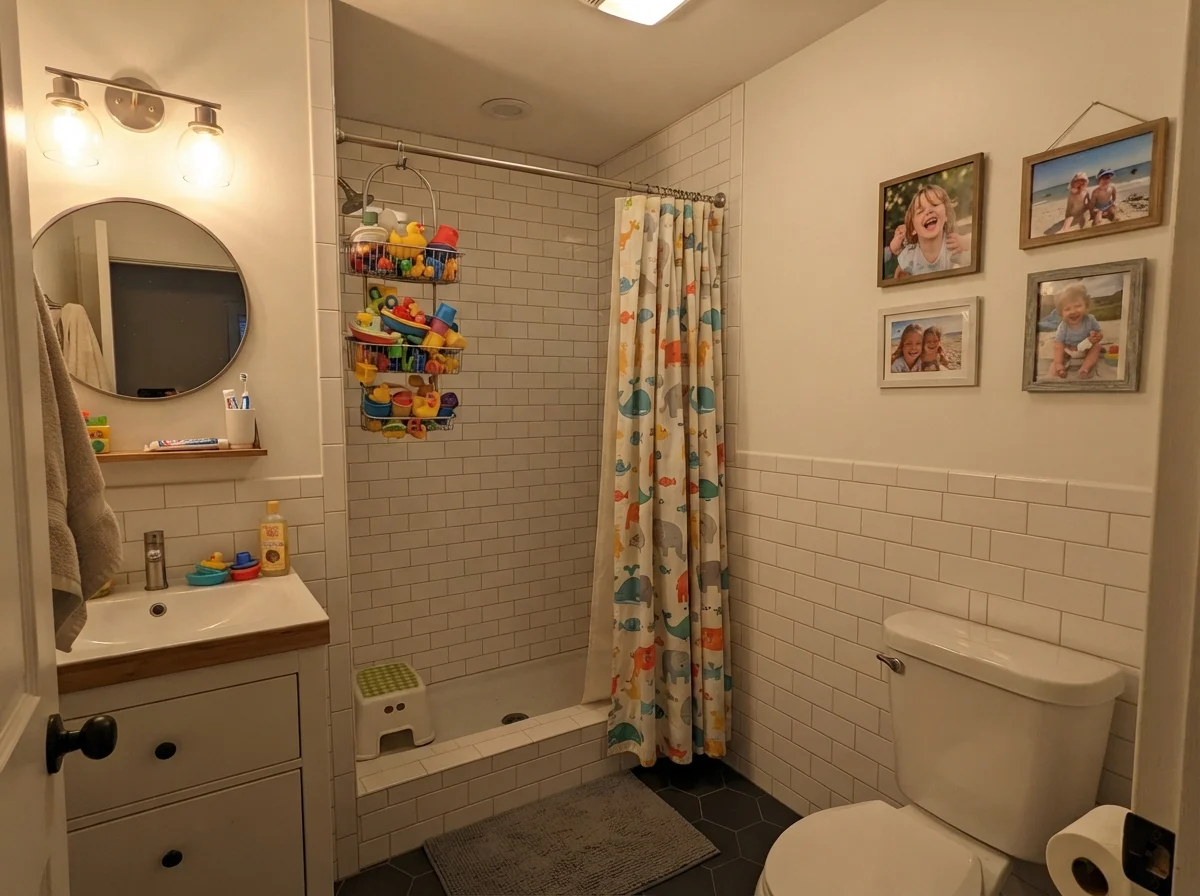
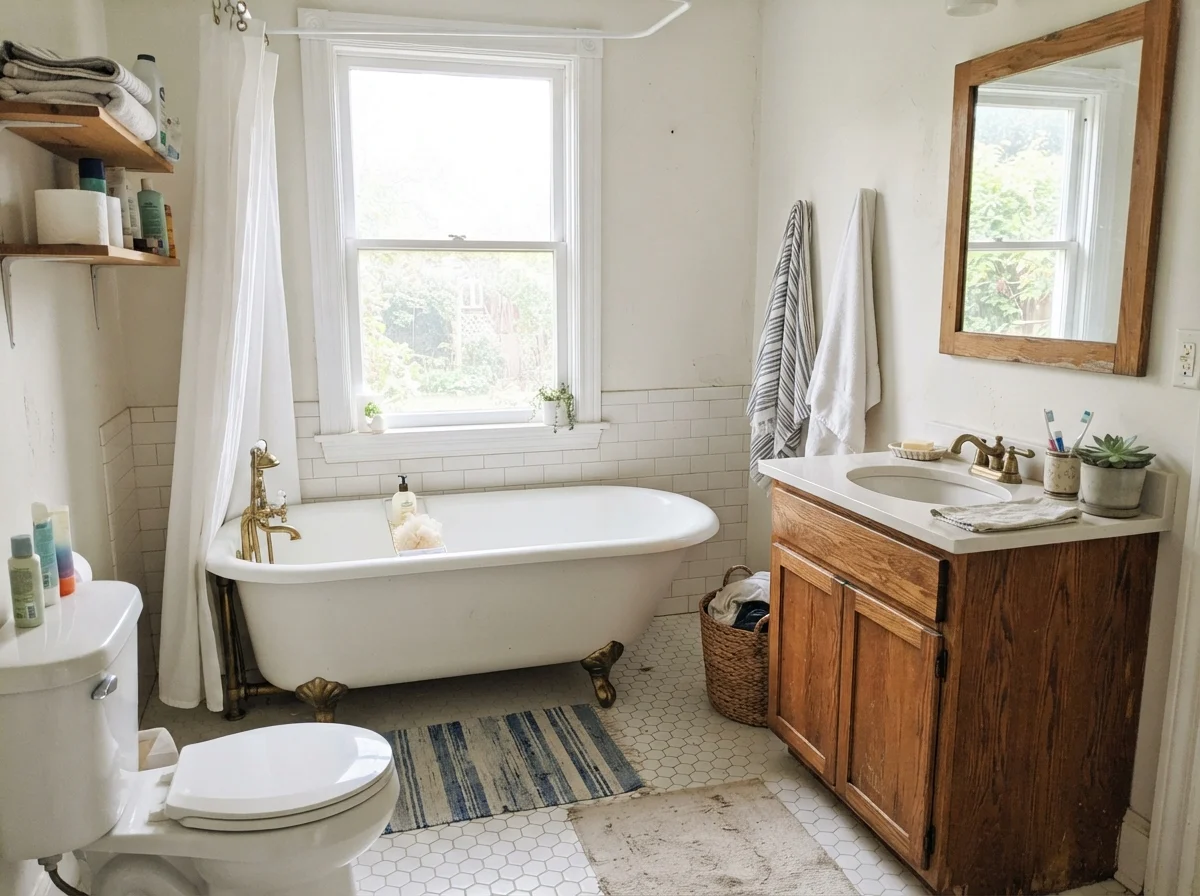
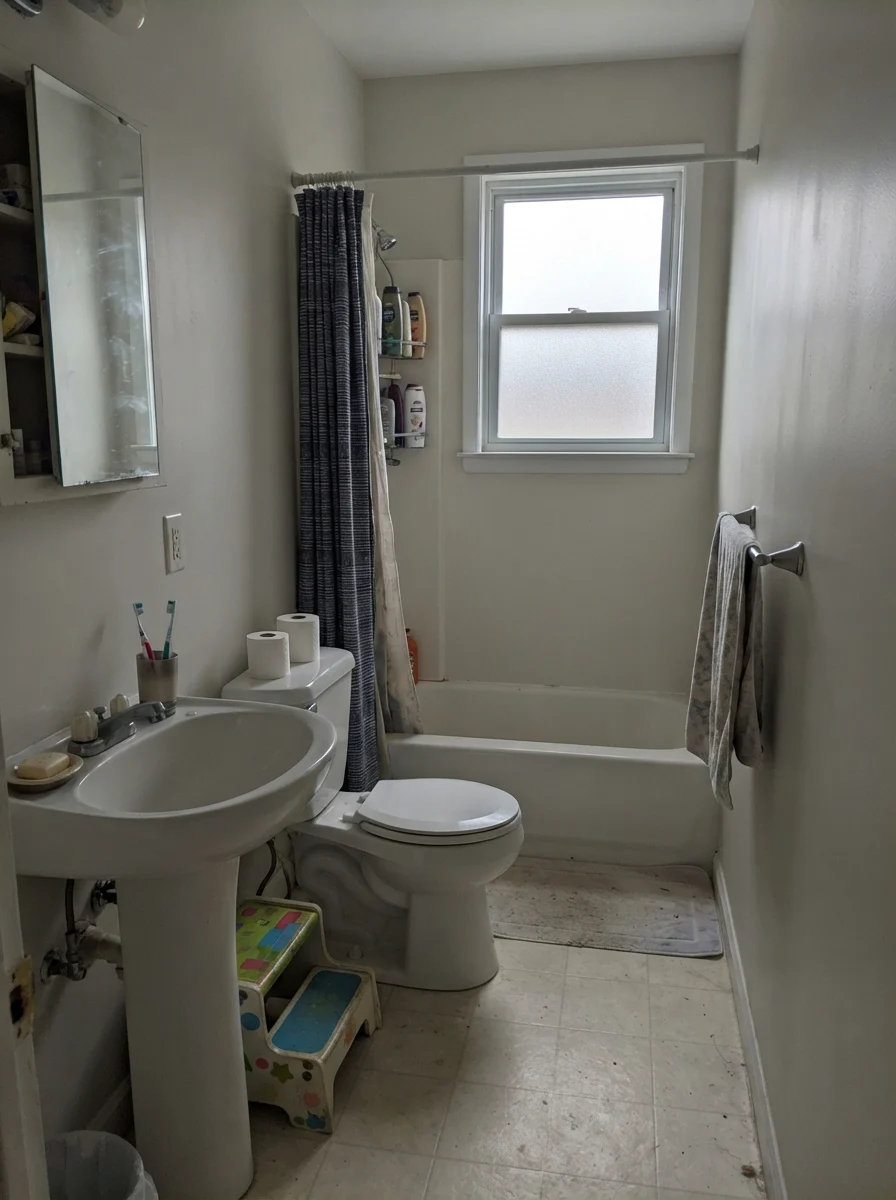
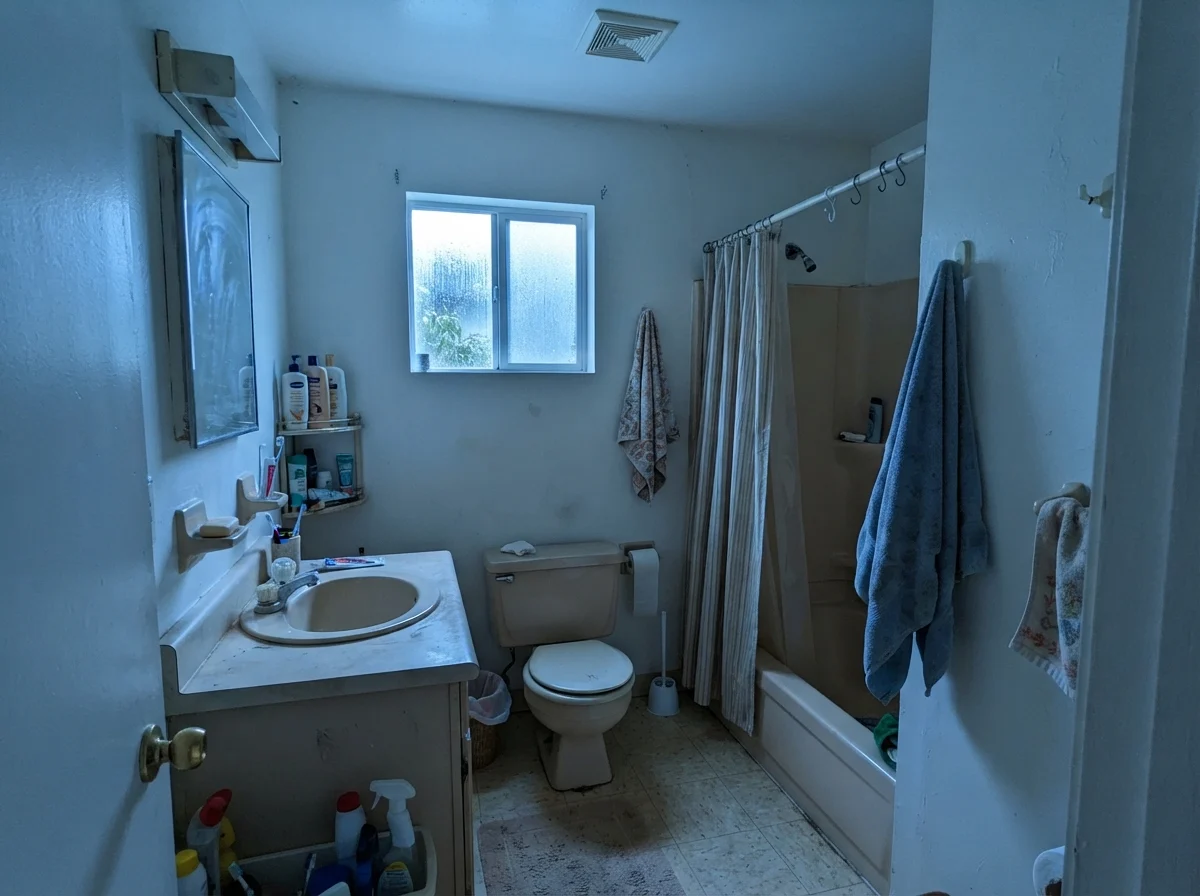
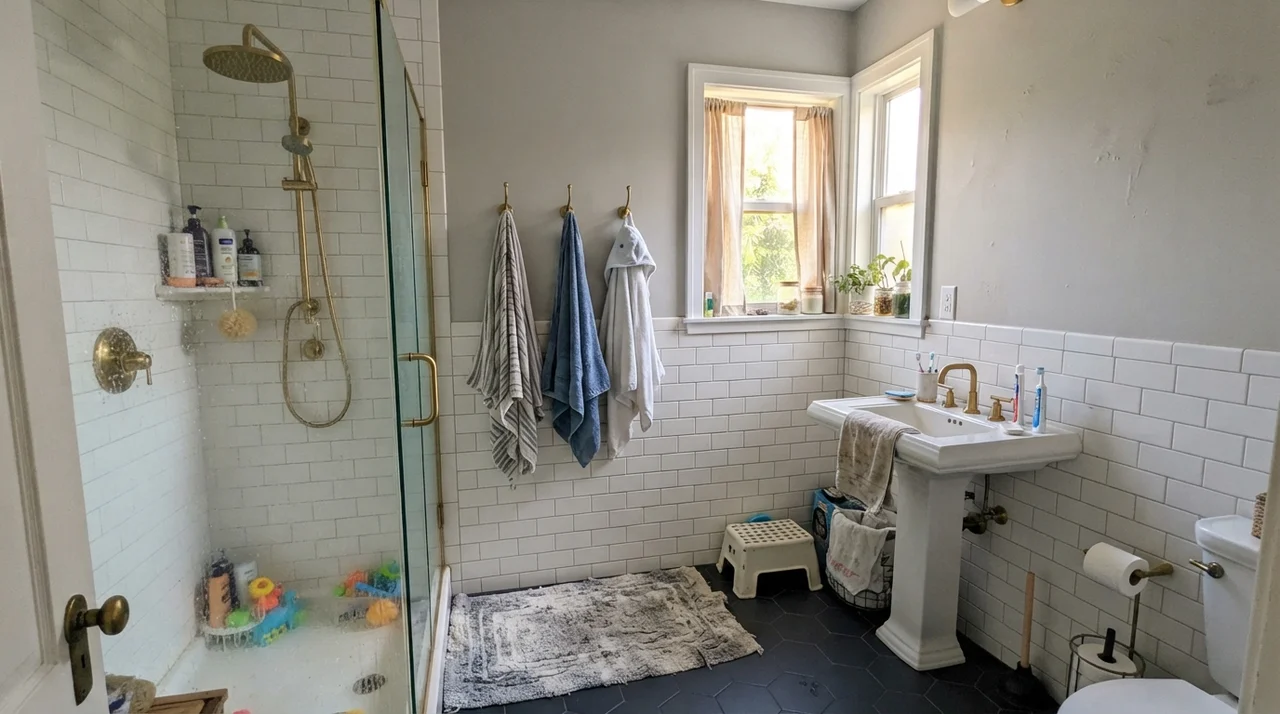
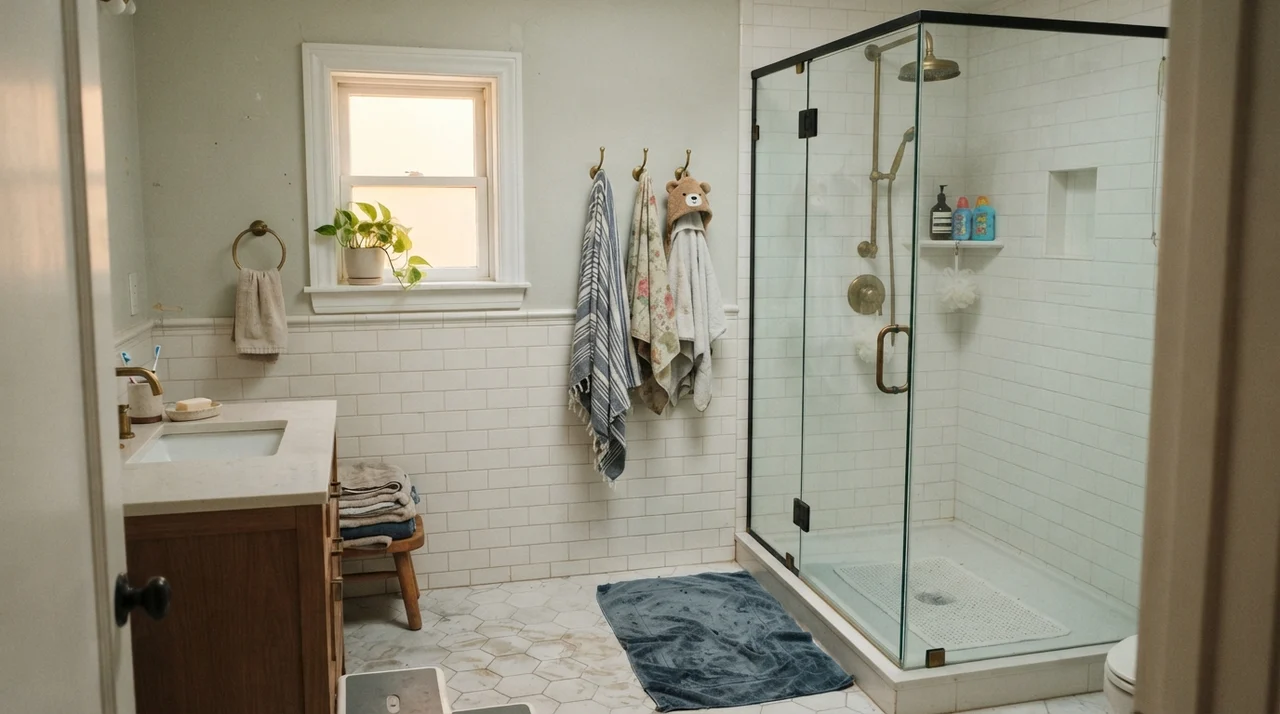
Bathrooms are tricky territory for any warm white. In a bathroom with white subway tile wainscot, warm oak vanity accents, and brass shower fixtures, Cloud White sits happily. It softens the hard glaze of porcelain and ceramic tile, bridging the gap between vintage charm and daily function. But drop that same can into a bathroom with cool gray Carrara marble or blue-gray floor tile, and you will regret it within twenty-four hours. Against cool stone, Cloud White looks dingy and slightly yellowed, like a wall that used to be white before thirty years of steam and hairspray got to it.
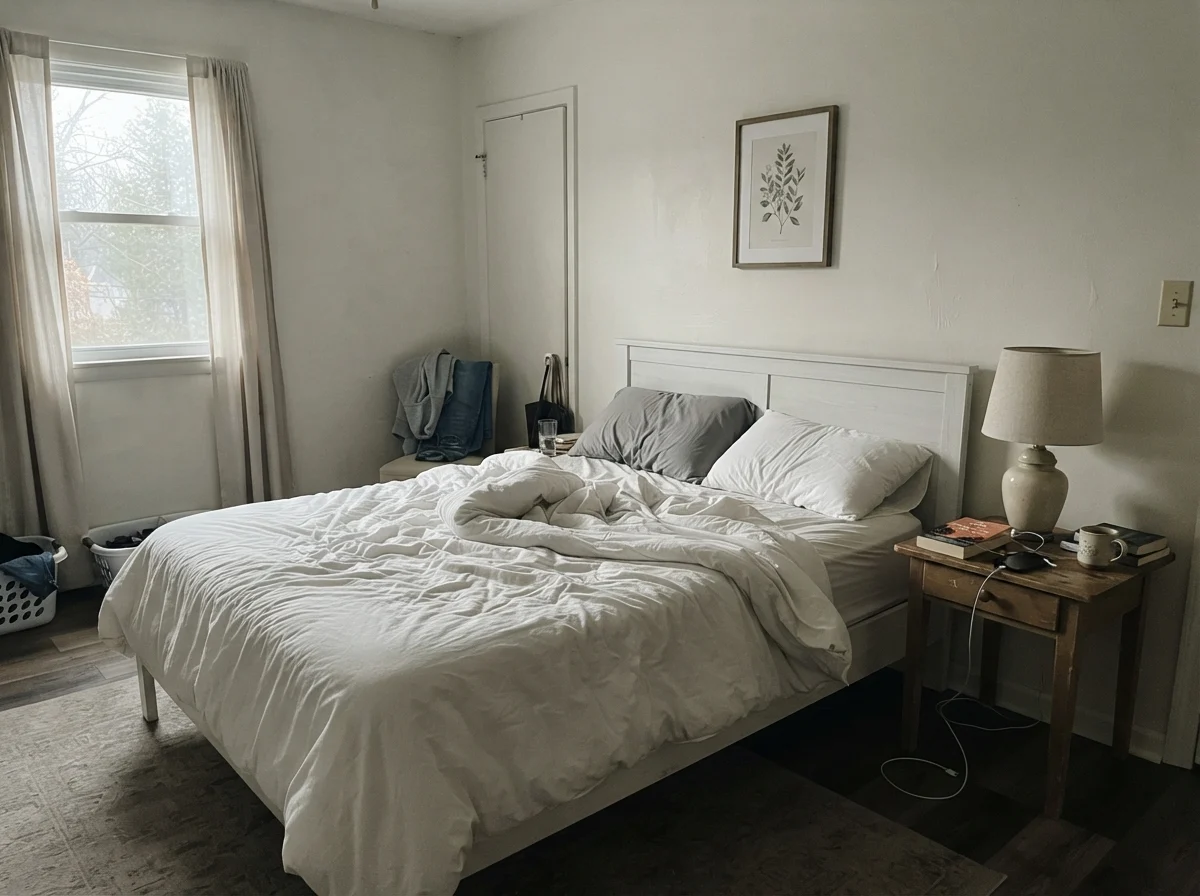
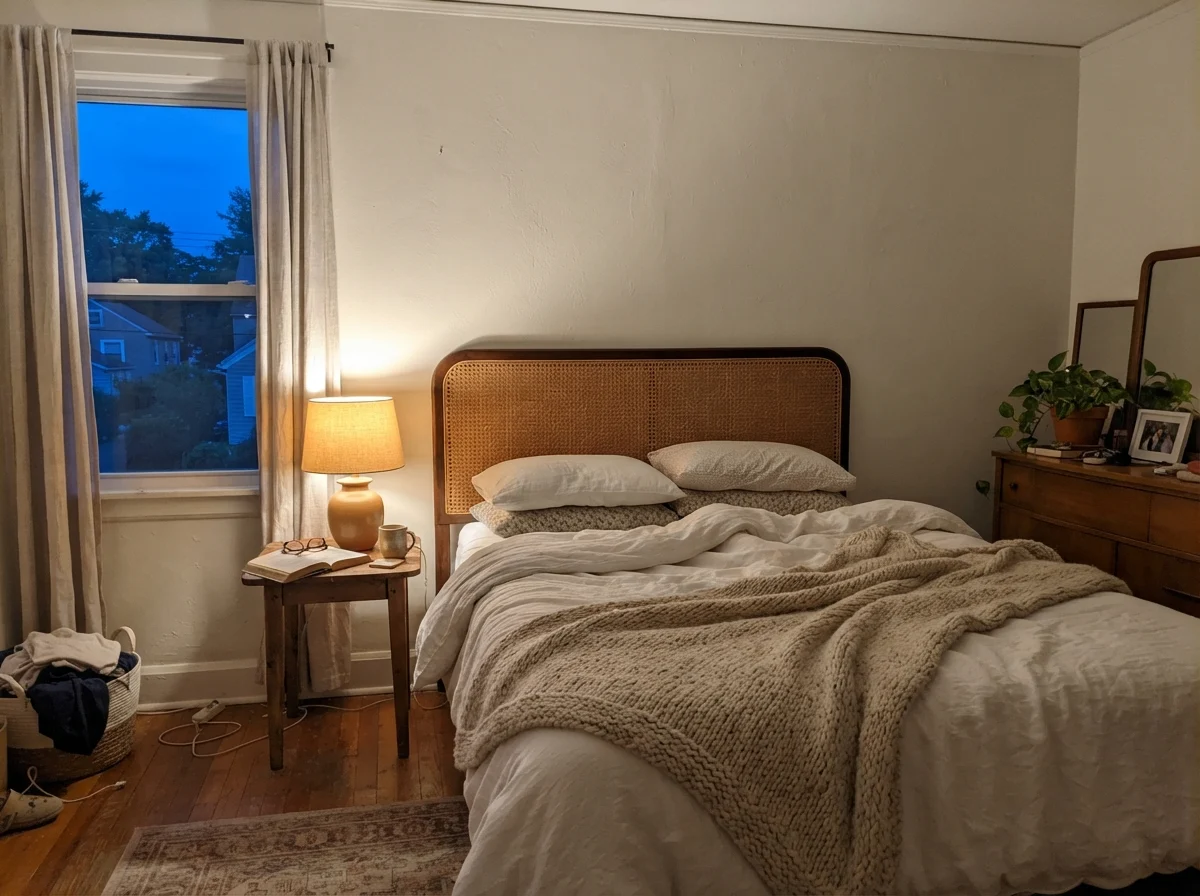
In bedrooms, Cloud White is pure comfort, provided you mind your light bulbs. Under 2700K incandescent or warm LED bulbs, the walls turn properly buttery. My husband loved that cozy glow in our colonial; I swapped the bedside lamps to 3000K bulbs because I prefer the paint to stay closer to its daytime tone. Paired with pale oak nightstands, white linen bedding, and ceramic lamps, eggshell Cloud White turns a bedroom into a quiet retreat that never feels drafty or stark in winter.
Nurseries, Teen Rooms, and North Light Exposures
North-facing rooms are where Cloud White does some of its finest, most reliable work. North daylight carries a faint gray-blue cast that makes cooler whites look like wet concrete. Because Cloud White has genuine warmth baked into its formula, that blue light balances the cream, leaving behind a clean, balanced off-white. In a nursery with a white crib, light-wood dresser, and woven baskets, it creates an airy, gentle environment that doesn't feel clinical.
When our daughter moved into her teenage years and wanted her room painted white, we used Cloud White. It held up against the clutter of white desks, corkboards, open bookshelves, and sneakers tossed on the rug. Even when overcast rainy days flattened the light through the window, the walls never took on that depressing, chilly cast that pure untinted white tends to produce in dim weather.
Kitchen Cabinets, Trim, and Island Finishes
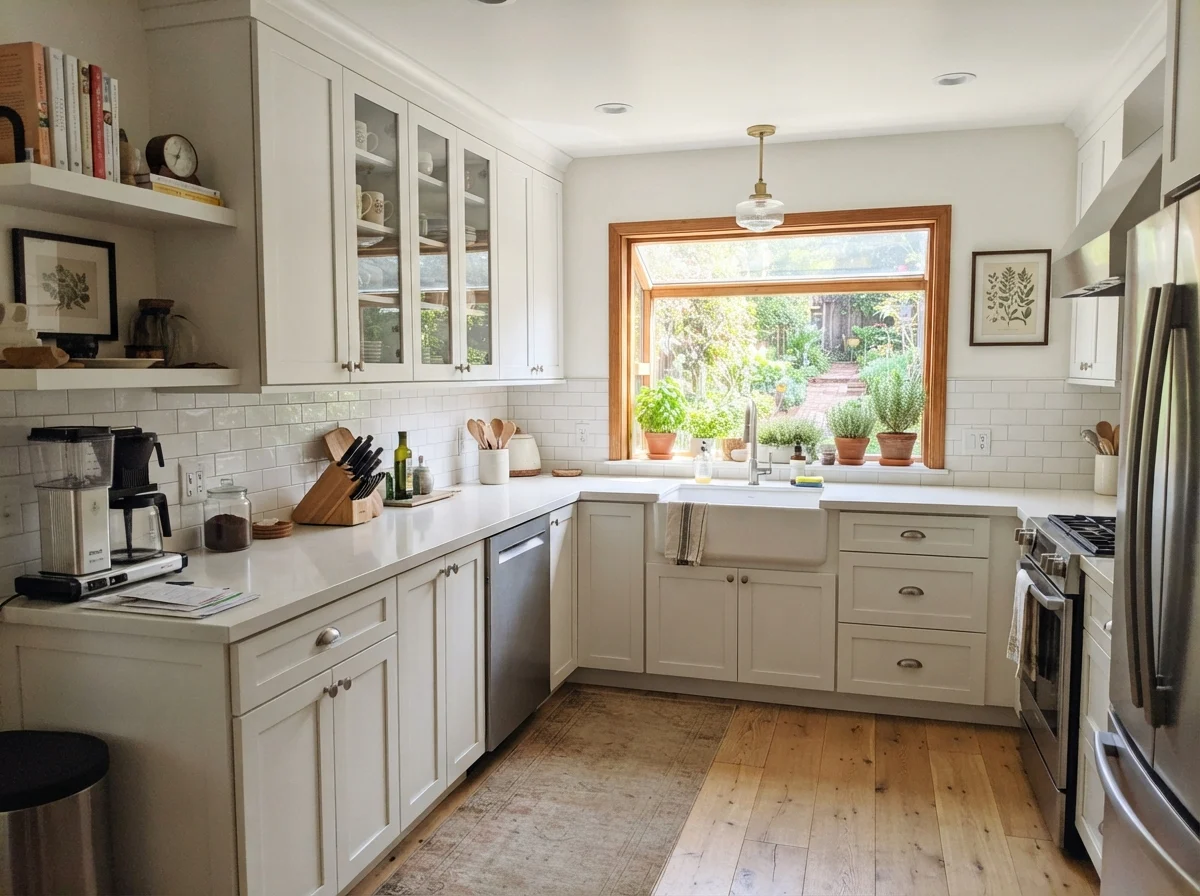
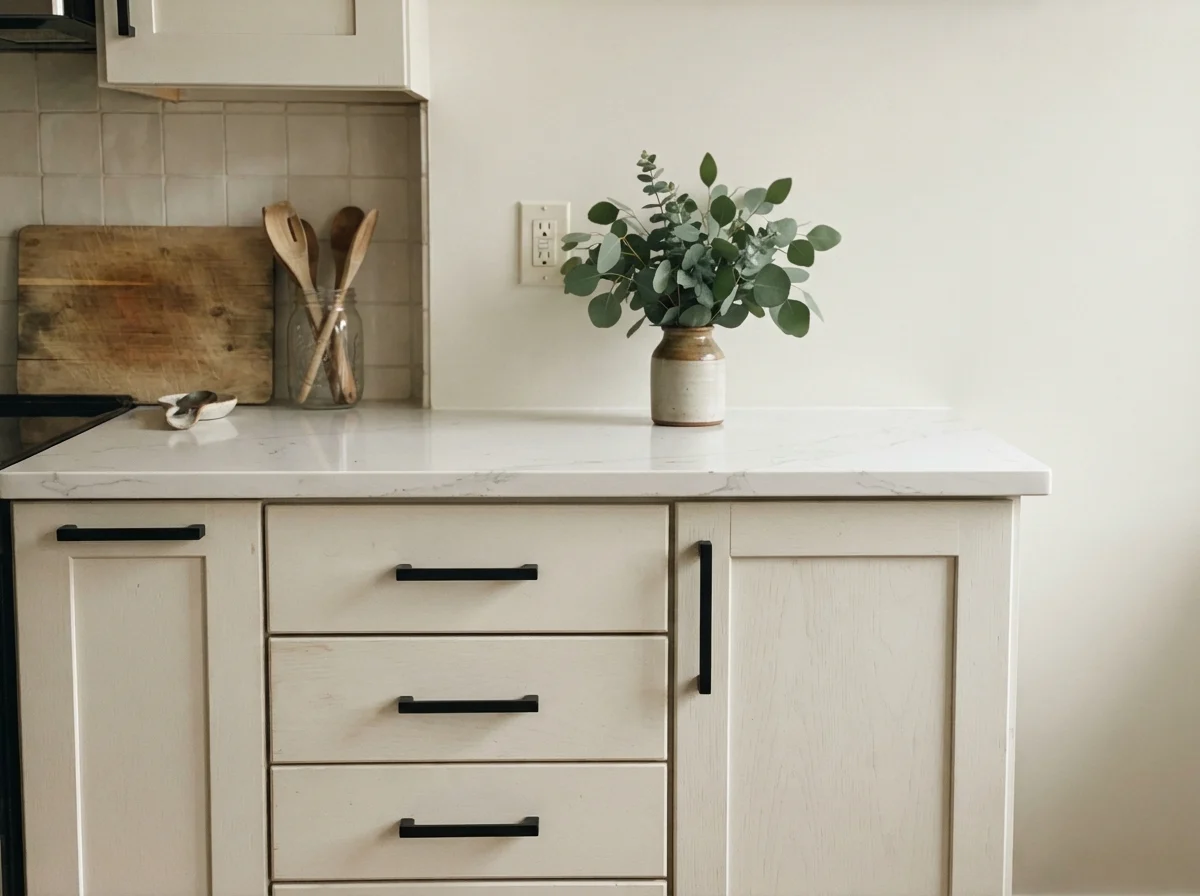
If you ask three painters what they think of Cloud White, two of them will mention millwork and cabinets before you finish asking. On shaker cabinet doors in a satin sheen, Cloud White is worth the money. Bright whites show every single fingerprint around the pulls, every smudge of dust, and every water drip from the sink. Cloud White hides knuckle marks and daily wear far better, and it gives kitchen cabinetry the architectural weight of fine custom carpentry.
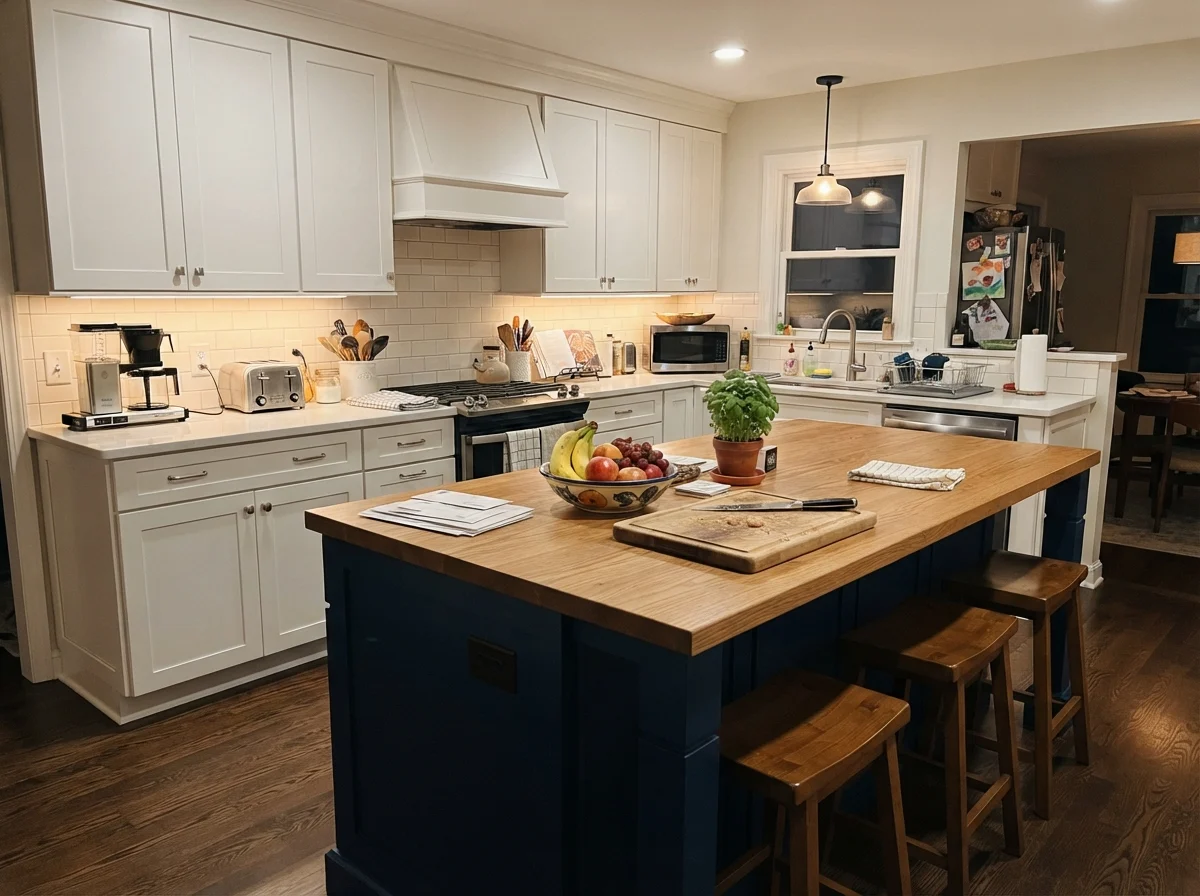
There is, however, an ironclad rule for kitchens: know your countertop. If you have warm butcher block, soapstone, or warm-toned quartz with brass or bronze hardware, satin Cloud White cabinets look rich and grounded. But if you installed ice-white quartz with sharp gray veining and stainless appliances, Cloud White cabinets will read yellowed and dingy next to them. In our colonial, we painted only the kitchen island in Cloud White while keeping the surrounding cabinets white, paired with light oak floors and cutting boards on the counter. It anchored the kitchen without demanding total perfection.
Cloud White is not a gallery white. It is made for real woodwork, real sunlight, and homes where people actually touch the door frames.
Living Rooms, Sunrooms, and Everyday Family Spaces
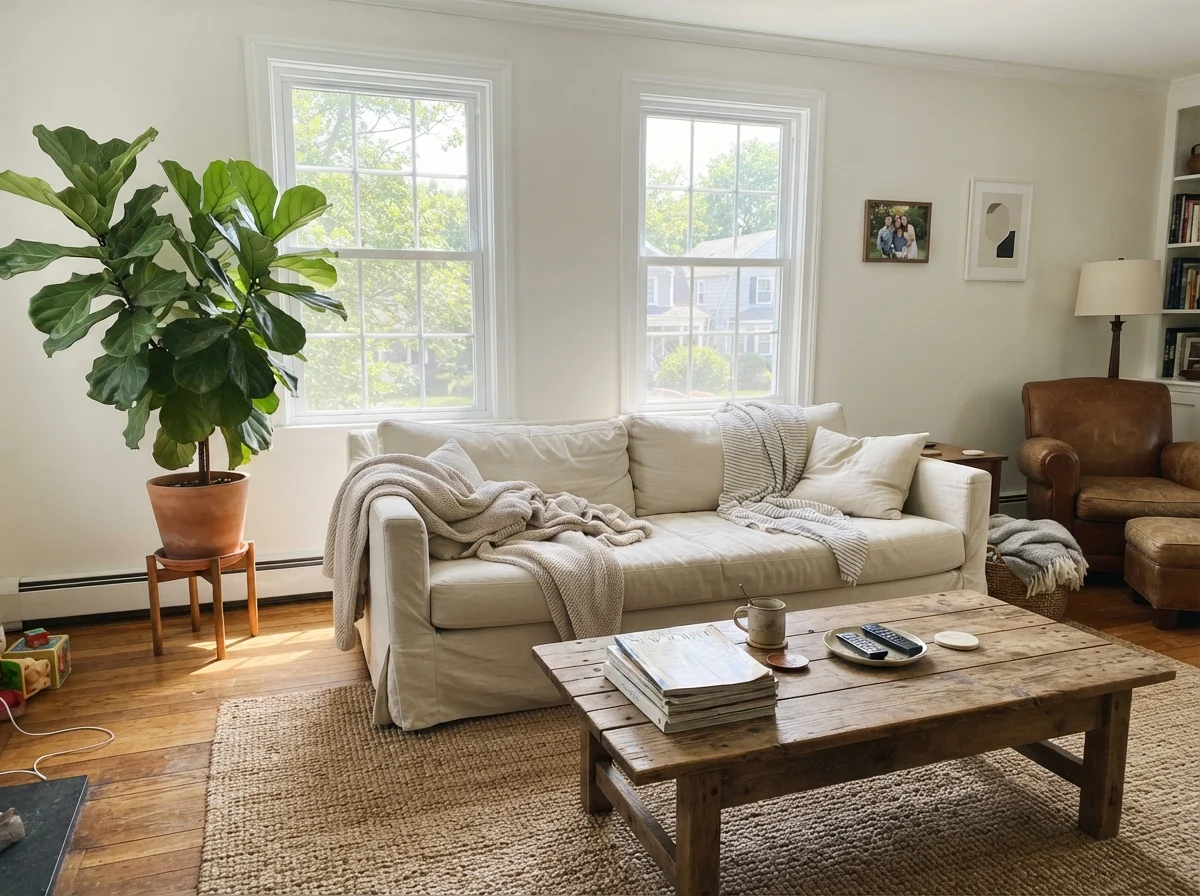
In main living spaces, eggshell finish gives Cloud White just enough body to catch daylight across long walls without reflecting glare like a mirror. In a living room styled with a linen sofa, rumpled throw, jute rug, and a wood coffee table, the color feels generous and lived-in. It flatters warm wood furniture, brass lamps, and terracotta planters, softening the harsh edges of midday sun.
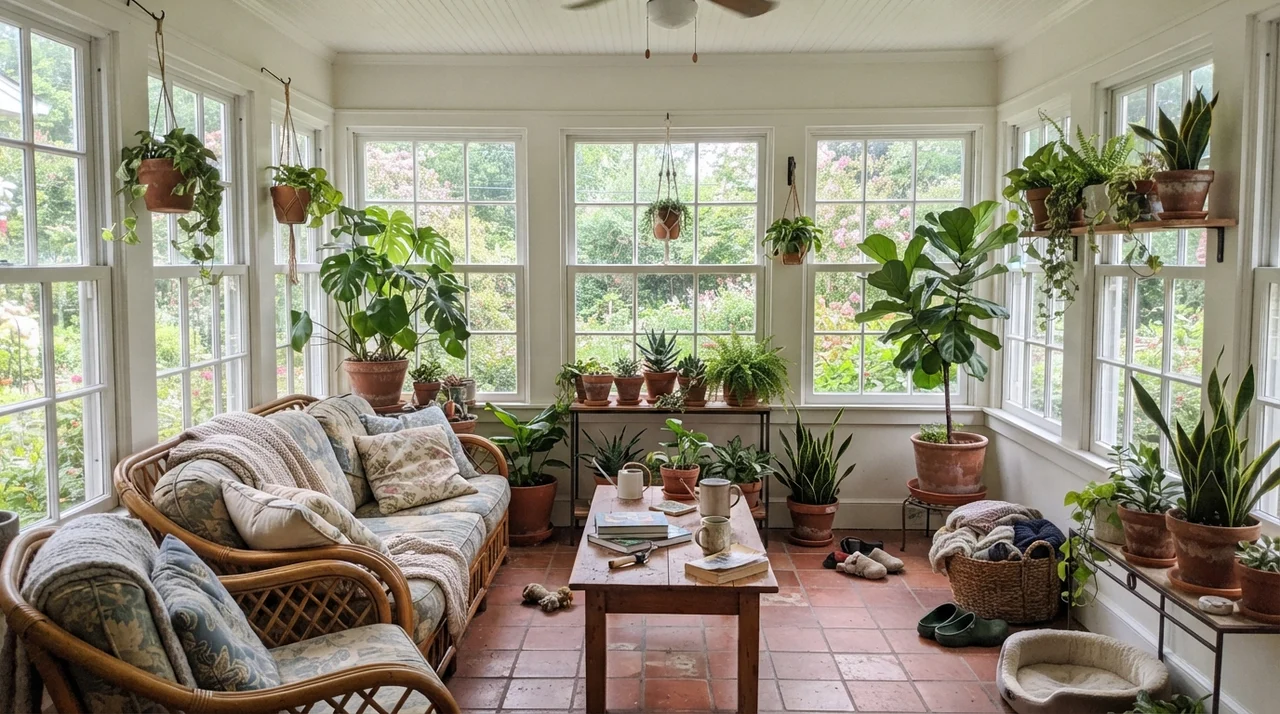
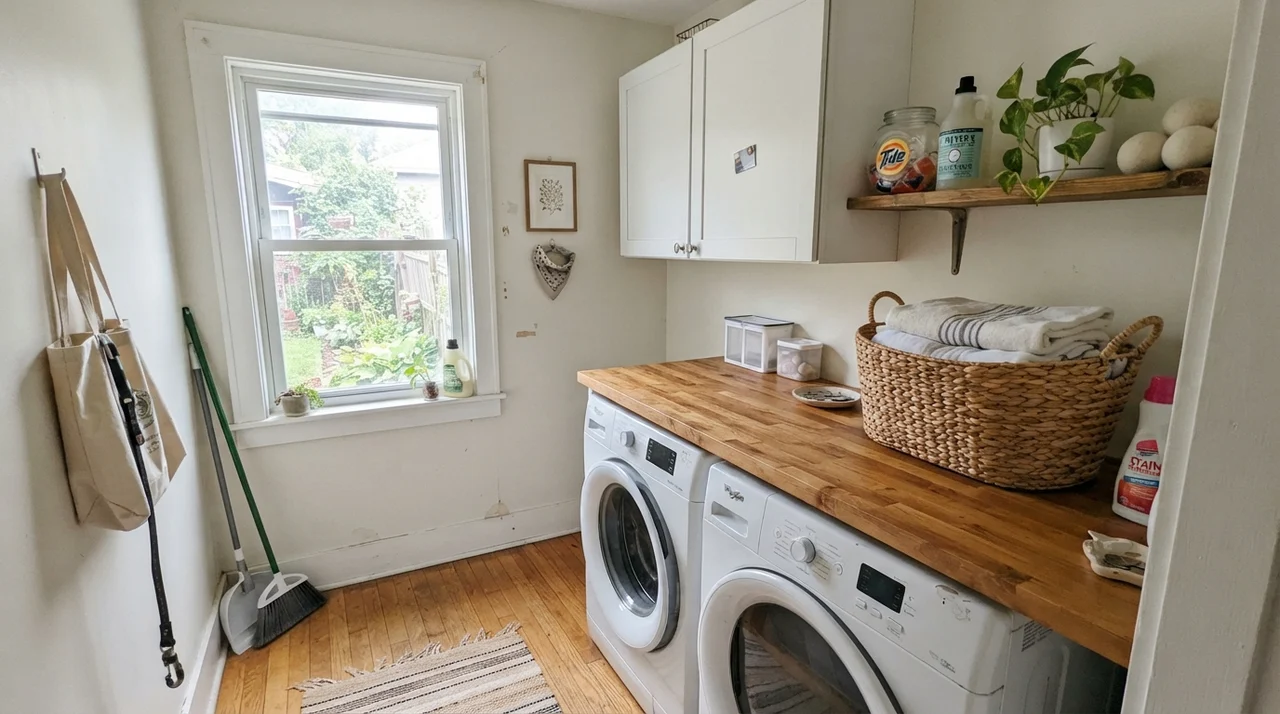
In our ranch, our sunroom sits wrapped in white-framed windows with terracotta pots and rattan chairs. Cloud White between those window casings gives the plants a soft, warm backdrop that doesn't compete with the greenery outside. And in small utility spaces—like a bright laundry room with butcher-block counters over white appliances—it keeps the room feeling clean and airy while avoiding the sterile laundry-mat look.
Where Cloud White Fails: The Honest Assessment
Every paint has its breaking point, and Cloud White has three that I have watched neighbors trip over repeatedly. First: windowless, dim hallways. Because Cloud White sits at an LRV of 85 with subtle cream pigment, it requires actual daylight to stay alive. Without daylight or good 3000K lamp lighting, it flattens out into a muddy, putty-like tone. On four matte walls in a dark hallway over beige carpet, it looks dingy, not cozy.
Second: pairing it against brighter whites. If you paint your walls Cloud White but leave your baseboards and ceiling in untinted builder white, your walls will look permanently dirty. The brighter white robs Cloud White of its creaminess and leaves only a yellowish film behind. Third: cool gray marble bathrooms. When cool north rain hits a dated bathroom with cool fixtures, Cloud White turns gray-green and tired. If your surfaces are cold, do not ask a warm cream to rescue them; it will only look like a mistake.
Millwork, Doors, Built-ins, and Exterior Siding
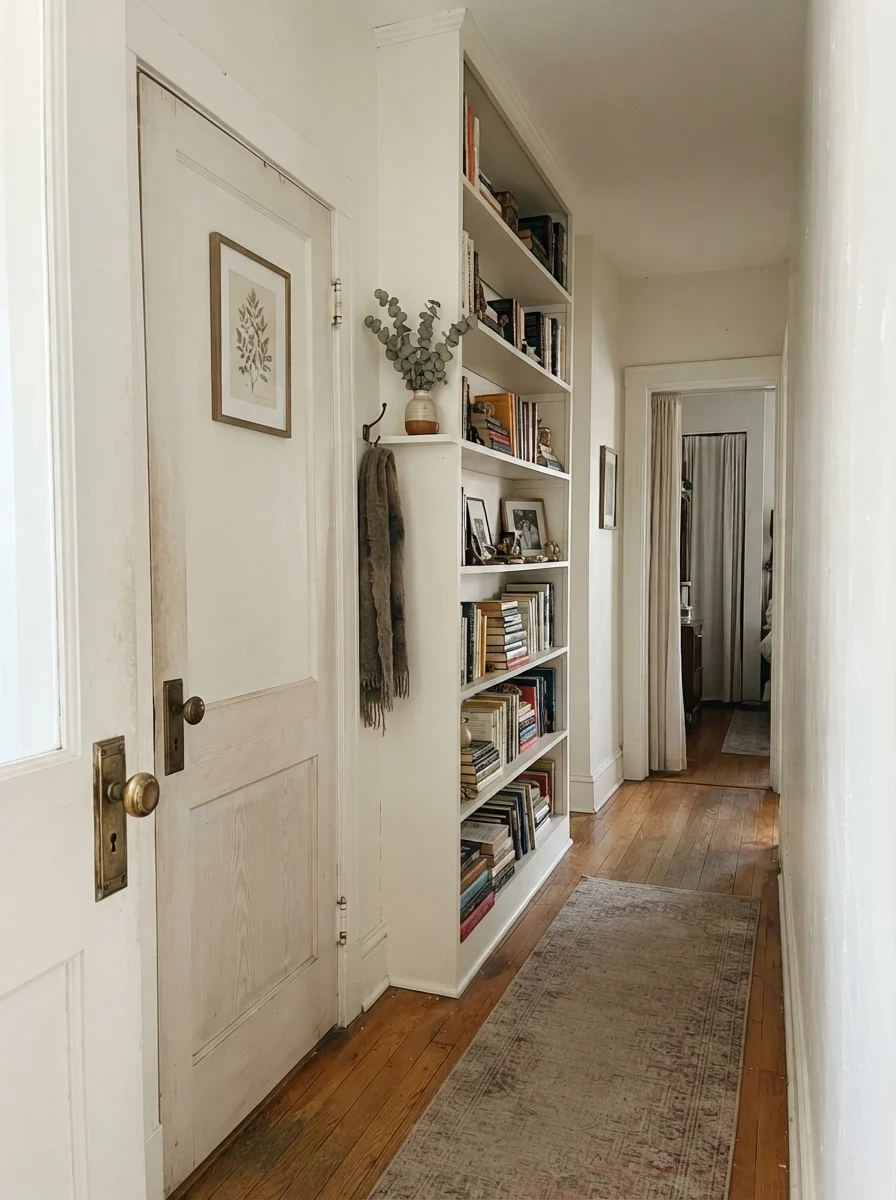
Semi-gloss on interior doors and built-ins is where Cloud White earns its reputation. In an older hallway with a two-panel door, brass hardware, and built-in bookshelves, it brings woodwork forward with quiet dignity. It does not look like sprayed plastic; it looks like craftsmanship. When we sold our colonial, the buyer’s home inspector actually asked if the built-ins were original custom woodwork because the finish looked so rich.
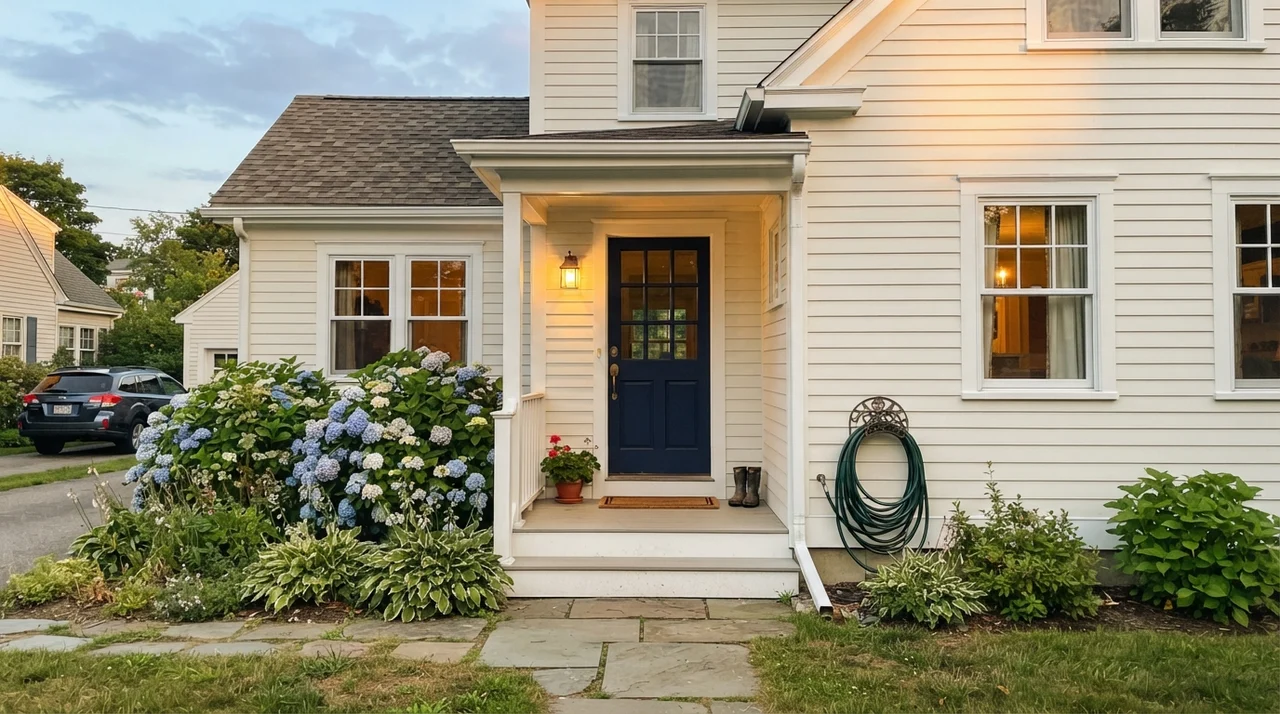
On exterior siding, Cloud White takes on a completely different character. Direct outdoor sunlight bleaches out much of the yellow, leaving the house looking like a traditional, soft white farmhouse rather than a creamy yellow butter tub. Pair it with dark shutters like Kendall Charcoal HC-166 or a bold Caliente AF-290 front door, and it gives horizontal siding a classic American profile that won't blind the neighbors when the sun reflects off the porch.
Five Years In: How Cloud White Holds Up to Real Life
Here is the part nobody puts on the swatch: how paint behaves after five years of children, dogs, grocery bags bumping the hall corner, and endless wipe-downs. In our colonial, we used Benjamin Moore Regal Select in semi-gloss on the doors and baseboards. Every spring, I wiped down the door frames around the kitchen with soapy water. It scrubbed clean without burning through the sheen or leaving dull chalky patches behind.
Because Cloud White has that soft cream base, it hides the inevitable micro-scratches and dust that make stark white trim look battered after two years. When you do need to do a touch-up five years in, Cloud White blends far more forgivingly than ultra-bright whites. The slight tint helps new brush strokes melt into the existing coat without flashing like a bright beacon under window light. It is worth the money on woodwork every single time.
What is the best sheen for Cloud White in each room?
Use eggshell on standard walls, semi-gloss on trim, doors, and millwork, satin on kitchen cabinets, and flat on ceilings. Satin on cabinets provides durability while softening fingerprint marks.
Does Benjamin Moore Cloud White look yellow on walls?
In south- and west-facing rooms with heavy afternoon sunlight, yes—it reads as a soft ivory or warm cream. In north light, that yellow is muted back into a clean, gentle off-white.
Can I use Cloud White on ceilings?
Yes, in a flat sheen over warm walls (like greige, tan, cream, or warm green). Never put a warm Cloud White ceiling over cool gray or ice-blue walls, as the ceiling will look yellowed.
What colors pair well with Cloud White in adjacent rooms?
Cloud White transitions seamlessly into warm neutrals like Revere Pewter HC-172, muted greens, warm greiges, or deep accent trim colors like Kendall Charcoal HC-166.
Why does my Cloud White trim look dirty next to my walls?
If your wall color is a stark, untinted bright white (like Chantilly Lace), the cooler, brighter wall pushes Cloud White's cream undertones forward, making the trim look dingy and aged.
Susan's Verdict · Buy for Millwork, Beware of Cool Stone
Cloud White 967 is one of the greatest millwork and cabinet whites ever mixed, provided you treat it with respect. On interior doors, trim, kitchen cabinets with warm counters, and walls receiving cool northern daylight, it delivers a comfortable, permanent elegance that never feels plastic or cold. But do not force it into kitchens with icy gray quartz, cool marble bathrooms, or windowless dim hallways. If your home has warm wood floors, brass hardware, and needs a white that feels like home, buy the can with confidence.