Color Diary · No. 16
Benjamin Moore Swiss Coffee: The Cream White That Can Turn to Butter
America's default creamy white, reviewed honestly: the rooms where it glows, the two lighting situations that turn it butter, and what to buy instead.

Susan HartleySeptember 6, 2026 · 15 min read
Swiss Coffee · Benjamin Moore OC-45
Hex#EEECE1LRV82Undertoneswarm gold-cream → soft muted white → greenish-gray in cool shadows
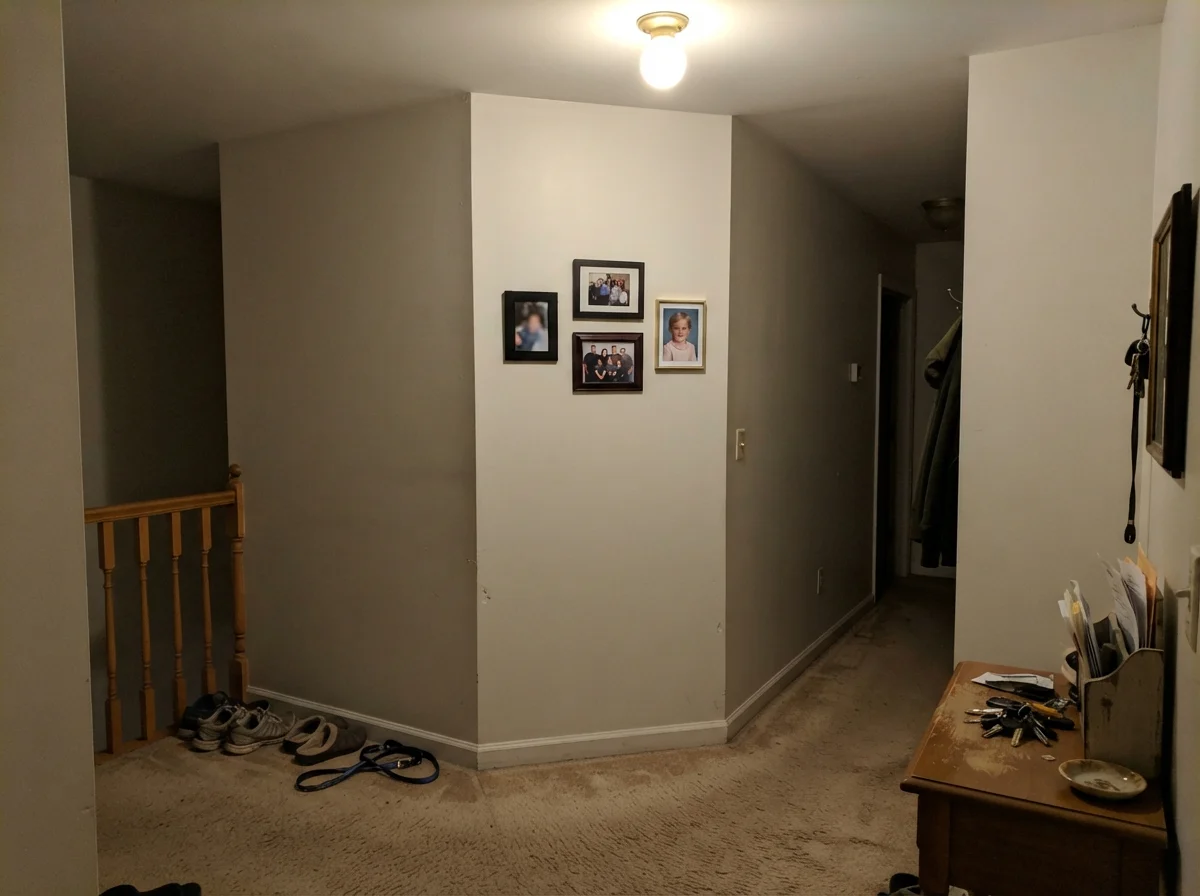
In our last house, a 1990s colonial with cavernous hallways and oak trim that had seen better decades, I made the classic first-time homeowner mistake of buying three gallons of stark, untinted builder white. I painted the front entry on a Saturday morning, stepped back, and felt like I had moved our family into a clinic. It was cold, glaring, and showed every single fingerprint within forty-eight hours.
That was the weekend I discovered Benjamin Moore Swiss Coffee (OC-45). I bought two gallons on a neighbor's recommendation, rolled it over the cold white, and watched the entire entryway soften instantly. The gold warmth in the paint seemed to take the edge off the chilly north-facing light, and for years, I thought I had found the holy grail of off-whites.
We lived with it in that colonial for eight years, and I have since used it across several rooms in our 1960s ranch. But here is the plain truth that swatch cards will never tell you: Swiss Coffee is not a foolproof white. It is America's default creamy white for a reason, sitting at a luminous LRV of 82, but it has real gold and cream sitting right beneath the surface. Treat it with the right lighting and materials, and it glows with an inviting warmth. Treat it carelessly under warm household lamps or next to cool gray flooring, and it turns into straight melted butter or muddy putty.
Understanding the Cream: LRV 82 and What Sits Beneath
When you look at Swiss Coffee on a paint deck, you are looking at an LRV 82 paint. Light Reflectance Value measures how much light a color reflects on a scale from 0 (pure black) to 100 (pure white). At 82, Swiss Coffee reflects plenty of light to bounce around a room and keep dark spaces from feeling cavernous, but it stops well short of the blinding glare of an LRV 90+ gallery white.
The secret—and the trap—is in the undertone. Swiss Coffee is formulated with warm yellow and slight umber pigments. In natural north-facing daylight or diffused morning sun, that yellow reads simply as gentle cream, taking the frost off cold daylight. But the moment you expose those pigments to artificial 2700K incandescent bulbs or direct southern exposure, the cream steps forward in a hurry. That dual personality is why it ranks as one of Benjamin Moore's top-selling colors, and simultaneously why it collects frustrated reviews from homeowners who expected a clean linen shade.
Morning Light vs. Evening Bulbs
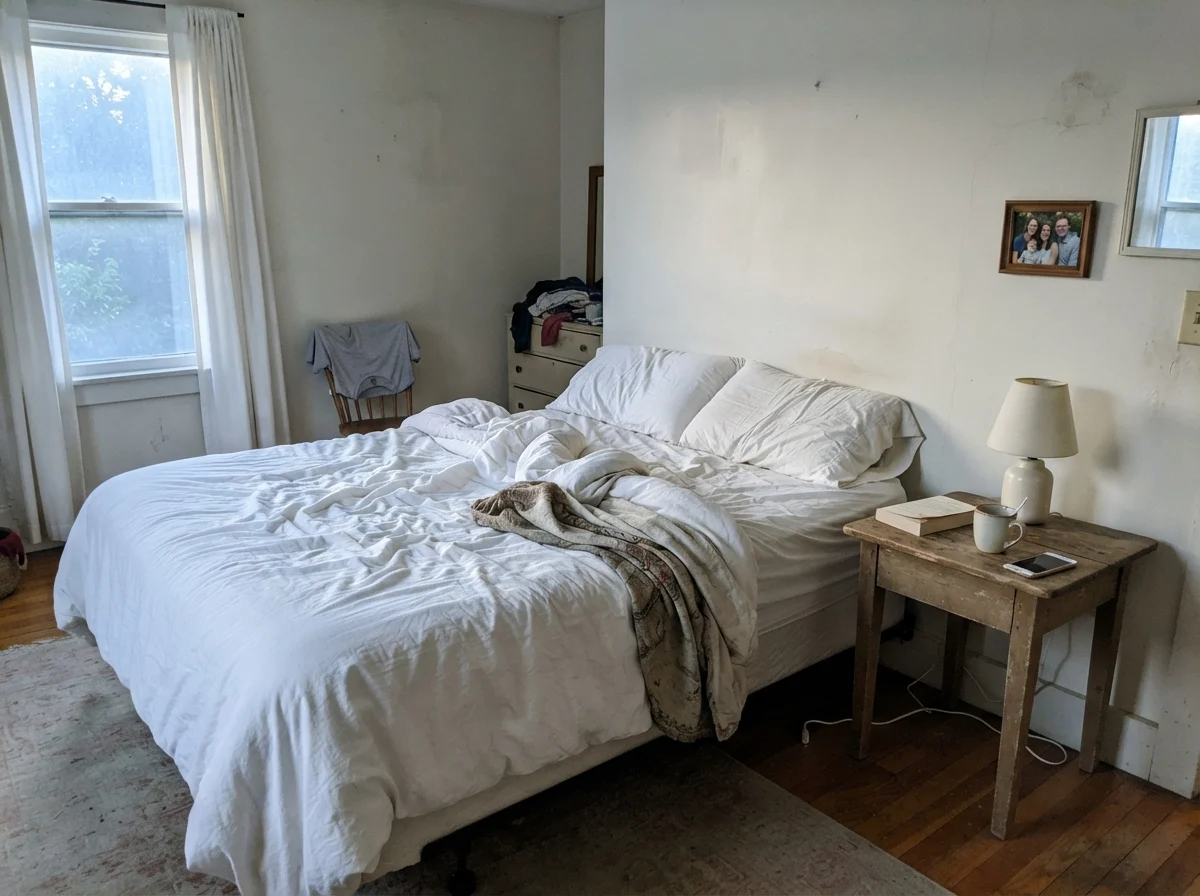
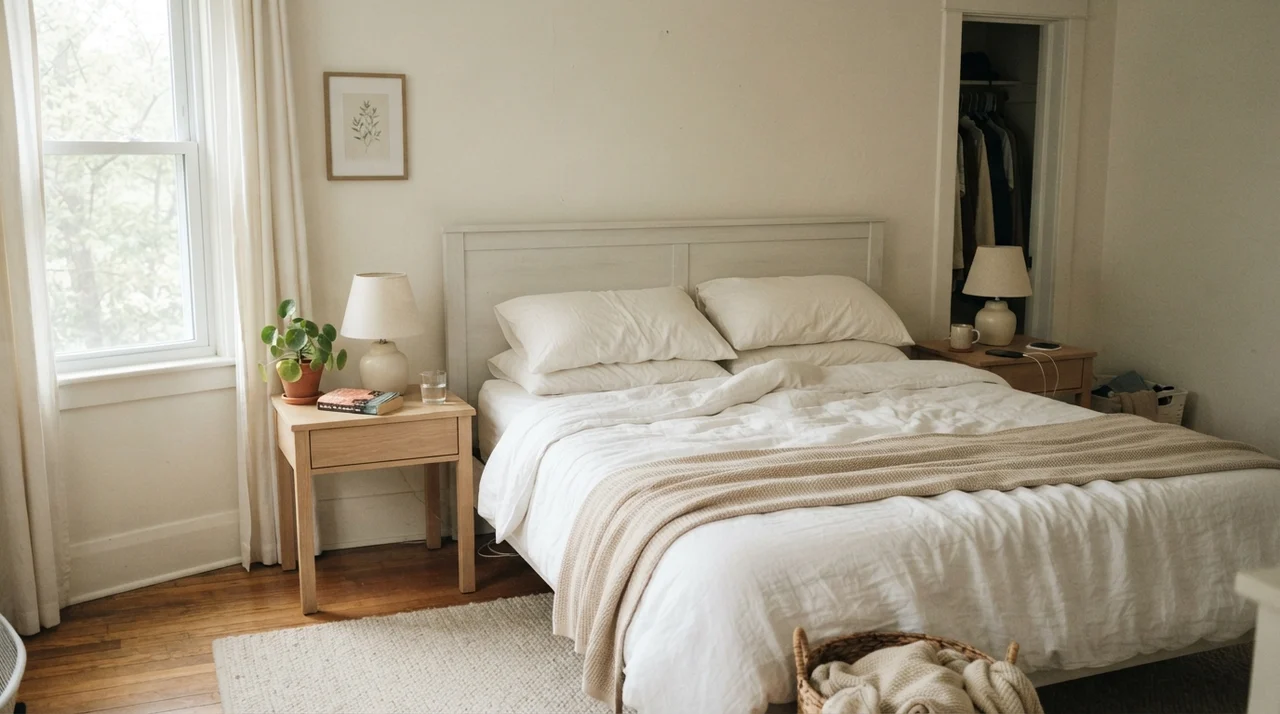
If you want to see how dramatically Swiss Coffee changes its mind, look at a bedroom across twelve hours. In the early morning, before any lamps are switched on, the cool natural light tempers the gold pigments. The wall looks like a calm, understated off-white—pale, soft, and slightly washed out in the best possible way. It never feels cold, but nobody walking in would call it yellow.
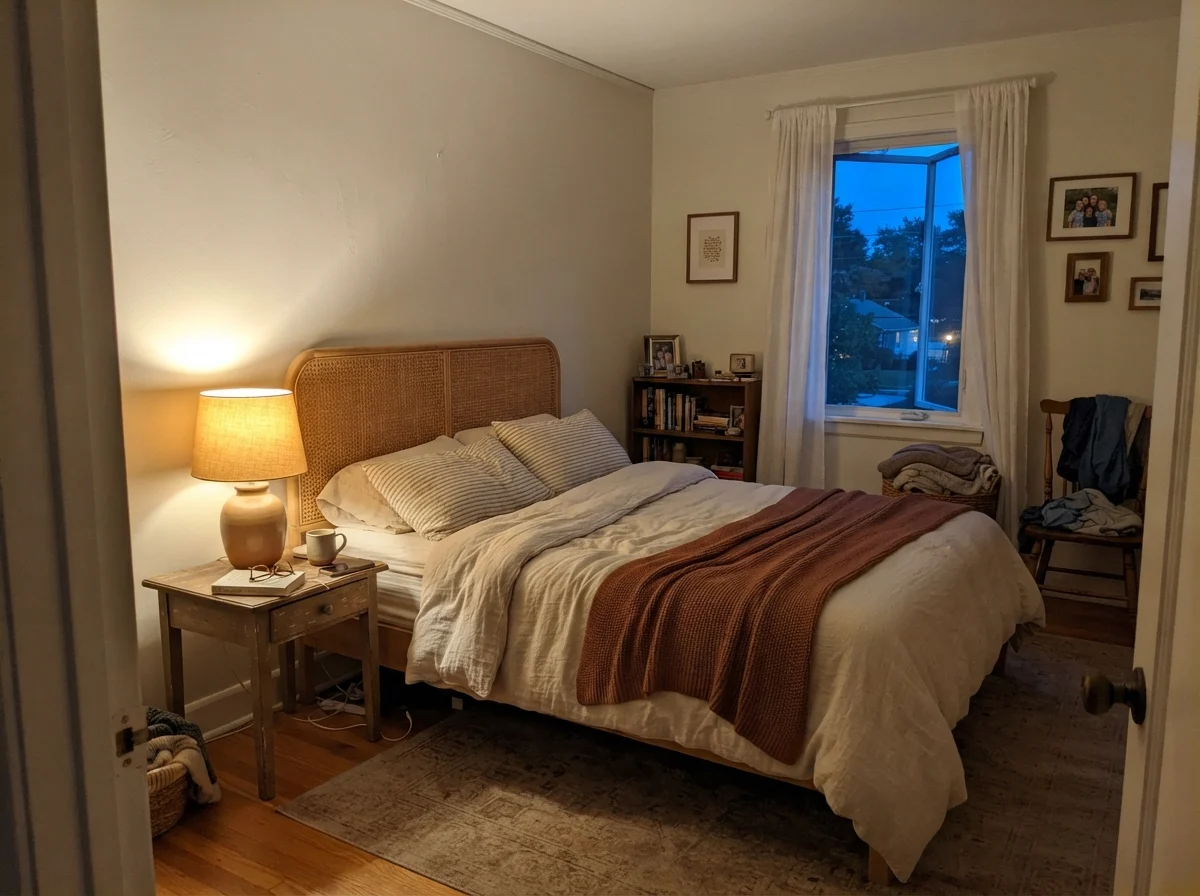
Come evening, the story changes entirely. Turn on a single bedside table lamp fitted with a standard warm 2700K bulb, and Swiss Coffee reacts immediately. The warm light feeds the yellow in the paint, deepening the wall into a rich, buttery cream. If you love a cozy, traditional bedroom at night, this glow is wonderful. But if you painted the walls hoping for a clean modern aesthetic, you will spend your evenings wondering why your bedroom looks like French vanilla custard.
Living with Swiss Coffee Room by Room
Over thirty years and three houses, I have learned that wall colors succeed or fail based on the fixed finishes around them. You can repaint a drywall corner in an afternoon, but you are not replacing your tile, cabinetry, or oak floors on a whim. Here is where Swiss Coffee works beautifully, and where it causes headaches.
Bathrooms: Natural Light vs. Windowless Powder Rooms
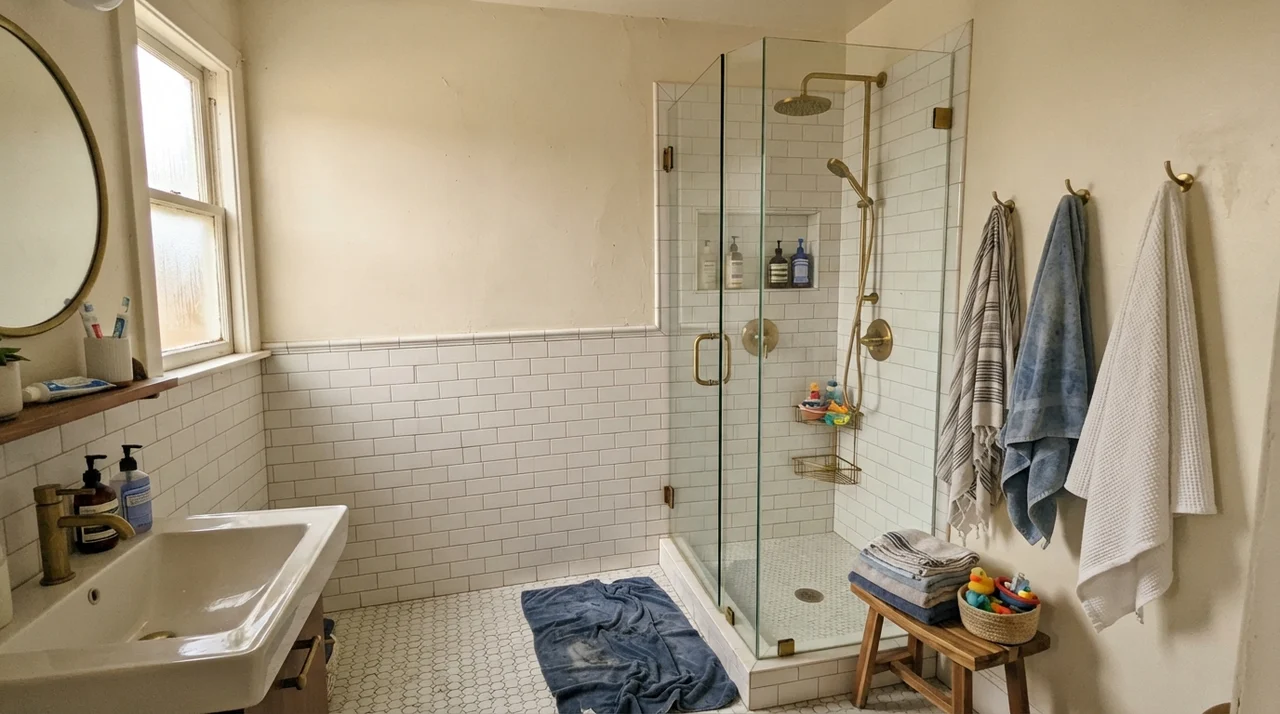
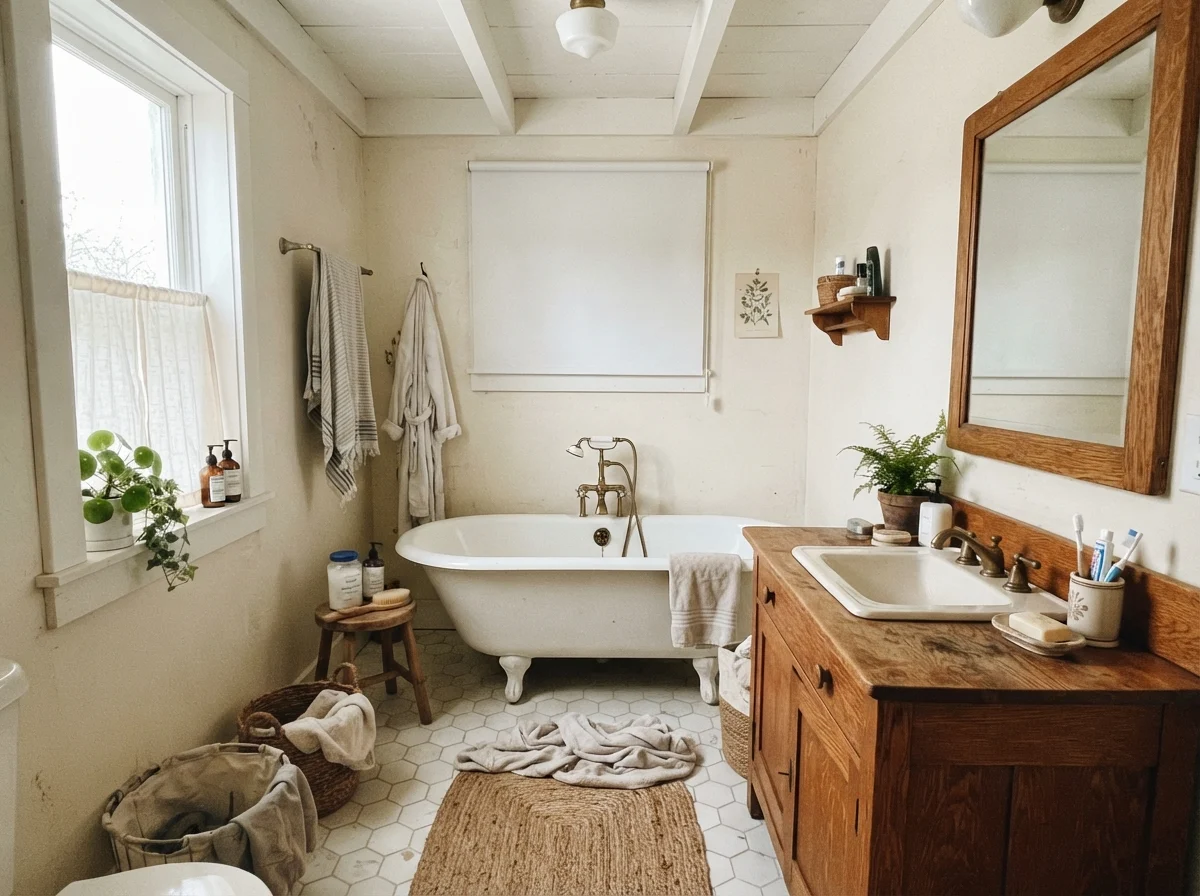
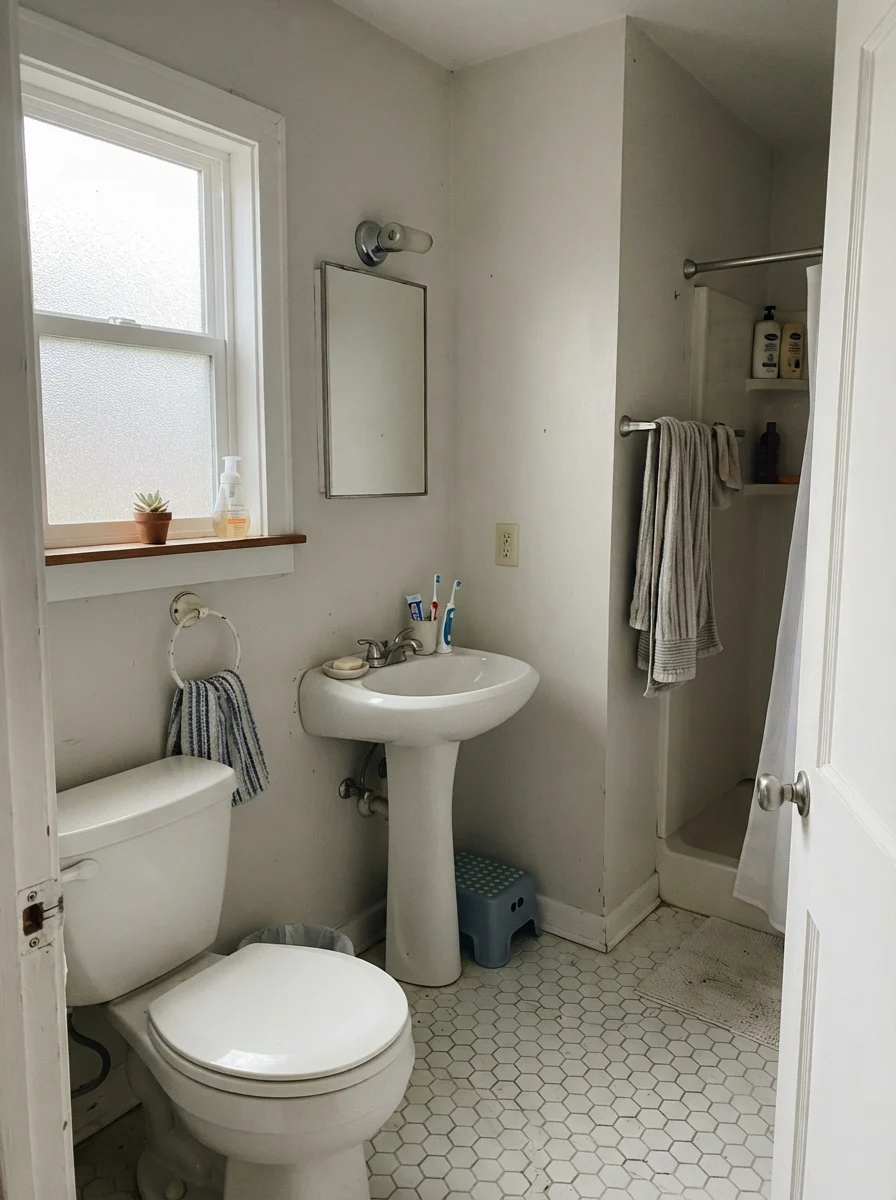
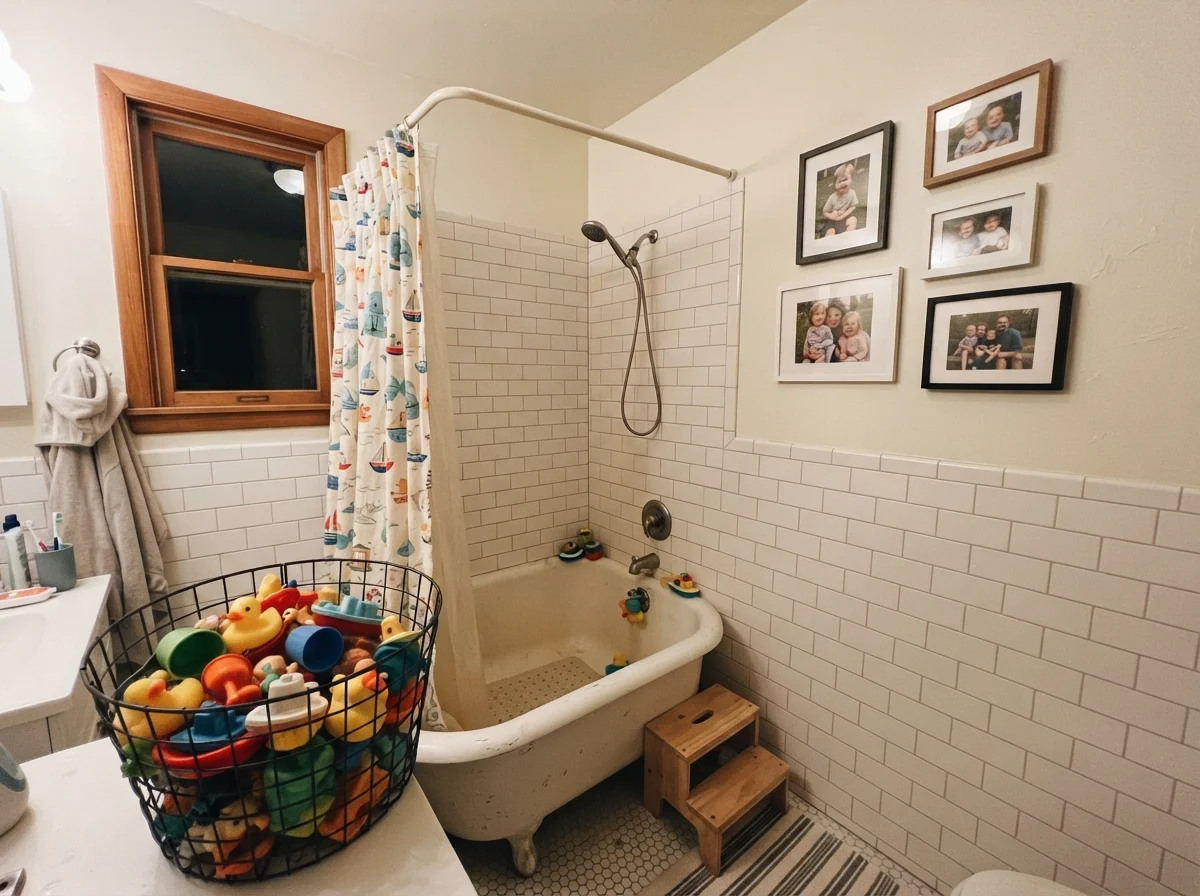
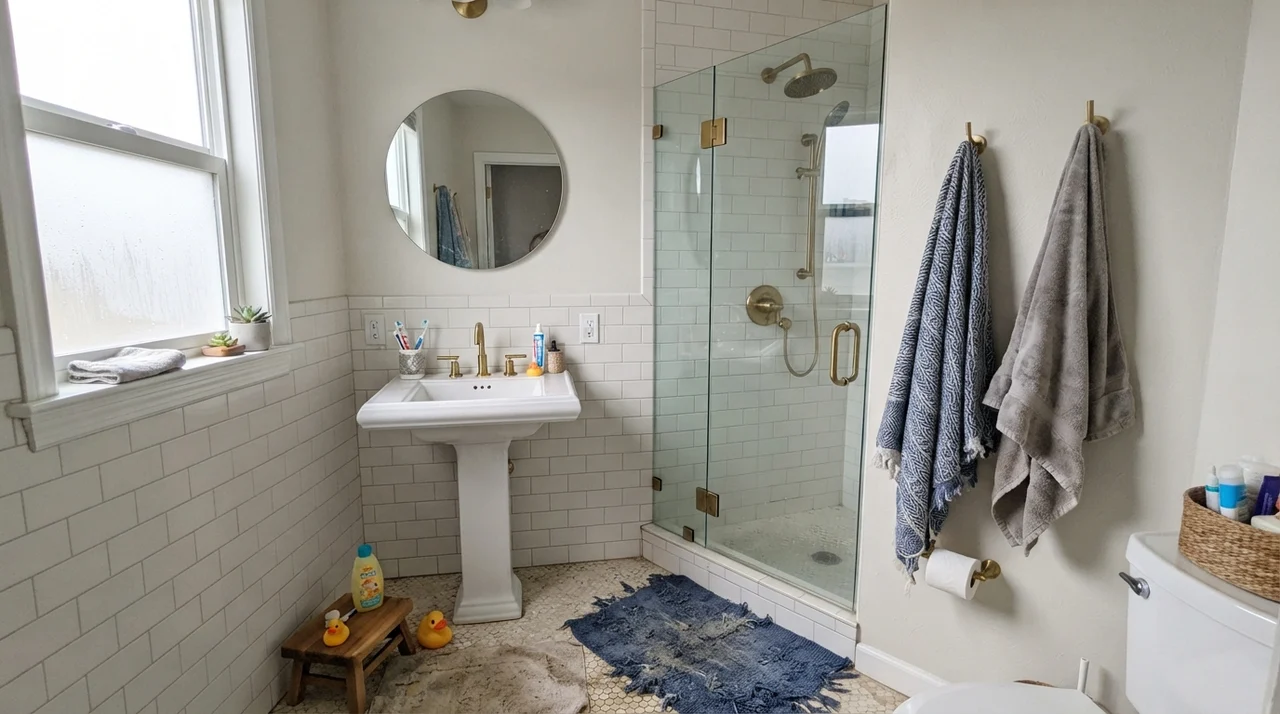
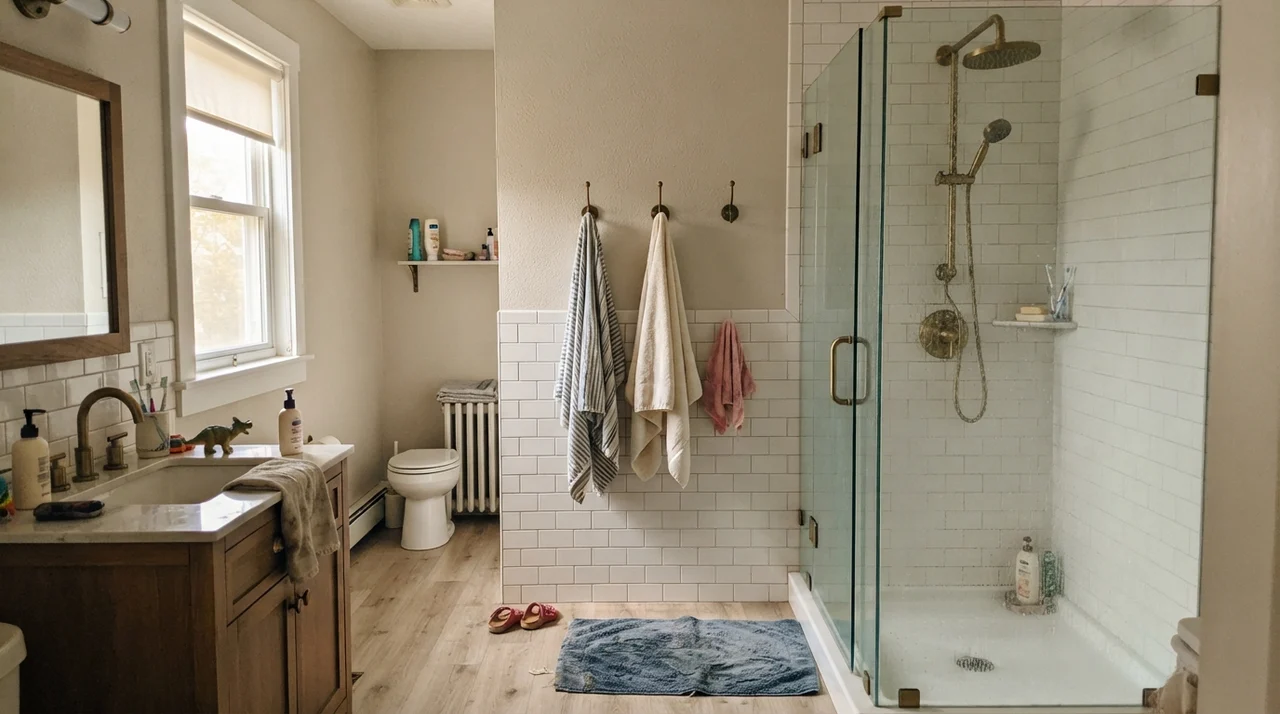
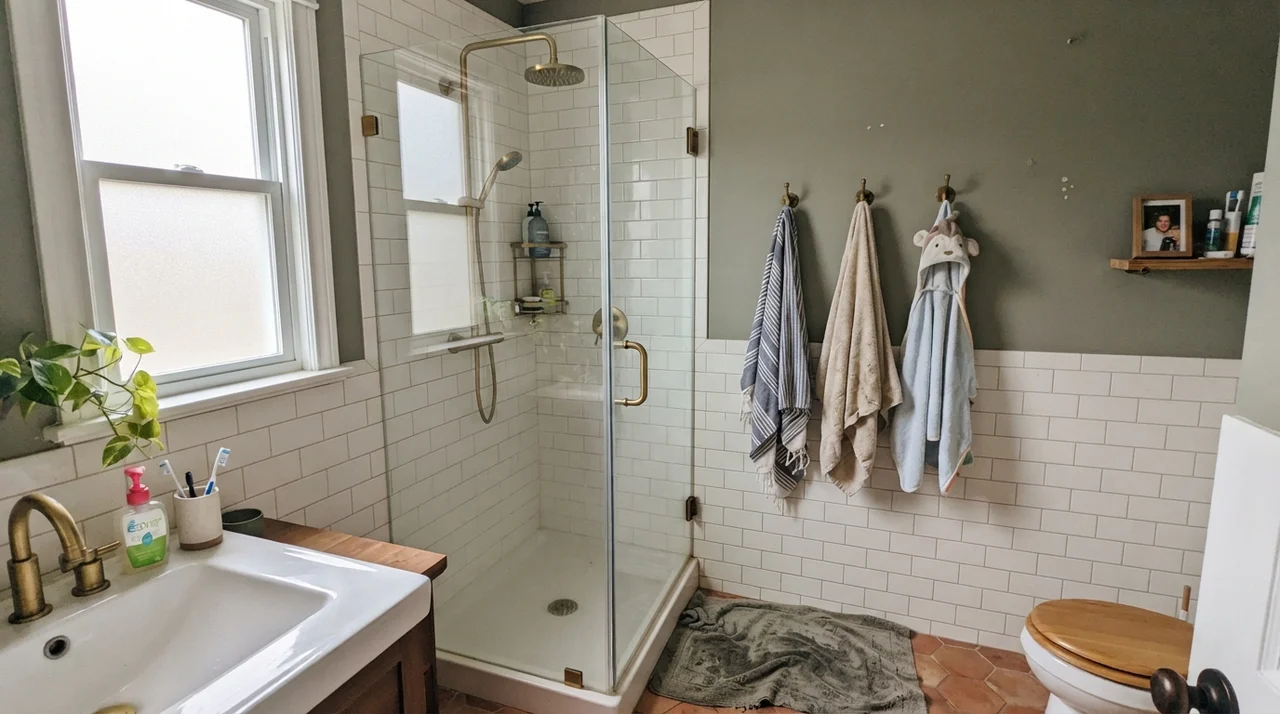
In bathrooms, Swiss Coffee performs best when paired with warm natural elements like unglazed tile, wood vanities, and warm brass fixtures. In a bright bathroom with subway tile wainscoting and natural side light, the LRV 82 bounce brightens the space without reflecting the cold blue undertones that high-reflectance whites often produce. But bathroom lighting requires vigilance: if your bath has cool morning light or overcast skies, Swiss Coffee reads muted and soft.
Living Rooms and Sunrooms: Managing the Golden Hour
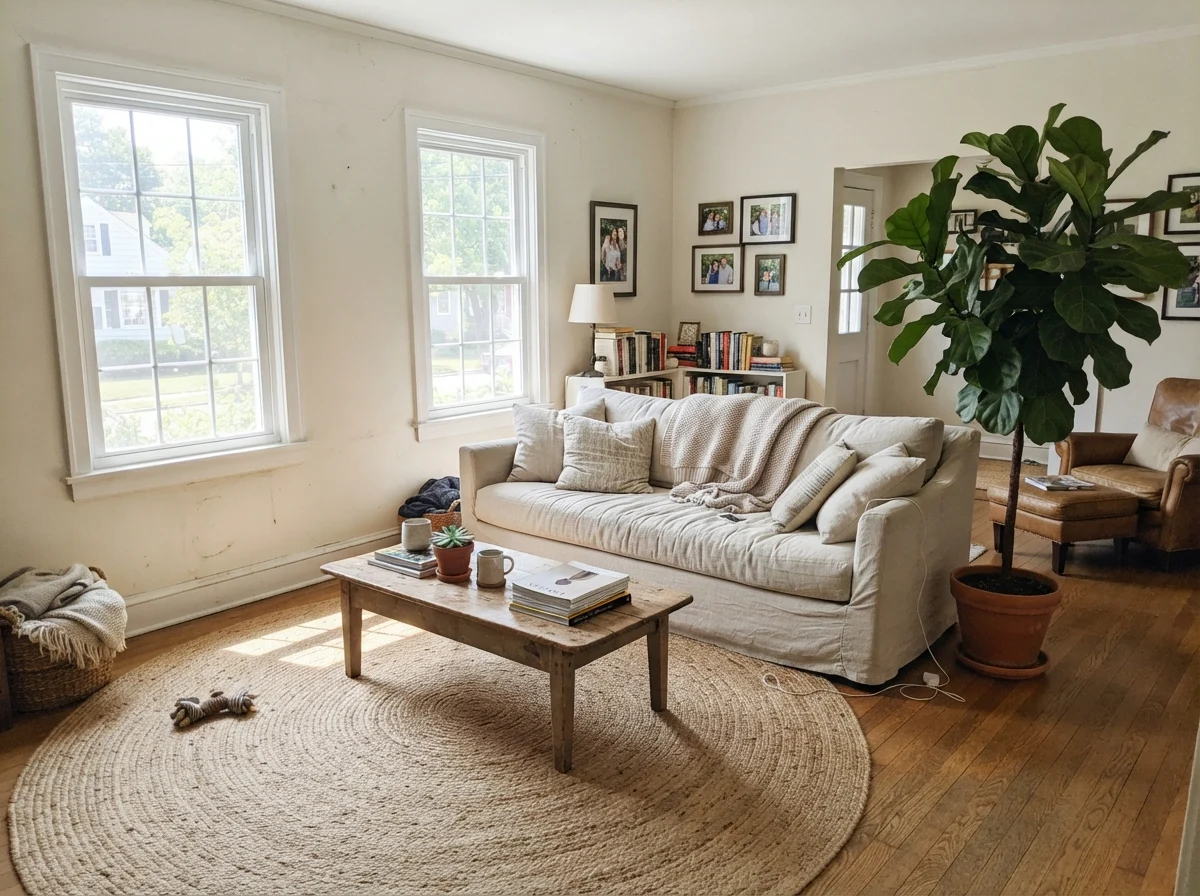
In living spaces, Swiss Coffee behaves like an old friend if your furniture leans toward natural materials. Linen upholstery, jute rugs, and warm walnut or oak coffee tables harmonize with the creamy base. In a standard living room with midday sun, the walls feel substantial and grounded—they provide depth that stark whites lack, making framed artwork and moldings stand out without looking stark.
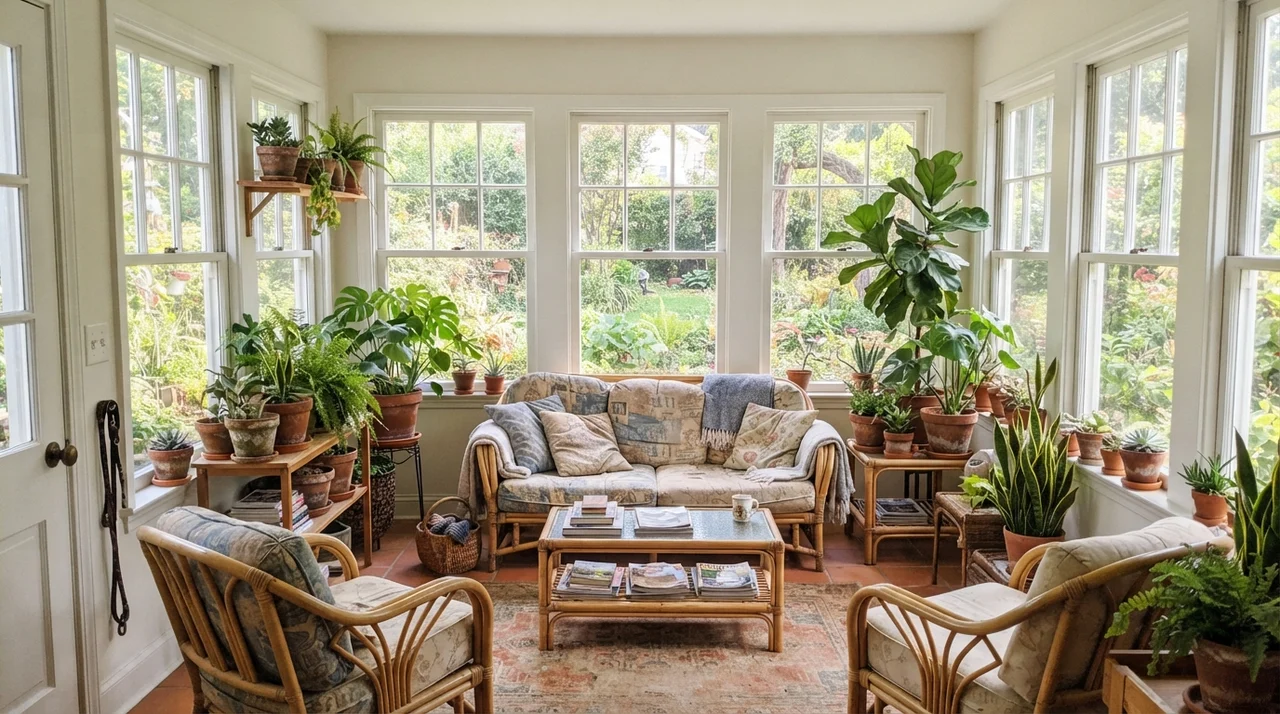
However, in a sunroom or south-facing room drenched in all-day sun, you must sample carefully. As the sun dips in late afternoon, direct golden rays hit Swiss Coffee and can push it into heavy yellow territory. In our sunroom, surrounded by white window frames, terracotta pots, and rattan furniture, it holds up because the greenery and warm clay absorb that golden warmth naturally. But if you have cool gray furniture in that same sunny room, the clash will be immediate.
Kitchen Cabinets: Swiss Coffee's Strongest Application
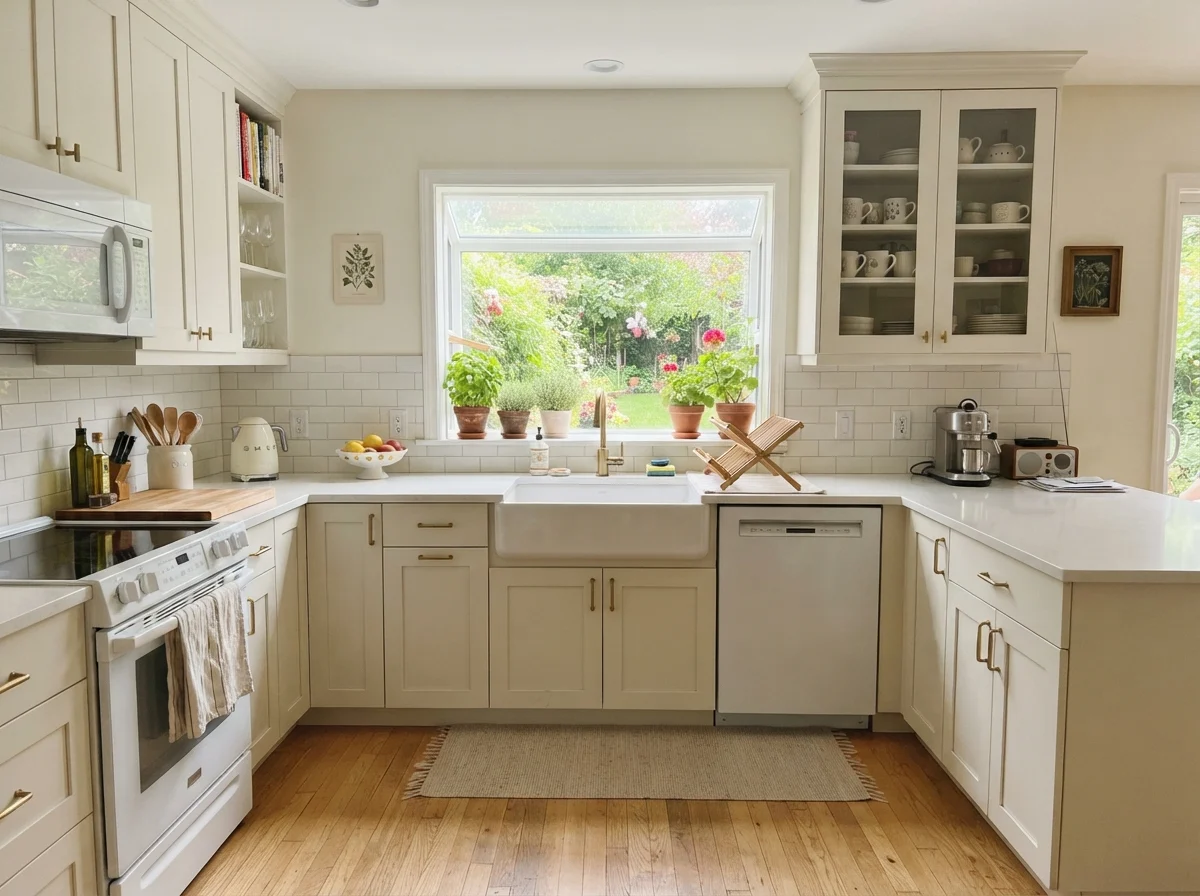
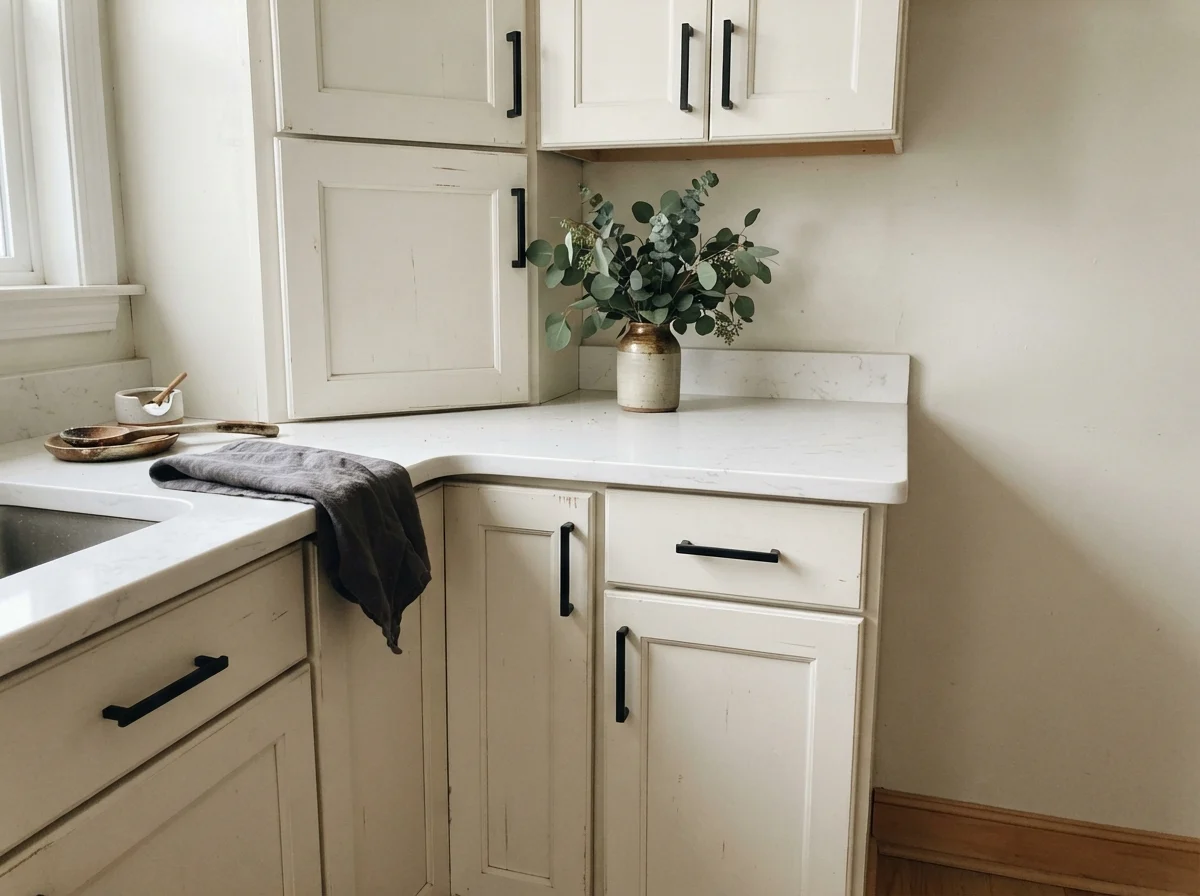
If you ask me where Swiss Coffee provides the highest return on your effort, it is on kitchen cabinetry. Factory white cabinets often look stark and industrial, like plastic laminate. Painting shaker doors in Swiss Coffee—using a satin urethane enamel—gives cabinetry the appearance of high-end painted furniture.
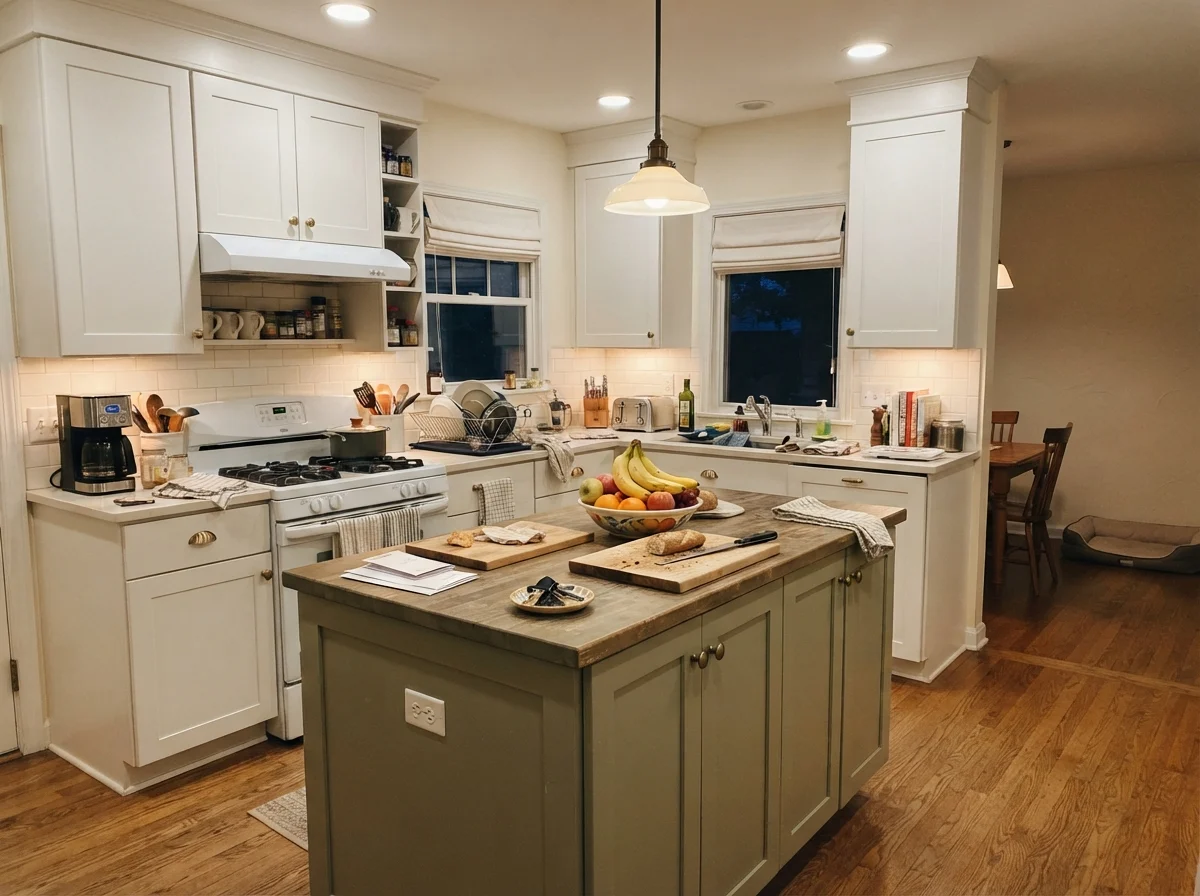
It hides minor scuffs and knuckle marks around door pulls far better than bright white paint ever could. It pairs exceptionally well with butcher block or warm quartz counters, brass hardware, and light oak floors. We painted the kitchen island in Swiss Coffee in our colonial, surrounded by off-white perimeter cabinetry, and it provided just enough depth to anchor the center of the room without demanding to be the center of attention.
Swiss Coffee on kitchen cabinets reads like hand-crafted painted furniture rather than a builder-grade box, hiding family wear with quiet grace.
Bedrooms and Nurseries: The Cozy Enclosure
In bedrooms, Swiss Coffee wraps walls in a gentle, cocooning softness. In a serene main bedroom with pale oak nightstands and white linen bedding, it provides a subtle backdrop that lets textures carry the room. It feels restful and timeless, avoiding the clinical chill of cooler modern whites.
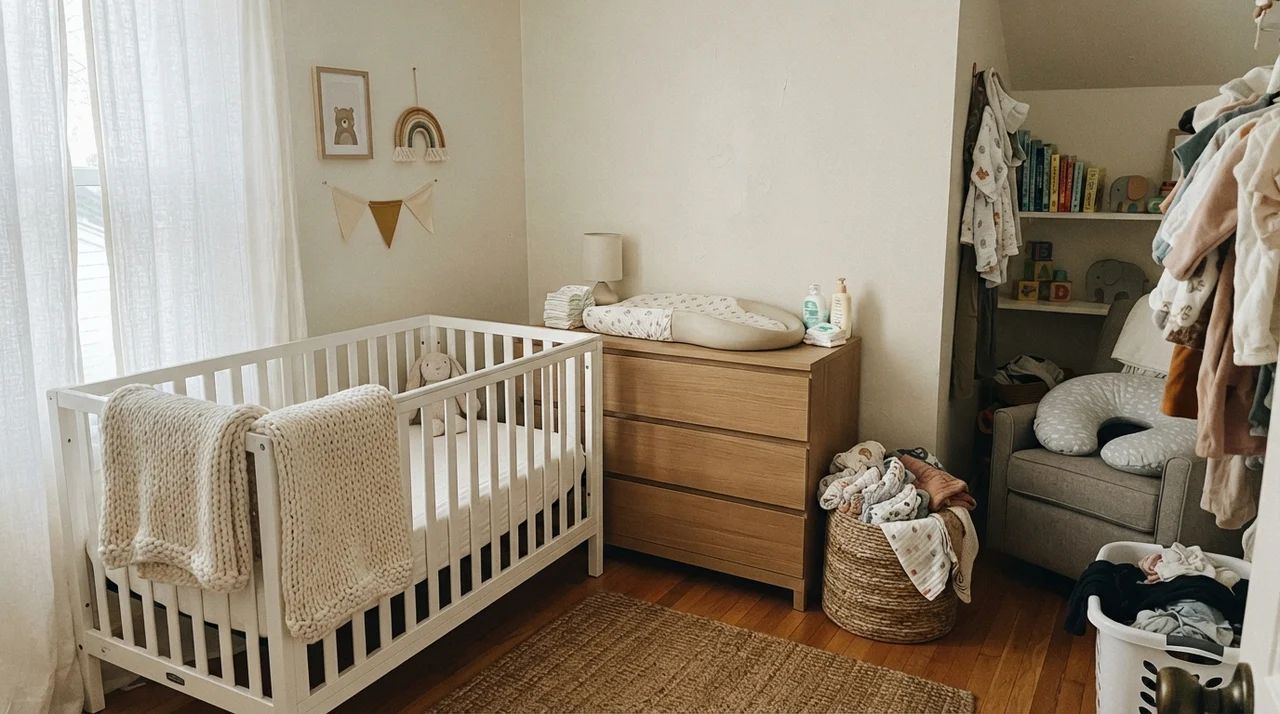
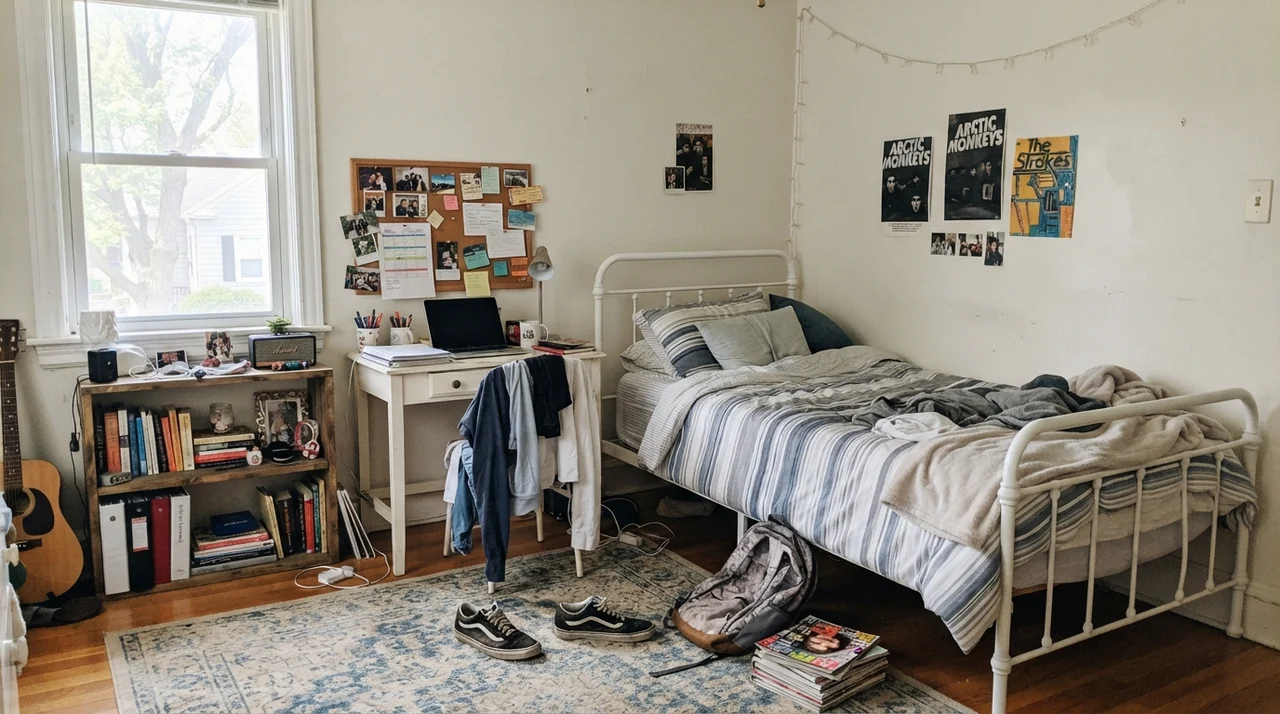
In a nursery or a teenager's room, that same warmth accommodates changing decor over the years. In a nursery with light-wood dressers and woven baskets, it keeps the room calm. In a teen's room with white metal bed frames, desks, and corkboards, it offers a clean, forgiving background that takes pins, posters, and scuffs without showing obvious distress.
Doors, Trim, and Laundry Rooms
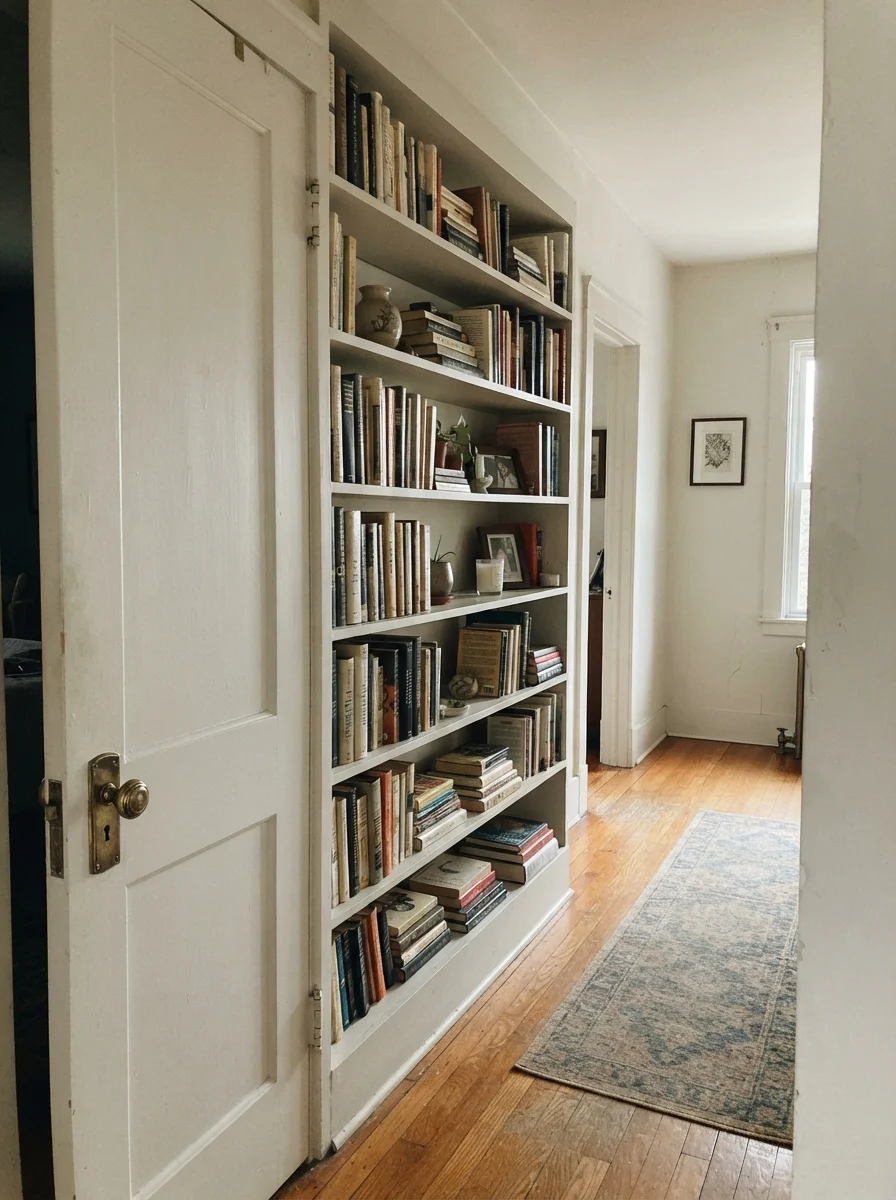
One of the smartest ways to use Swiss Coffee in an older home is the single-color strategy: painting walls, trim, doors, and built-ins all in the same color, separating them only by sheen. In a hallway with classic millwork, painting a two-panel interior door and built-in bookshelf in semi-gloss Swiss Coffee against eggshell walls creates a seamless, tailored look. It forgives uneven caulk lines and forty years of settled drywall that hard whites highlight mercilessly.
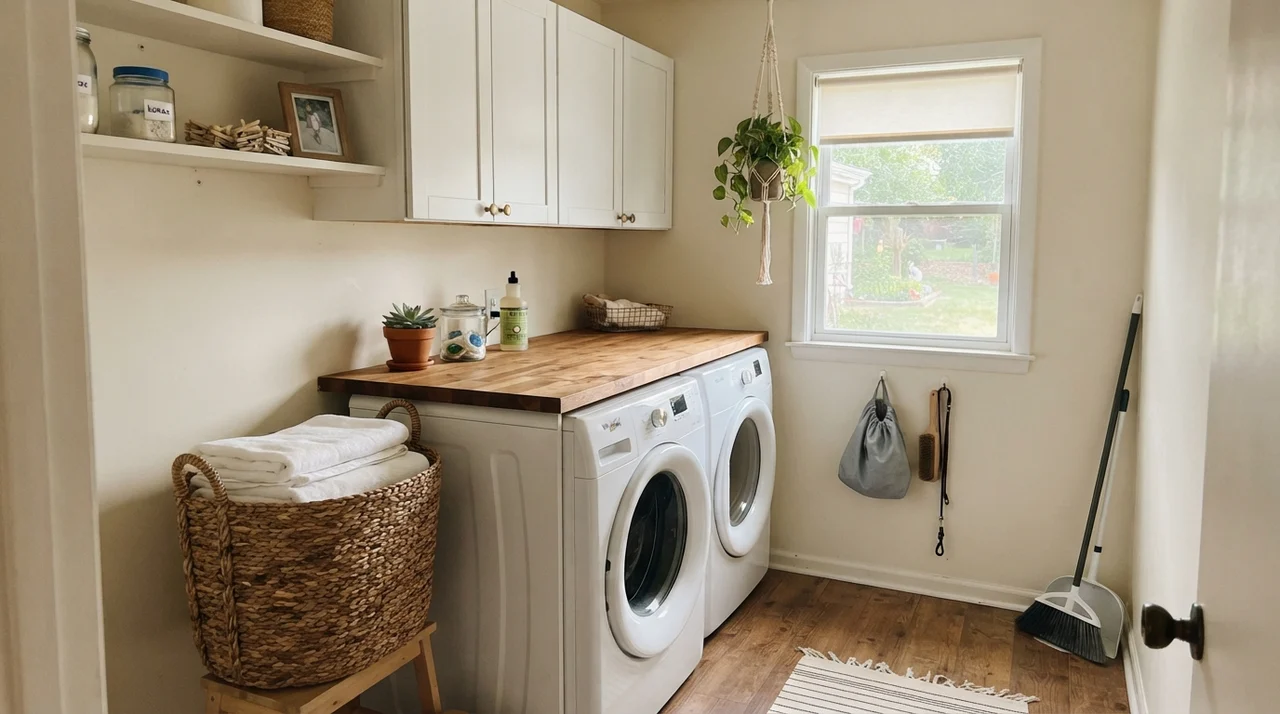
Even in a small laundry room, where space is tight, Swiss Coffee over butcher-block counters and white appliances brings light into a utility space while keeping it warm and welcoming rather than sterile.
The Honest Fail: When Swiss Coffee Falls Apart
Now let's talk about where Swiss Coffee goes wrong, because when it fails, it fails hard. There are three specific situations where I tell homeowners to walk away from Swiss Coffee entirely.
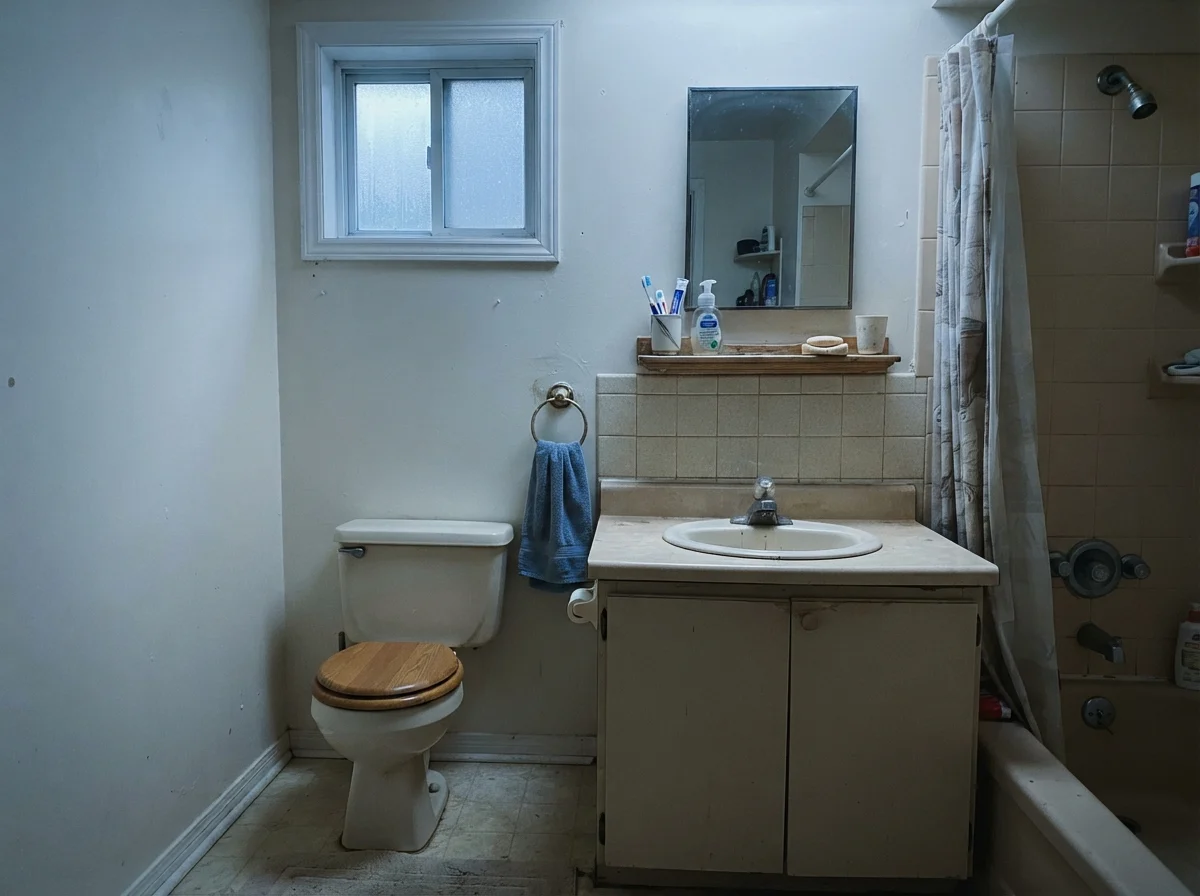
1. Windowless rooms under 2700K warm bulbs. If you put Swiss Coffee in a dark, windowless hallway or basement laundry area with standard warm recessed bulbs, the paint reads like muddy, yellowed putty. With no cool natural daylight to counteract the yellow pigment, the wall looks old and dingy before the second coat is even dry. If your bulbs must stay at 2700K, do not choose this paint.
2. Sitting beneath a bright builder-white ceiling. This is the single most common mistake I see in DIY repaints. You paint your walls Swiss Coffee, but leave the ceiling in stock, untinted flat bright white. The stark contrast forces the human eye to compare them—and Swiss Coffee immediately loses, looking like dirty, smoke-stained white rather than intentional cream. If you use Swiss Coffee on walls, take it onto the ceiling in flat, or step up to a soft white like Cloud White OC-130.
3. Against cool gray floors or quartz. If you have cool gray luxury vinyl plank, blue-gray subway tile, or icy white quartz counters with cool gray veining, Swiss Coffee will clash violently. The cool gray pulls a weird, muddy greenish-gray cast out of the undertone. In rooms with cool hard surfaces, you must choose a crisp, neutral white instead.
When you encounter that muddy flat cast in a dim corner, no amount of scrubbing or extra coats will fix it. The color is simply reacting to poor lighting physics. You either swap your bulbs to 3500K–4000K daylight-balanced LEDs to pull the yellow back into soft white, or you repaint the wall with a cleaner, cooler off-white like Simply White or White Dove.
Exterior Siding: Warm Charm with an Afternoon Warning
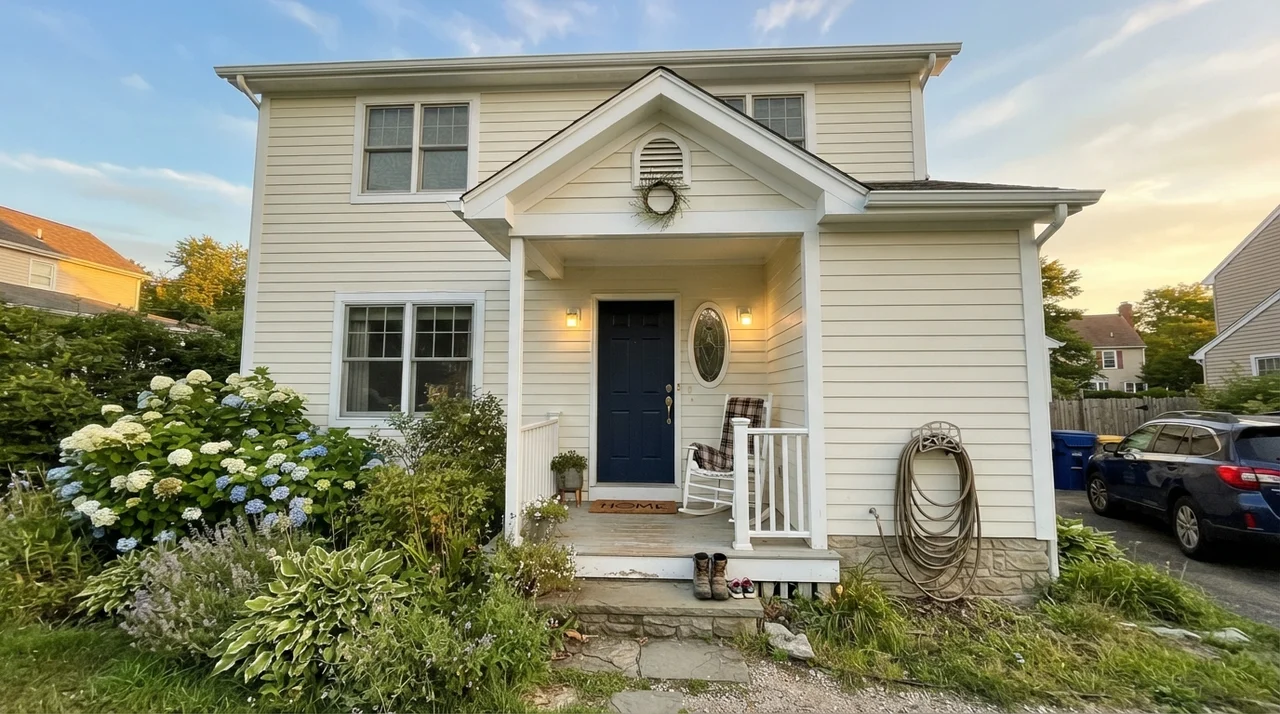
Swiss Coffee has found huge popularity as an exterior body color for ranches, cottages, and traditional siding. On exterior horizontal siding, cedar shingles, or stucco, it gives a house an established, historical feel that crisp whites cannot match. It flatters copper gutters, natural stone foundations, and dark accent trims like charcoal or navy.
However, you must sample it on both the north and south sides of your home before committing to thirty gallons. Under intense, direct afternoon sunlight, a large expanse of exterior Swiss Coffee can saturate into a very obvious light yellow. Pairing it with a strong, deep trim color like Wrought Iron (2124-10) keeps the look structured and grounded.
Durability, Scrubbing, and Living with It Long-Term
Here is what five years in with Swiss Coffee actually looks like: it is one of the most forgiving whites on the market for an active household. In our colonial, with two kids and a dog barreling down the hallway daily, Swiss Coffee held up remarkably well.
Because it isn't an icy stark white, it hides minor drywall imperfections, drywall patch texture differences, and caulk shrinkage along baseboards. When the dog brushed against the wall or someone dragged a backpack down the hall, minor scuffs blended into the cream rather than flashing like a beacon.
For wall sheens, I strongly recommend eggshell. A quality eggshell can be scrubbed clean with a damp microfiber cloth and mild dish soap without leaving shiny burnish marks. On kitchen cabinets, a urethane satin enamel is worth the money—it resists grease around knobs and wipes clean with zero fuss. On ceilings, always stick to flat paint to hide seams.
What sheen should I choose for Swiss Coffee?
Stick to this standard whole-house rule: eggshell on drywall walls for washability, semi-gloss on baseboards, casings, and trim for durability, satin for kitchen and bathroom cabinets, and flat on the ceiling.
Why does Swiss Coffee look yellow on my walls?
Swiss Coffee contains yellow and warm umber pigments. It looks distinctly yellow in two situations: when hit with direct southern afternoon sunlight, or when illuminated by warm 2700K incandescent/LED light bulbs. Switching your bulbs to 3500K–4000K daylight LEDs often solves the issue instantly.
Can I use Swiss Coffee in a dark hallway or windowless bathroom?
Yes, but only if you adjust your lighting. At LRV 82, it bounces light well, but if paired with warm bulbs it turns muddy. Pair it with 3500K bulbs and warm wood or brass accents, and it will keep the space feeling bright and soft.
What ceiling paint should I pair with Swiss Coffee walls?
Never use a stock, stark builder white ceiling paint, as it makes Swiss Coffee look dirty. The best approach is painting the ceiling Swiss Coffee in a flat finish, or selecting a soft off-white ceiling paint like Benjamin Moore Cloud White OC-130.
Susan's Verdict · A Forgiving Classic That Needs Lighting Respect
If you are repainting an older home with warm oak floors, brass fixtures, and dim north-facing rooms, Benjamin Moore Swiss Coffee OC-45 is worth every penny. It gives you the light of an LRV 82 paint without the clinical freeze of modern white. Just do what I learned the hard way across thirty years: keep it far away from 2700K yellow bulbs, avoid cool gray floors, and never trap it under an untinted bright white ceiling.