Color Diary · No. 2
Living with Benjamin Moore White Dove: The 30-Year Verdict
The most-recommended warm white in America, reviewed honestly: where it glows, the exact rooms where it fails, and what to pick instead.

Susan HartleyAugust 27, 2026 · 15 min read
White Dove · Benjamin Moore OC-17
Hex#EFEEE5LRV83Undertoneswarm cream → soft greige → muted off-white
In our second house—a drafty 1990s colonial with honey oak floors and oversized baseboards—I repainted the downstairs trim three times in eight years. The first try was an ultra-pure builder white straight off the shelf. It looked like correction fluid painted across the baseboards and made every piece of furniture we owned look dirty. The second try was a cream that looked charming in the afternoon sun and like lemon curd under our hallway lamps by November. By year four, I caved and bought four gallons of Benjamin Moore White Dove (OC-17), because my neighbor down the street had used it on her kitchen cabinets and swore it was the only white that didn't scream at you.
We lived with that White Dove trim for ten years until the day we sold. When the buyers walked through during the open house, the feedback sheet specifically noted how 'clean and bright' the woodwork felt. They didn't know the paint name; they just knew the house didn't feel harsh.
That is the entire secret to White Dove. It is not an exciting color. It will not make anyone gasp on social media. But at Light Reflectance Value (LRV) 83, it sits in that narrow sweet spot of off-whites: warm enough to flatter wood and brass, muted enough by a tiny drop of grey to keep from turning buttery, and soft enough to coat an entire room without blinding you when the sun hits the wall.
The Anatomy of White Dove: Why It Behaves
Every white paint has an underlying bias. Some lean icy blue, some yellow, some pink. White Dove is built on a warm cream foundation, but Benjamin Moore gave it just enough black/grey pigment to hold it back from tipping into true yellow. That tiny bit of grounding pigment is why contractors and designers have relied on it as a default for decades.
At an LRV of 83, White Dove reflects 83 percent of available light. That means it is noticeably softer than a stark gallery white like Chantilly Lace (LRV 92) or Simply White (LRV 91). You get reflection and brightness without that sharp, clinical bounce that makes family clutter look twice as messy.
Undertones & Light Reaction
Because of its gentle grey-cream balance, White Dove shifts visibly depending on the compass direction of your windows and the color temperature of your light bulbs.
warm sun
overcast, north light
dusk, rain, cool bulbs
In south-facing rooms, the cream comes alive without going yellow. Under cool north daylight or overcast skies, the grey undertone steps forward and reads quieter.
SteamBenjamin Moore · see diary
JaneBackdrop · see diary
White DoveOC-17
Soft WoolValspar · see diary
Swiss CoffeeValspar · see diary
How Daylight Changes It: Morning to Night
I always tell friends: never judge a white paint at 2:00 PM on a Saturday afternoon when you're feeling energetic. Judge it at 7:00 AM on a cloudy Tuesday, and again at 8:30 PM under your bedside lamp. Paint lives with you through all of it.
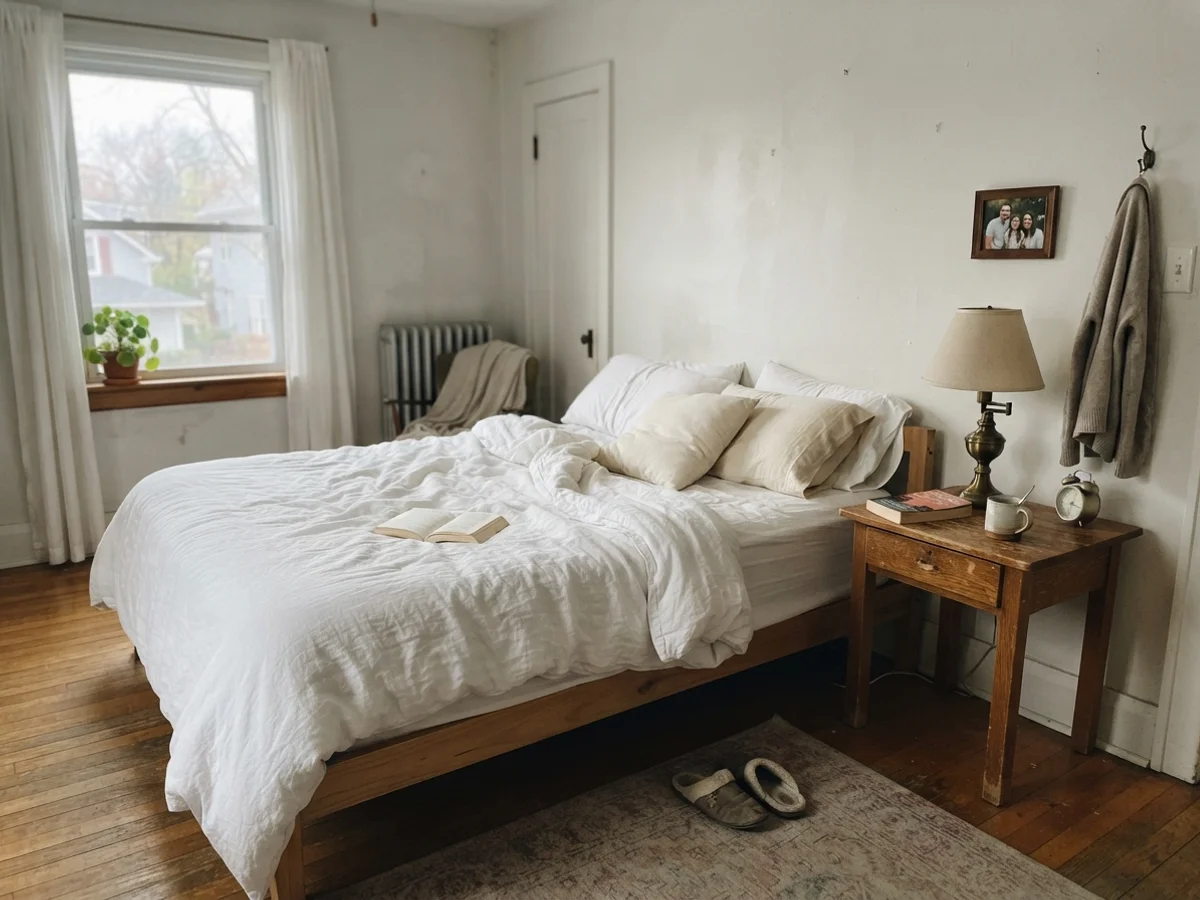
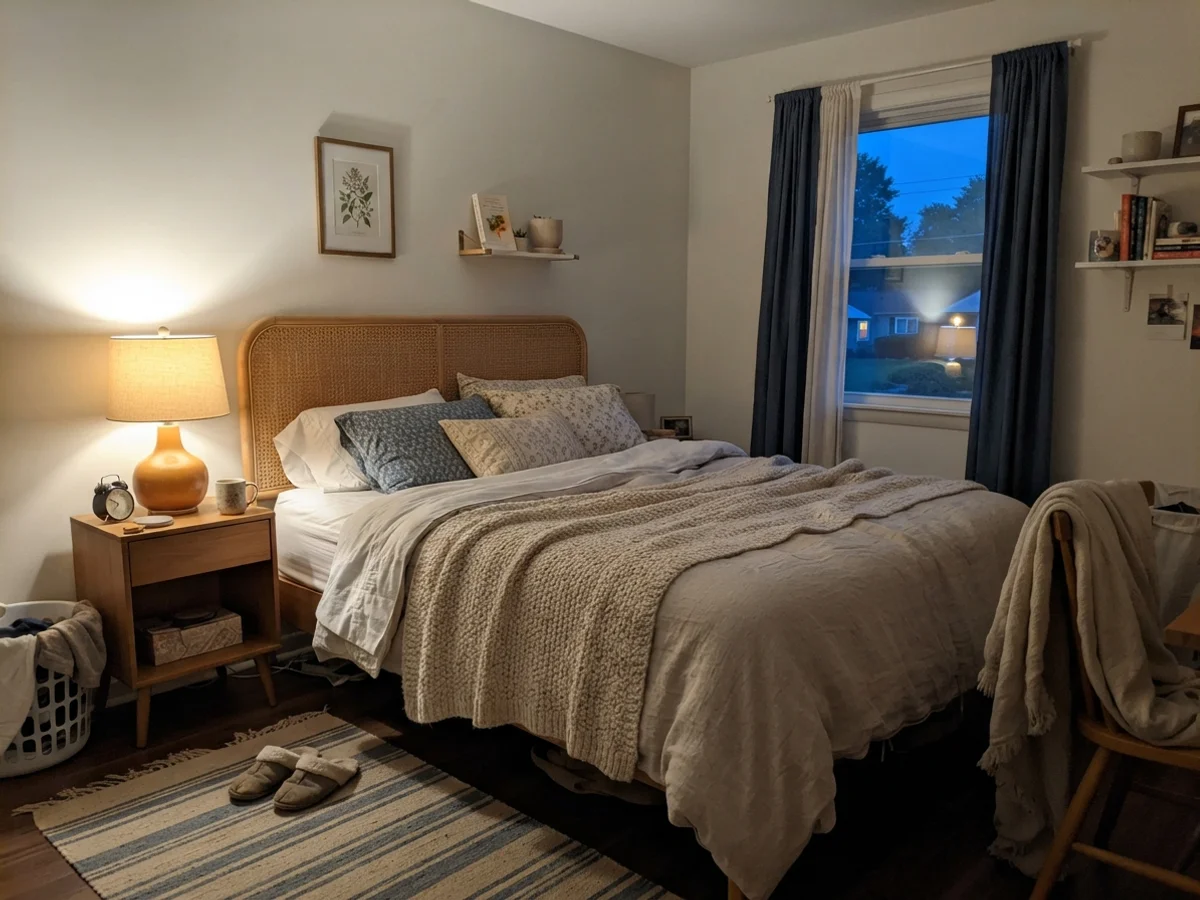
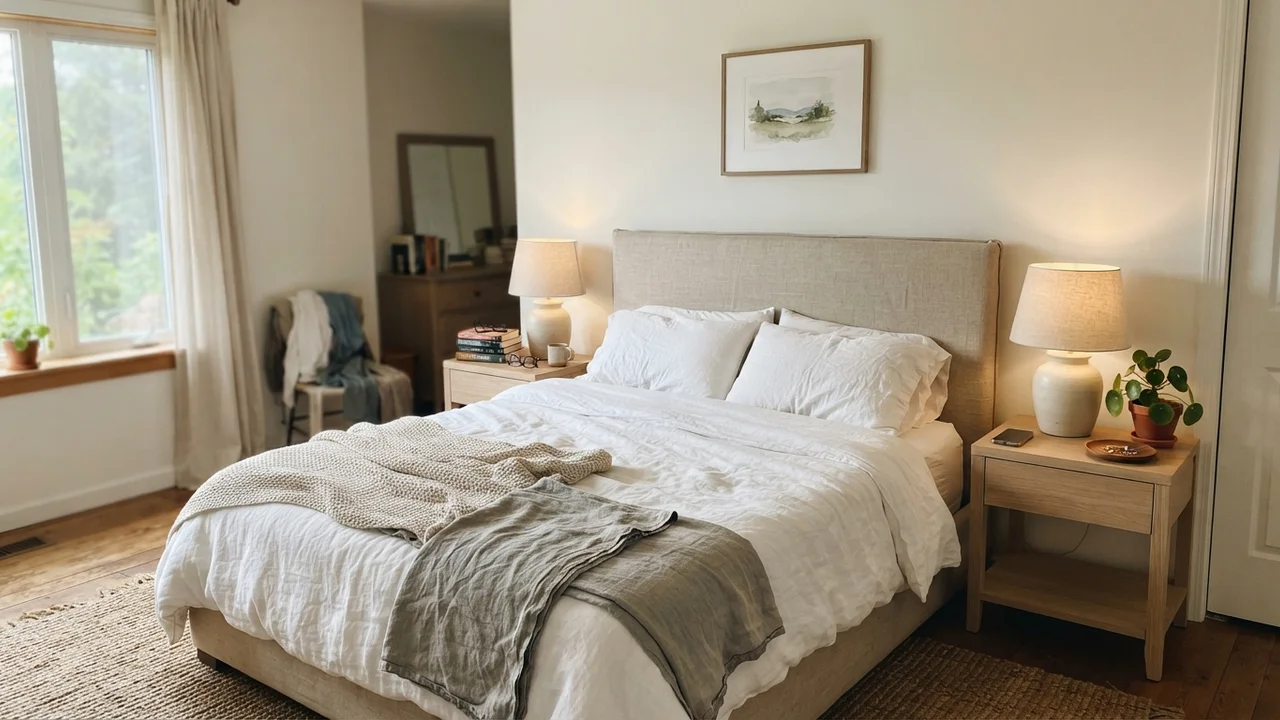
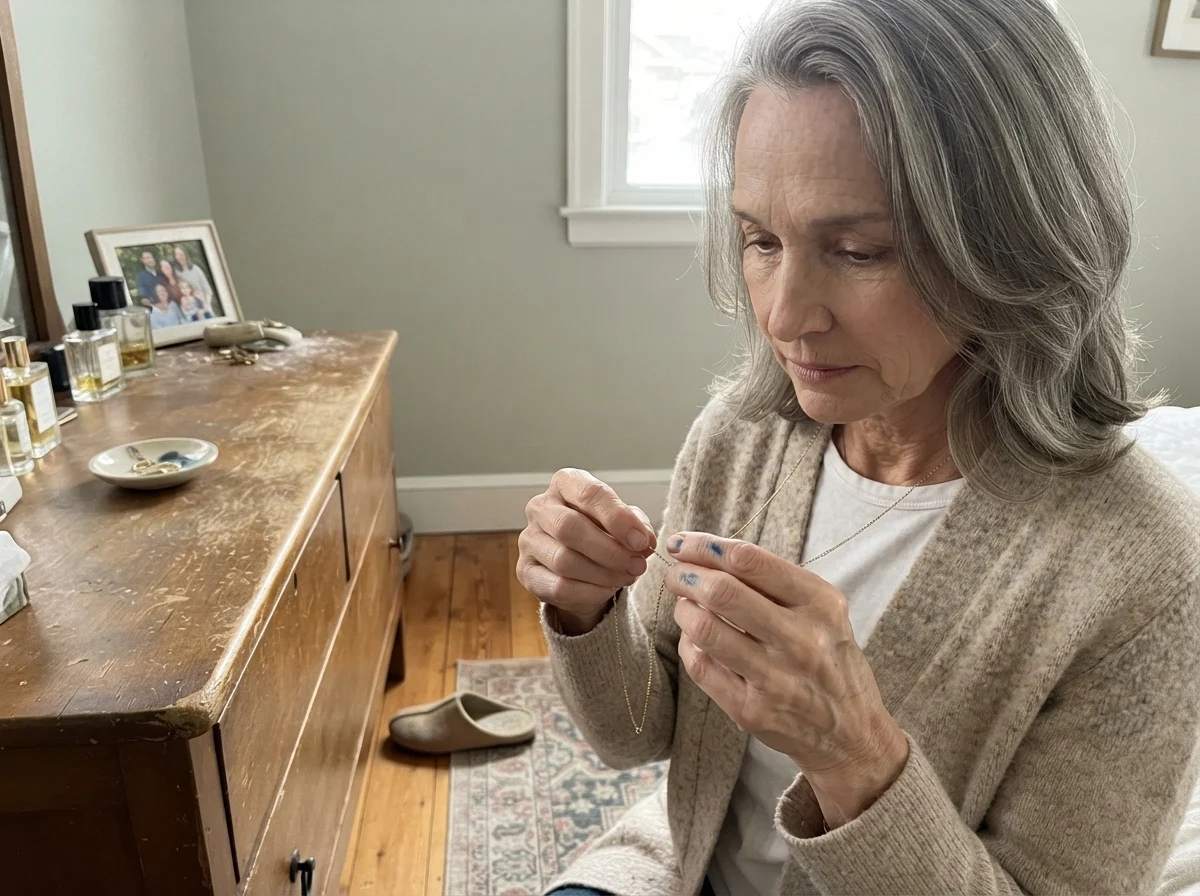
In the bedroom, White Dove exhibits its full range. In early morning light, before any lamps are switched on, the wall will read pale, muted, almost slightly washed out. It does not try to manufacture sunshine where there is none. But come evening, when you flip on a 2700K bedside lamp, that faint grey base absorbs the amber glow beautifully, turning the whole room into a warm, calm cocoon.
Living Rooms and Sunrooms: Where It Truly Shines
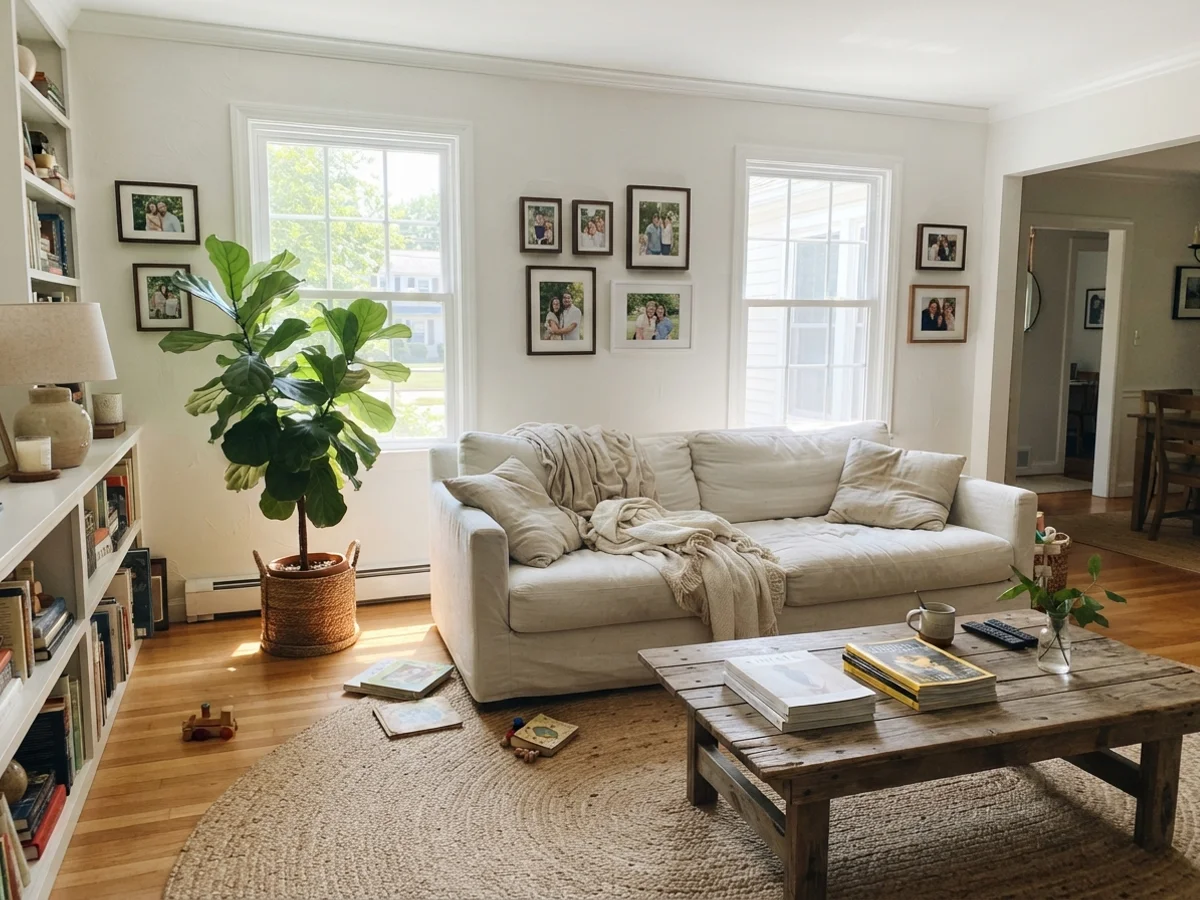
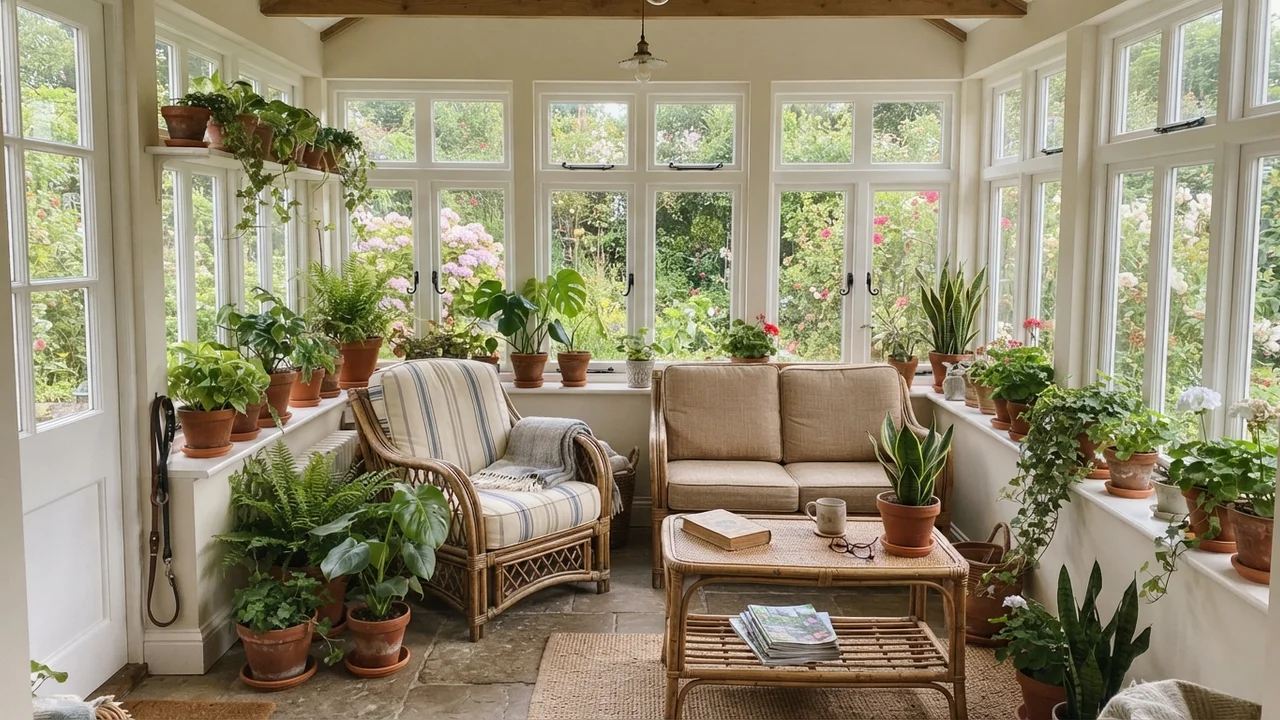
If you have a living room with decent south- or west-facing windows, White Dove is about as foolproof as paint gets. In our current 1960s ranch, the main living area gets generous midday sun. A pure white in that room was completely blinding on summer afternoons; we felt like we needed sunglasses indoors. White Dove took the harsh glare down two notches without making the room feel dim.
It acts as a quiet, respectful backdrop. Your furniture, your oak coffee table, your linen slipcovers, and your art get to take center stage. When you paint the walls in eggshell and the trim in semi-gloss White Dove, the slight shift in sheen provides just enough tailored detail without creating jarring visual breaks.
Kitchens, Cabinets, and Island Accents
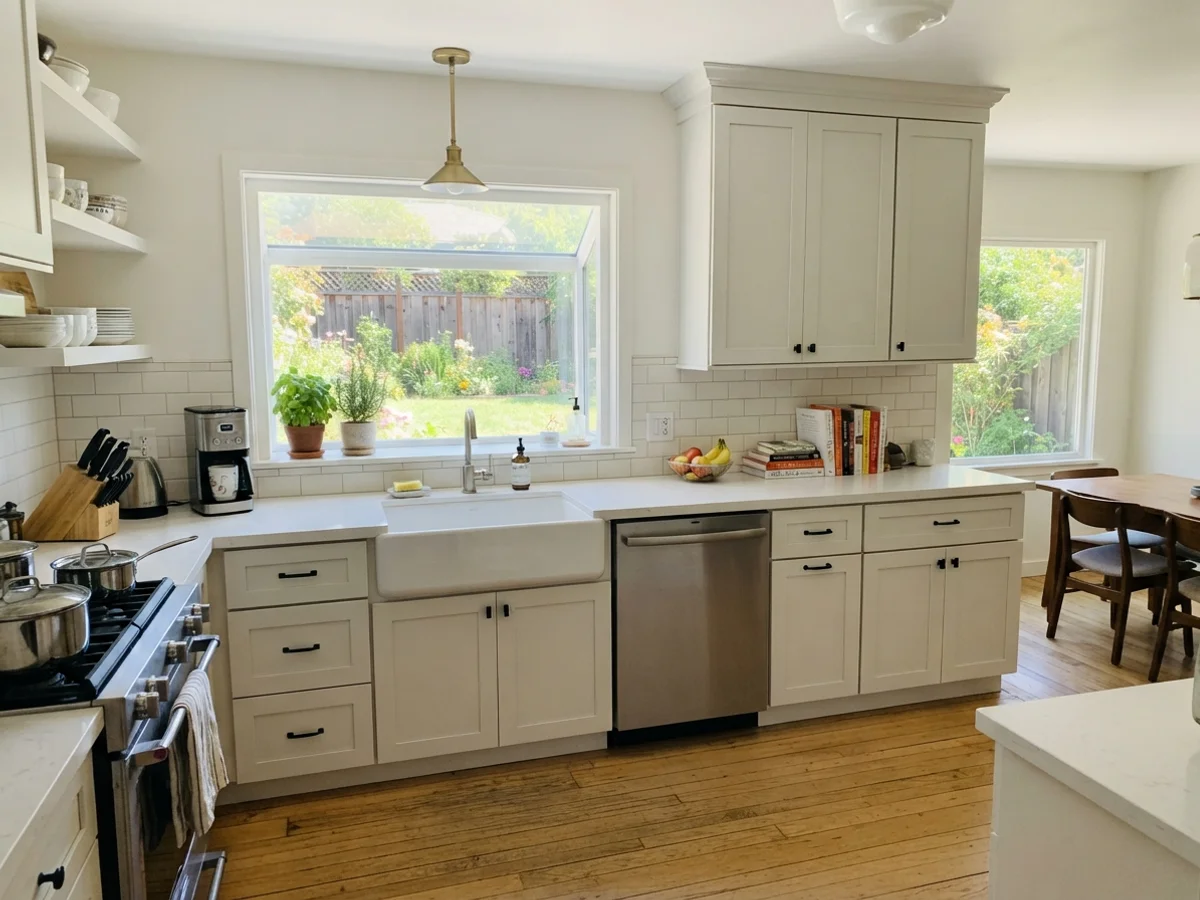
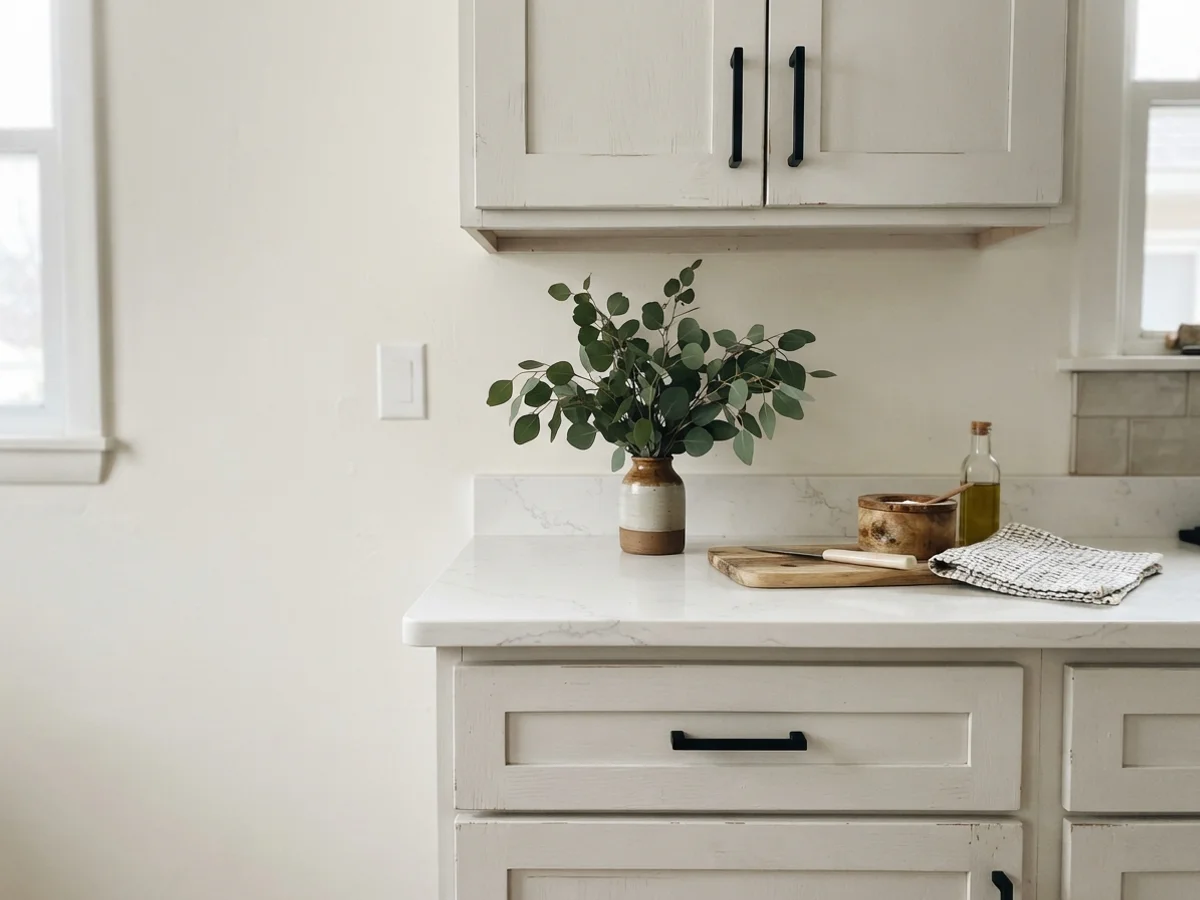
If White Dove has a natural habitat, it is the American kitchen. Kitchens are full of hard edges, metal appliances, and polished stone; they desperately need a white that brings softness rather than sterile chill. On shaker cabinets, White Dove in a satin finish has saved more dated kitchens than any other color I know.
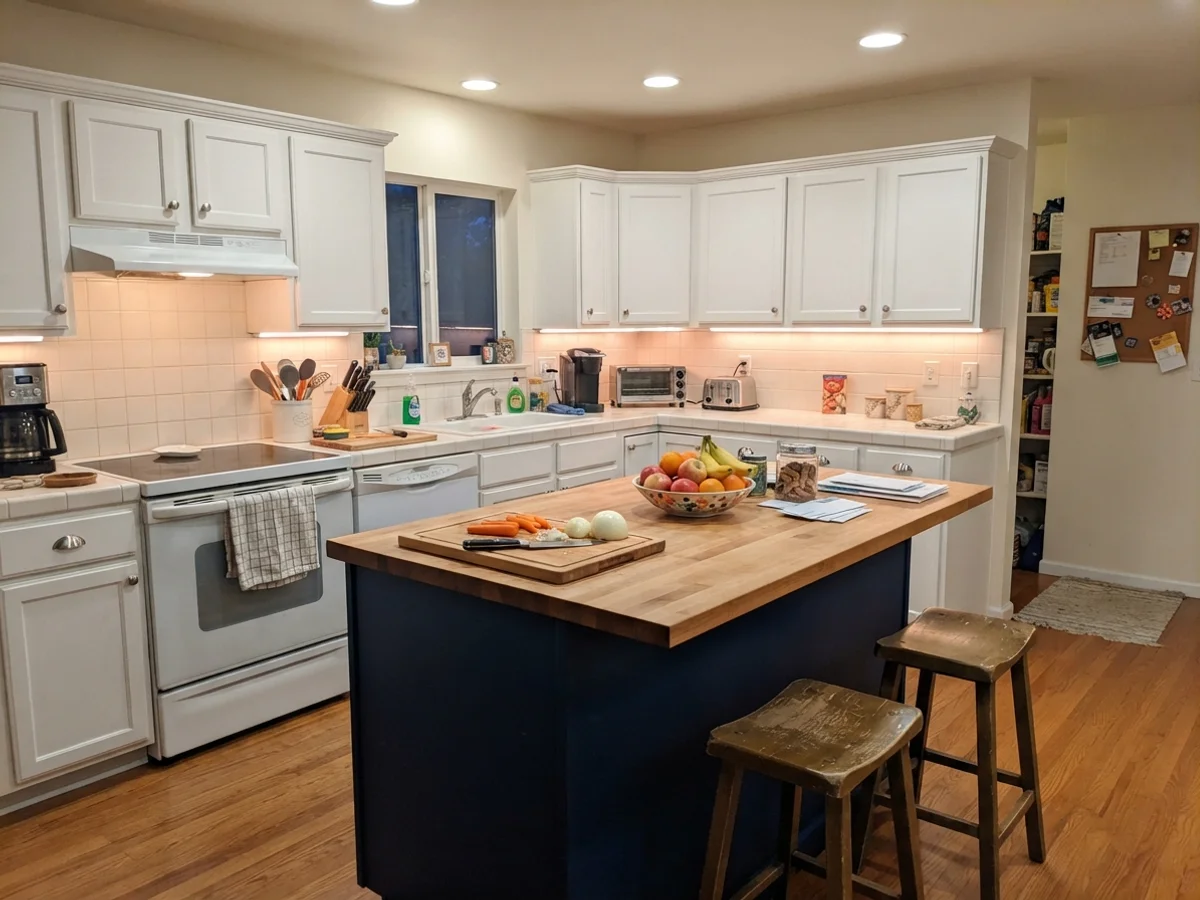
Five years in, cabinets painted in White Dove hold up visually far better than stark whites because the subtle cream-grey base disguises small scuffs, dust, and everyday finger marks around the cabinet pulls. If you have butcher block, brass hardware, or warm terracotta floor tiles, White Dove sits comfortably alongside them like an old friend.
Bathrooms: How Lighting and Stone Make or Break It
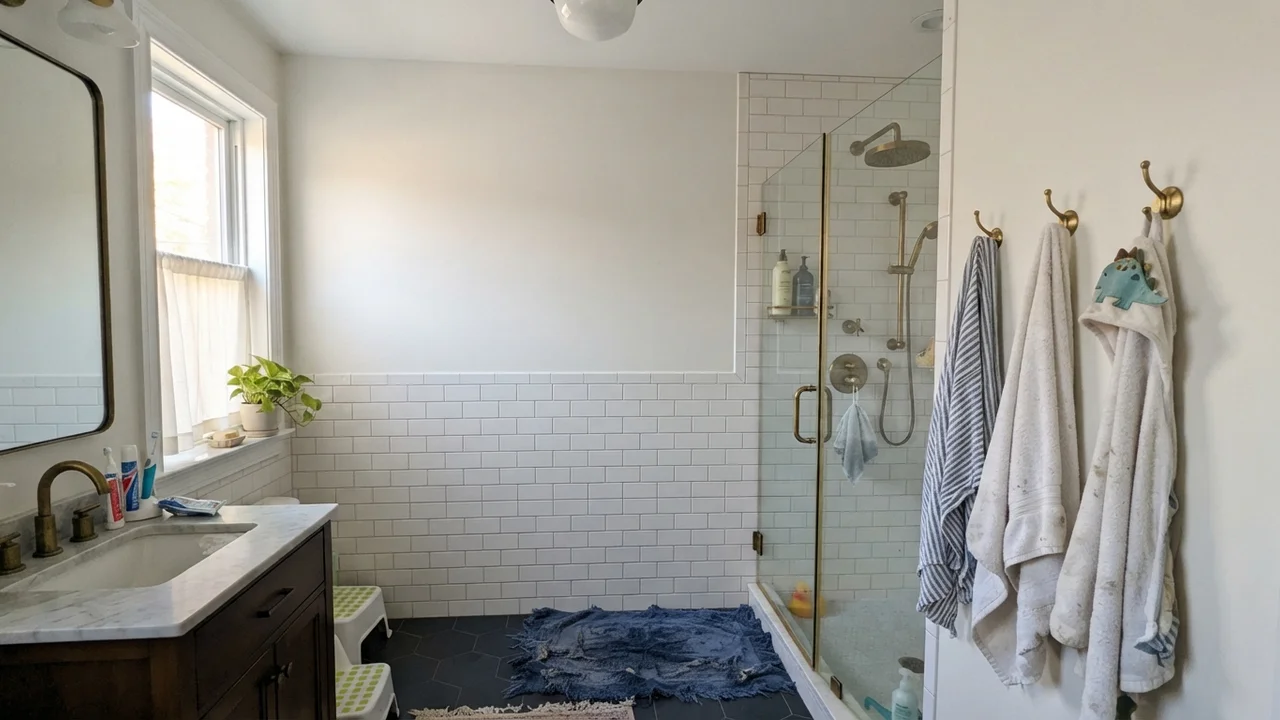
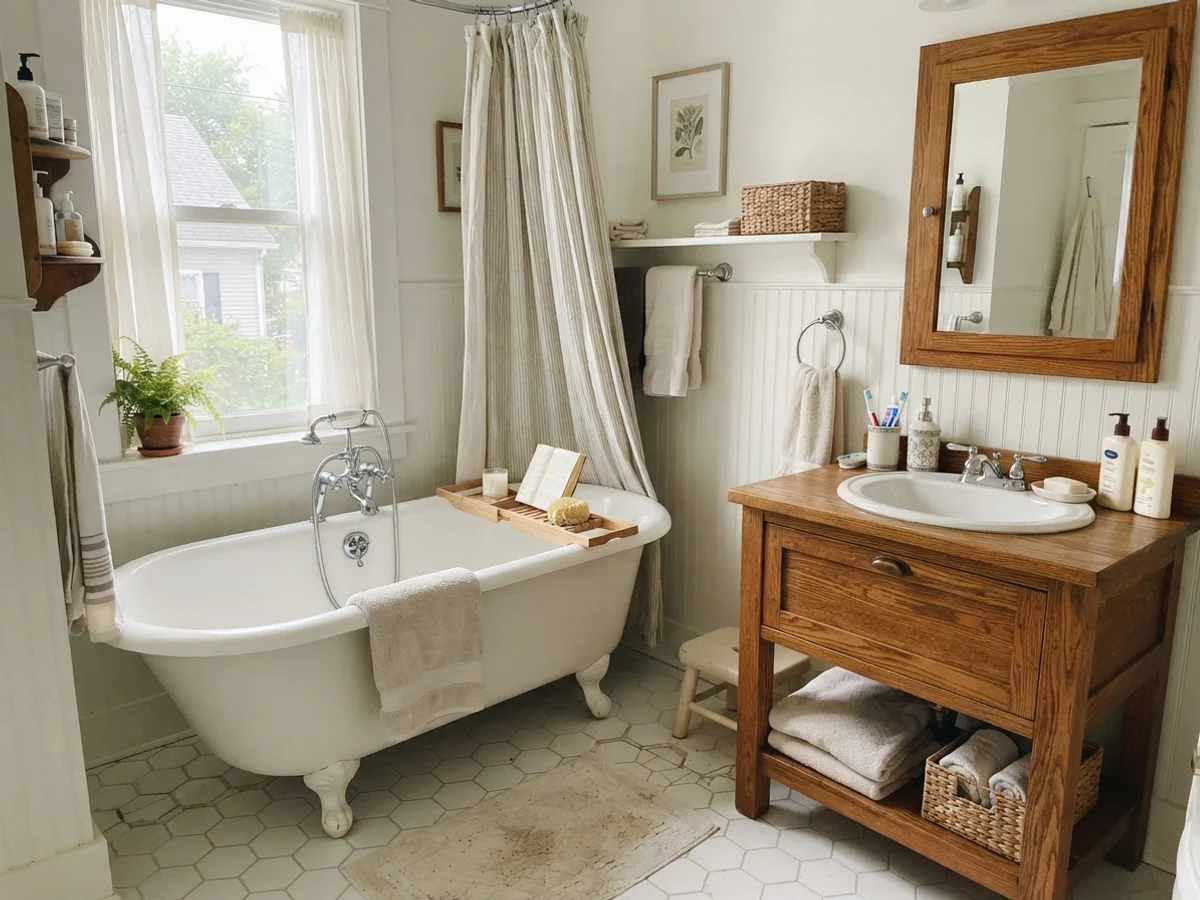
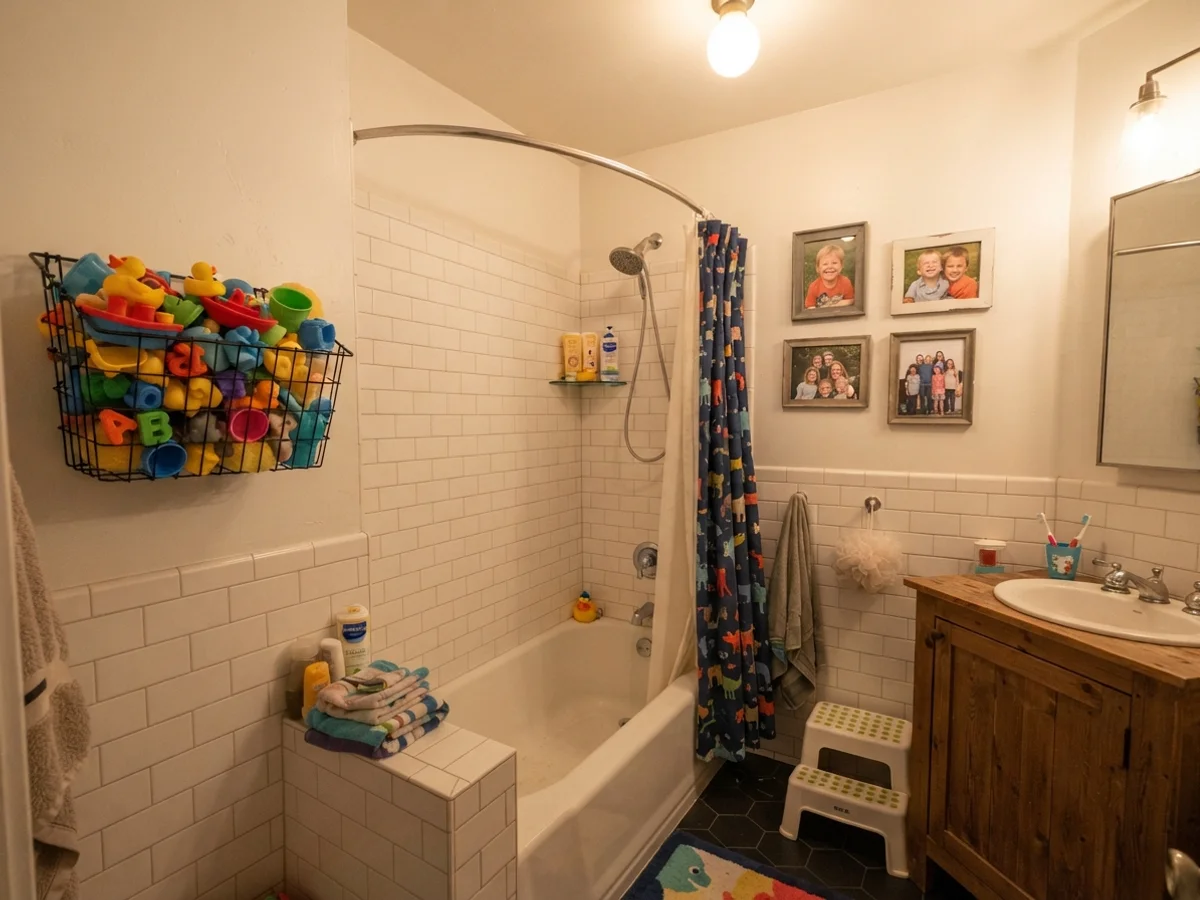
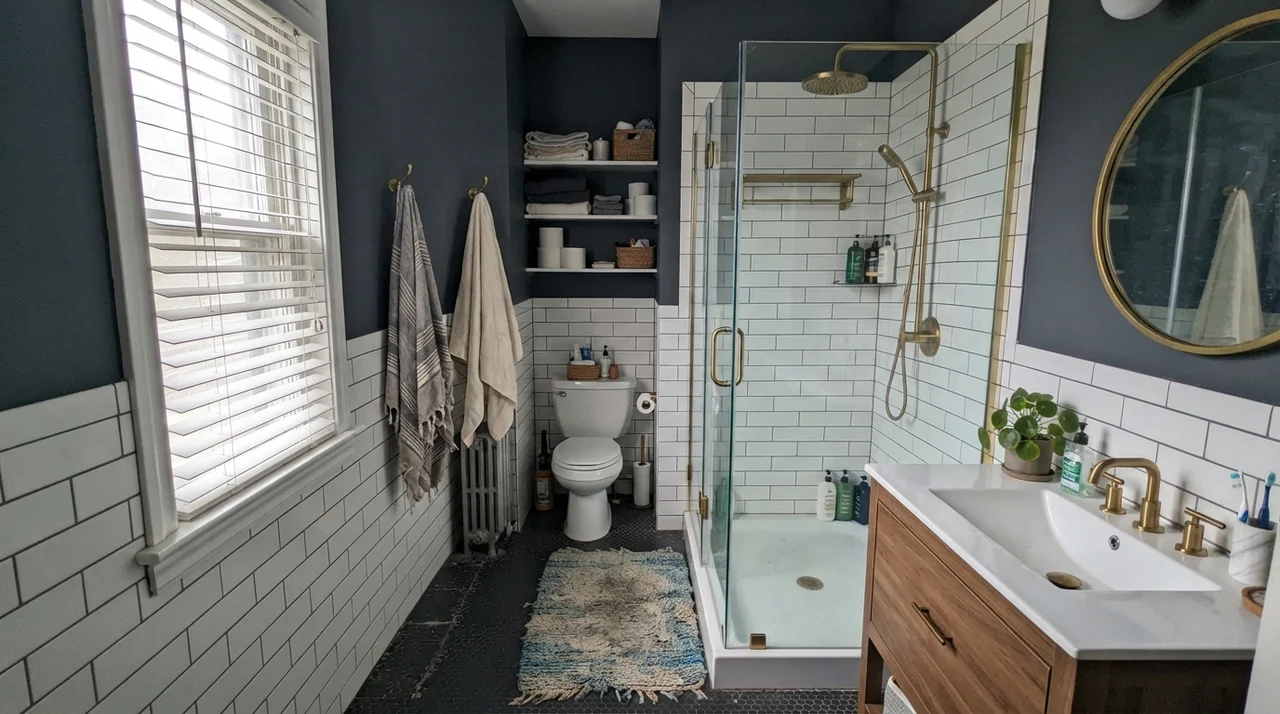
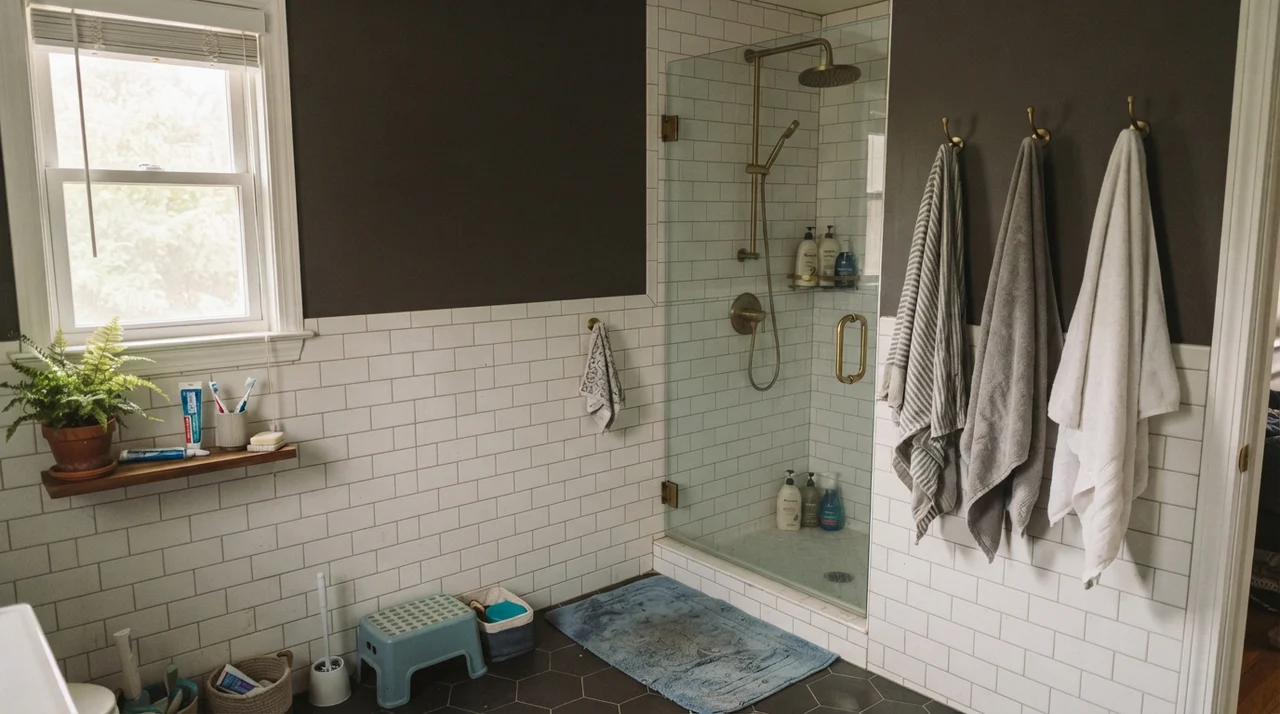
In bathrooms, White Dove requires a closer look at your finishes. When paired with warm oak vanities, white subway tile, or vintage clawfoot tubs, it creates that grounded, historic feel that looks like it has always belonged in the home.
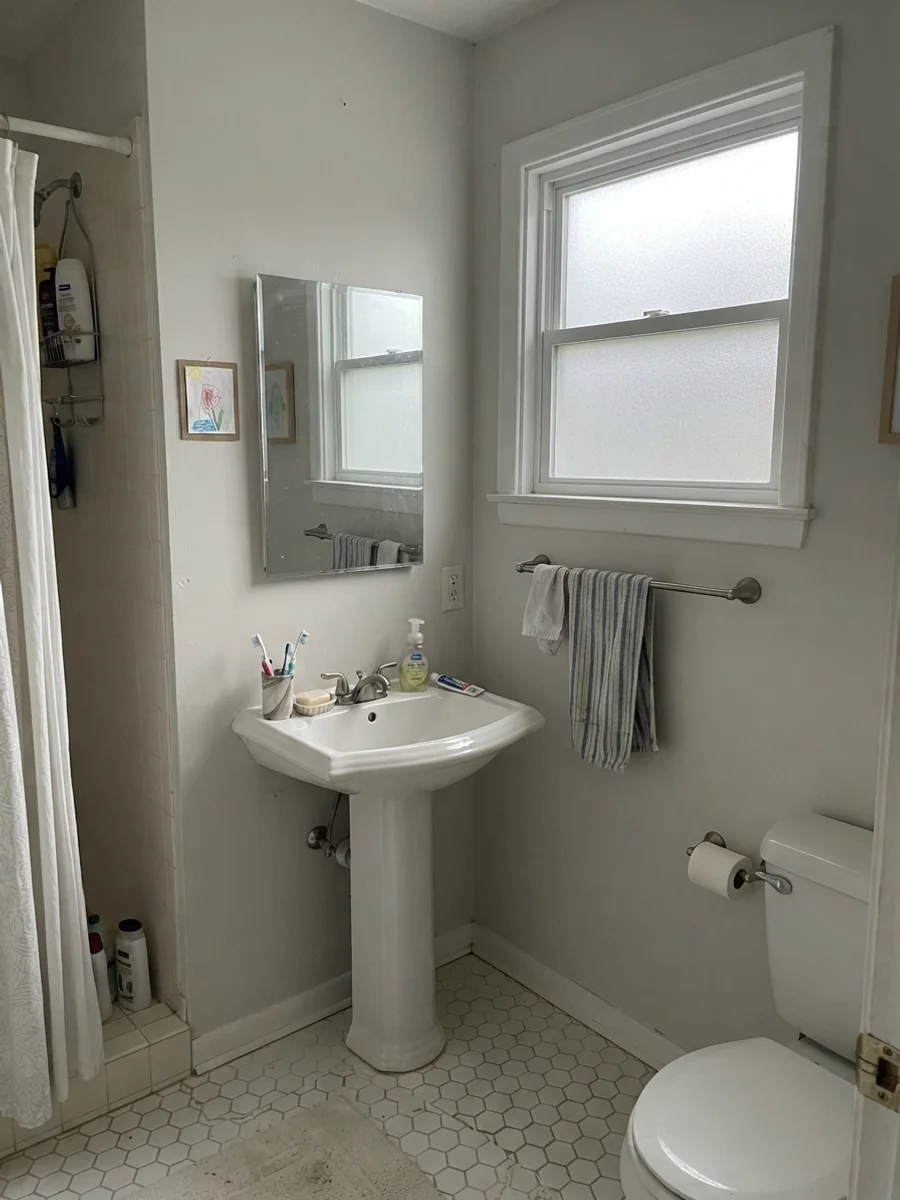
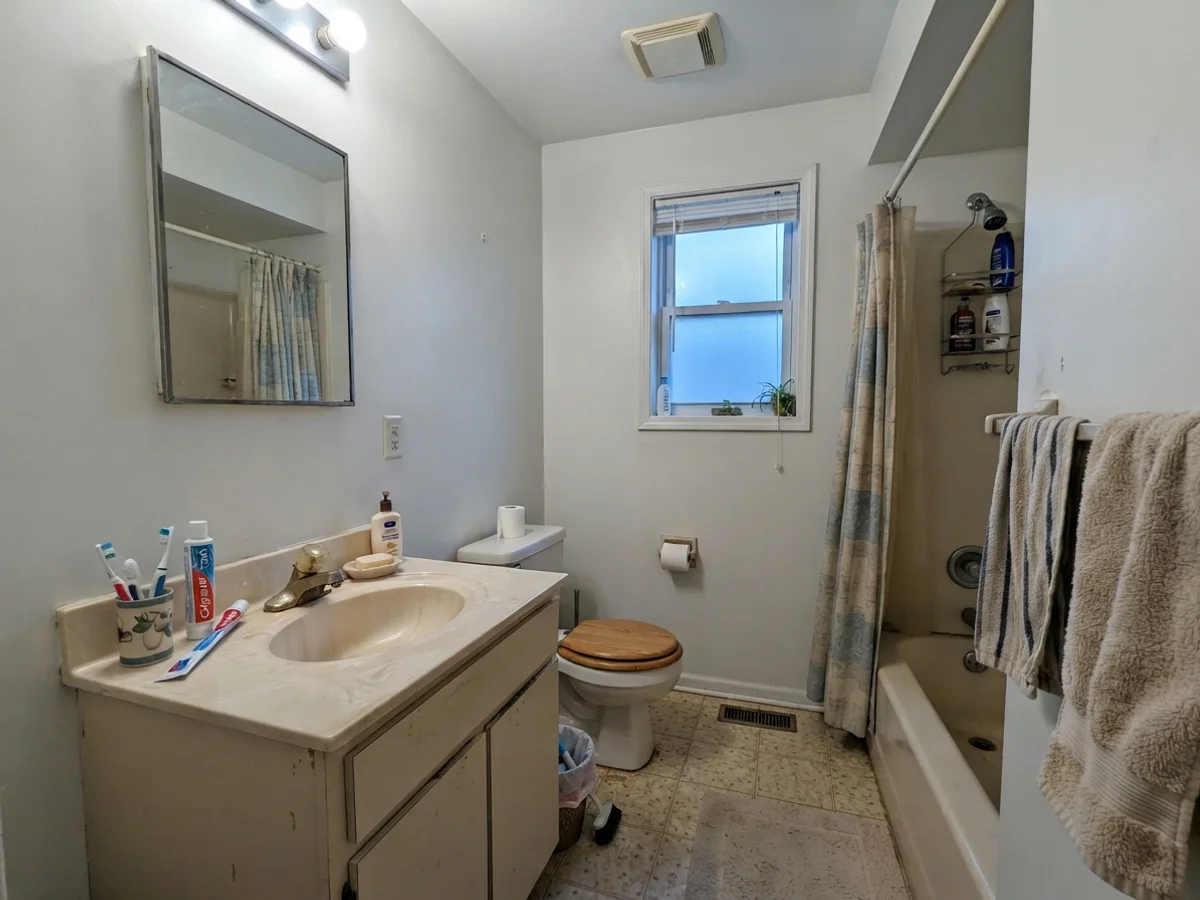
However, you have to watch out for lighting and tile undertones. On an overcast morning through frosted glass, or in a north-facing bath with older beige fixtures, White Dove can drop into a muted, chilly grey. And if you have cool, blue-grey Carrara marble counters, White Dove will fight that cool stone and suddenly look slightly dirty or dingy. Always match your white to your fixed stone surfaces before you buy the paint.
In our last house, our downstairs guest bathroom had a tiny window facing dead north. During winter rainstorms, the walls looked cool and drab until we flipped on the vanity sconces with 2700K warm bulbs. White paint cannot invent daylight where none exists; when natural light goes flat, you need warm artificial lighting to wake it back up.
Bedrooms, Nurseries, and Family Spaces
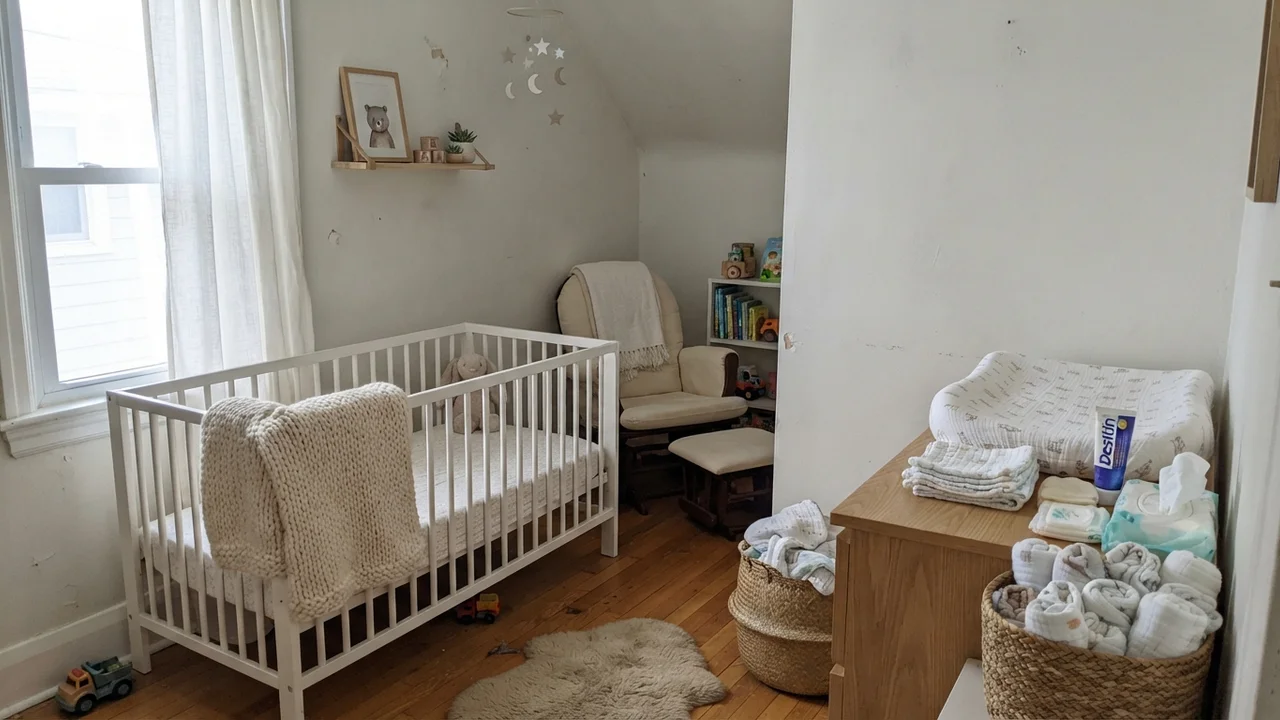
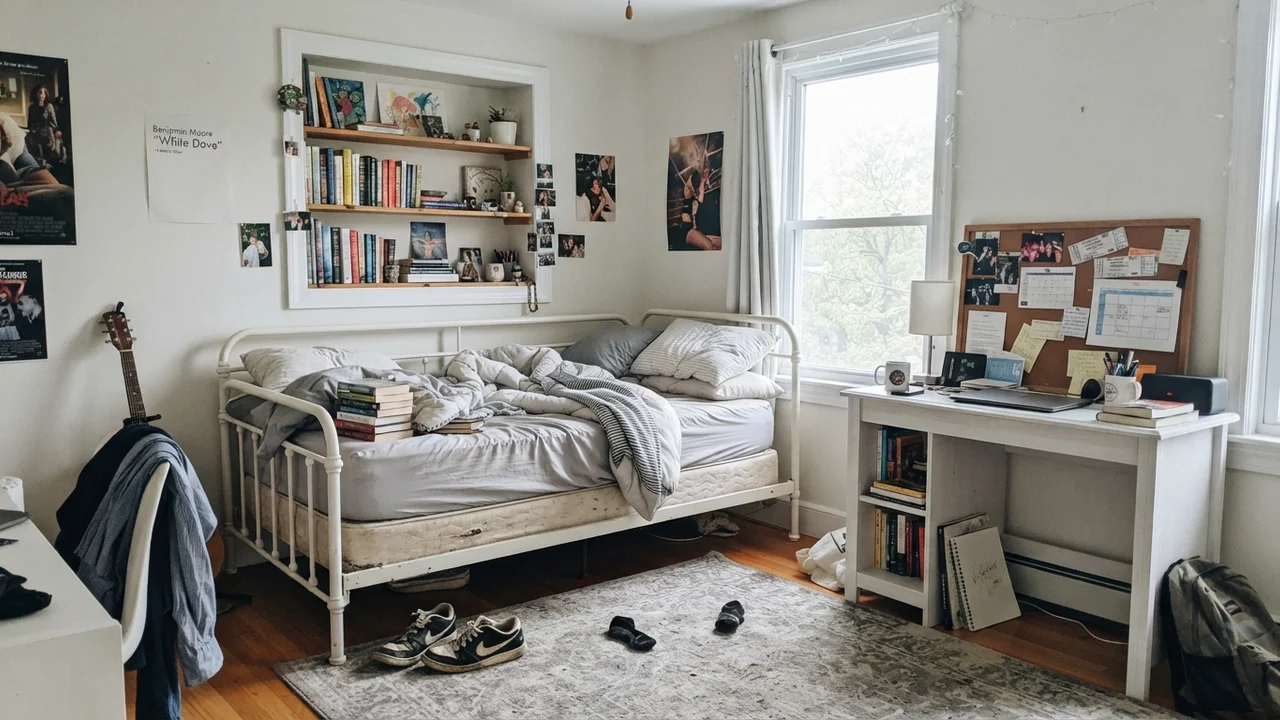
In bedrooms, nurseries, and teen rooms, White Dove functions like a quiet sigh. When kids' rooms fill up with neon plastic toys, posters, colored blankets, and sports gear, having a gentle off-white on the walls keeps the visual noise contained.
In a nursery with sheer curtains, White Dove gives that airy, clean feeling without the sharp hospital-nursery glare. In a teen's room with a mix of wood and metal furniture, it provides a clean slate that can handle whatever posters or bedding they cycle through next year.
Doors, Built-ins, and Laundry Rooms
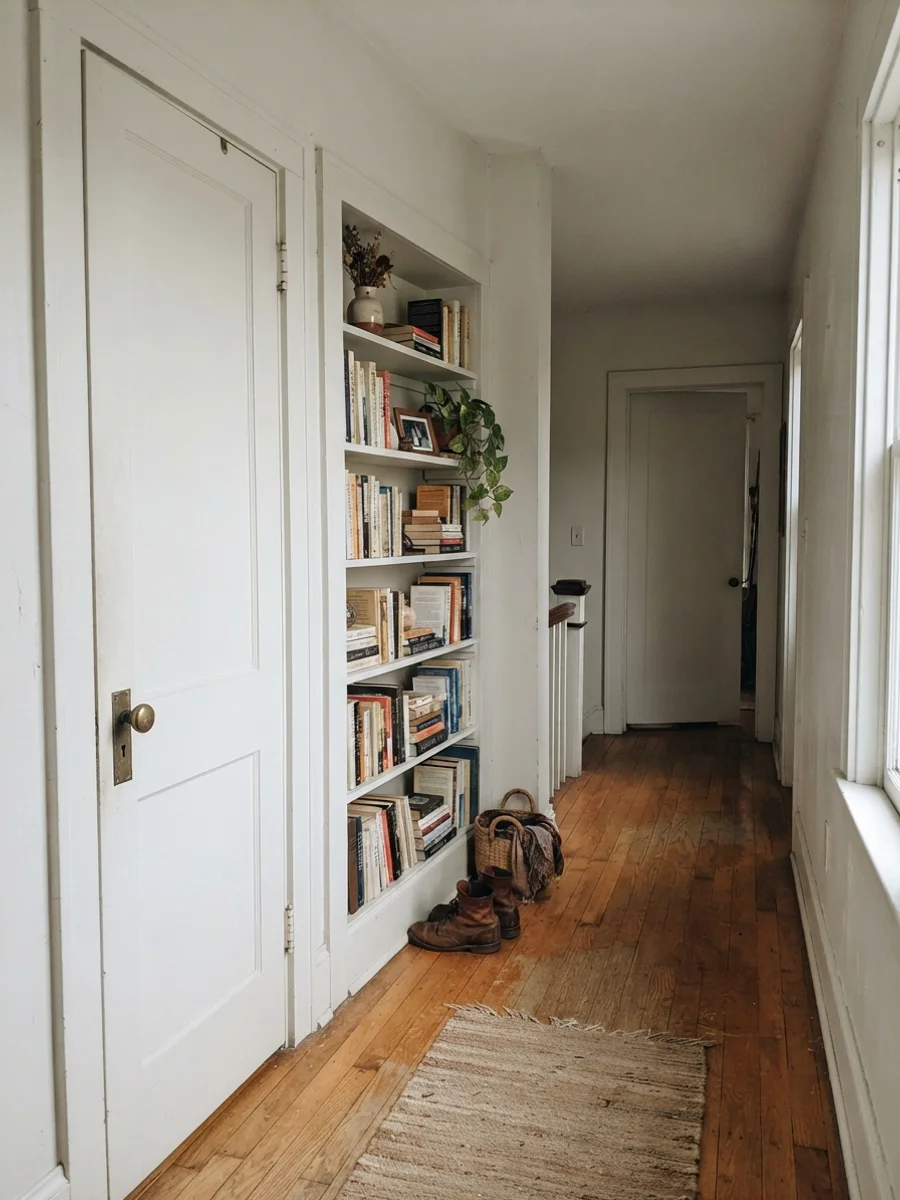
One of the best uses of White Dove is tying together older woodwork. In older homes where doors, trim, and built-in bookshelves have accumulated fifty years of wear, painting them White Dove semi-gloss gives them unified structure. Against a slightly warmer wall or even against itself in a different sheen, the detailing on classic panel doors comes alive without looking overdone.
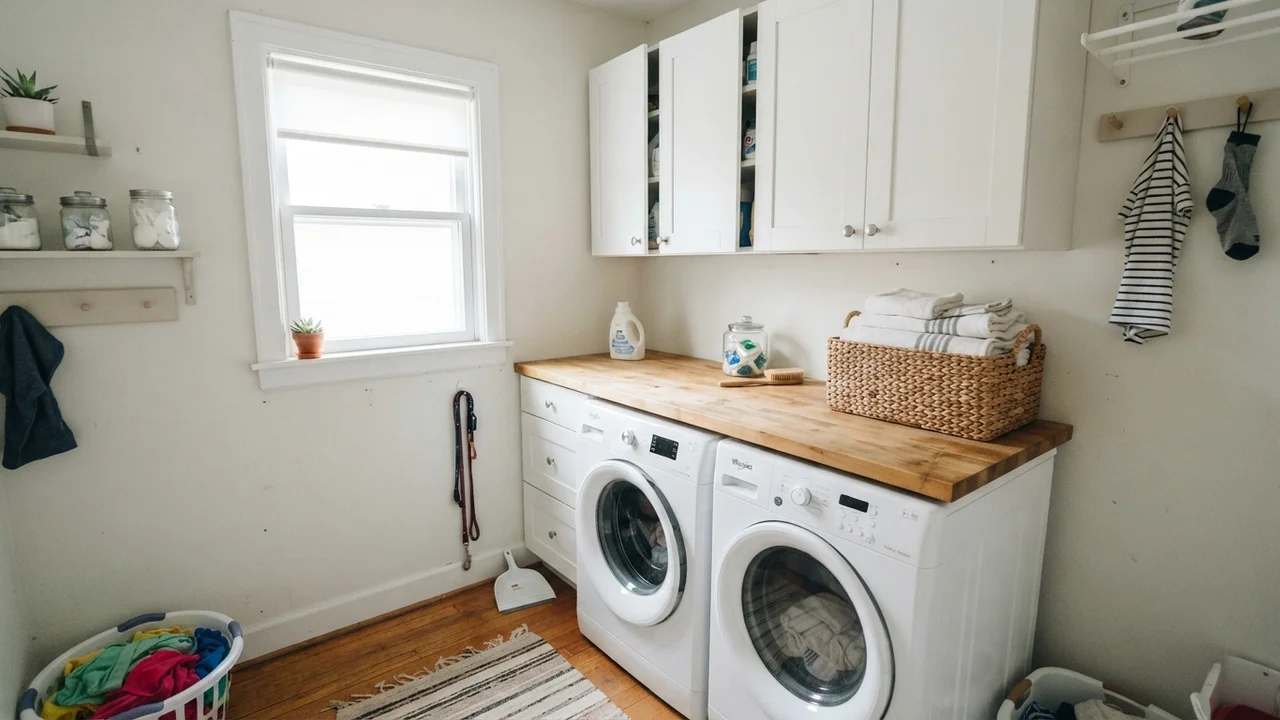
In working rooms like the laundry room, pairing White Dove with a natural butcher-block counter and simple white cabinetry turns what is usually a chore dungeon into a cheerful, scrubbable workspace.
Where White Dove Fails: The Honest Truth
Almost every bad review or one-star complaint about White Dove comes from one of three predictable situations. None of them are the paint's fault—paint is just chemistry and pigment reacting to photons—but if your room matches one of these descriptions, stop and pick something else.
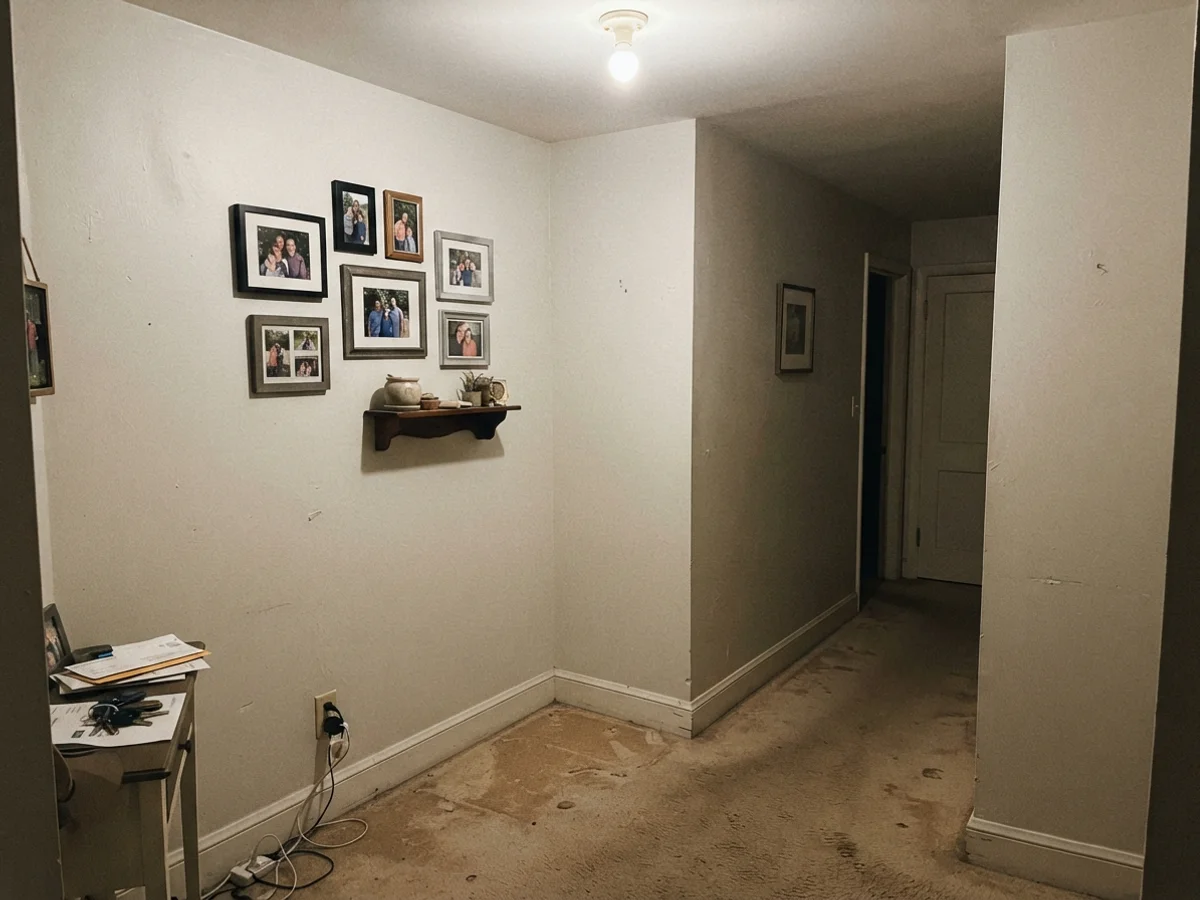
The first failure point is a windowless, dim hallway or a dark north-facing room. Without strong daylight, the cream disappears and the underlying grey base takes over, leaving the walls looking muddy, flat, or like dirty putty under cheap overhead lights. If you don't have natural light, you either need rich 2700K lamps or a warmer, sweeter cream like Benjamin Moore Swiss Coffee.
The second failure point is pairing White Dove walls with stark, high-gloss builder white trim. When you put White Dove right next to a bright white with an LRV of 92, the eye compares them instantly. The bright white wins, and White Dove suddenly reads like dingy parchment. If you are using White Dove on the walls, keep White Dove on the trim too, just stepping the trim up to semi-gloss.
The third failure point is cool grey stone. If your kitchen has blue-veined Carrara marble or slate grey counters, White Dove's creaminess will clash. In those spaces, you need a crisp, neutral white like Chantilly Lace.
Exterior Performance: Siding and Trim
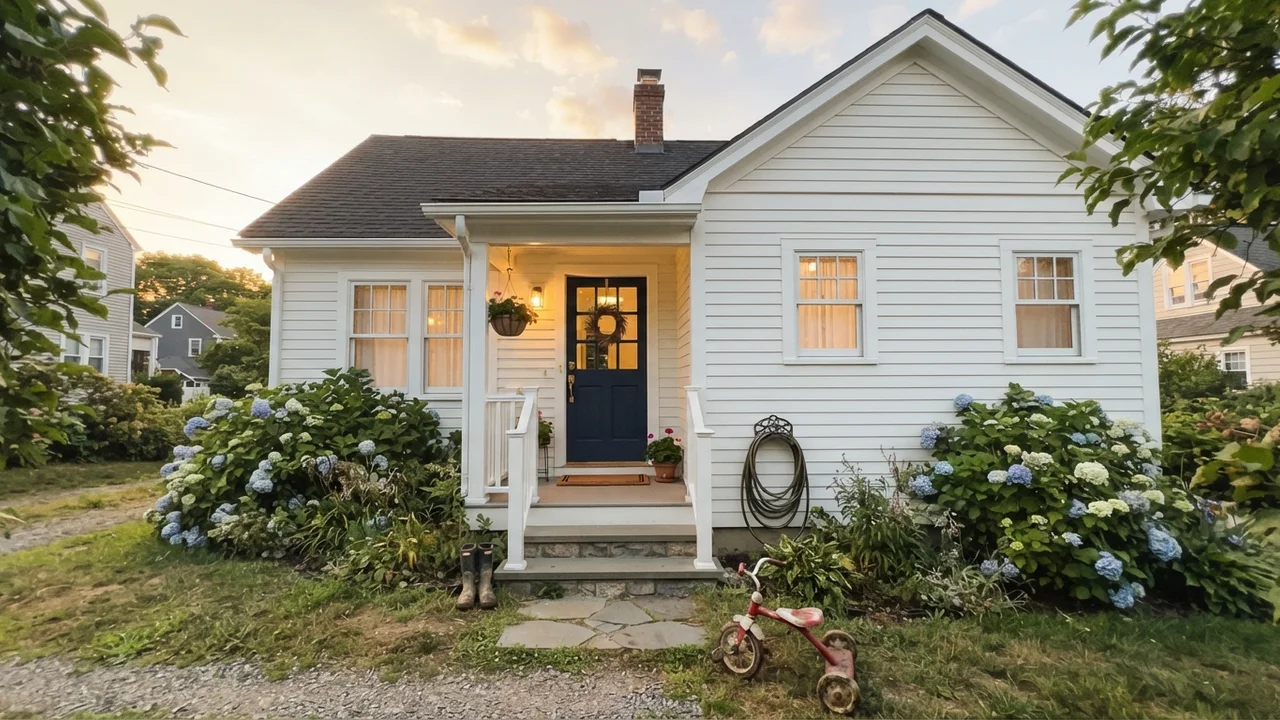
Under direct outdoor sunlight, paint colors wash out by roughly 5 to 10 LRV points. A white that looks delightfully warm indoors can look blindingly bright on an exterior. That is why White Dove makes such a solid exterior siding color. Because it starts at LRV 83 with that stabilizing grey base, direct midday sun doesn't blow it out into pure glare.
Pair it with dark navy, charcoal, or forest green front doors and crisp trim, and you get a timeless, traditional exterior that looks settled into the landscape rather than freshly plastic-wrapped.
Testing Before You Buy
After thirty years of painting, I have one non-negotiable rule: never choose a paint color from a 2-inch paper swatch in a hardware store aisle. The lighting in those stores is cool fluorescent, and paper chips don't have the texture or light bounce of actual wall paint.
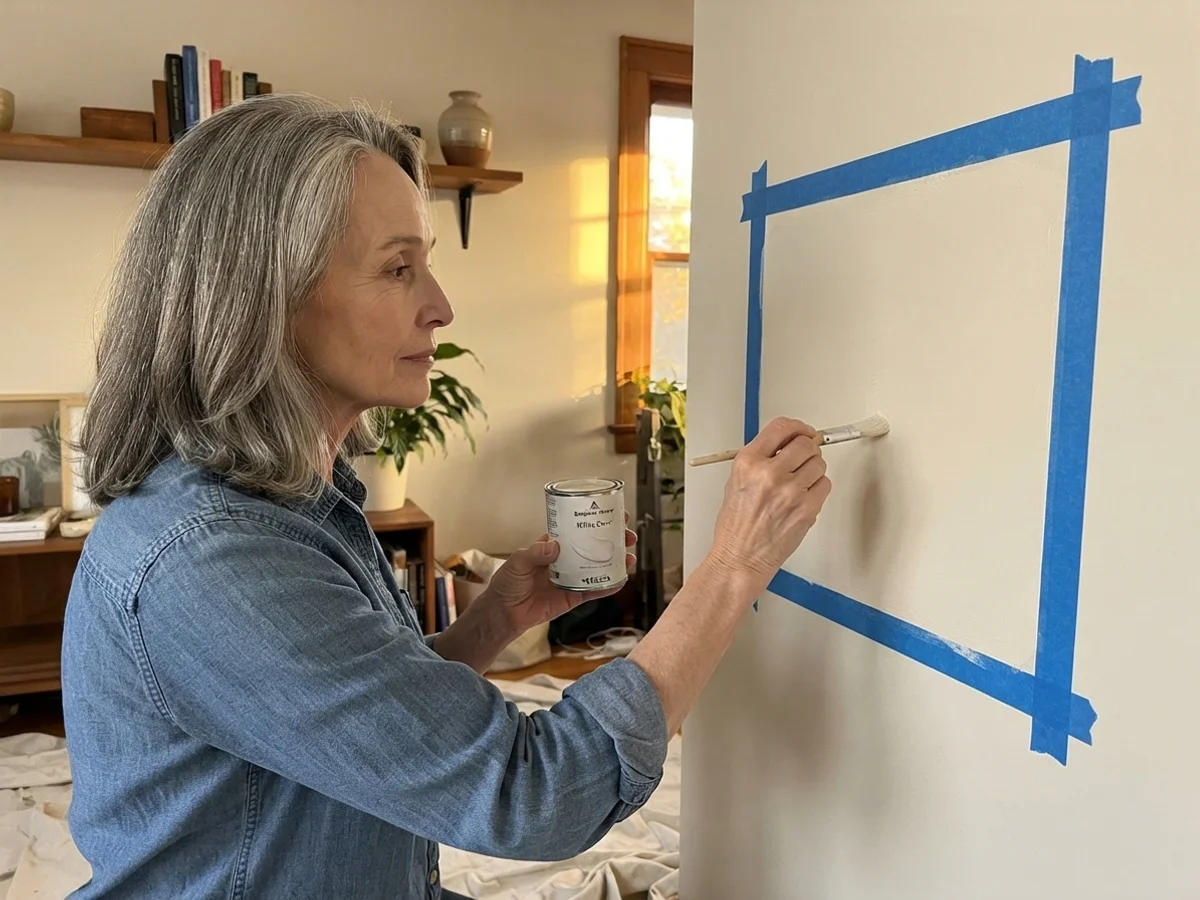
Buy an eight-ounce sample pot. Brush two coats onto a large poster board or directly onto your wall in a two-foot square. Tape it up and look at it at 8:00 AM, noon, and 9:00 PM with the lamps on. If it holds its calm warmth in all three lights, you have your winner.
Style and Finish Pairings
White Dove is remarkably versatile, but it naturally leans toward homes with some warmth and history. Here is how it behaves across different wood tones, hardware metals, and architectural styles.
Durability, Scrubbing, and Long-Term Wear
Let's talk about what happens five years in. In our colonial, the mudroom door and the kitchen island base took the brunt of boots, grocery bags, and dog tails. We painted both in Benjamin Moore White Dove in a satin finish.
Over the years, I scrubbed that island with warm water and mild dish soap dozens of times. Because White Dove sits at LRV 83 rather than 92, minor scuffs blend in instead of flashing like a beacon across the room. On walls, I recommend eggshell finish—flat white paint in a busy family house is a mistake you only make once, because the first time you try to wipe away a muddy handprint, you leave a shiny burnished bald spot.
You don't choose a white paint for the weekend you roll it on. You choose it for year five, when you've scrubbed the baseboard fifty times and it still looks calm.
Can I use White Dove on my walls and my trim in the same room?
Yes, and in fact, it is the best way to use it. Paint your walls in eggshell, your trim and doors in semi-gloss, and your ceiling in flat—all in White Dove. The different finishes reflect light differently, giving you subtle depth without the risk of colors clashing.
Why does White Dove look yellow in my room?
If White Dove looks yellow, check your light bulbs and surroundings. Bulbs below 2700K will cast heavy amber light onto the wall. Also, if you have bright green lawns reflecting through low windows or warm oak floors bouncing light upward, White Dove will pick up those warm reflections.
Why does White Dove look grey or dingy in my hallway?
White Dove contains a drop of black pigment that gives it its calm demeanor. In a windowless hallway or dark north-facing room with cool bulbs, that grey base is exposed because there is no natural sunlight to activate the cream tone. For dim hallways, choose a richer cream like Swiss Coffee.
What sheen should I choose for kitchen cabinets?
Use a satin finish. Semi-gloss on large cabinet surfaces can look overly plastic and highlight minor wood grain flaws, while matte or eggshell will absorb cooking oils and grease. Satin provides the ideal balance of wipe-clean durability and soft luster.
Is White Dove worth the price over big-box brand whites?
For whole-house trim, kitchen cabinets, and main living spaces, yes. Benjamin Moore's pigment grind and leveling qualities make cutting in easier and hold up to scrubbing over five to ten years. For a quick flip or a low-traffic closet, a color-matched formula in a budget brand is fine, but for your forever home, the real can pays off.
Susan's Verdict · The Whole-House Default
White Dove has stayed the number two most popular paint color in America for thirty years because it solves the hardest problem in home design: how to make a room feel clean, bright, and finished without feeling cold. If your home has real daylight, warm wood floors, or brass fixtures, and you want a white you will not get tired of five years from now, buy the can. Just keep it out of dark, windowless north corners, avoid pairing it with stark pure whites, and let it do what it does best: quietly tie your whole house together.