Color Diary · No. 47
Before You Buy Sherwin-Williams Black Fox for the Brown Undertone
The soft black everyone picks instead of true black, reviewed honestly: when the brown actually shows up, when it just looks black, and what to pick instead.

Susan HartleySeptember 25, 2026 · 15 min read
Black Fox · Sherwin-Williams SW 7020
Hex#4F4842LRV7Undertonesrich warm brown → deep charcoal → plain soft black
When we bought our 1990s colonial twenty years ago, the first thing I wanted to tackle was the builder-grade oak that covered every single square foot of cabinetry. My instinct at the time—because I was younger and had far more bravado with a paintbrush than common sense—was to go straight for a dramatic, moody black. I brought home swatches of true blacks and pitch charcoals, held them up against the brass hardware and honey wood, and immediately recoiled. True black felt like an iron punch in the mouth. It had no forgiveness, zero give, and cut out the profile of the room like construction paper.
That was the year a neighbor handed me a chip of Sherwin-Williams Black Fox (SW 7020). On the paper strip, nestled right down in the deep orange-red fandeck family, it looked like hot melted chocolate poured over charcoal. It had that rich, brooding warmth that makes you think of leather-bound books, aged brass drawer pulls, and cozy firesides. I painted our island with it, lived with it for years, and learned the very specific truth about this color that glossy brochures will never print: Black Fox is a chameleon that only performs when the sun is willing to cooperate.
The Undertone Trap: Where the Warmth Lives and Dies
Sherwin-Williams files Black Fox in its orange-red family, giving it an LRV of 7. That technical classification means it is fundamentally a deeply saturated warm brown masquerading as a black. But at an LRV this low, your eyes only read what the lighting allows them to read. Here is how that warm base shifts under varying real-world exposures.
warm sun
overcast, north light
dusk, rain, cool bulbs
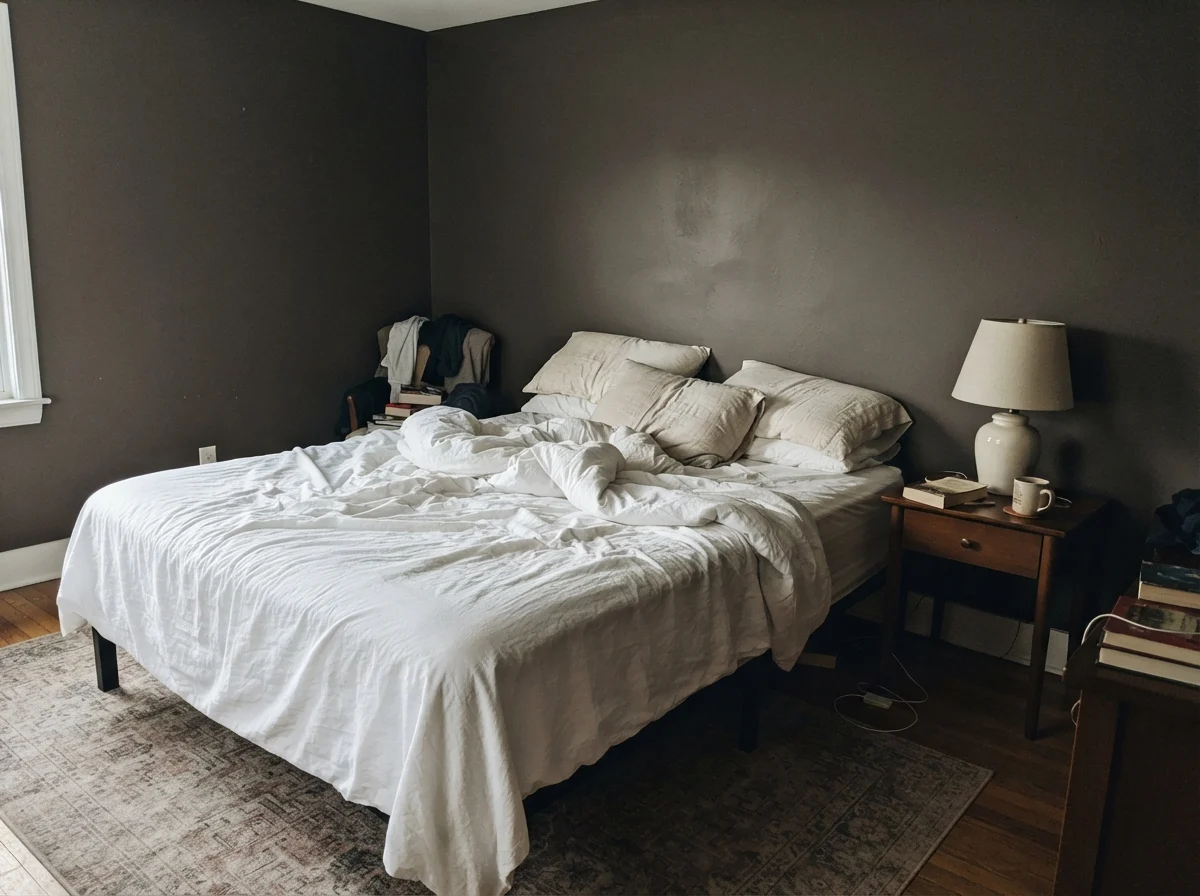
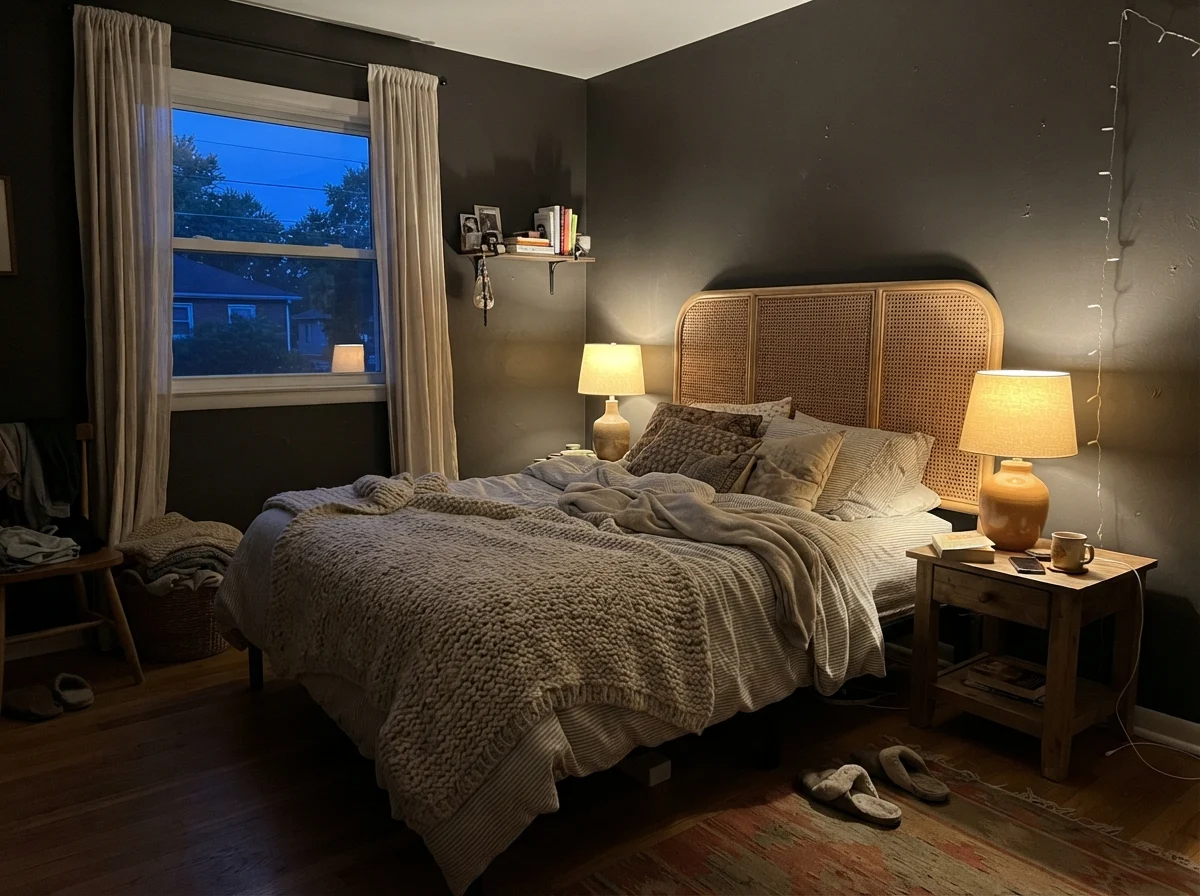
Under bright south sun or 2700K incandescent bulbs, the warm chocolate-espresso base blooms forward. Strip away that warmth with cool northern daylight or 4000K daylight LEDs, and Black Fox snaps shut into a cold, flat charcoal-black.
Espresso BeansBehr · see diary
Espresso MacchiatoDunn-Edwards · see diary
Black FoxSW 7020
Black MochaBehr · see diary
Havana CoffeeBehr · see diary
The Two-Face Reality of Daily Daylight
Here is what happens when you commit to Black Fox across a normal twenty-four-hour day. In our last house, our guest bedroom had a single east-facing window. In the morning, as the low morning sun sliced through the panes, the walls were pure espresso velvet—warm, luxurious, and unmistakably brown. You felt like you were waking up inside a luxury hotel suite. But by two in the afternoon, once the direct sun climbed over the roof ridge, the room transitioned into flat charcoal. By dinner time, without the table lamps turned on, it settled into an ink-like shadow.
If you purchase Black Fox expecting it to look like dark chocolate all day long, you will feel cheated. You have to buy it because you want a soft, forgiving black, and treat the rich brown undertones as a delightful guest that shows up for a few hours when the sun hits the glass just right.
Living with Black Fox in Bathrooms: Big Contrast, High Humidity
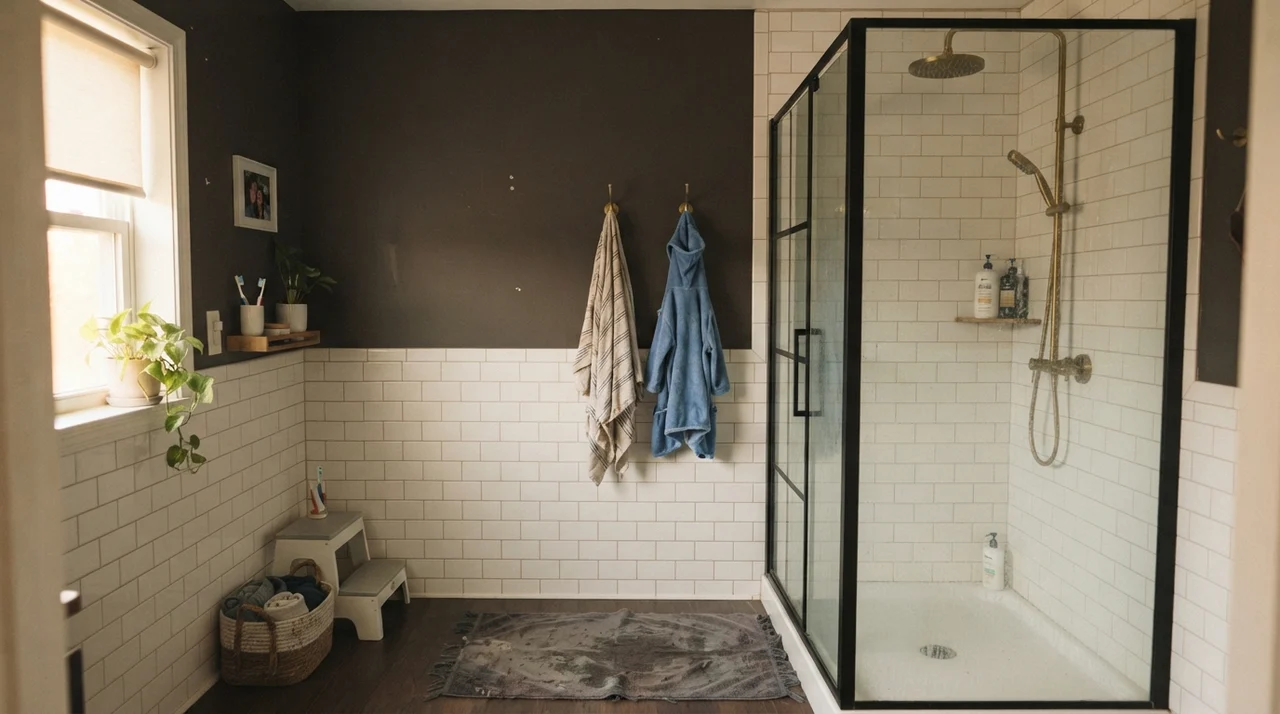
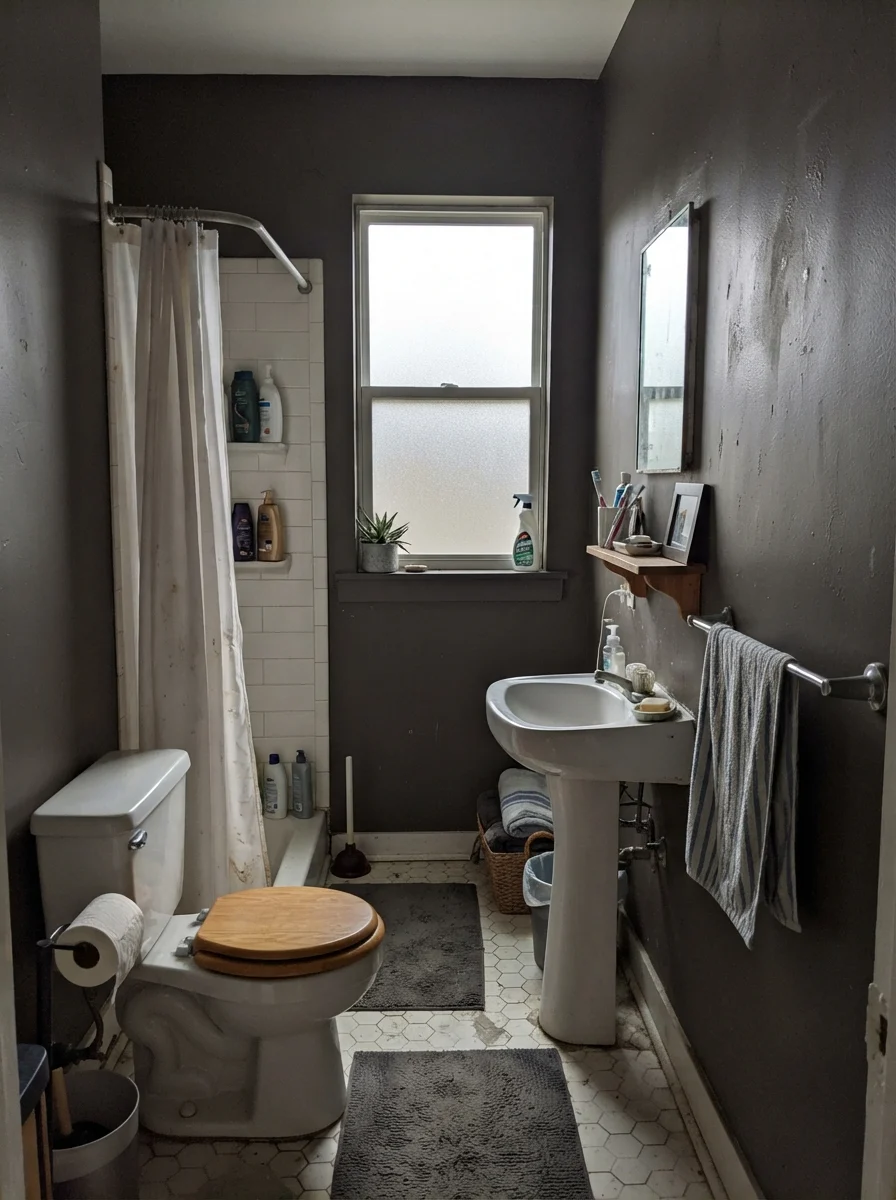
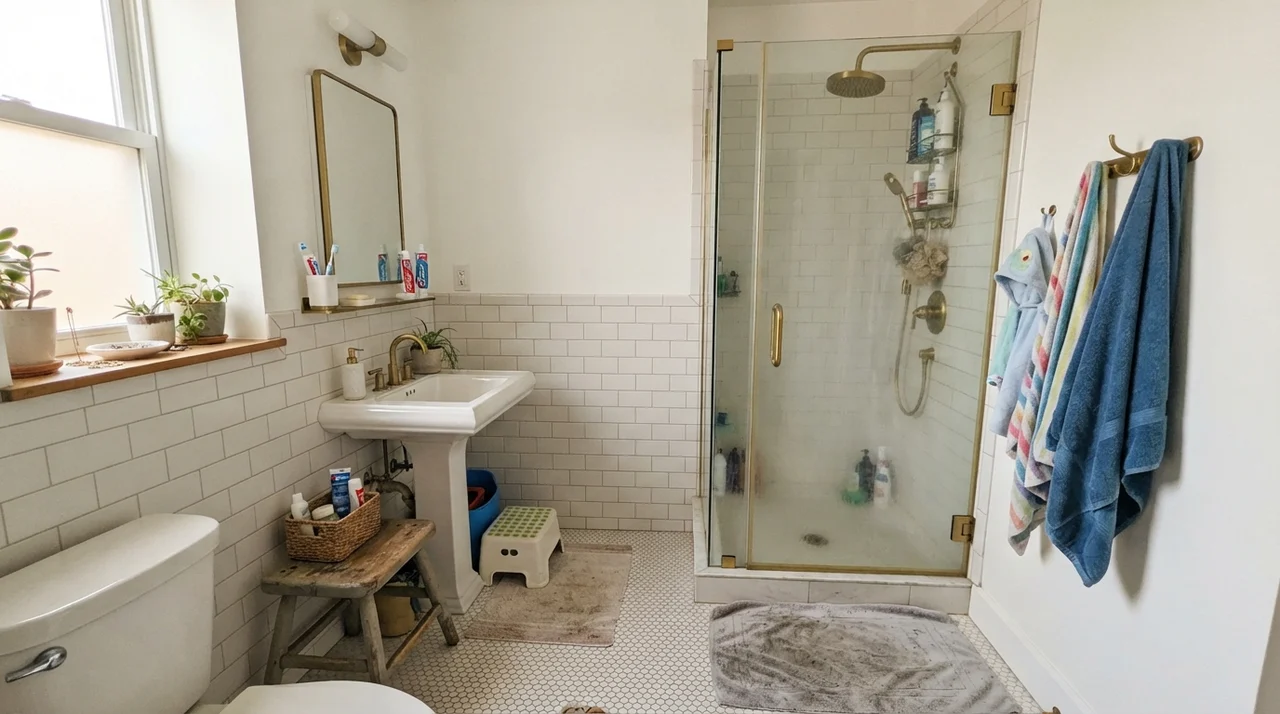
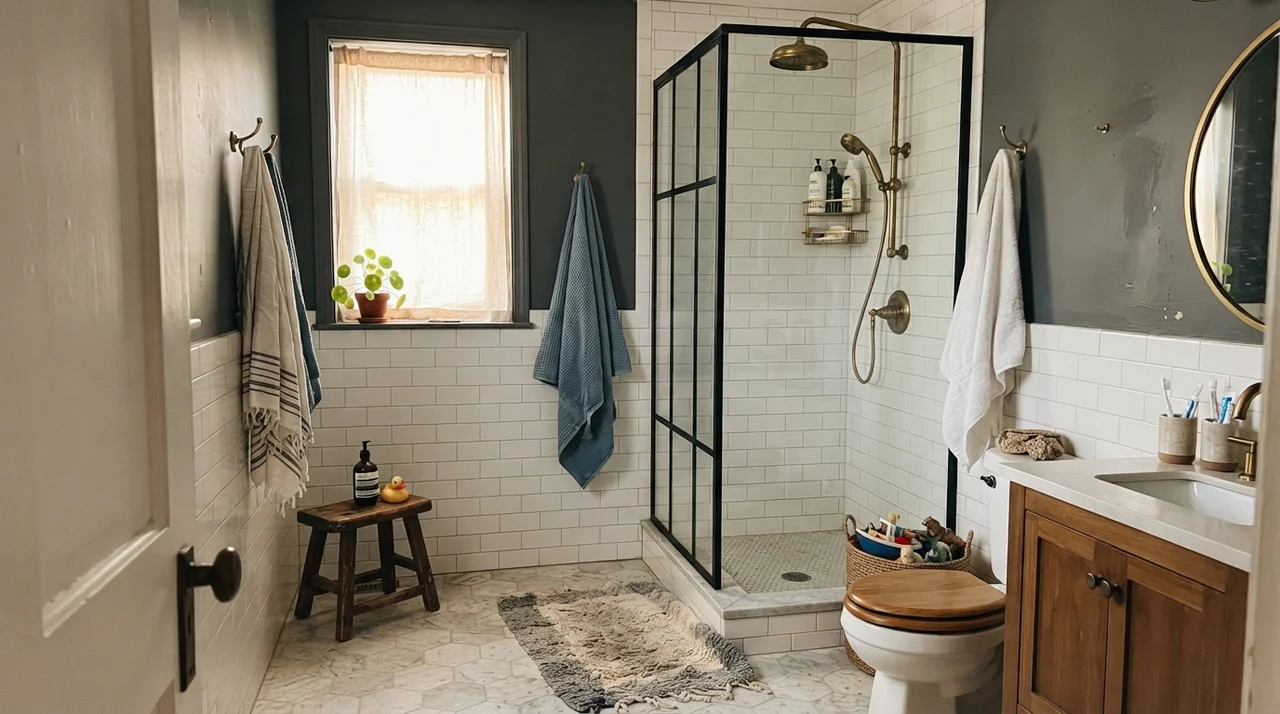
Bathrooms are natural testing grounds for deep colors because they tend to have hard boundaries: white porcelain, bright tile wainscoting, and shiny plumbing fixtures. In our split-level, we used a near-black above white beadboard in the half bath, and it was one of the few design gambles that paid off without a single regret when we sold the house years later.
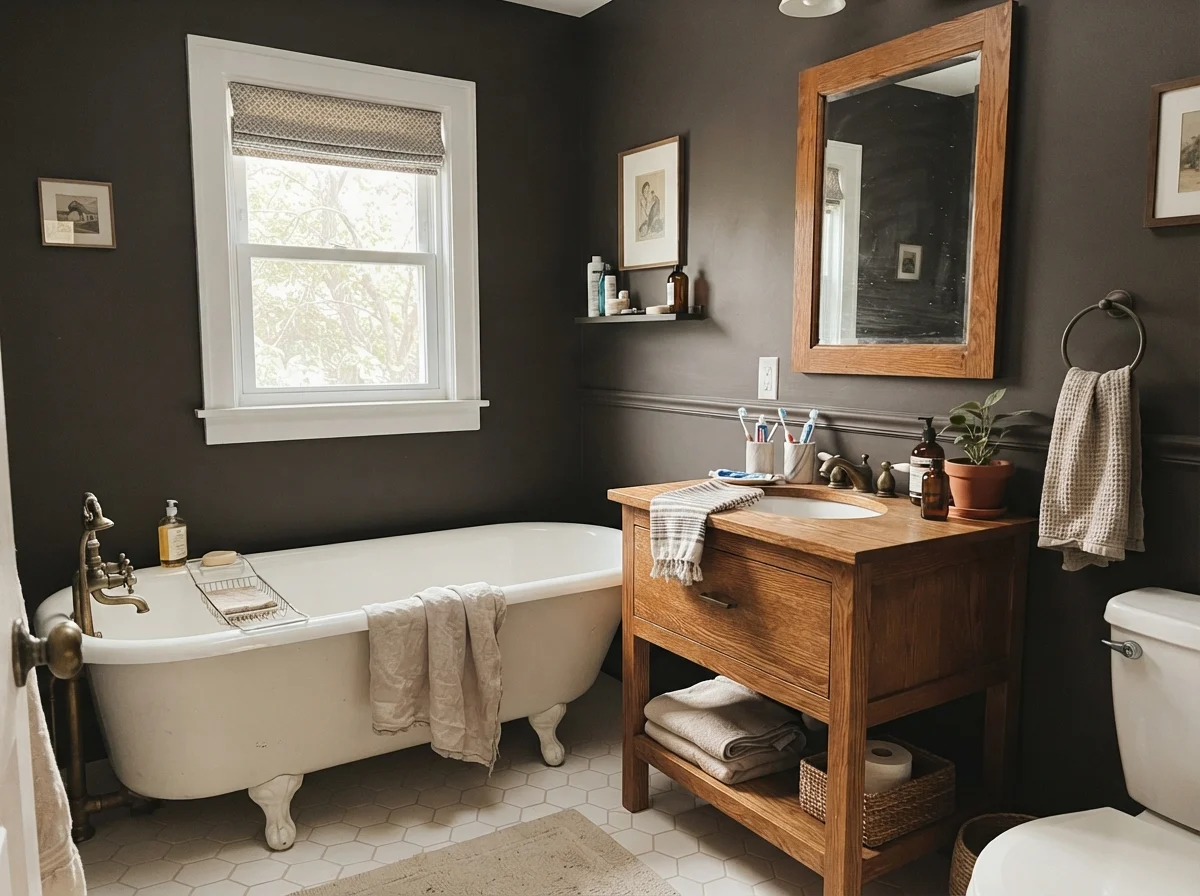
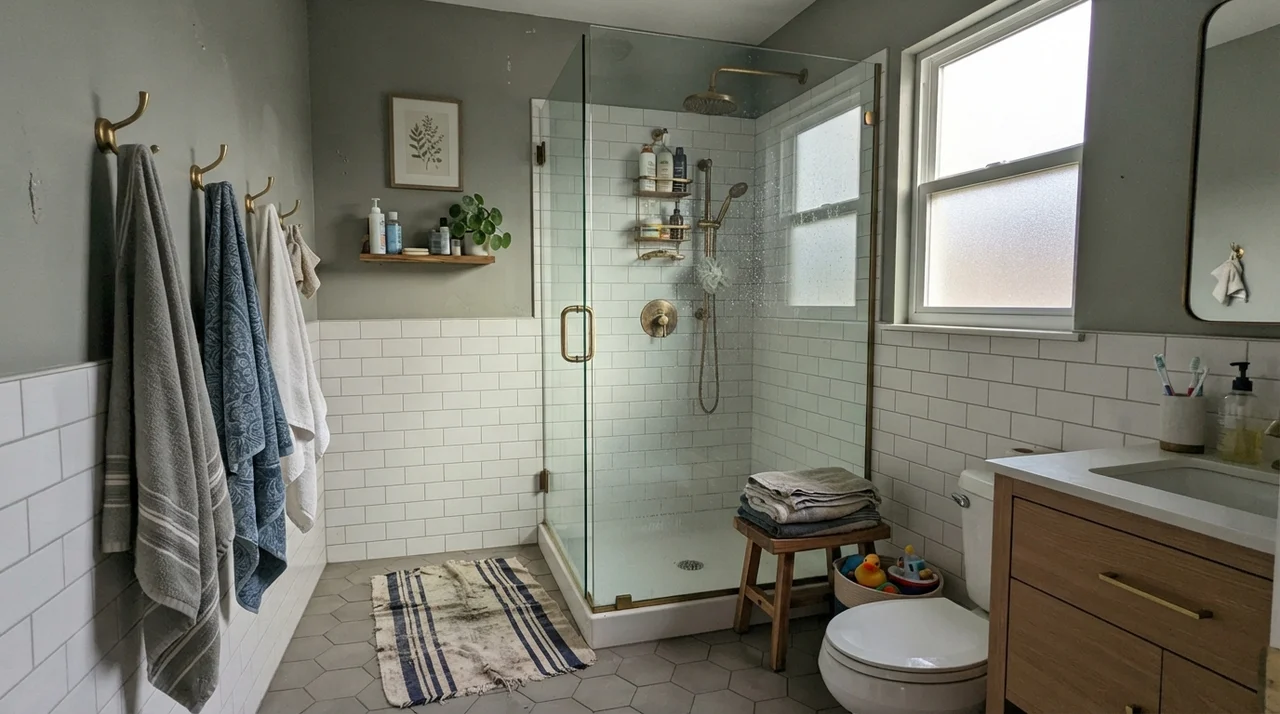
Black Fox works exceptionally well over subway tile or classic wainscoting because the bright white tile prevents the room from feeling like a broom closet, while the dark paint adds anchor and weight. But sheen matters here more than almost anywhere else. Matte walls in a humid room will show water streaks the second a shower steams up the mirror. If you are painting a bathroom wall in Black Fox, use satin—it wipes down cleanly and handles the dampness without leaving permanent water drip tracks.
Notice what happens when the lighting changes in these smaller rooms. When you put Black Fox under cool north light or a flat gray sky, the brown evaporates entirely. The paint doesn't look bad—it looks like a quiet slate or soft soot—but that rich coffee bean note vanishes completely. If your bathroom has an older beige vanity or dated fixtures, cool daylight will push the paint into an aloof, muddy gray-brown that fights the warm plumbing.
At LRV 7, you are not buying paint that fills a room with light; you are buying paint that swallows light and returns warmth only when the lamps are burning.
Kitchens: Islands, Cabinetry, and the Daily Scrub
If you ask me where Black Fox earns every single penny of its purchase price, my answer is kitchen cabinetry. Specifically, kitchen islands and lower cabinets paired with a warm creamy off-white on the uppers. In our colonial, we lived with dark lower cabinets for over eight years with two active teenagers and a golden retriever, and I learned every strength and weakness of deep satin finishes.
First, the good: Black Fox grounds a kitchen like nothing else. Sitting underneath white quartz or butcher block, it softens up next to natural oak flooring, brass cup pulls, and woven runner rugs. A pure jet black looks sterile and stark; Black Fox feels lived-in and grounded from day one.
Now, the honest maintenance reality nobody mentions: dark cabinets show dust and flour like a chalkboard. If you bake bread on Saturday morning, you will see a dusting of white flour on the top rail of your lower shaker drawers by noon. If you have dogs, stray fur clings to the satin finish. We kept a dedicated microfiber cloth in the top drawer next to the silverware just to give the island a quick thirty-second wipe down before guests arrived. Is it worth the money and effort? Absolutely, provided you know what you are signing up for.
Bedrooms, Nurseries, and Shared Living Spaces
Taking Black Fox onto all four walls of a full-sized bedroom is a commitment. In our 1960s ranch, I've always advocated that if you go dark in a bedroom, you must balance it with light bedding and warm natural textures. Linen sheets, pale oak nightstands, and ceramic lamps prevent an LRV 7 wall from feeling oppressive. In soft daytime light, the room feels enveloping and protective—the kind of space where you actually want to curl up with a book on a rainy Sunday afternoon.
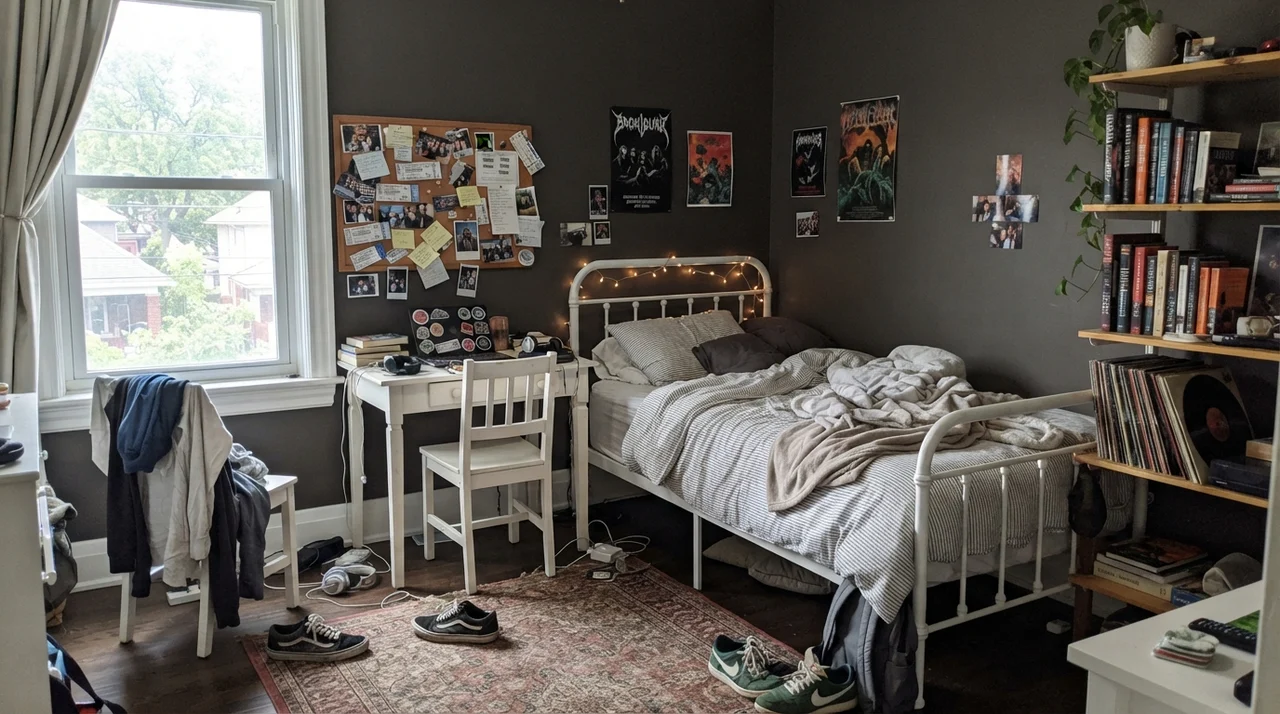
Even in spaces with specialized uses—like a nursery or a teenager's study—the color acts as a quiet backdrop. White furniture and graphic wall accents pop off the deep brown-black background cleanly. The key across all these rooms is having at least one solid window source. Without generous daylight during the day and warm, well-placed lamps at night, large four-wall applications can quickly turn gloomy.
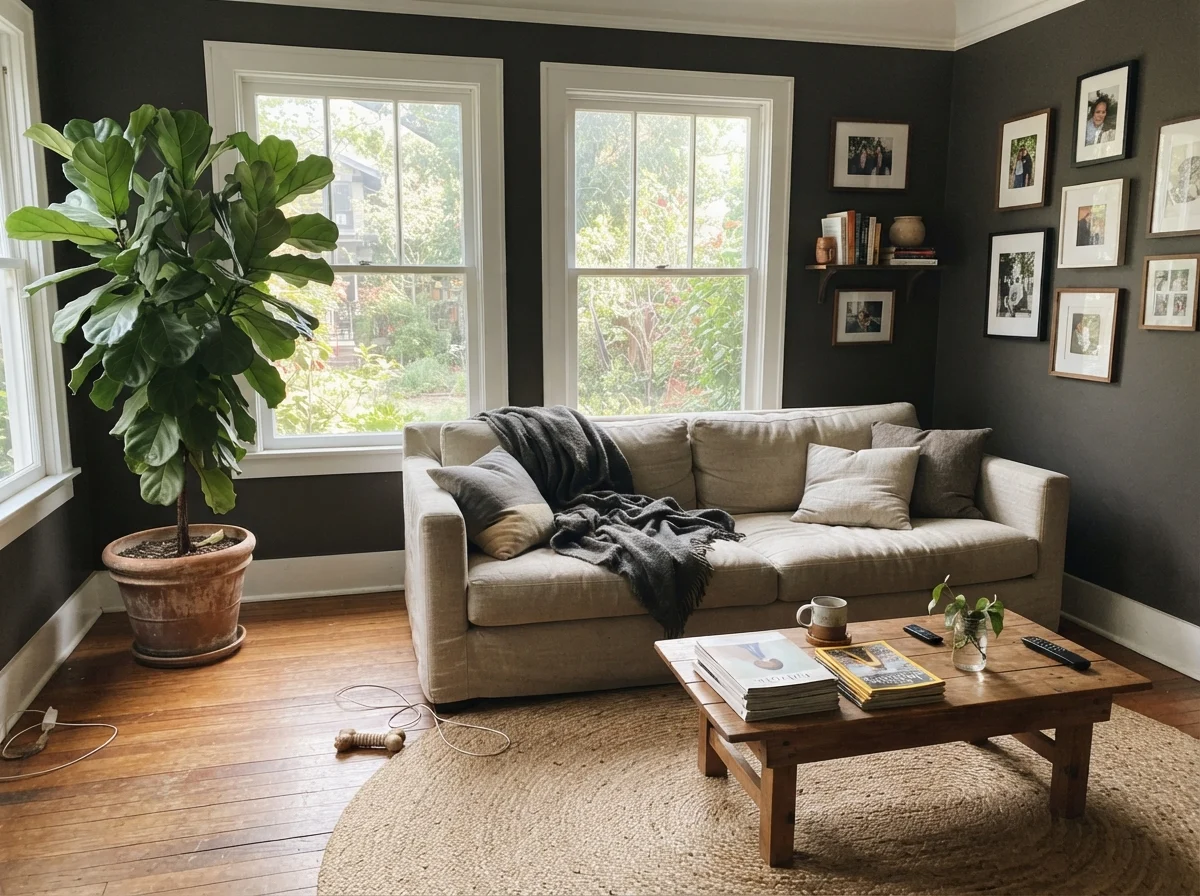
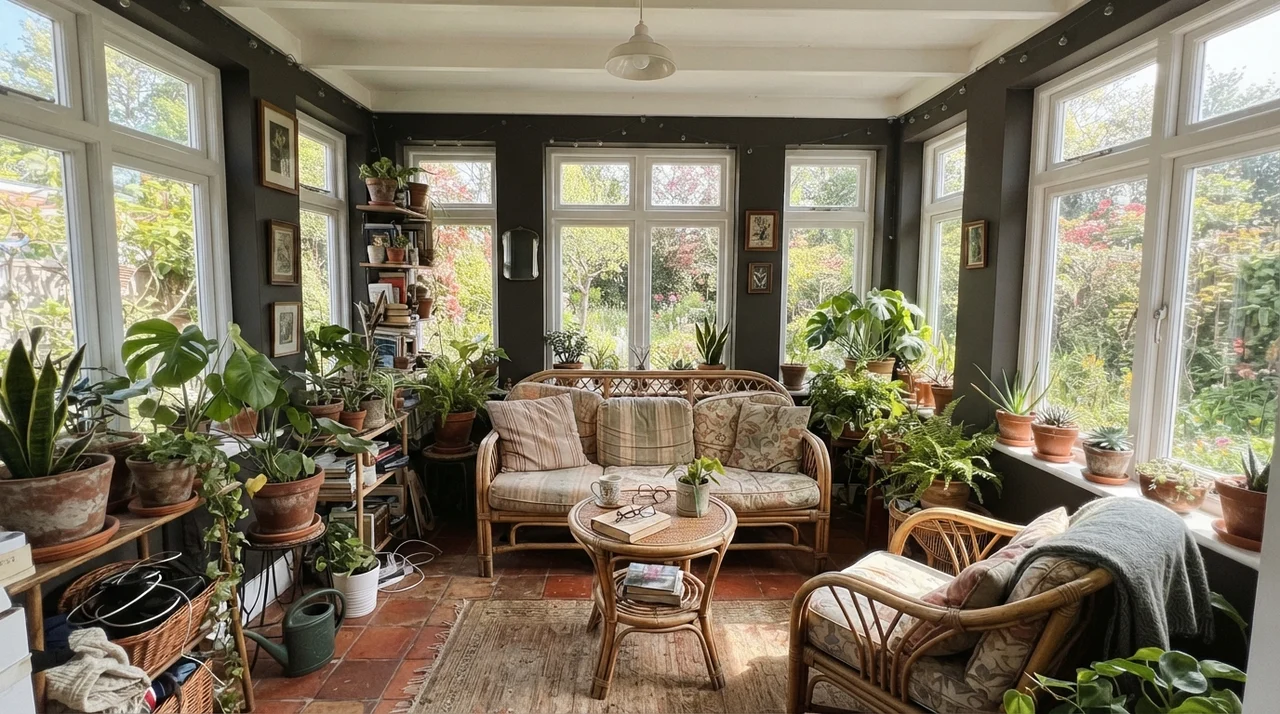
In larger communal areas like living rooms and sunrooms, Black Fox demands generous glazing. In a living room with two large windows pouring sun across a jute rug and linen sofa, the red-orange base awakens, reading rich and grounded. In a sunroom wrapped in glass, it frames the greenery outdoors like an ebony picture frame.
Utility Spaces, Doors, and Trim Accents
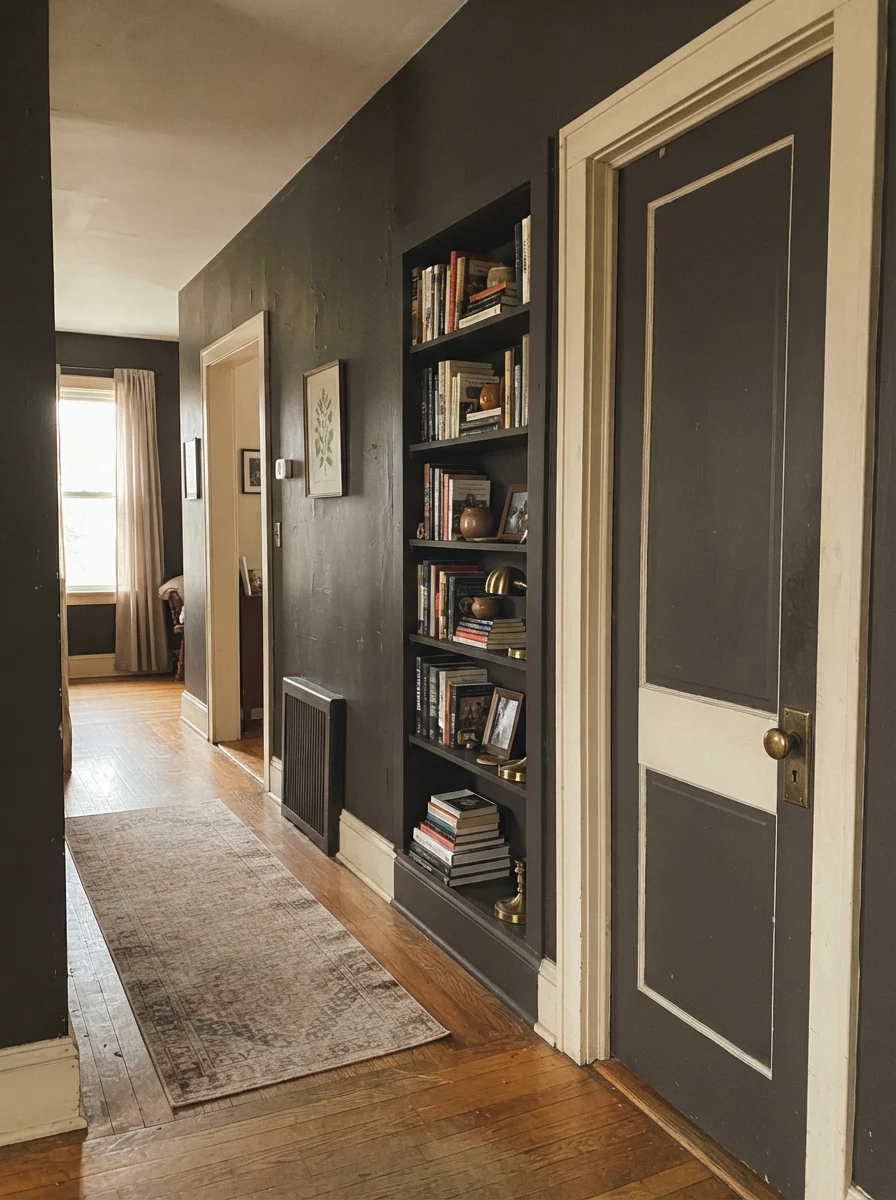
If painting an entire living room in a near-black feels like too steep a hill to climb, architectural accents are the smartest way to use Black Fox. In laundry rooms, mudrooms, and interior hallways, painting a two-panel door, a bank of built-in bookshelves, or a single feature wall gives you high-end character without darkening the whole floor plan.
We painted the interior doors in our hallway with Black Fox semi-gloss against warm cream walls. The semi-gloss finish catches oblique light coming down the corridor, pulling out that elusive espresso undertone even when the overhead lighting is modest. It is also remarkably durable against kick marks and vacuum cleaner bumps.
Exterior Siding and Modern Farmhouse Trim
Outside in full natural sunlight, Black Fox does something truly spectacular. Because outdoor daylight is ten to twenty times brighter than interior lighting, the paint sheds its heavy black disguise and steps out as a gorgeous, deep, roasted coffee bronze. On horizontal siding or board-and-batten, paired with crisp white trim and a navy or cedar front door, it looks substantial and grounded.
A quick practical note from thirty years of home maintenance: deep exterior colors absorb substantial heat. If you have vinyl siding, do not apply a standard dark mix unless it is formulated specifically on a vinyl-safe color palette, or the summer sun will warp your panels. On wood siding, cedar shingles, or James Hardie fiber cement, Black Fox in a satin exterior finish holds up beautifully against weathering and hides road dust better than pure black.
My Own Study: Working Inside the Fox's Den
In our current 1960s ranch, I finally gave Black Fox an entire room—our small home office and study. The desk in this room is an antique secretary desk that belonged to my husband's aunt. Against pale walls, that desk looked heavy, clunky, and out of place. Against Black Fox matte walls, lit by two 2700K brass reading lamps, the mahogany wood blends right into the room, creating an intimate, quiet sanctuary where I can write and think without visual distraction.
The Honest Fail: Where Black Fox Collapses
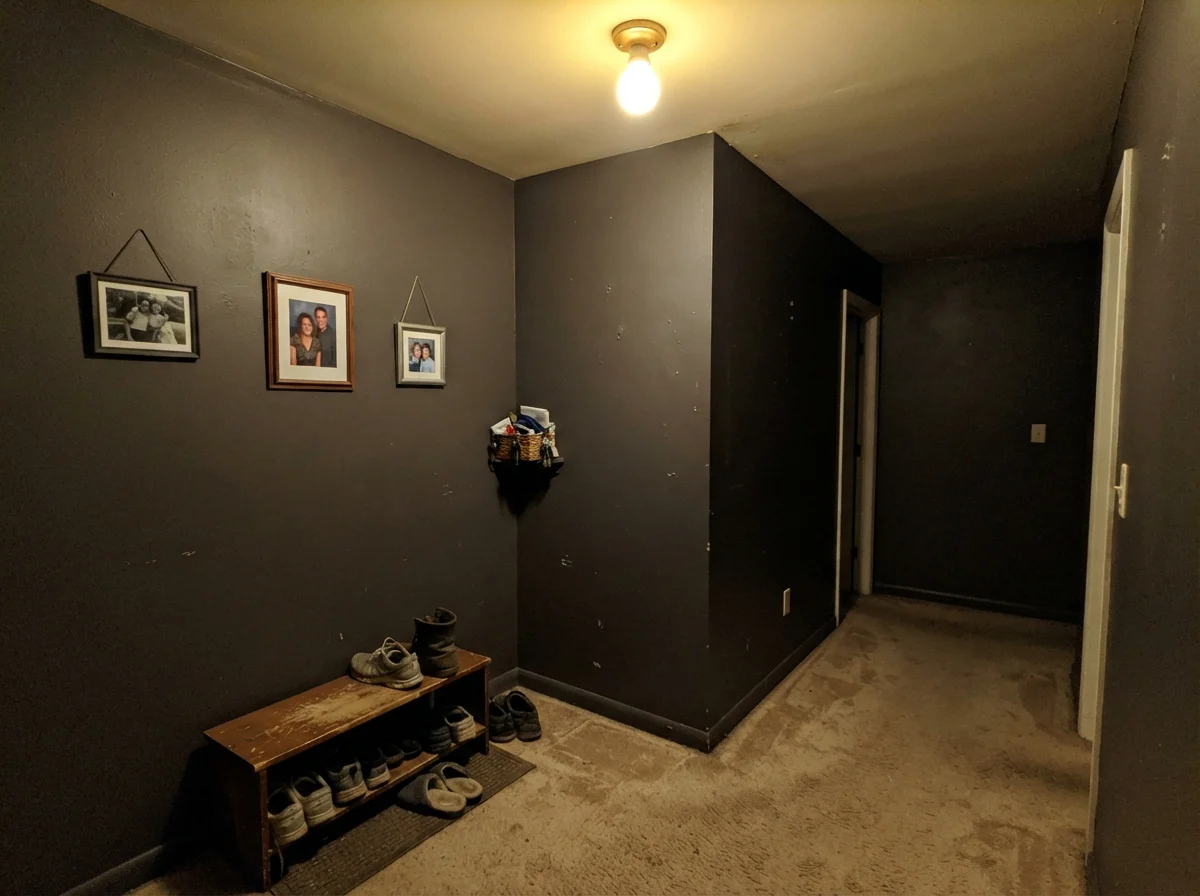
I promised you the mistakes before you make them, and here is the big one: windowless, low-light interior hallways lit by a single 4000K builder-grade ceiling globe. In that environment, Black Fox loses its warmth, its depth, and its dignity. It flattens into a muddy, dingy shade that looks less like a deliberate designer color and more like dirty wet cardboard. If your hallway has beige builder carpet and no direct sunlight, keep walking past this swatch.
Application, Sheens, and Touch-Up Durability
Let's talk about the physical paint can and what it takes to get this color onto your drywall. Black Fox relies on an ultra-deep tint base. If you try to roll this color over builder-white drywall with a cheap roller, you will be on your fourth coat before you achieve full, streak-free opacity. Do yourself a favor: ask the paint store to tint your primer to a dark gray before you leave the counter. A tinted primer saves you an entire gallon of expensive topcoat and two hours of sweating.
For wall sheens, I recommend matte in low-traffic studies and powder rooms where you want light absorption and rich velvety depth. In high-traffic hallways, kitchens, or family baths, use satin. At LRV 7, any flat wall that gets bumped by a laundry basket or scrubbed with a sponge will develop shiny burnish marks. Satin gives you the scrubbability you need to live a normal life with kids and dogs without constantly repainting patches.
Keep a small, sealed eight-ounce mason jar of leftover paint in your utility closet. Dark paints settle, and touch-ups on large flat walls will always flash slightly if done with an old crusty brush. Feather your edges lightly with a small foam roller when patching nail holes.
Does Sherwin-Williams Black Fox look brown or black on the wall?
It looks like both depending on the light. Under direct south sun or 2700K warm artificial lighting, the espresso-brown base comes forward clearly. In north-facing rooms, shaded areas, or under cool LED bulbs, it collapses into a soft, quiet off-black.
What is the best trim color for Black Fox?
Warm off-whites are the best partners. Sherwin-Williams Alabaster (SW 7008), Shoji White (SW 7042), and Pure White (SW 7005) create a balanced, high-end contrast without the jarring clash caused by icy, blue-tinted whites.
How many coats of paint will I need?
Because it uses an ultra-deep base, plan on two solid coats over a dark-tinted primer. If applying directly over light builder walls without tinted primer, expect to roll three coats for even, opaque coverage.
Is Black Fox too dark for a small bathroom?
Not if you have proper warm lighting or white wainscoting. In a powder room, painting walls and ceiling in Black Fox creates a cozy, intentional jewel-box feel, especially when paired with brass fixtures and warm sconces.
Susan's Verdict · Buy for the Near-Black, Love the Warmth
Sherwin-Williams Black Fox (SW 7020) is one of the most useful colors in the fan deck if you treat it with respect. Do not buy it if you are looking for a true milk chocolate or a room that stays light brown in a dark north corner. Buy it when you want the grounding authority and drama of a near-black on kitchen islands, front doors, or cozy studies, but need the forgiving warmth of brown to keep your home feeling like a welcoming family haven rather than a cold gallery. Give it warm lamps, pair it with creamy trim, and it will hold up its end of the bargain for years.