Color Diary · No. 30
Living with Sherwin-Williams Dried Thyme: The Cabinet Green That Hides a Family
The dark sage everyone wants on kitchen cabinets, reviewed honestly: where it earns the hype, the rooms where it turns flat gray, and what to pick instead.

Susan HartleySeptember 15, 2026 · 13 min read
Dried Thyme · Sherwin-Williams SW 6186
Hex#7B8070LRV21Undertonesgreen → gray → olive
When we bought our 1990s colonial, the kitchen had honey-oak cabinets that had taken twenty years of grease and batter. I didn't have the twelve thousand dollars for custom replacements, so I spent three weekends in the garage with a degreaser, two sanding blocks, and a gallon of satin enamel. Everyone was telling me to paint them crisp white. But in a house with two growing boys, a yellow lab who leaned against the lower doors while waiting for dinner scraps, and a husband who cooked with cast iron, white felt like signing up for a second full-time job. I wanted weight. I wanted something that wouldn't look grimy around the drawer pulls by Tuesday morning.
True black was too harsh for the low eight-foot ceilings, and traditional country sages always struck me as a little too sweet—the kind of pastel green that looked dated within eighteen months in the late nineties. That is how I landed on Sherwin-Williams Dried Thyme (SW 6186). It is a muted, grounded, muddy dark sage that sits right on the fence between gray, green, and slate. We lived with it for seven years in that kitchen, and I have since recommended it to half a dozen friends who were terrified of committing to color on their built-ins.
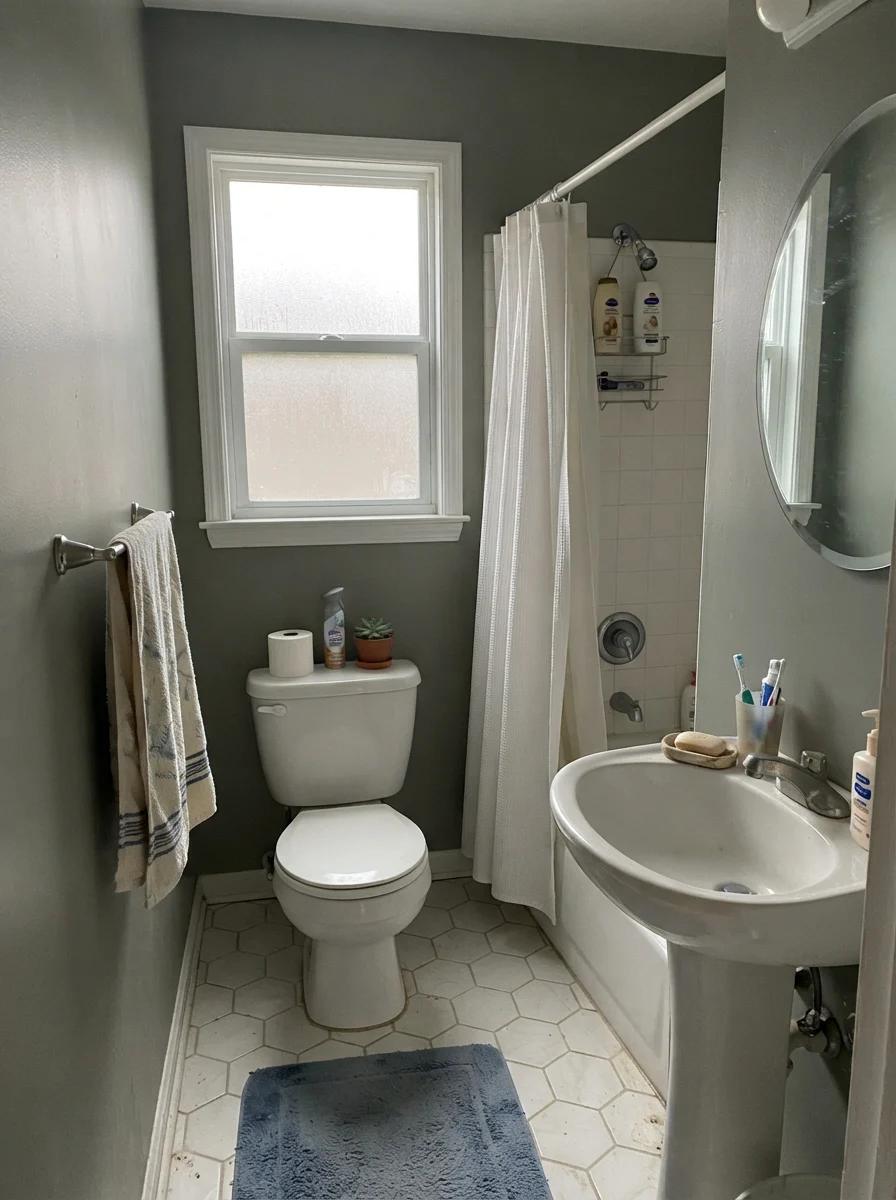
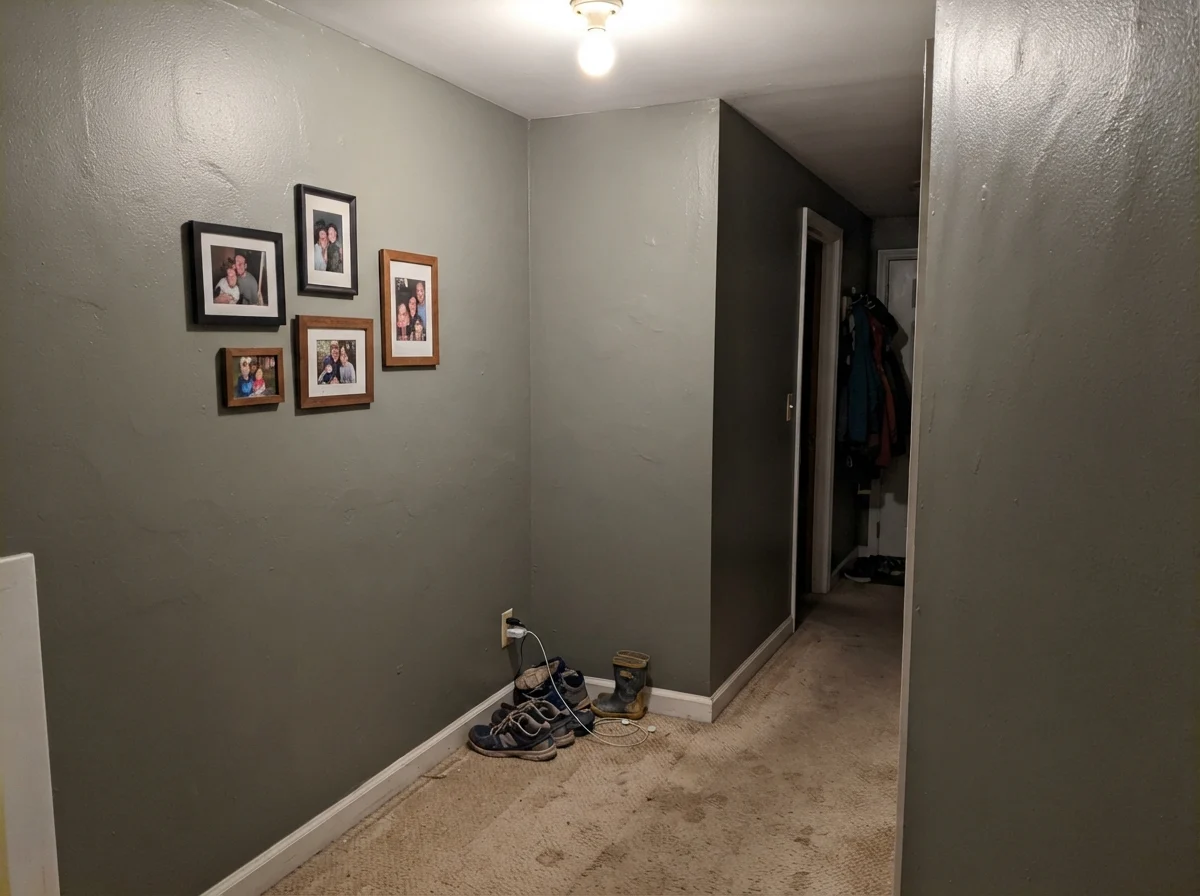
That said, it is not a magic paint that fixes bad lighting. With a Light Reflectance Value (LRV) of 21, Dried Thyme sits firmly in the darker third of the paint deck. In a room flooded with southern daylight, it reads like an earthy, heritage botanical green. But put it in a windowless hallway or a dim north-facing half-bath, and it drops its green pigment entirely, settling into a heavy, flat charcoal gray. Understanding where that line sits is the difference between a kitchen that feels grounded and expensive and a room that feels like a gloomy cave.
The Shifting Undertones of Dried Thyme
Dried Thyme is built on a heavy gray base with yellow-green undertones. Because it has so much slate in its formula, it shifts its personality dramatically depending on whether your light is warm, cold, or artificial.
warm sun
overcast, north light
dusk, rain, cool bulbs
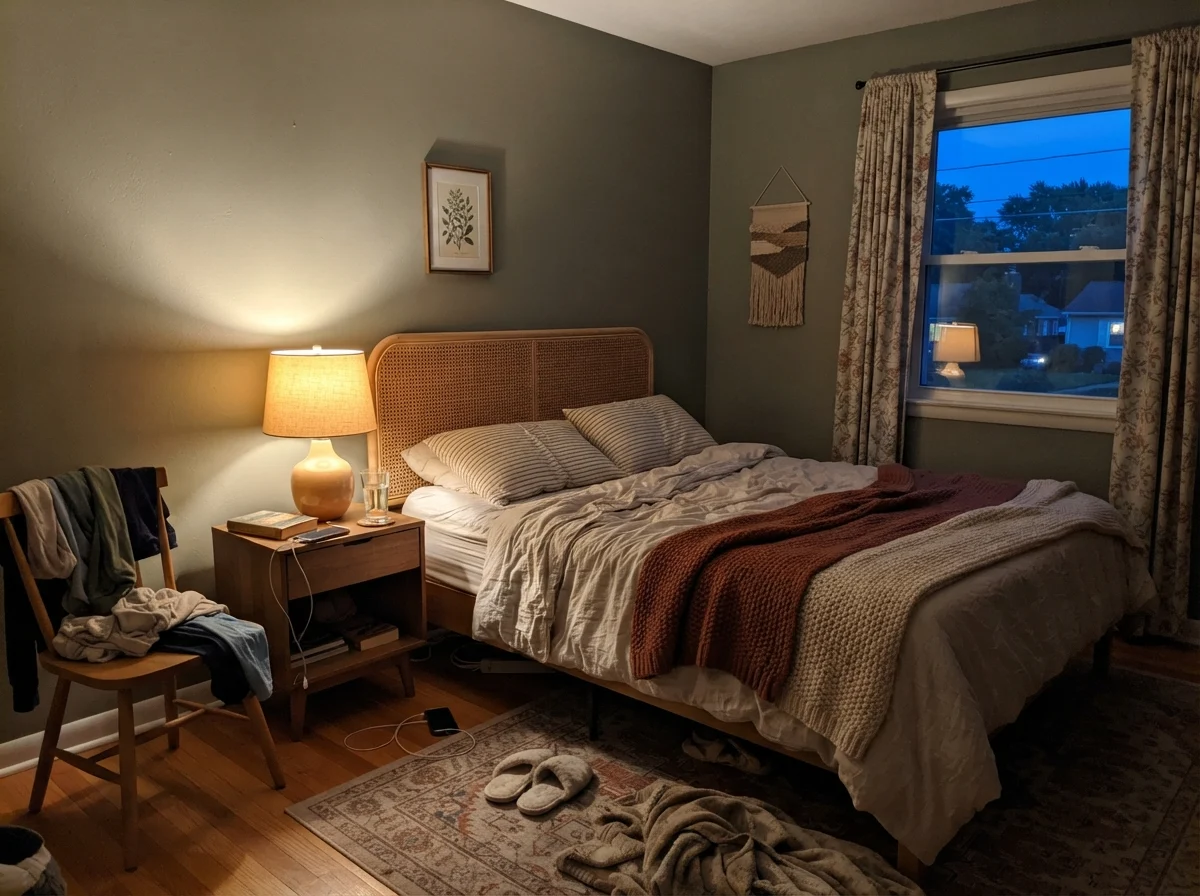
Under bright warm sunlight, the yellow undertone surfaces and makes it read as a true earthy herb green. When the sun goes down or under cool north daylight, the green recedes and leaves a stony gray-green shadow.
Warm EucalyptusValspar · see diary
Sage GreenBehr · see diary
Dried ThymeSW 6186
HartfordBackdrop · see diary
Olive GroveMagnolia Home · see diary
Light Sensitivity and the Reality of LRV 21
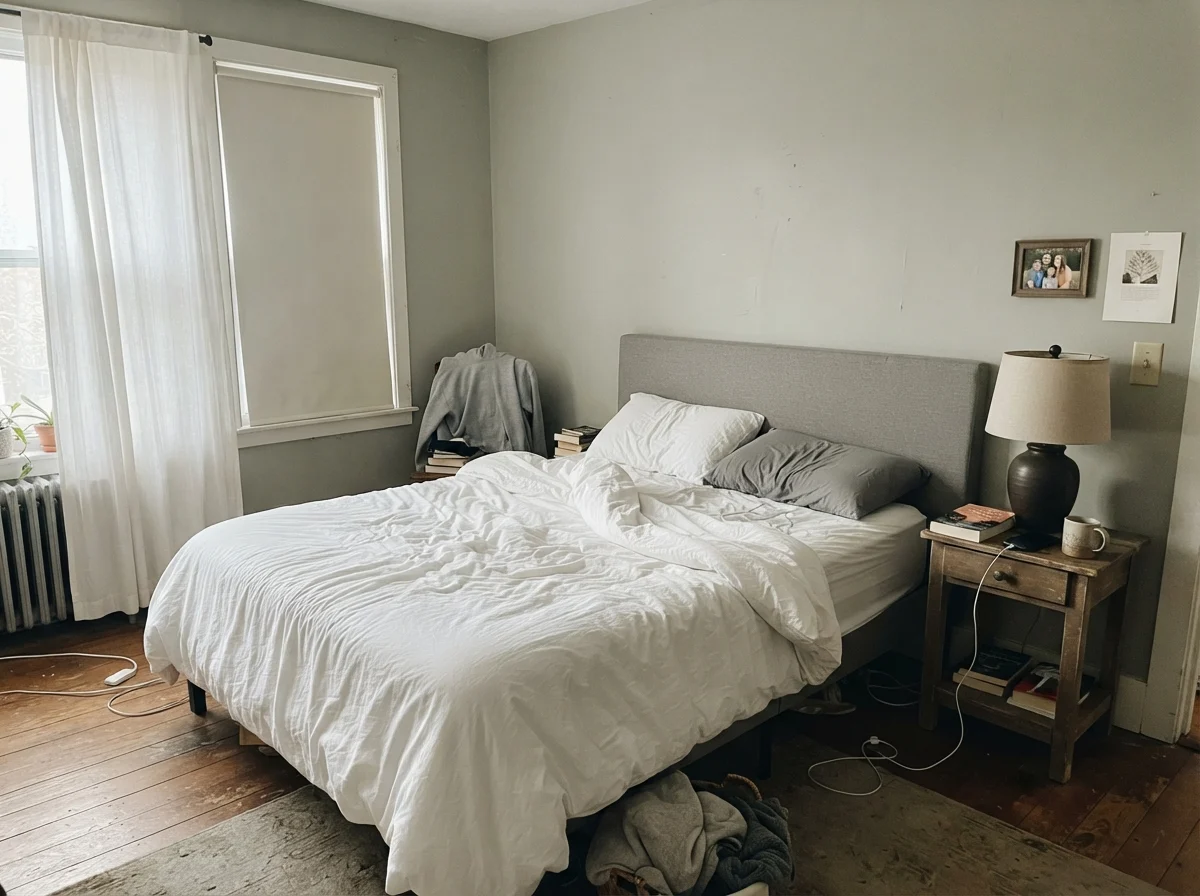
In our last house, our guest bedroom faced east. At seven in the morning, the room was cool, pale, and washed out; by two in the afternoon, it had warmed up into a pleasant, dusty sage. At dusk, under the warm glow of a 2700K bedside lamp, the paint deepened into an intimate, cocooning olive. That three-step transformation happens with almost every paint, but at LRV 21, the drop-off in brightness is steep.
LRV measures how much visible light a color reflects back into the room on a scale from 0 (pure black) to 100 (pure white). An LRV of 21 means Dried Thyme absorbs nearly eighty percent of the light hitting it. If you have tall south-facing windows, the sun pushes right through that density, teasing out the herbal warmth. But if you rely on low-wattage bulbs or north-facing winter skies, don't expect the paint to create its own warmth. It won't. It will simply look like a dark, moody neutral.
Bathrooms, Wainscoting, and Moisture Resistance
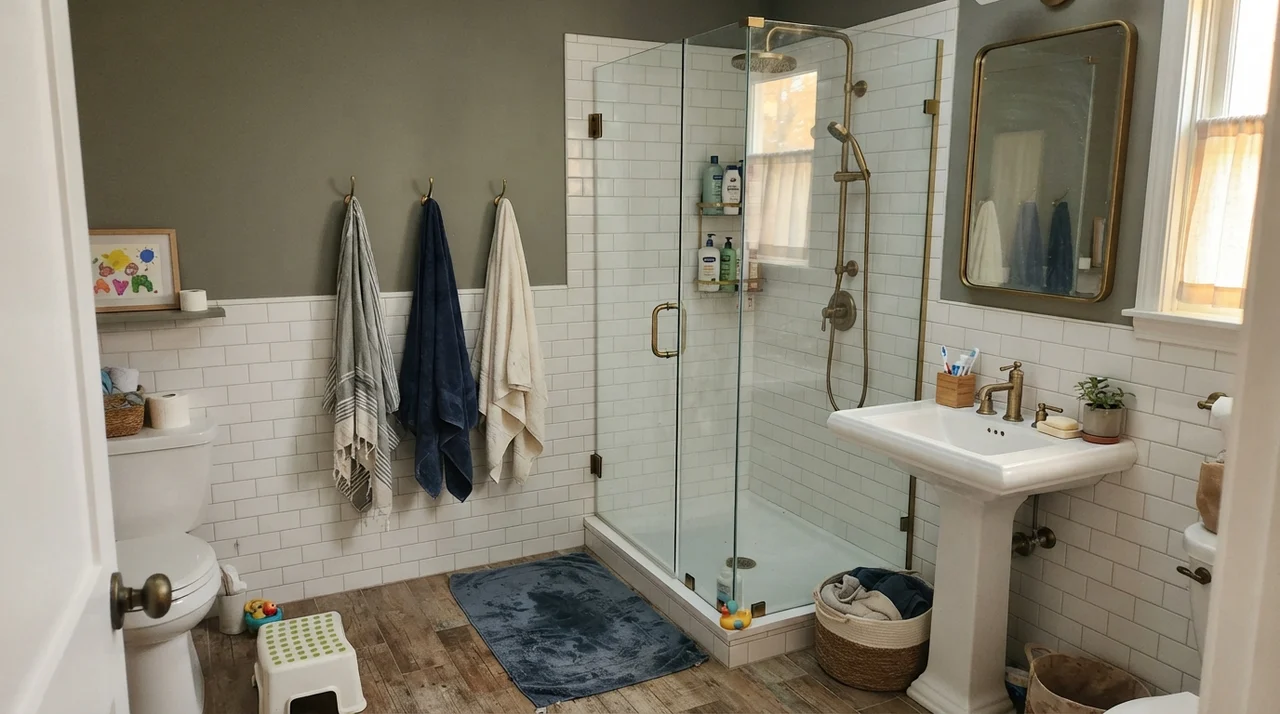
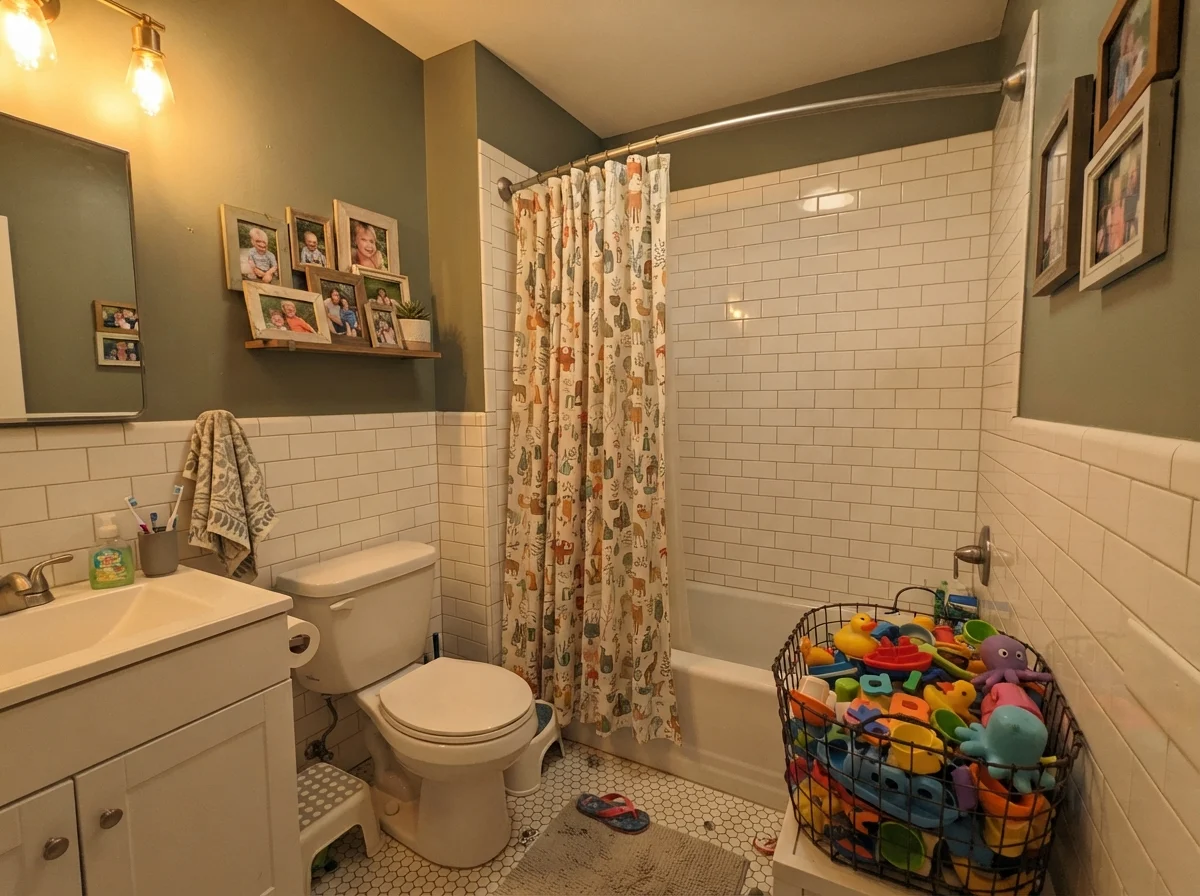
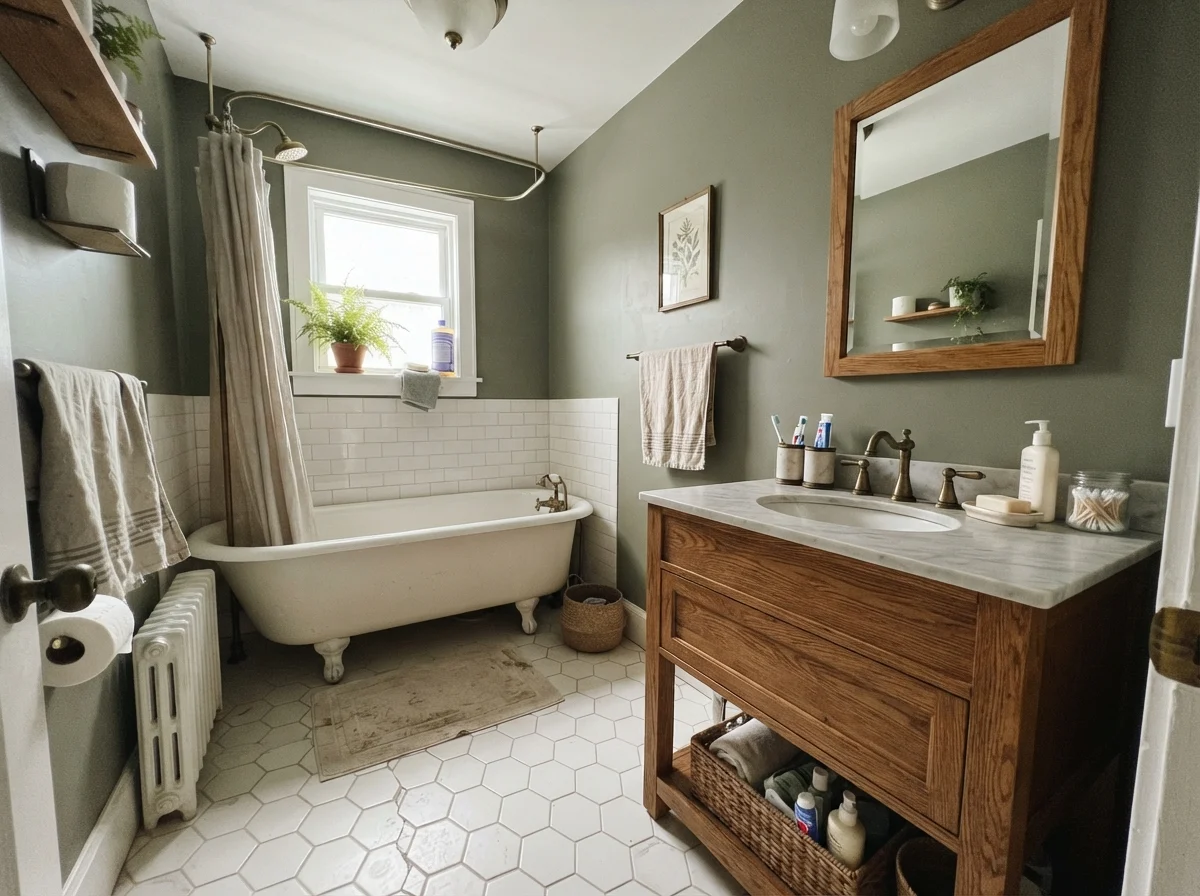
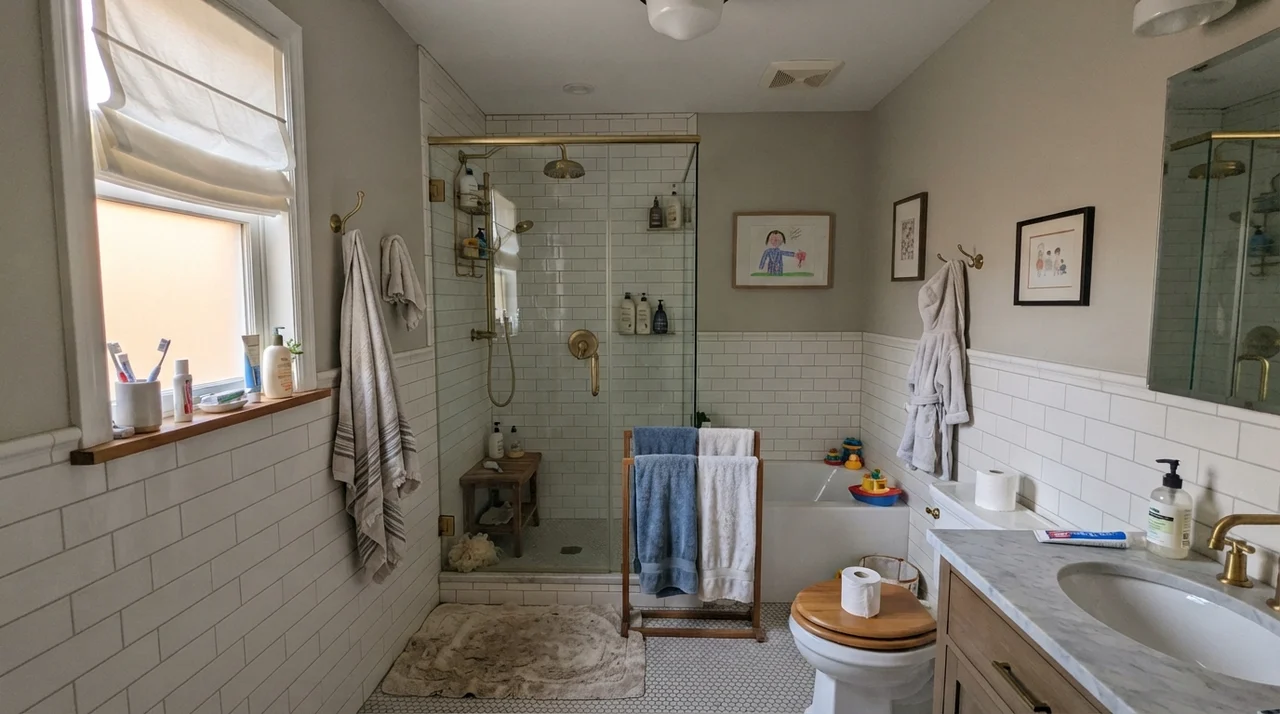
Bathrooms are where many homeowners get nervous about dark paint, but they are actually one of the safest rooms in the house for Dried Thyme—provided you have some white tile to break it up. When you run white subway tile or beadboard four feet up the wall and paint the top third in Dried Thyme eggshell, the white porcelain and tile bounce light up into the green, keeping the ceiling from feeling low.
In our current 1960s ranch, I put a similar deep green in the family bathroom. Five years in, that finish has been scrubbed clean around the towel bars and door frames more times than I can count. Darker satin and eggshell sheens hold up remarkably well against daily wear, masking the inevitable splash marks and handprints that leave white painted drywall looking dingy within months.
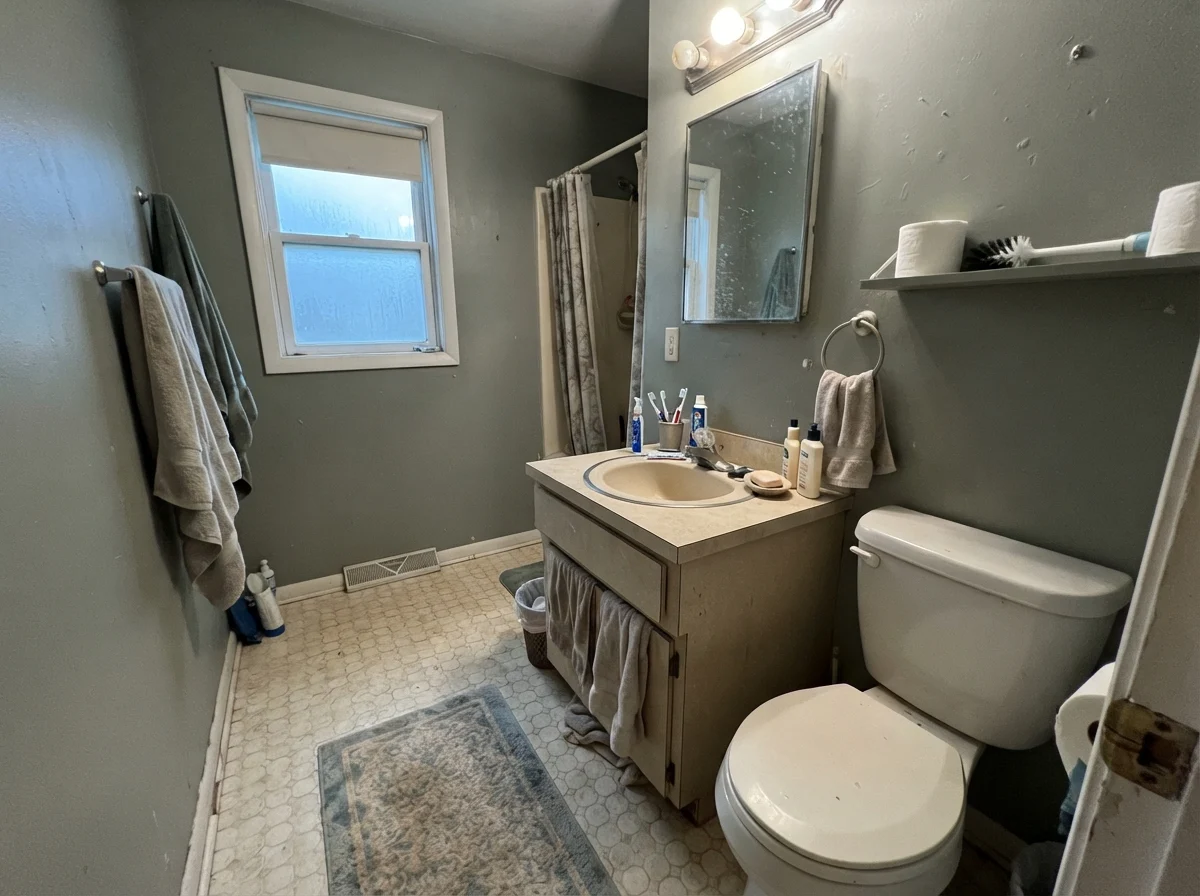
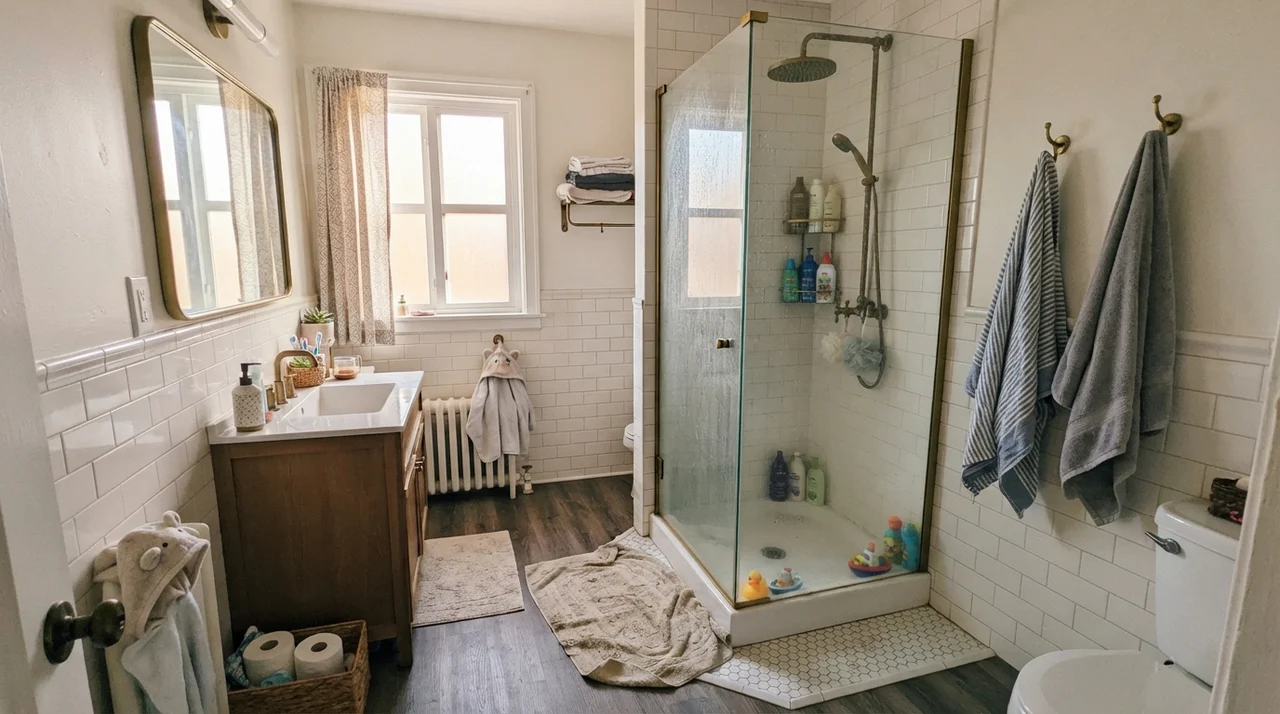
The only caution in a bath is your tile and vanity color. Dried Thyme looks rich beside warm oak, natural brass, and clean white subway tile. But if you pair it with dated beige laminate counters or cool gray marble tile, the undertones can fight, making the whole room feel muddy and tired.
Kitchen Cabinets and the Grounding Power of Dark Sage
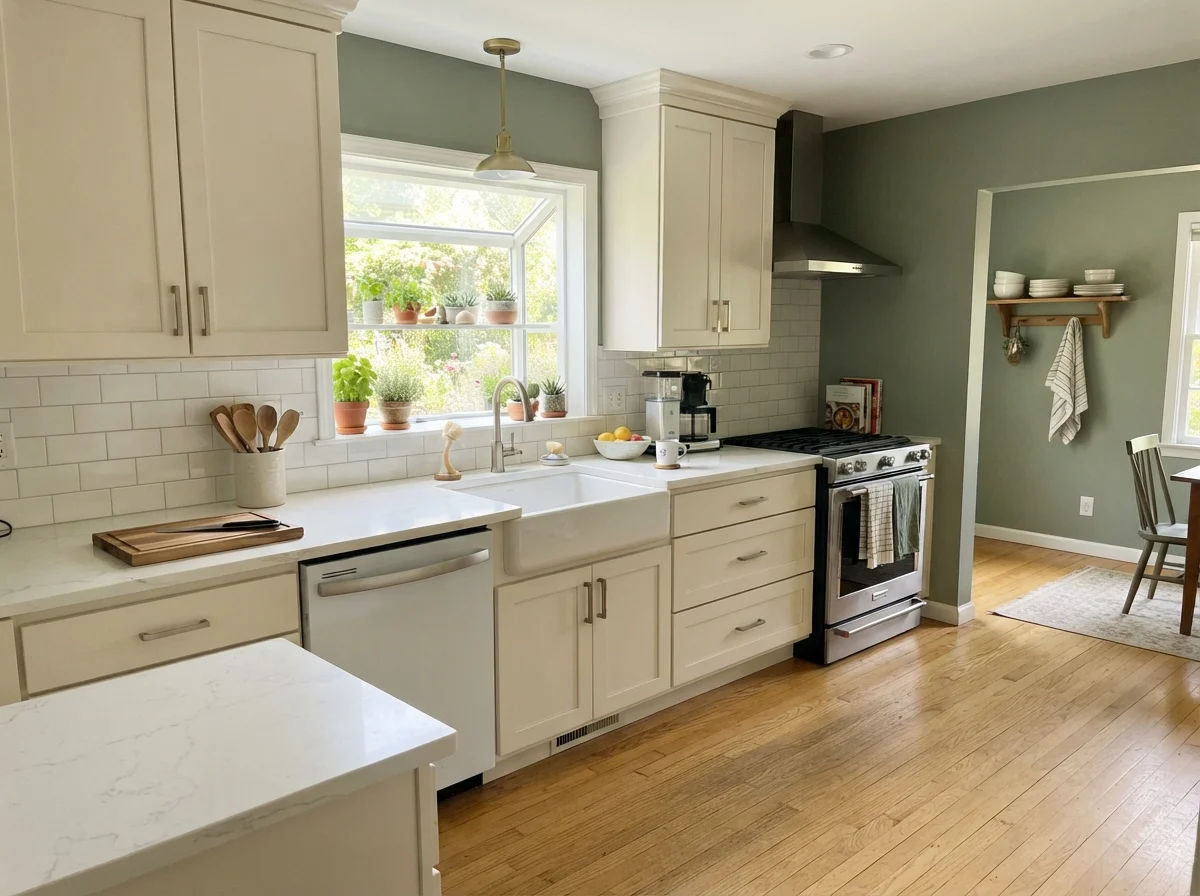
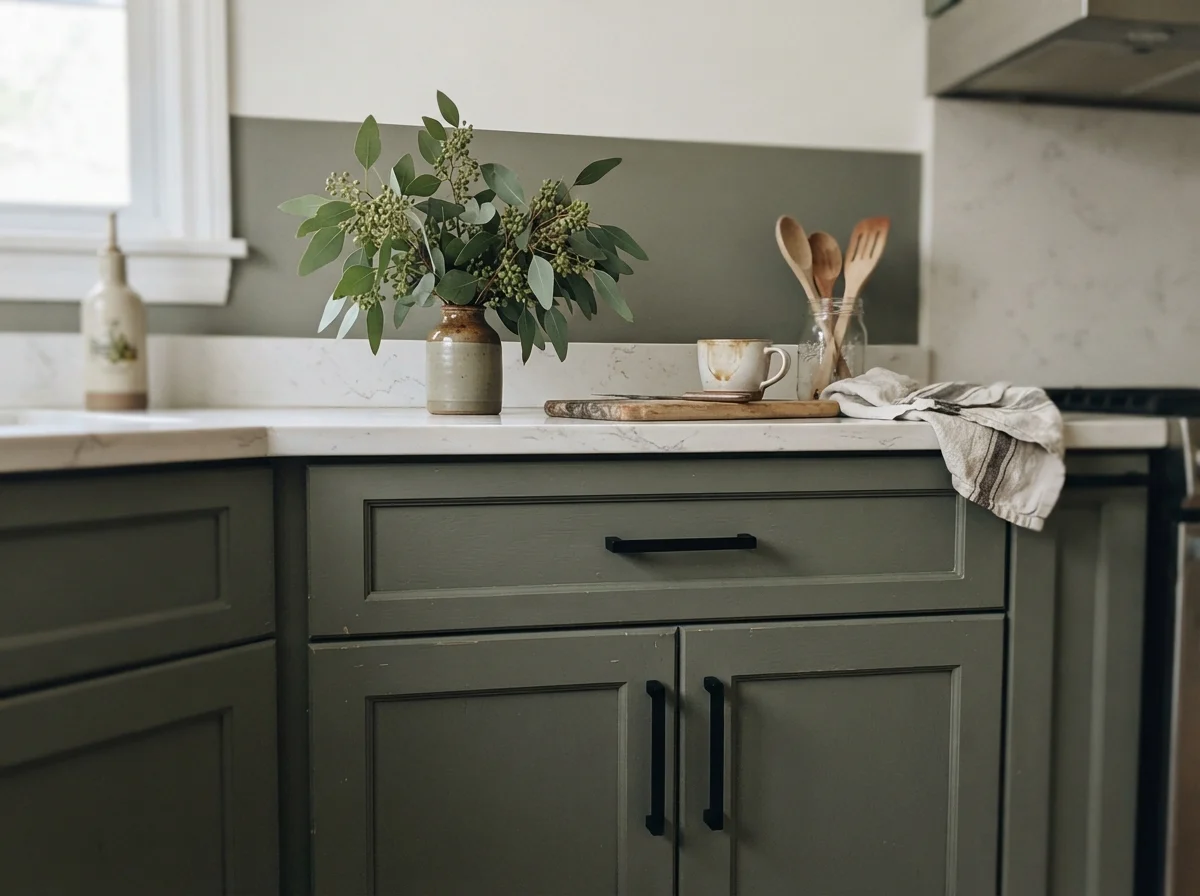
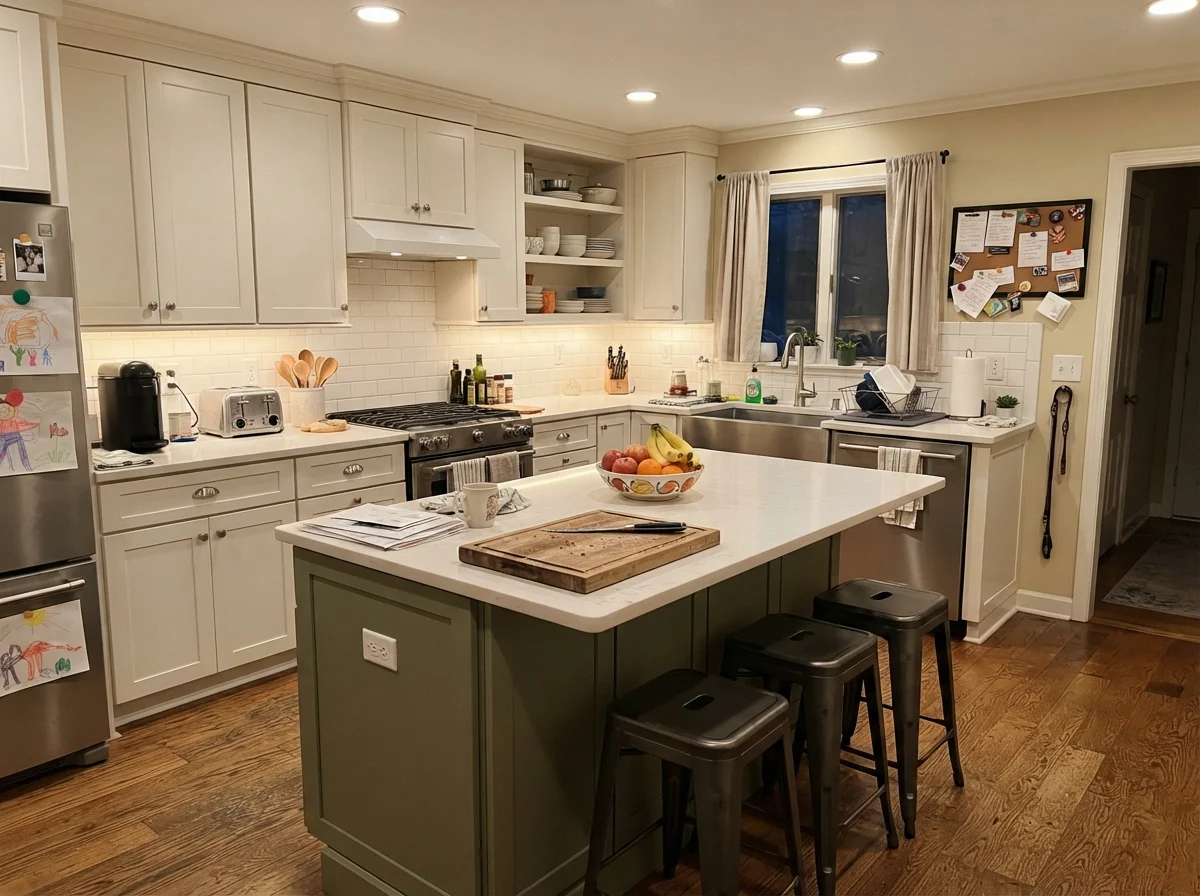
Kitchens are Dried Thyme's home turf. If you are painting cabinets, this color is worth the money and the labor. While pure white cabinets demand constant wiping—especially on lower doors where dogs brush past and kickboards get scuffed by shoes—Dried Thyme hides the day-to-day grit of a working kitchen. It provides the grounding architectural presence of a black or navy island without that stark, boardroom severity.
When spraying or rolling cabinetry, always use a dedicated cabinet enamel in a satin sheen. Satin gives you enough wipeability to resist cooking oils and water drips without creating that plastic, glossy shine that highlights every minor wood imperfection. In our last house, pairing dark sage lowers with warm white uppers kept the room feeling open while anchoring the floor.
Hardware choice matters here. Dried Thyme flatters natural brass, unlacquered bronze, and warm oak butcher block. Matte black handles also work cleanly, providing a quiet, understated look against shaker door profiles.
At LRV 21, it gives cabinet doors real weight without the cold hardness of black, and it hides fingerprints far better than white ever could.
Living Rooms, Bedrooms, and Enclosed Spaces
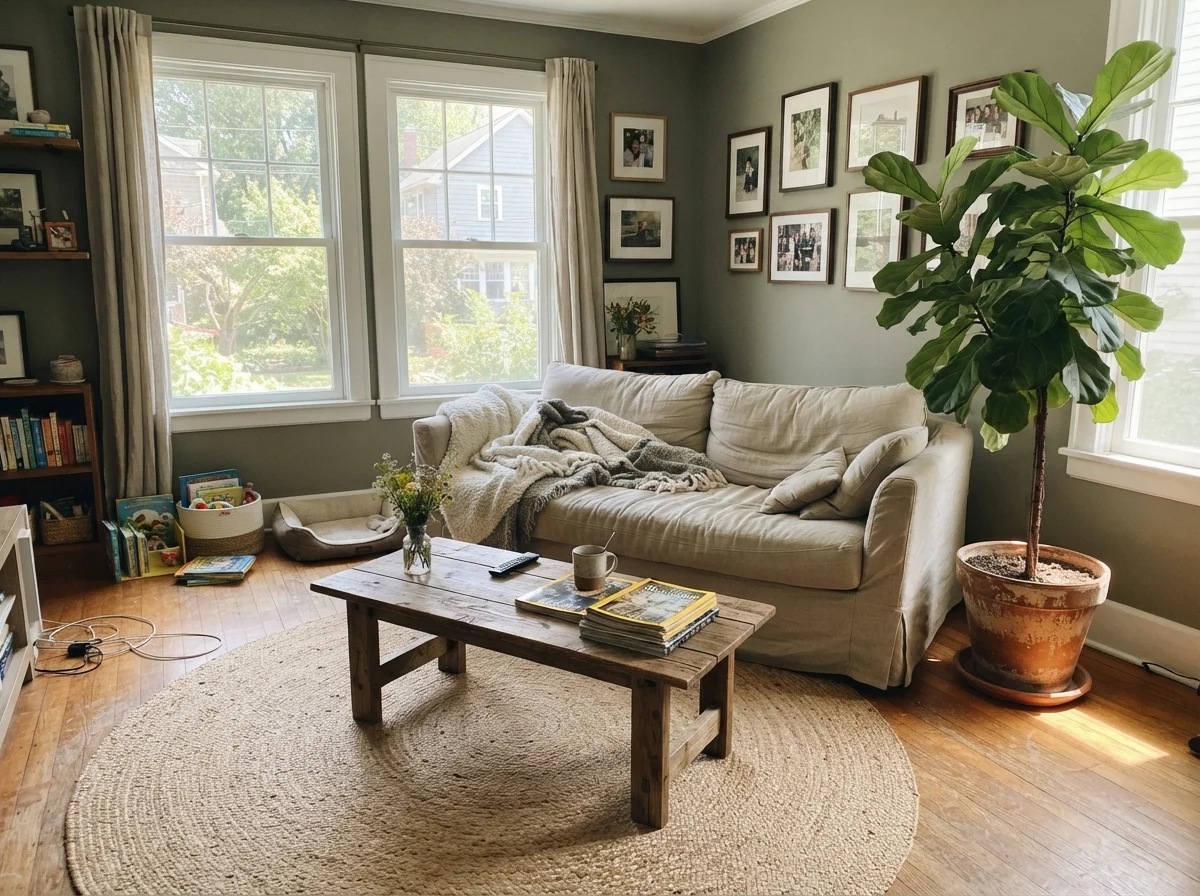
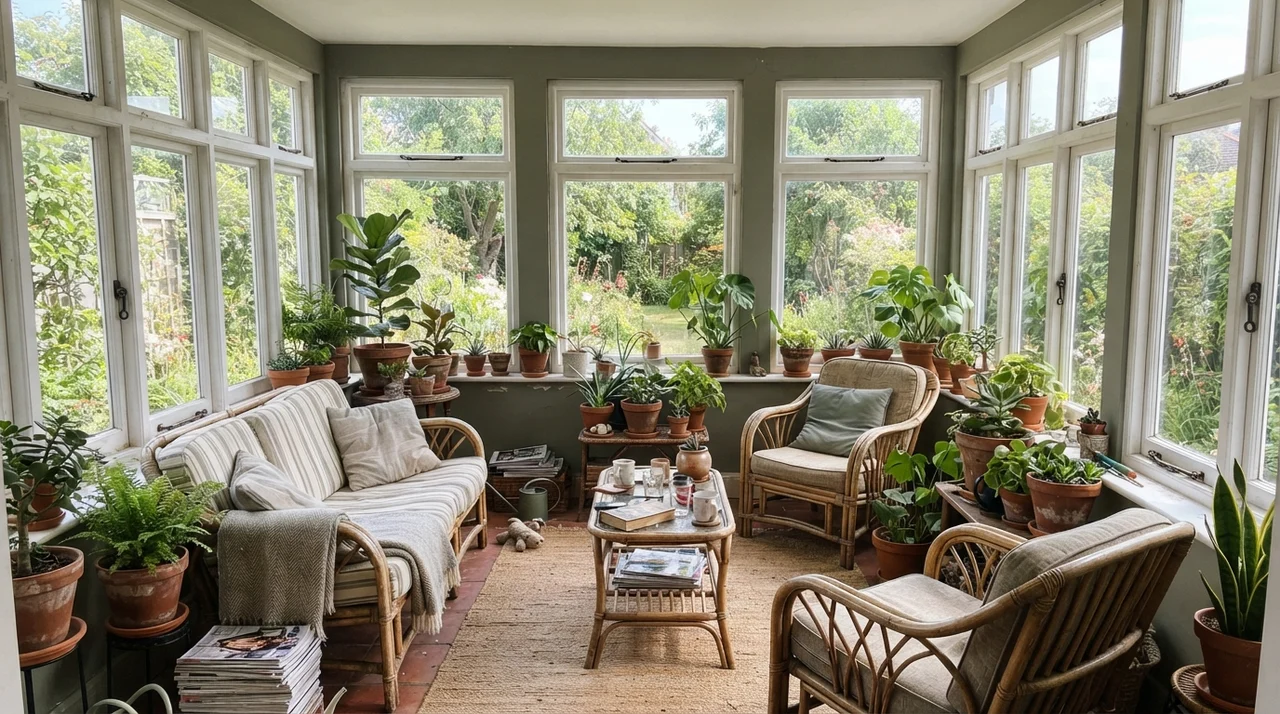
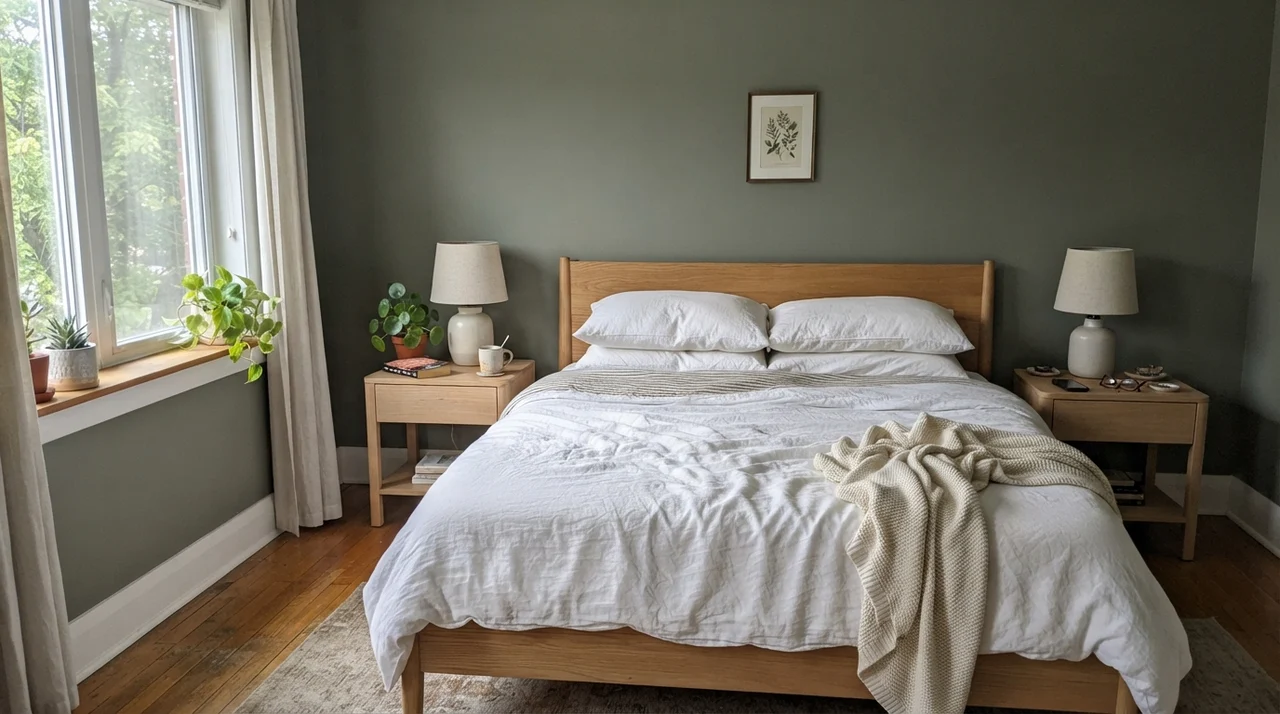
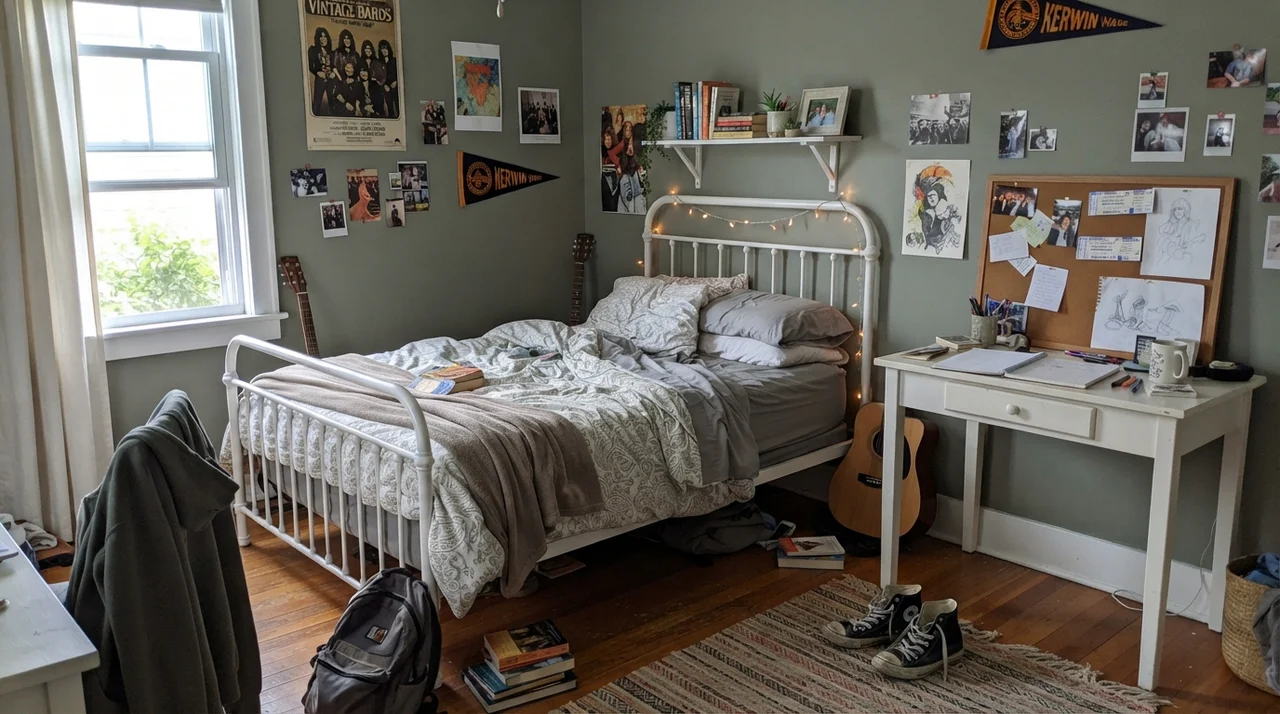
Using Dried Thyme on all four walls of a living room or bedroom requires commitment to good lighting. In a sunroom with windows on three sides or a living room with generous southern exposure, the paint feels organic and calm, balancing beautifully against linen sofas, jute rugs, and leafy houseplants. It feels settled, like a room that has existed comfortably for forty years rather than one styled for an afternoon photo shoot.
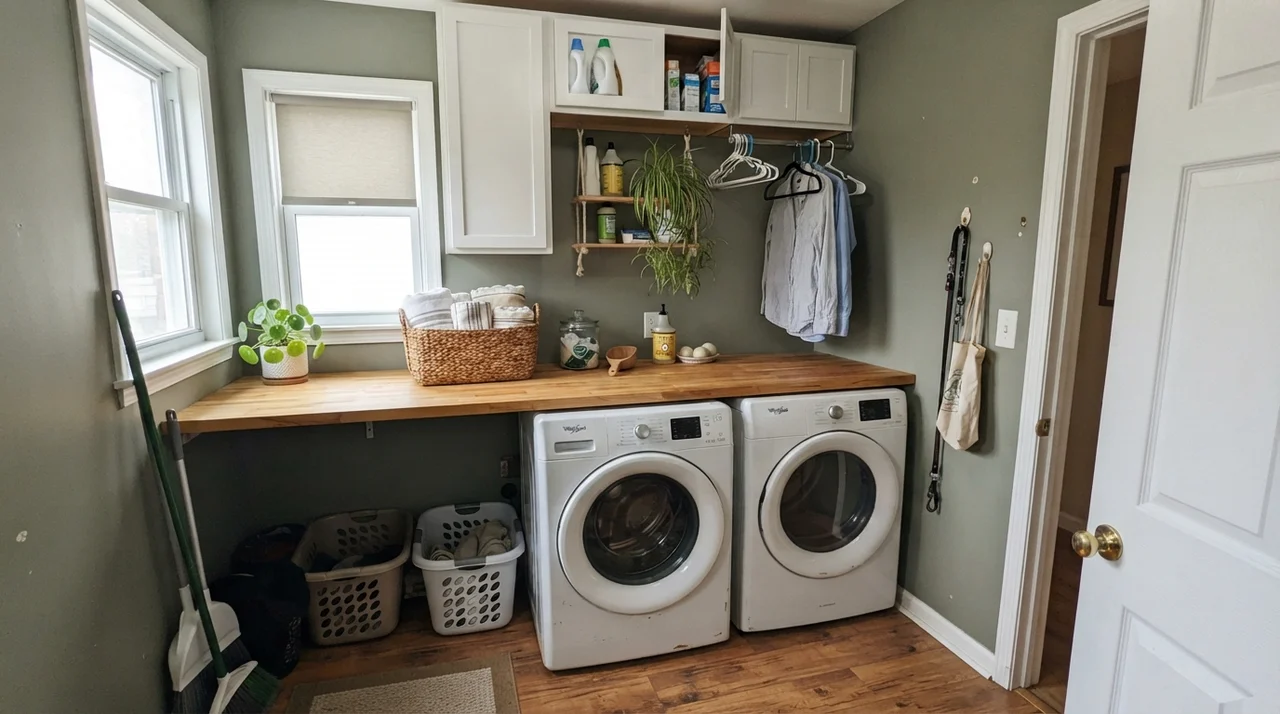
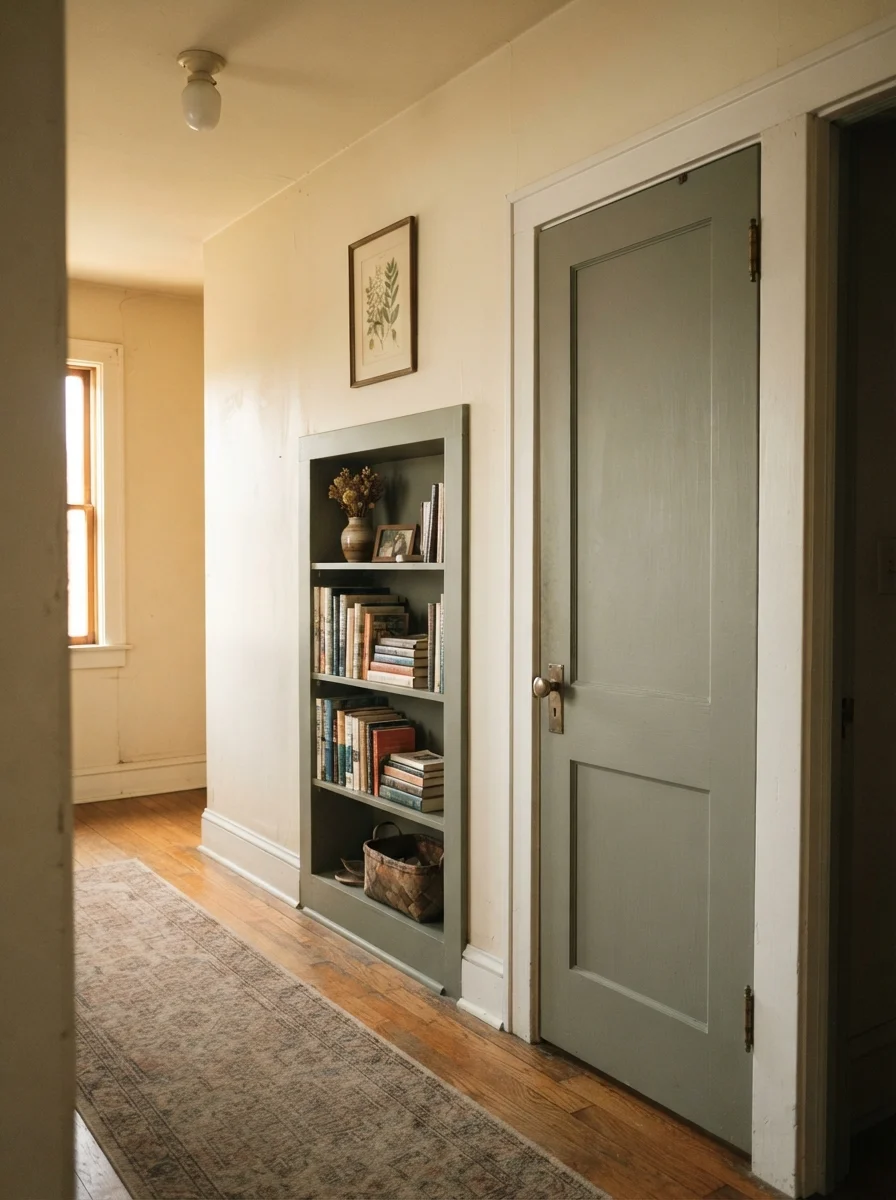
However, if you put this on all four walls of a bedroom with a single small window, the room will close in quickly by mid-afternoon. In smaller spaces, using it on the wall behind a bed or framing a bank of built-in bookshelves gives you the depth and drama of the color without swallowing your ambient daylight. In our current house, our laundry room gets great morning sun through a tall side window; on eggshell walls above a butcher-block counter, Dried Thyme turns what is usually a chore room into one of my favorite corners of the house.
The Honest Fails: Where Dried Thyme Falls Apart
The bad stories about Dried Thyme are almost entirely predictable. They come down to three specific mistakes that no amount of careful cutting-in will solve:
- Windowless or Dim North-Facing Rooms: In weak, cool daylight, the green pigments cannot sustain themselves. The color loses its organic warmth and flattens out into an unappealing, dingy charcoal putty. If your room doesn't have steady natural light, steer clear.
- Pairing with Heavy Cream Trim: Cream paints carry strong yellow bases. Dried Thyme carries a yellow-green undertone. When placed right against one another, they pull the worst out of each other: the cream ends up looking like dirty nicotine, and the Dried Thyme turns uncomfortably sharp and sour.
- Cool 4000K LED Lighting: If your under-cabinet lighting or ceiling recessed cans are cool 4000K daylight LEDs, they will strip every ounce of botanical warmth right out of your cabinets, leaving them looking like cold industrial metal. Stick to 2700K to 3000K bulbs.
Exterior Siding, Doors, and Trim
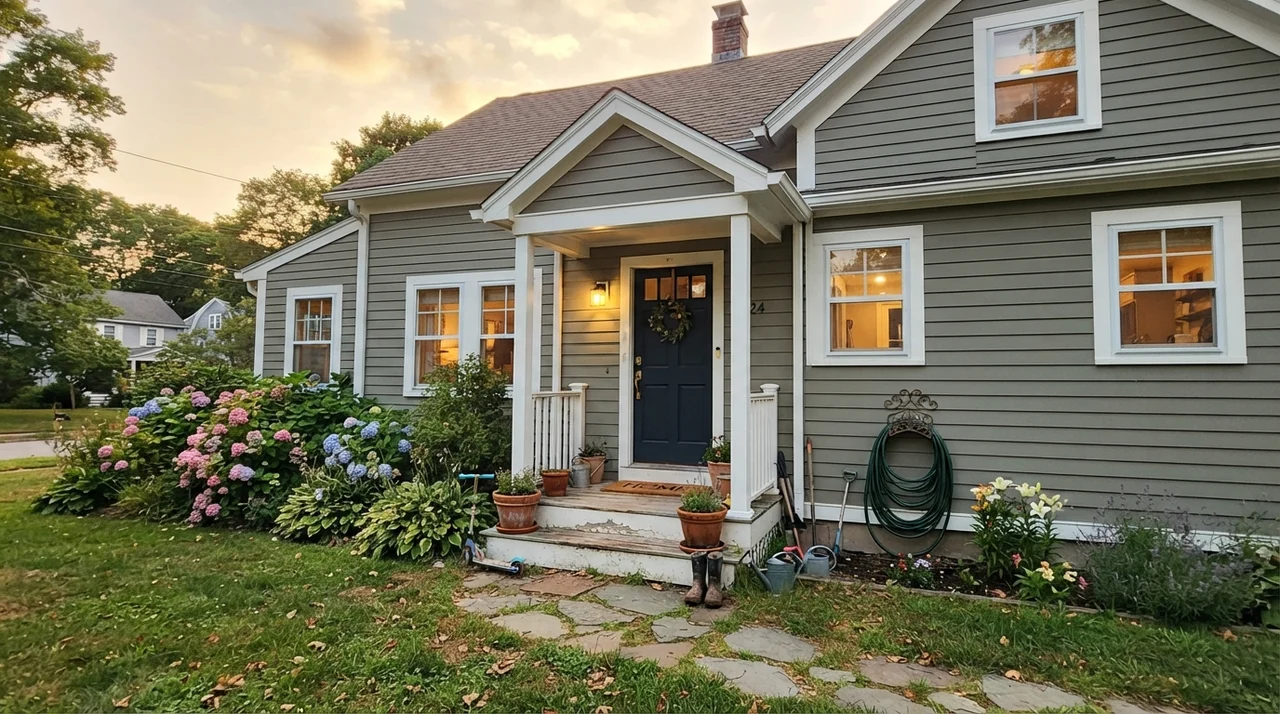
Outside, the rules change completely. Direct sunlight washes out color intensity by about twenty percent, which means a dark paint like Dried Thyme suddenly behaves like a balanced mid-tone olive sage. It is an exceptional choice for siding on homes nestled among mature trees, as well as front doors and shutters on white brick or cedar houses. Just ensure your exterior trim is painted in a crisp, clean white like Sherwin-Williams Pure White (SW 7005) rather than matching the body.
Durability and the Long-Term Verdict
When we sold our colonial, the buyer’s home inspector noted that the kitchen cabinetry was one of the cleanest elements in the house. That wasn't because I spent every Sunday touching up paint; it was because Dried Thyme in a satin enamel takes abuse gracefully. Scuffs around the trash pull-out, minor water splashes by the sink, and dust along the lower rails blend into the depth of the color instead of screaming for attention.
If you're painting drywall in an active home, always pay the extra ten dollars a can for high-grade washable eggshell. Cheap contractor-grade flats will burnish and leave shiny streaks the first time you scrub away a muddy fingerprint. Five years in, good paint pays for itself simply by saving you from having to repaint your high-traffic baseboards every two seasons.
What sheen is best for Dried Thyme on kitchen cabinets?
Use a satin cabinet enamel. It offers the scrubbability needed to wipe away cooking oils without creating a glossy sheen that exaggerates minor surface flaws.
Does Dried Thyme make a room look smaller?
At LRV 21, painting all four walls in a small room with limited light will make it feel enclosed. If you want to keep the room feeling open, use it on lower wainscoting, an accent island, or a single feature wall.
What trim white works best with Sherwin-Williams Dried Thyme?
Sherwin-Williams Alabaster (SW 7008) and Shoji White (SW 7042) are the safest options. Avoid heavy cream trims with yellow bases, which clash with the green undertone.
Can Dried Thyme be used on exterior siding and front doors?
Yes. Direct sunlight draws out the green and softens the depth. It makes an excellent exterior body color among trees, or a standout front door paired with Pure White (SW 7005) trim.
Susan's Verdict · Kitchen Island & Cabinet Essential
Dried Thyme is one of the most reliable dark sage colors on the market for kitchen cabinetry, bathroom vanities, and cozy dining rooms. Pair it with warm oak, unlacquered brass, and soft white trim like Alabaster. Just keep it out of windowless hallways and north-facing rooms with cool 4000K LED bulbs, where its LRV 21 will drag it down into a flat, dreary gray.