Color Diary · No. 46
Living with Sherwin-Williams Evergreen Fog: What Four Years on Our Cabinets Taught Us
The sage that took over American kitchens, reviewed honestly: where it glows, the exact rooms where it turns muddy gray, and what to pick instead.

Susan HartleySeptember 24, 2026 · 13 min read
Evergreen Fog · Sherwin-Williams SW 9130
Hex#95978ALRV30Undertonesgreen → gray → blue
In our last house—a center-hall colonial we bought in the late nineties—I spent years terrified of painted cabinetry. Every magazine showed crisp white doors, but with two teenagers and a golden retriever trailing mud through the back door, white was a full-time cleaning job. When we moved into our current 1960s ranch, I swore I was done with pure white kitchens. But jumping straight into a strong color felt like a gamble that would look dated within five years.
Then Sherwin-Williams released Evergreen Fog (SW 9130). When it won Color of the Year, everybody and their brother rushed out to buy gallons of it for their kitchen remodels. I was skeptical. Trends in home paint usually run hot for two years and leave homeowners holding the roller when tastes change. But now, four years in and having lived with it across multiple surfaces, I can tell you why this particular sage managed to outlast the hype—and where it falls completely flat.
The secret to Evergreen Fog is that it sits squarely in the greige deck family with a Light Reflectance Value (LRV) of 30. That means it bounces back roughly thirty percent of available light. It is green enough to feel like an intentional design choice, but gray enough that it stops fighting your flooring, your countertops, and your natural wood trim. It gives you the presence of color without demanding that you replace every piece of furniture you own to match it.
However, that balance is delicate. Because the green pigment is softened by a substantial dose of gray and a hint of yellow, its appearance changes dramatically depending on the room's exposure and your lighting setup. In honest daylight, it reads as a grounded, herbal sage. Take that daylight away, and the warmth vanishes in an instant.
The Three Faces of Evergreen Fog
Because Evergreen Fog sits right at the intersection of green and greige, its undertone shifts under different lighting conditions. Warm southern light coaxes out soft herbal tones, overcast north light reveals a quiet cement-gray, and cool bulbs pull forward a muted blue-slate cast.
warm sun
overcast, north light
dusk, rain, cool bulbs
Evergreen Fog relies on natural yellow warmth to stay sage; in dim or cool light, gray quickly takes over.
Hunters HollowBehr · see diary
Cornwall SlateSherwin-Williams · see diary
Evergreen FogSW 9130
Battleship GrayBehr · see diary
Acacia HazeSherwin-Williams · see diary
When you look at the three panels above, you can see exactly why so many people have wildly different opinions about this swatch. Under strong midday sunlight, Evergreen Fog looks organic and comforting. It harmonizes with linen fabrics, jute rugs, and warm wood coffee tables like it was custom mixed for them. But in a small window with flat, rainy light, the herbal notes drop out, leaving behind a dusty, cement-like tone.
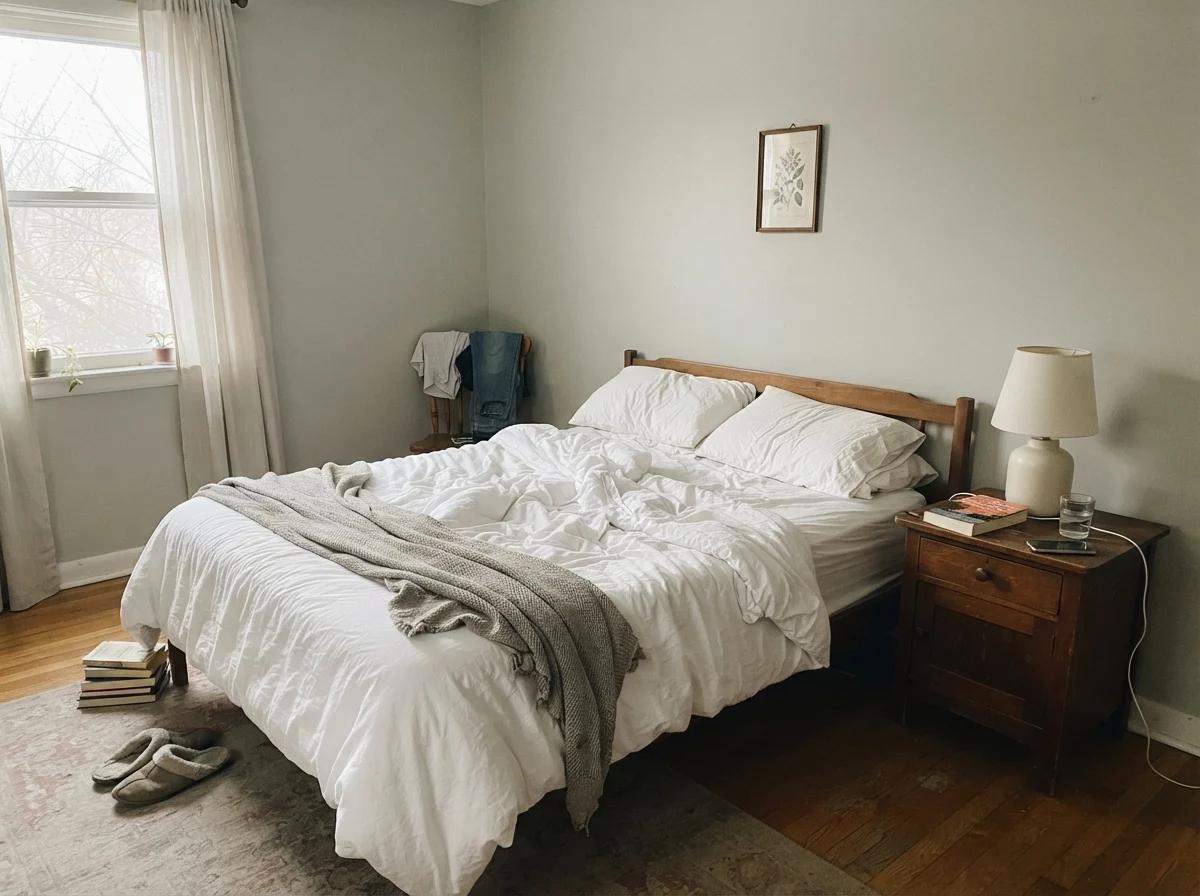
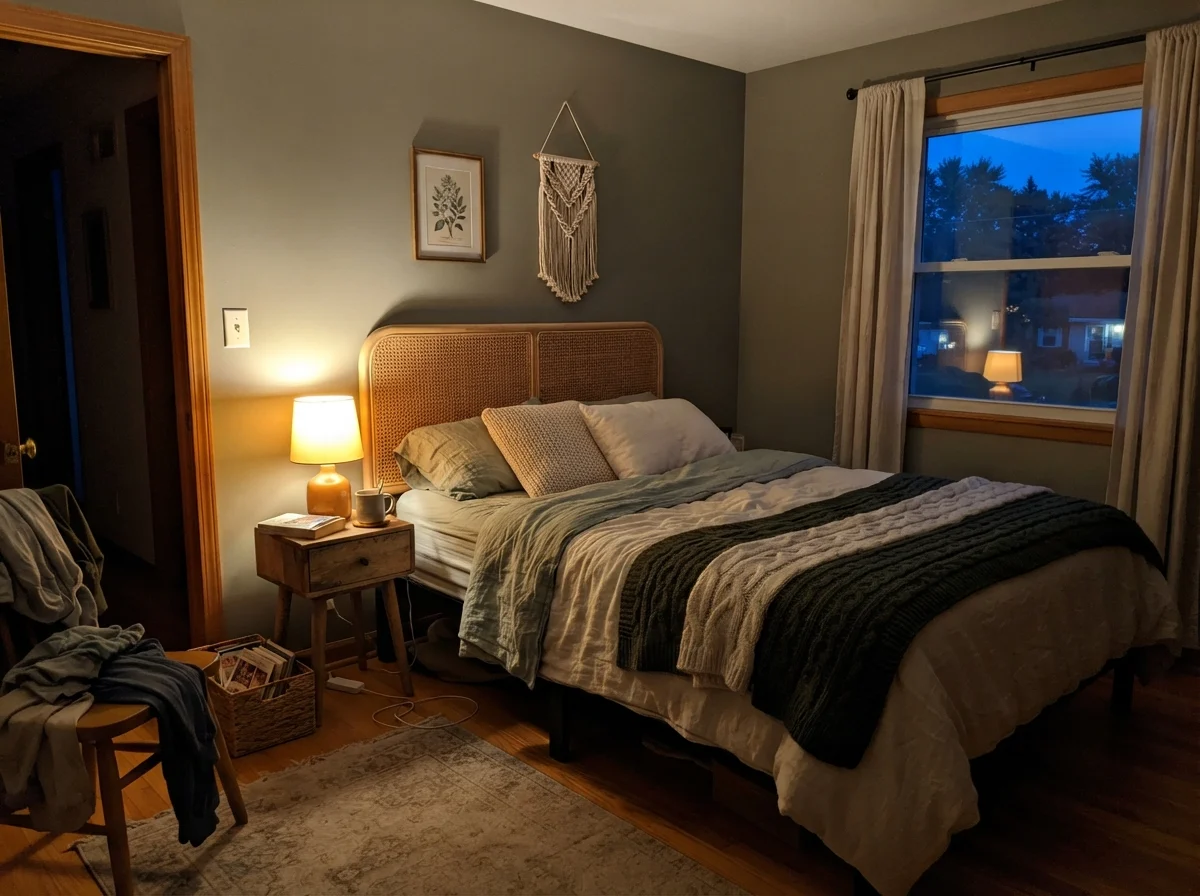
This shift becomes even more noticeable when comparing how the color behaves between morning dawn and late evening in the exact same bedroom. If you paint a room that only gets weak morning light, be prepared for walls that feel a bit cool and subdued until the lamps click on.
Kitchens and Built-In Cabinetry: Where It Earns Its Keep
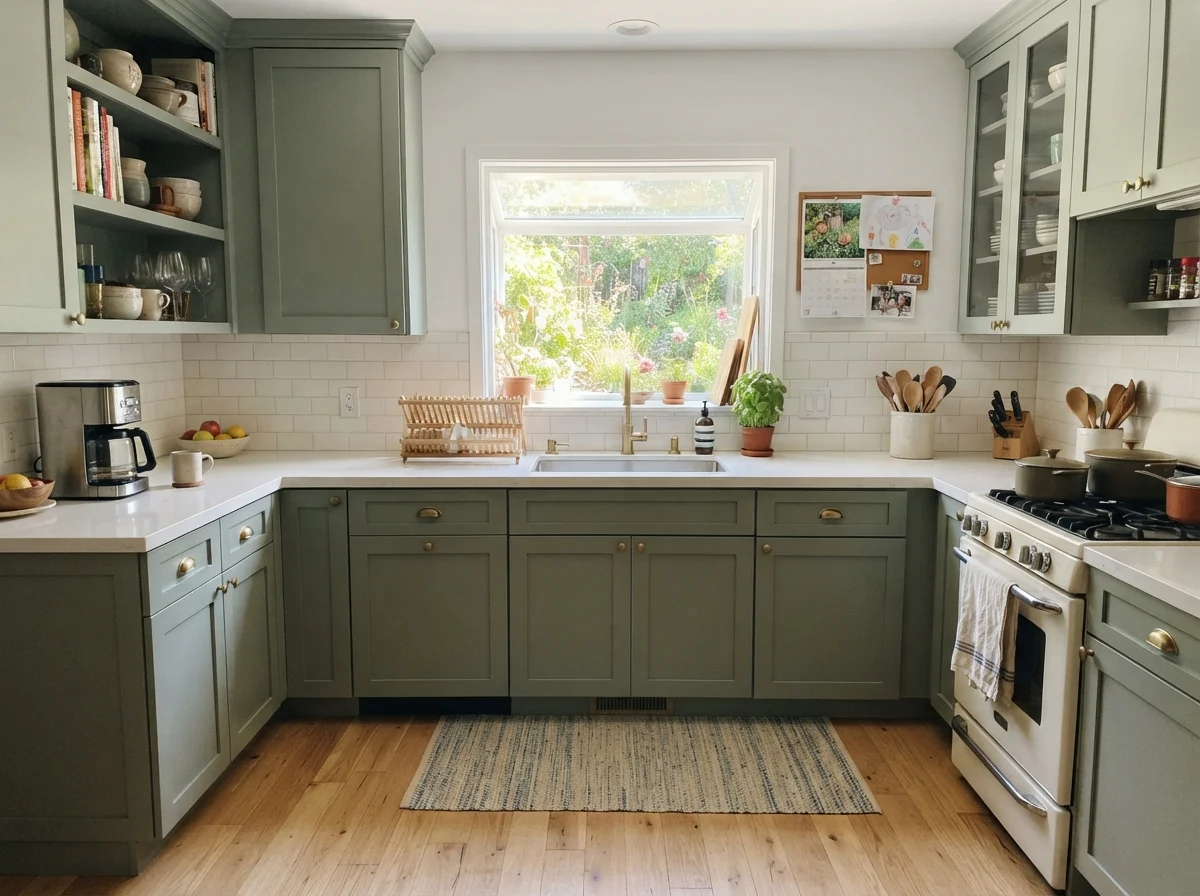
If there is one place where Evergreen Fog is absolutely worth the money, it is cabinetry. In our thirty years of remodeling, I have seen greens go in and out of style. The hunter greens of the nineties felt heavy and oppressive after a few years. The minty greens of the early 2010s felt like an ice cream parlor. Evergreen Fog works because it doesn't shout. It reads more like an antique furniture finish than a coat of loud paint.
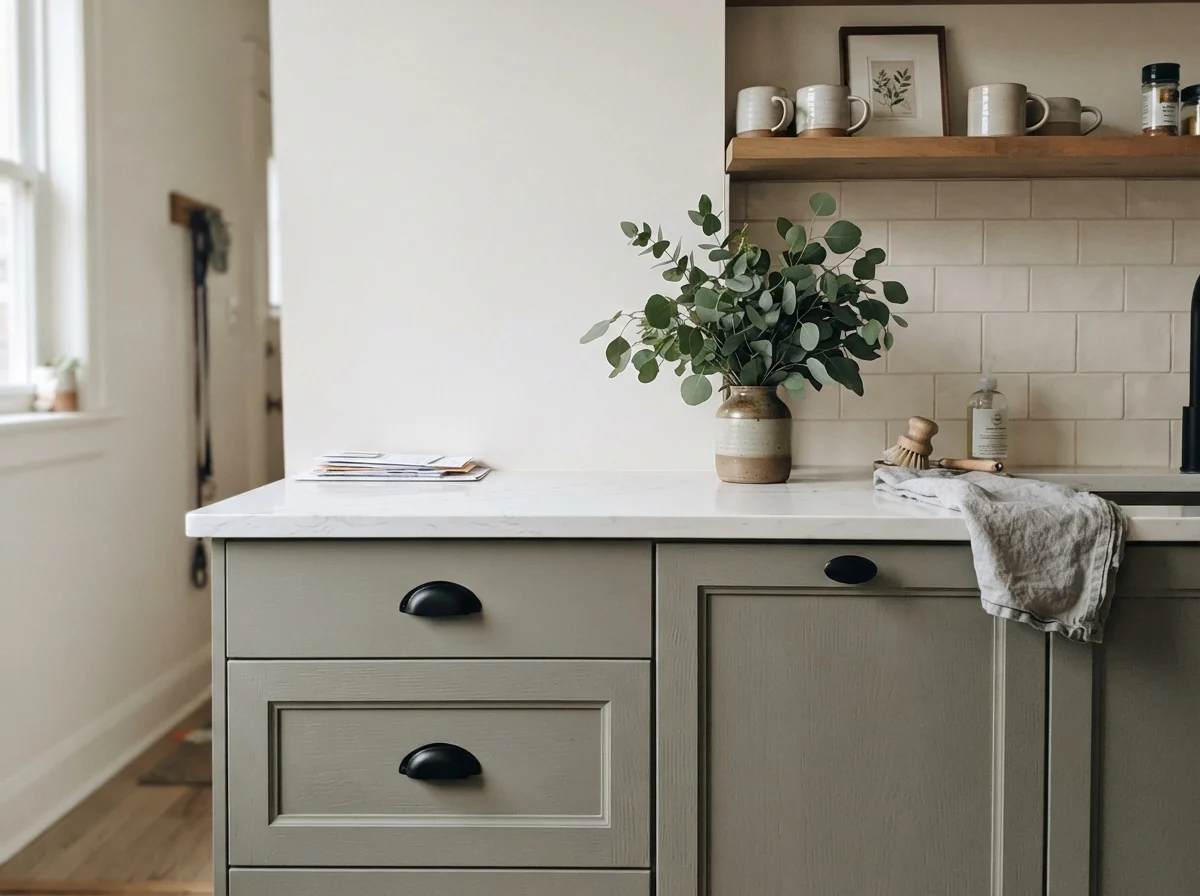
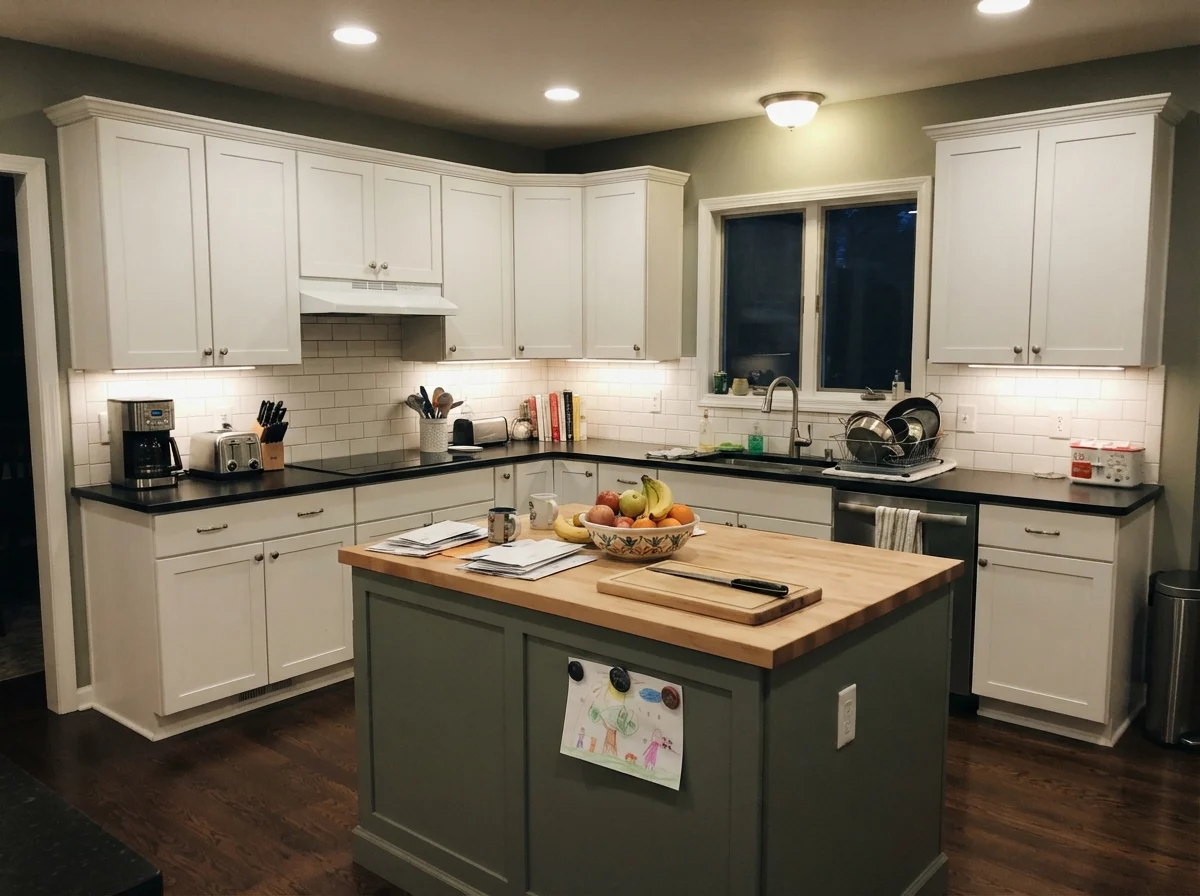
When spraying or rolling cabinets, I strongly recommend a satin sheen or a urethane-fortified cabinet enamel. The lower sheen keeps the muted tone looking velvety and understated, yet it is durable enough to be scrubbed clean after greasy dinners or spilled sauces. Pair it with warm white countertops, brass or oil-rubbed bronze hardware, and natural white oak floors. Against those natural textures, the paint takes on an earthy depth that pure gray simply cannot deliver.
If you have an existing kitchen and do not want to commit to painting every upper cabinet, painting just the kitchen island is the smartest budget move. It grounds the center of the room, breaks up a sea of standard cabinetry, and masks the scuffs from barstools and kicking shoes that ruin white paint within months.
Bathrooms and Washrooms: Keeping It Grounded
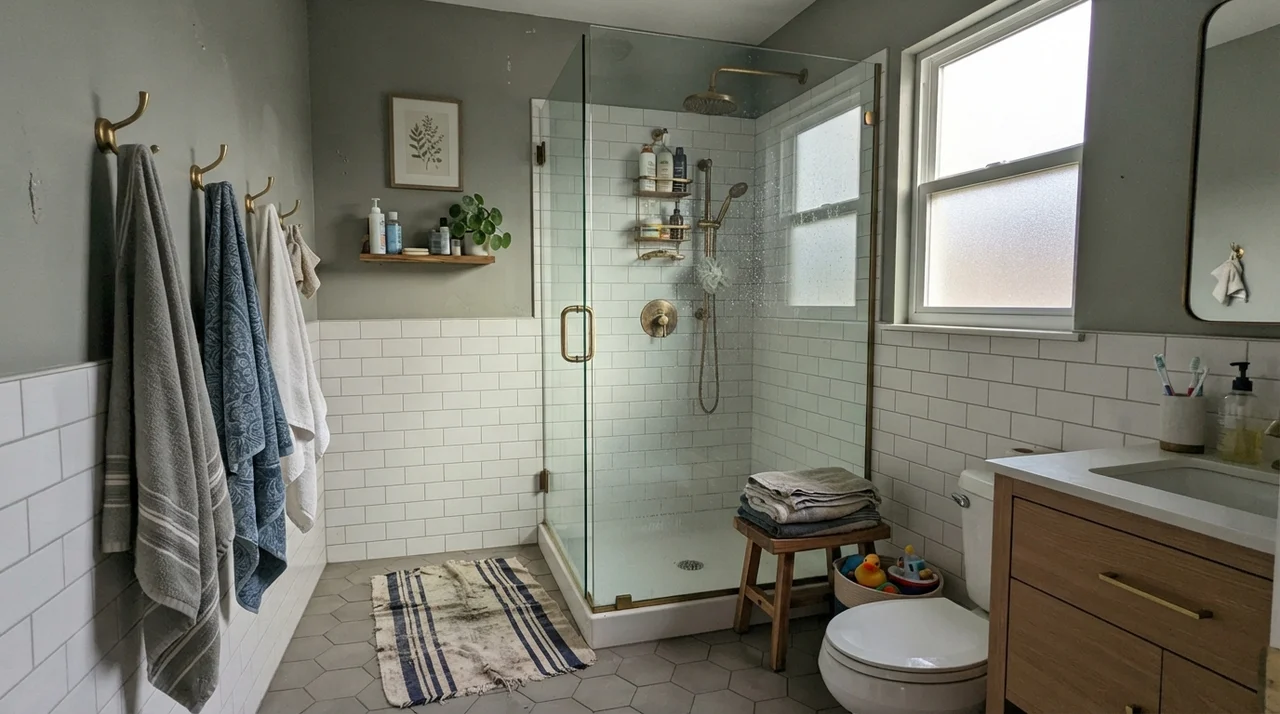
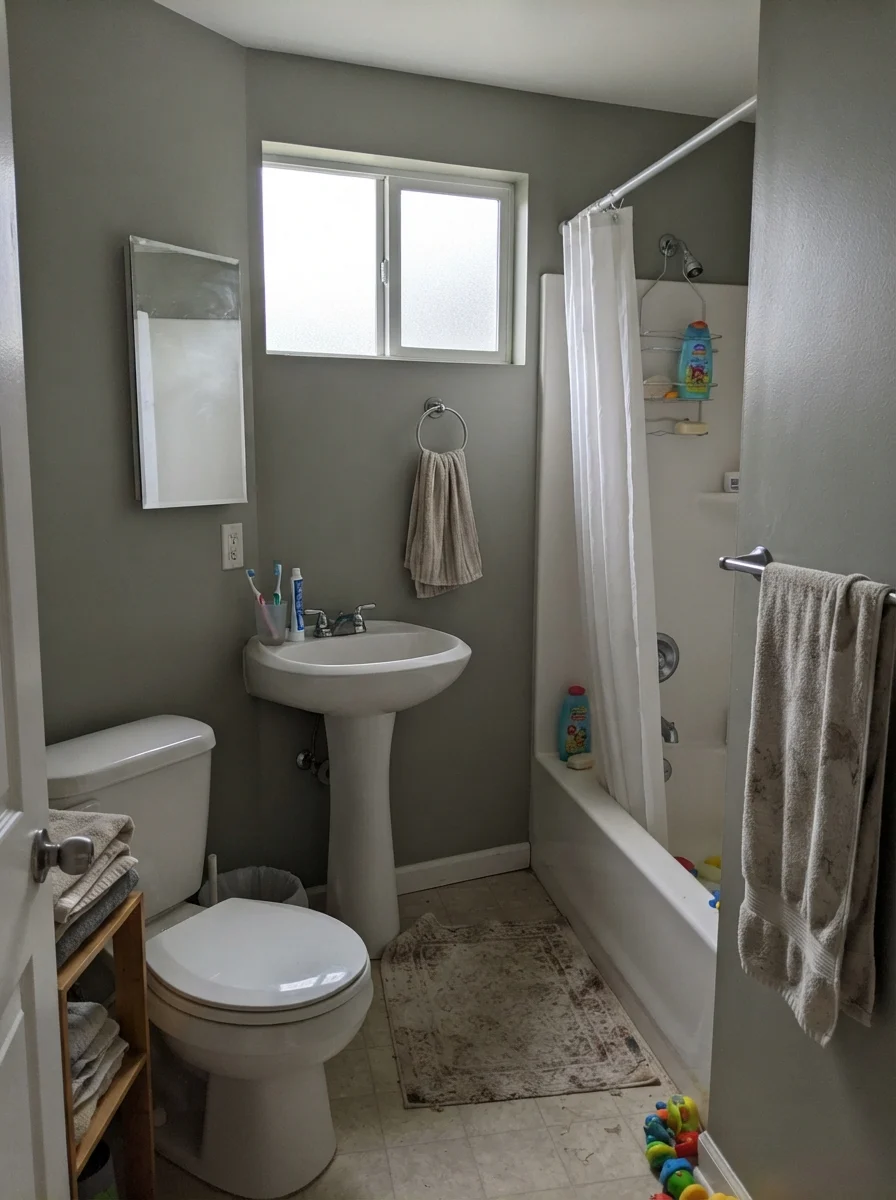
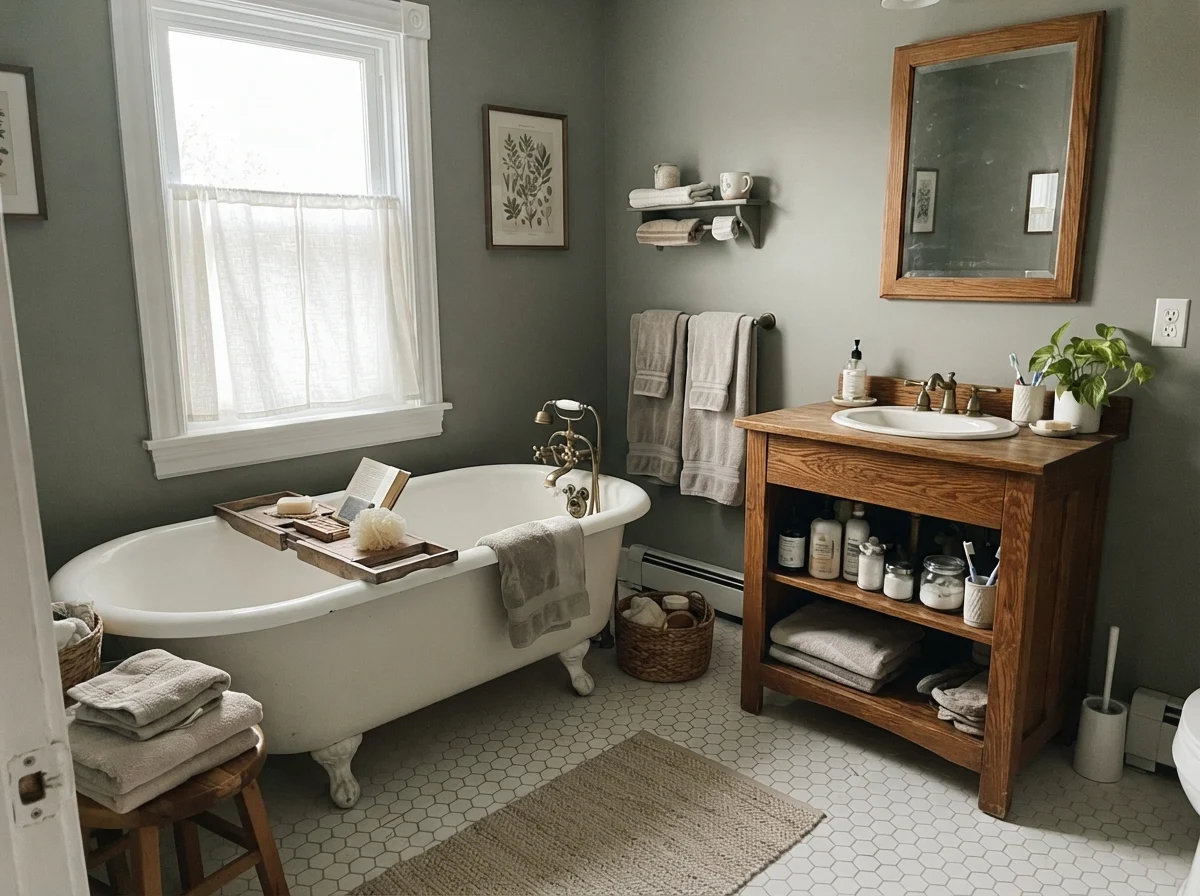
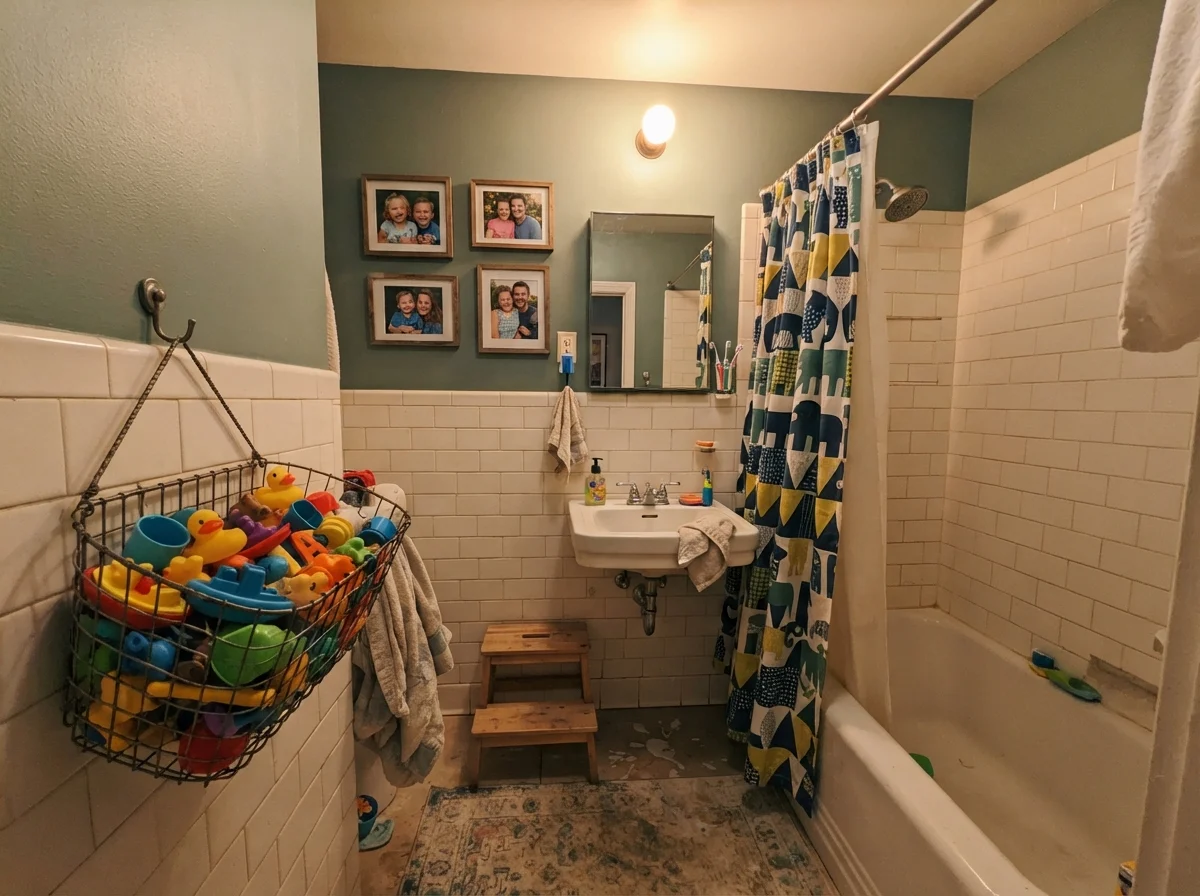
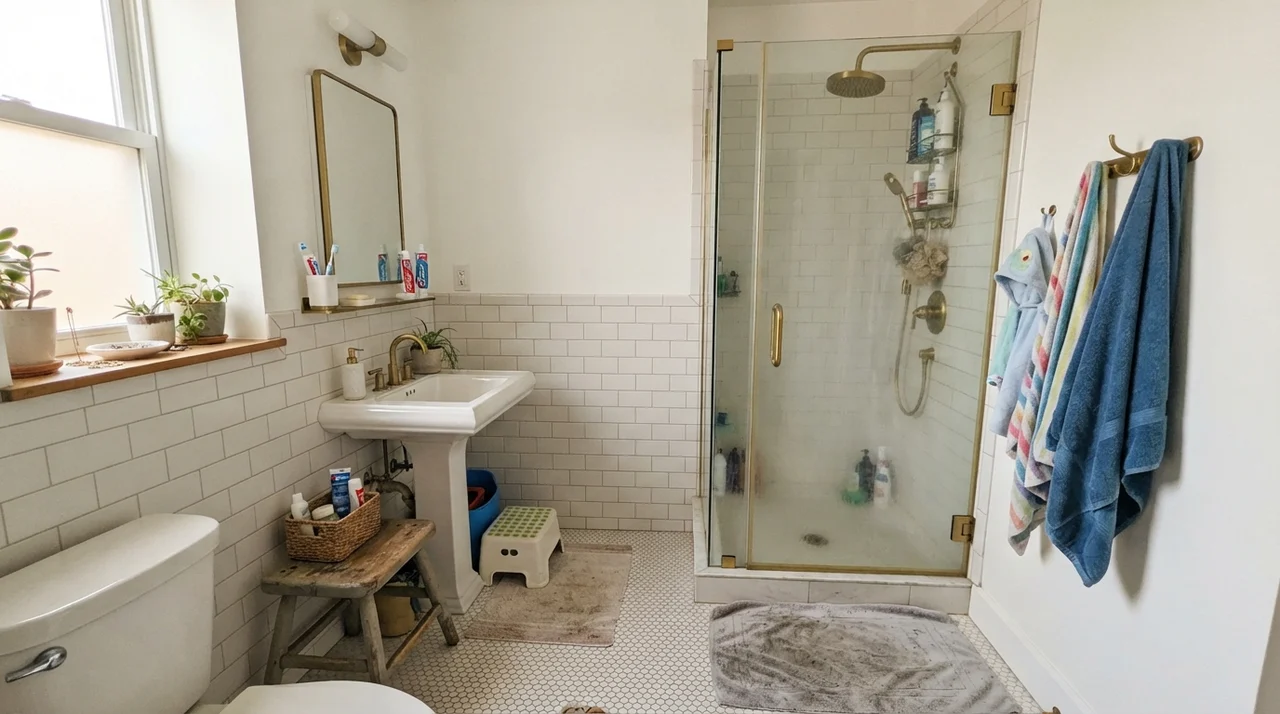
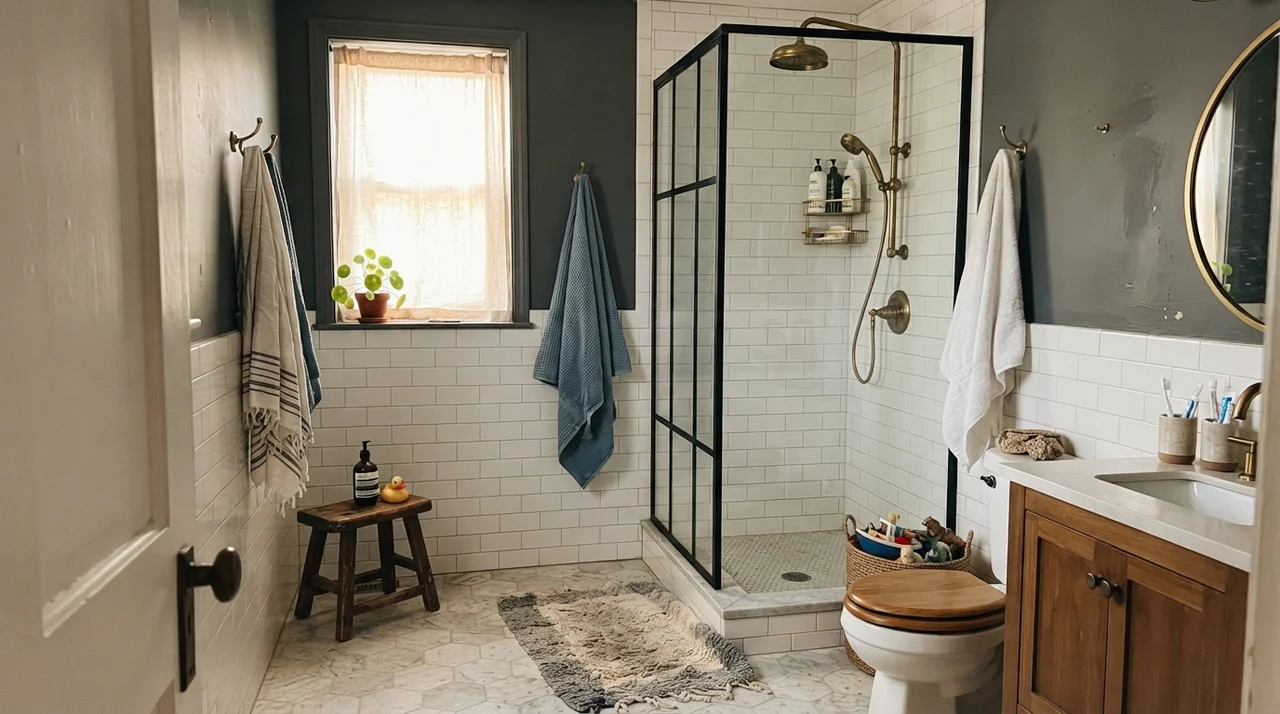
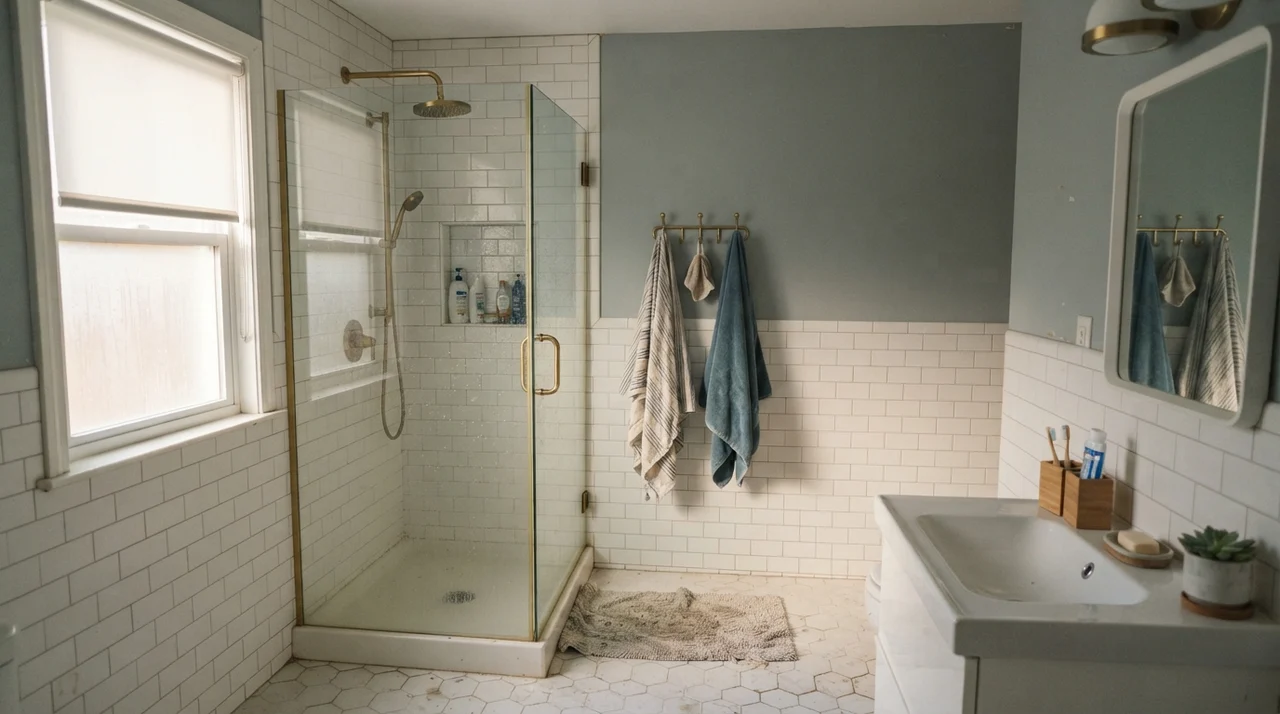
Bathrooms are another natural habitat for this shade, provided you avoid one major trap: fluorescent vanity bulbs. Standard 4000K or 5000K LED vanity bars will strip every ounce of charm out of Evergreen Fog, turning your morning routine into a cold, clinical experience. Stick to warm 2700K bulbs around your mirrors.
In a family bathroom or guest powder room, pairing this color with classic white subway wainscoting or a freestanding clawfoot tub creates an instant sense of permanence. It feels grounded and settled, which is exactly what you want in a house that needs to look cared for over decades, not just staged for a weekend tour.
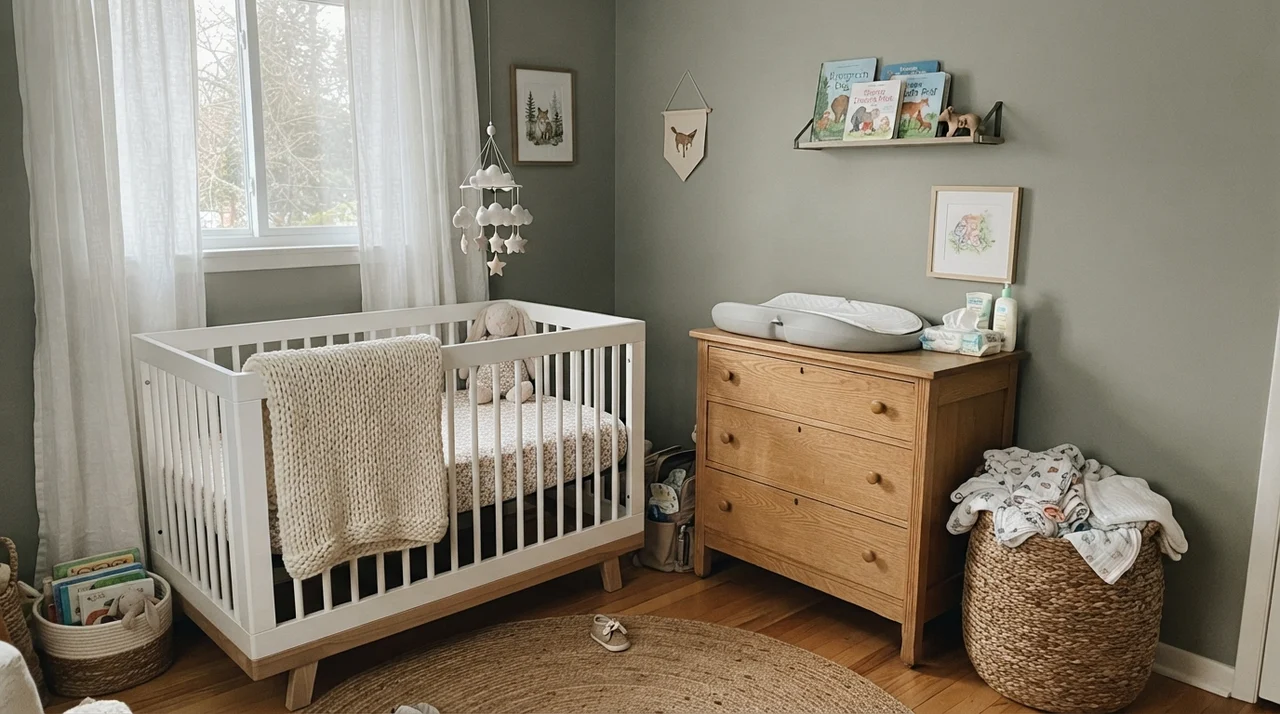
Bedrooms and Nurseries: The Calming Effect
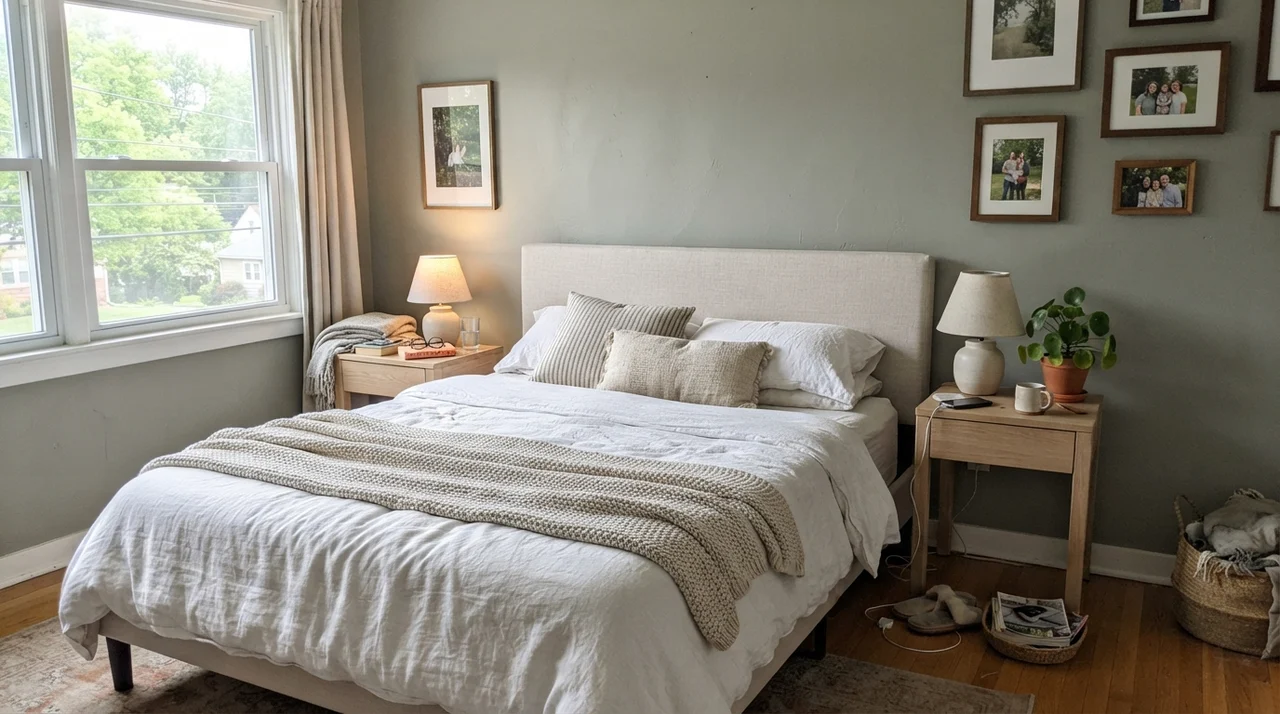
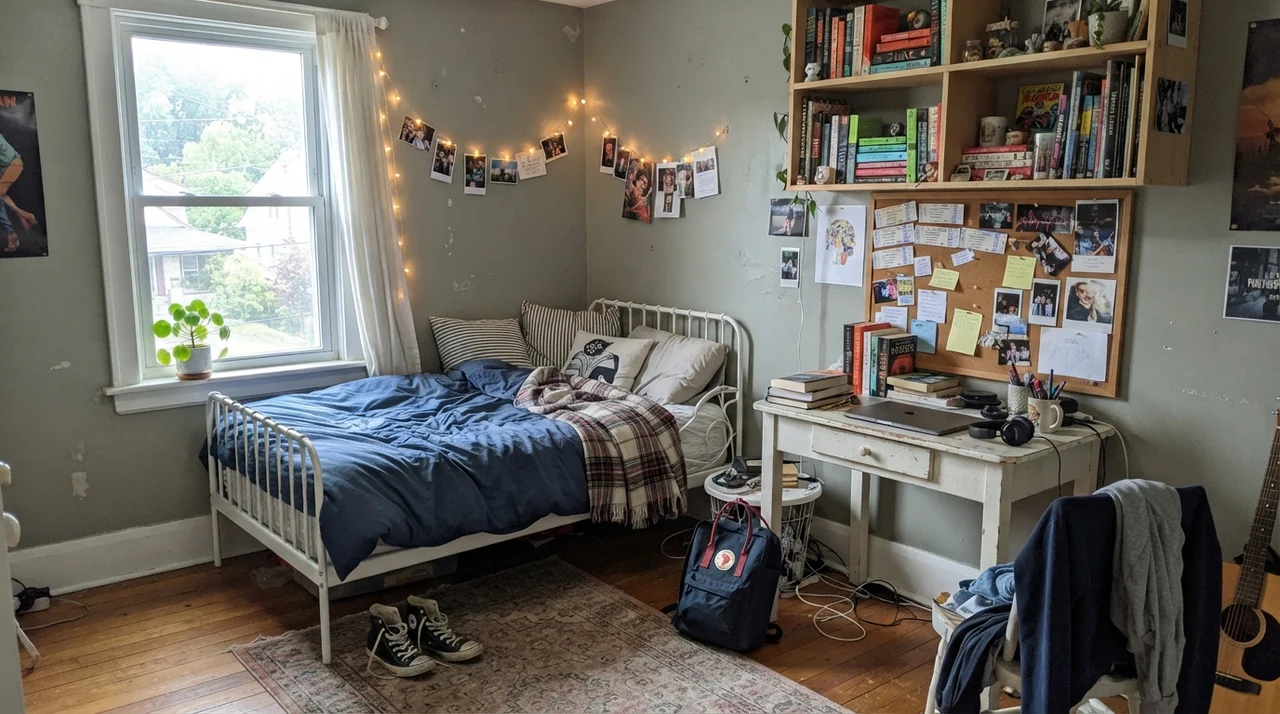
In bedrooms, Evergreen Fog functions like a visual deep breath. Because it absorbs slightly more light than standard off-whites, it cocoons the space without making it feel like a cave. We used a similar muted sage in our daughter's bedroom years ago, and it lasted from her toddler years right through high school without needing a full color overhaul.
For bedrooms, an eggshell finish on the walls paired with a soft white ceiling keeps glare to a minimum. Natural cane headboards, pale oak dressers, and simple white linen bedding keep the palette looking fresh across changing seasons.
Living Areas, Sunrooms, and Utility Spaces
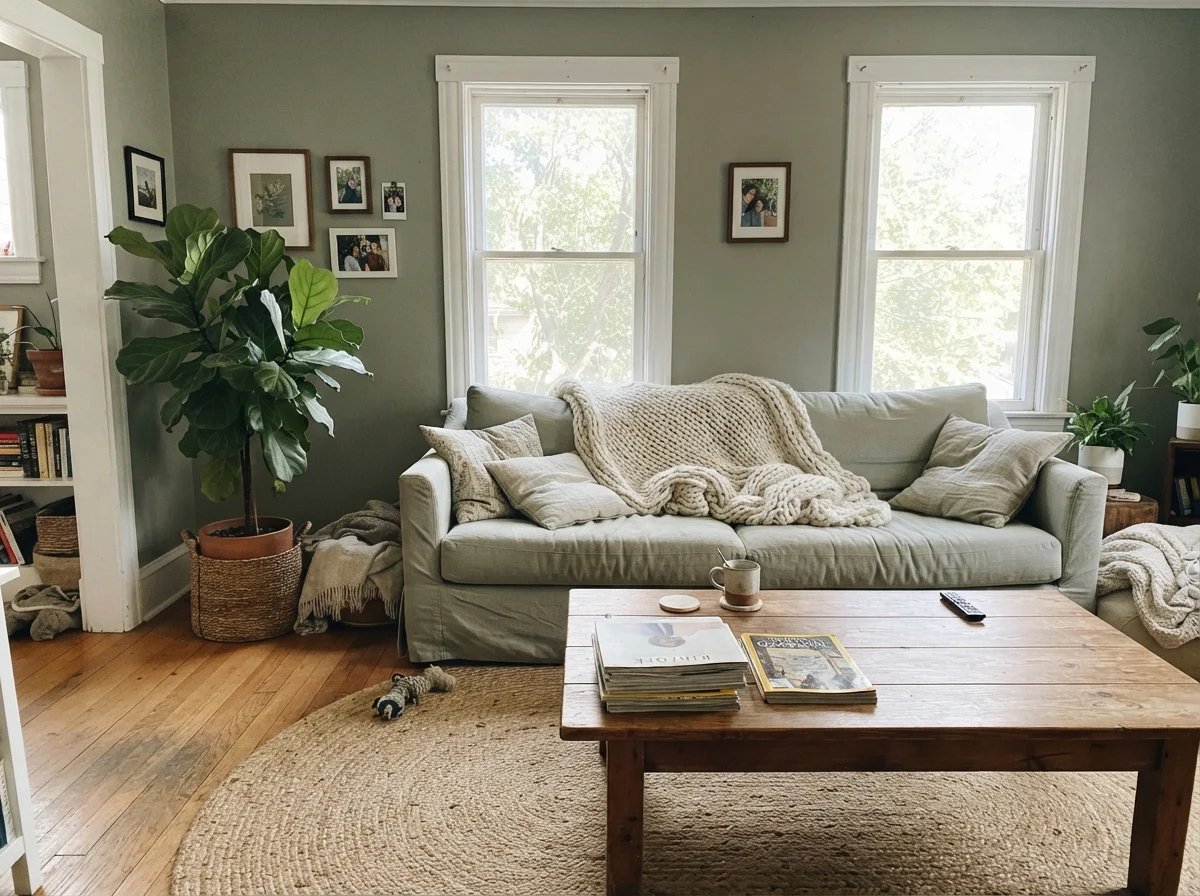
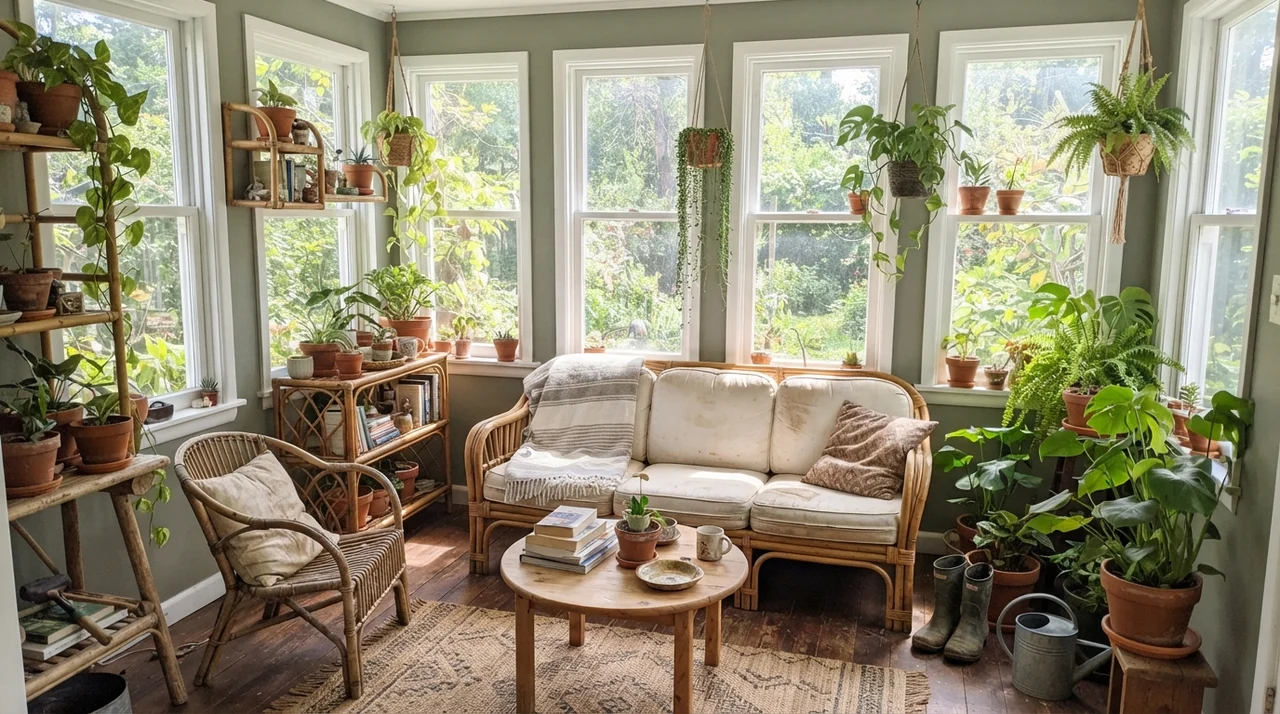
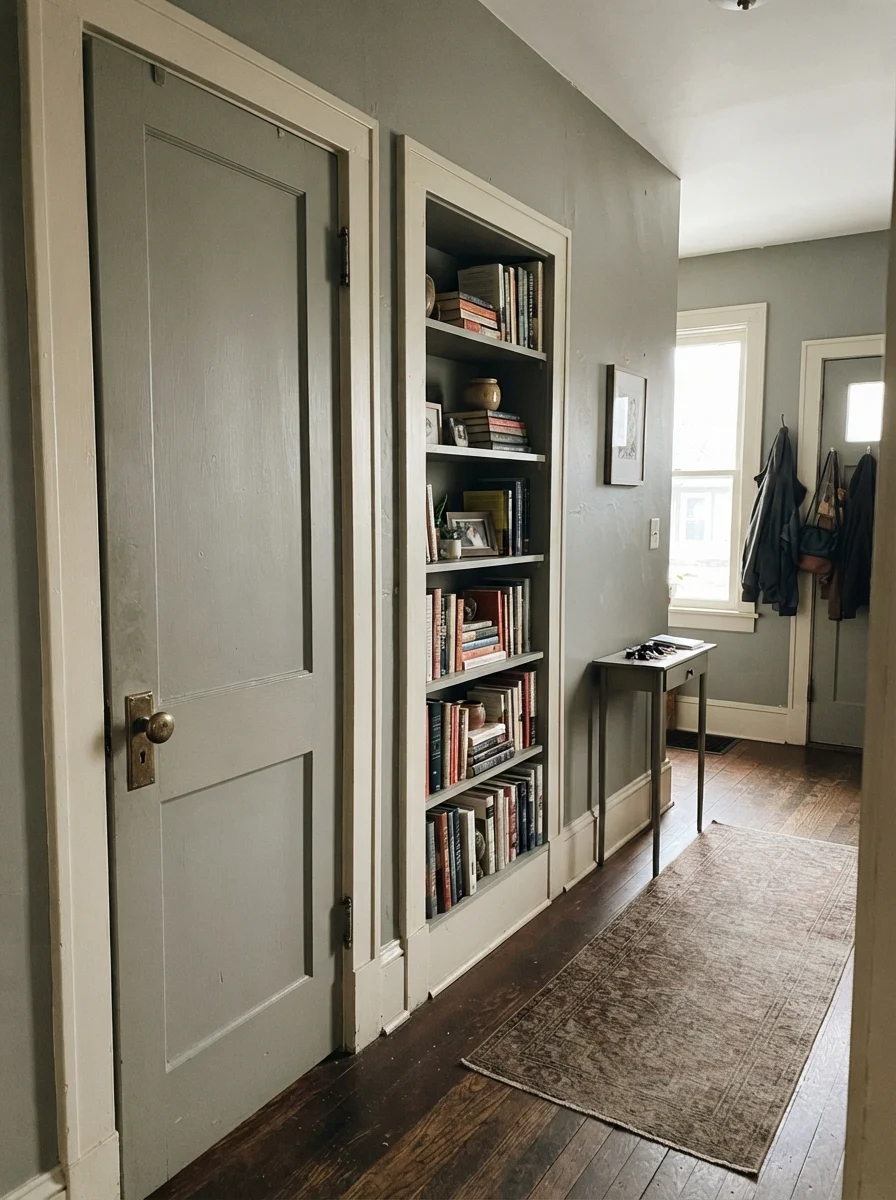
In larger open-concept rooms, Evergreen Fog works best when you have generous windows facing south or west. In our ranch living room, south-facing daylight brings out the yellow undertone, making the room feel like an extension of the garden outside. It serves as a sophisticated backdrop for leather armchairs, woven wool rugs, and stacked hardcovers.
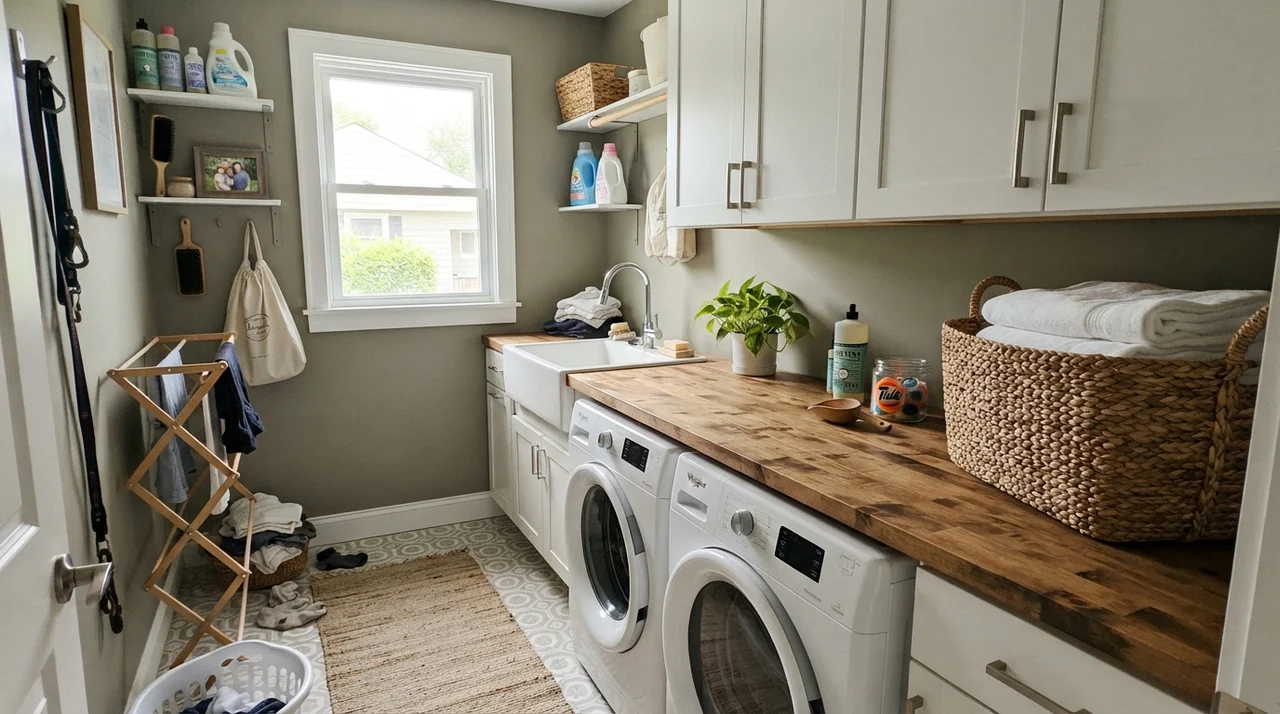
Utility spaces also benefit from its forgiving nature. Laundry rooms, mudrooms, and interior hallway doors take an immense amount of daily abuse. A color with an LRV of 30 hides minor scuffs, detergent splashes, and fingerprints far better than lighter neutrals, saving you from constant weekend touch-ups.
Exterior Siding: The Scale Effect
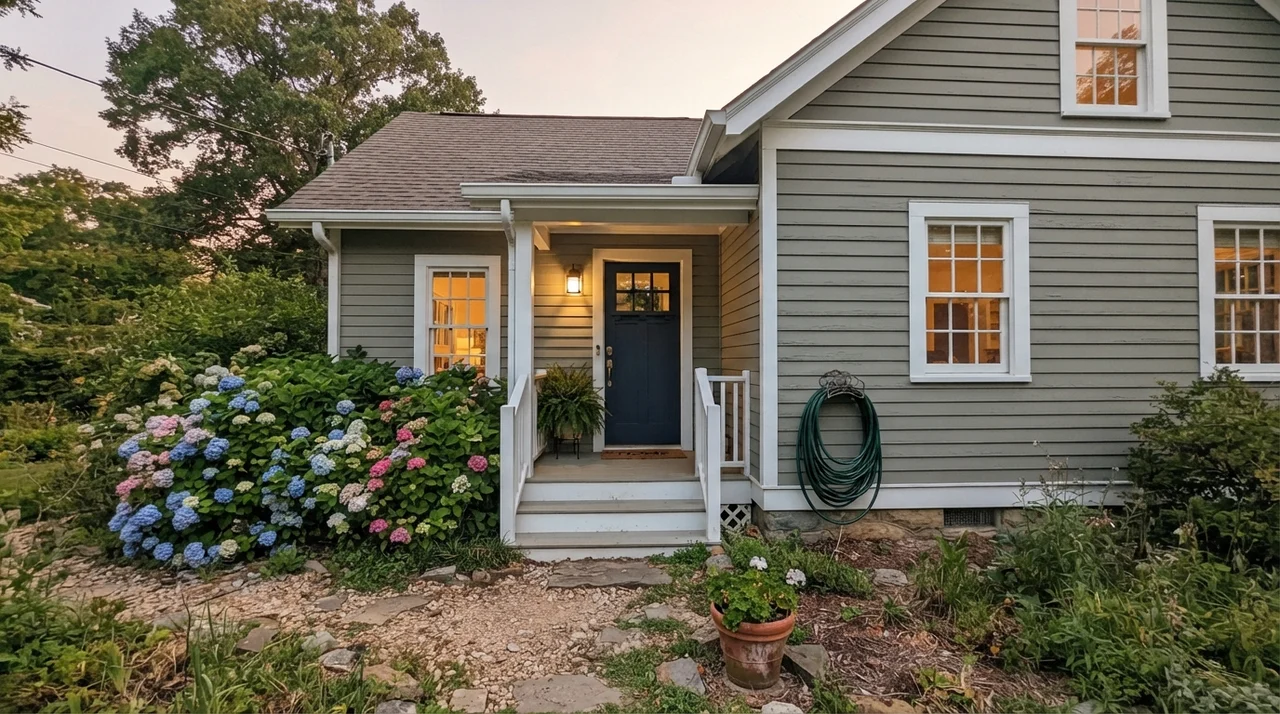
Here is where you must be careful: putting Evergreen Fog on the exterior of a home is completely different from putting it on an interior wall. Under open skies and full daylight, the vast scale dilutes the green pigment. The blue-gray component takes over, and the house can easily look like a cool slate gray rather than sage.
If you do use it outside, paint your trim in a crisp, clean white and anchor the entry with a heavy dark accent—like Sherwin-Williams Iron Ore (SW 7069) or a deep navy on the front door. That contrast forces the green in the siding back into focus.
Where Evergreen Fog Fails: The Honest Mistakes
I have repainted enough rooms over three decades to know that when a paint job looks terrible, it is almost never the fault of the roller. It is almost always a mismatch between the paint's undertone and the room's physical environment. The bad Evergreen Fog stories are remarkably consistent, and all three come down to lighting and trim conflicts.
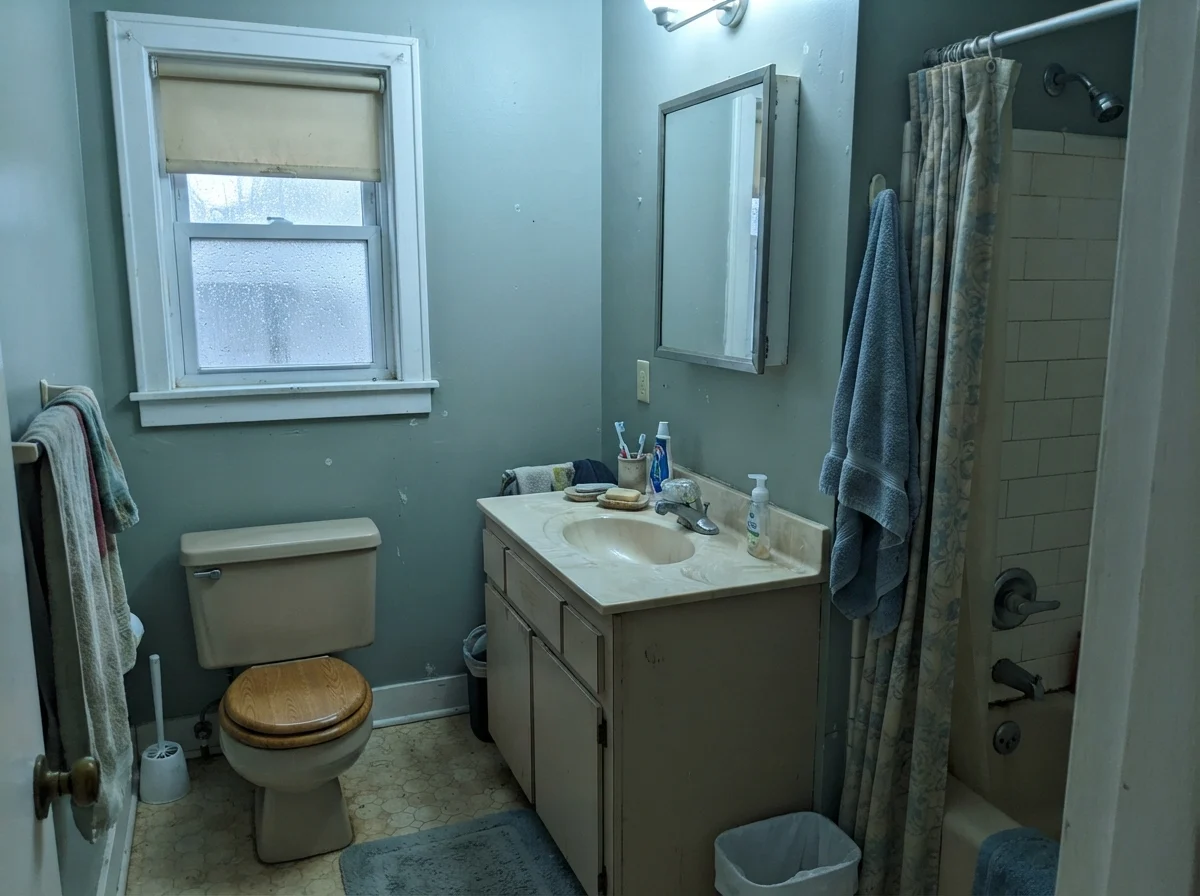
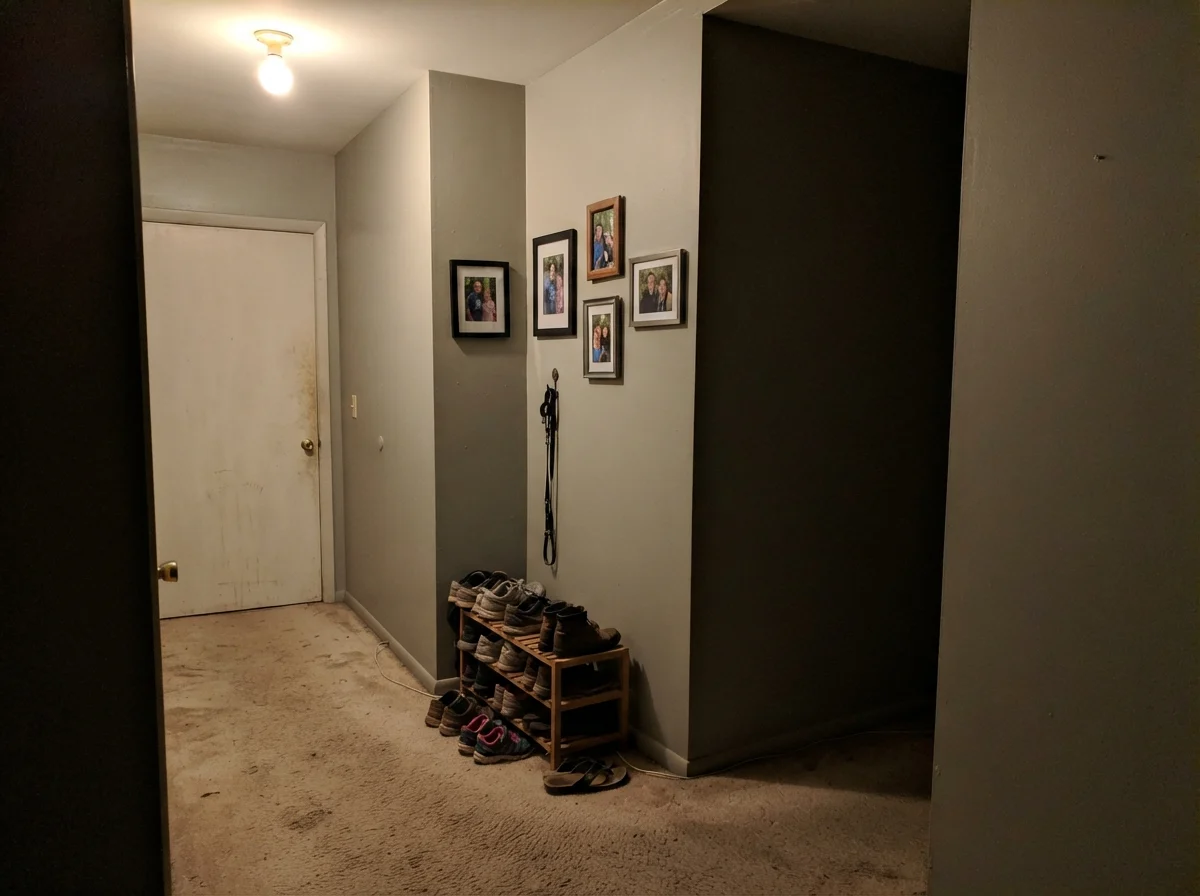
First, a windowless hallway or dim north-facing den will ruin this color. North light is cool and weak. It strips away the faint yellow warmth that holds Evergreen Fog together. Without that yellow, the paint turns into a dreary, flat, putty-like mud. Visitors will wonder if you forgot to turn on the lights or picked a dirty primer by mistake.
The second preventable mistake is pairing Evergreen Fog with heavy cream trim or yellowed almond cabinetry. Warm cream sits right where Evergreen Fog’s yellow undertone lives. Instead of complementing each other, they cancel each other out: your cream trim looks dingy and nicotine-stained, while the green walls look tired and washed. To keep this color looking intentional, you must give it clean white boundaries.
Living with It: Durability and Resale
When we sold our split-level, our real estate agent walked through every room with a critical eye. Her biggest piece of advice was always the same: make sure the colors look like they belong to the house, not just to the current decade. Evergreen Fog passes that test because it behaves like a neutral. Buyers don’t walk into a kitchen with Evergreen Fog cabinets and think, I have to rip these out immediately. They see a calm, upscale room that doesn't feel clinical.
In terms of daily life, keeping it looking good five years in comes down to sheen selection:
- Walls: Eggshell provides the ideal balance of wipeability without high-angle sheen glare.
- Cabinets: Satin or urethane cabinet enamel allows sticky handprints and cooking splatters to be scrubbed clean without buffing off the paint.
- Trim & Doors: Semi-gloss creates a durable barrier against scuffs, vacuums, and kicking feet.
- Exterior: Satin sheds rainwater while holding up against full summer sunlight.
What is the LRV of Sherwin-Williams Evergreen Fog?
Evergreen Fog has a Light Reflectance Value (LRV) of 30. This puts it squarely in the medium-depth range, reflecting thirty percent of light and providing rich contrast against white trim without completely darkening the room.
Does Evergreen Fog look gray or green in real life?
It reads as a muted sage green in spaces with warm, natural daylight or 2700K incandescent bulbs. In dim, windowless hallways or rooms with cool north light, it shifts heavily toward a medium cement-gray.
What white trim color looks best with Evergreen Fog?
Sherwin-Williams Pure White (SW 7005), Extra White (SW 7006), and Alabaster (SW 7008) are the top trim companions. Avoid heavy yellow-creams, which clash with the paint's undertone.
Can I use Evergreen Fog on my exterior siding?
Yes, but be aware that full open sunlight dilutes the green pigment, causing it to read more blue-gray at scale. Pair it with crisp white trim and a dark charcoal or navy accent to keep the sage tone visible.
Susan's Verdict · A Modern Classic for Cabinets
Evergreen Fog earned its reputation honestly. It is the safest, most livable sage on the market for kitchen cabinetry, bathroom vanities, and sunlit living spaces. As long as you keep it out of dark, windowless north rooms and keep yellow-cream trim far away, it delivers five years of quiet elegance without demanding a repaint.