Color Diary · No. 31
Sherwin-Williams Neutral Ground: The Beige That Pretends It Isn't
The light warm beige people buy when they want warmth without making a decision — reviewed honestly, including the one hour of the day it goes gold.

Susan HartleySeptember 15, 2026 · 15 min read
Neutral Ground · Sherwin-Williams SW 7568
Hex#E2DACALRV70Undertoneswarm tan → soft greige → amber gold
When we moved into our 1990s colonial twenty years ago, every wall on the ground floor was covered in a flat builder's almond that had yellowed into the color of old masking tape. My first impulse was to run straight to the crispest white on the rack. I thought white was the cure for dated drywall. Two weekends and four gallons later, our golden oak floors looked brassy, our brick fireplace looked orange, and the north-facing hallway felt like a cold basement stairwell. That was the year I learned a hard lesson about old wood and natural light: you cannot bully a warm room into looking modern by throwing cool paint at it.
That is where a color like Sherwin-Williams Neutral Ground (SW 7568) comes in. People buy it because the word "neutral" makes them feel safe. They want something light that will not fight their honey oak trim, their travertine tile, or their beige sofa, but they do not want to commit to a heavy caramel beige from 1996. At an LRV of 70, it sits right on the edge of the light-reflectance scale—bright enough to keep a room feeling open and daylight-filled, but with enough pigment to register distinctly as a warm color against white baseboards.
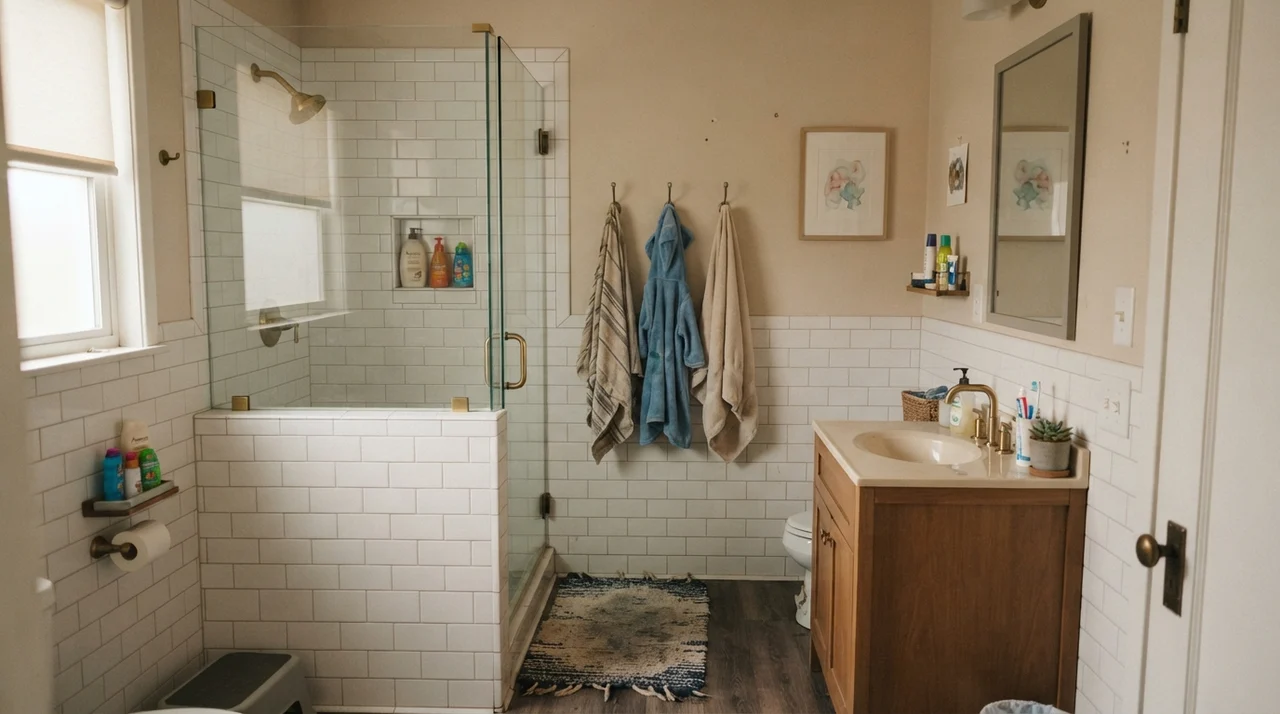
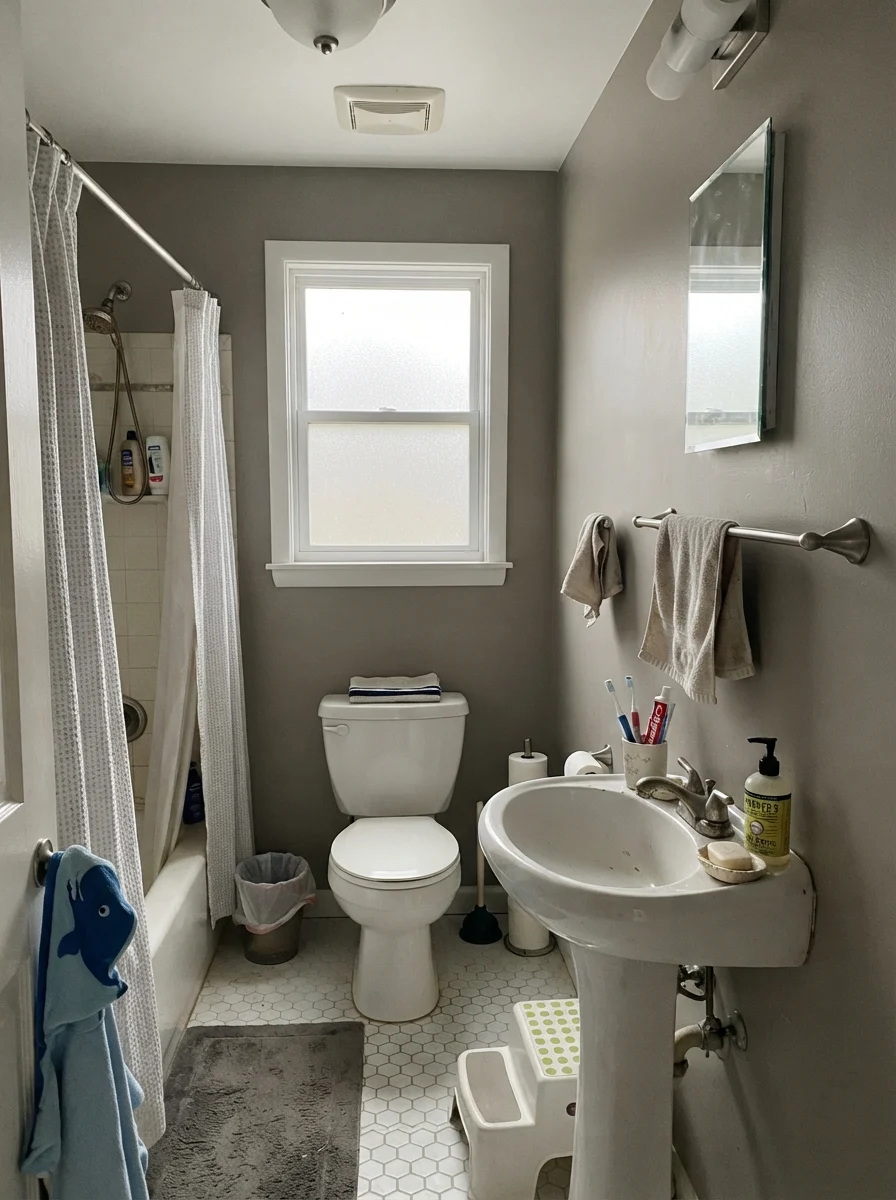
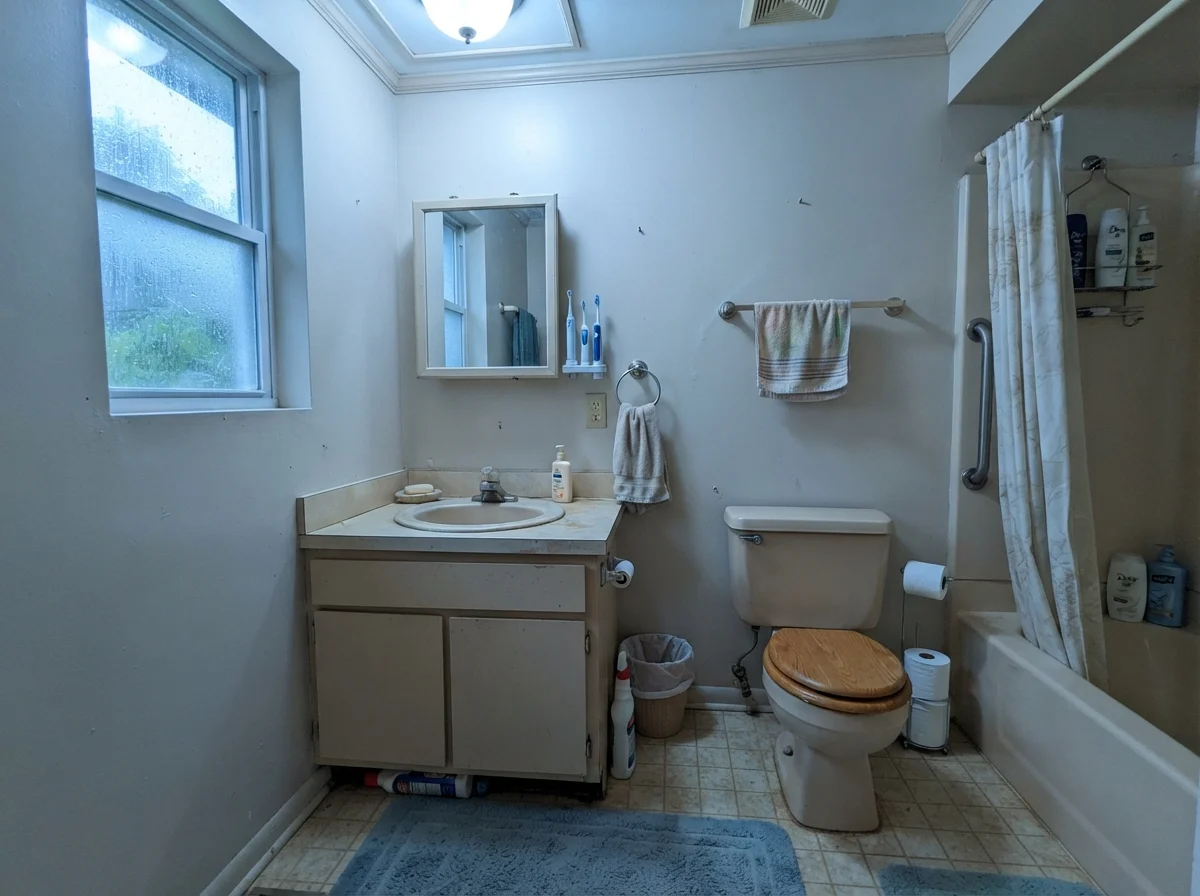
We have lived with it in our hallway and family bathroom across multiple seasons, and I have recommended it to friends who were desperate to calm down honey-toned kitchens without tearing out their cabinets. It is a workhorse paint, but you have to know what you are actually putting on your roller. Despite the polite marketing name, this is not a sterile off-white or a greige. It lives in the orange-tan color family, and if your room gets strong afternoon sun or sits beside cool grey floors, it will show its true colors whether you planned for them or not.
The Undertone Story: Beige, Tan, and the Sunset Gold Shift
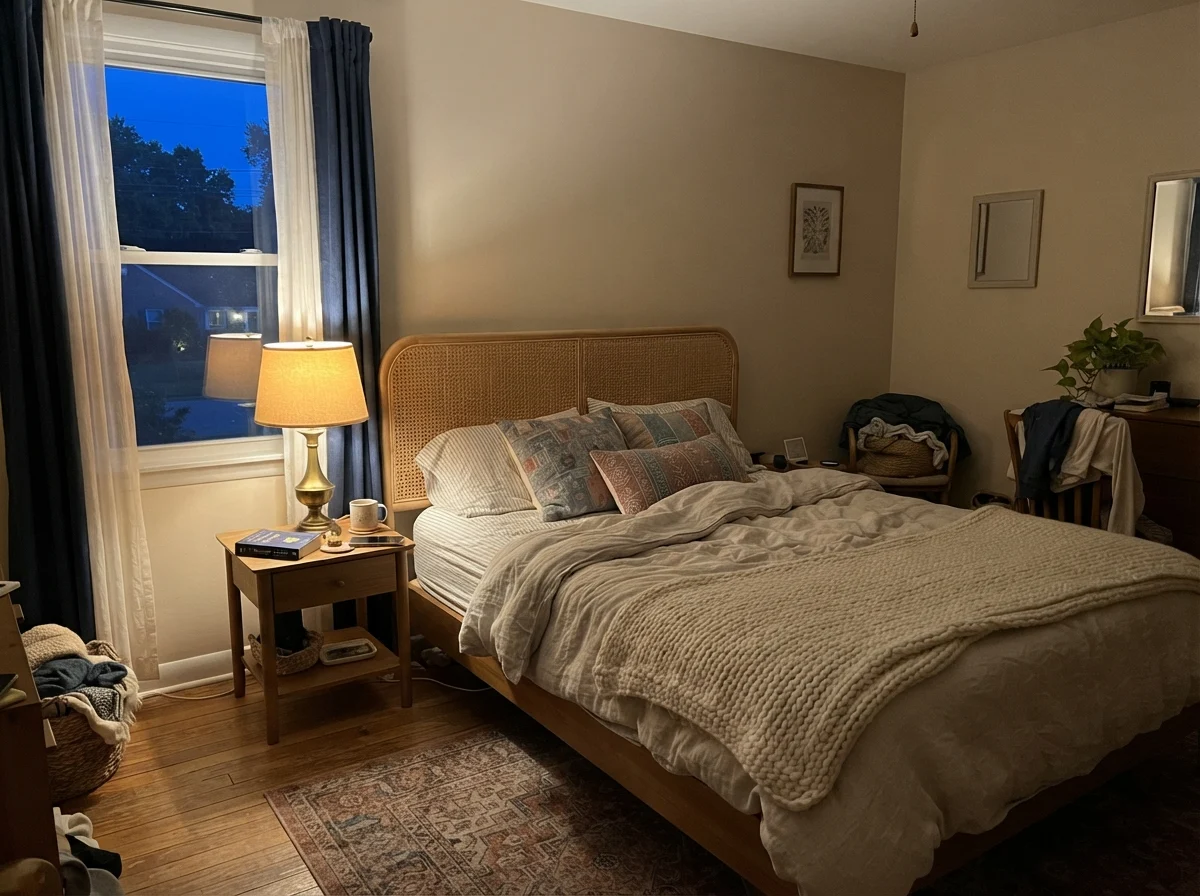
Sherwin-Williams files Neutral Ground in its orange-tan deck family, and that formulation tells you everything about how it behaves when daylight changes. In soft north light, the cool skylight tempers the tan base, leaving you with a quiet, grounded greige. But as the sun circles around to the west, or when you switch on lower-kelvin evening lamps, the underlying warmth steps forward clearly. It is never a muddy brown, but it is unequivocally warm.
warm sun
overcast, north light
dusk, rain, cool bulbs
orange-tan → muted greige → warm amber tan
Antique WhitePPG / Glidden · see diary
White SesameSherwin-Williams · see diary
Neutral GroundSW 7568
Cream in My CoffeeValspar · see diary
Gentle LambValspar · see diary
How Daylight Changes the Wall from Morning to Sunset
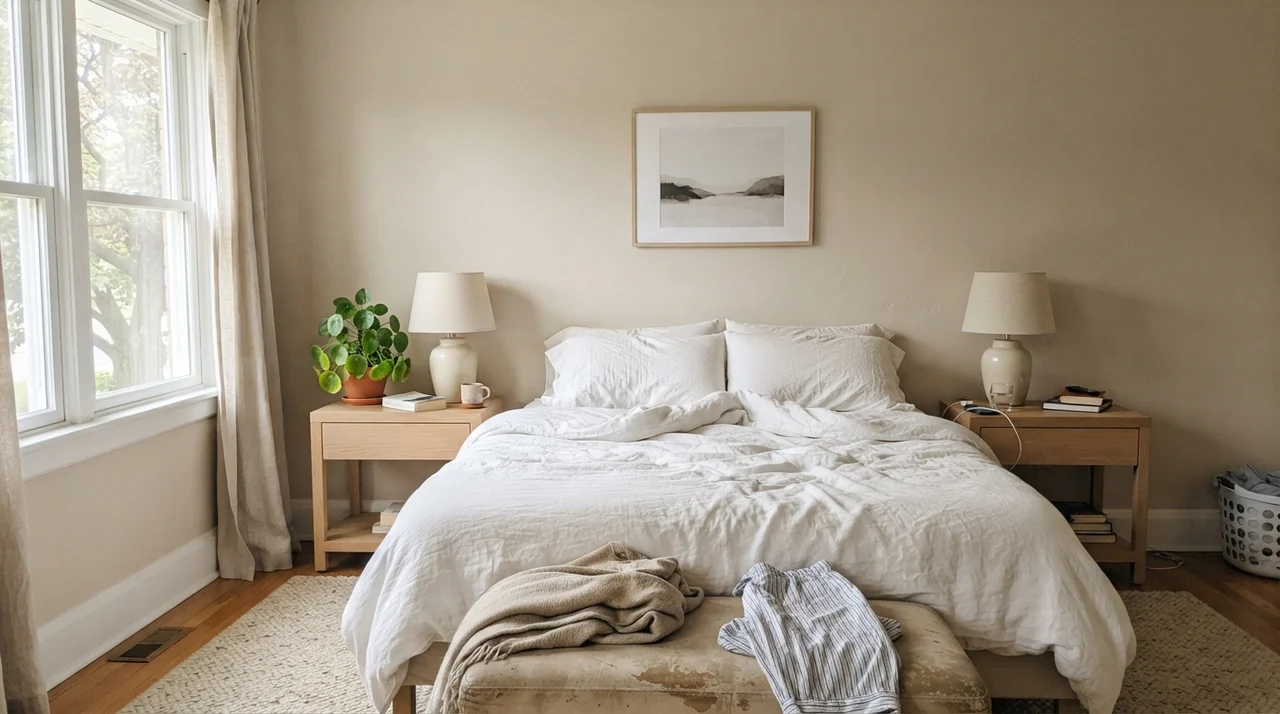
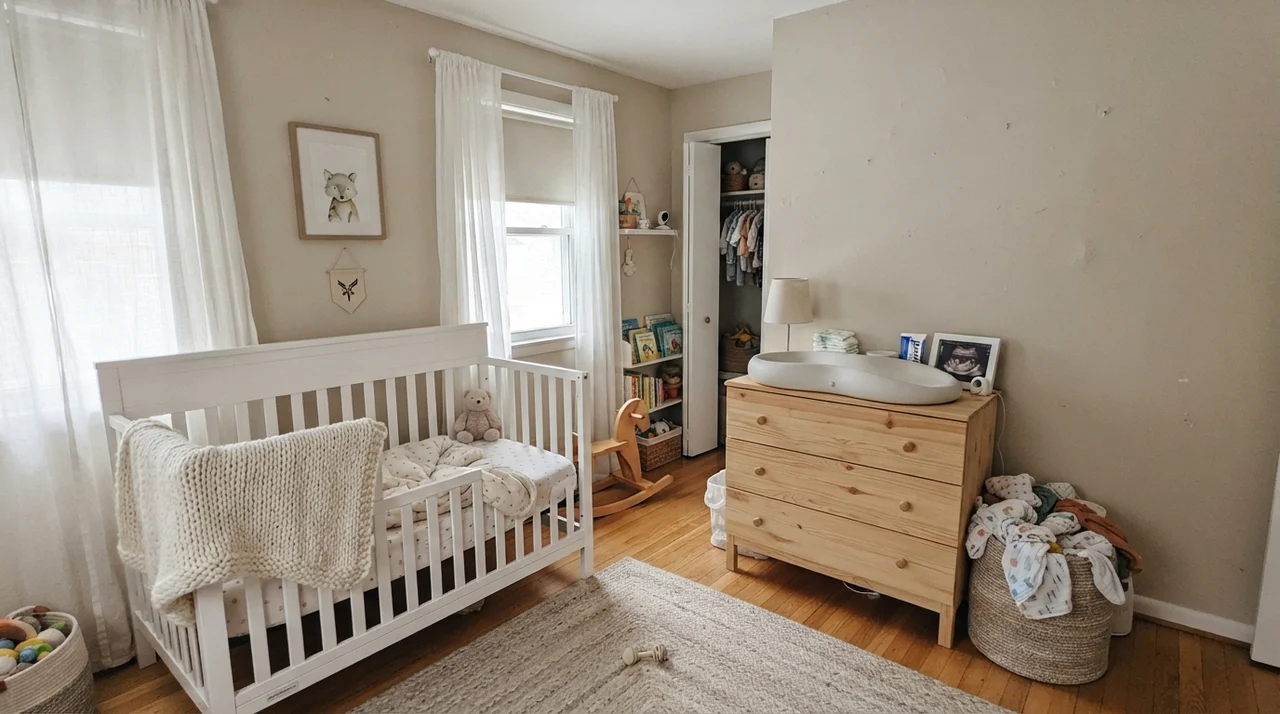
The biggest surprise for homeowners testing Neutral Ground is how much its personality shifts throughout a twelve-hour day. In early morning light or in rooms that face strictly north, it behaves like a disciplined, light stone greige. The cool sky takes the golden edge right off the wall. If you have a room that tends to feel cold, dingy, or shadowy, this is where the color shines brightest: it gives you back the warmth that cool daylight usually steals away, without going yellow or sour.
By midday, in balanced direct sun, you get the true LRV 70 face—a gentle, creamy beige that sits peacefully behind art, furniture, and wood trim. But then comes four o'clock. If you have west-facing windows, the low golden angle of the late afternoon sun hits the orange-tan undertone and they amplify each other. For about sixty to ninety minutes, your walls will flash noticeably golden. I have seen homeowners panic during that hour because they expected a muted linen and suddenly found an amber glow. If you sample this color, you must look at it at four in the afternoon before you buy five gallons.
Artificial lighting creates a very similar divide. If you run 2700K incandescent-style warm LED bulbs in your lamps, Neutral Ground will lean heavily into its yellow-tan side every evening when the sun goes down. In a bedroom or reading nook, many people find that cozy and inviting. But if you want the paint to stay true to what you saw on the swatch during the day, swapping your fixtures to 3000K bulbs keeps the color balanced and stops it from sinking into heavy gold.
Neutral Ground is the color you pick when the floors, stone, and wood are already warm and you just want the walls to agree with them.
Living with Neutral Ground Across the House
In our current 1960s ranch, as well as in our last house, I found that the hardest rooms to paint are the ones that must connect to everything else—the long hallways, the open stair landings, and the common living spaces where you cannot control every piece of furniture. Neutral Ground is built specifically for that whole-house transition role, provided your fixed finishes lean warm.
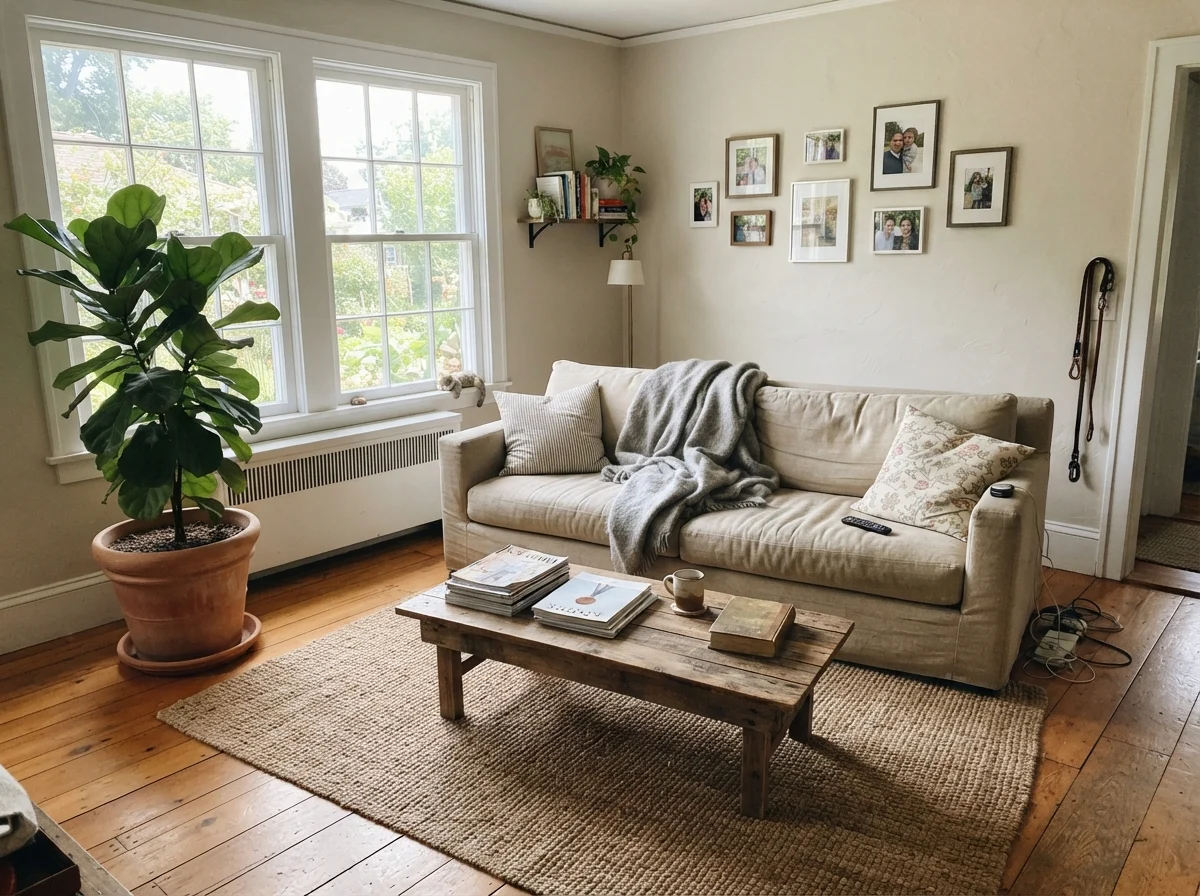
When you pair it with oak floors, woven rugs, linen upholstery, or warm leather, it steps into the background immediately. It does not demand attention, and it does not fight the architectural quirks of an older home. In open-concept floor plans where the kitchen runs straight into the dining space and family room, using an eggshell finish on the walls gives you a continuous, quiet backdrop that avoids the choppy, disjointed look of changing paint colors at every drywall corner.
Kitchens, Cabinets, and Built-In Millwork
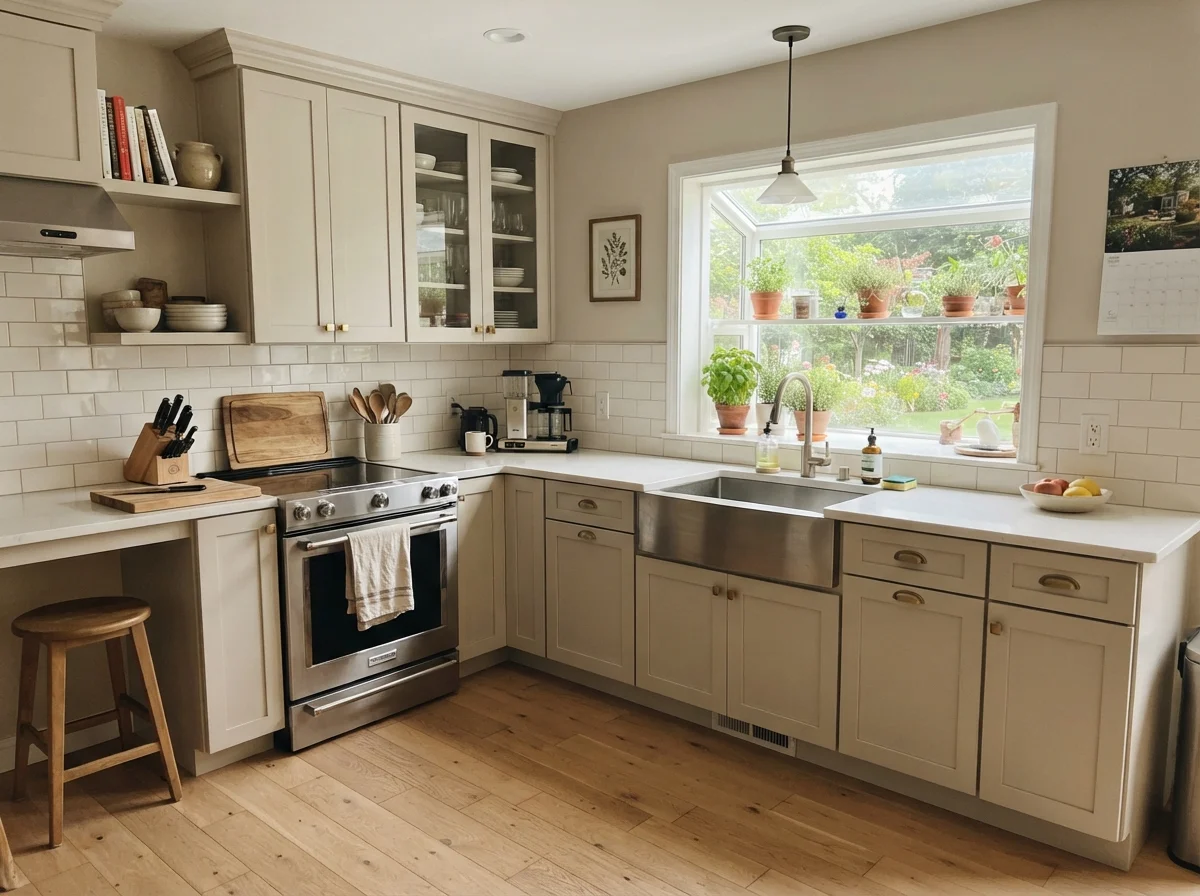
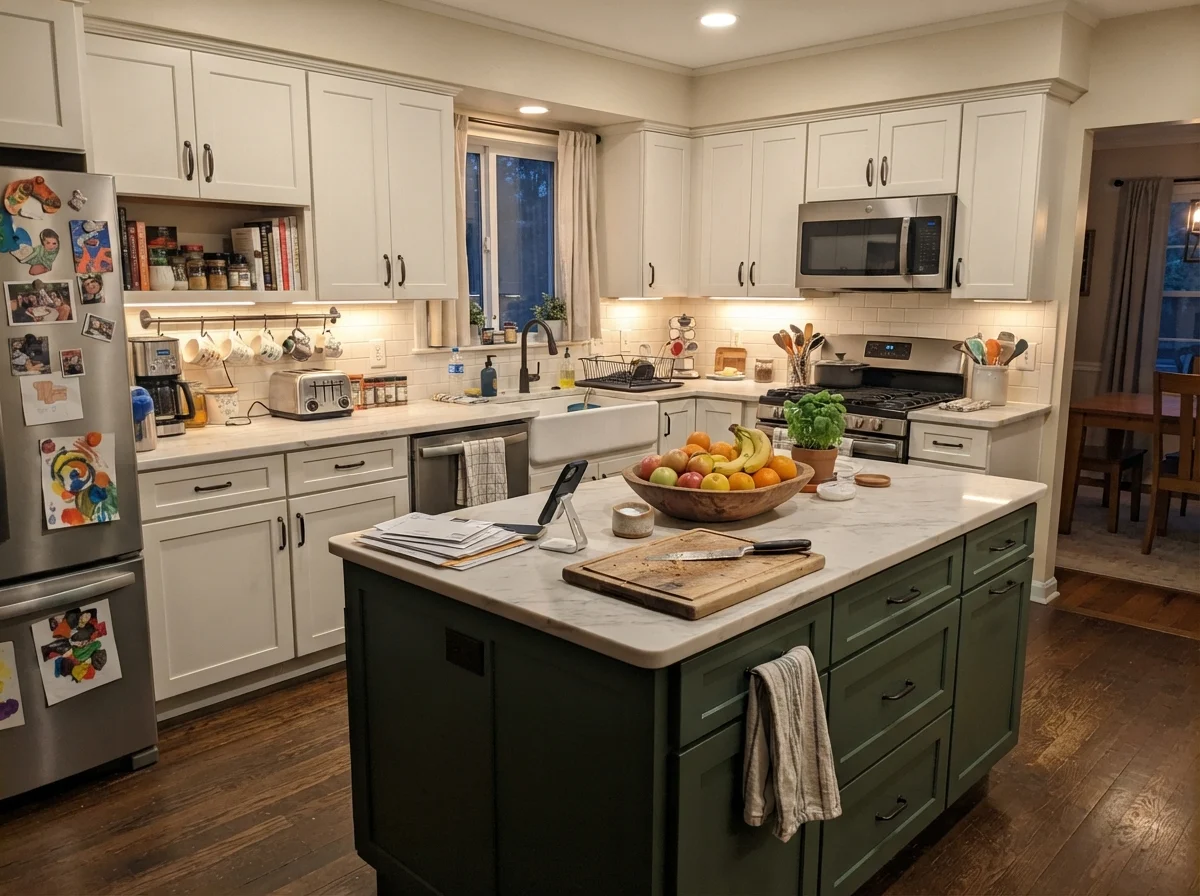
Where Neutral Ground really earns its keep is on woodwork, interior doors, and kitchen cabinetry. If you have ever lived with bright, sterile white kitchen cabinets, you already know the chore: every fingerprint around the pulls, every speck of dust near the kickboard, and every drip under the sink shows up like a neon sign. Bright white cabinetry can also look harsh and showroom-new in a house that has thirty or forty years of character built into it.
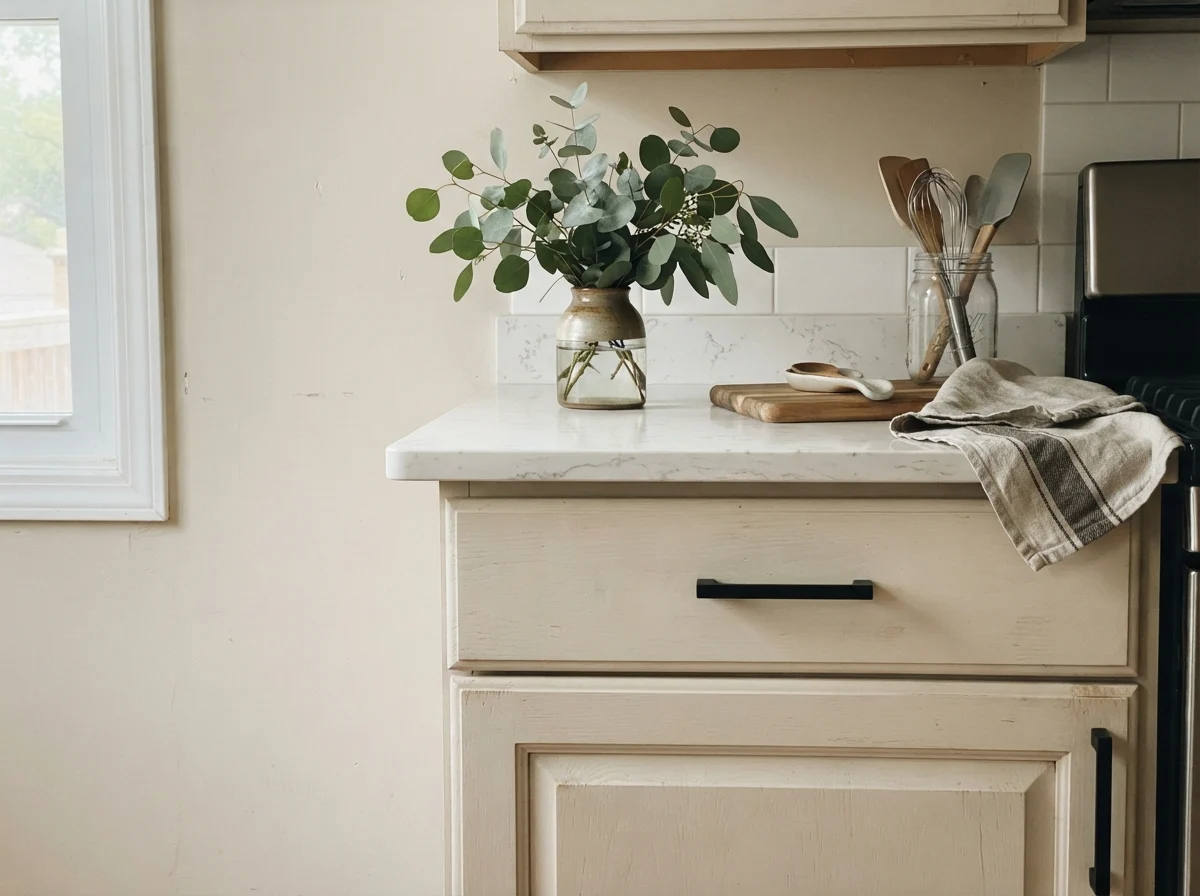
Painting shaker cabinets in Neutral Ground using a satin finish in a urethane-fortified cabinet enamel gives them an immediate, lived-in gentleness. It looks established, not clinical. It hides everyday handling far better than stark white, and it flatters butcher block countertops, creamy quartz, and warm soapstone beautifully. The one absolute rule in the kitchen: do not put it against cool, grey-veined Carrara marble or grey quartz counters. The cool grey in the stone will force the yellow-tan out of the paint, and the cabinets will end up looking slightly discolored.
Sunrooms, Mudrooms, and High-Traffic Bathrooms
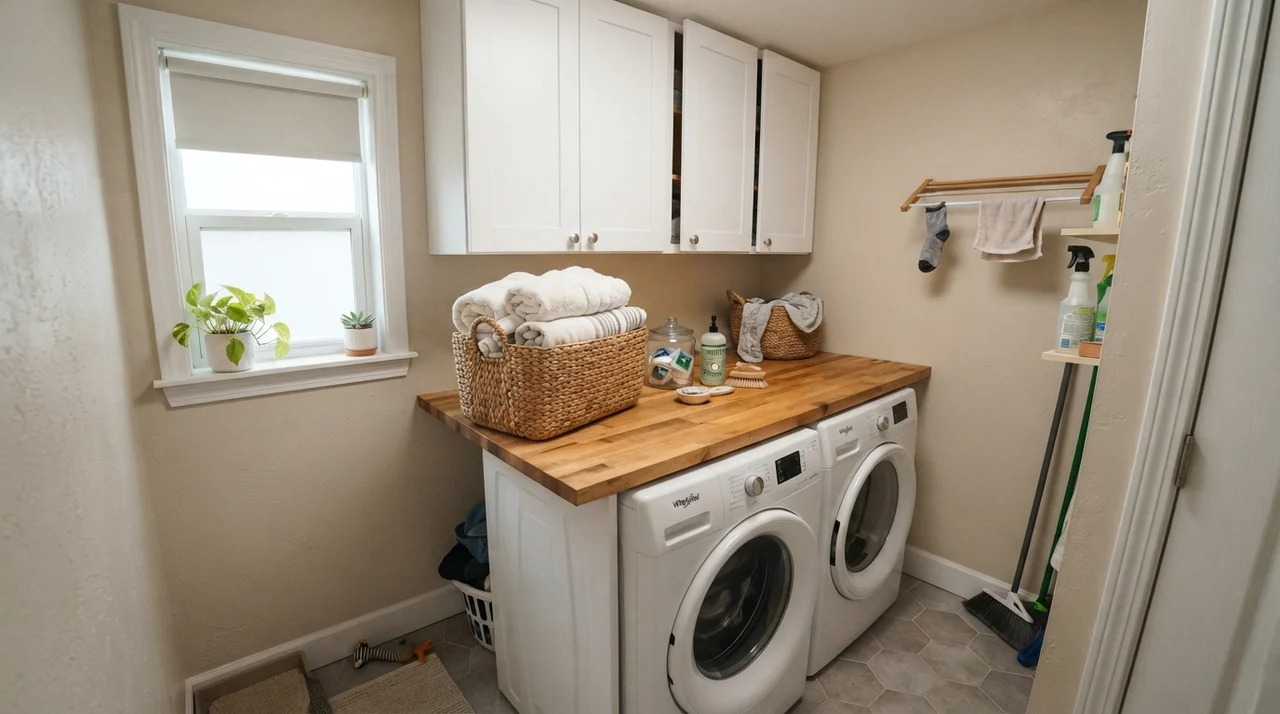
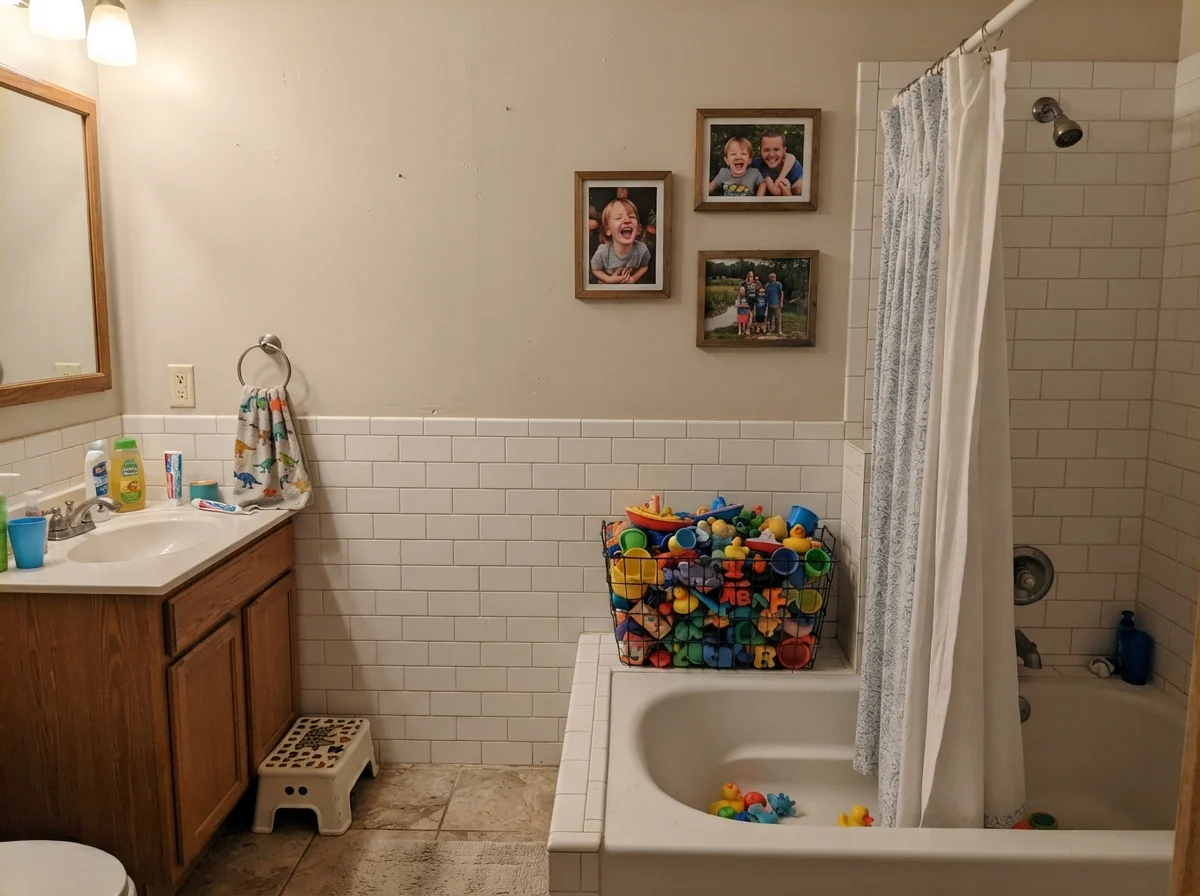
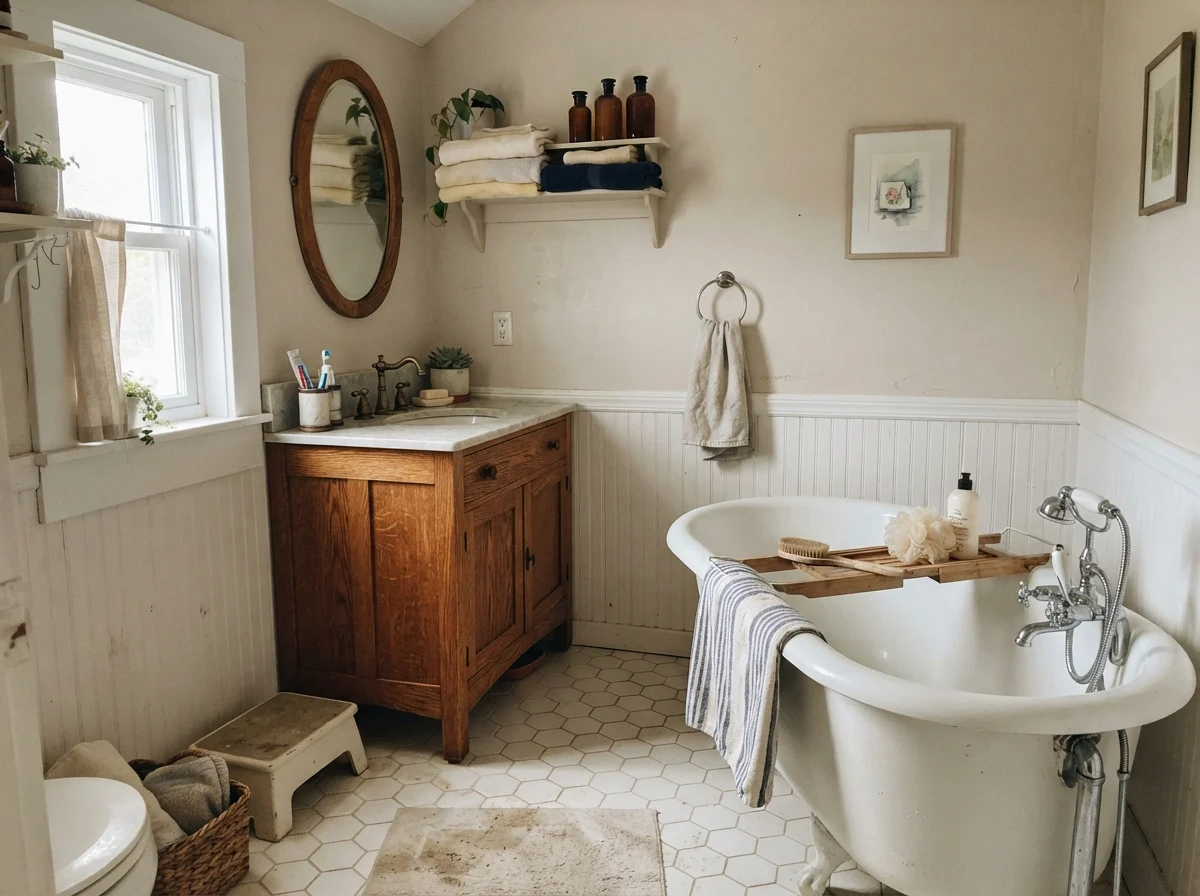
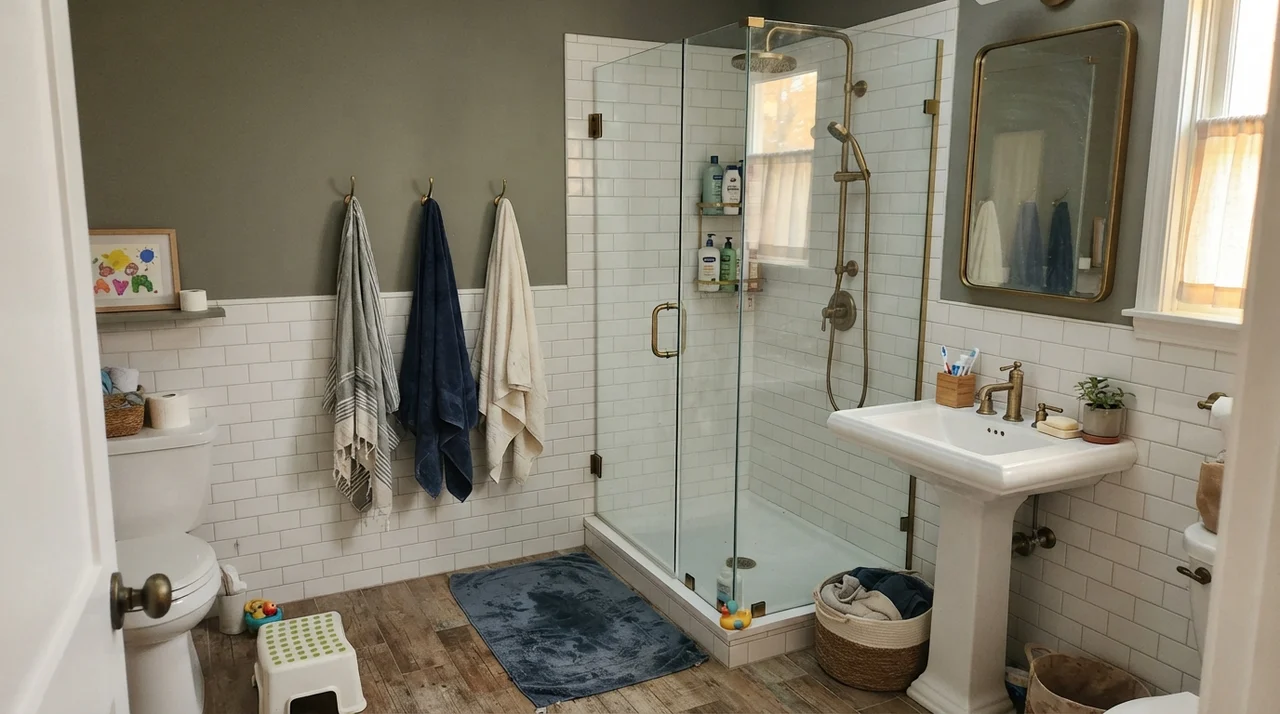
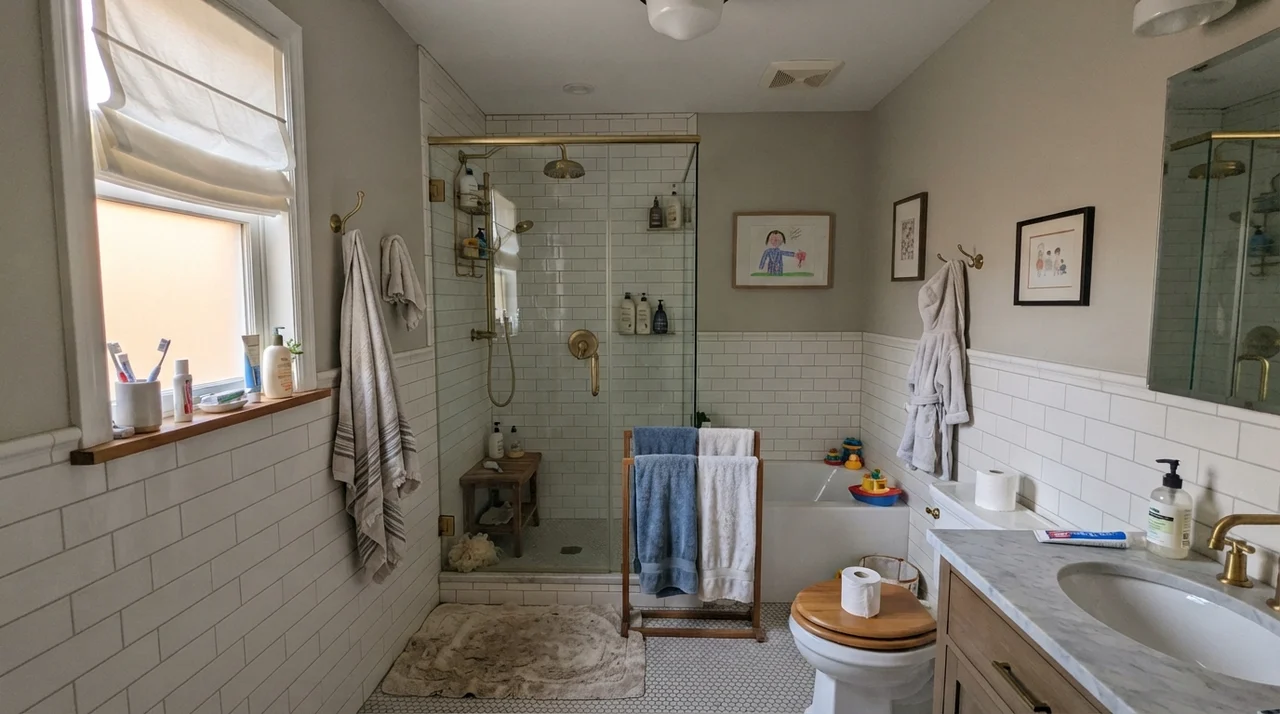
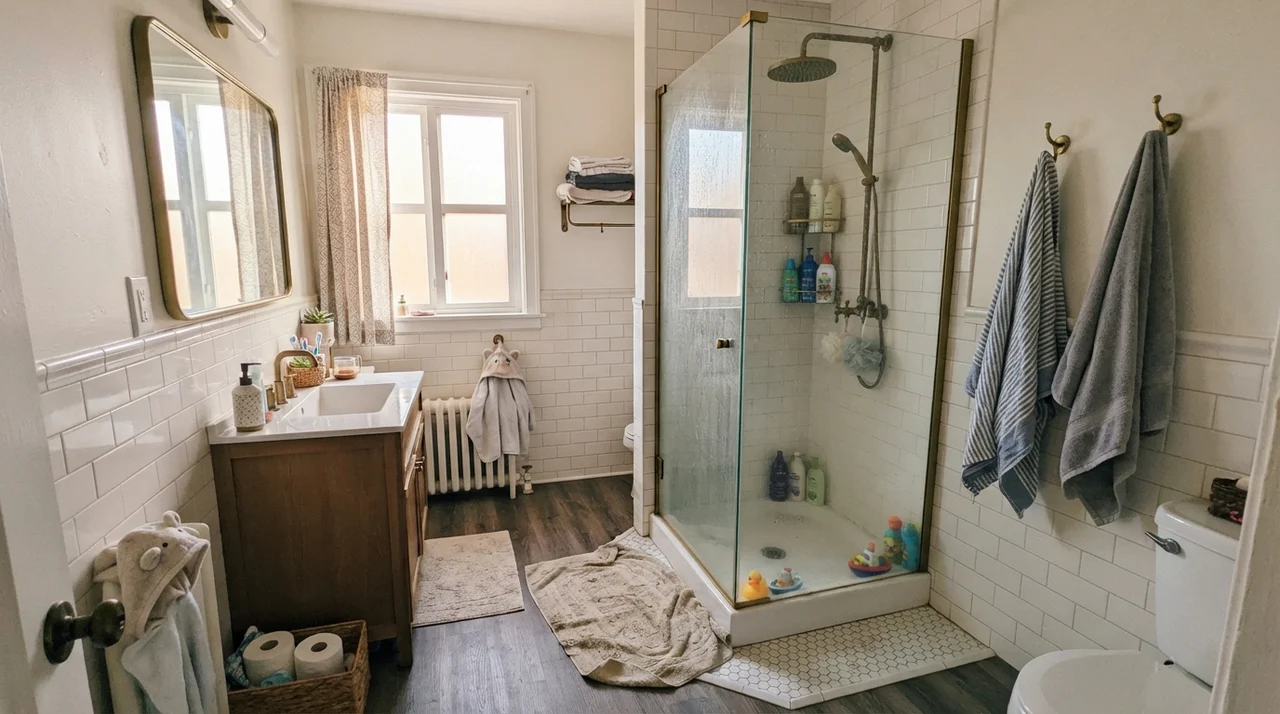
In smaller, high-use spaces like laundry rooms and bathrooms, Neutral Ground works nicely because it gives you light reflectance without feeling cold. A lot of small powder rooms have no exterior windows, and homeowners instinctively paint them pure white to brighten them up. In reality, pure white in a windowless room just reads like dead institutional drywall. A warm beige with an LRV of 70 catches whatever ambient light is available and bounces it around with some actual body.
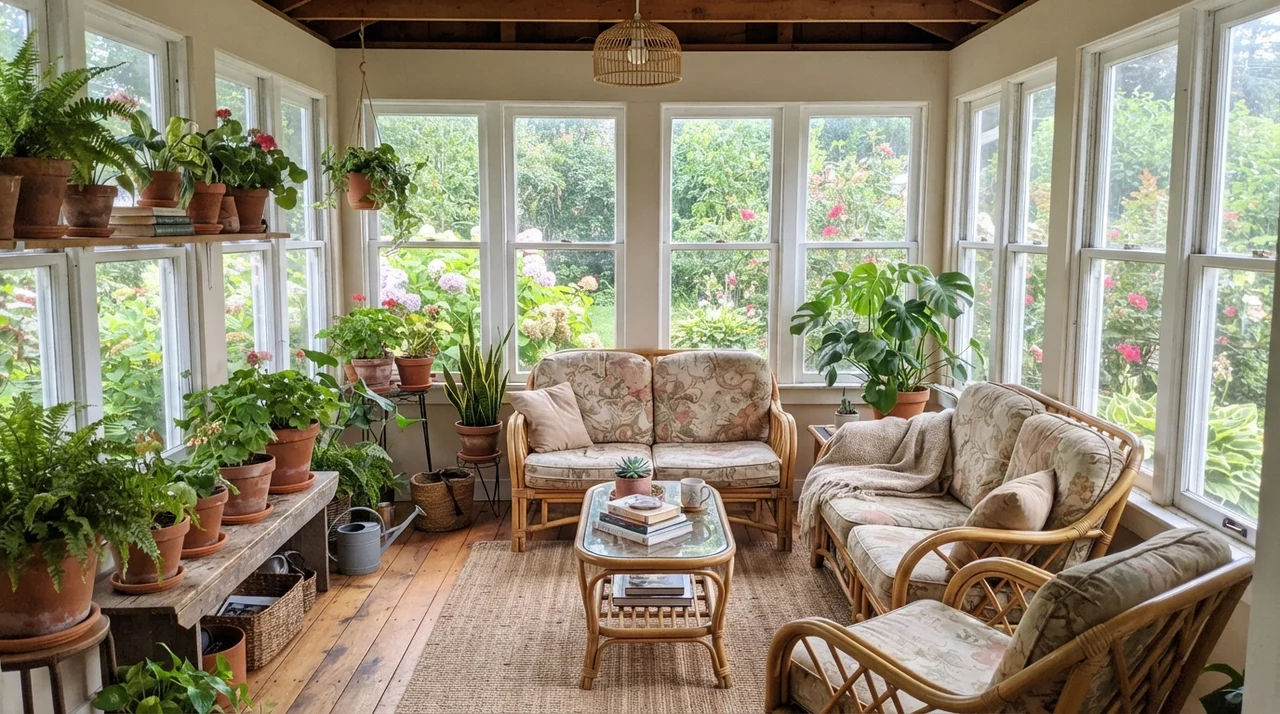
In high-sun spaces like a porch conversion or sunroom, the opposite happens: direct sunlight washes out the walls, making Neutral Ground read much closer to a soft, creamy off-white. Surrounded by green houseplants and terracotta pots, the tan base feels natural and settled rather than heavy.
Interior Doors and Architectural Trim
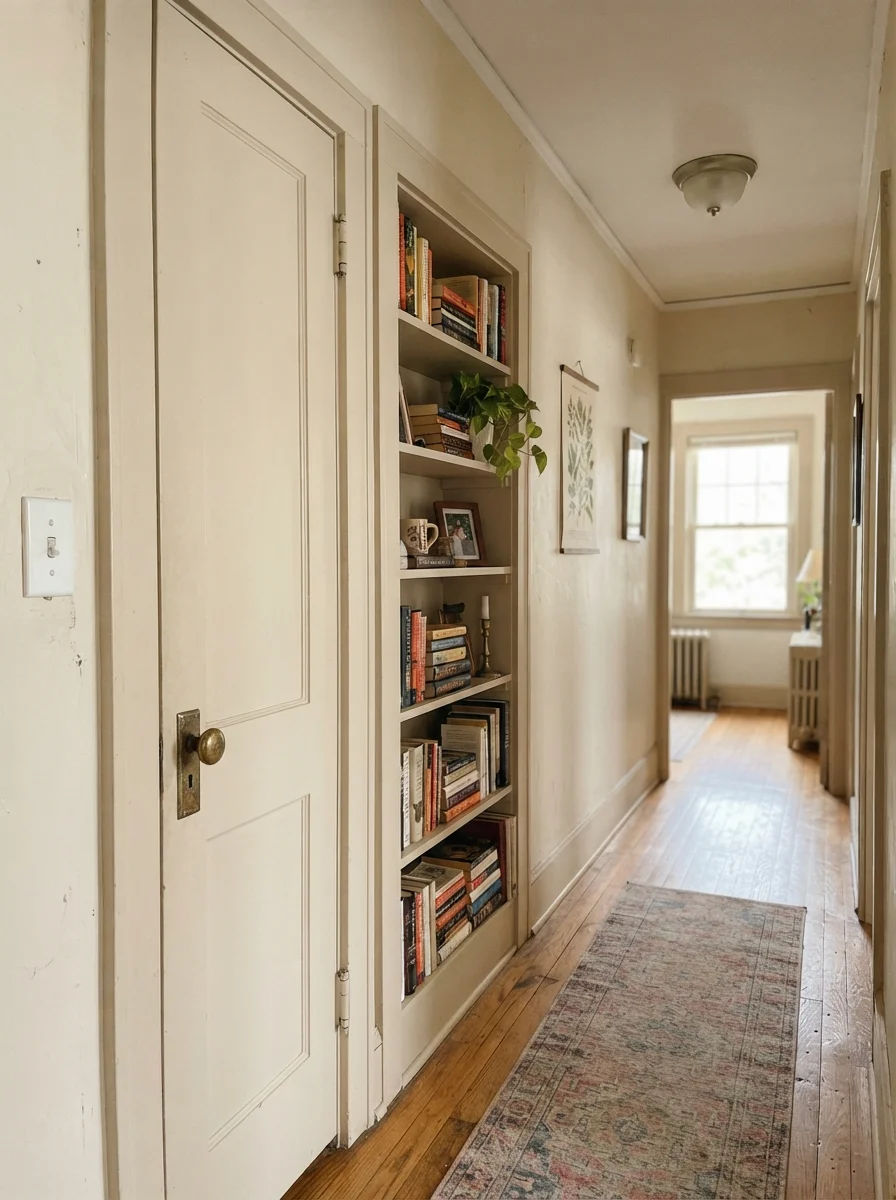
If you have an older house with plain flat walls and you want to add some architectural interest without spending a fortune on custom carpentry, painting your interior doors and built-ins in Neutral Ground while keeping the surrounding walls in a soft cream is a classic, budget-friendly trick. It gives interior woodwork presence without the severe, high-contrast look of black or dark charcoal doors.
Where Neutral Ground Fails: The Honest Mistakes
Almost every bad Neutral Ground story comes down to three situations, and all three are about what sits next to it rather than what is in the can. If your room matches one of these, choosing a different color will save you two weekends and a second gallon of paint.
- The four o'clock west-facing room: Low golden sun lands directly on a color with an orange-tan deck base, and the two stack up. For an hour or two the walls flash properly yellow. Anyone who sampled only at noon never saw it coming. If your afternoon sun is intense and you dislike gold tones, look at Egret White (SW 7570) instead—it shares the same LRV 70 but has noticeably less yellow pigment in the formula.
- Cool grey floors and grey quartz: Grey luxury vinyl plank, grey-washed oak, and cool quartz countertops sit at the complete opposite end of the color temperature spectrum. When you put Neutral Ground beside them, the grey pushes the tan forward aggressively, making the walls read peachy or muddy. If you have a cool flooring scheme, stop fighting it and switch to a true greige like Agreeable Gray (SW 7029), or Repose Gray (SW 7015) if the space needs to stay even cooler.
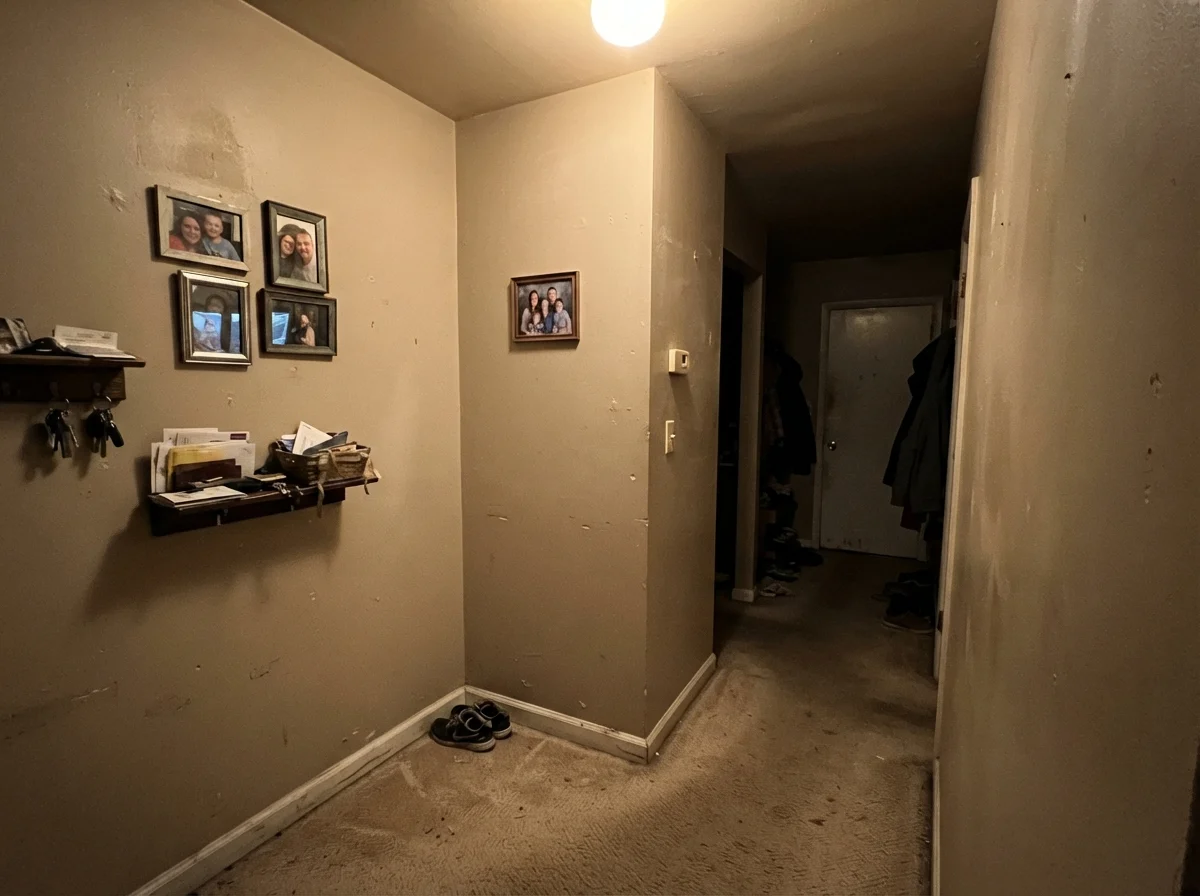
- Dark, windowless interior corners: In a windowless hallway corner under a single weak ceiling bulb, an LRV 70 beige does not have enough daylight to bring out its warmth. It can look flat, muddy, and drab.
Exterior Siding and Long-Term Sun
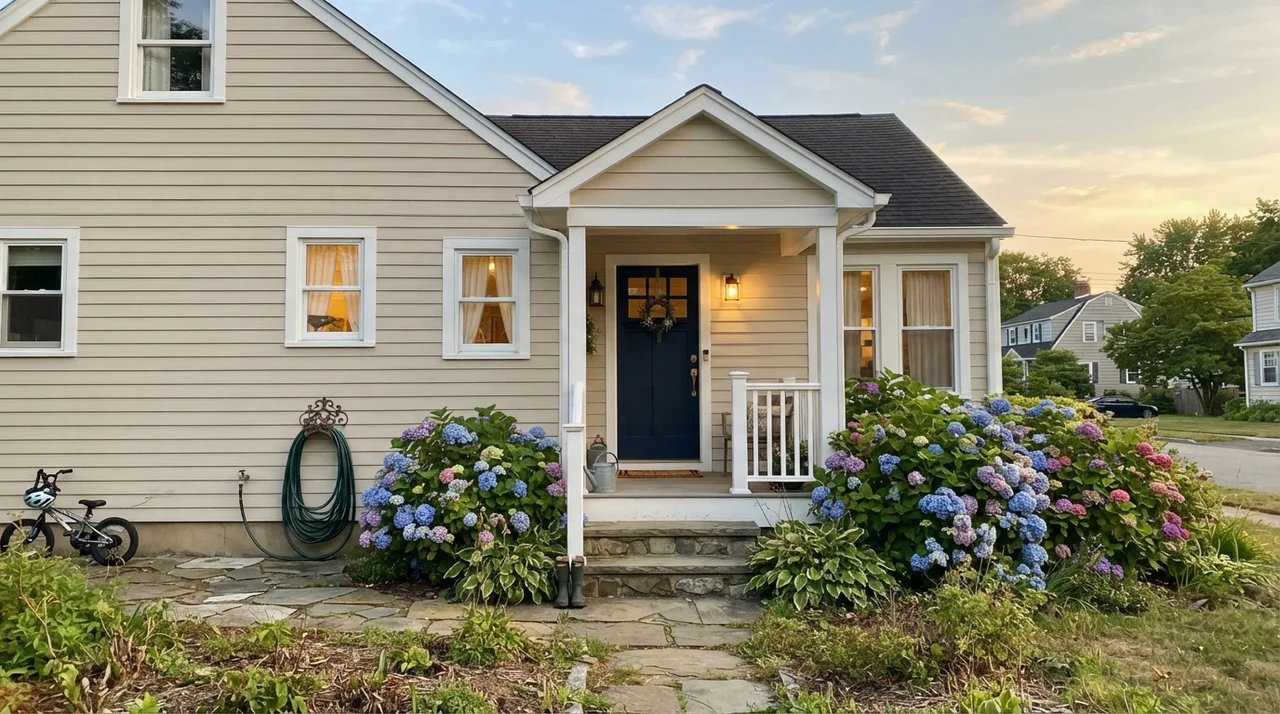
Outside the house, direct outdoor sunlight dilutes paint colors drastically. On horizontal exterior siding or stucco, Neutral Ground reads several shades lighter and much cleaner than it does in a hallway. It looks like a handsome, historic ivory-tan that flatters natural stone foundations, red or orange brick chimneys, and mature landscaping.
The secret to using it on an exterior is high-contrast trim. On its own across an entire two-story facade, an LRV 70 tan can look washed out and flat. Pairing it with deep, earthy accents—such as Sherwin-Williams Iron Ore (SW 7069) or Urbane Bronze (SW 7048) on the front door, shutters, and window sashes—gives the structure weight and stops the house from blending into the sidewalk.
Durability, Scrubbing, and How It Holds Up Five Years In
Whenever you choose a light paint color for a busy house, you have to think about what it looks like five years in, not just the afternoon you pull off the blue painter's tape. In our houses, I have scrubbed dog mud off hallway walls, cleaned spaghetti sauce splatters off kitchen backsplashes, and touched up baseboard scuffs before open houses.
For walls, stick firmly with eggshell. A flat sheen in an LRV 70 beige will absorb oils and grease from stray hands around light switches, and when you scrub it, you will leave behind shiny, burnished patches that catch the light. Eggshell gives you just enough resin to wipe clean with a damp microfiber cloth and warm soapy water without wrecking the finish. For trim and baseboards, semi-gloss is worth the extra sheen because it takes the beating from vacuum cleaners and muddy boots.
When it comes to touch-ups, Neutral Ground is relatively forgiving compared to deep, saturated paints. Because it uses an earth-based pigment formula without heavy blue or magenta tinting, a small dab from the original can feather into an existing wall smoothly—provided your wall hasn't suffered heavy UV fading from an unshaded south-facing window. When we sold our last house, I spent forty-five minutes touching up nail holes and corner dings in the hallway, and the touch-ups vanished completely once dry. The buyer's home inspector never noticed a thing.
Is Sherwin-Williams Neutral Ground considered a beige or an off-white?
It is a light beige. With an LRV of 70, it is light enough to brighten a room, but on a full four-wall expanse against white trim, it reads clearly as a warm tan color, not an off-white.
What is the best trim color for Neutral Ground?
Sherwin-Williams Pure White (SW 7005) is best for a clean, fresh look, while Sherwin-Williams Alabaster (SW 7008) provides a softer, lower-contrast pairing. Avoid Extra White (SW 7006), as its cool undertones make Neutral Ground look dirty.
Why does my Neutral Ground paint look yellow in the evening?
Neutral Ground sits in the orange-tan color deck. When hit by warm 2700K lightbulbs or low late-afternoon west sun, the gold and yellow tones amplify. Switching light fixtures to 3000K bulbs keeps the paint looking balanced.
What sheen should I choose for each surface?
Use flat on ceilings, eggshell on main living walls for cleanability, semi-gloss on doors and baseboard trim, and satin on kitchen cabinets or built-in bookshelves.
Can Neutral Ground work with grey floors or grey quartz?
It is not recommended. Cool grey finishes push the tan undertone forward, making the walls read peachy or mismatched. In a room with grey finishes, a true greige like Agreeable Gray (SW 7029) is a safer choice.
Susan's Verdict · The Whole-House Warm Workhorse
If you have oak floors, warm tile, or honey-colored woodwork and you want a whole-house paint that softens the space without demanding a major design statement, Sherwin-Williams Neutral Ground is worth every penny of the gallon price. Just remember that it is a genuine beige, not an off-white. Pair it with Pure White trim, keep your light bulbs at 3000K, avoid cool grey flooring, and you will have a wall color that holds up gracefully for the next ten years.